
The best hiking routes in Senne mit Stapelager Senne
Discover the best walks in Senne mit Stapelager Senne. 41 routes on the map, with descriptions, photos and GPX.
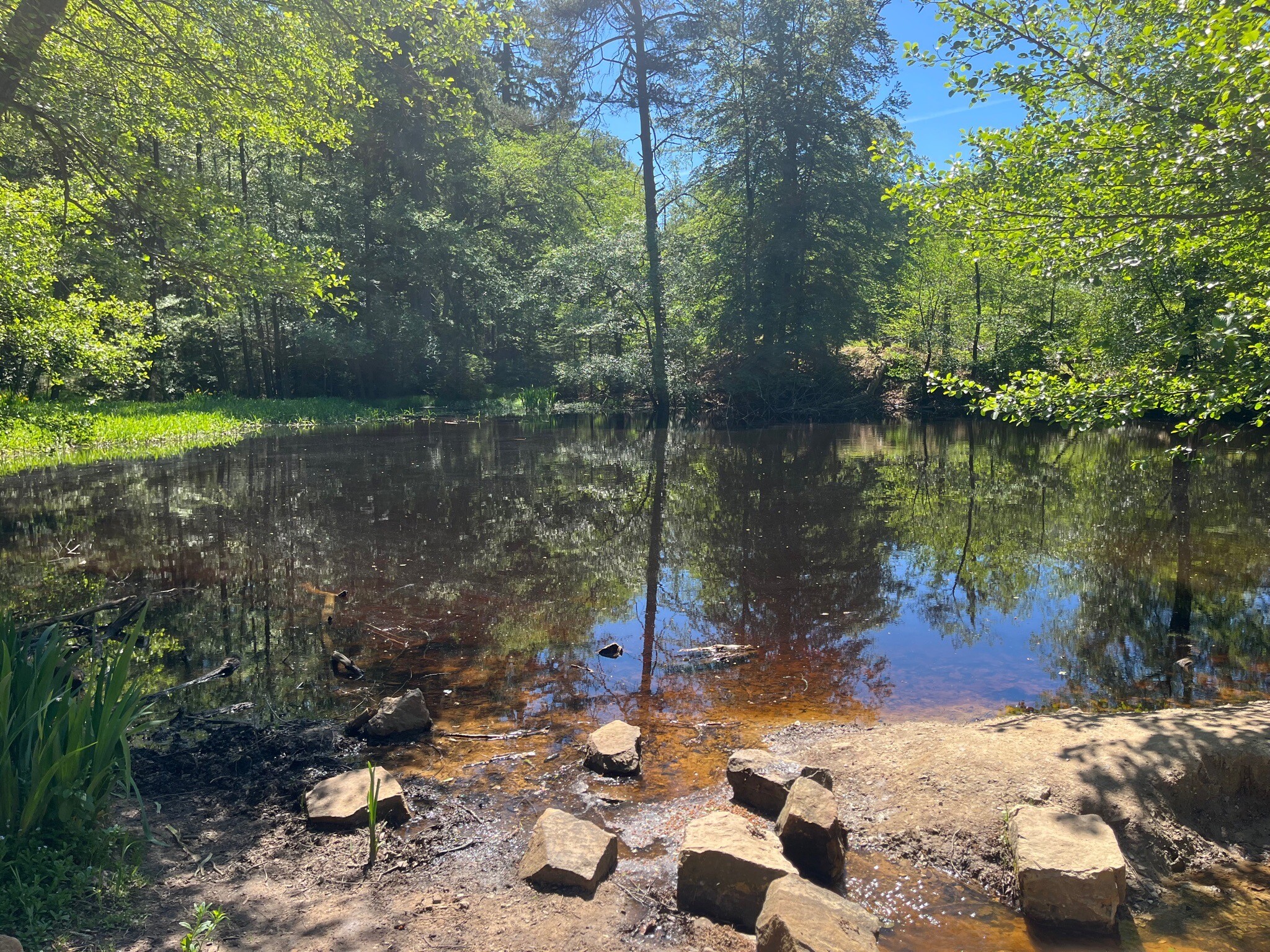
About Senne mit Stapelager Senne
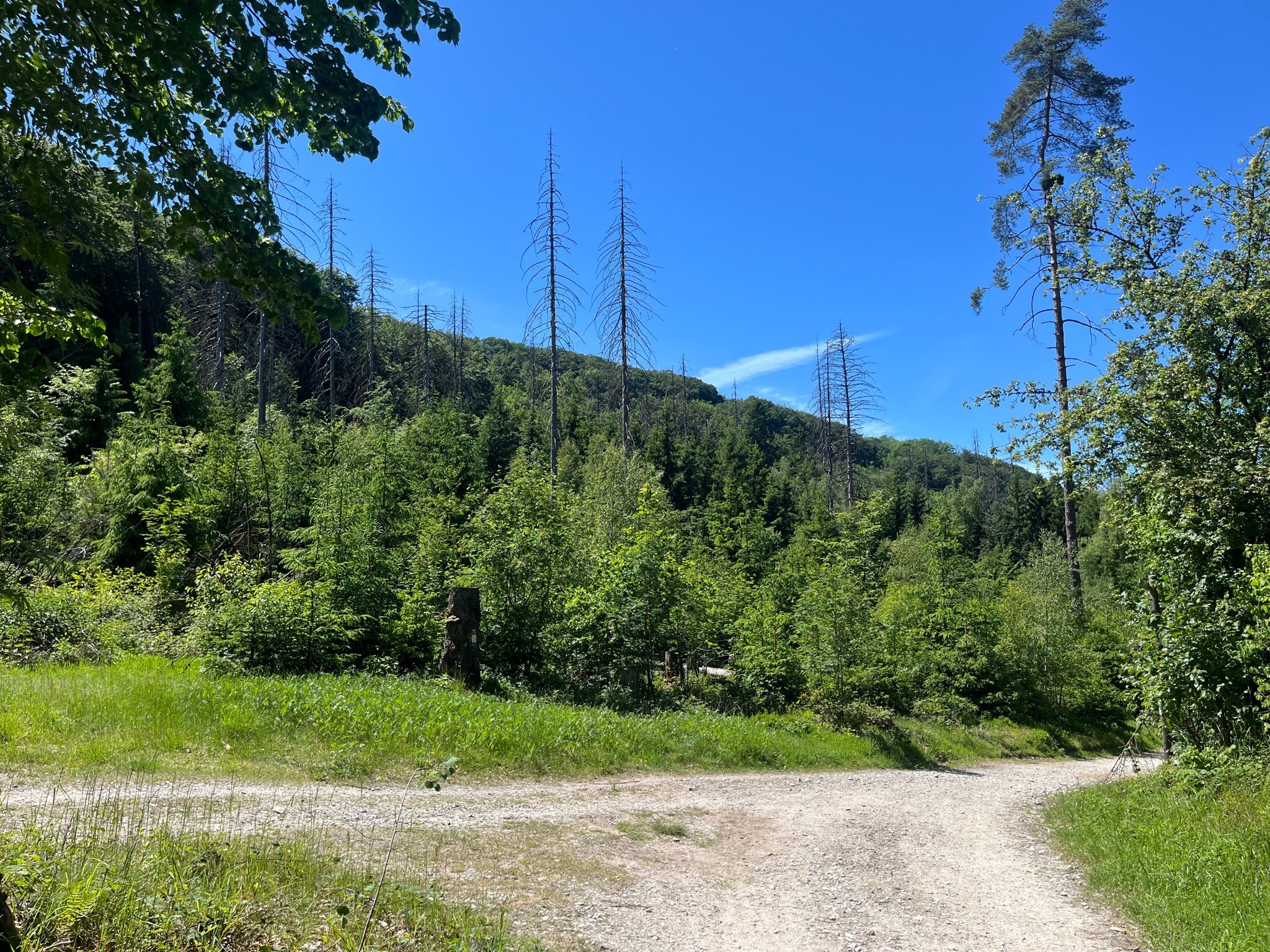
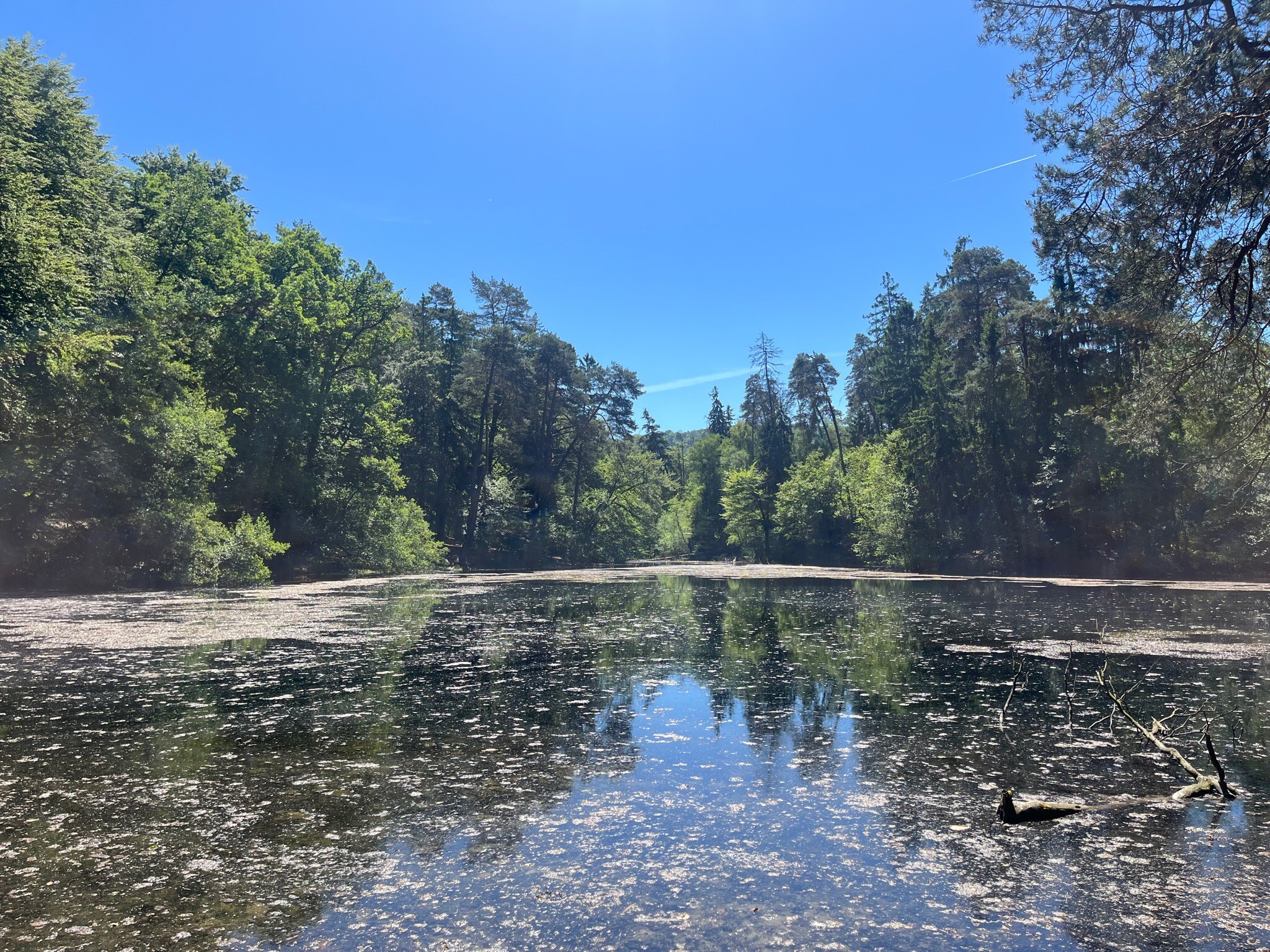
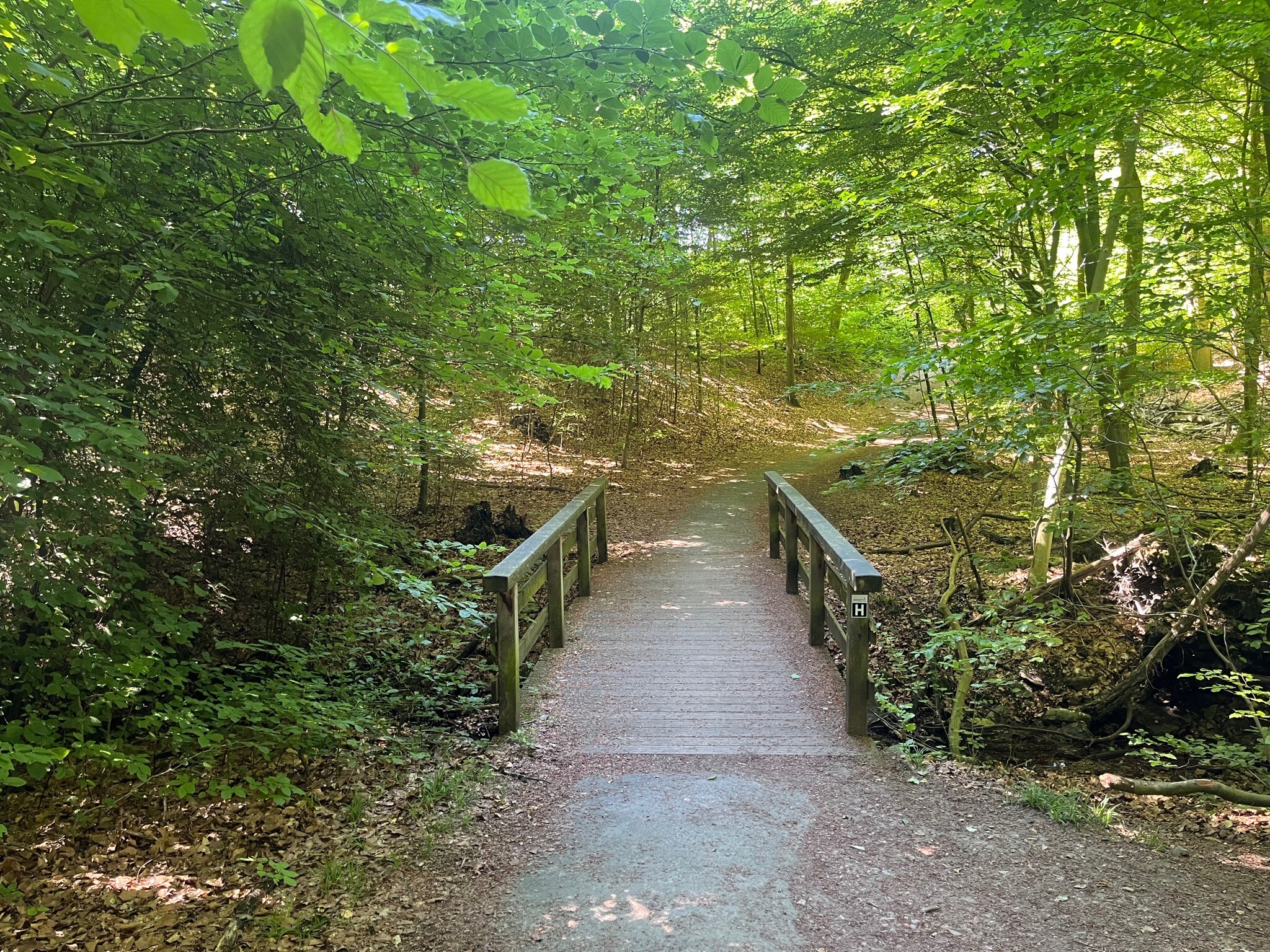
Senne mit Stapelager Senne offers a distinct contrast between dry, nutrient-poor sandy plains and damp, marshy depressions. Walking here, you will notice how the terrain shifts underfoot from loose, dusty sand tracks on the dunes to firmer, damp soil in the low-lying areas. The landscape is shaped by historic grazing and military use, leaving a mosaic of open dwarf-shrub heathland, scattered birch stands, and dense pine forests rather than a continuous woodland.
Read more
About Senne mit Stapelager Senne
Senne mit Stapelager Senne offers a distinct contrast between dry, nutrient-poor sandy plains and damp, marshy depressions. Walking here, you will notice how the terrain shifts underfoot from loose, dusty sand tracks on the dunes to firmer, damp soil in the low-lying areas. The landscape is shaped by historic grazing and military use, leaving a mosaic of open dwarf-shrub heathland, scattered birch stands, and dense pine forests rather than a continuous woodland.
Read moreSenne mit Stapelager Senne offers a distinct contrast between dry, nutrient-poor sandy plains and damp, marshy depressions. Walking here, you will notice how the terrain shifts underfoot from loose, dusty sand tracks on the dunes to firmer, damp soil in the low-lying areas. The landscape is shaped by historic grazing and military use, leaving a mosaic of open dwarf-shrub heathland, scattered birch stands, and dense pine forests rather than a continuous woodland.
Unlike more uniform forest tracks in the region, this area requires attention to the ground. The dry heath sections feature deep sand that can make walking slow, while the transition zones to the wet heath contain boggy patches where moisture collects. There are no high hills or deep valleys, only a gently undulating terrain where the vegetation changes rapidly over short distances. In August, the flowering heather colors the open plains purple, contrasting sharply with the dark green pines.
This is a working landscape where natural succession is actively managed to keep the heath open. You will likely encounter grazing sheep or goats used to prevent birch trees from overtaking the sand. While the main access points near the edges can be busy with local visitors, the deeper sandy tracks further inside the reserve offer a much quieter walking experience.
Hiking routes in Senne mit Stapelager Senne (41)
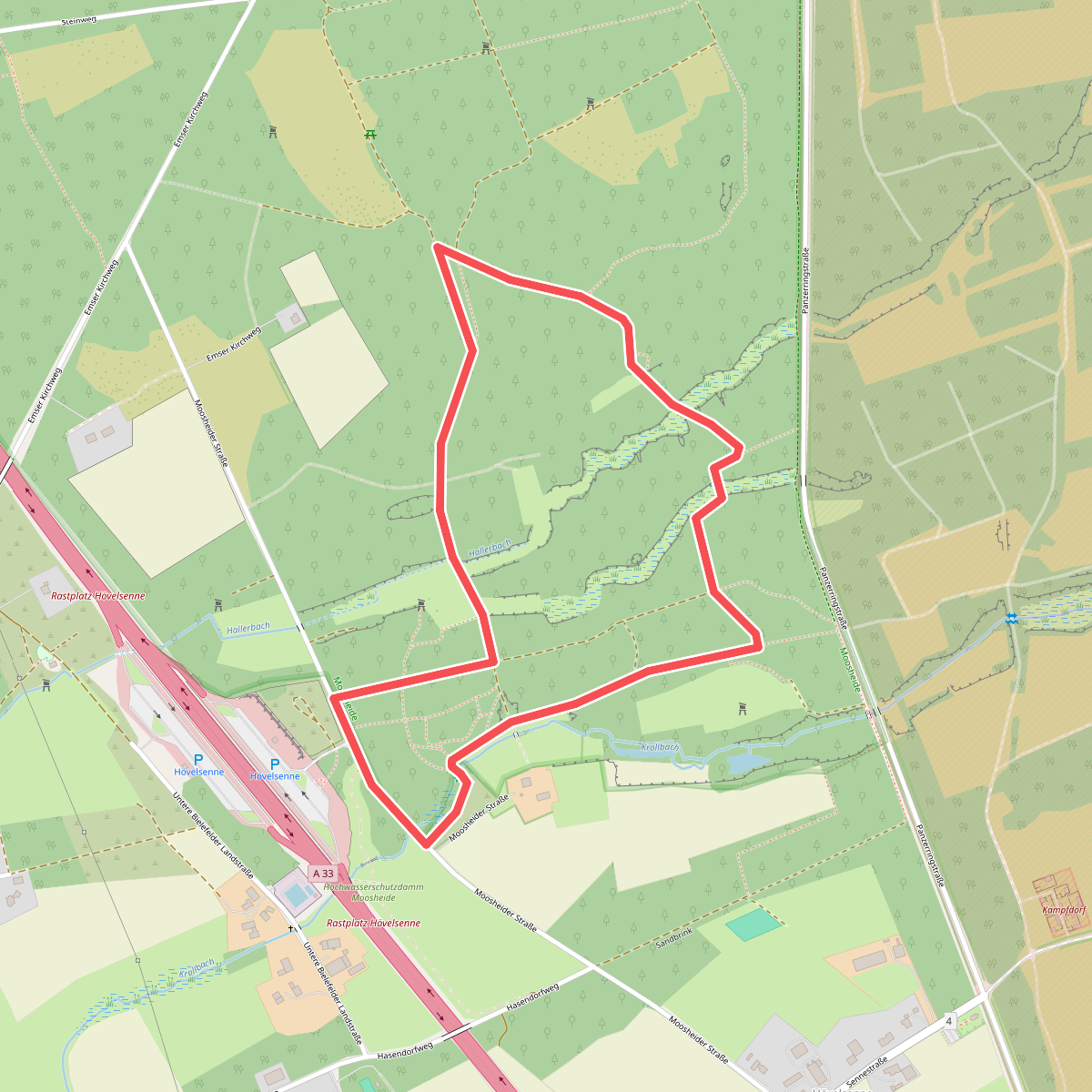
#1. A2 Moosheide und Krollbach (Hövelhof)
Hövelhof
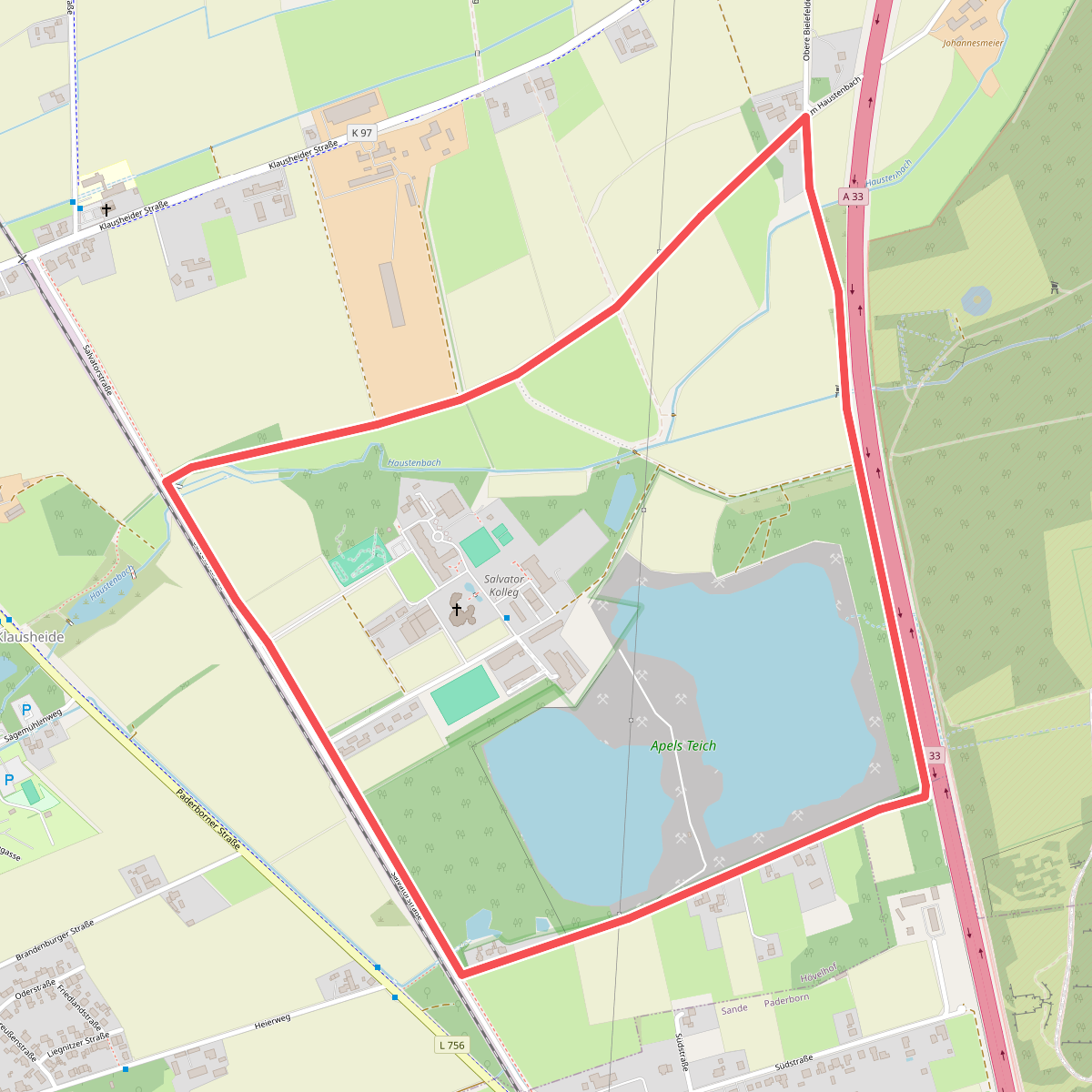
#2. A3 (Hövelhof)
Hövelhof
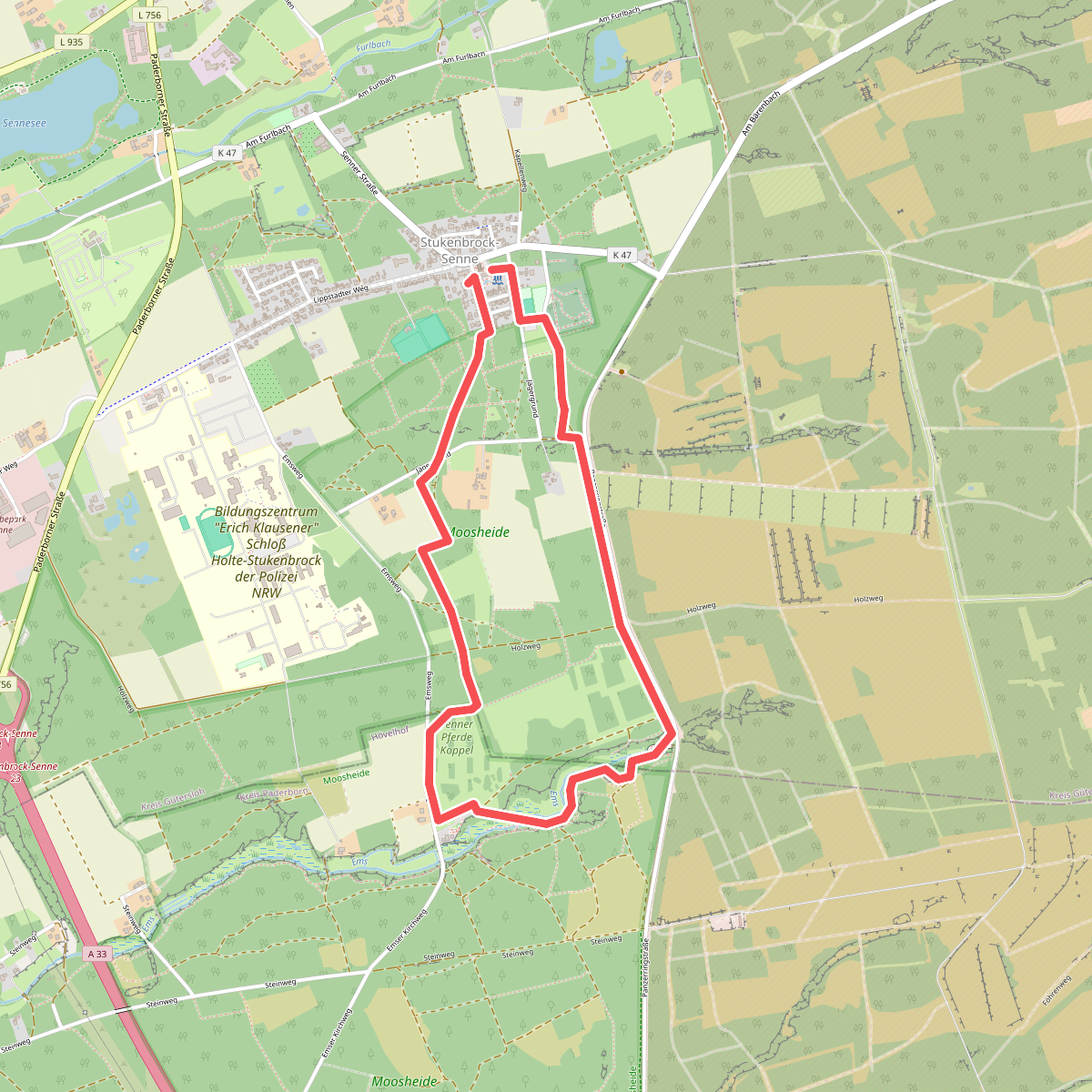
#3. A5: Ems-Erlebnisweg / lokale rondweg |Natuureducatiepad in het beschermd natuurgebied Moosheide
Schloß Holte-Stukenbrock,Hövelhof
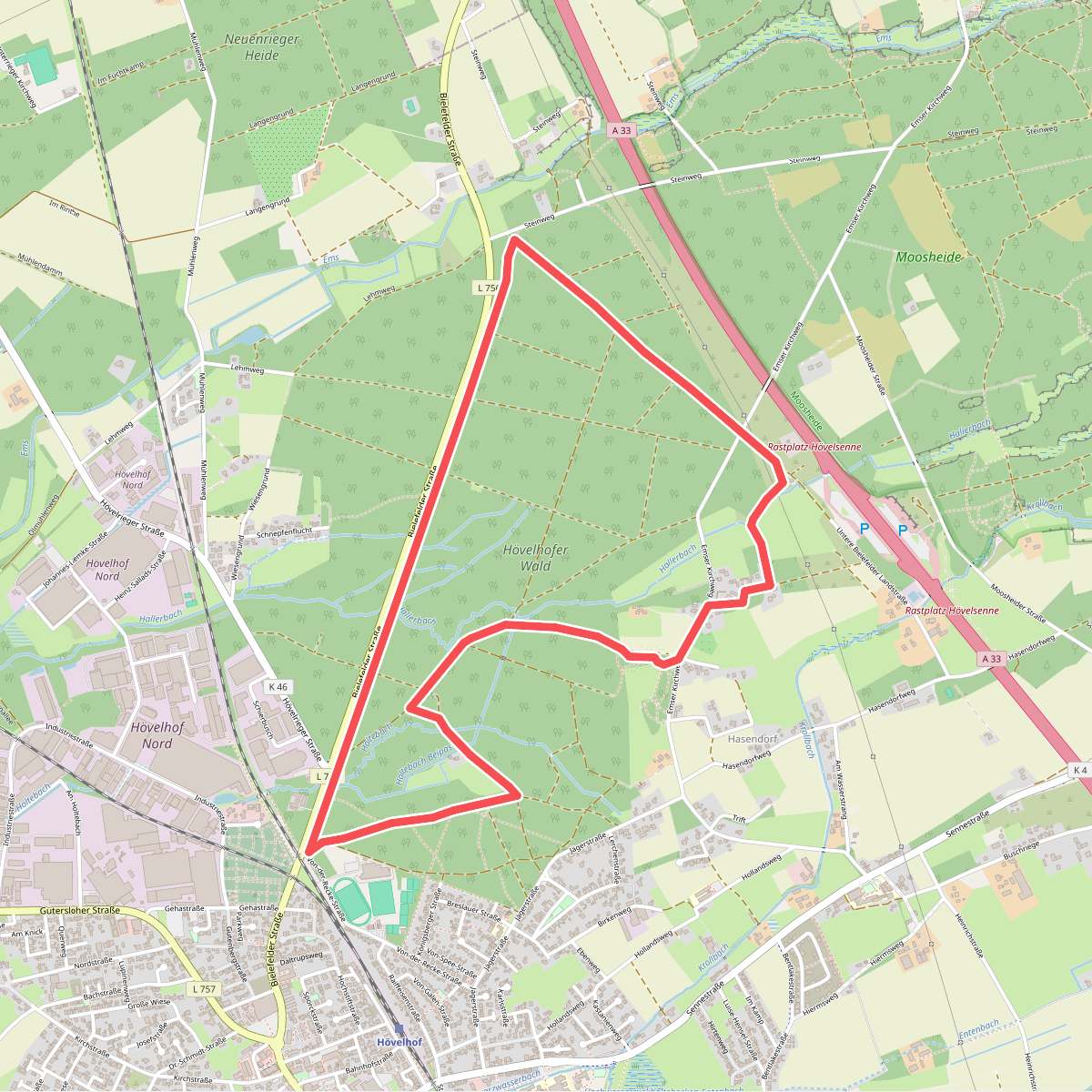
#4. A5 Heimatkundlicher Wanderweg (Hövelhof)
Hövelhof
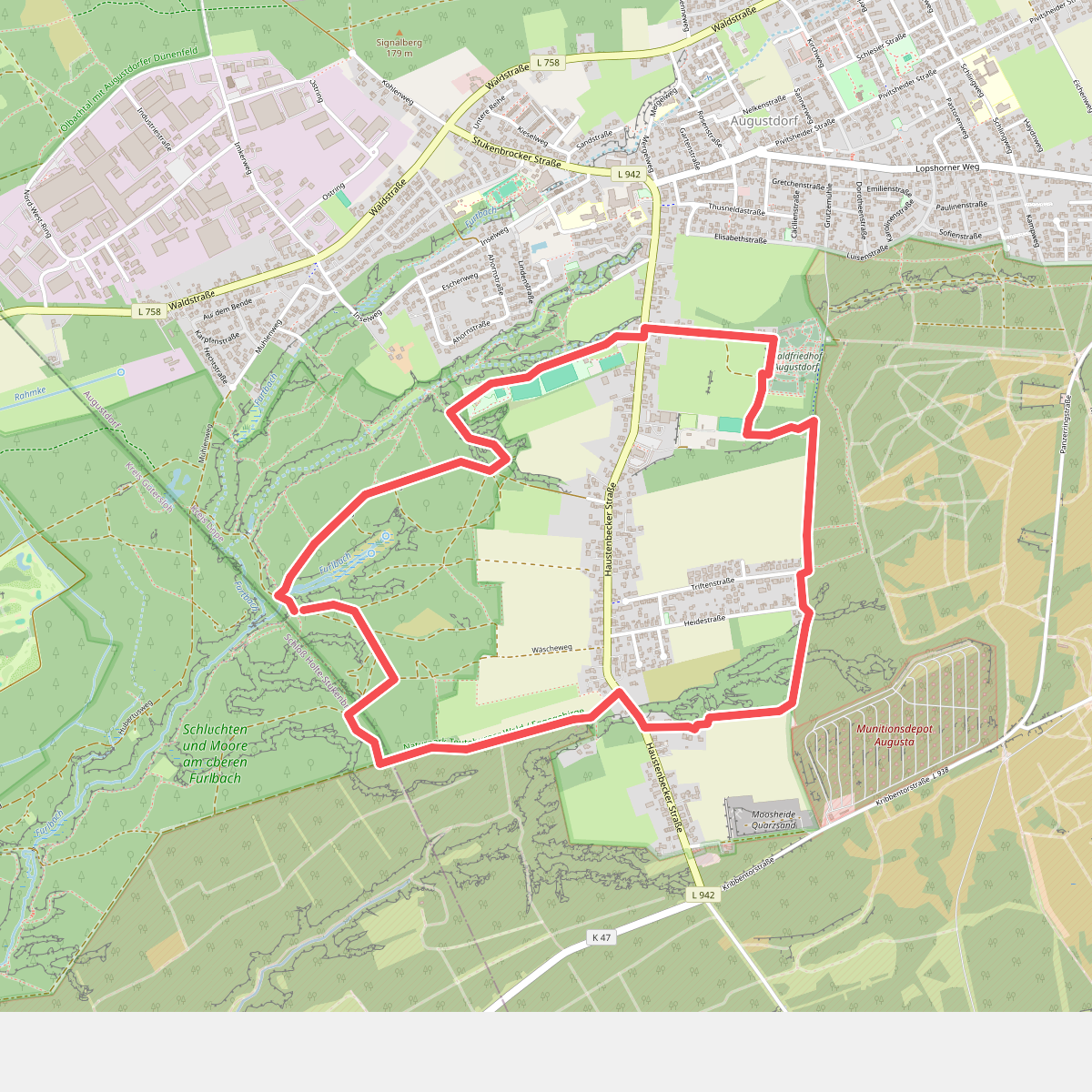
#5. Augustdorf 11
Augustdorf,Schloß Holte-Stukenbrock
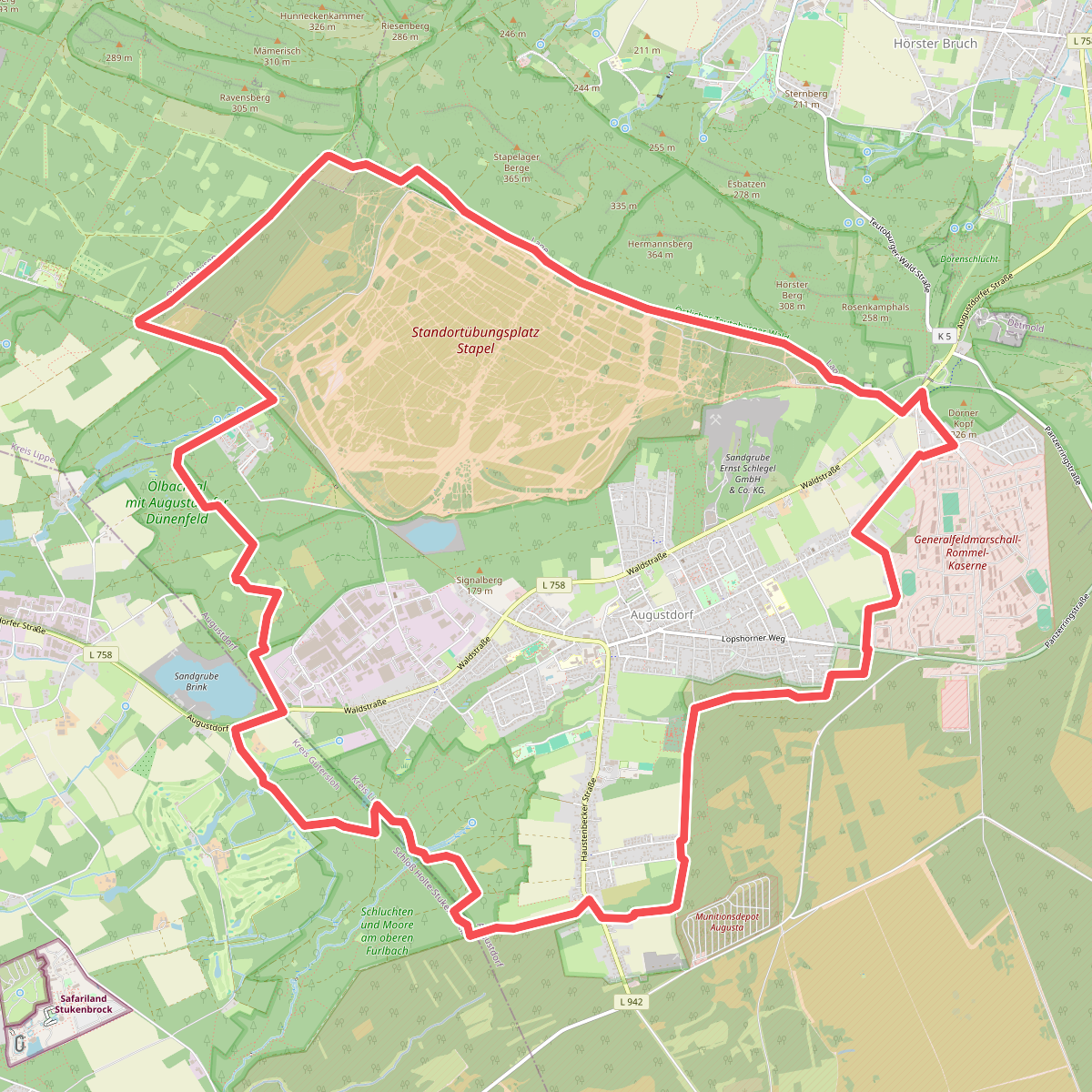
#6. Augustdorfer Rundwanderweg
Augustdorf,Lage,Oerlinghausen,Schloß Holte-Stukenbrock
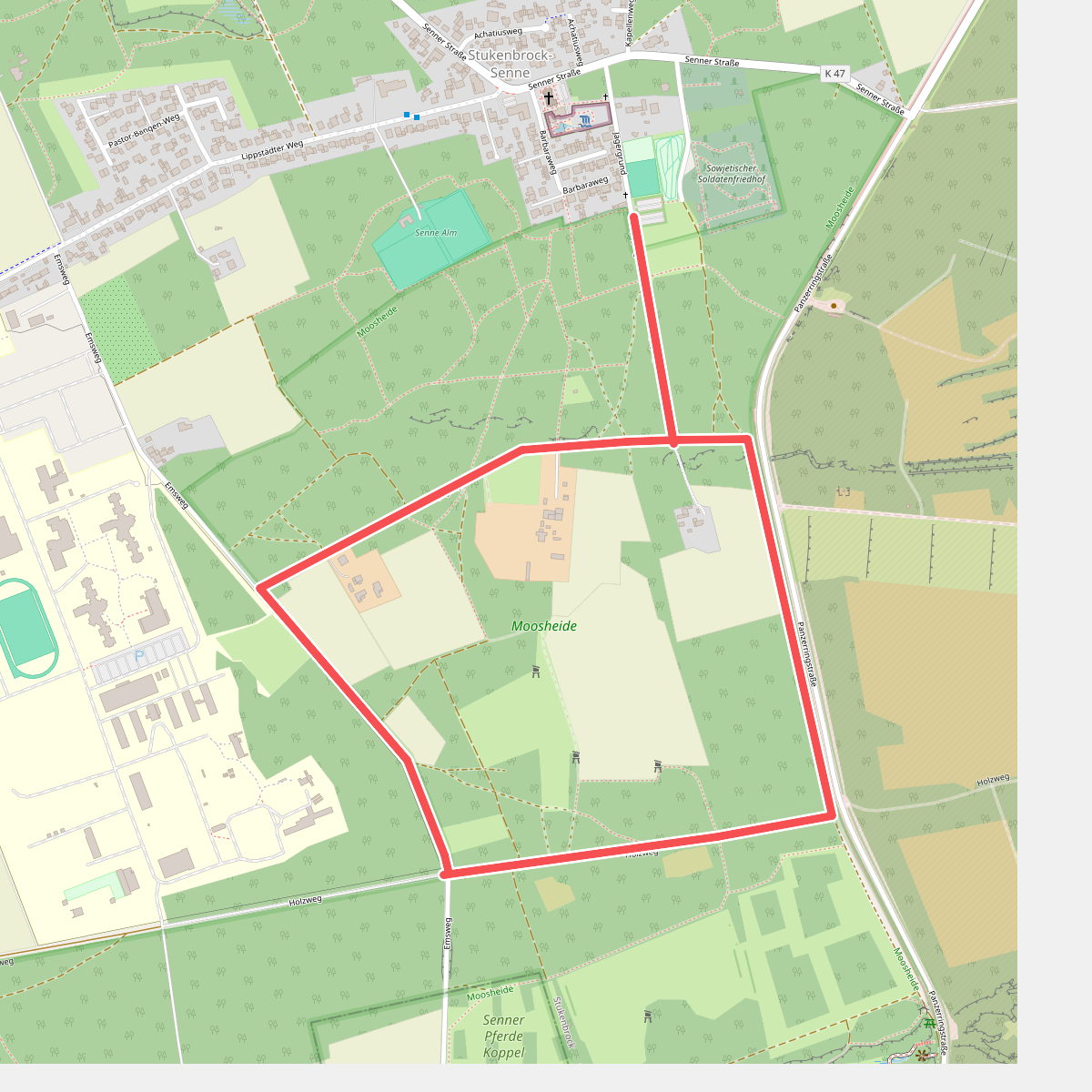
#7. B1: klootschieten in Stukenbrock-Senne bij de Ems-Erlebniswelt
Schloß Holte-Stukenbrock
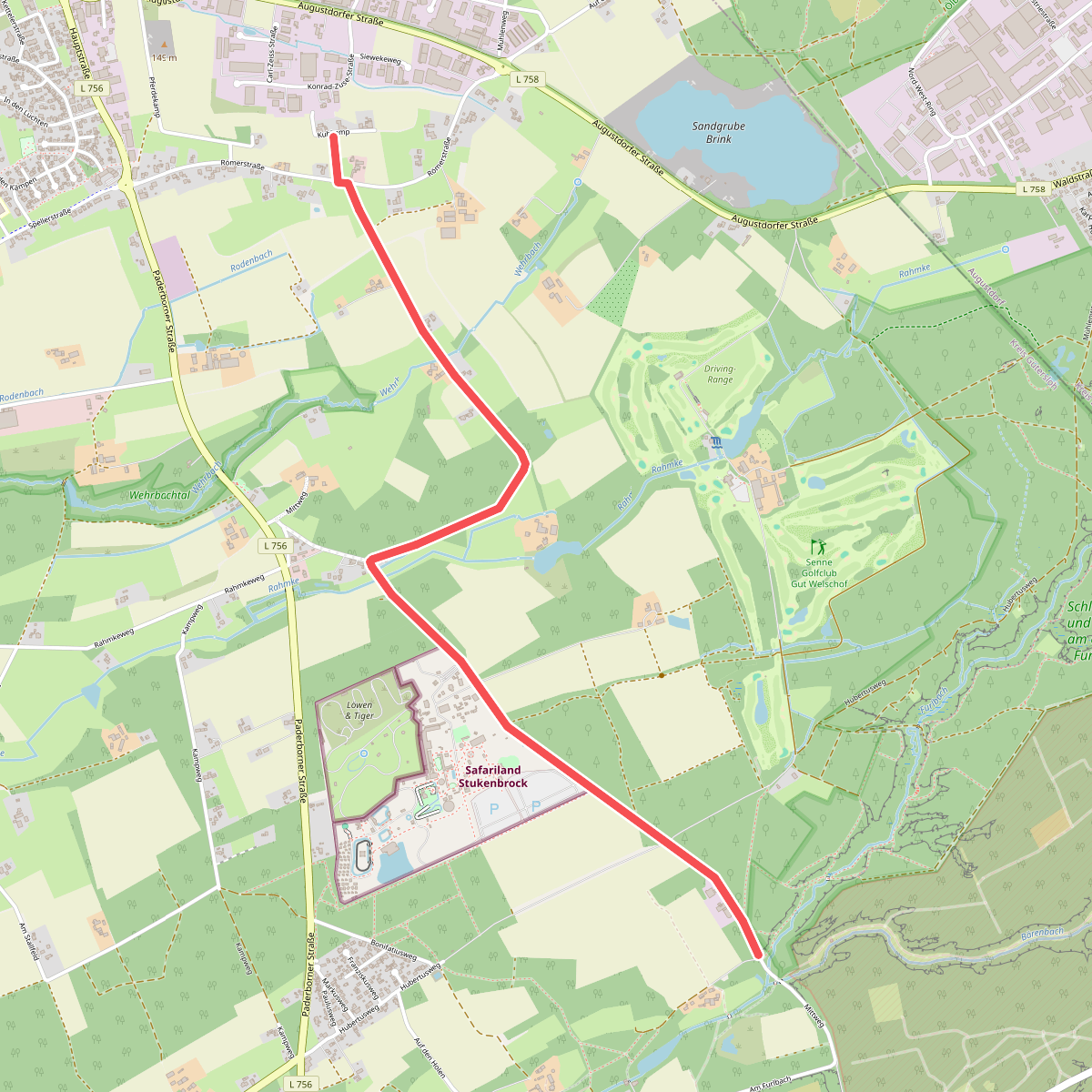
#8. B3: klootschieten in Stukenbrock
Schloß Holte-Stukenbrock
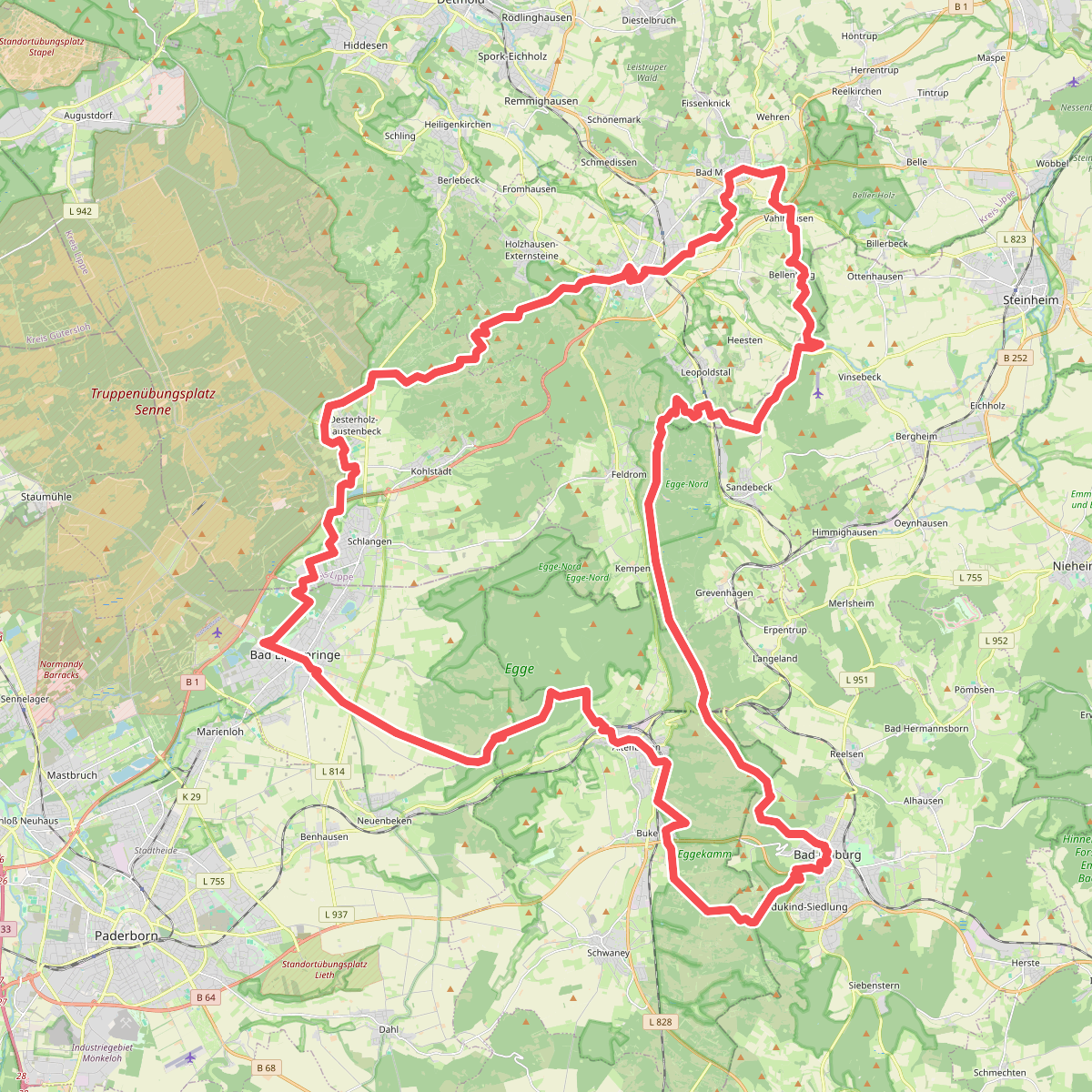
#9. Bäderweg
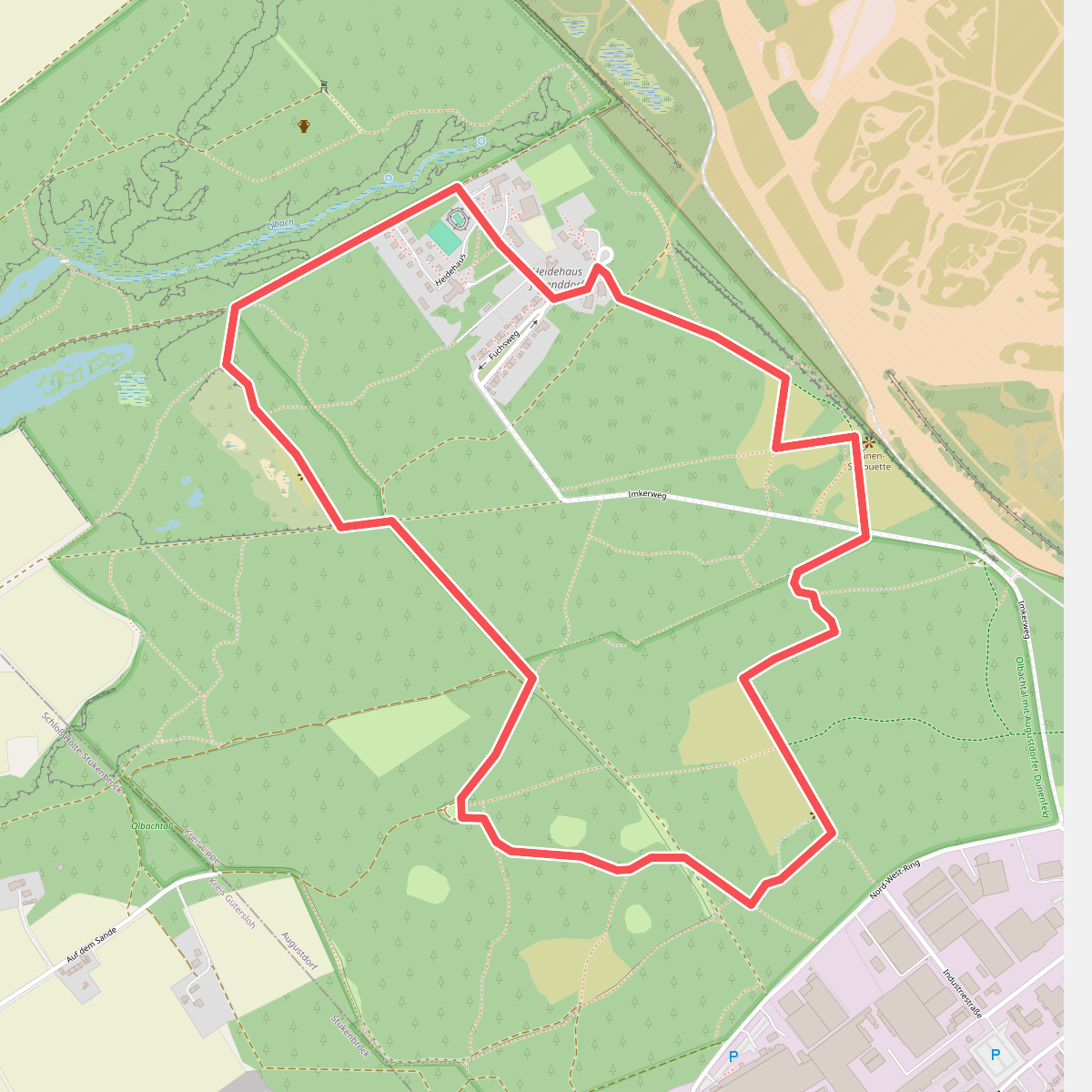
#10. Dünenpfad
Oerlinghausen,Augustdorf
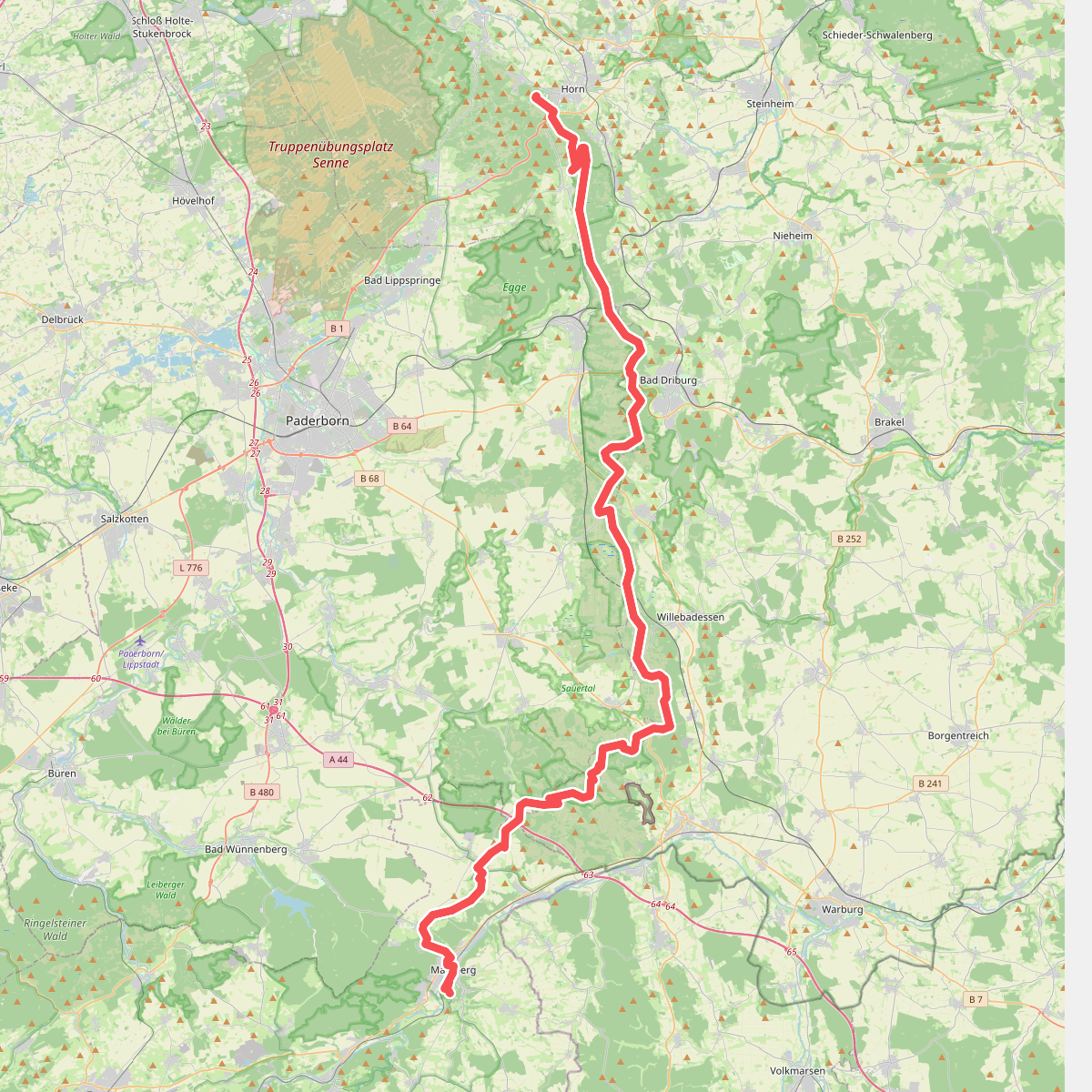
#11. Eggeweg
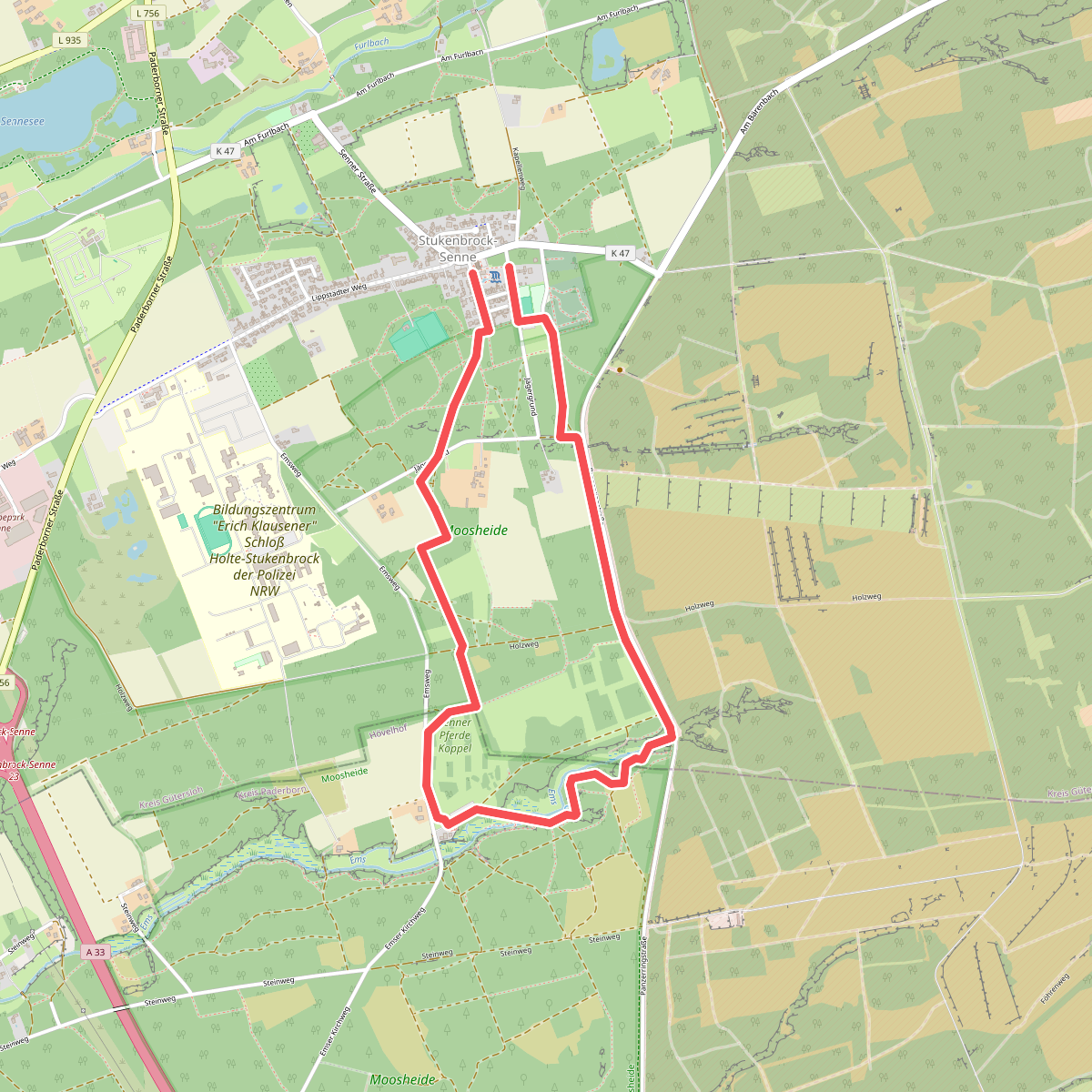
#12. Ems-Erlebnisweg
Schloß Holte-Stukenbrock,Hövelhof