
The best hiking routes in Parco naturale regionale di Piana Crixia
Discover the best walks in Parco naturale regionale di Piana Crixia. 8 routes on the map, with descriptions, photos and GPX.
About Parco naturale regionale di Piana Crixia
Parco naturale regionale di Piana Crixia is a small protected area in the Ligurian Apennines characterized by a stark contrast between green woodland and bare, grey clay hills. The defining feature of this landscape is the badlands, known locally as calanchi, where erosion has carved steep, barren gullies into the hillsides. Walkers will notice how the dense chestnut and oak forests abruptly give way to these exposed, pale clay slopes, offering a clear view of the region's fragile geological makeup.
Read more
About Parco naturale regionale di Piana Crixia
Parco naturale regionale di Piana Crixia is a small protected area in the Ligurian Apennines characterized by a stark contrast between green woodland and bare, grey clay hills. The defining feature of this landscape is the badlands, known locally as calanchi, where erosion has carved steep, barren gullies into the hillsides. Walkers will notice how the dense chestnut and oak forests abruptly give way to these exposed, pale clay slopes, offering a clear view of the region's fragile geological makeup.
Read moreParco naturale regionale di Piana Crixia is a small protected area in the Ligurian Apennines characterized by a stark contrast between green woodland and bare, grey clay hills. The defining feature of this landscape is the badlands, known locally as calanchi, where erosion has carved steep, barren gullies into the hillsides. Walkers will notice how the dense chestnut and oak forests abruptly give way to these exposed, pale clay slopes, offering a clear view of the region's fragile geological makeup.
Underfoot, the terrain shifts between soft forest soil, gravelly tracks, and slippery clay paths that can become sticky after wet weather. The park is famous for the Fungo di Piana Crixia, a giant mushroom-shaped rock formation created by selective erosion, where a massive ophiolite boulder sits atop a column of softer conglomerate rock. This landmark stands close to the floodplain of the Bormida di Spigno river, where the walking is flatter and follows easier alluvial terraces.
This is not a high-mountain reserve with dramatic peaks or deep alpine gorges, but rather a pocket of rugged, undulating hills. While the main paths near the giant stone mushroom attract curious visitors, the steeper trails leading up into the calanchi are often quieter, offering a more solitary experience among the eroded ridges. Visiting in May allows you to see the yellow broom blossoms contrasting sharply against the grey clay slopes.
Hiking routes in Parco naturale regionale di Piana Crixia (8)
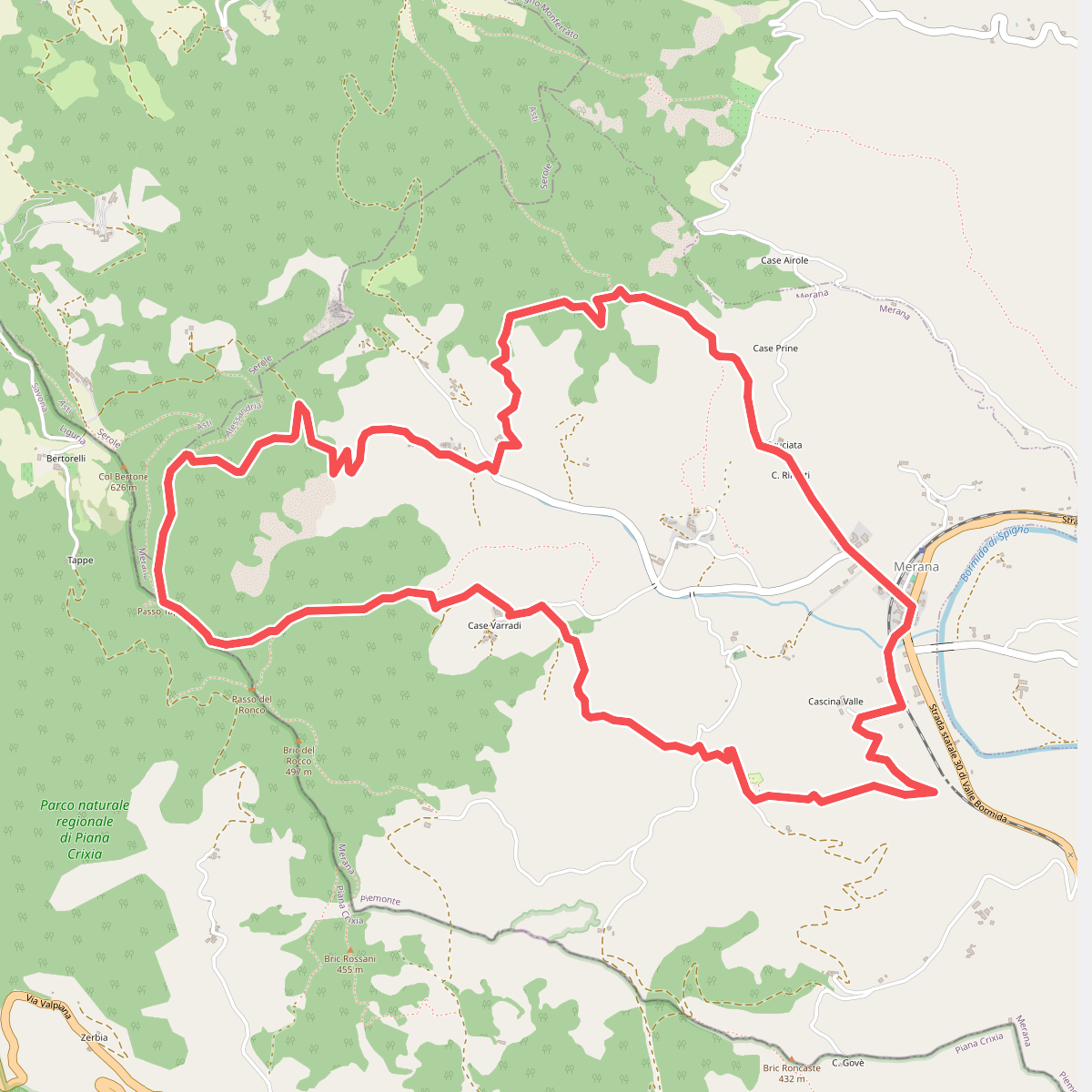
#1. Anello di Merana
Merana
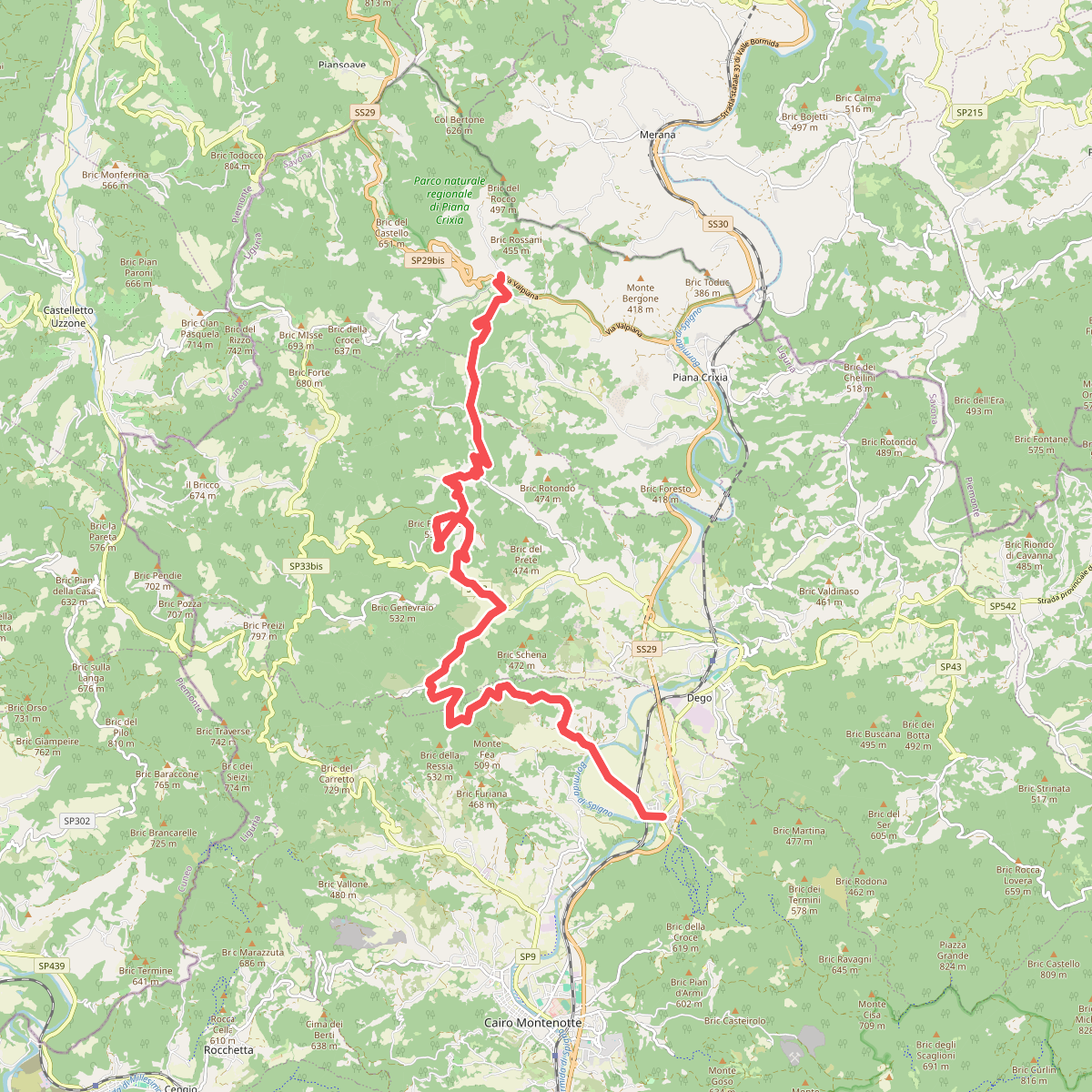
#2. Bormida Natura - Tappa 2
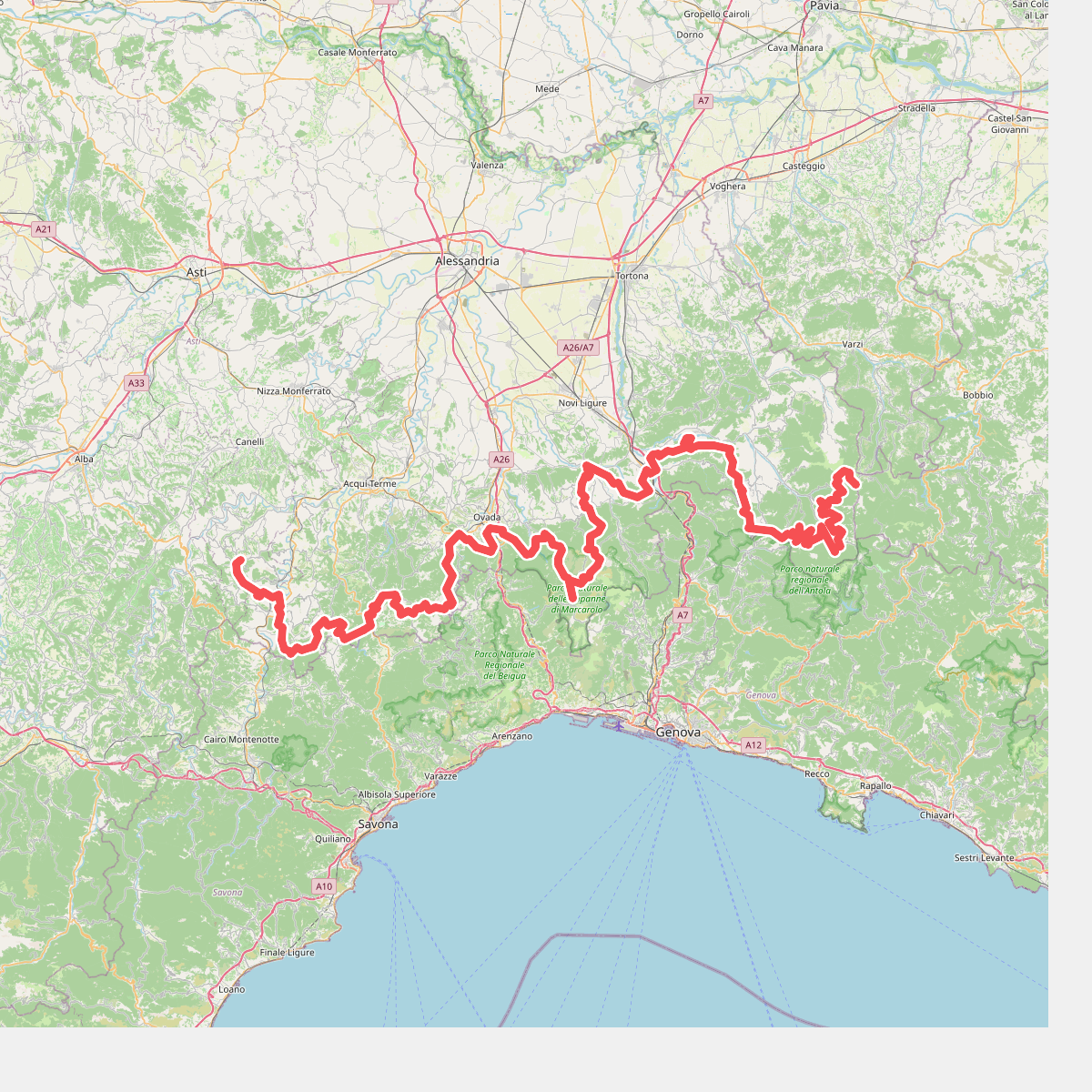
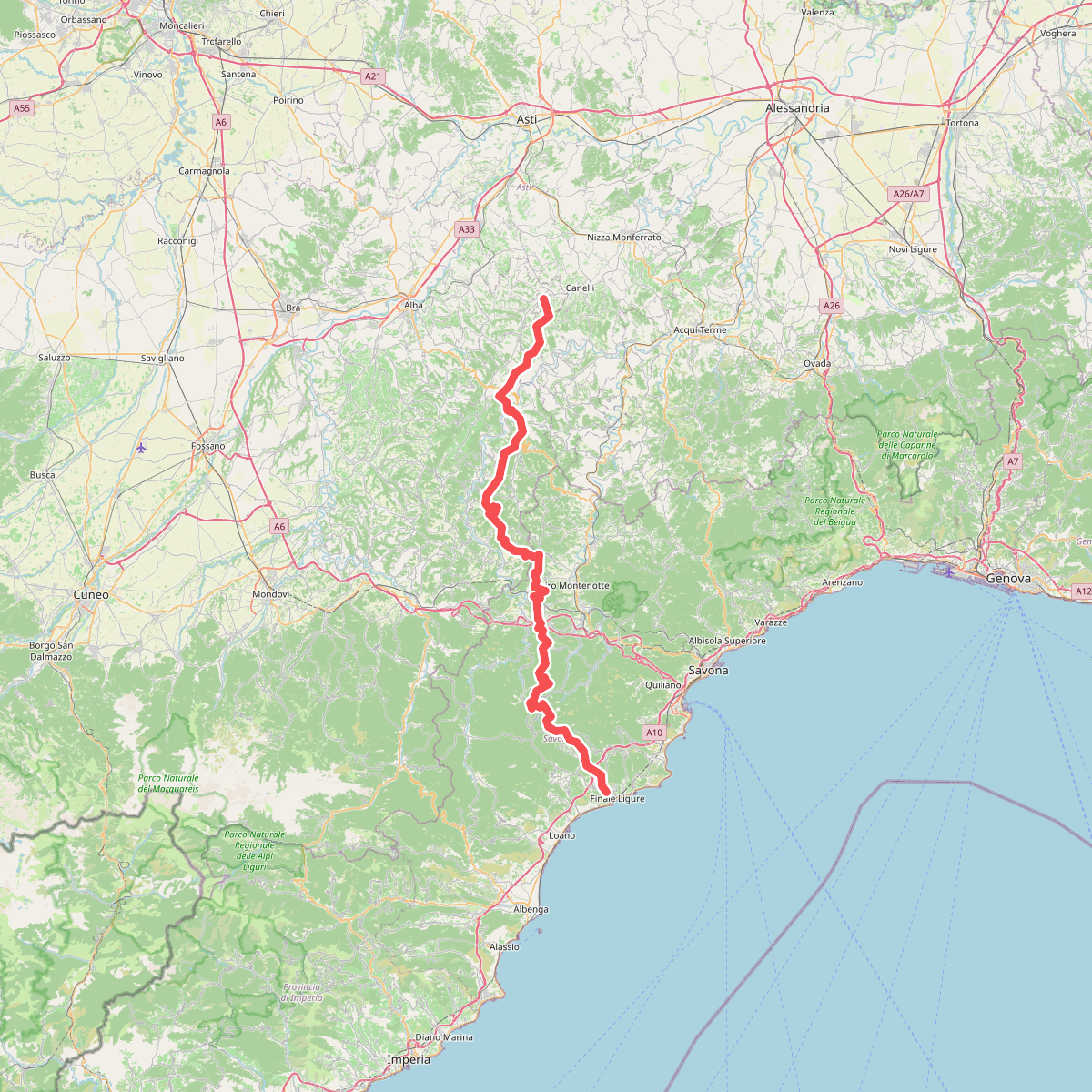
#3. Cammino Piemonte Sud
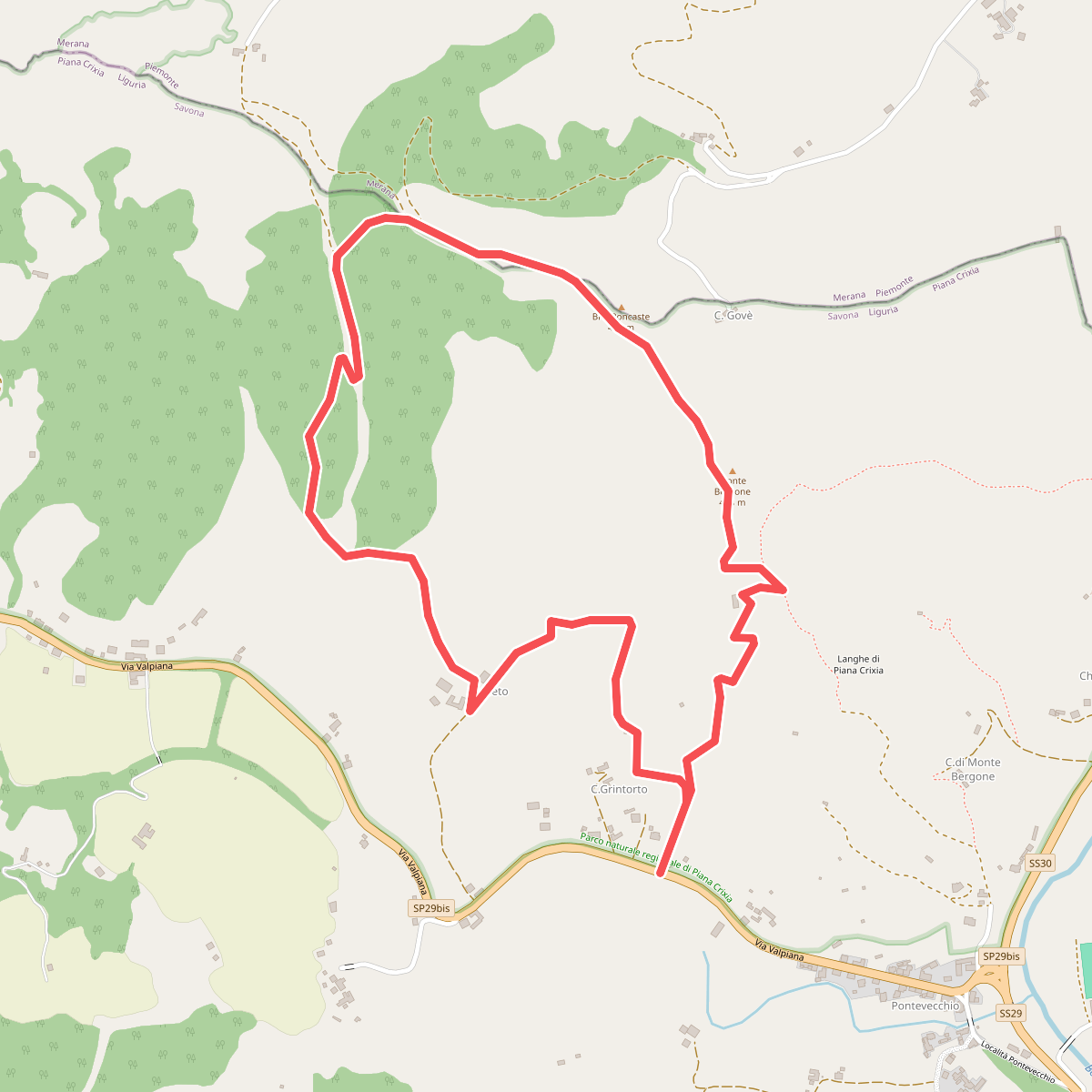
#4. Sentiero 2 del Parco Naturale di Piana Crixia
Piana Crixia
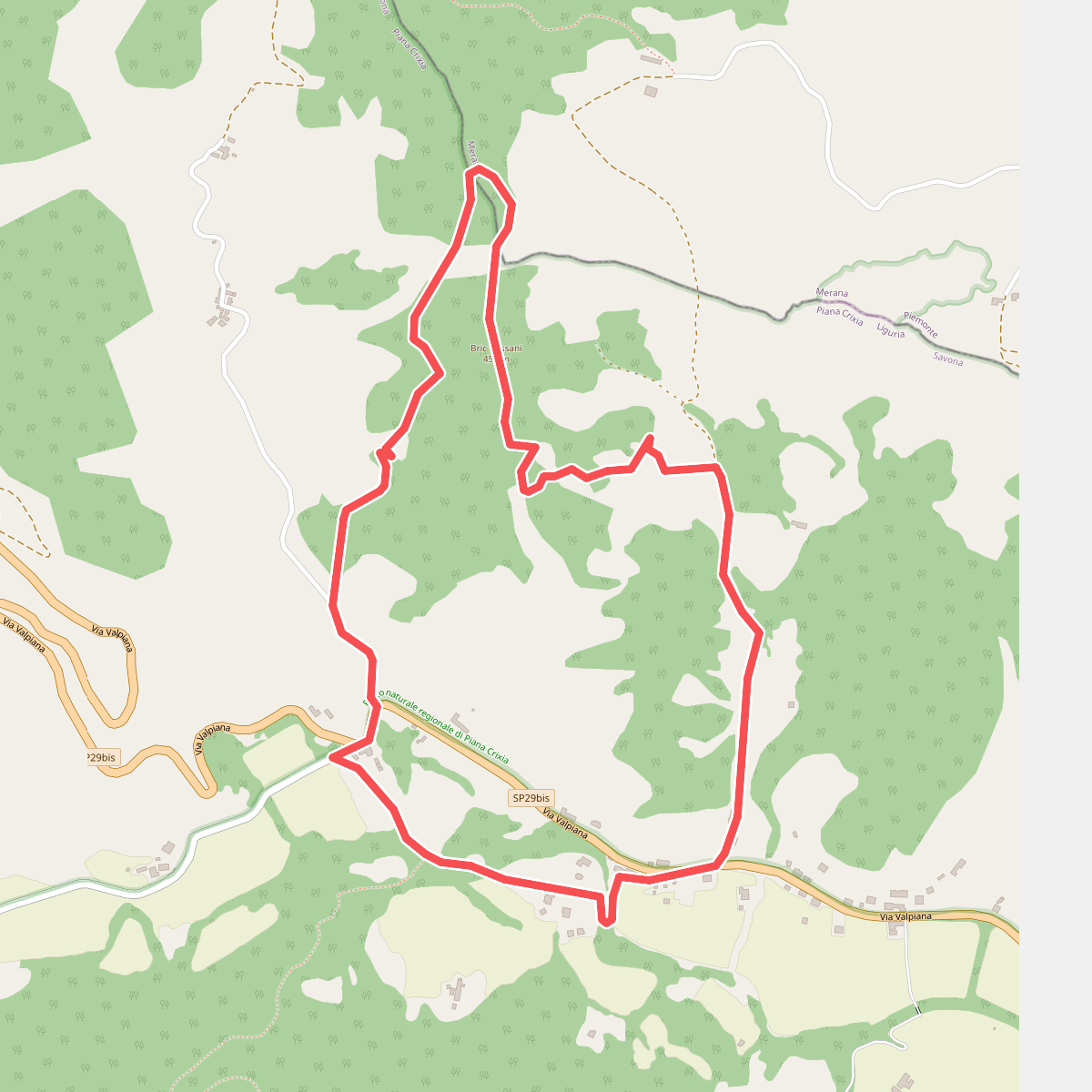
#5. Sentiero 4 del Parco Naturale di Piana Crixia
Piana Crixia,Merana
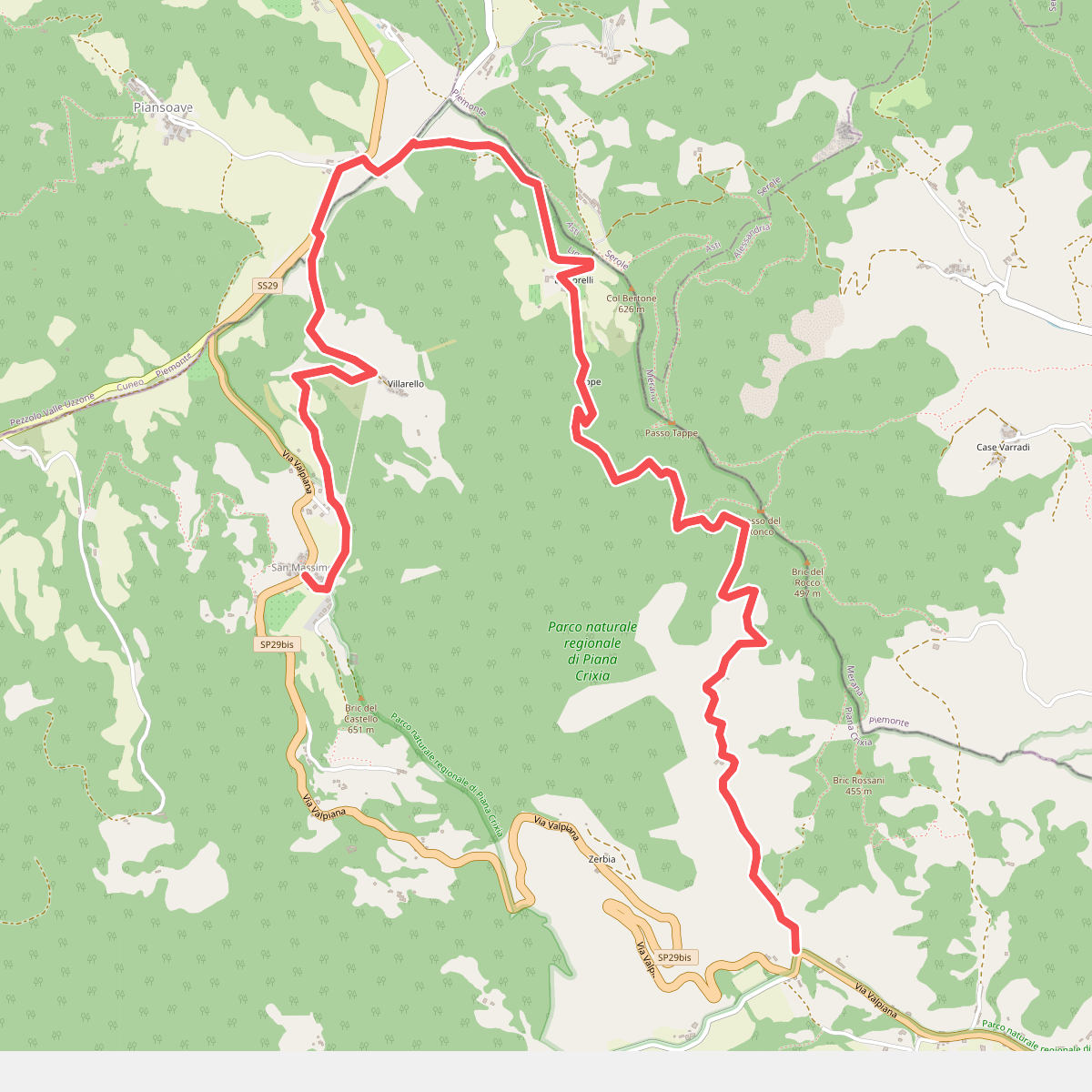
#6. Sentiero 5 del Parco Naturale di Piana Crixia
Piana Crixia,Pezzolo Valle Uzzone
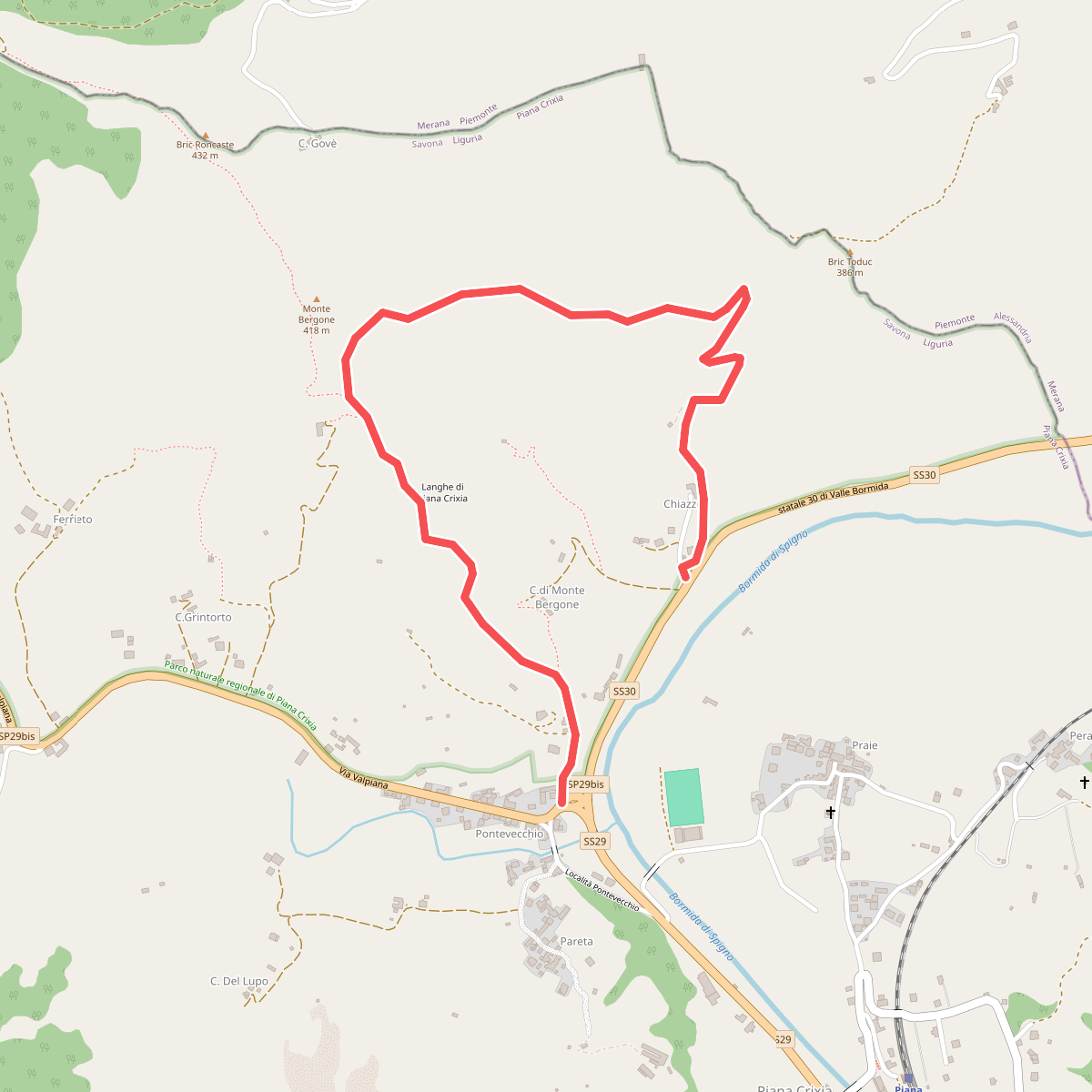
#7. Sentiero delle Creste
Piana Crixia