
The best hiking routes in Naturpark Arnsberger Wald
Discover the best walks in Naturpark Arnsberger Wald. 68 routes on the map, with descriptions, photos and GPX.
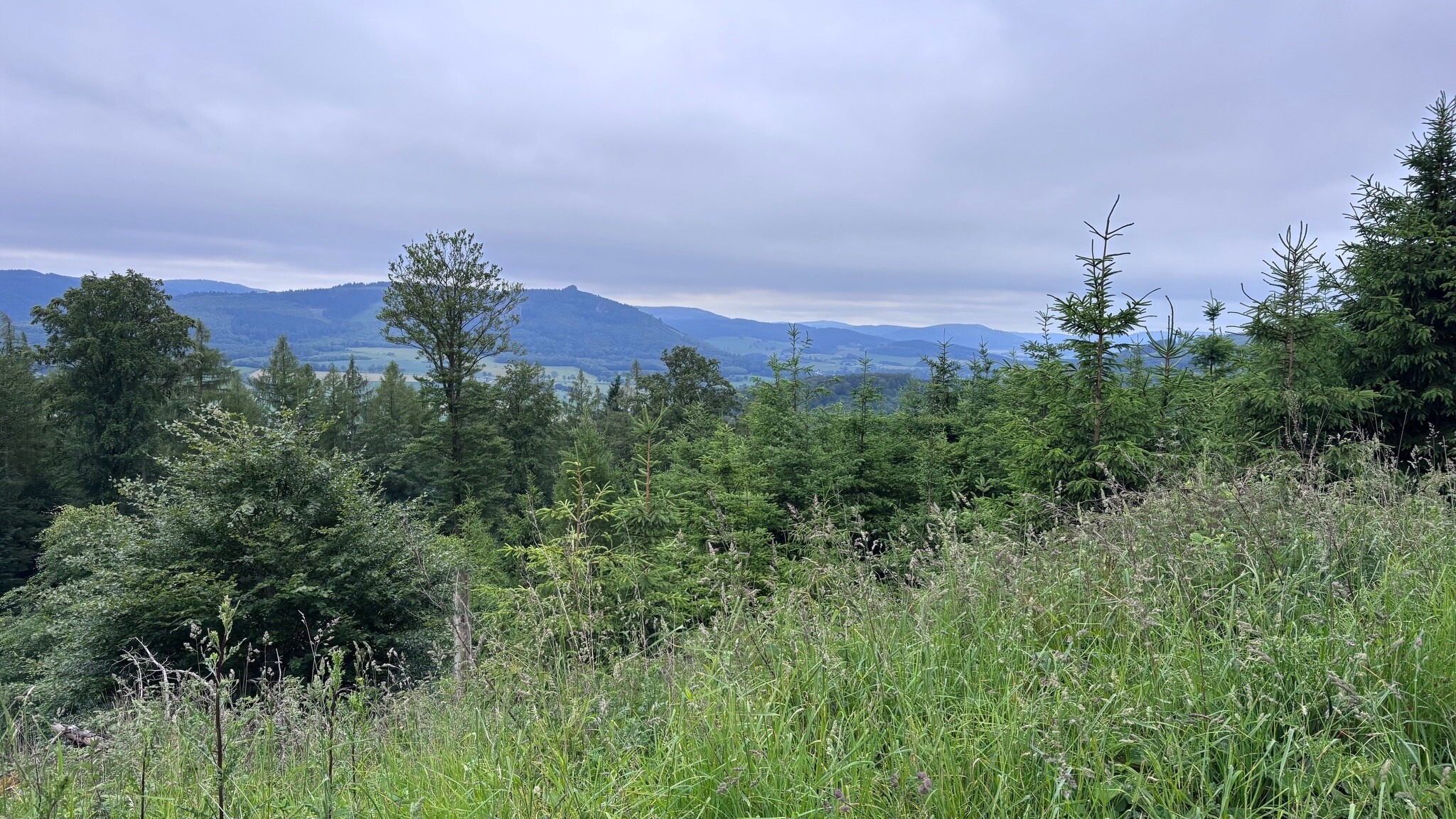
About Naturpark Arnsberger Wald
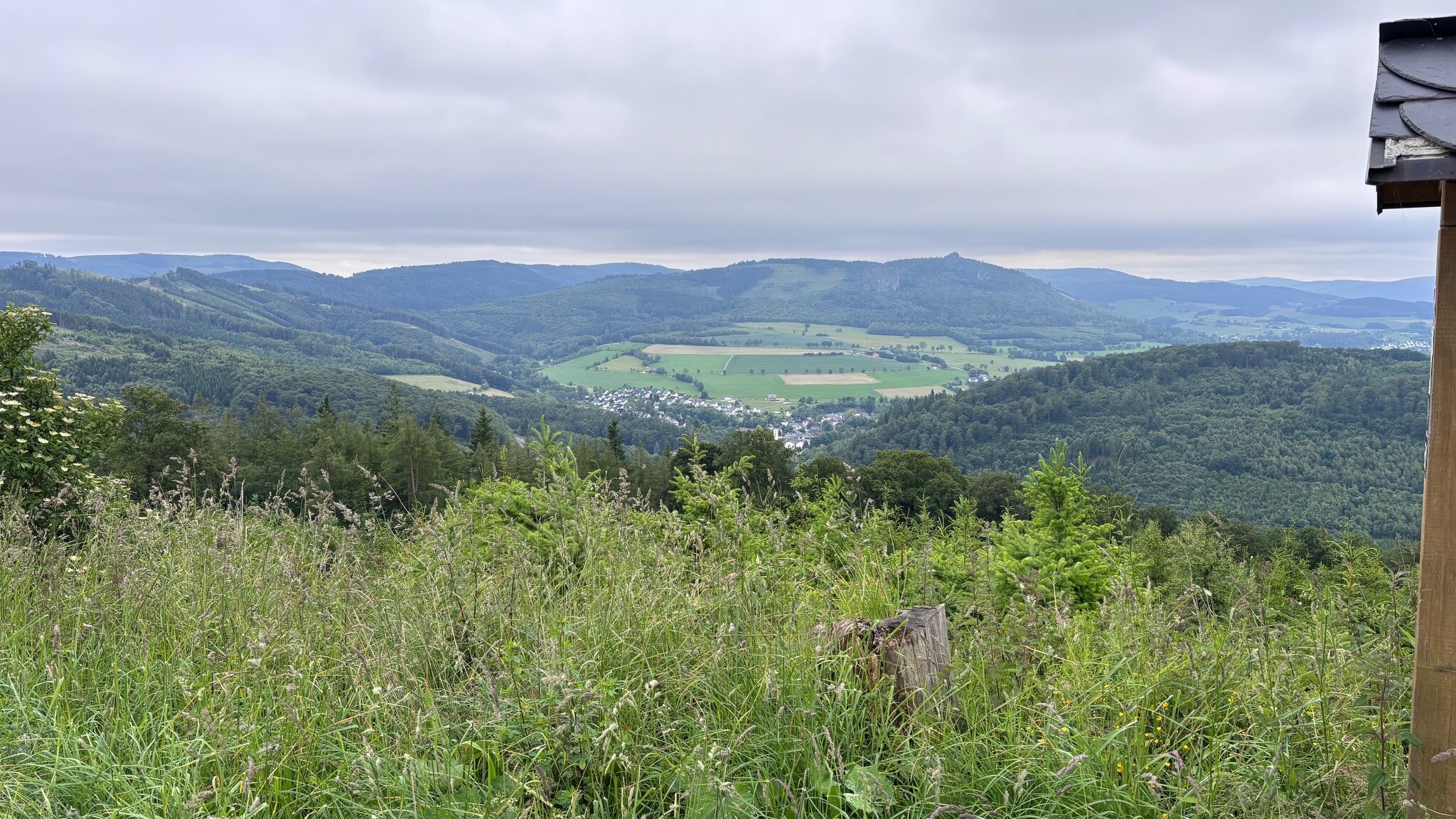
Naturpark Arnsberger Wald is a heavily forested upland area characterized by dense spruce and beech woodlands, deeply incised stream valleys, and the large Möhnesee reservoir along its northern edge. Unlike the open, rocky peaks found further south in the Sauerland, this park offers a more uniform, undulating canopy where the elevation changes are gradual rather than dramatic. The landscape is defined by its water management history, featuring several dammed reservoirs and a network of small, clear brooks that cut through the sandstone and shale bedrock.
Read more
About Naturpark Arnsberger Wald
Naturpark Arnsberger Wald is a heavily forested upland area characterized by dense spruce and beech woodlands, deeply incised stream valleys, and the large Möhnesee reservoir along its northern edge. Unlike the open, rocky peaks found further south in the Sauerland, this park offers a more uniform, undulating canopy where the elevation changes are gradual rather than dramatic. The landscape is defined by its water management history, featuring several dammed reservoirs and a network of small, clear brooks that cut through the sandstone and shale bedrock.
Read moreNaturpark Arnsberger Wald is a heavily forested upland area characterized by dense spruce and beech woodlands, deeply incised stream valleys, and the large Möhnesee reservoir along its northern edge. Unlike the open, rocky peaks found further south in the Sauerland, this park offers a more uniform, undulating canopy where the elevation changes are gradual rather than dramatic. The landscape is defined by its water management history, featuring several dammed reservoirs and a network of small, clear brooks that cut through the sandstone and shale bedrock.
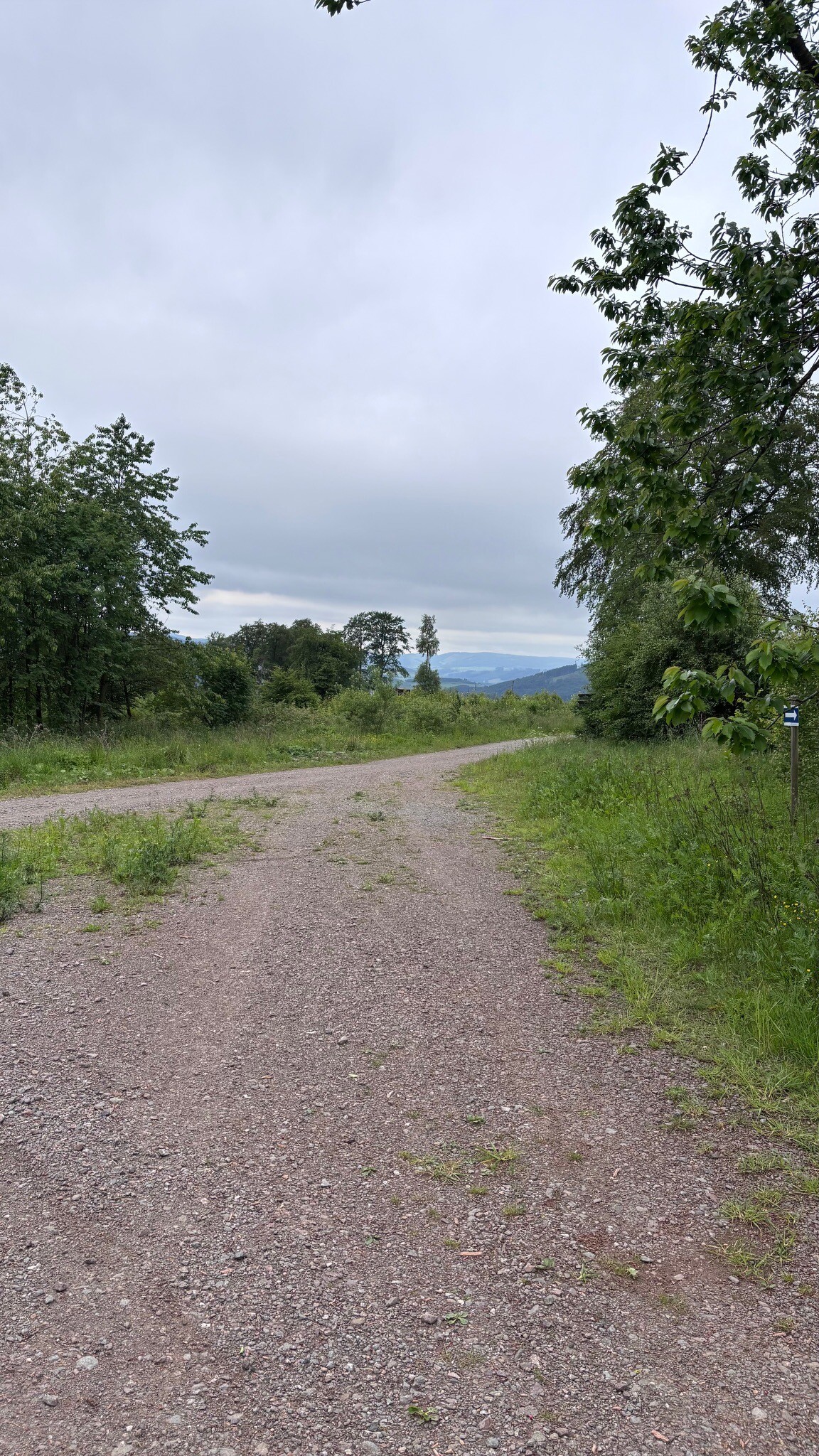
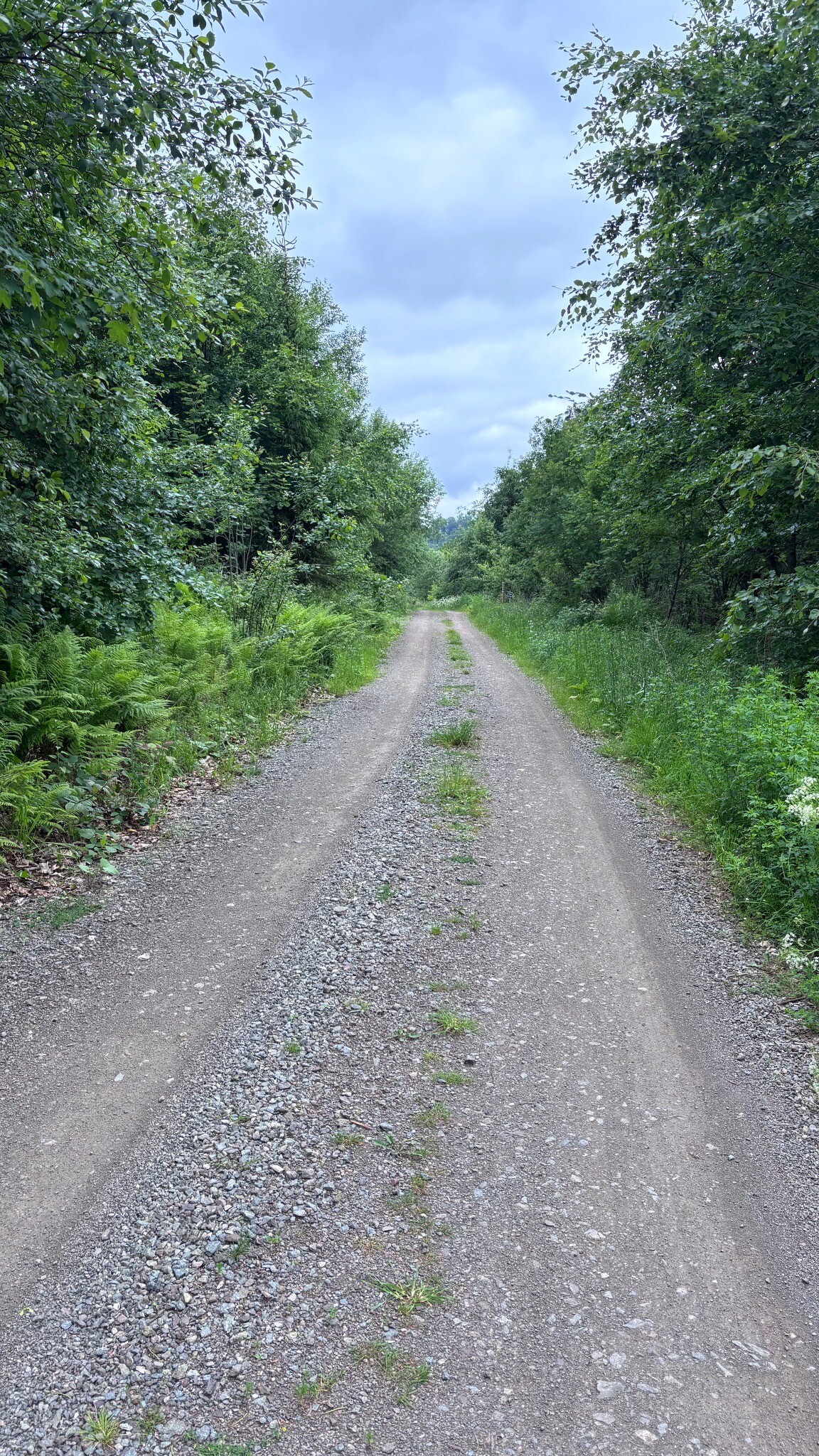
Underfoot, walkers will mostly encounter wide, gravel forestry tracks and damp earth paths that can become soft after wet weather. The northern section near the reservoir features paved lakeside paths and busier recreational infrastructure, while the interior of the forest offers quieter, more secluded routes through dense stands of timber. The transition from the managed coniferous plantations to natural beech forests is clearly visible along the trails, showing the ongoing ecological restructuring of the woodland.
In October, the extensive beech forests in the valleys turn a deep copper, making this the most distinctive time to observe the natural tree composition of the park. Walkers should expect a quiet, enclosed forest experience rather than wide-open panoramic views, with the terrain suited for steady, long-distance walking on stable, well-marked forestry trails.
Hiking routes in Naturpark Arnsberger Wald (68)
![[A8] im Stadtwald Neheim](https://wandelweb.fsn1.your-objectstorage.com/tracks/static-maps/34396-1779133455-large.png)
#1. [A8] im Stadtwald Neheim
Arnsberg,Menden (Sauerland)
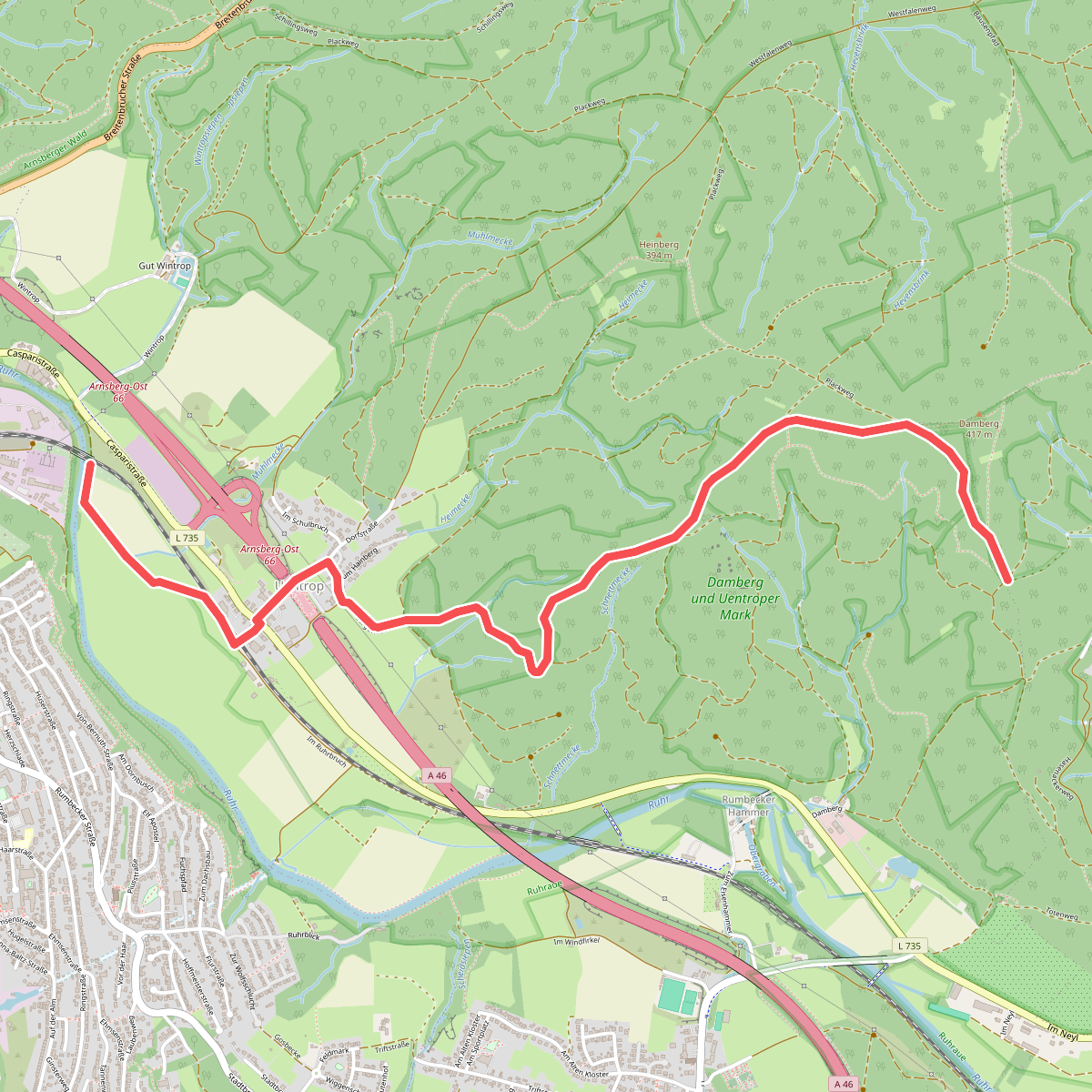
#2. Balken Dammbergpfad
Arnsberg
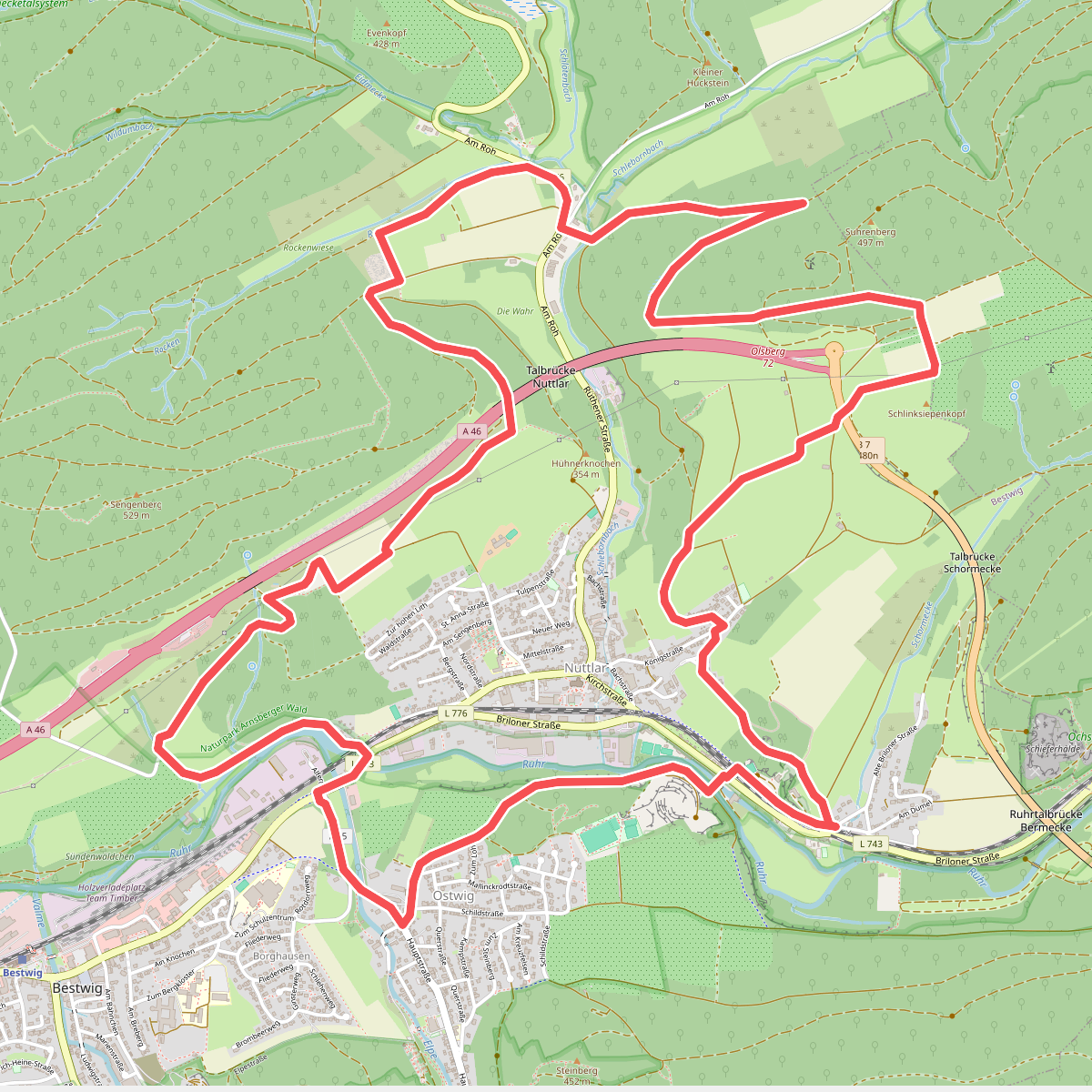
#3. BestWeg Nuttlar
Bestwig,Olsberg
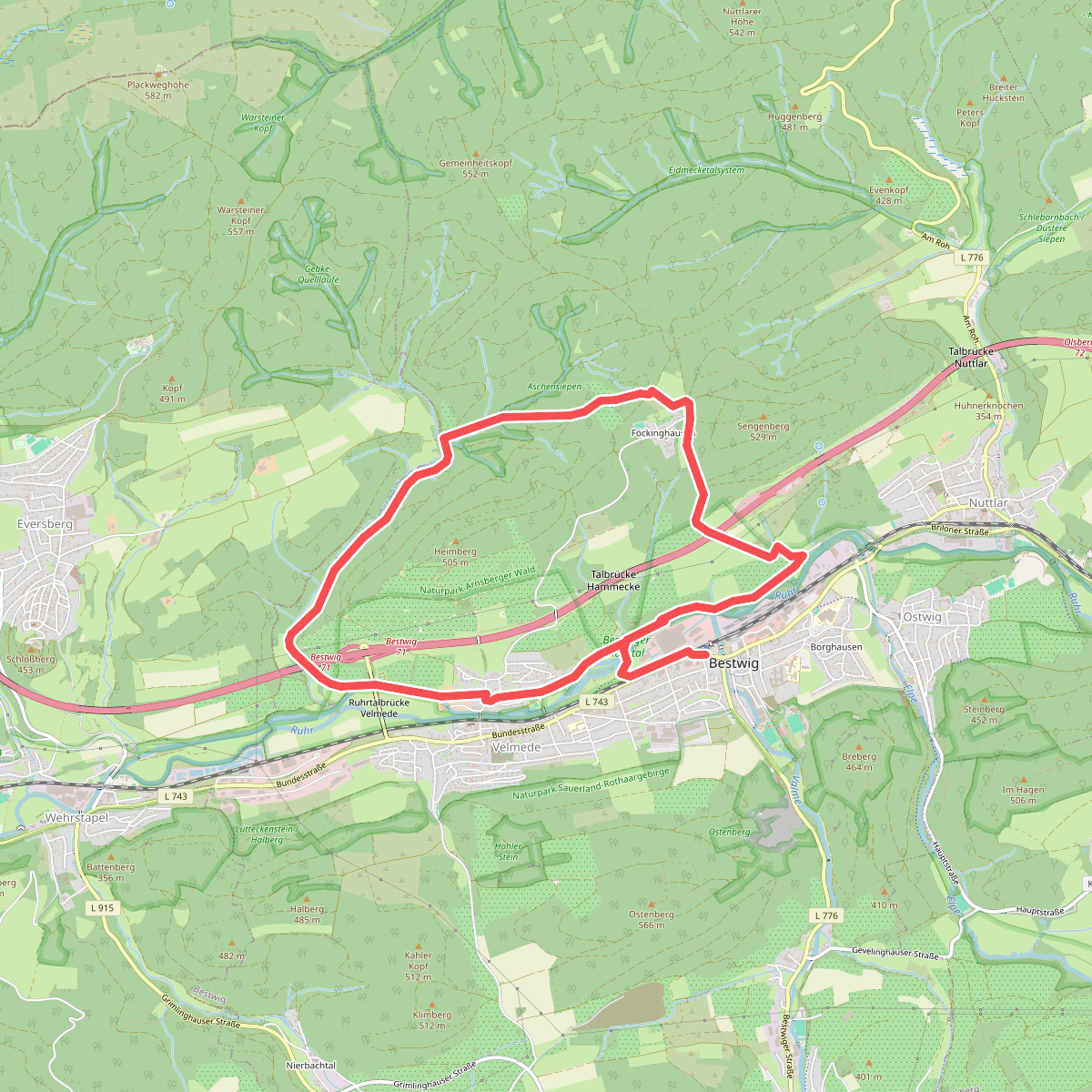
#4. Bestwig Rundweg B7
Bestwig
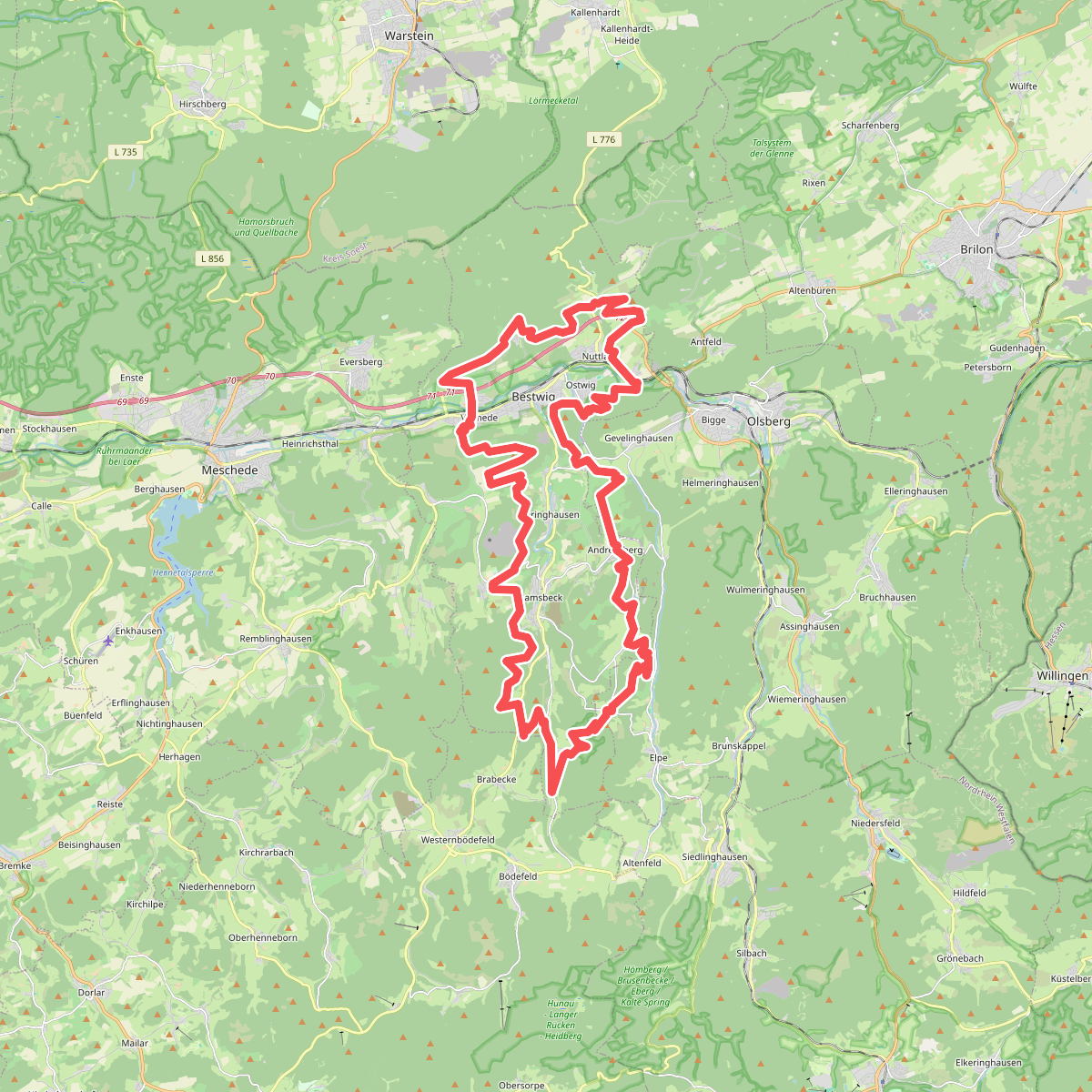
#5. Bestwiger Panoramaweg
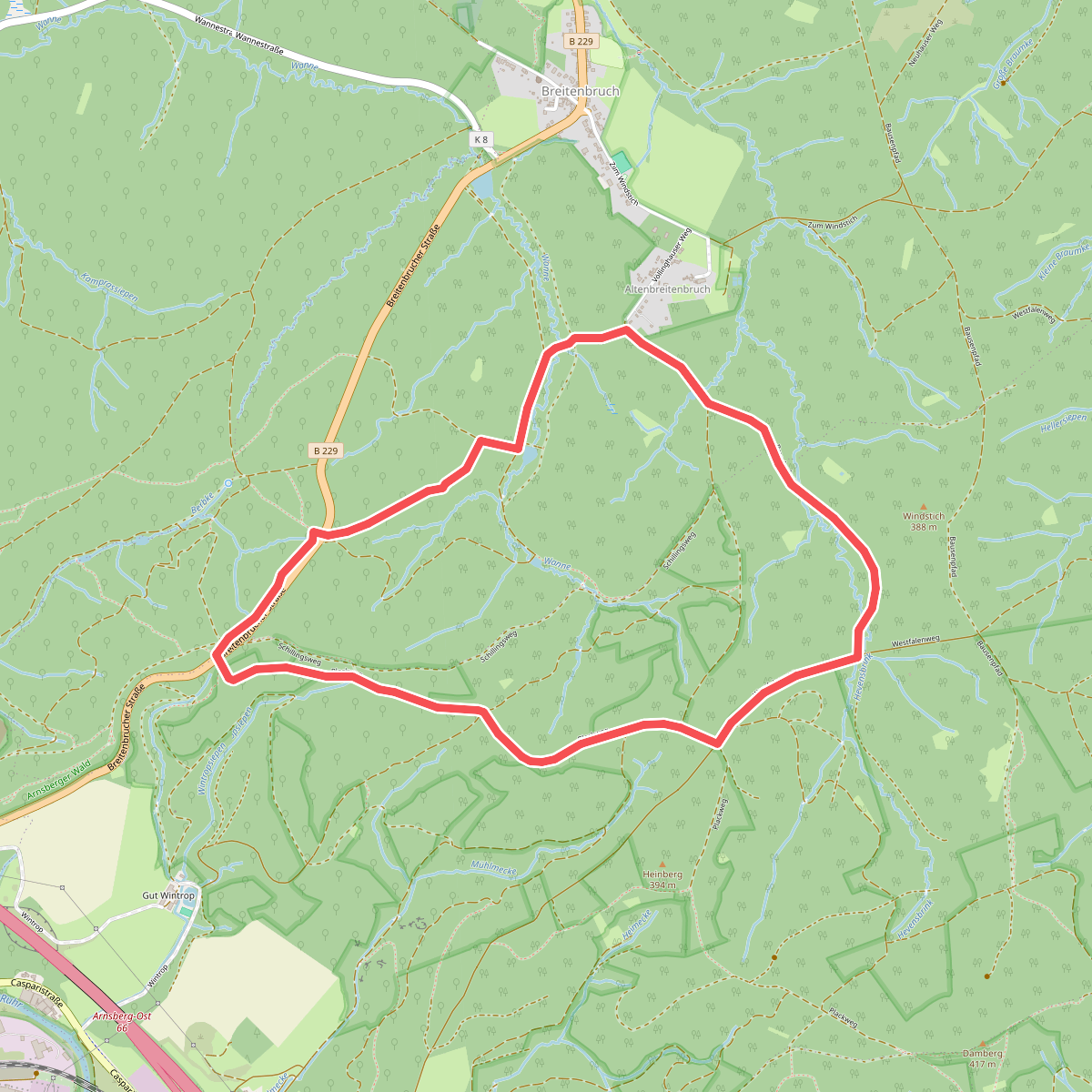
#6. Bockstall Rundweg A3
Arnsberg
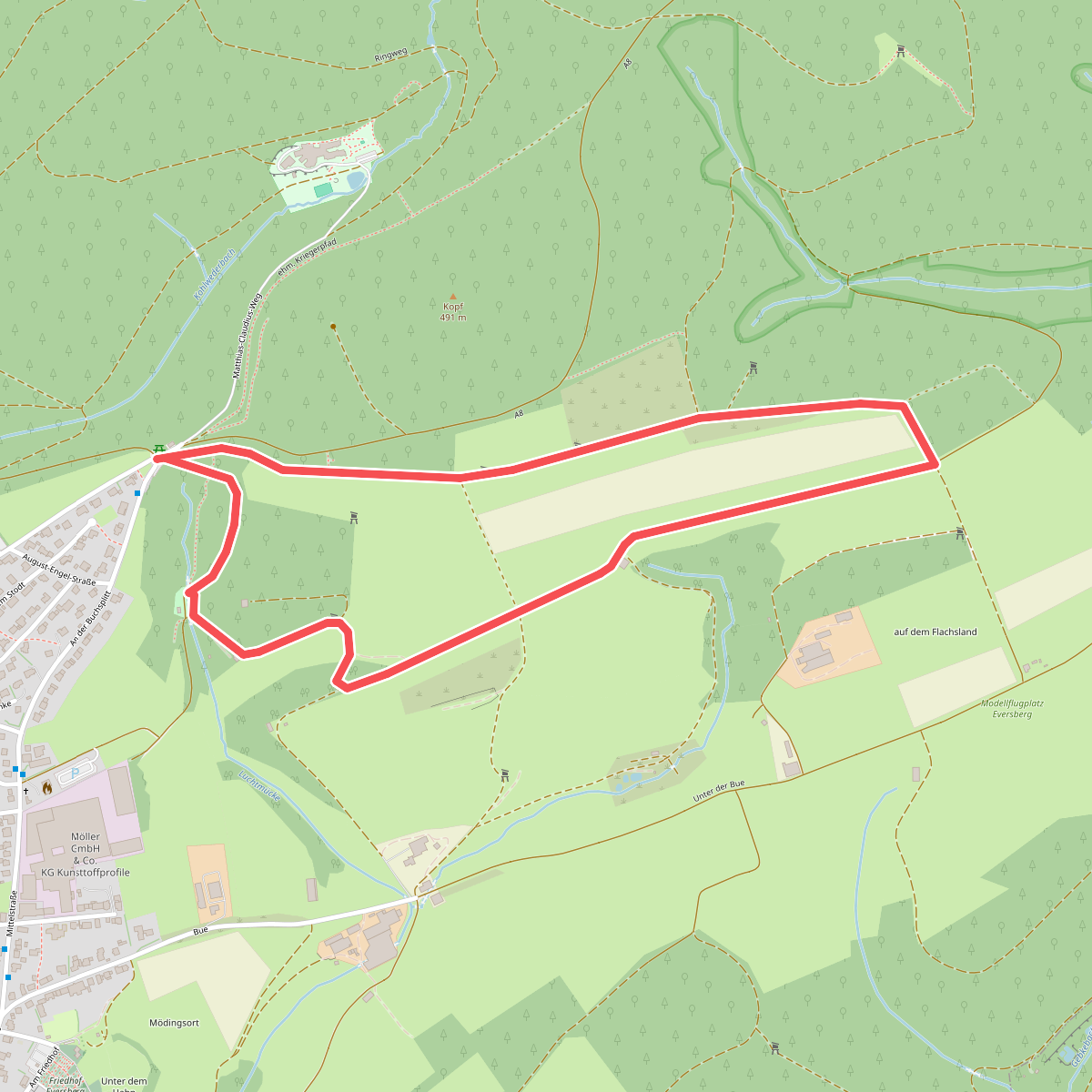
#7. Buchplette Rundweg A5
Meschede
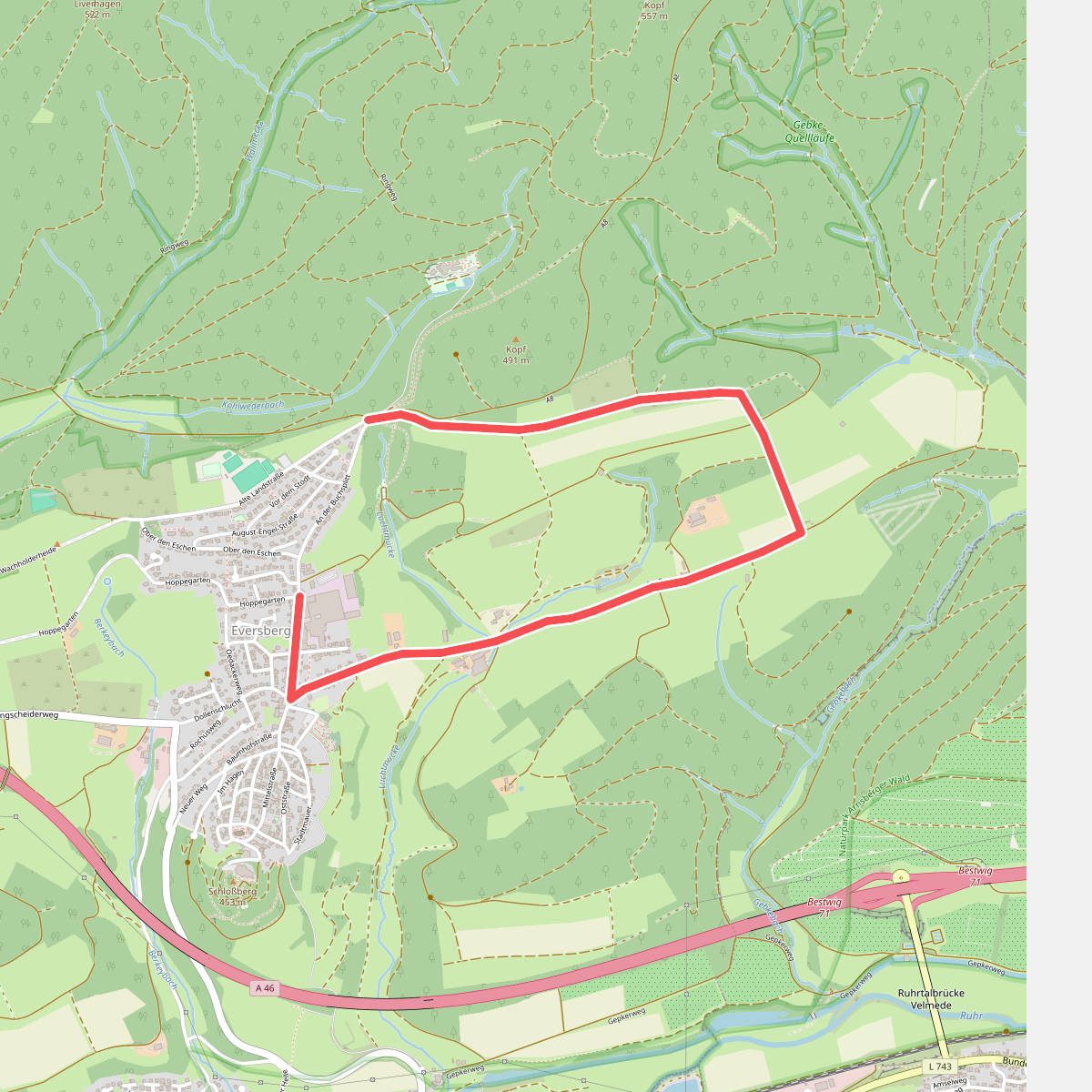
#8. Buchplette Rundweg A6
Meschede
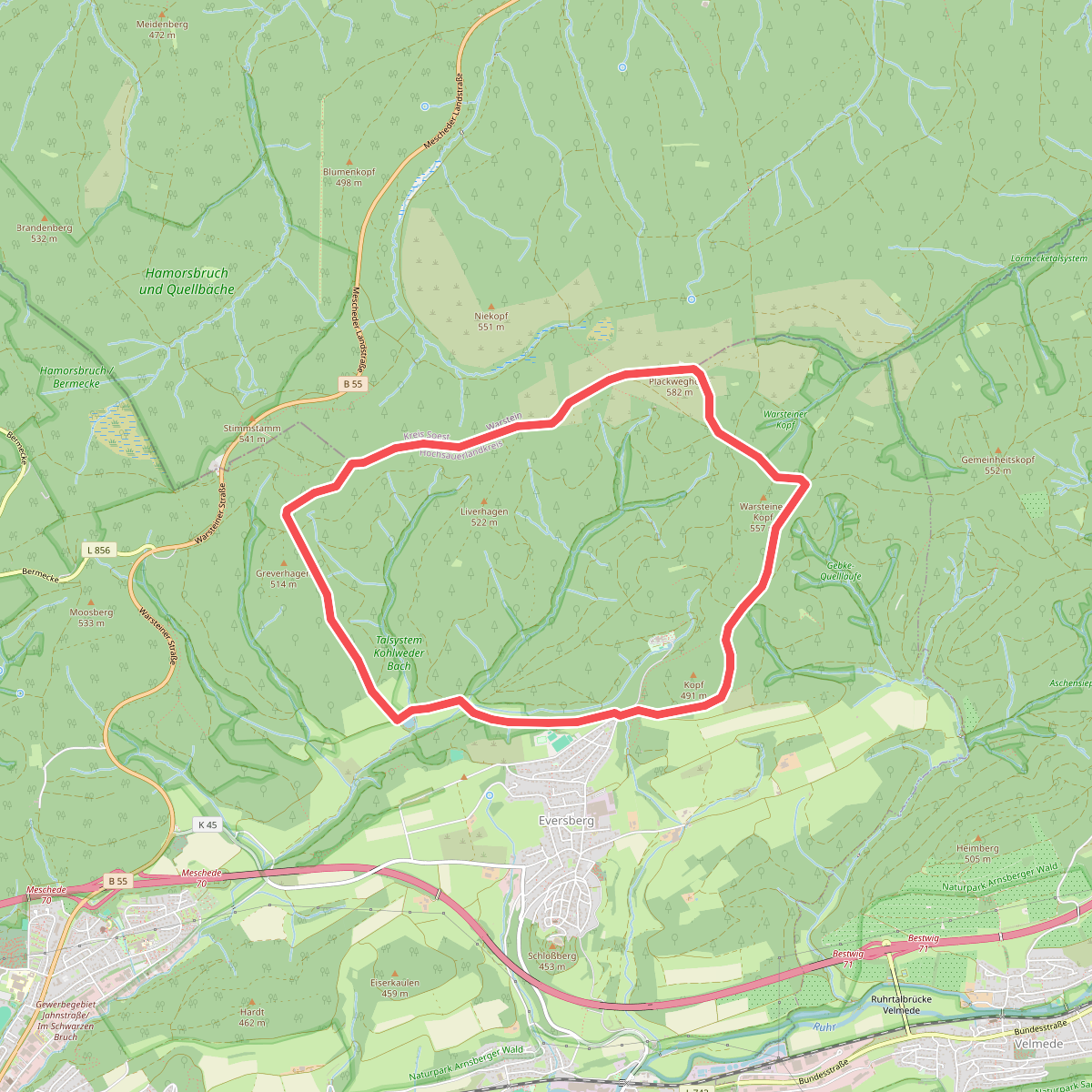
#9. Buchplette Rundweg A8
Warstein,Meschede
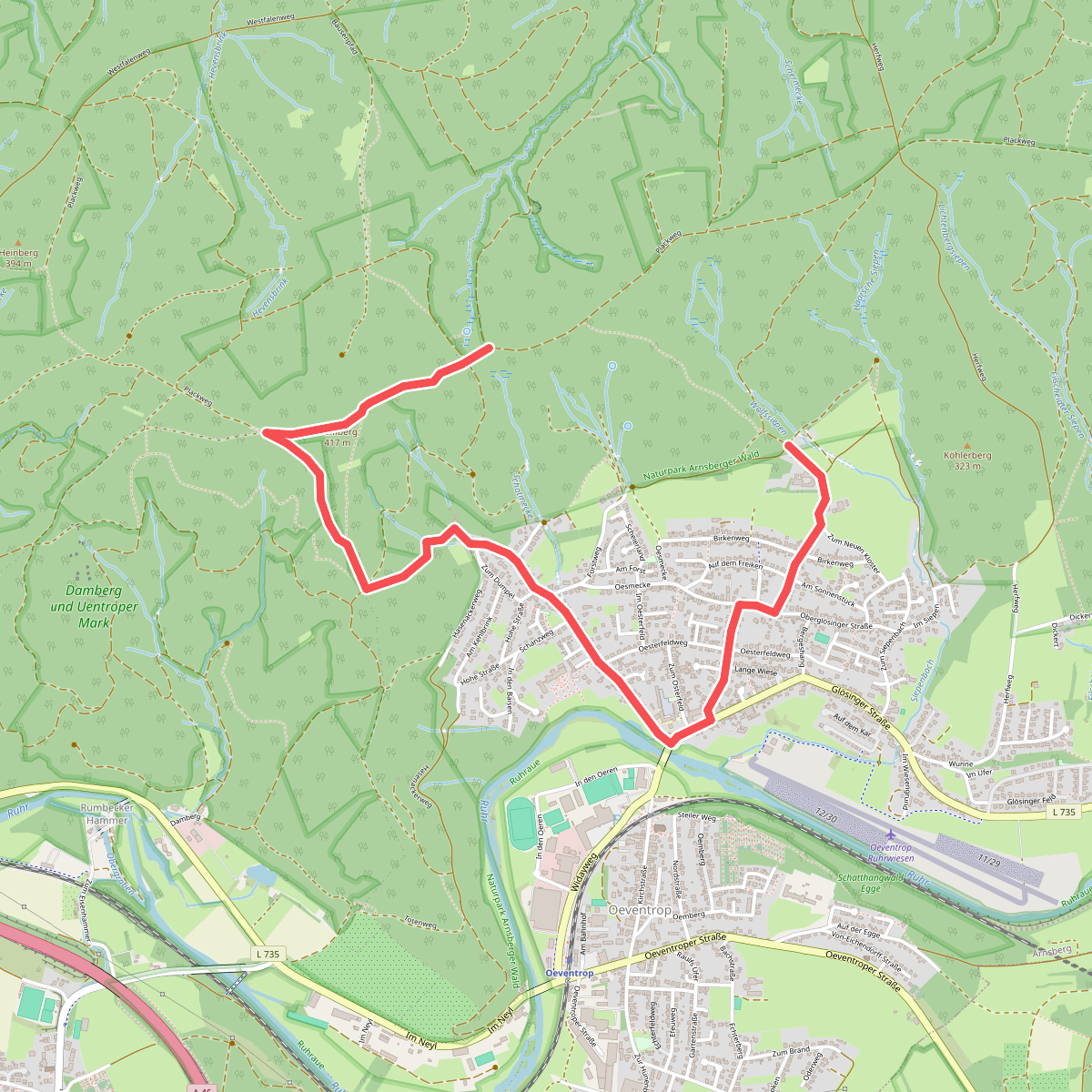
#10. Dinschede Rundweg A2
Arnsberg
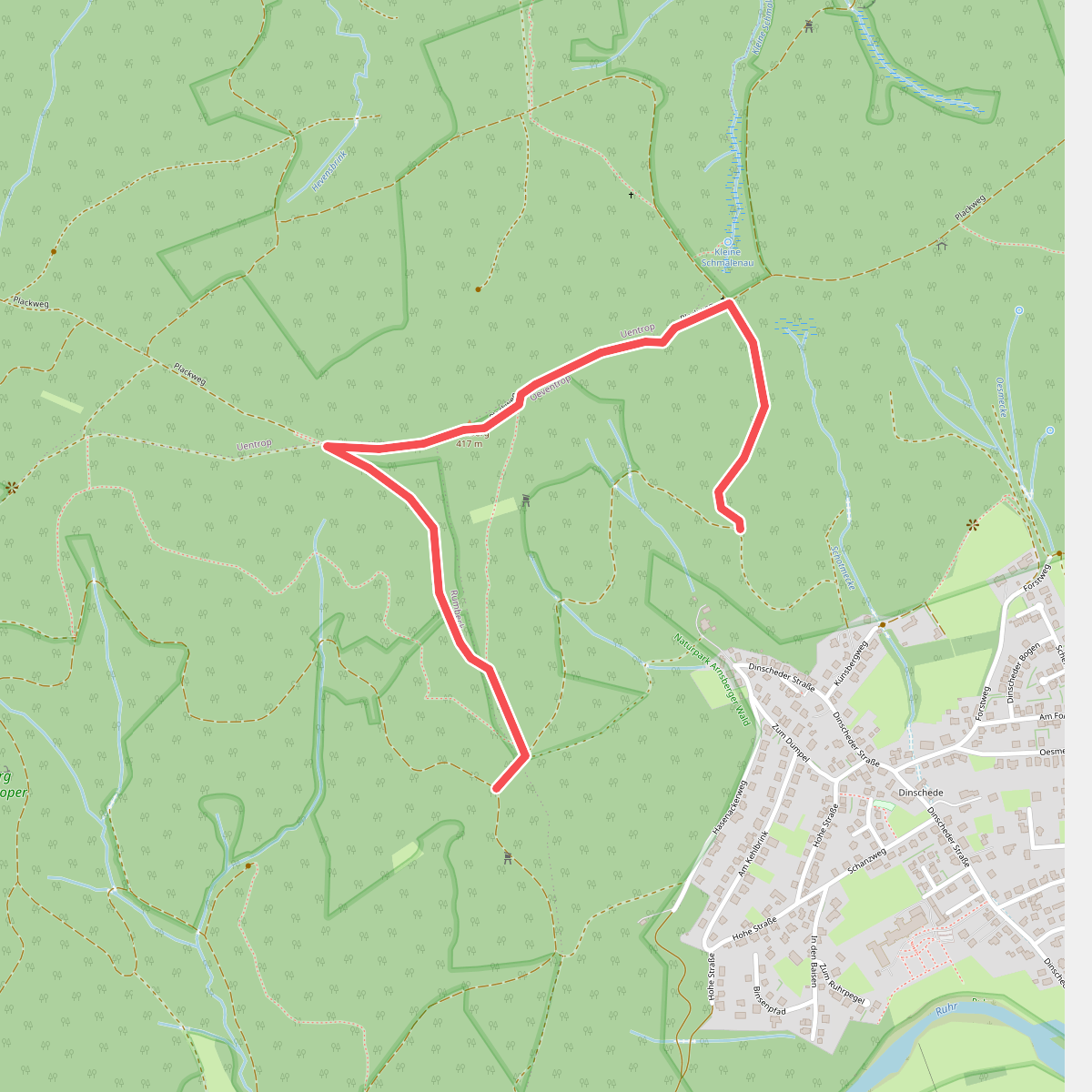
#11. Dinschede Rundweg A3
Arnsberg
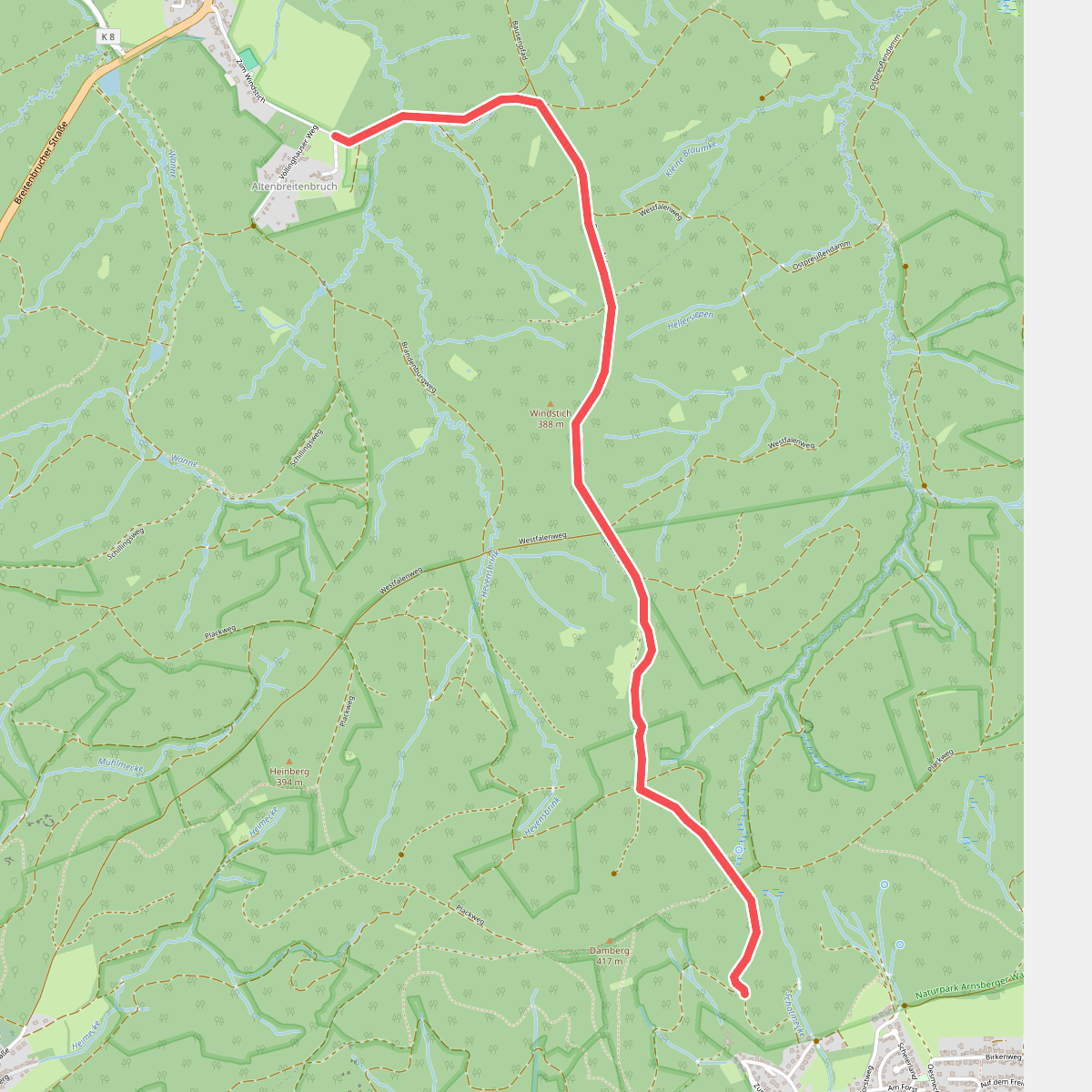
#12. Doppelbalken Dinschede - Breitenbruch
Arnsberg