
The best hiking routes in Marais de Saone
Discover the best walks in Marais de Saone. 10 routes on the map, with descriptions, photos and GPX.
Managed by Syndicat mixte du Marais de Saône
About Marais de Saone
The Marais de Saone occupies a wide limestone depression where water accumulates over a thick clay bed. This wetland landscape is characterized by a mosaic of damp meadows, reed beds, and peat fens, bordered by forested limestone ridges. Walkers will notice how the flat basin floor contrasts sharply with the wooded hillsides that hem the marsh in on all sides.
Read more
About Marais de Saone
The Marais de Saone occupies a wide limestone depression where water accumulates over a thick clay bed. This wetland landscape is characterized by a mosaic of damp meadows, reed beds, and peat fens, bordered by forested limestone ridges. Walkers will notice how the flat basin floor contrasts sharply with the wooded hillsides that hem the marsh in on all sides.
Read moreThe Marais de Saone occupies a wide limestone depression where water accumulates over a thick clay bed. This wetland landscape is characterized by a mosaic of damp meadows, reed beds, and peat fens, bordered by forested limestone ridges. Walkers will notice how the flat basin floor contrasts sharply with the wooded hillsides that hem the marsh in on all sides.
Underfoot, the terrain dictates the route. The central, wetter zones are accessible via raised wooden boardwalks that keep you above the standing water and fragile peat soils. Away from these structures, the paths transition to dirt tracks and grassy margins that can be soft and muddy, requiring sturdy footwear. The vegetation changes rapidly along these paths, shifting from tall reeds and sedges in the lowest points to willow and alder thickets on slightly higher ground.
This area is not a place for panoramic mountain vistas or deep gorges, offering instead a quiet, enclosed wetland environment. In May and June, the marsh is particularly active with nesting waterbirds and blooming aquatic plants. It is a functional, managed ecosystem where drainage channels and traditional grazing pastures are visible right from the walking trails.
Hiking routes in Marais de Saone (10)

#1. Besançon - Arc-et-Senans

#2. Ceinture de Besançon

#3. European long distance path E2 - part France · Fesches-le-Châtel – Les Cressonnières
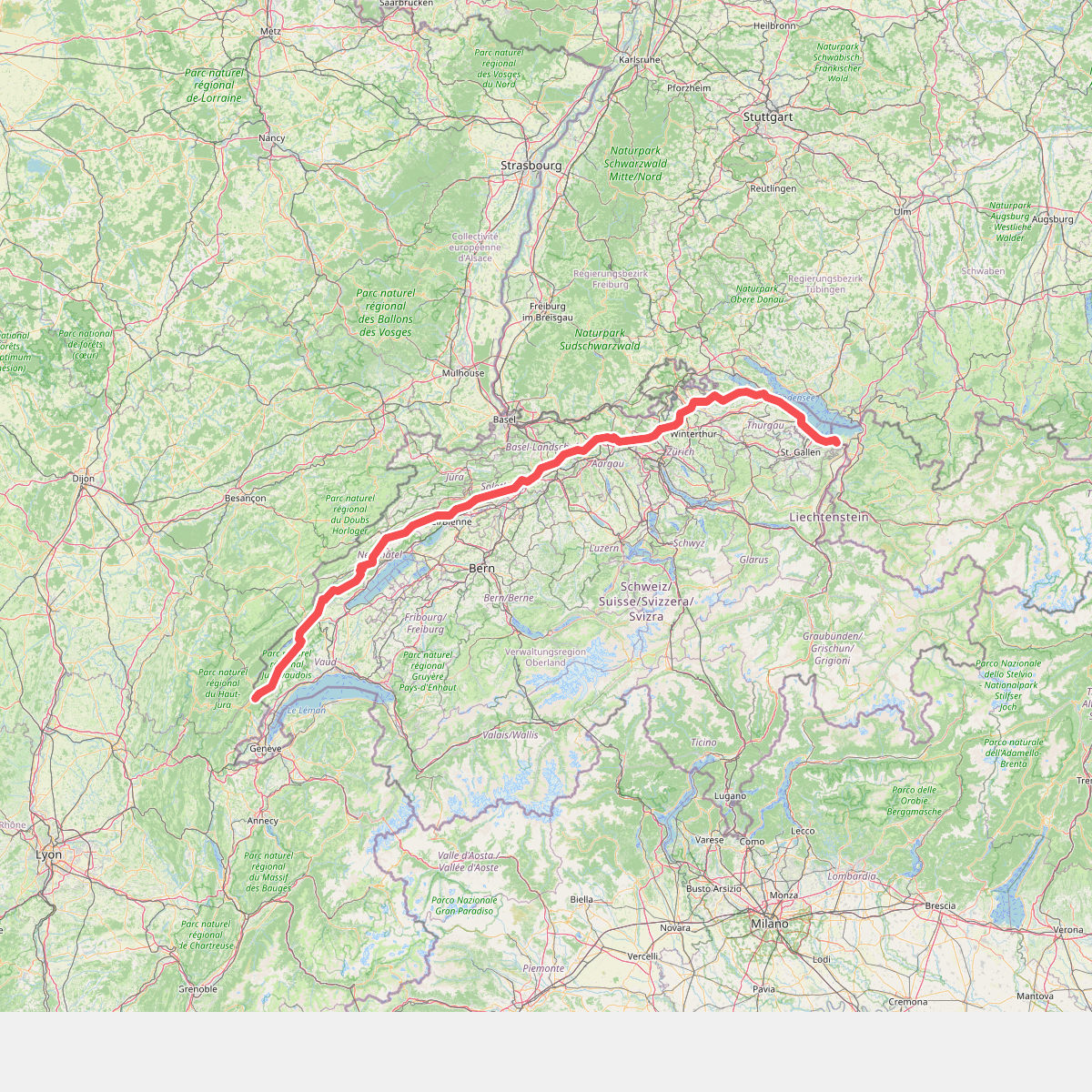
#4. European long distance path E4 - part Switzerland

#5. GTJ à pied · Mandeure – Le Bayard

#6. Saulnot - Besançon

#7. Sentier des Buis

#8. Sentier des Essarts

#9. Sentier du Fort des Epesses