
The best hiking routes in Complexo do Açor
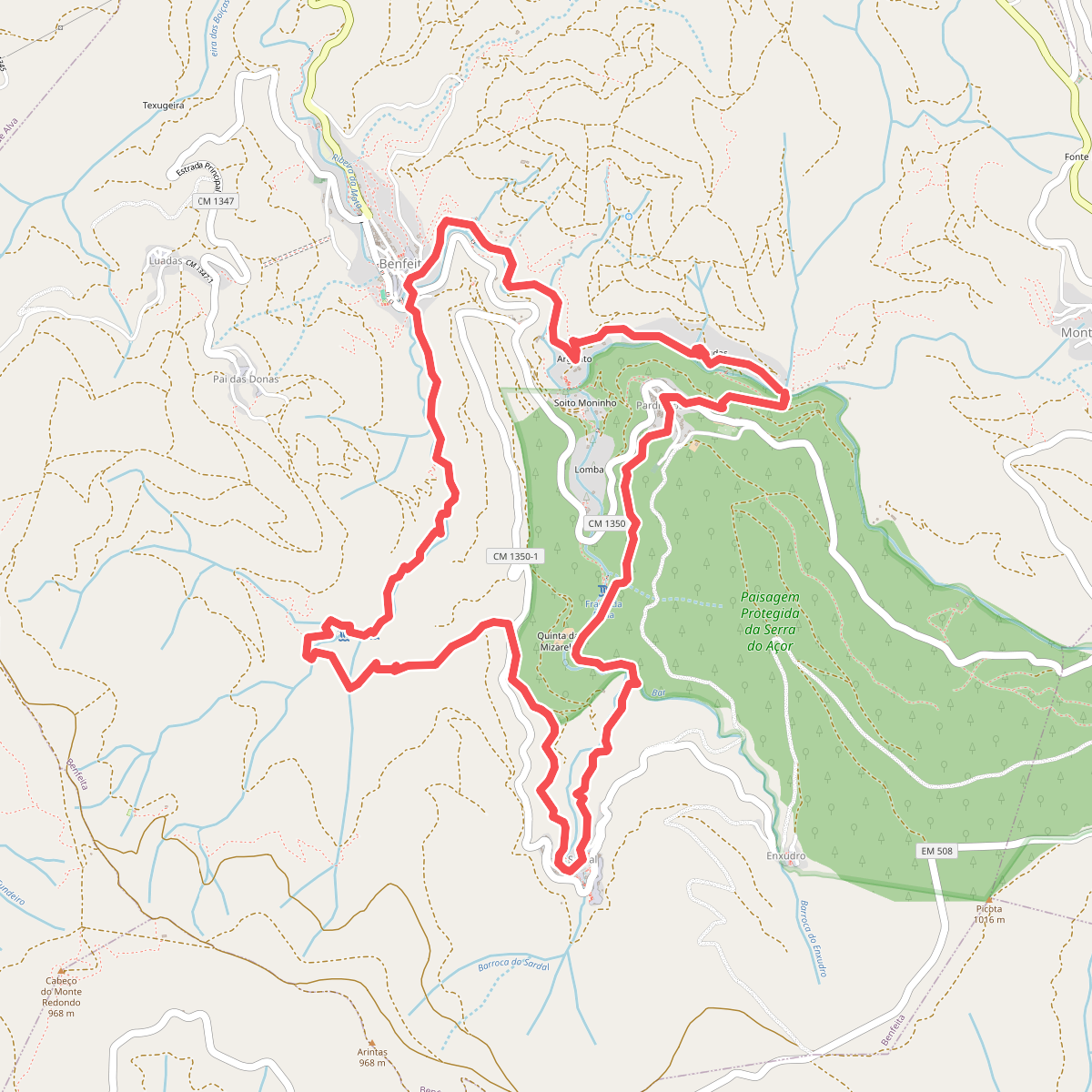
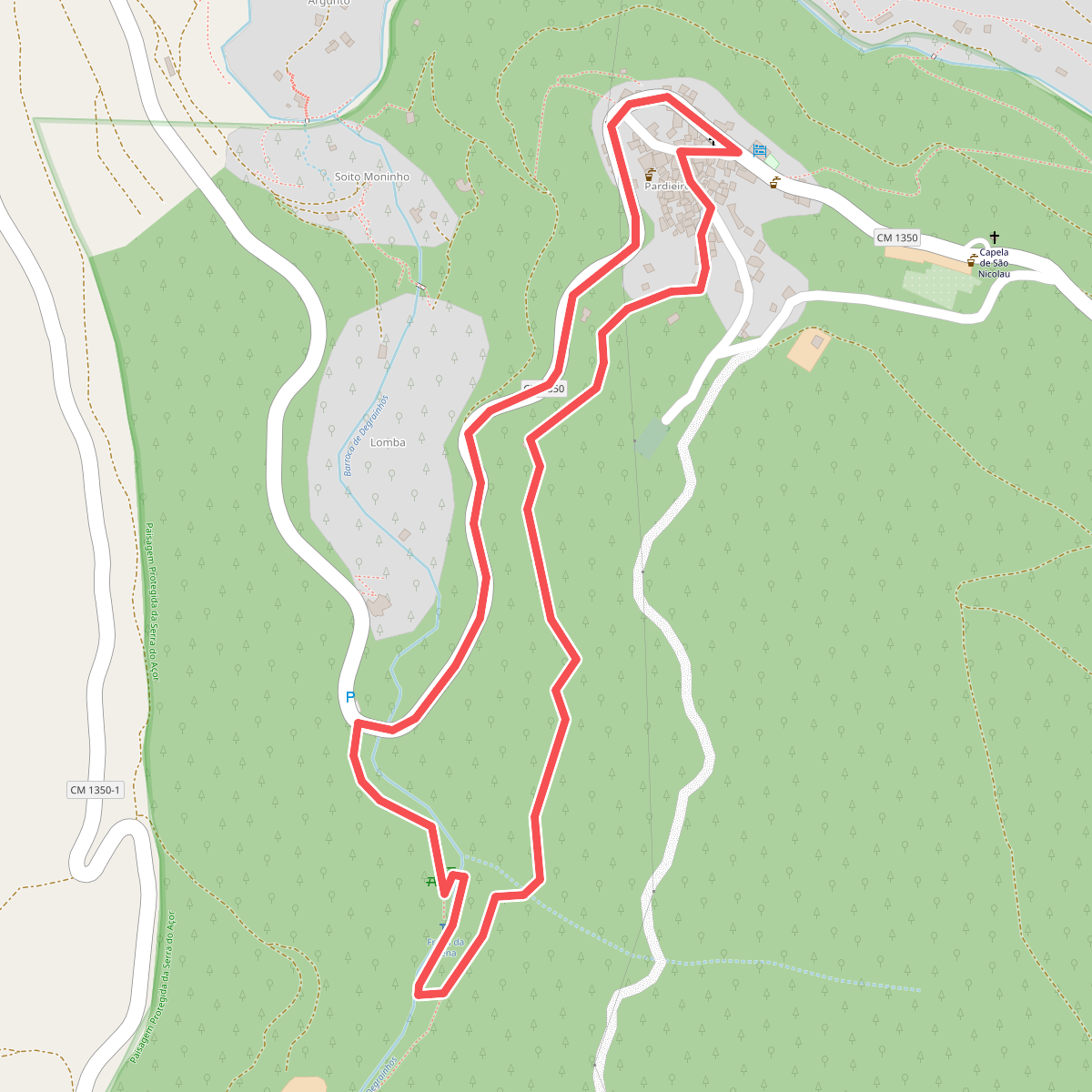
Discover the best walks in Complexo do Açor. 2 routes on the map, with descriptions, photos and GPX.
Managed by Instituto da Conservação da Natureza e das Florestas
About Complexo do Açor
Complexo do Açor offers a walking experience defined by steep, schist-carved valleys and dense deciduous woodland in the central Portuguese highlands. Unlike the flatter pine plantations nearby, this protected area preserves remnants of the native laurel forest, characterized by Portuguese laurel, oak, and holly. Walkers should expect sharp elevation changes rather than gentle strolls, with narrow dirt paths clinging to the hillsides and stone-paved tracks winding through old agricultural terraces.
Read more
About Complexo do Açor
Complexo do Açor offers a walking experience defined by steep, schist-carved valleys and dense deciduous woodland in the central Portuguese highlands. Unlike the flatter pine plantations nearby, this protected area preserves remnants of the native laurel forest, characterized by Portuguese laurel, oak, and holly. Walkers should expect sharp elevation changes rather than gentle strolls, with narrow dirt paths clinging to the hillsides and stone-paved tracks winding through old agricultural terraces.
Read moreComplexo do Açor offers a walking experience defined by steep, schist-carved valleys and dense deciduous woodland in the central Portuguese highlands. Unlike the flatter pine plantations nearby, this protected area preserves remnants of the native laurel forest, characterized by Portuguese laurel, oak, and holly. Walkers should expect sharp elevation changes rather than gentle strolls, with narrow dirt paths clinging to the hillsides and stone-paved tracks winding through old agricultural terraces.
The landscape is shaped by water and traditional human activity. Deep ravines channel fast-flowing streams that cut through the dark metamorphic rock, creating small waterfalls and damp microclimates where mosses and ferns thrive. On the higher ridges, the tree cover thins out into low scrub and gorse, offering clear views of the folded mountain relief. Underfoot, the terrain is dominated by loose shale fragments and rocky steps, requiring steady footing and sturdy footwear.
Walking here is a quiet, solitary experience compared to the busier peaks of the Serra da Estrela. The paths are mostly rugged and natural, with few boardwalks or modern interventions. In late spring, around May, the flowering shrubs bring color to the dark green slopes, while autumn turns the oak canopies yellow. It is a demanding terrain that rewards those who prefer steep, wooded ravines and rustic, unpaved mountain tracks.