
The best hiking routes in Belate
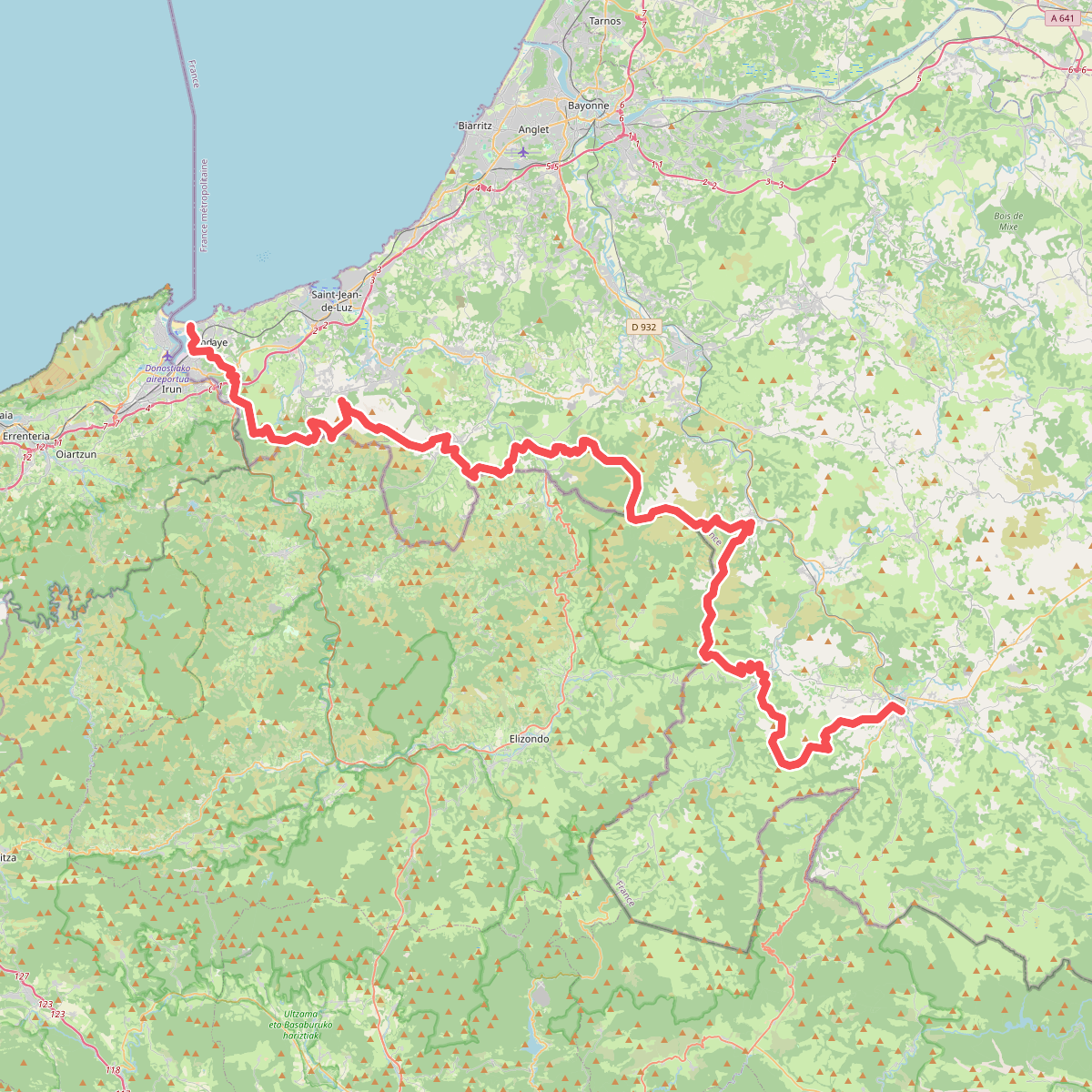
Discover the best walks in Belate. 16 routes on the map, with descriptions, photos and GPX.
About Belate
Belate is a high-altitude mountain pass in the Basque Pyrenees of Navarre, dominated by dense, damp beech forests and open mountain pastures. Unlike the rocky, jagged peaks found further east in the Pyrenees, the landscape here is characterized by rounded, green ridges and gentle slopes. The area is frequently shrouded in mist, which has fostered a thick undergrowth of mosses, ferns, and lichens on the beech trunks, creating a dark, enclosed forest environment that opens up suddenly onto wide grazing lands.
Read more
About Belate
Belate is a high-altitude mountain pass in the Basque Pyrenees of Navarre, dominated by dense, damp beech forests and open mountain pastures. Unlike the rocky, jagged peaks found further east in the Pyrenees, the landscape here is characterized by rounded, green ridges and gentle slopes. The area is frequently shrouded in mist, which has fostered a thick undergrowth of mosses, ferns, and lichens on the beech trunks, creating a dark, enclosed forest environment that opens up suddenly onto wide grazing lands.
Read moreBelate is a high-altitude mountain pass in the Basque Pyrenees of Navarre, dominated by dense, damp beech forests and open mountain pastures. Unlike the rocky, jagged peaks found further east in the Pyrenees, the landscape here is characterized by rounded, green ridges and gentle slopes. The area is frequently shrouded in mist, which has fostered a thick undergrowth of mosses, ferns, and lichens on the beech trunks, creating a dark, enclosed forest environment that opens up suddenly onto wide grazing lands.
Underfoot, walkers will mostly encounter damp soil, leaf litter, and muddy tracks through the woods, which transition into grassy paths on the ridges. The main trail follows the historic Camino de Santiago Baztanés, marked by ancient stone paving and a medieval monastery ruin that show how this pass has been used for centuries. The terrain requires sturdy footwear due to slippery clay sections and exposed tree roots, rather than technical scrambling over scree.
This reserve is best suited for those who prefer quiet, atmospheric woodland walking over high-alpine climbing. While the forest remains cool and shaded throughout the summer, October brings a dramatic change as the beech canopy turns deep orange and red. The area is generally quiet, though you will share the paths with grazing livestock and occasional long-distance pilgrims.
Hiking routes in Belate (16)
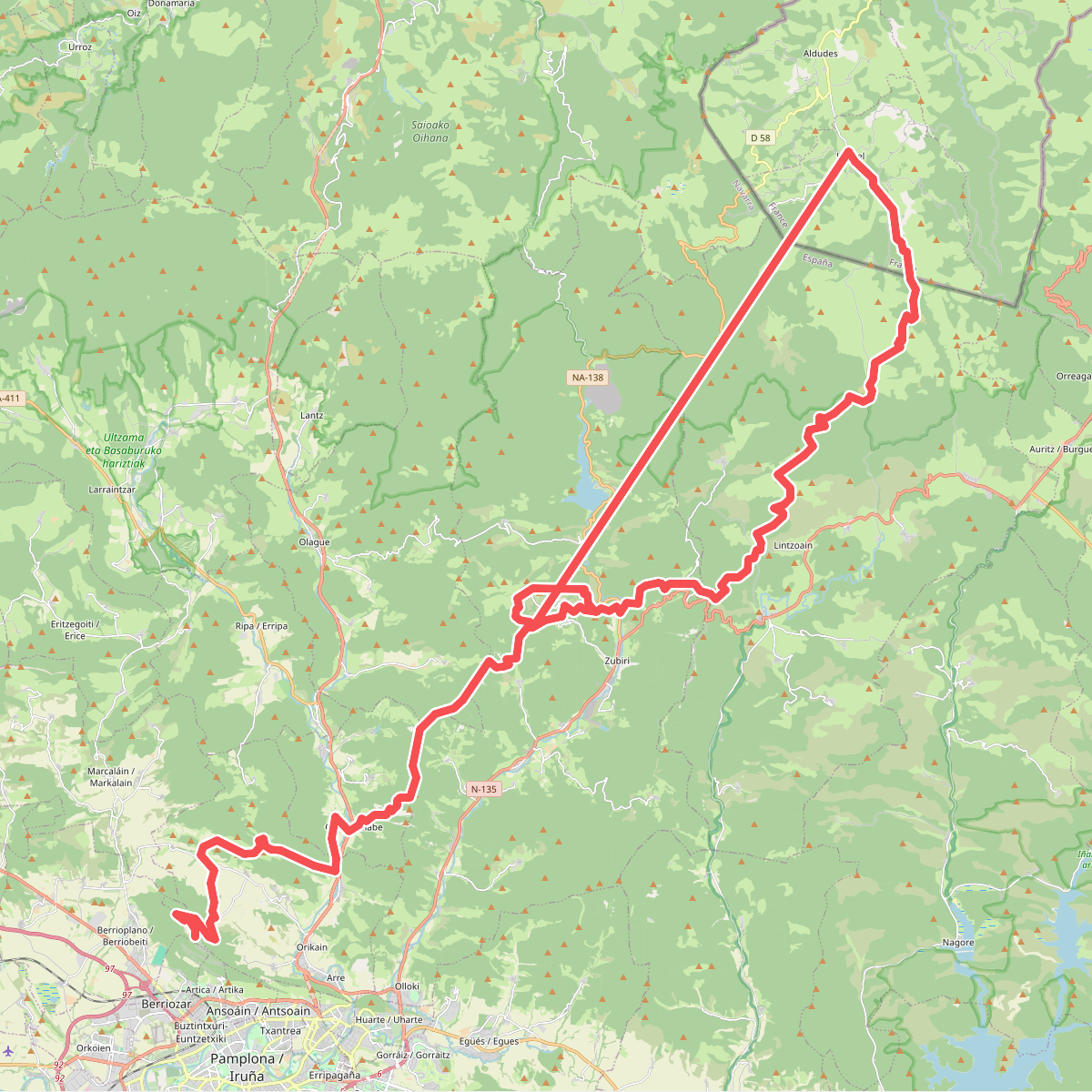
#1. 1938ko Ezkabako Ihesa
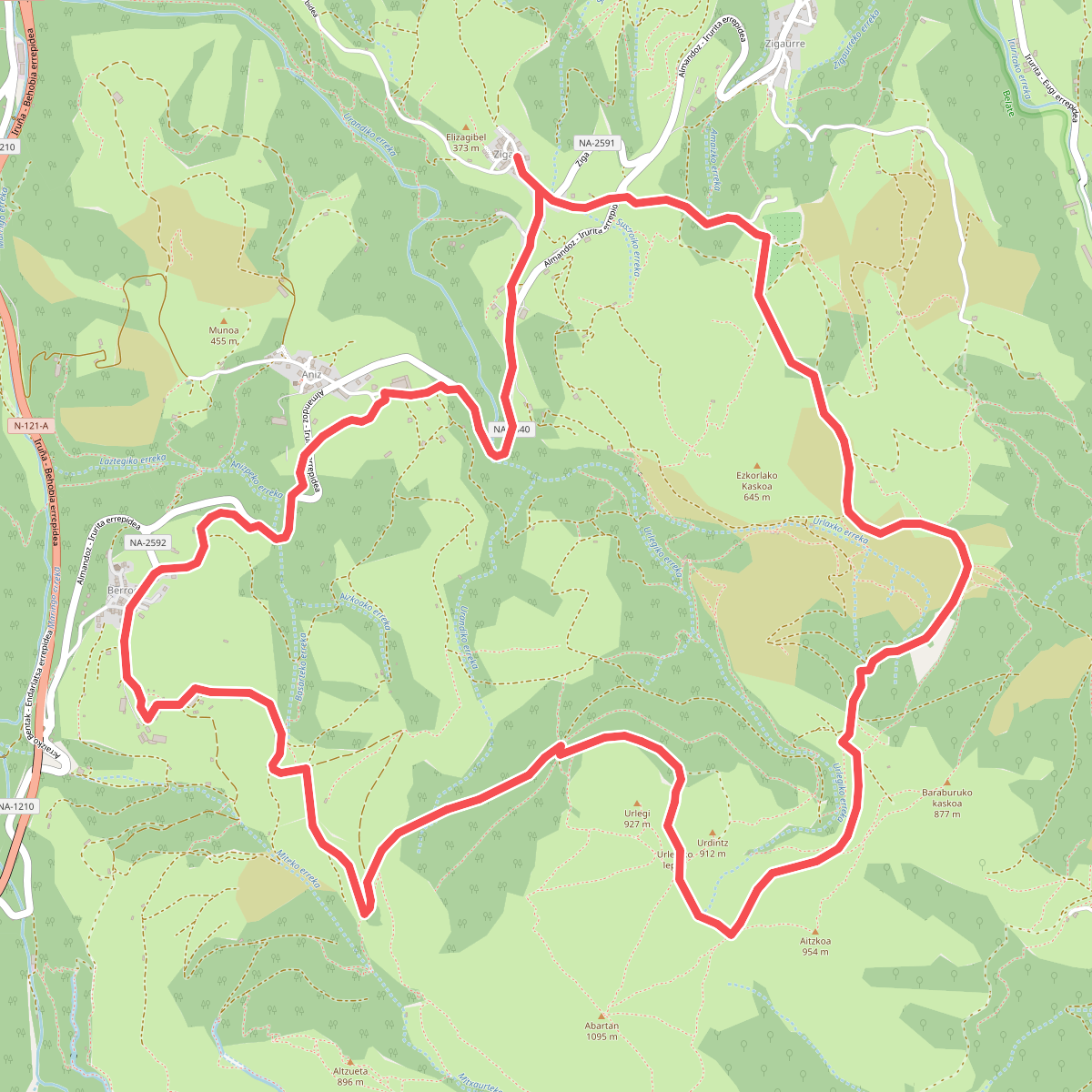
#2. Abartan
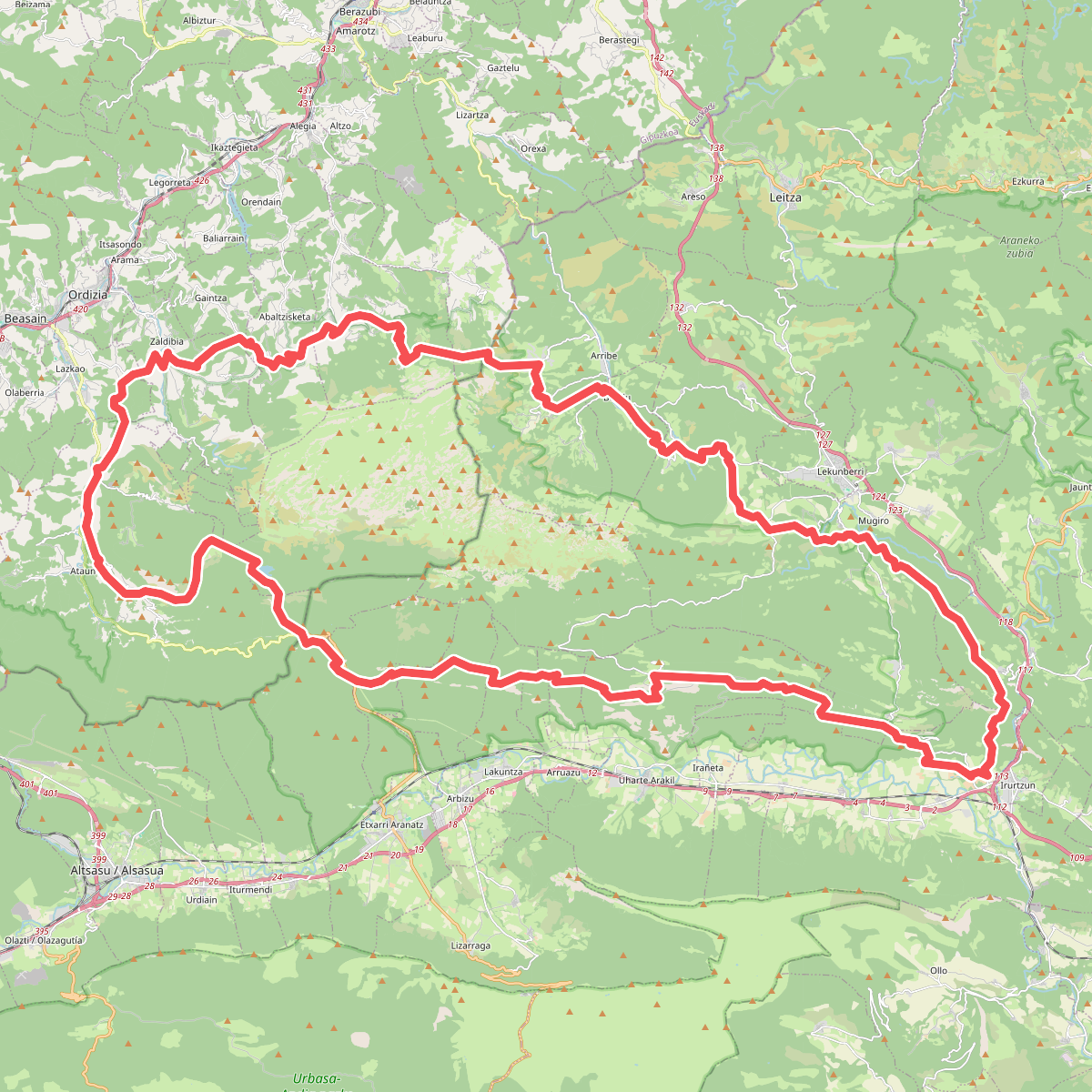
#3. Aralarko bira
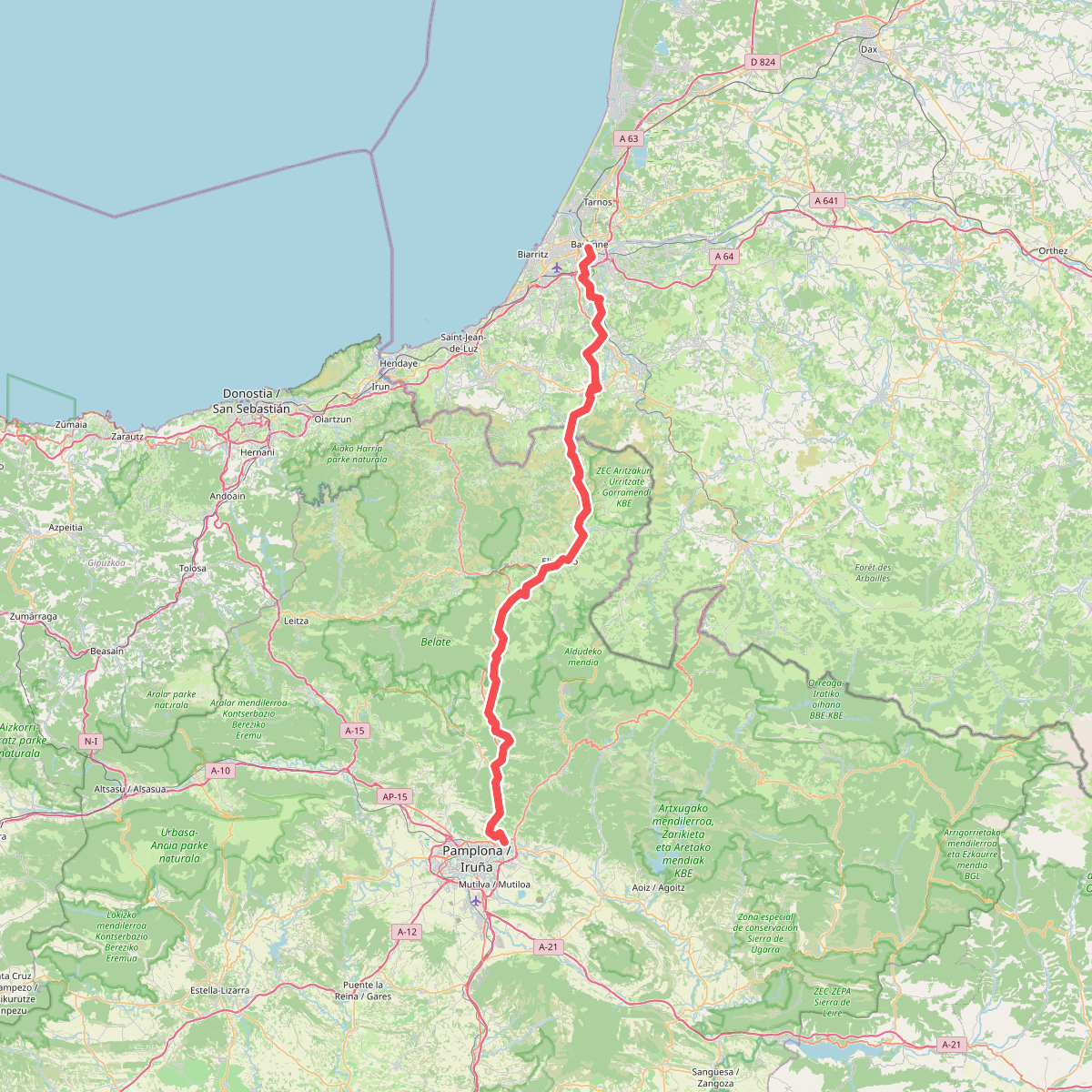
#4. Baztango Donejakue bidea
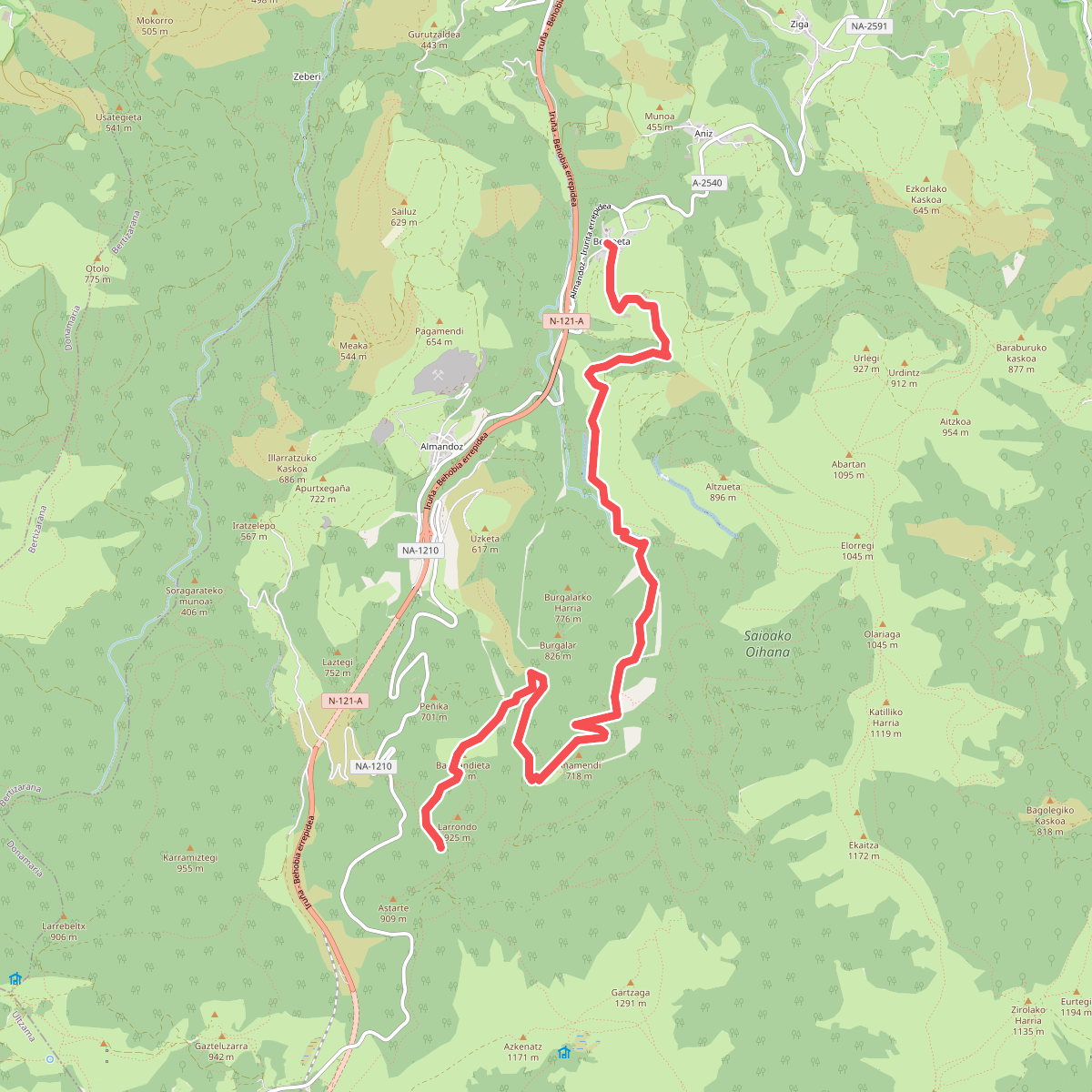
#5. Belateko ekialdeko aldaera (Baztango Donejakue bidea)
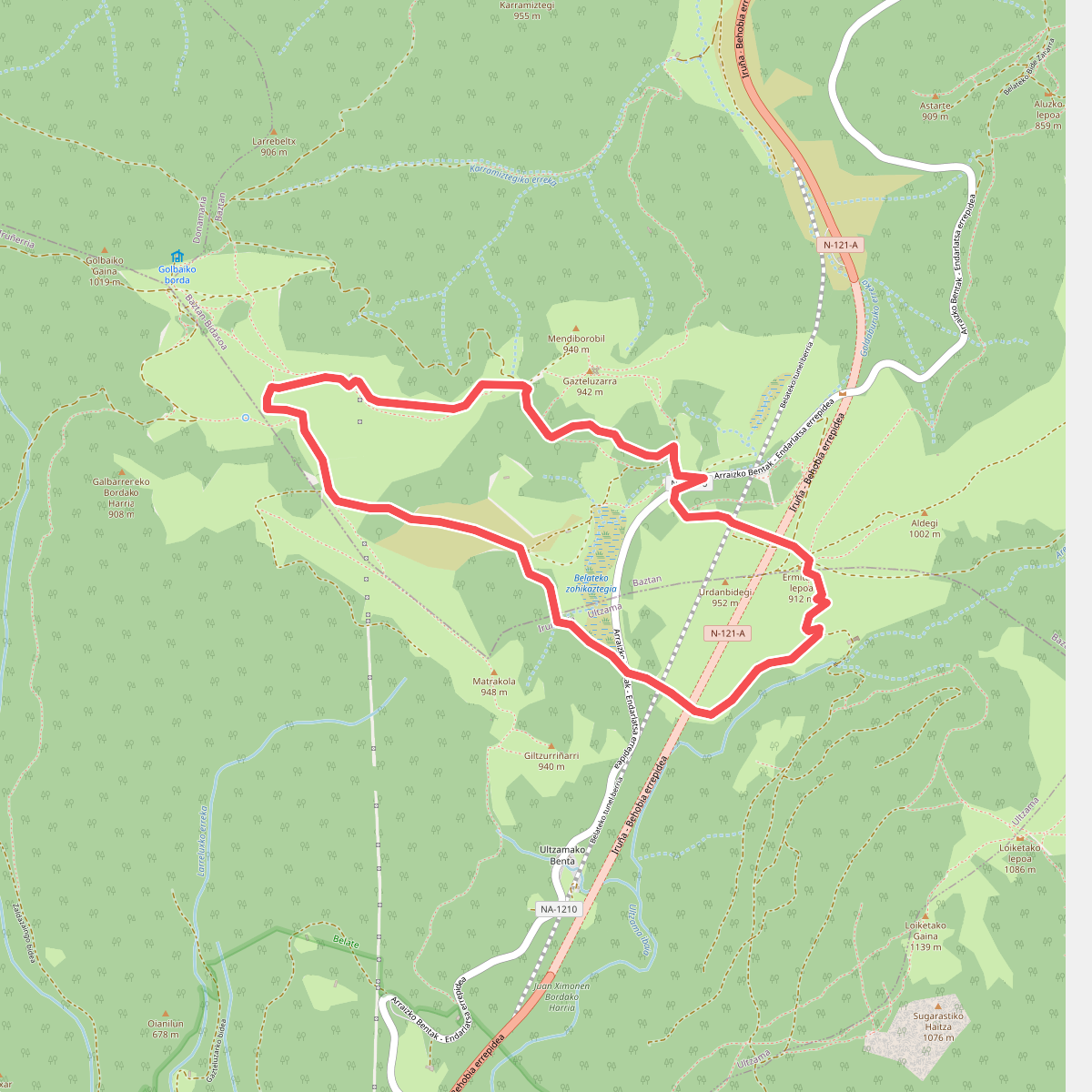
#6. Belateko itzulia
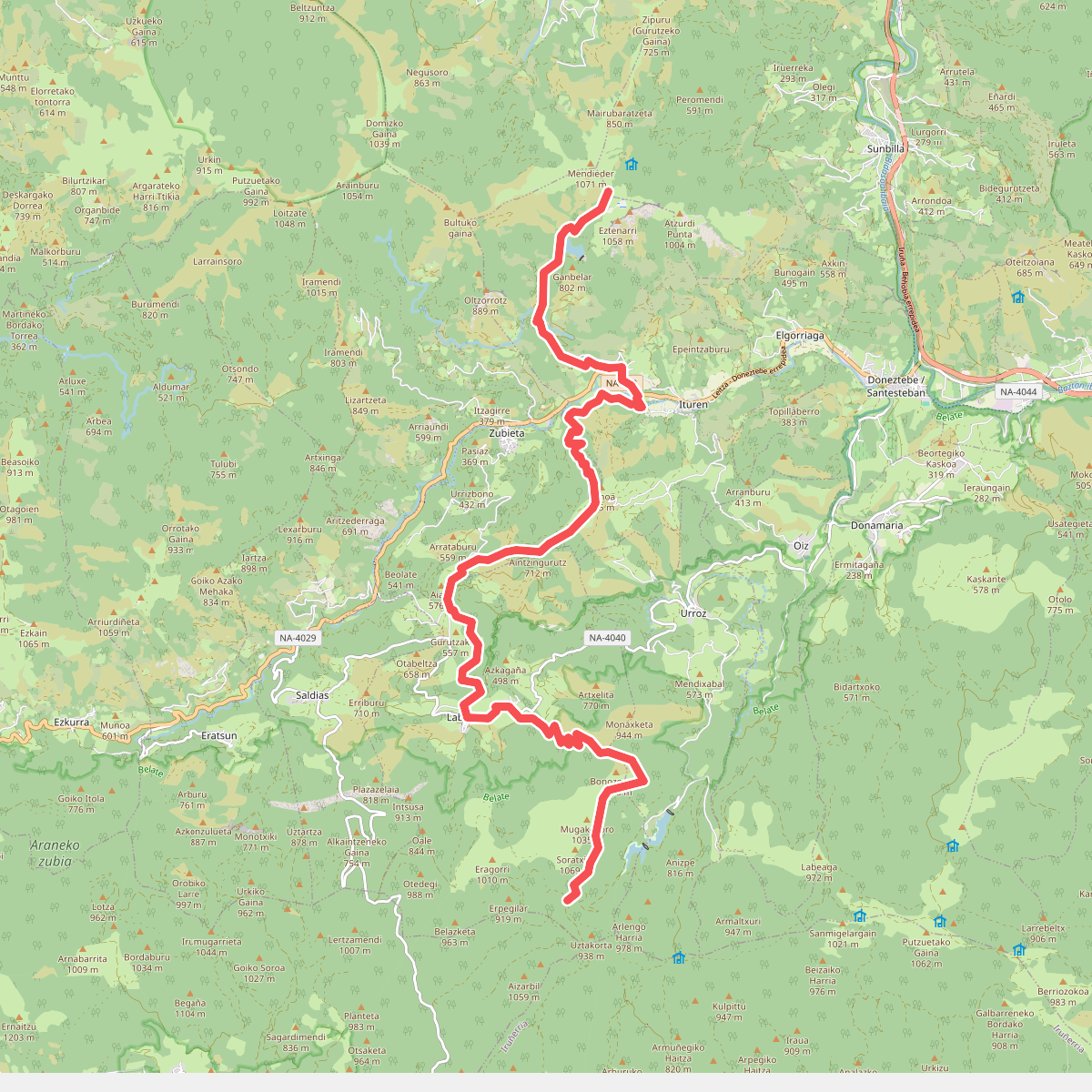
#7. Bustitza - Uztakorta
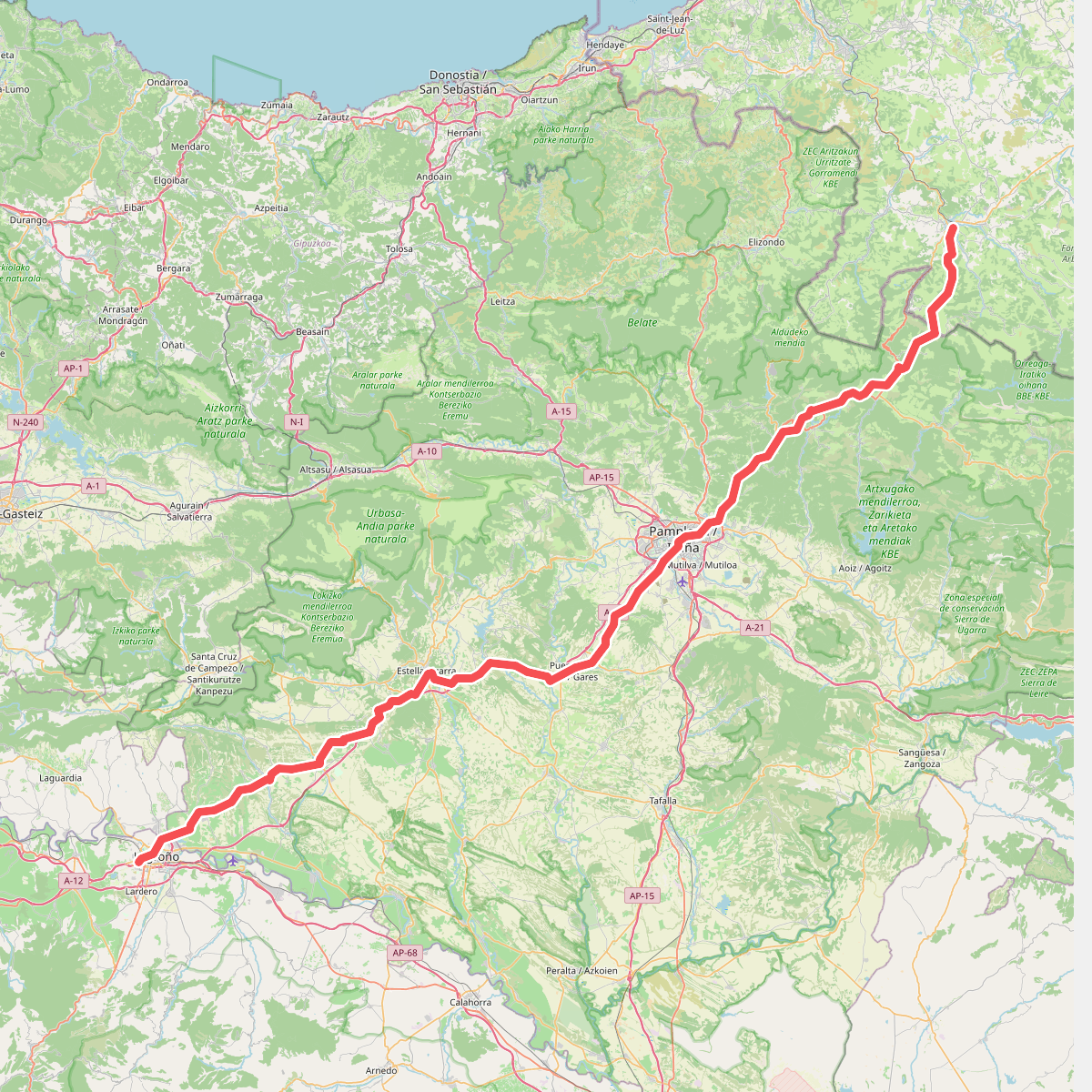
#8. Camino Francés - 01
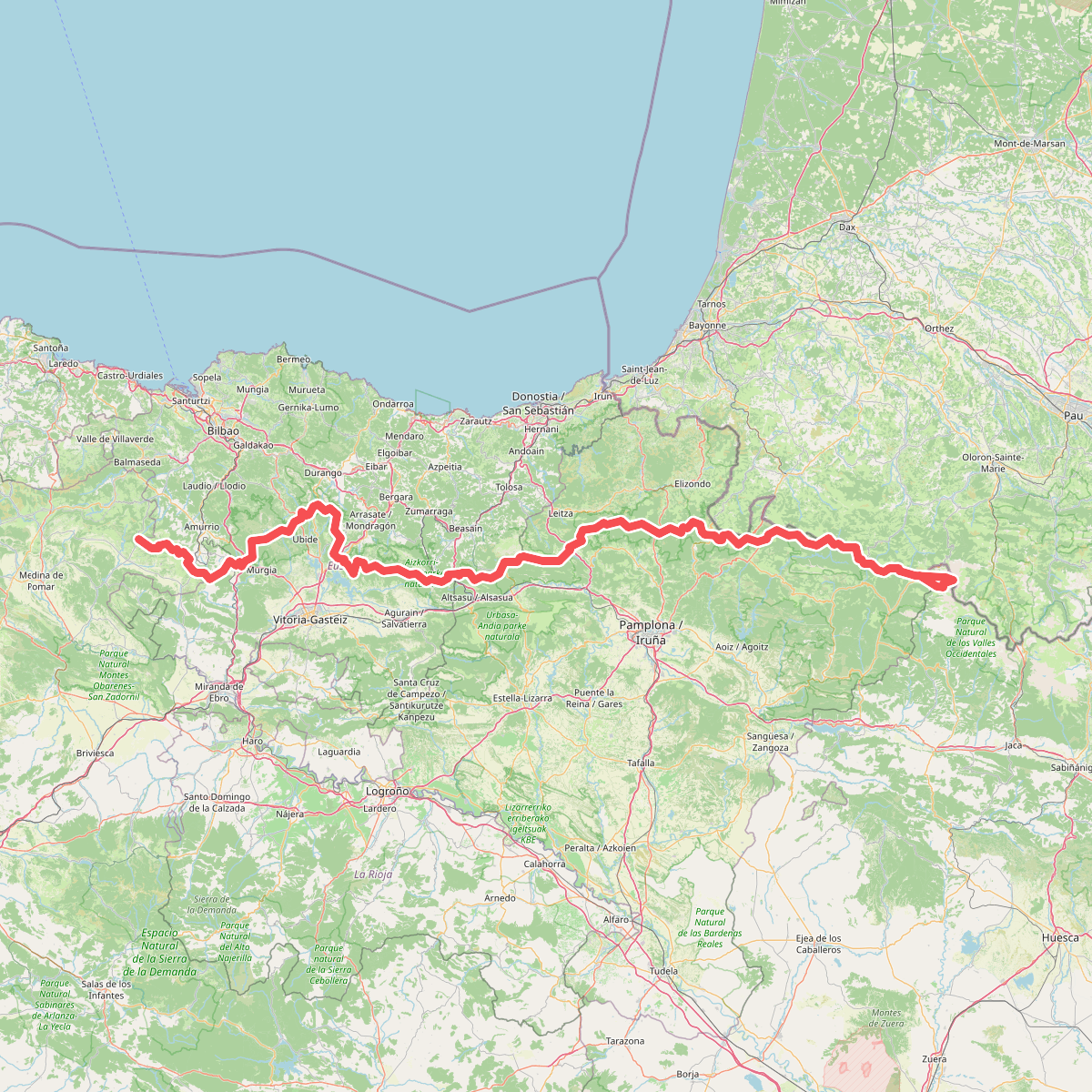
#9. Euskal Herriko ibilaldia
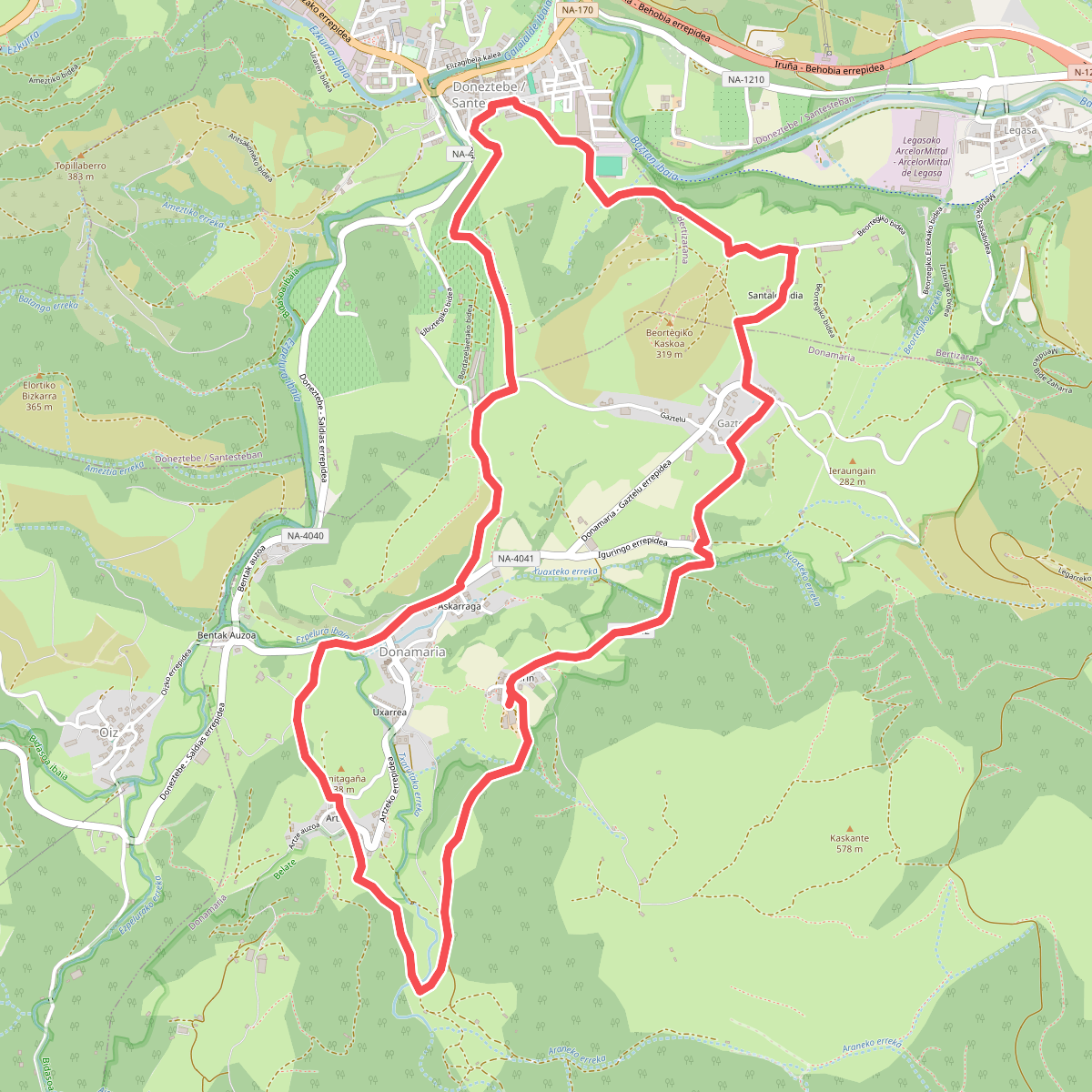
#10. Ibargoiora
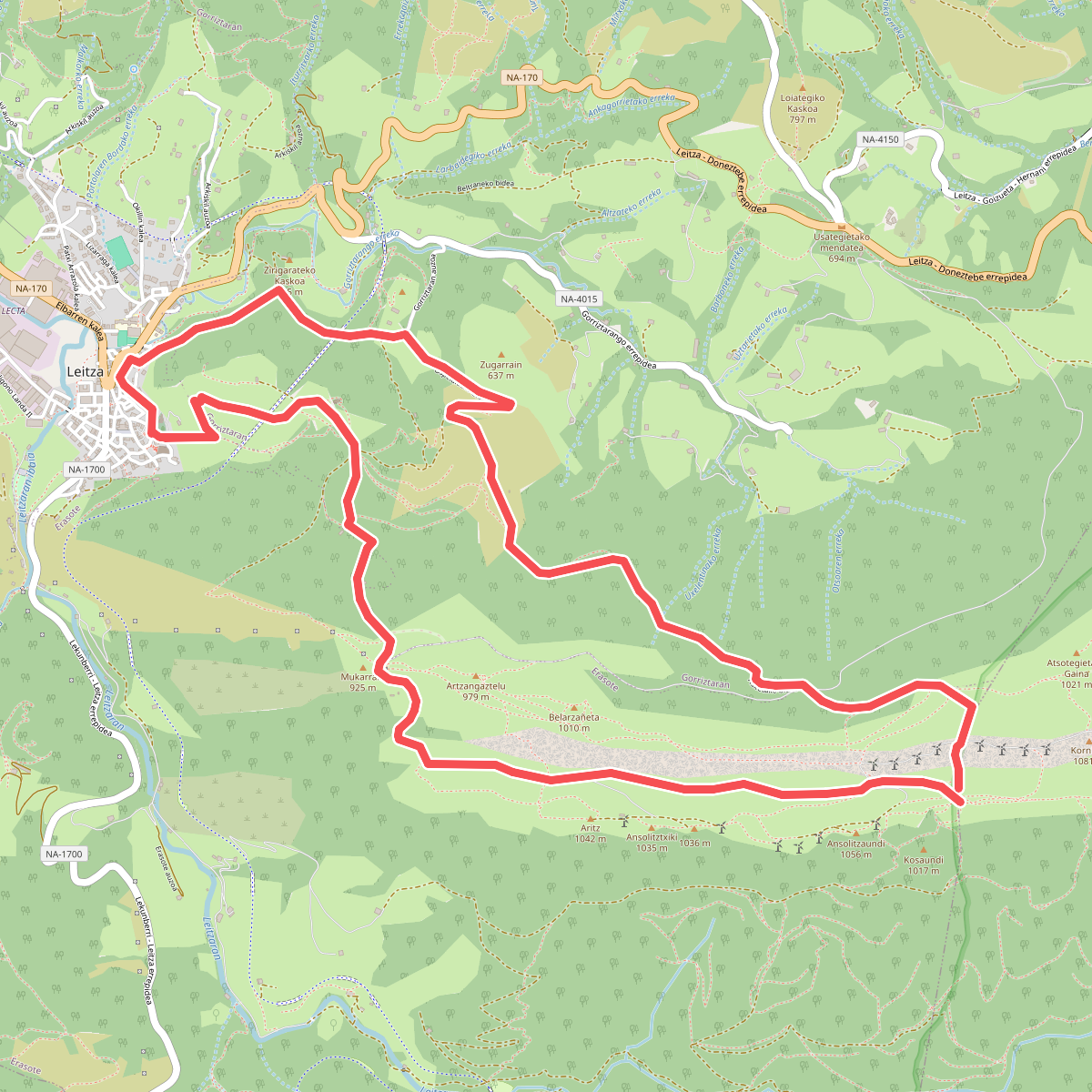
#11. Kornieta