The best hiking routes in Wild Nephin National Park
Discover the best walks in Wild Nephin National Park. 5 routes on the map, with descriptions, photos and GPX.
Managed by National Parks and Wildlife Service
About Wild Nephin National Park
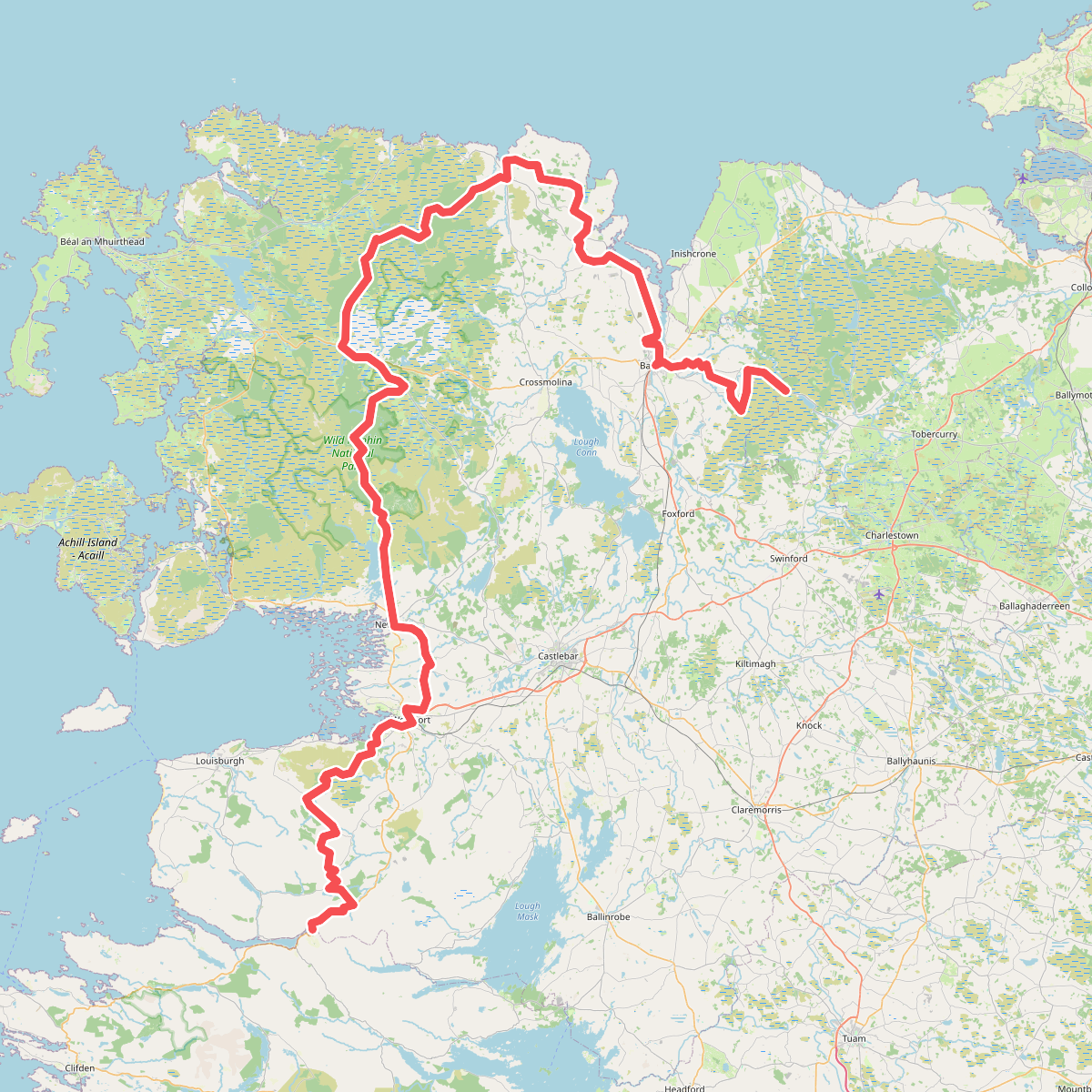
Wild Nephin National Park is dominated by one of the largest expanses of active blanket bog in Europe, flanked by the quartzite slopes of the Nephin Beg mountain range. Unlike parks with well-drained soils, this terrain is defined by waterlogged peat, heather, and purple moor grass. Walkers will find a stark contrast between the western side, which features the vast, roadless Nephin Beg wilderness, and the eastern side around Ballycroy, where managed trails provide structured access.
Read more
About Wild Nephin National Park
Wild Nephin National Park is dominated by one of the largest expanses of active blanket bog in Europe, flanked by the quartzite slopes of the Nephin Beg mountain range. Unlike parks with well-drained soils, this terrain is defined by waterlogged peat, heather, and purple moor grass. Walkers will find a stark contrast between the western side, which features the vast, roadless Nephin Beg wilderness, and the eastern side around Ballycroy, where managed trails provide structured access.
Read moreWild Nephin National Park is dominated by one of the largest expanses of active blanket bog in Europe, flanked by the quartzite slopes of the Nephin Beg mountain range. Unlike parks with well-drained soils, this terrain is defined by waterlogged peat, heather, and purple moor grass. Walkers will find a stark contrast between the western side, which features the vast, roadless Nephin Beg wilderness, and the eastern side around Ballycroy, where managed trails provide structured access.
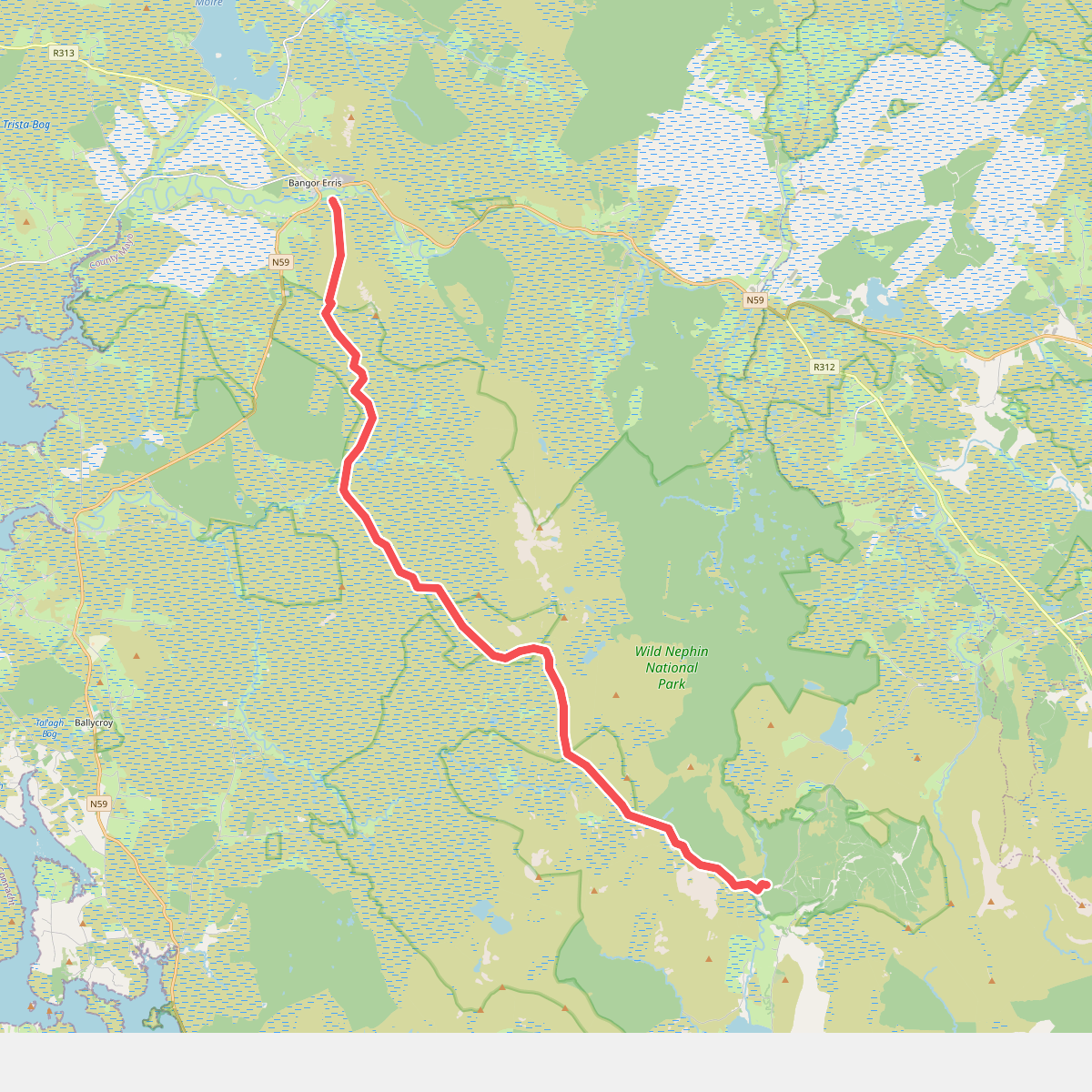
Underfoot conditions dictate the walking experience here. The park has very few hard-surfaced tracks; instead, routes like the Claggan Mountain Coastal Trail rely on wooden boardwalks to keep walkers above the fragile, saturated bog. Away from these boardwalks, such as on the Bangor Trail, the ground consists of deep, exposed peat and wet heath where boots sink into the sodden earth. There are no high, jagged alpine peaks here, but rather rounded, glaciated ridges and wide, flat valleys where navigation requires care due to the lack of distinct physical landmarks.
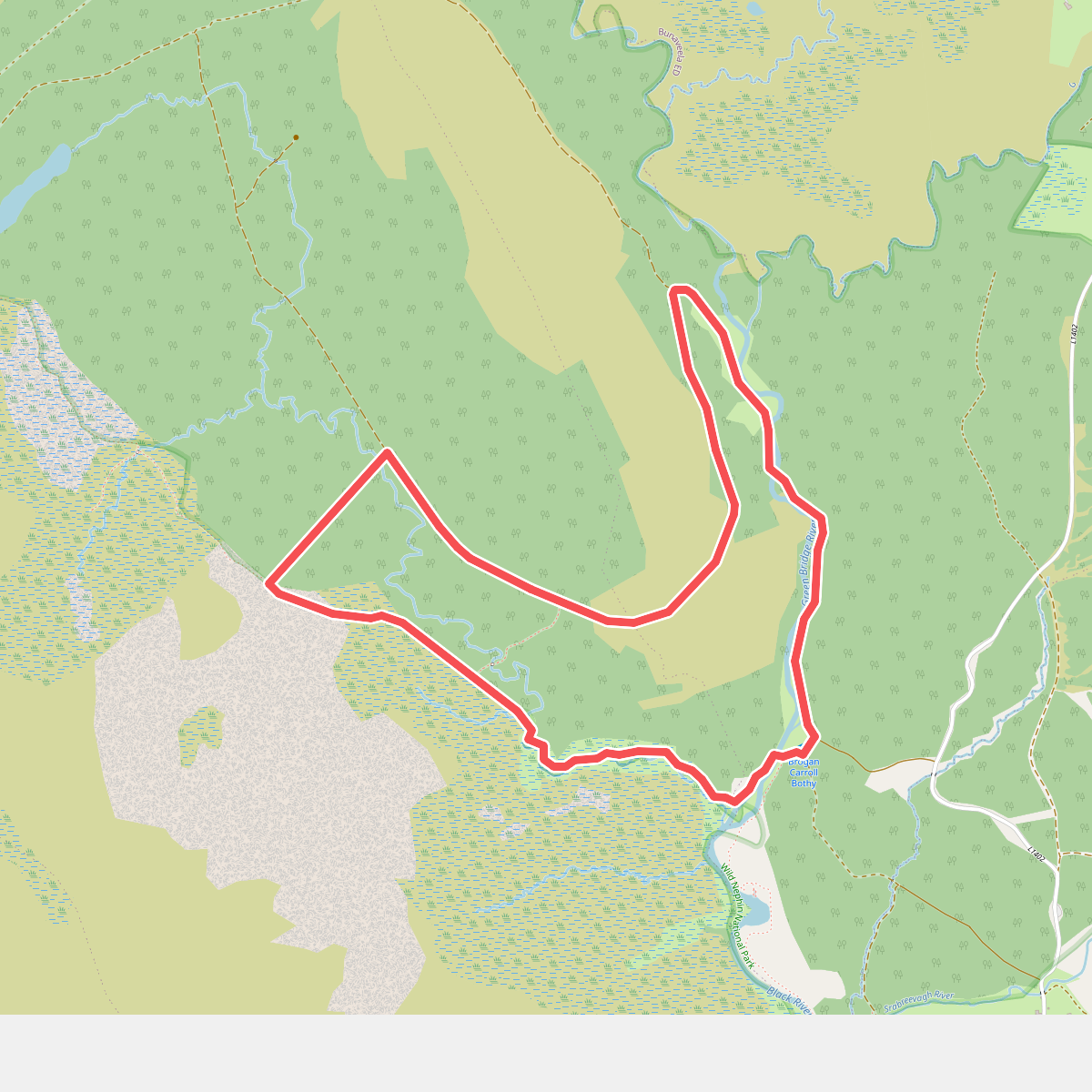
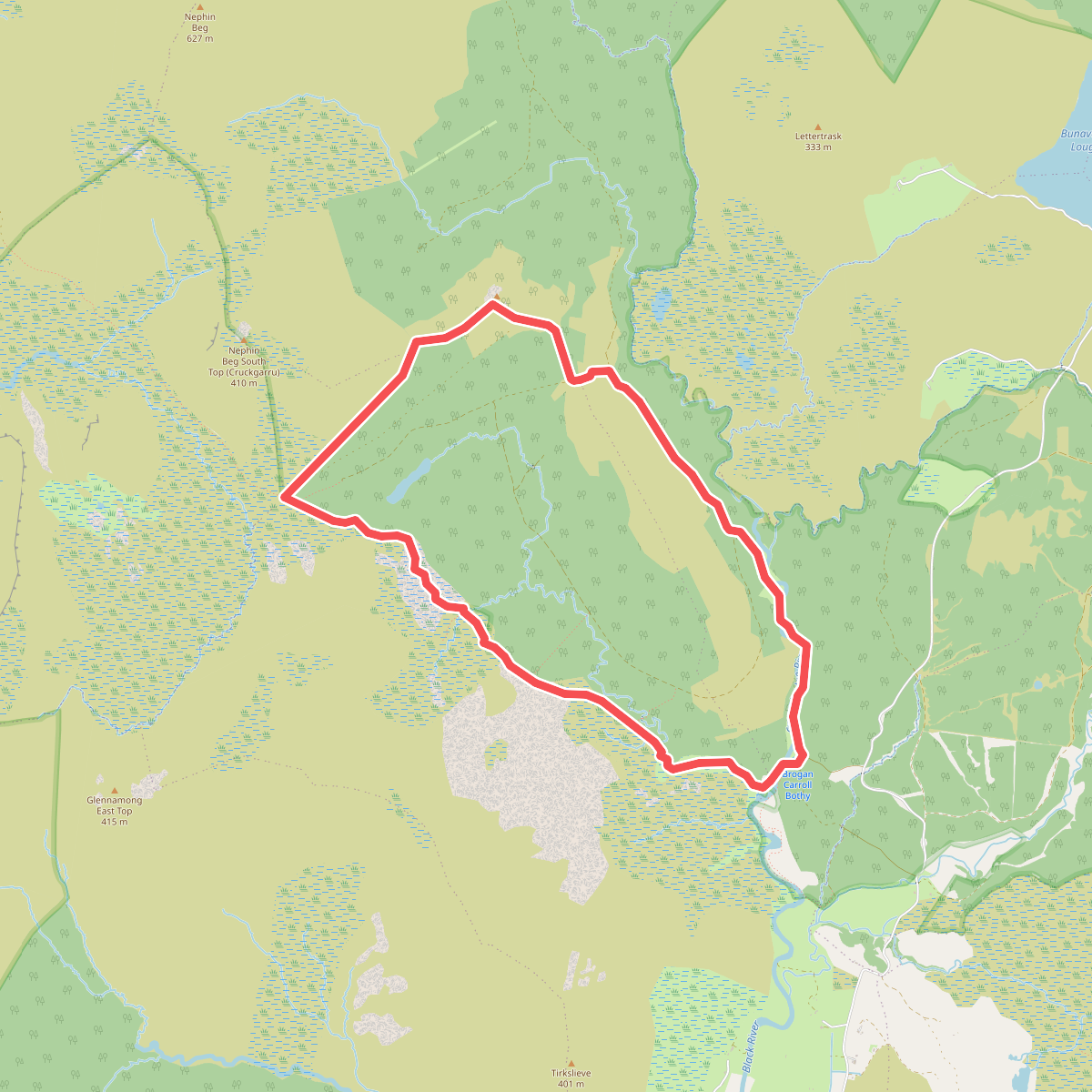
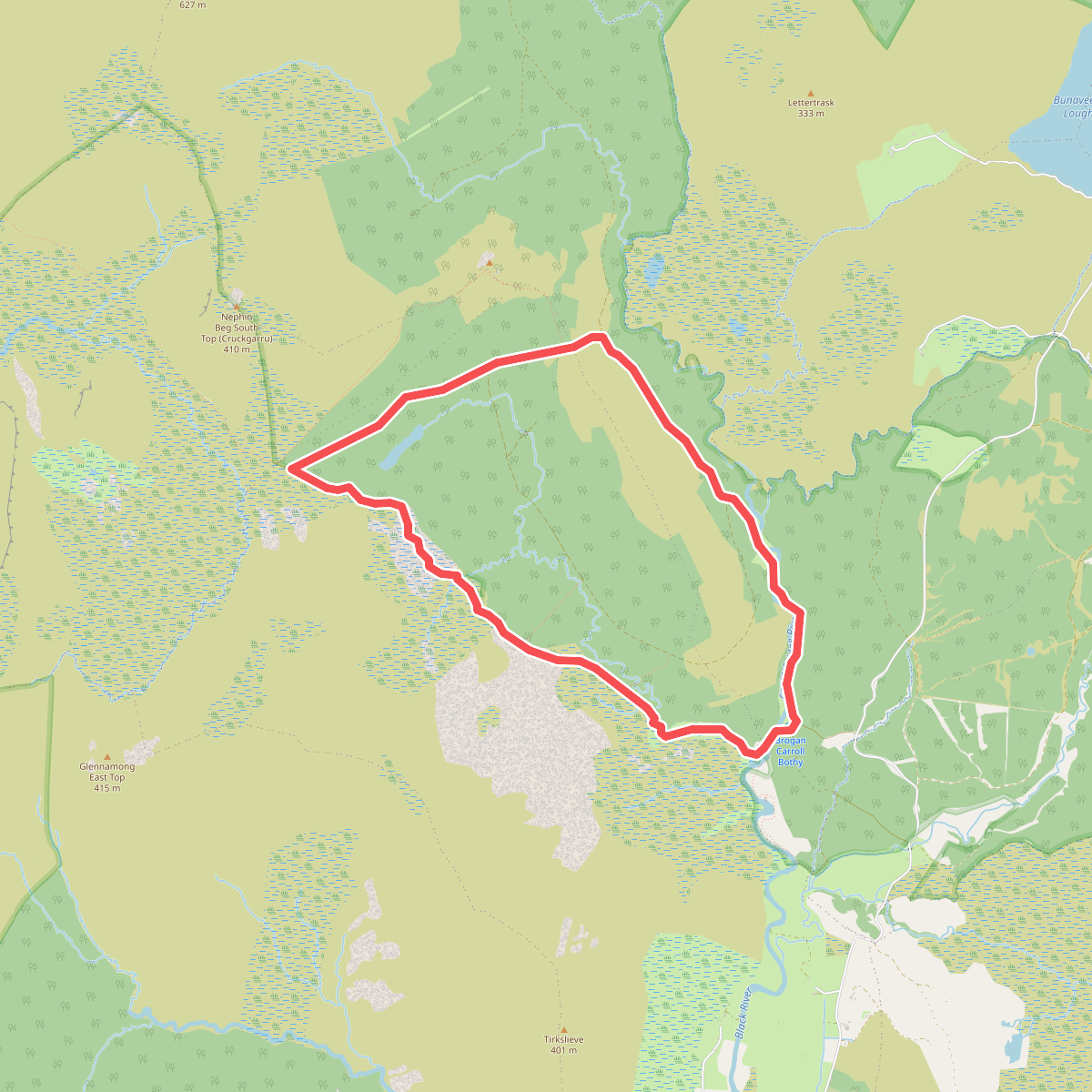
In the autumn months, particularly October, the grasses turn a deep bronze, and the bog cotton of summer disappears, revealing the dark, dark brown of the underlying peat. The landscape is largely treeless, save for the coniferous plantations of the Nephin Forest on the eastern fringe, where gravel forestry roads offer firmer, drier footing than the open moorland. Walkers should expect a slow pace through the open bog sections, where the path is often just a trodden line through the heather.