The best hiking routes in Pönitzer Seenplatte und Haffwiesen
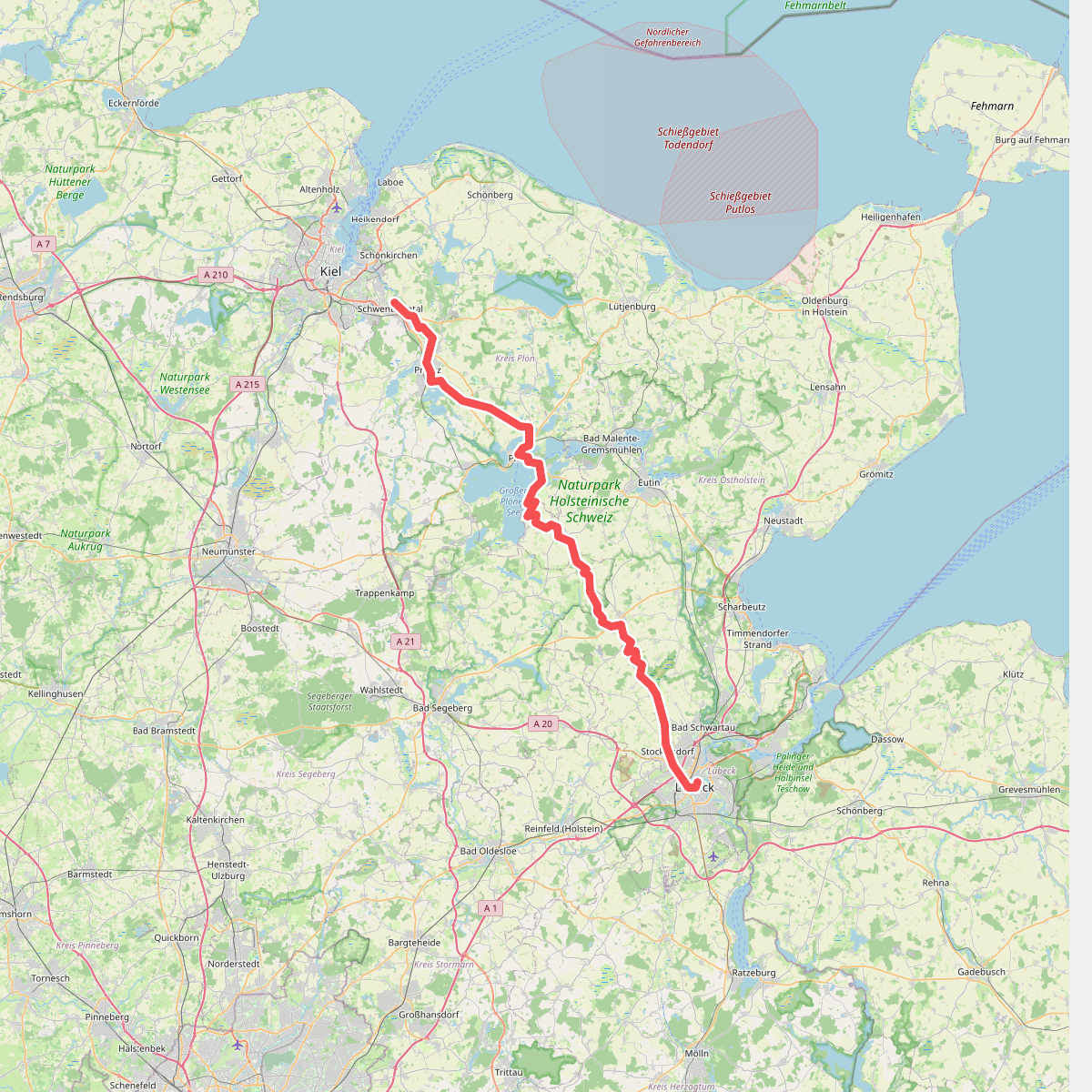
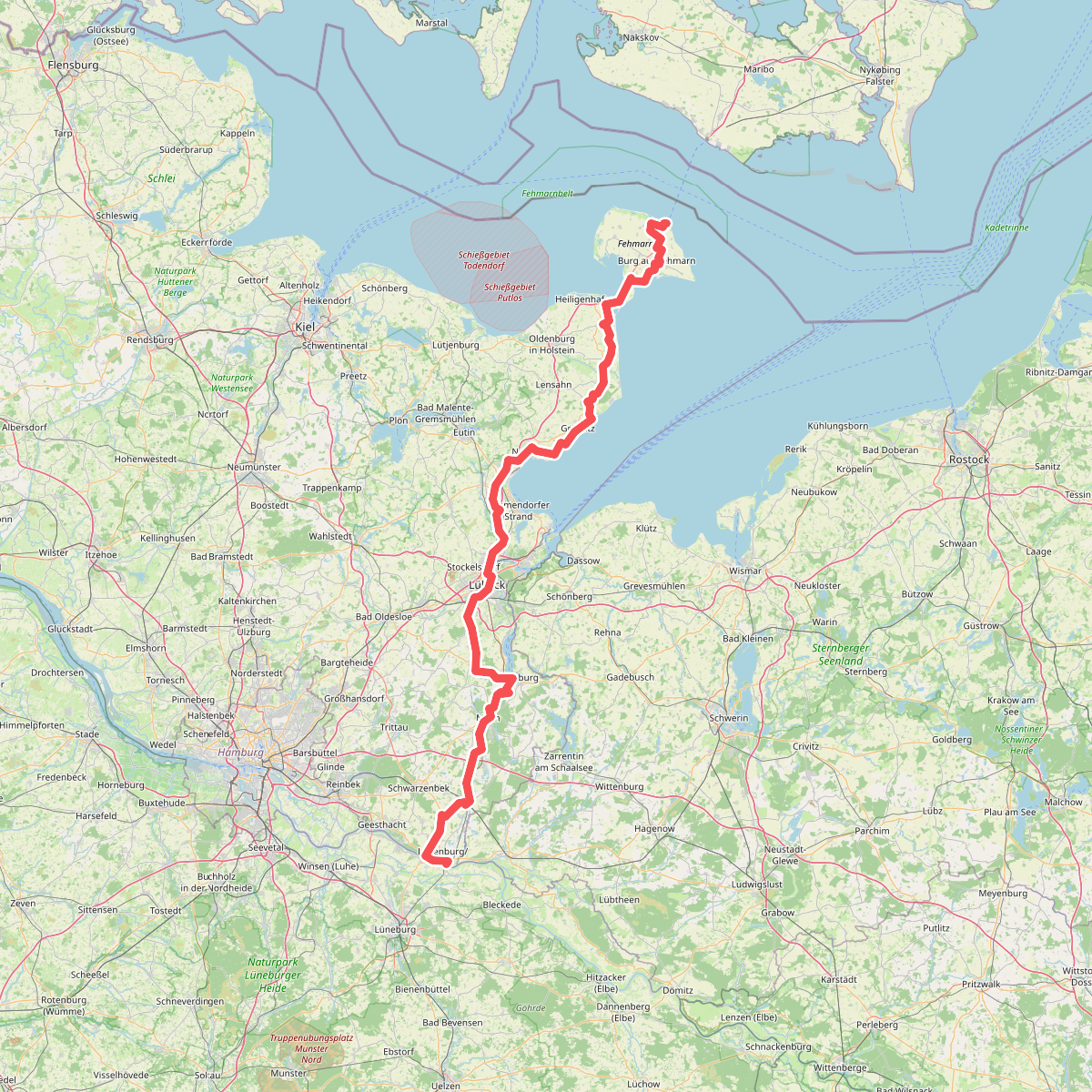
Discover the best walks in Pönitzer Seenplatte und Haffwiesen. 2 routes on the map, with descriptions, photos and GPX.
About Pönitzer Seenplatte und Haffwiesen
The Pönitzer Seenplatte und Haffwiesen offers a distinct contrast between deep freshwater lakes and low-lying coastal meadows. Walking here means navigating two distinct terrain types. Around the lakes, such as the Great Pönitzer See, the paths follow undulating forested ridges shaped by glacial moraines, where beech trees grow close to the water. In contrast, the Haffwiesen section consists of flat, drained fenland and wet meadows sliced by straight drainage ditches, where the horizon is defined by reeds and willow scrub rather than hills.
Read more
About Pönitzer Seenplatte und Haffwiesen
The Pönitzer Seenplatte und Haffwiesen offers a distinct contrast between deep freshwater lakes and low-lying coastal meadows. Walking here means navigating two distinct terrain types. Around the lakes, such as the Great Pönitzer See, the paths follow undulating forested ridges shaped by glacial moraines, where beech trees grow close to the water. In contrast, the Haffwiesen section consists of flat, drained fenland and wet meadows sliced by straight drainage ditches, where the horizon is defined by reeds and willow scrub rather than hills.
Read moreThe Pönitzer Seenplatte und Haffwiesen offers a distinct contrast between deep freshwater lakes and low-lying coastal meadows. Walking here means navigating two distinct terrain types. Around the lakes, such as the Great Pönitzer See, the paths follow undulating forested ridges shaped by glacial moraines, where beech trees grow close to the water. In contrast, the Haffwiesen section consists of flat, drained fenland and wet meadows sliced by straight drainage ditches, where the horizon is defined by reeds and willow scrub rather than hills.
Underfoot, the paths around the lakes are mostly firm, earthen tracks compacted by leaf litter, though exposed tree roots require some attention. As you transition into the Haffwiesen, the ground becomes softer, consisting of grassy embankment paths and gravel tracks that run alongside the drainage canals. There are no boardwalks here, so the walking relies entirely on these raised grassy banks to navigate the low-lying basin.
This area is not a place for dramatic coastal cliffs or sandy beaches, which lie further east along the Baltic shore. Instead, it offers a transition from shady lakeside woodland to open, agricultural marshland. The lakeside paths are often busier with local walkers, especially near the established bathing spots, while the straight, exposed tracks of the Haffwiesen are generally much quieter and offer little shade.