
The best hiking routes in Parco Fluviale Regionale del Taro
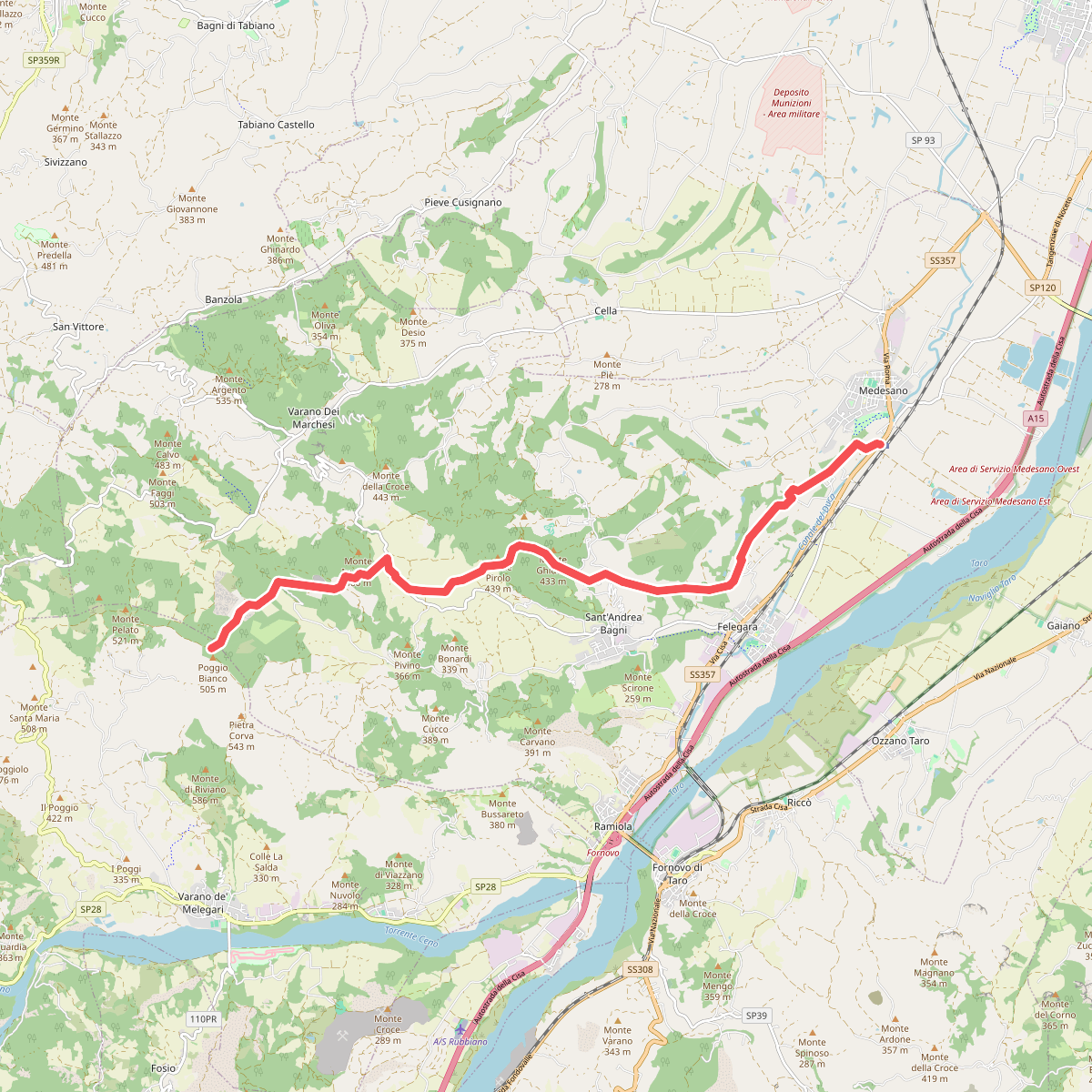
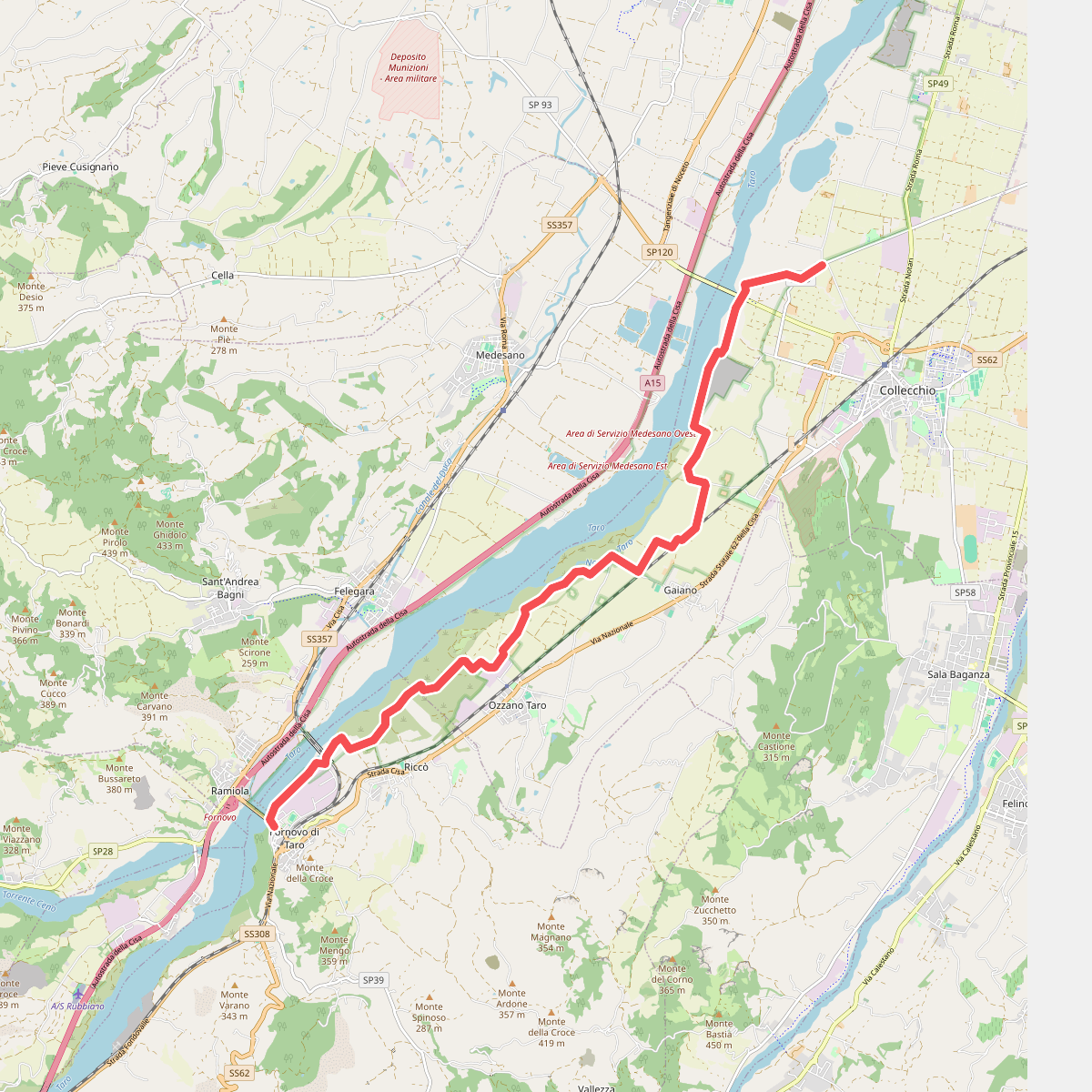
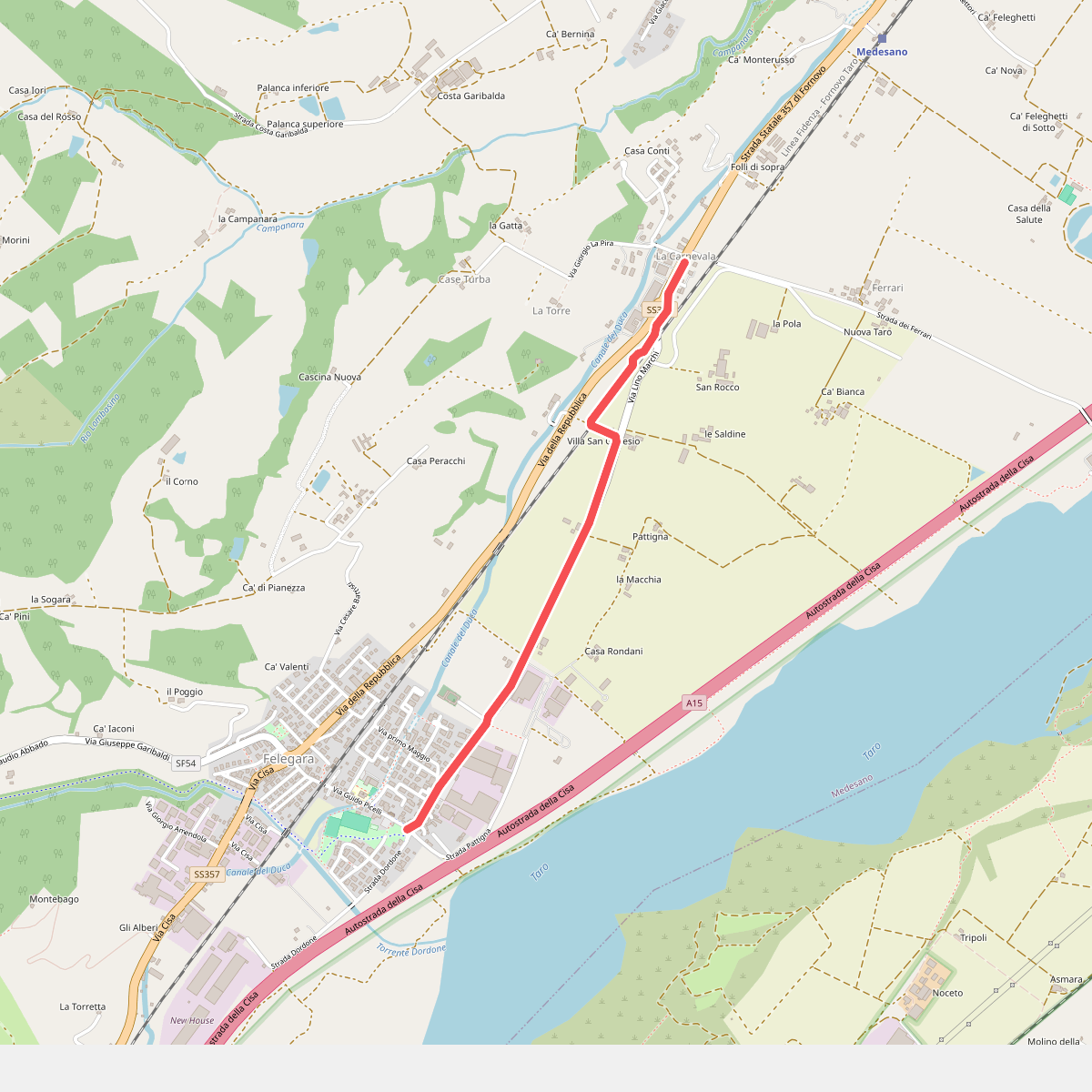
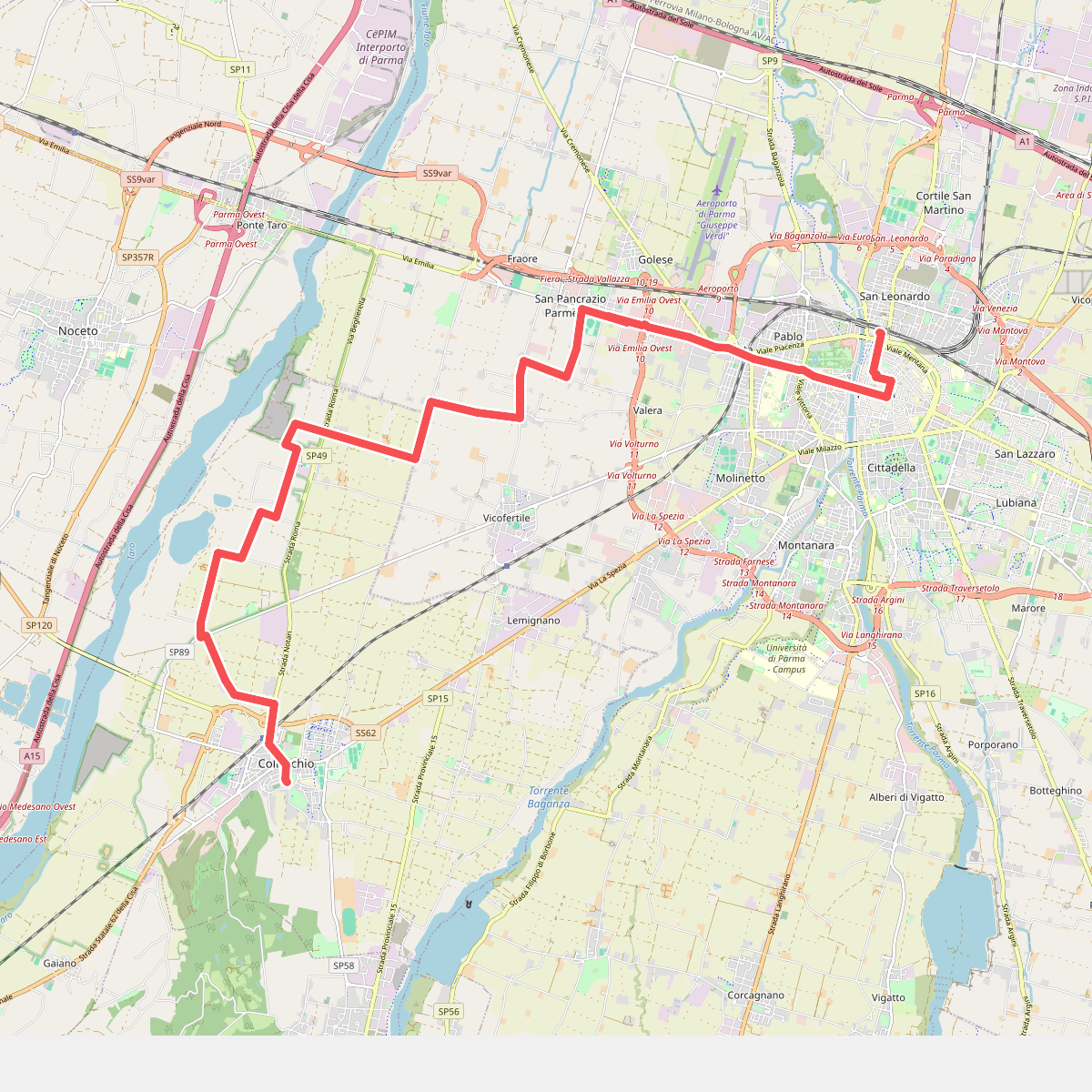
Discover the best walks in Parco Fluviale Regionale del Taro. 4 routes on the map, with descriptions, photos and GPX.
About Parco Fluviale Regionale del Taro
Parco Fluviale Regionale del Taro is defined by the wide, shifting gravel bed of the Taro River as it flows toward the Po. Unlike mountainous parks nearby, this is a flat, dynamic river corridor where the landscape changes with the seasonal water levels. Walkers will find a stark contrast between the dry, stony riverbed and the surrounding riparian woodlands, which consist of willows, poplars, and dense shrubbery.
Read more
About Parco Fluviale Regionale del Taro
Parco Fluviale Regionale del Taro is defined by the wide, shifting gravel bed of the Taro River as it flows toward the Po. Unlike mountainous parks nearby, this is a flat, dynamic river corridor where the landscape changes with the seasonal water levels. Walkers will find a stark contrast between the dry, stony riverbed and the surrounding riparian woodlands, which consist of willows, poplars, and dense shrubbery.
Read moreParco Fluviale Regionale del Taro is defined by the wide, shifting gravel bed of the Taro River as it flows toward the Po. Unlike mountainous parks nearby, this is a flat, dynamic river corridor where the landscape changes with the seasonal water levels. Walkers will find a stark contrast between the dry, stony riverbed and the surrounding riparian woodlands, which consist of willows, poplars, and dense shrubbery.
Underfoot, the terrain varies from loose river gravel and sandy deposits near the water to packed dirt tracks through the wooded banks. In the wider sections of the riverbed, the path can feel exposed and stony, requiring sturdy footwear to navigate the uneven ground. The area is a crucial migration corridor, and in May, the gravel banks are active nesting sites for various bird species, which you can observe from the quieter woodland edges.
This reserve does not offer deep gorges or high mountain vistas, but rather an open, braided river system shaped by water flow. It is a working landscape where natural gravel bars sit alongside agricultural fields and old quarry lakes, offering a realistic view of a lowland river valley in Emilia-Romagna.