
The best hiking routes in Parc naturel régional de la Haute Vallée de Chevreuse
Discover the best walks in Parc naturel régional de la Haute Vallée de Chevreuse. 43 routes on the map, with descriptions, photos and GPX.
About Parc naturel régional de la Haute Vallée de Chevreuse
The Parc naturel r gional de la Haute Vall e de Chevreuse offers a landscape of damp clay valleys, sandstone ridges, and dense deciduous woodlands just southwest of Paris. Walkers will find a distinct contrast between the flat, agricultural plateau edges and the steep, wooded hillsides that drop down to the Yvette river and its tributaries. The valley floors are characterized by damp alluvial soil, alder marshes, and ancient canalized waterways, while the higher ridges feature dry, sandy tracks winding through stands of oak, chestnut, and pine.
Read more
About Parc naturel régional de la Haute Vallée de Chevreuse
The Parc naturel r gional de la Haute Vall e de Chevreuse offers a landscape of damp clay valleys, sandstone ridges, and dense deciduous woodlands just southwest of Paris. Walkers will find a distinct contrast between the flat, agricultural plateau edges and the steep, wooded hillsides that drop down to the Yvette river and its tributaries. The valley floors are characterized by damp alluvial soil, alder marshes, and ancient canalized waterways, while the higher ridges feature dry, sandy tracks winding through stands of oak, chestnut, and pine.
Read moreThe Parc naturel r gional de la Haute Vall e de Chevreuse offers a landscape of damp clay valleys, sandstone ridges, and dense deciduous woodlands just southwest of Paris. Walkers will find a distinct contrast between the flat, agricultural plateau edges and the steep, wooded hillsides that drop down to the Yvette river and its tributaries. The valley floors are characterized by damp alluvial soil, alder marshes, and ancient canalized waterways, while the higher ridges feature dry, sandy tracks winding through stands of oak, chestnut, and pine.
Underfoot, the terrain shifts between soft, muddy forest earth in the valleys and firm, stony sandstone paths along the hillsides. You will encounter steep stone staircases, such as the Sentier des Mar chaux, which showcase the historical sandstone quarrying that shaped these slopes. Boardwalks cross the wettest marshy sections near the ruins of Abbaye des Vaux-de-Cernay, where the damp valley microclimate supports thick mosses and ferns.
This regional park is not a wilderness of high peaks or deep gorges, but rather a gently rolling, managed landscape where medieval ruins, old mills, and small villages are closely integrated with the woodland. The well-known valley trails near Cernay-la-Ville can become busy on spring weekends, but the quieter plateau paths and the deeper forest tracks near Rambouillet offer a more solitary walking experience.
Hiking routes in Parc naturel régional de la Haute Vallée de Chevreuse (43)
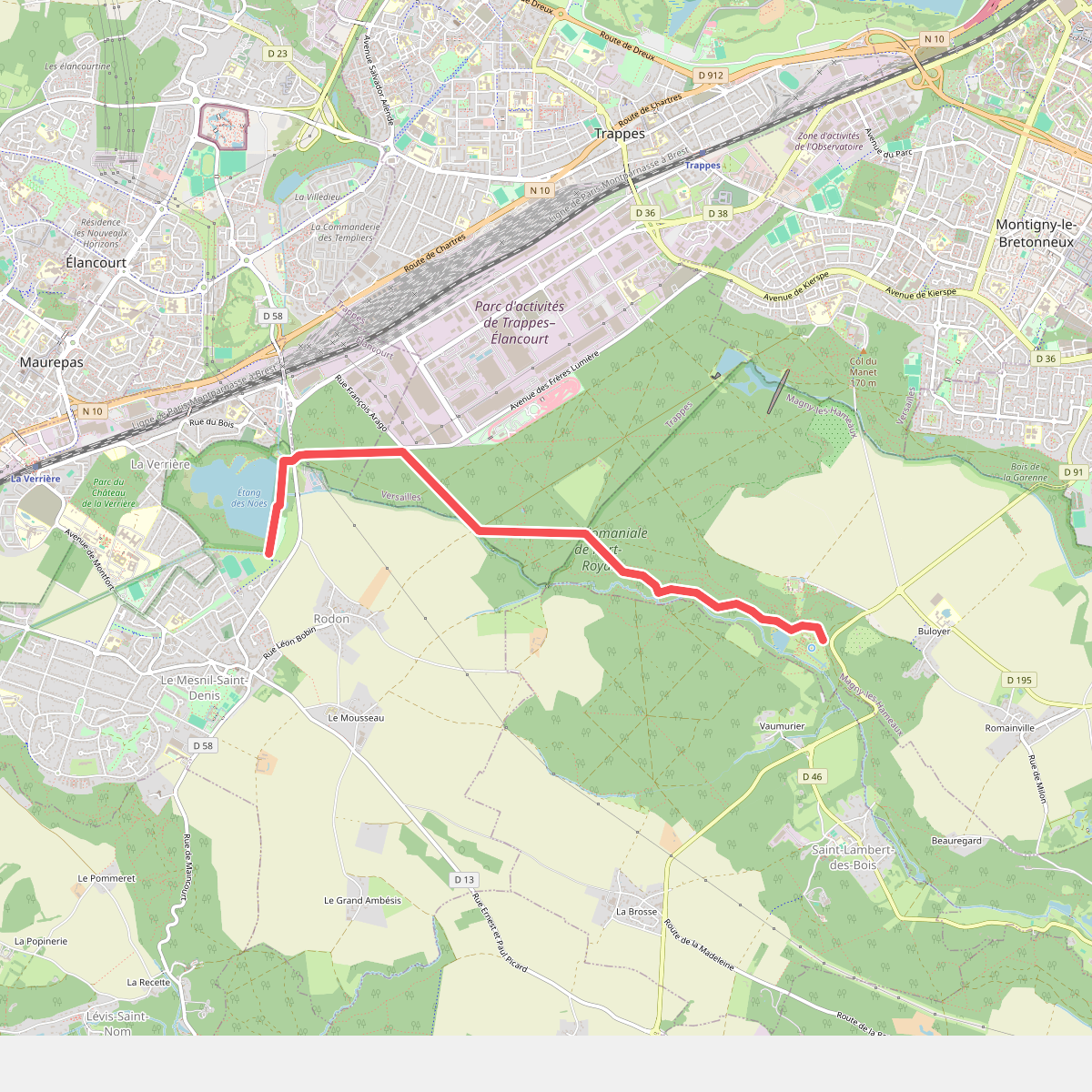
#1. 19
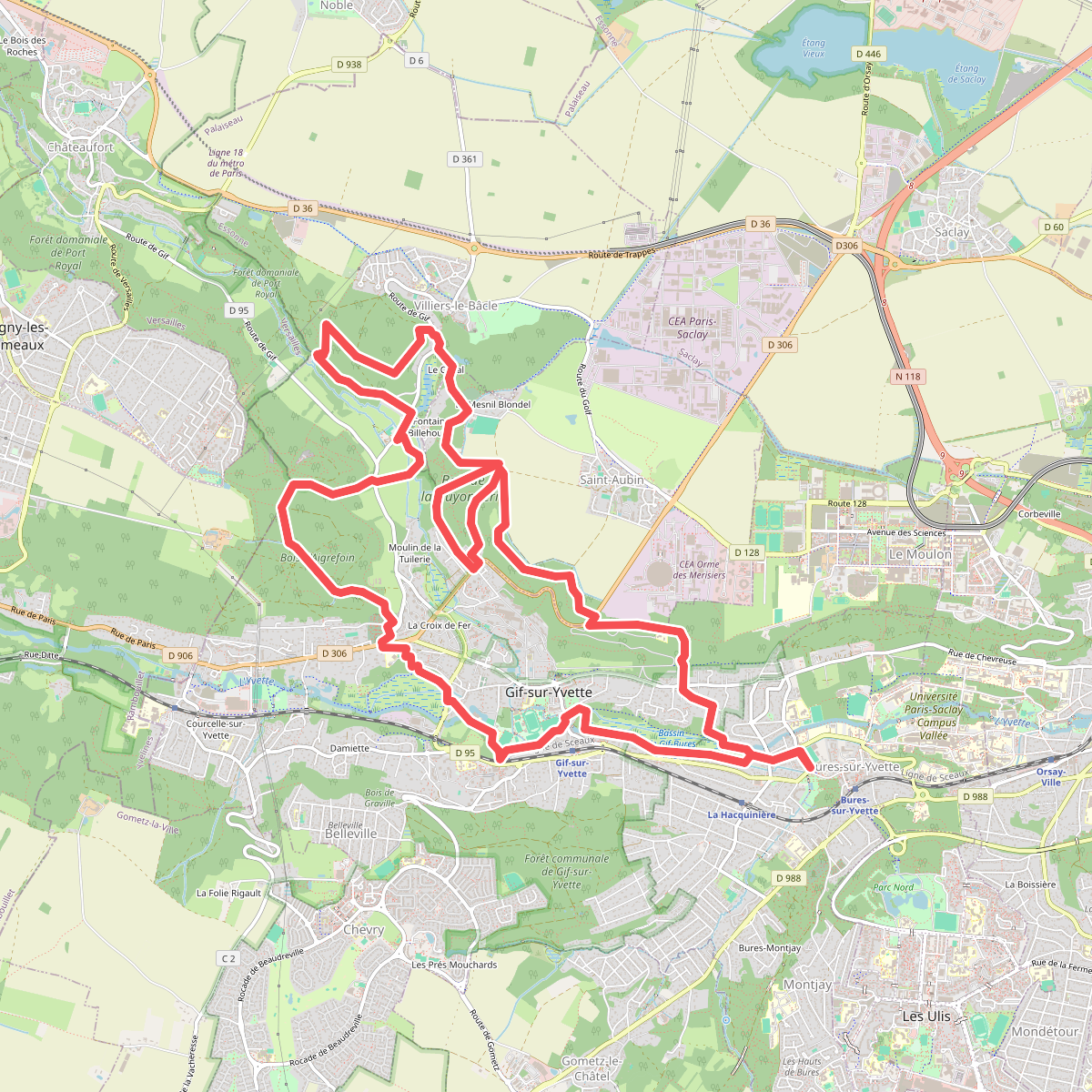
#2. Aigrefoin
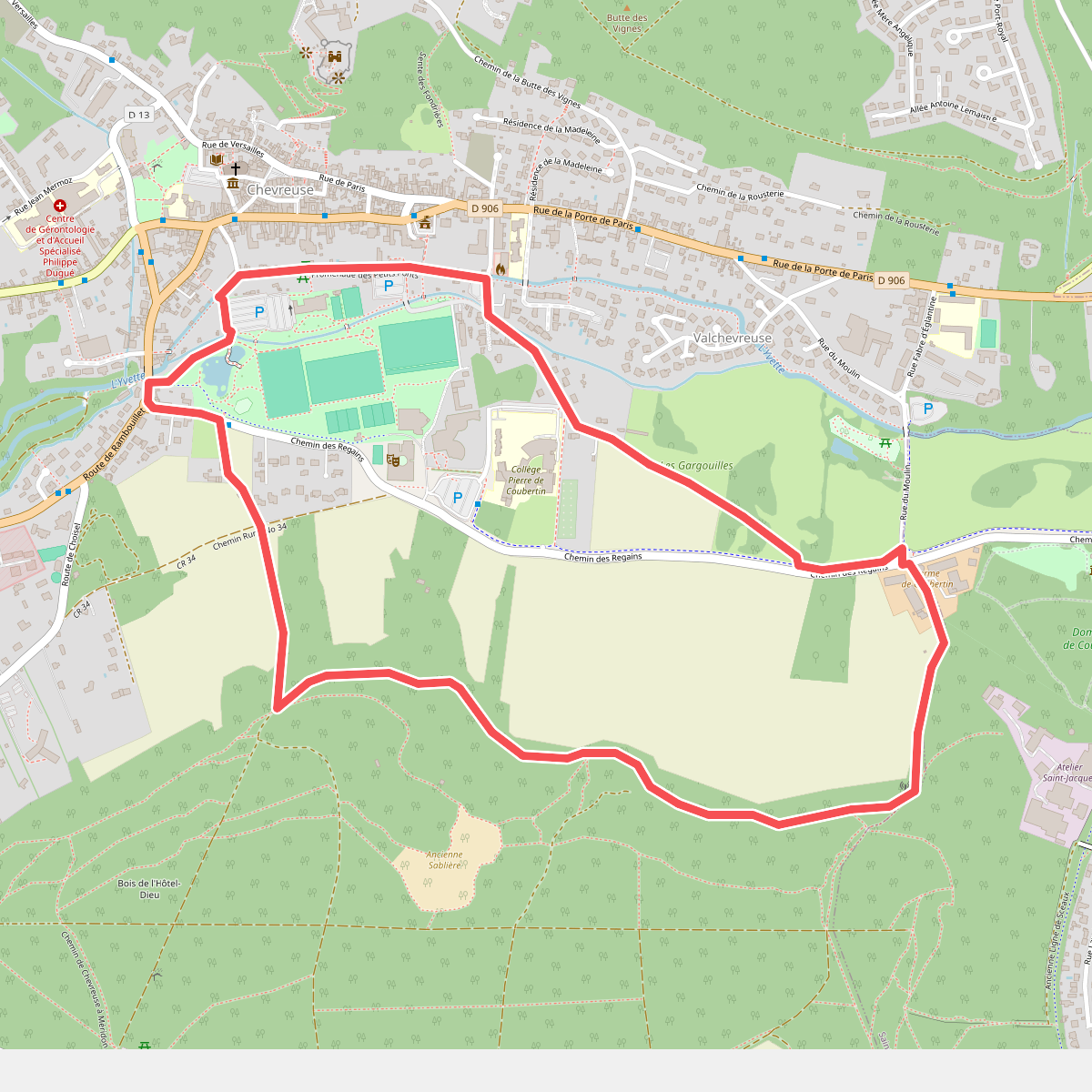
#3. Balade autour de Chevreuse
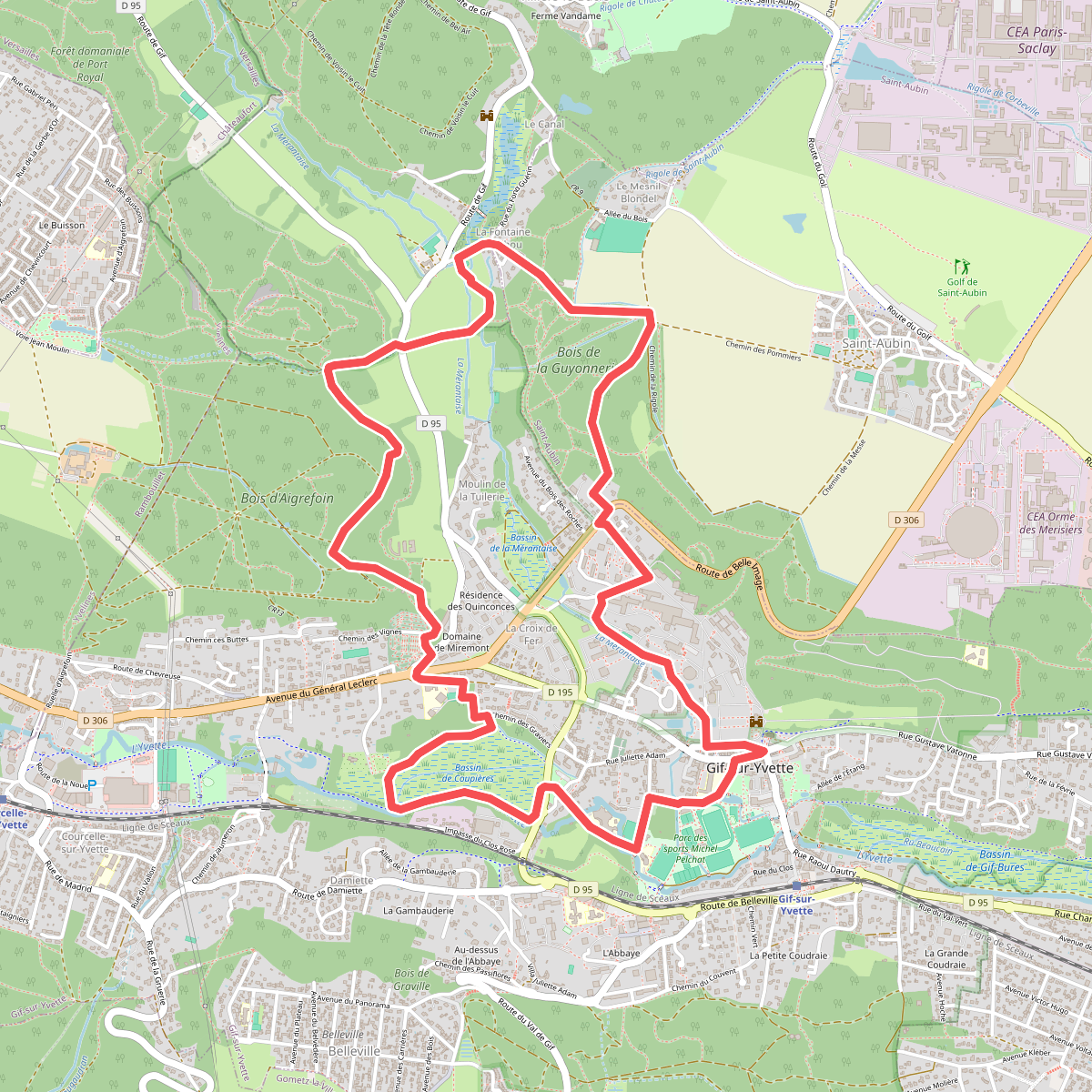
#4. Boucle de la Mérantaise
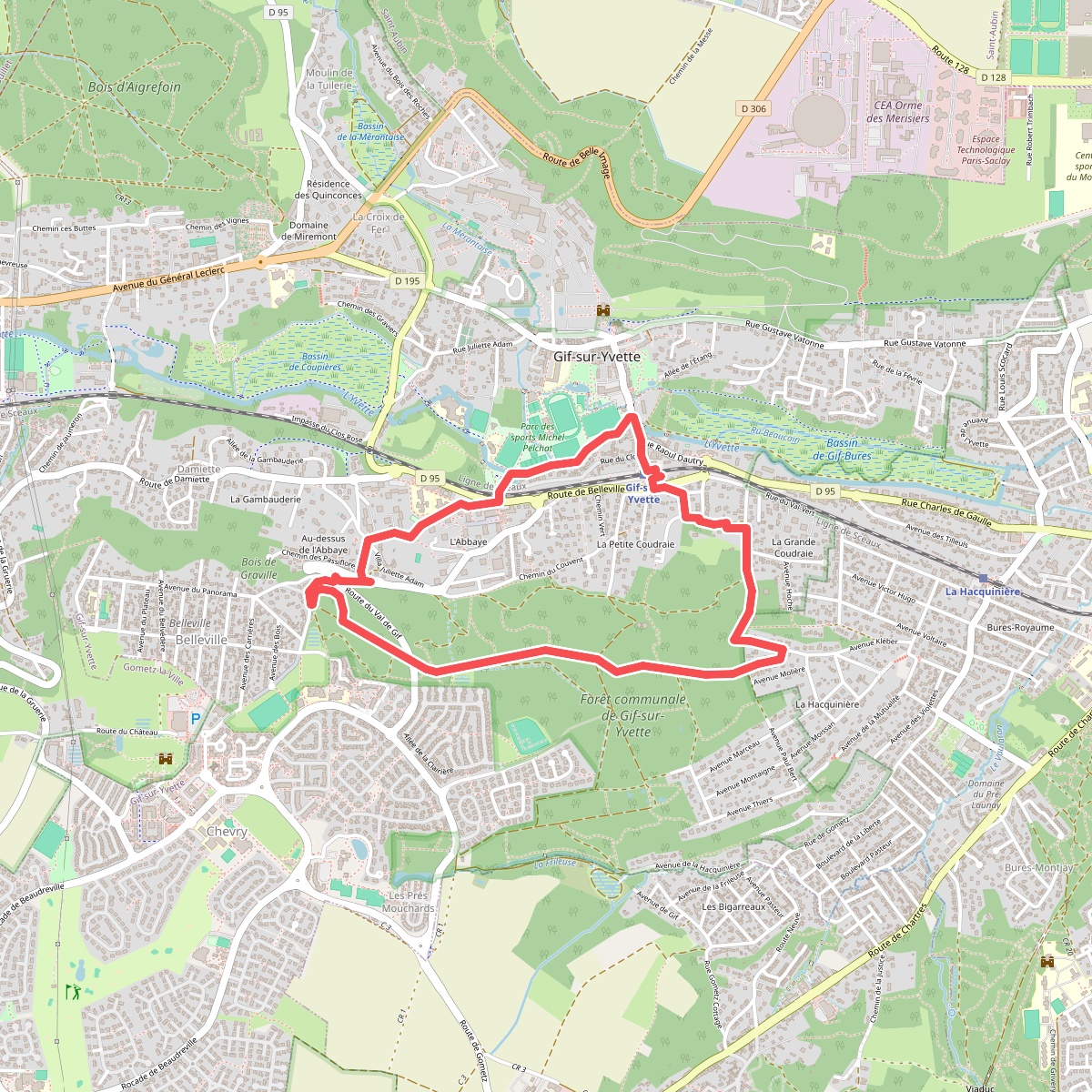
#5. Boucle de l'Abbaye
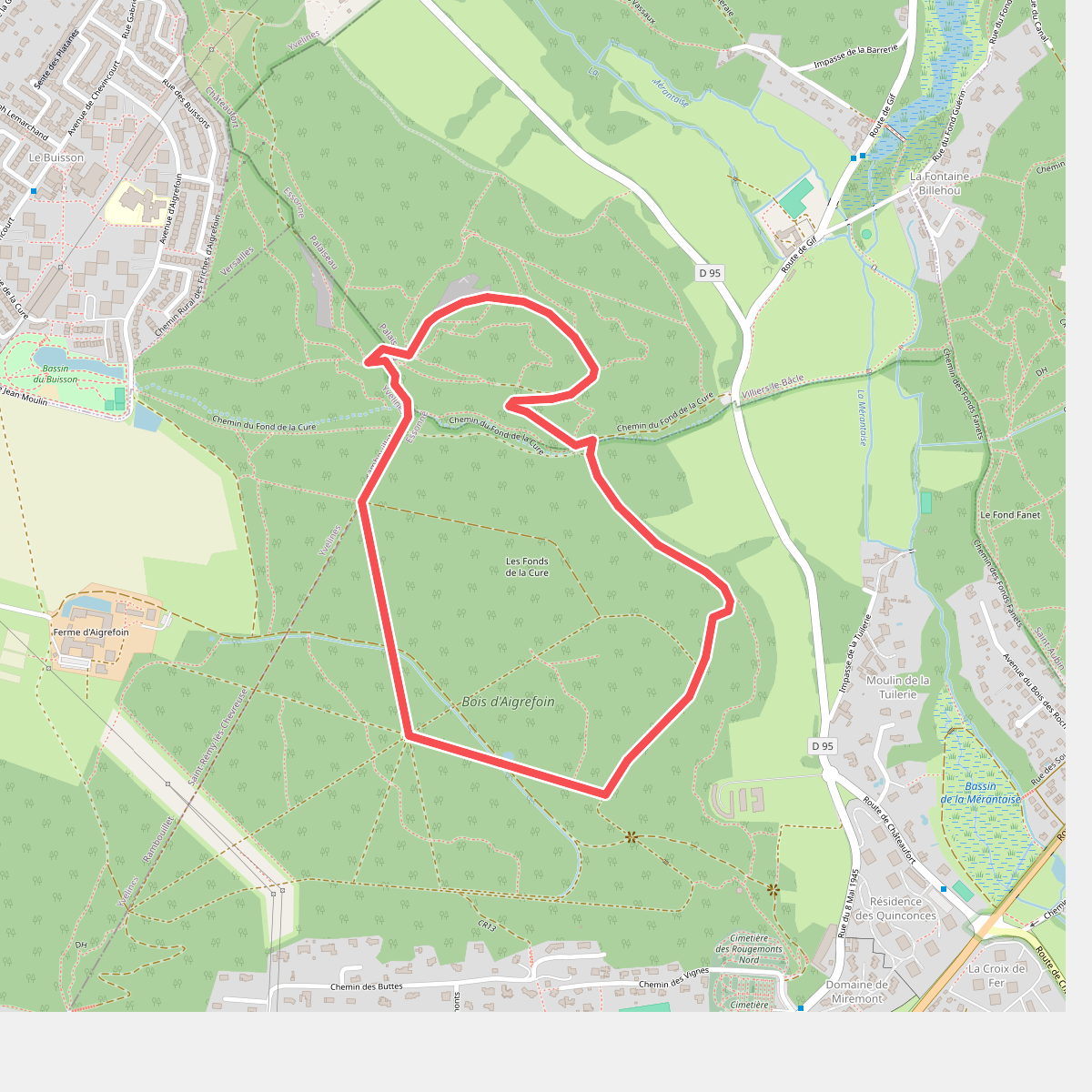
#6. Boucle du bois d’Aigrefoin
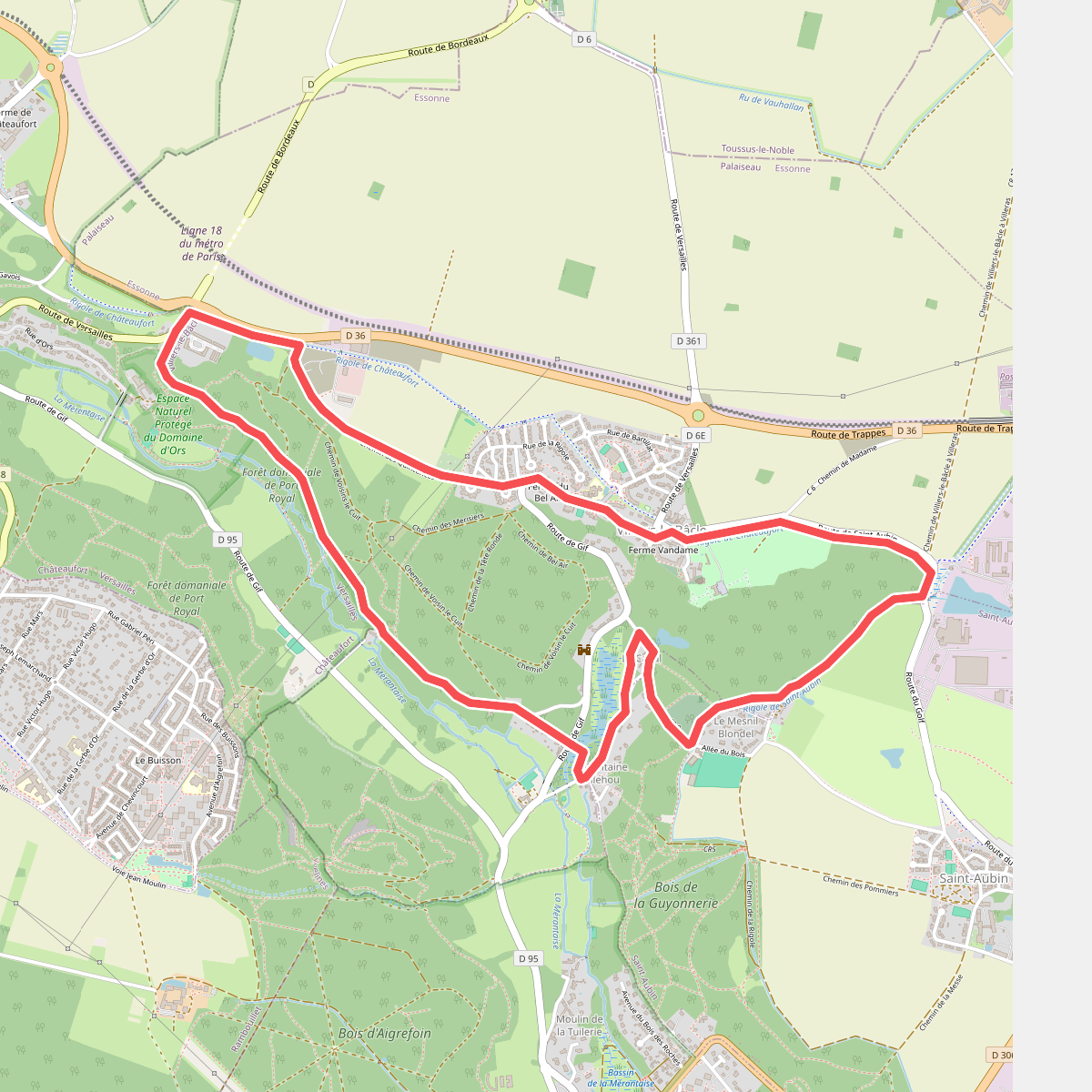
#7. Boucle Villier, les Rigoles, Tête Ronde
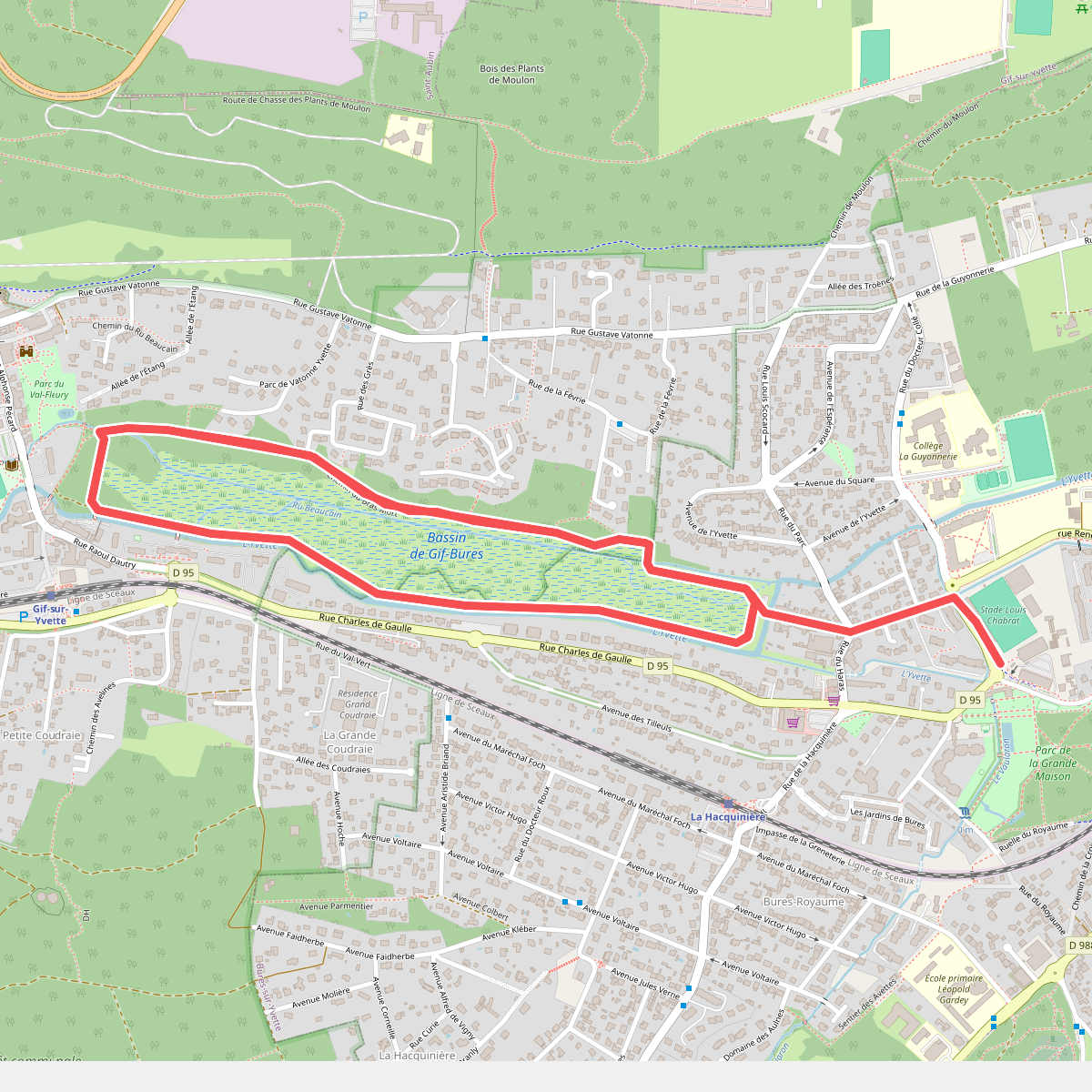
#8. Boucle VMA Bures sur Yvette
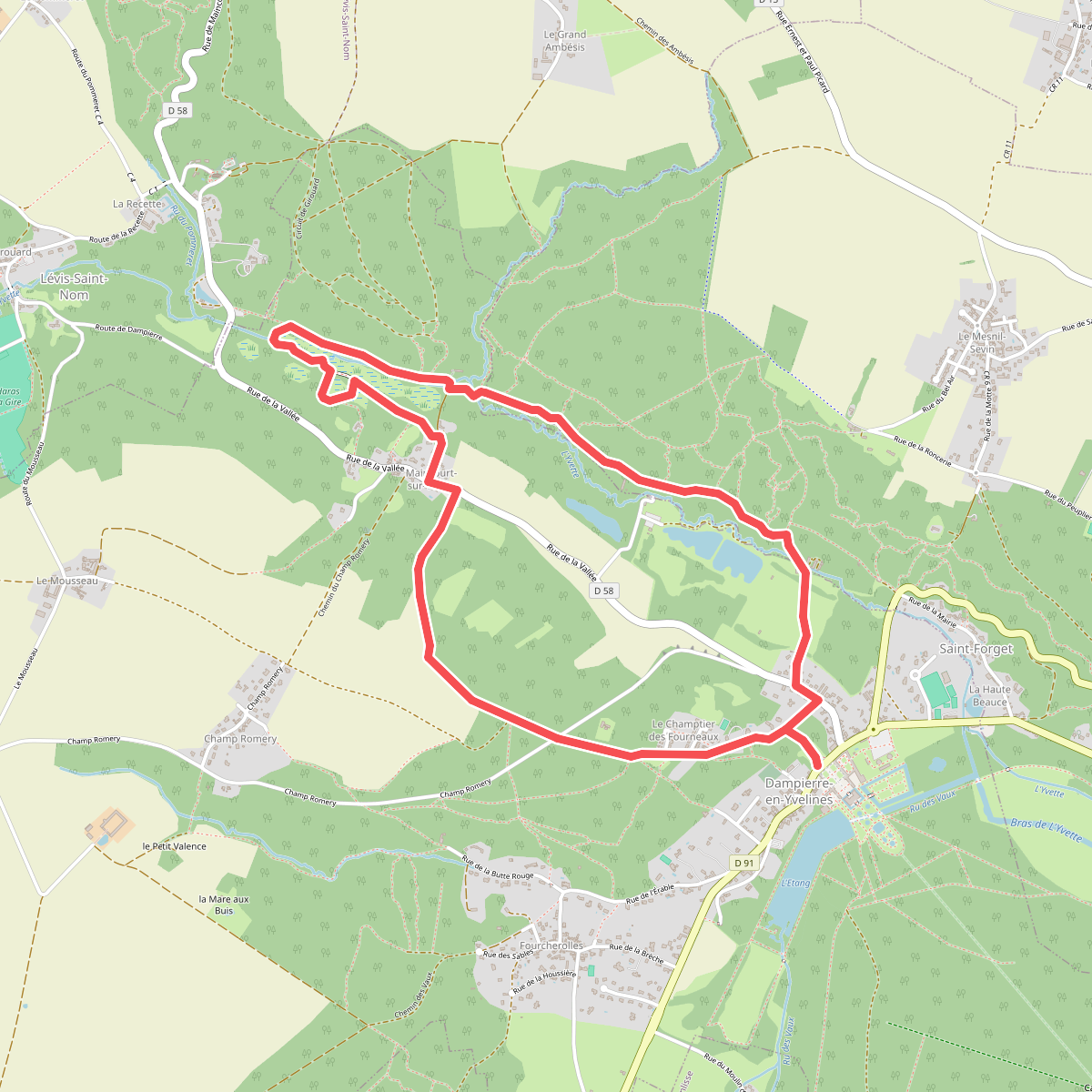
#9. Château de Dampierre et marais de Maincourt
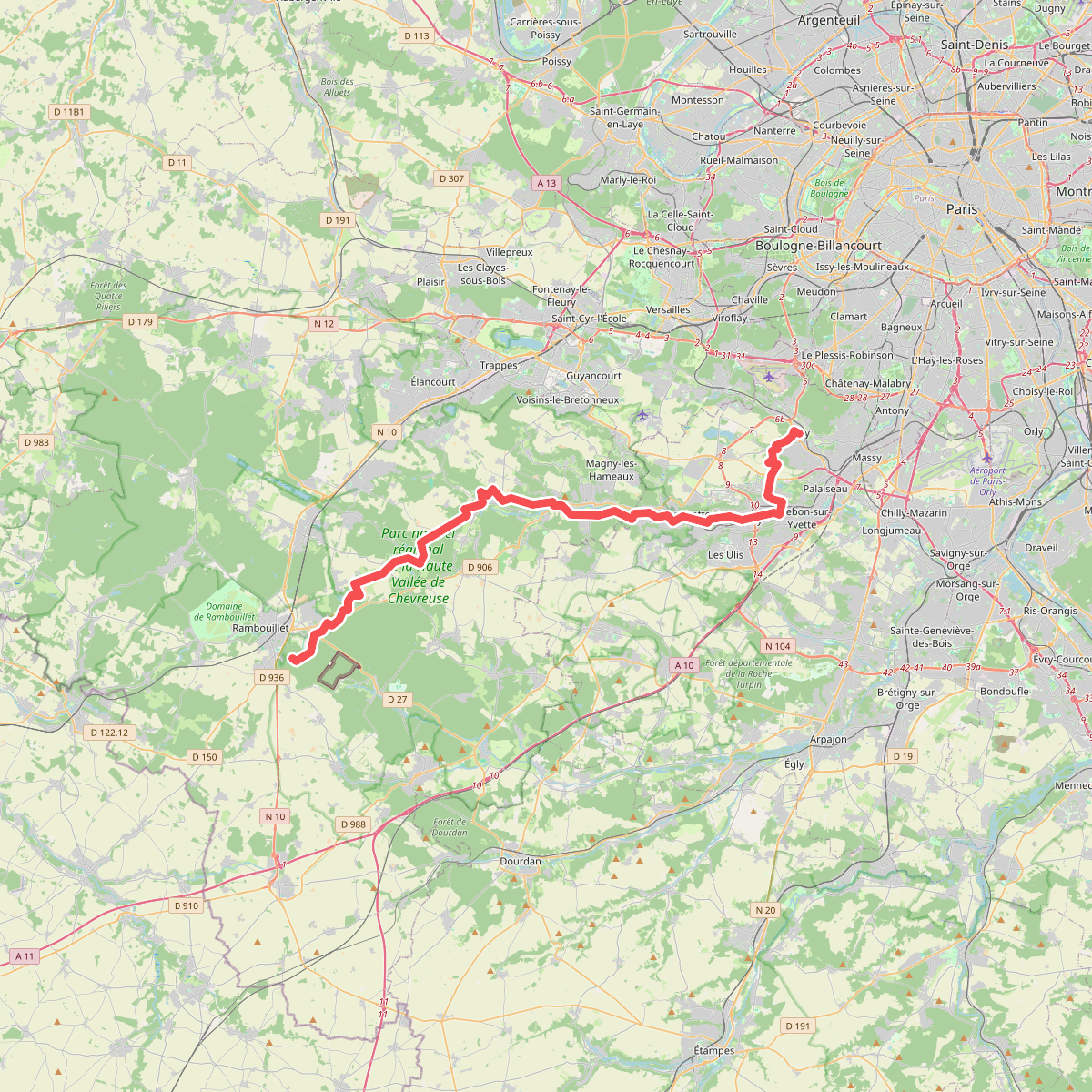
#10. Chemin de Trèves, Igny - Rambouillet
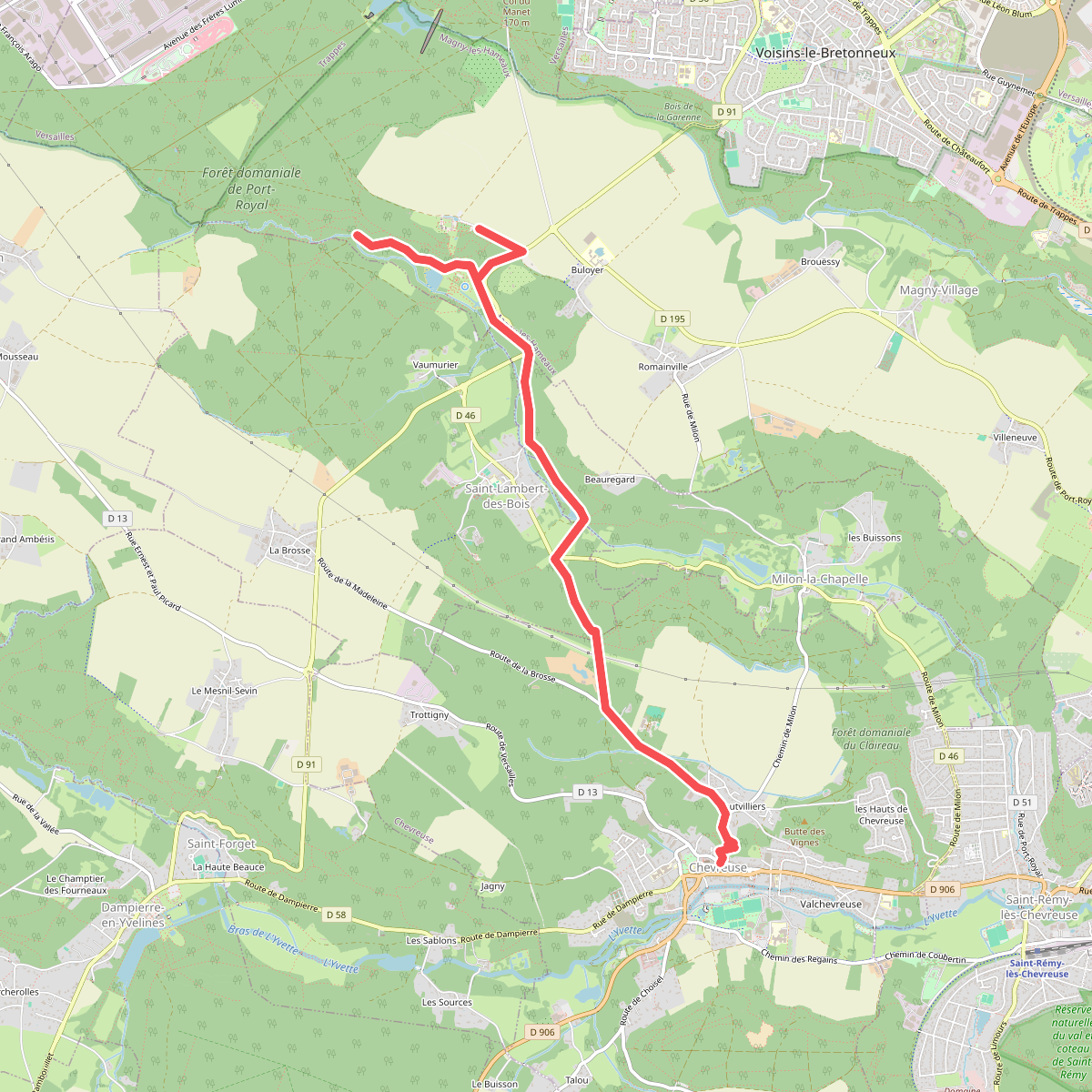
#11. Chemin Jean Racine