The best hiking routes in Paisagem Protegida de Corno de Bico
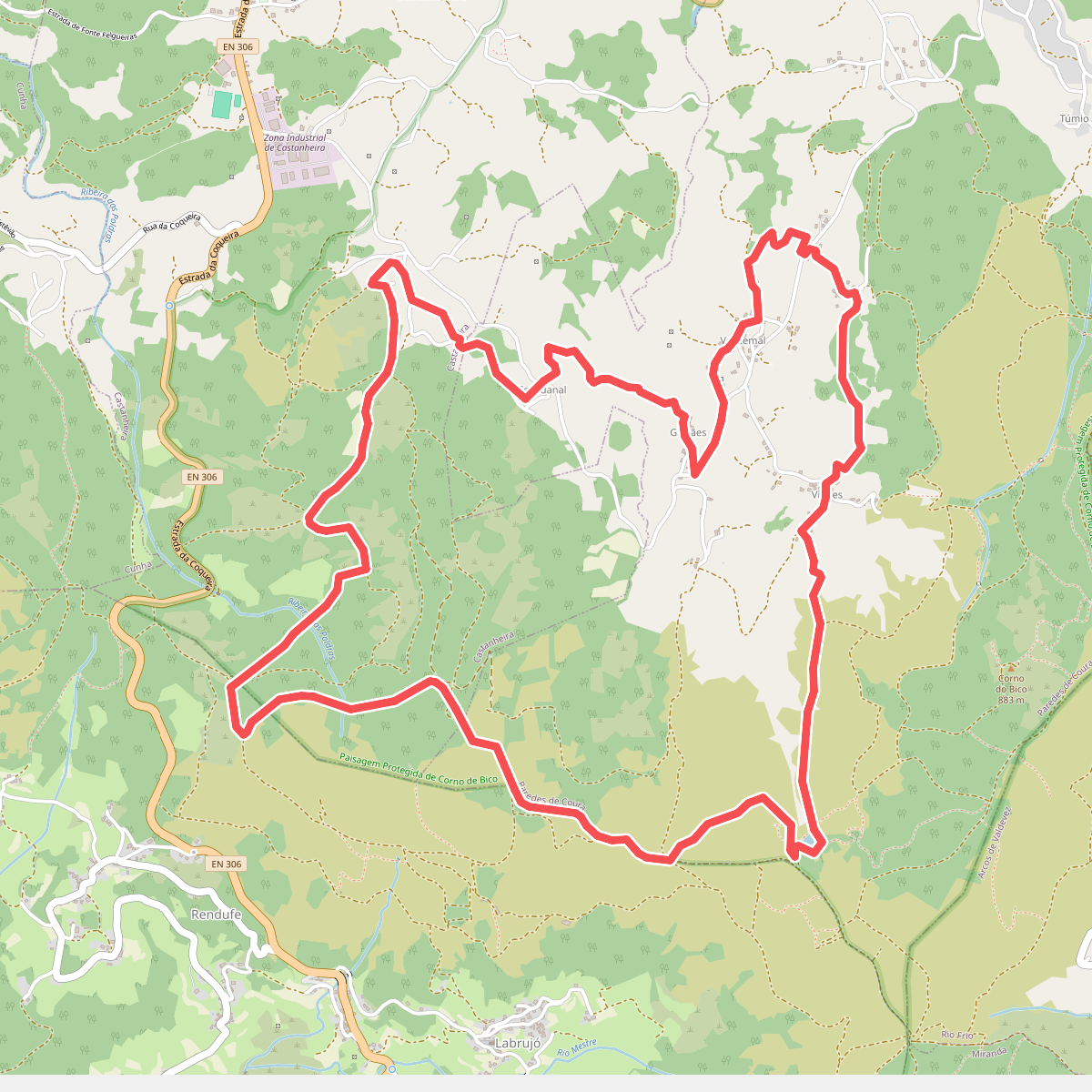
Discover the best walks in Paisagem Protegida de Corno de Bico. 7 routes on the map, with descriptions, photos and GPX.
Managed by Município de Paredes de Coura
About Paisagem Protegida de Corno de Bico
Paisagem Protegida de Corno de Bico is a compact, protected upland area in northern Portugal defined by its rounded granite domes, dense oak woodlands, and agricultural pastures. Unlike the jagged, barren peaks of nearby high mountain ranges, this landscape is characterized by its gentle, dome-like hills, with the highest point reaching just under nine hundred meters. Walkers will notice a distinct transition between the sheltered, mossy oak forests on the lower slopes and the exposed, boulder-strewn shrublands of the higher ridges.
Read more
About Paisagem Protegida de Corno de Bico
Paisagem Protegida de Corno de Bico is a compact, protected upland area in northern Portugal defined by its rounded granite domes, dense oak woodlands, and agricultural pastures. Unlike the jagged, barren peaks of nearby high mountain ranges, this landscape is characterized by its gentle, dome-like hills, with the highest point reaching just under nine hundred meters. Walkers will notice a distinct transition between the sheltered, mossy oak forests on the lower slopes and the exposed, boulder-strewn shrublands of the higher ridges.
Read morePaisagem Protegida de Corno de Bico is a compact, protected upland area in northern Portugal defined by its rounded granite domes, dense oak woodlands, and agricultural pastures. Unlike the jagged, barren peaks of nearby high mountain ranges, this landscape is characterized by its gentle, dome-like hills, with the highest point reaching just under nine hundred meters. Walkers will notice a distinct transition between the sheltered, mossy oak forests on the lower slopes and the exposed, boulder-strewn shrublands of the higher ridges.
The paths underfoot are primarily ancient agricultural tracks, dirt lanes, and stony paths that can be uneven and rocky. In the lower valleys, these tracks run alongside traditional stone walls and small, terraced pastures where local Barrosã cattle graze. As you climb, the woodland thins into wet heaths and gorse scrub, where the trail becomes more exposed and the granite bedrock is frequently exposed underfoot.
Autumn brings deep orange hues to the deciduous oak canopy, particularly in November, while the high shrubby ridges remain green and grey year-round. This is a working rural landscape where forestry and traditional pastoral farming shape the terrain, meaning you are more likely to encounter local herders and forestry workers than large crowds of tourists, especially outside of the main viewpoints.
Hiking routes in Paisagem Protegida de Corno de Bico (7)
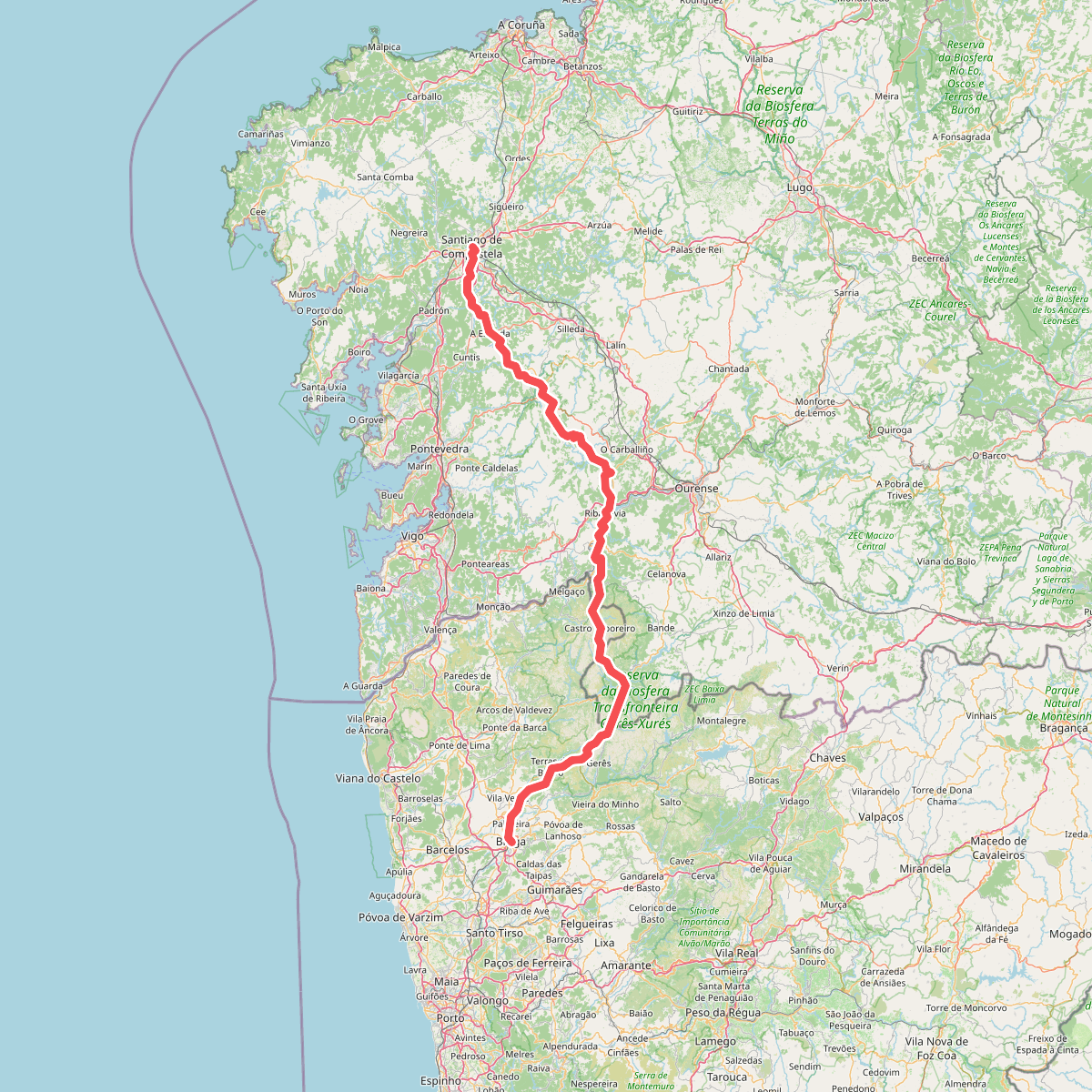
#1. Caminho da Geira e dos Arrieiros
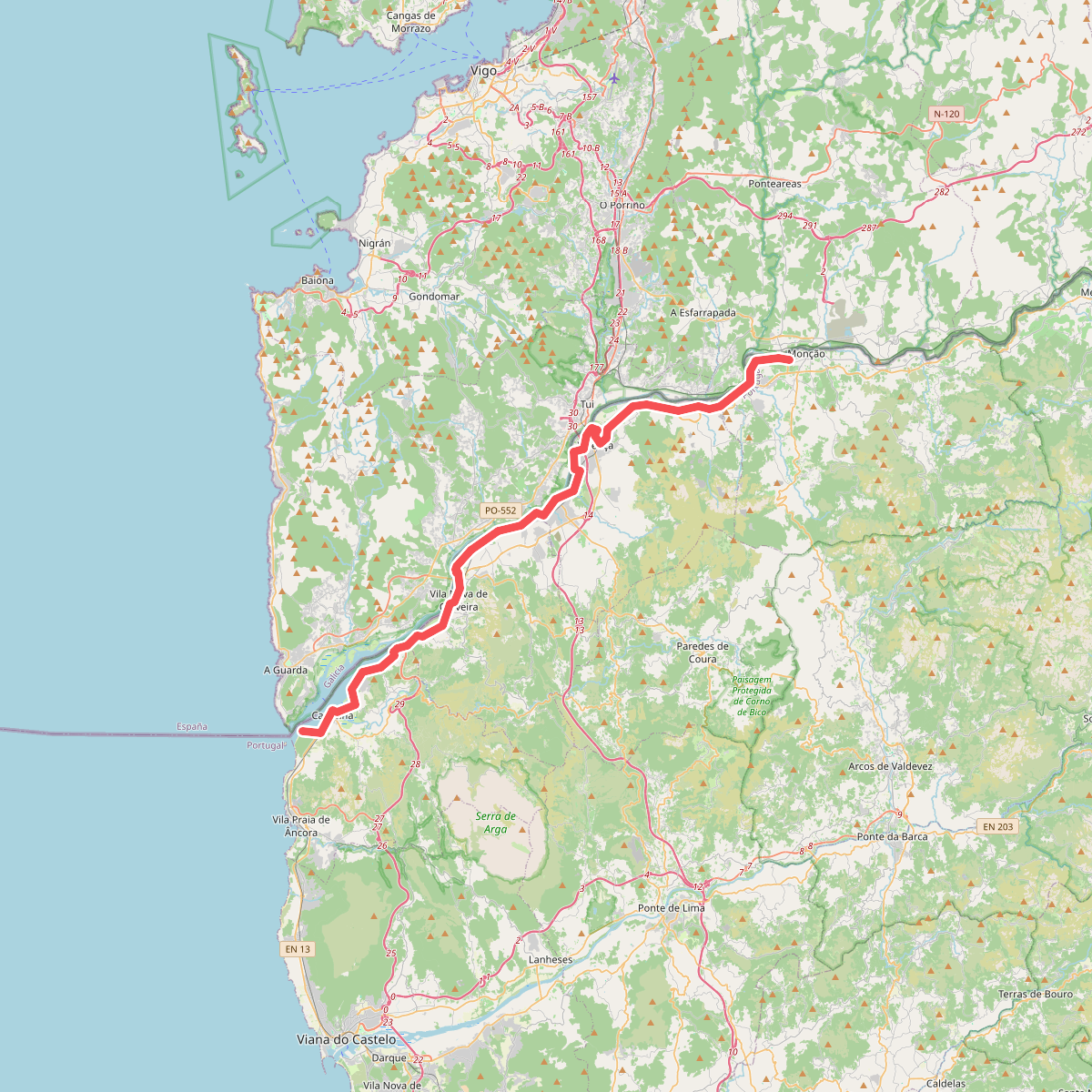
#2. Ecopista do Rio Minho
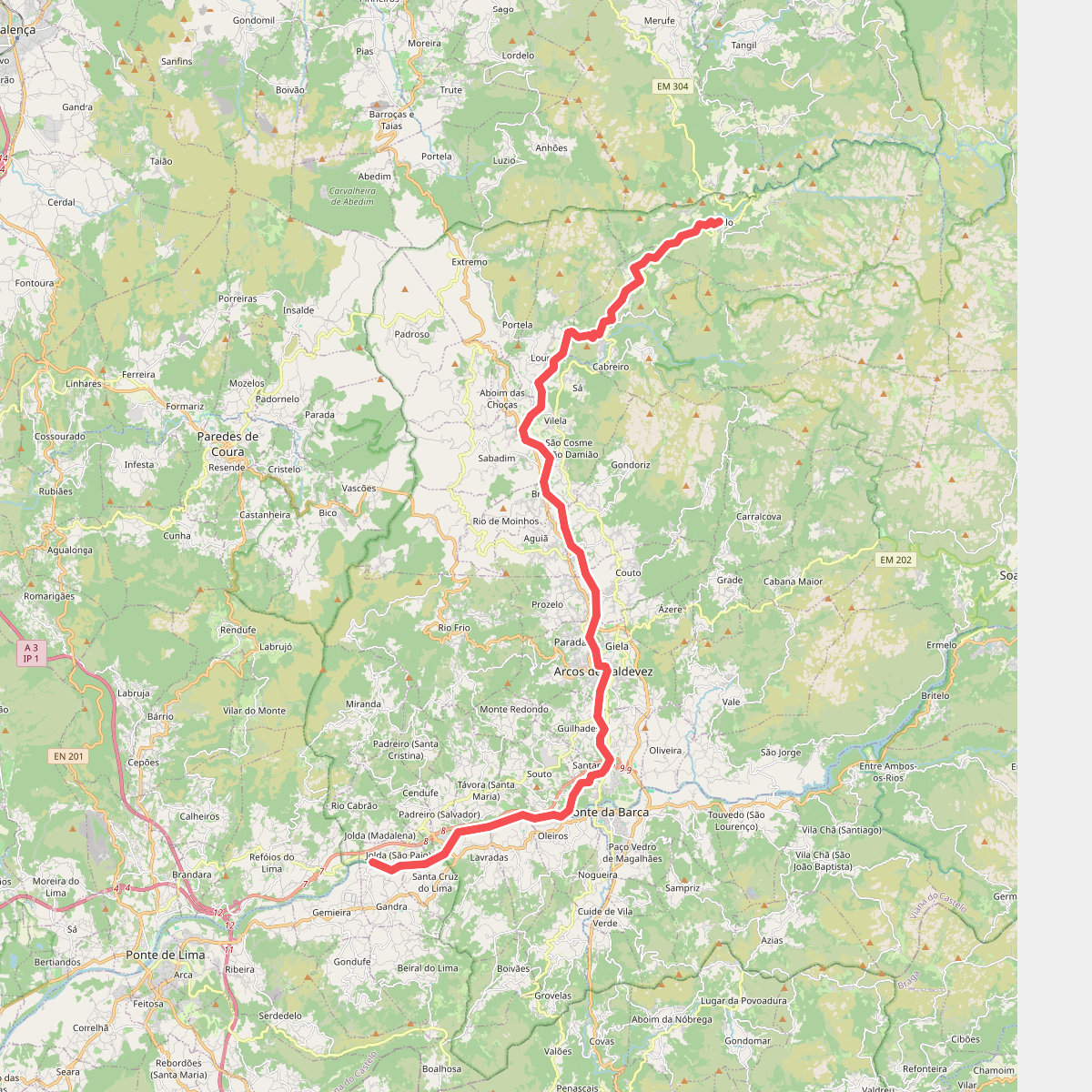
#3. Ecovia do Vez
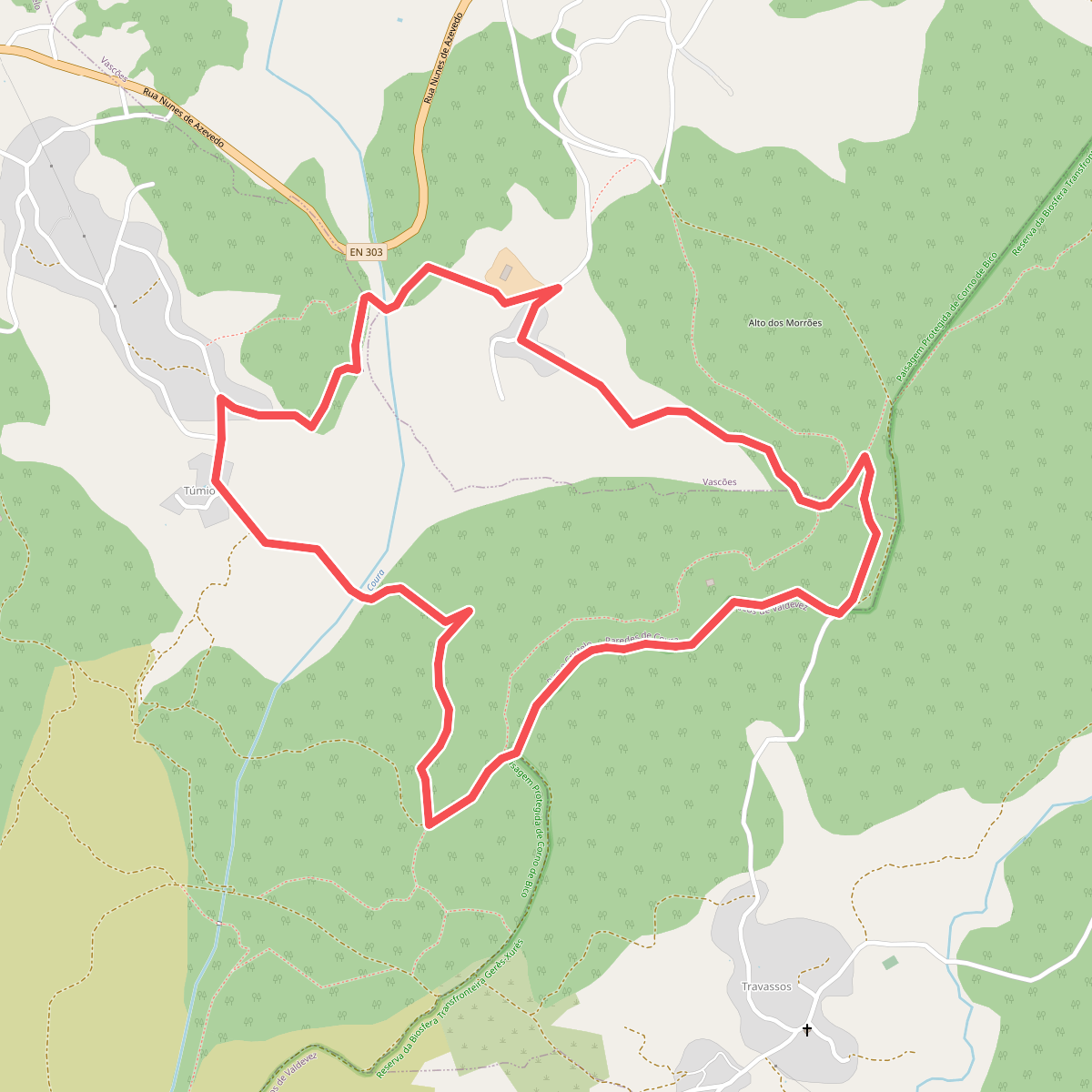
#4. Trilho do Alto dos Morrões
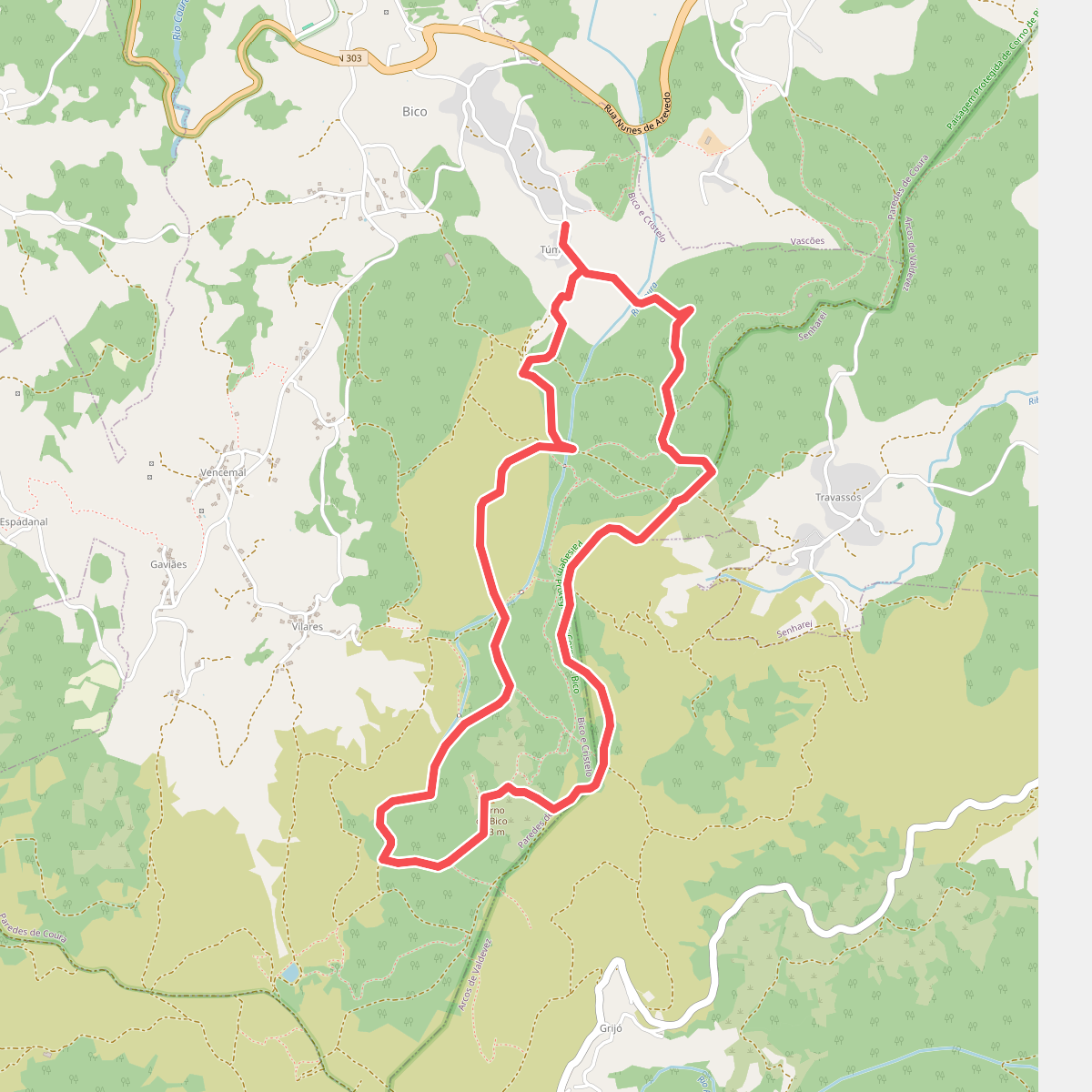
#5. Trilho do Corno de Bico
#6. Varanda do Coura