The best hiking routes in Nossentiner / Schwinzer Heide
Discover the best walks in Nossentiner / Schwinzer Heide. 6 routes on the map, with descriptions, photos and GPX.
About Nossentiner / Schwinzer Heide
Nossentiner / Schwinzer Heide is a flat to gently undulating forest and lake landscape shaped by the last ice age, dominated by vast pine woods, nutrient-poor bogs, and quiet lakeshores. Unlike the open agricultural fields nearby, this area is heavily forested, offering a dense canopy that shelters the paths. Walkers will notice a distinct contrast between the dry, sandy tracks running through the pine forests and the damp, peaty ground near the mires and lake edges.
Read more
About Nossentiner / Schwinzer Heide
Nossentiner / Schwinzer Heide is a flat to gently undulating forest and lake landscape shaped by the last ice age, dominated by vast pine woods, nutrient-poor bogs, and quiet lakeshores. Unlike the open agricultural fields nearby, this area is heavily forested, offering a dense canopy that shelters the paths. Walkers will notice a distinct contrast between the dry, sandy tracks running through the pine forests and the damp, peaty ground near the mires and lake edges.
Read moreNossentiner / Schwinzer Heide is a flat to gently undulating forest and lake landscape shaped by the last ice age, dominated by vast pine woods, nutrient-poor bogs, and quiet lakeshores. Unlike the open agricultural fields nearby, this area is heavily forested, offering a dense canopy that shelters the paths. Walkers will notice a distinct contrast between the dry, sandy tracks running through the pine forests and the damp, peaty ground near the mires and lake edges.
Underfoot, the terrain is mostly soft forest soil and loose sand, which can make walking slow on the drier ridges. In the wetter depressions and near the shores of the Drewitzer See, wooden boardwalks allow passage over the sensitive peat. The landscape is not one of dramatic viewpoints or deep valleys, but rather of subtle transitions between dry lichen-rich pine barrens and damp alder carrs.
In November, the deciduous trees near the lake margins drop their leaves, opening up views through the branches to the water, while the pine forests remain dark and dense. The area is generally quiet, though the marked trails near the main visitor entry points see more foot traffic than the remote interior tracks.
Hiking routes in Nossentiner / Schwinzer Heide (6)
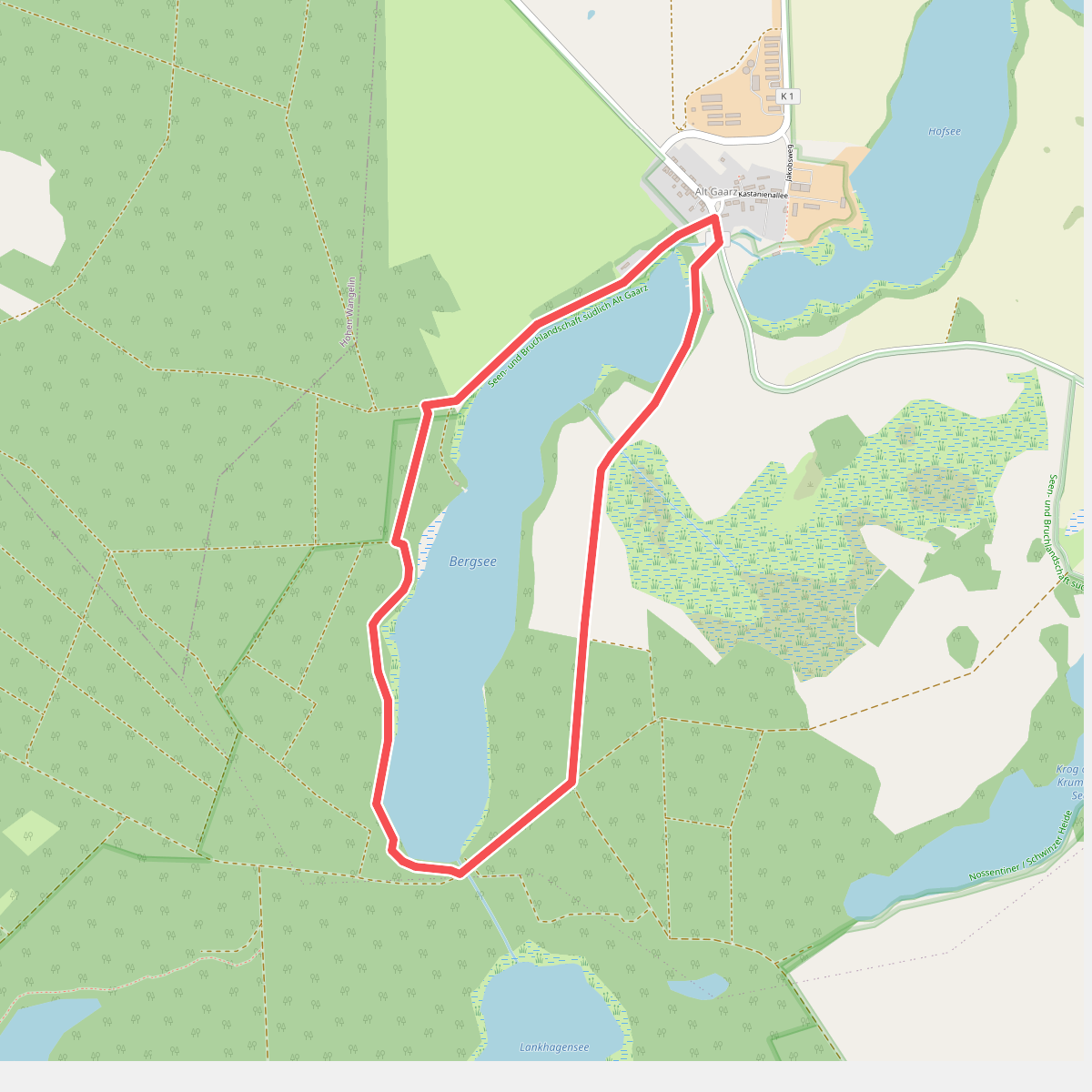
#1. Bergsee Rundweg
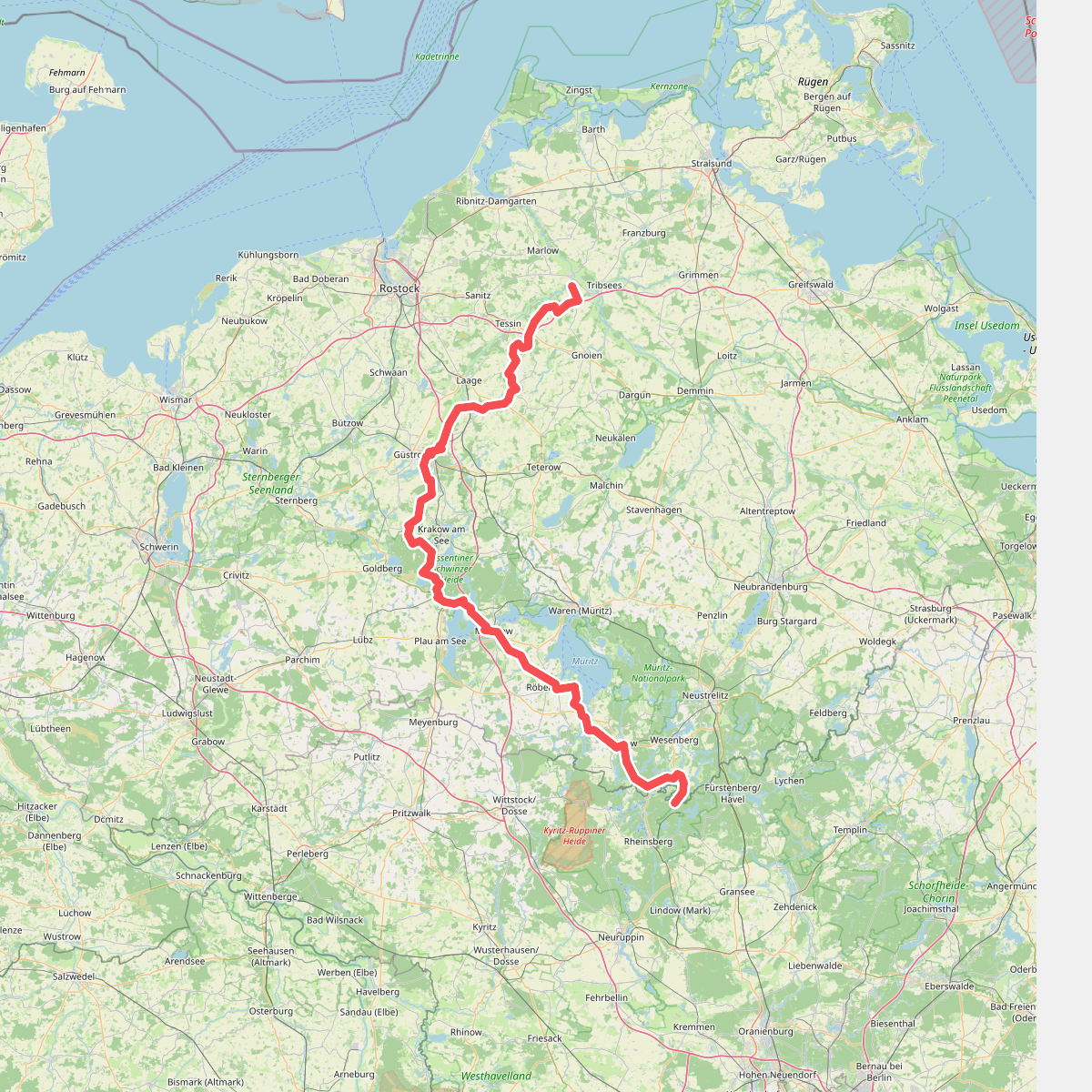
#2. Europäischer Fernwanderweg E10, Deutschland, Mecklenburg
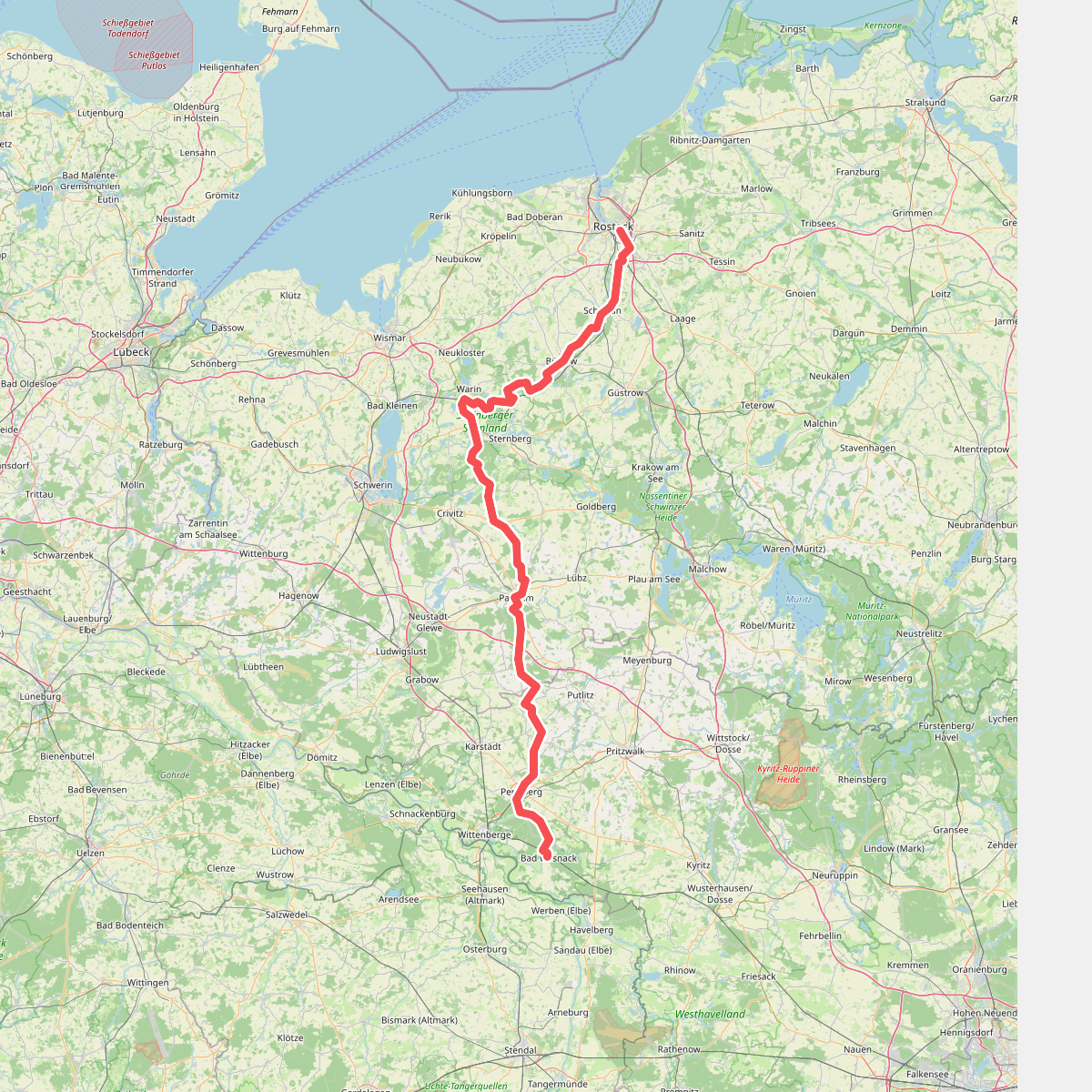
#3. Jakobsweg Rostock-Bad Wilsnack
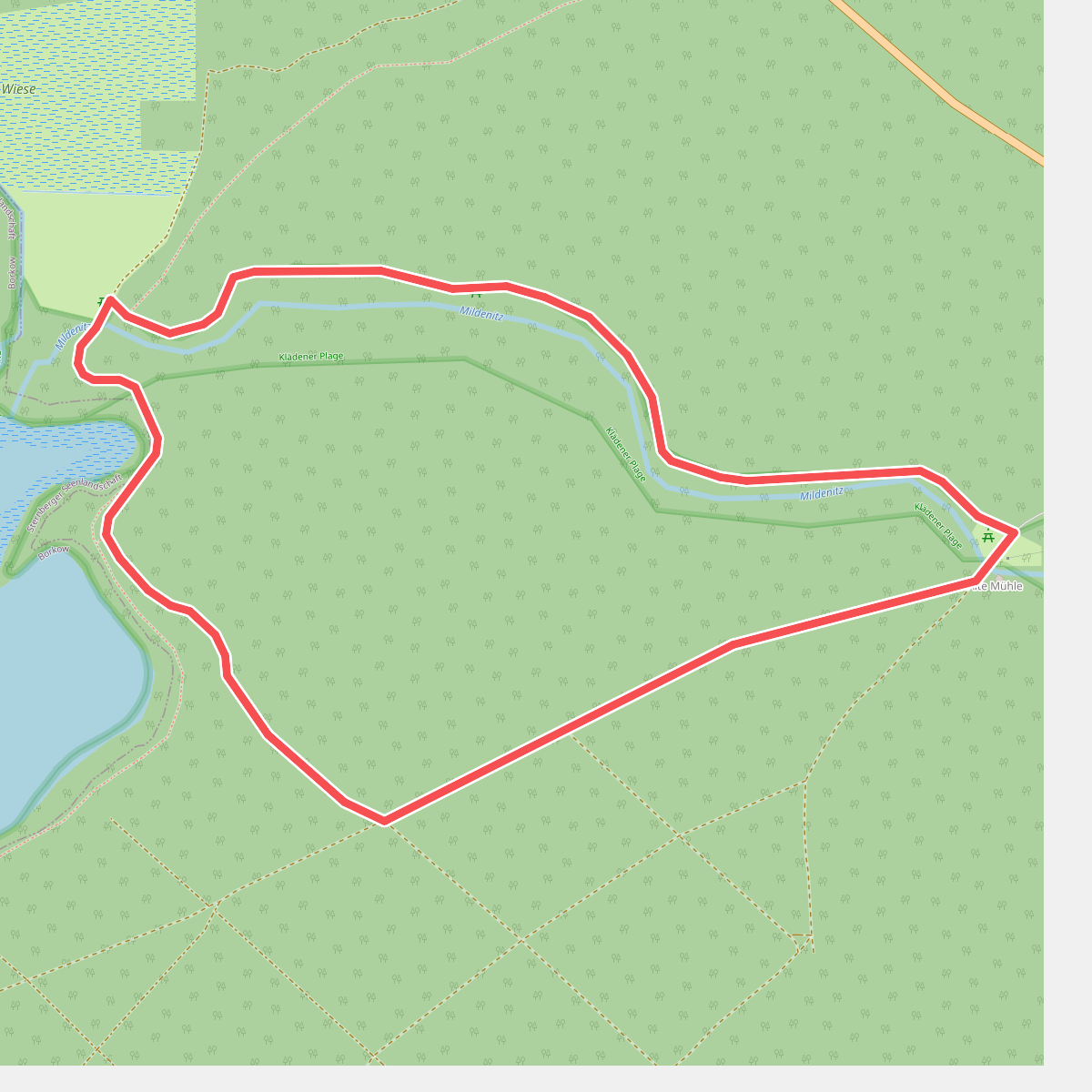
#4. Mildenitz Durchbruchstal Lehrpfad und Rundwanderweg
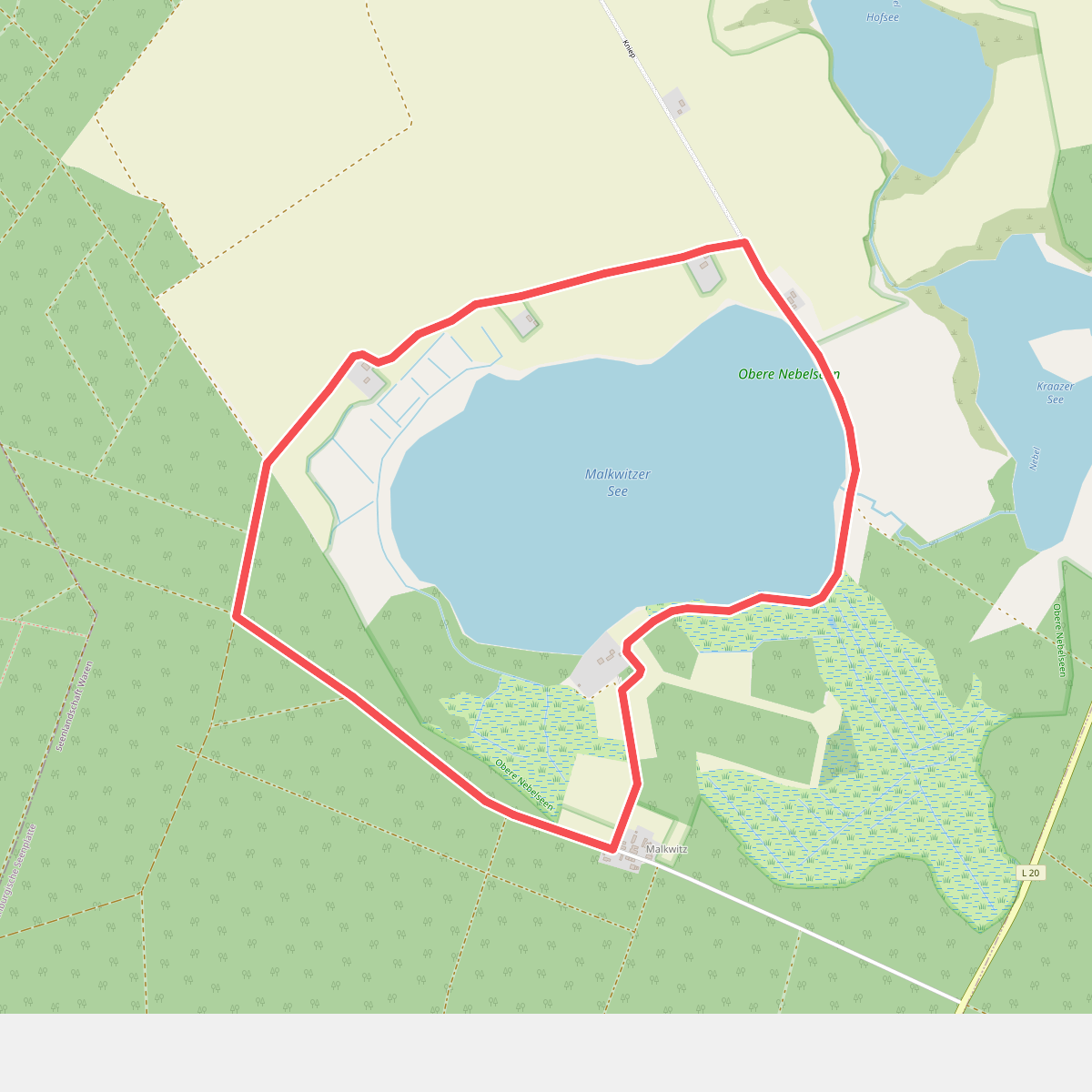
#5. Rundweg Malkwitzer See