
The best hiking routes in Naturpark Hüttener Berge
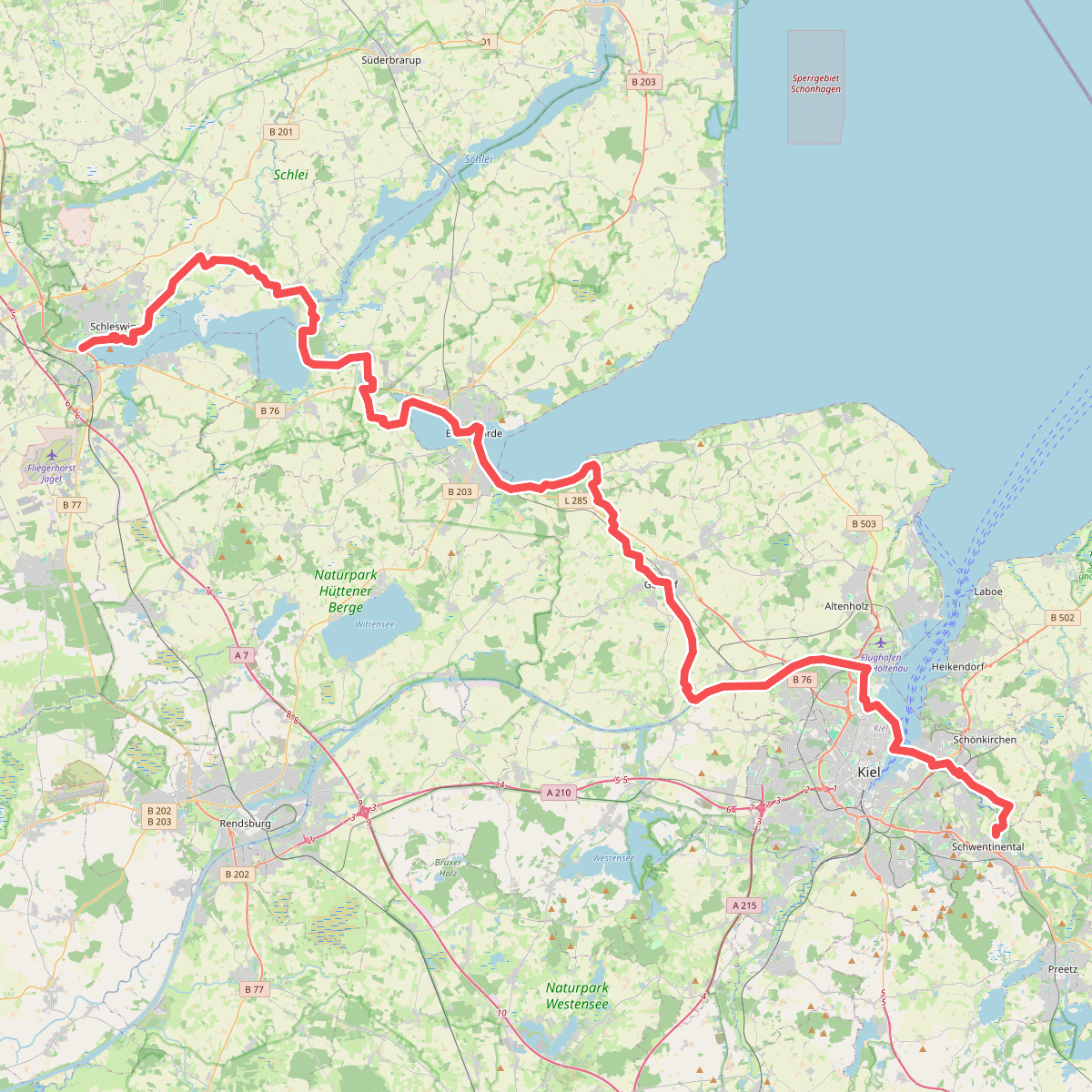
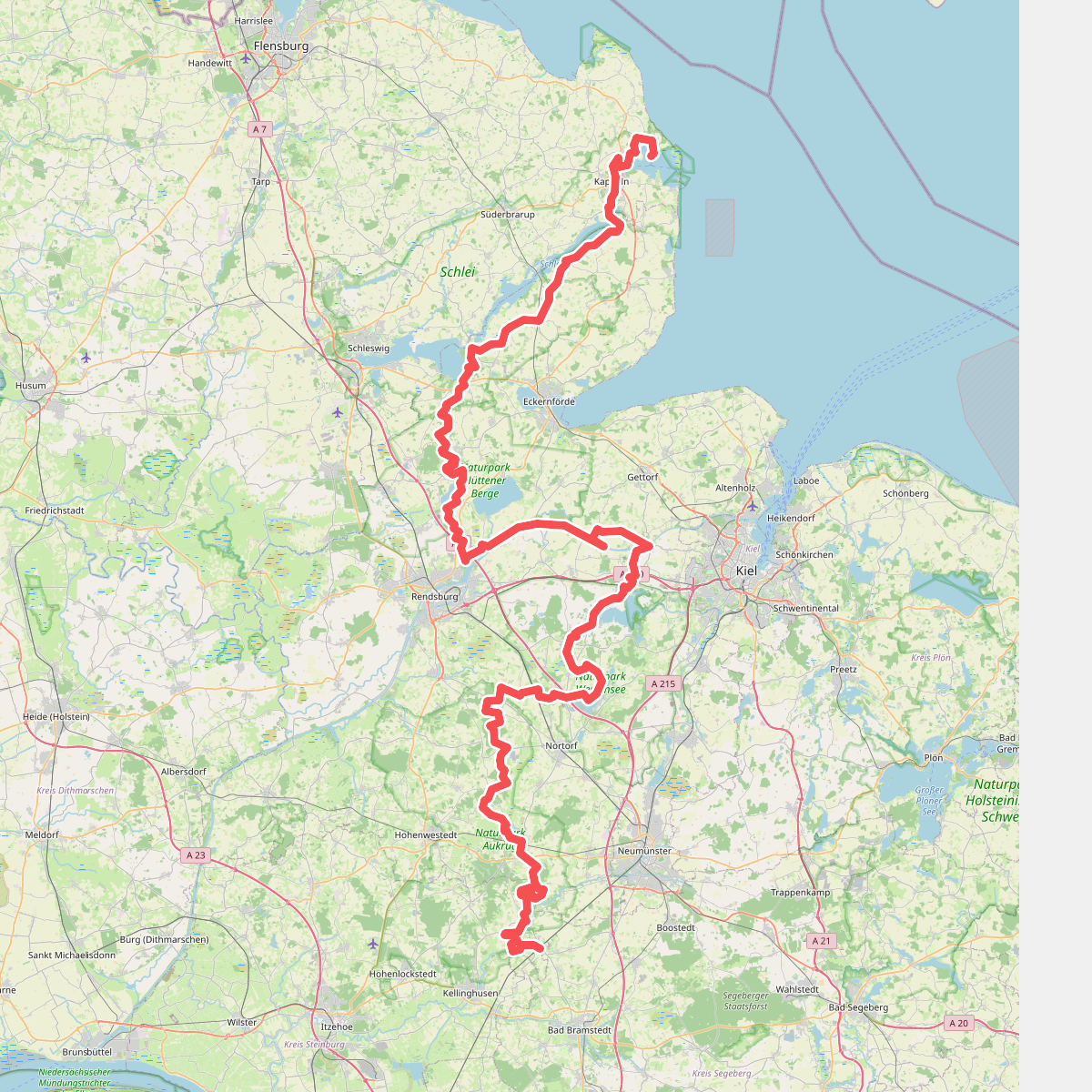
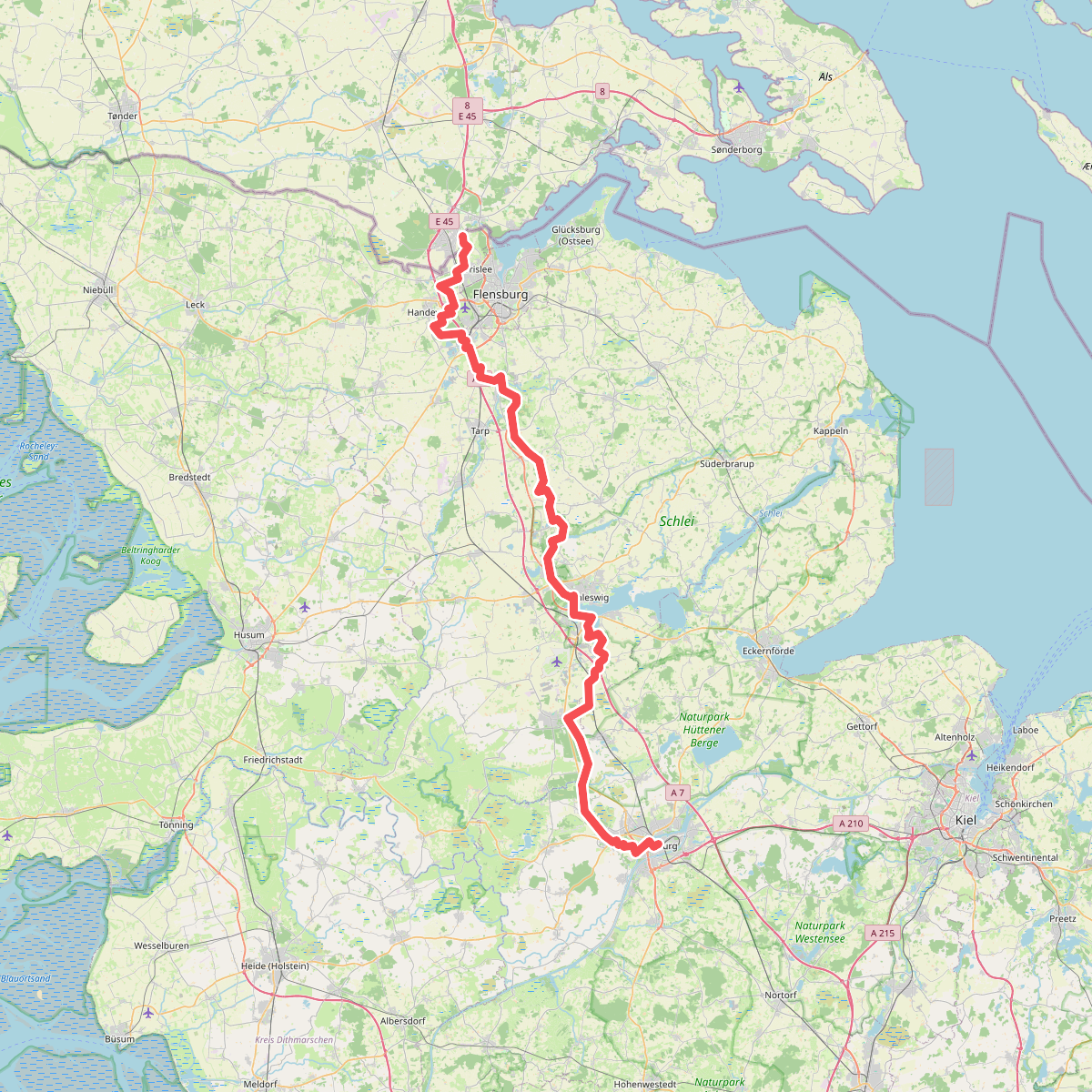
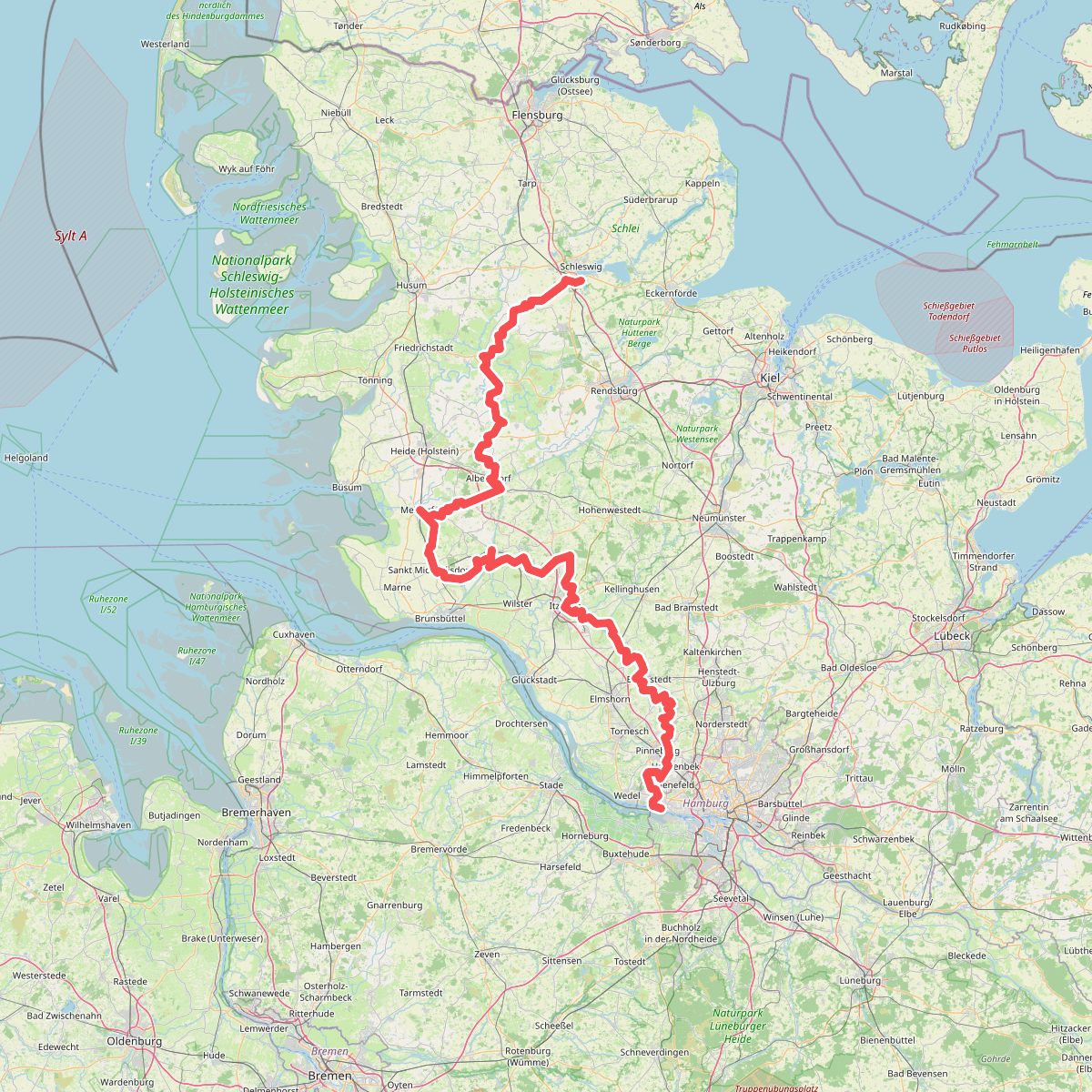
Discover the best walks in Naturpark Hüttener Berge. 4 routes on the map, with descriptions, photos and GPX.
About Naturpark Hüttener Berge
Naturpark Hüttener Berge offers a landscape shaped by glacial deposits, resulting in a series of gently rolling moraine hills rather than flat northern plains. Walkers will notice the terrain shifting between dense beech woodlands, open fields, and small, scattered peat bogs. The elevation changes are modest but constant, providing short, steady climbs that open up views across the agricultural fields and small lakes characteristic of this part of Schleswig-Holstein.
Read more
About Naturpark Hüttener Berge
Naturpark Hüttener Berge offers a landscape shaped by glacial deposits, resulting in a series of gently rolling moraine hills rather than flat northern plains. Walkers will notice the terrain shifting between dense beech woodlands, open fields, and small, scattered peat bogs. The elevation changes are modest but constant, providing short, steady climbs that open up views across the agricultural fields and small lakes characteristic of this part of Schleswig-Holstein.
Read moreNaturpark Hüttener Berge offers a landscape shaped by glacial deposits, resulting in a series of gently rolling moraine hills rather than flat northern plains. Walkers will notice the terrain shifting between dense beech woodlands, open fields, and small, scattered peat bogs. The elevation changes are modest but constant, providing short, steady climbs that open up views across the agricultural fields and small lakes characteristic of this part of Schleswig-Holstein.
Underfoot, the paths vary from firm gravel forestry tracks to soft, sandy lanes and damp earth paths near the wetland edges. The wooded areas, particularly around the higher points like the Aschberg, feature deep leaf litter under mature trees, while the lower-lying paths can be muddy where they border small fens. It is a working landscape where forestry and farming exist alongside protected nature, meaning you will often walk past active pastures and managed timber stands.
This area is best suited for those seeking quiet, undulating woodland walks rather than dramatic rocky peaks or deep wilderness. The trail network is dense, allowing for easily customizable loops, though the well-known viewpoint at the Aschberg tends to attract more visitors than the quieter forest paths further east.