
The best hiking routes in Kauno marių regioninis parkas
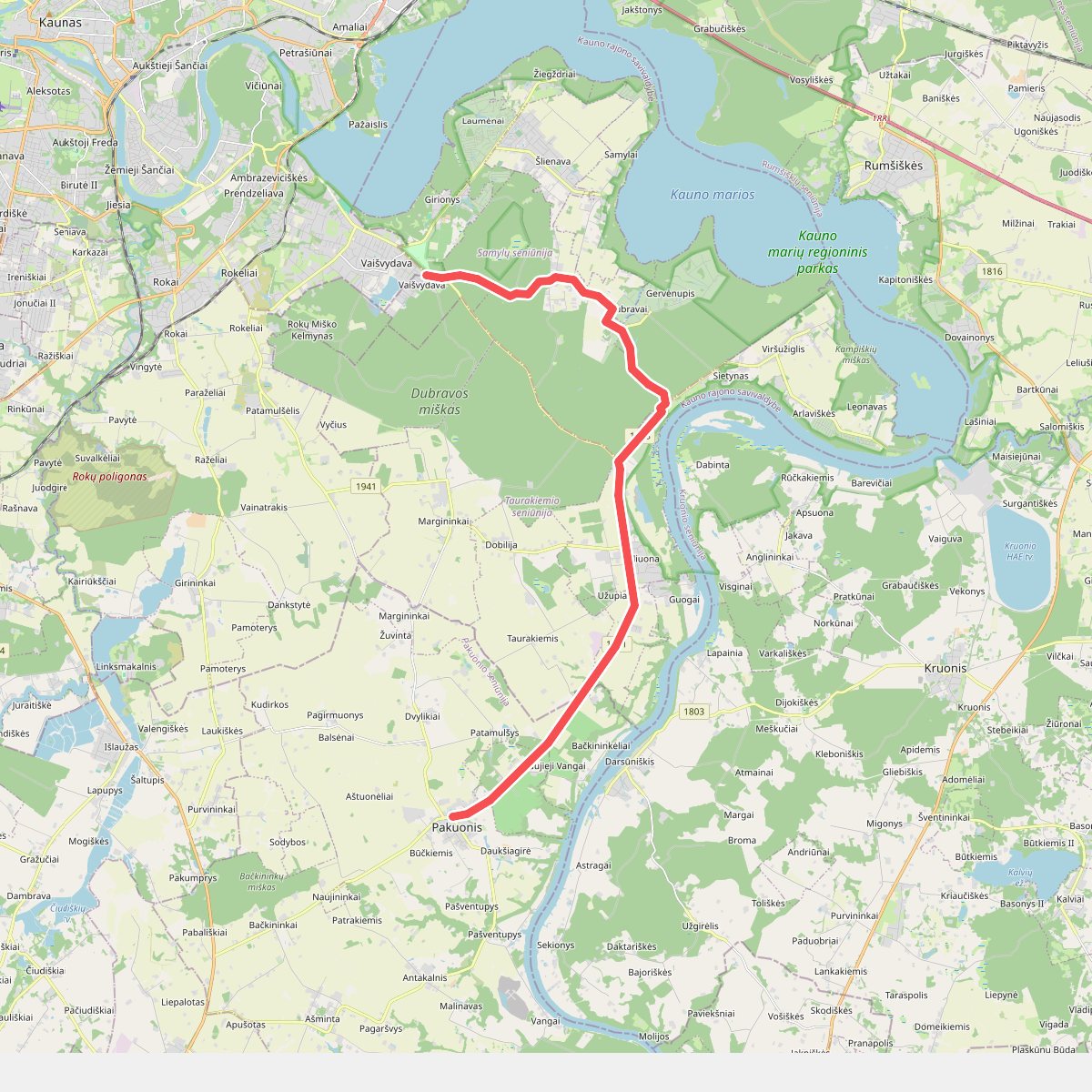
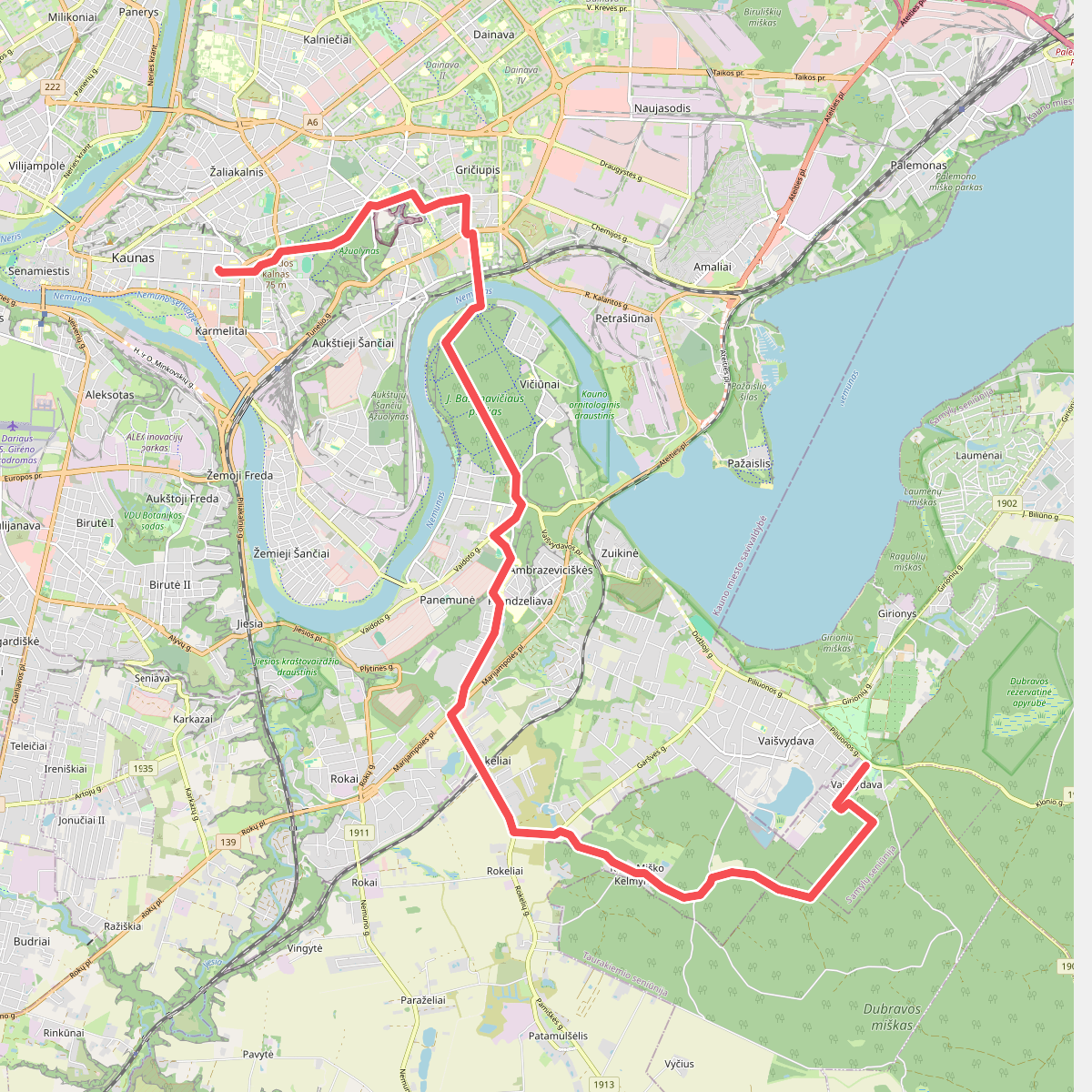
Discover the best walks in Kauno marių regioninis parkas. 2 routes on the map, with descriptions, photos and GPX.
About Kauno marių regioninis parkas
Kauno marių regioninis parkas is defined by Lithuania's largest artificial water reservoir, created in 1959 by damming the Nemunas River. This flooded valley left behind a landscape of steep clay and sand exposures, where active erosion constantly shapes the shoreline. Walkers will find a distinct contrast between the high, wooded clay cliffs on the eastern banks and the gentler, sandy terraces on the western side. The forest cover is dominated by mature pine and oak stands, with dense hazel undergrowth.
Read more
About Kauno marių regioninis parkas
Kauno marių regioninis parkas is defined by Lithuania's largest artificial water reservoir, created in 1959 by damming the Nemunas River. This flooded valley left behind a landscape of steep clay and sand exposures, where active erosion constantly shapes the shoreline. Walkers will find a distinct contrast between the high, wooded clay cliffs on the eastern banks and the gentler, sandy terraces on the western side. The forest cover is dominated by mature pine and oak stands, with dense hazel undergrowth.
Read moreKauno marių regioninis parkas is defined by Lithuania's largest artificial water reservoir, created in 1959 by damming the Nemunas River. This flooded valley left behind a landscape of steep clay and sand exposures, where active erosion constantly shapes the shoreline. Walkers will find a distinct contrast between the high, wooded clay cliffs on the eastern banks and the gentler, sandy terraces on the western side. The forest cover is dominated by mature pine and oak stands, with dense hazel undergrowth.
Underfoot, the terrain varies from soft forest soil and sandy tracks to wooden boardwalks designed to protect the fragile peat and wetland areas. The Arlaviskes juniper valley section features a raised wooden path that leads along the edge of a steep slope, offering views of the wide water body and its islands. In other parts of the park, trails descend into deep, damp ravines carved by small streams flowing toward the reservoir, where clay can make the paths slippery after recent rainfall.
This park is not a wilderness of high peaks or vast, flat bogs, but rather a combination of steep river-valley slopes and managed woodland. The proximity to Kaunas means that the western trails and the main viewpoints are often busy with local visitors, while the eastern forest paths offer a quieter walking experience. In late spring, around May, the slopes are particularly green with emerging ferns and wild garlic, making the terrain feel enclosed and dense.