
The best hiking routes in De Groote Peel
Discover the best walks in De Groote Peel. 10 routes on the map, with descriptions, photos and GPX.
Managed by Staatsbosbeheer
About De Groote Peel
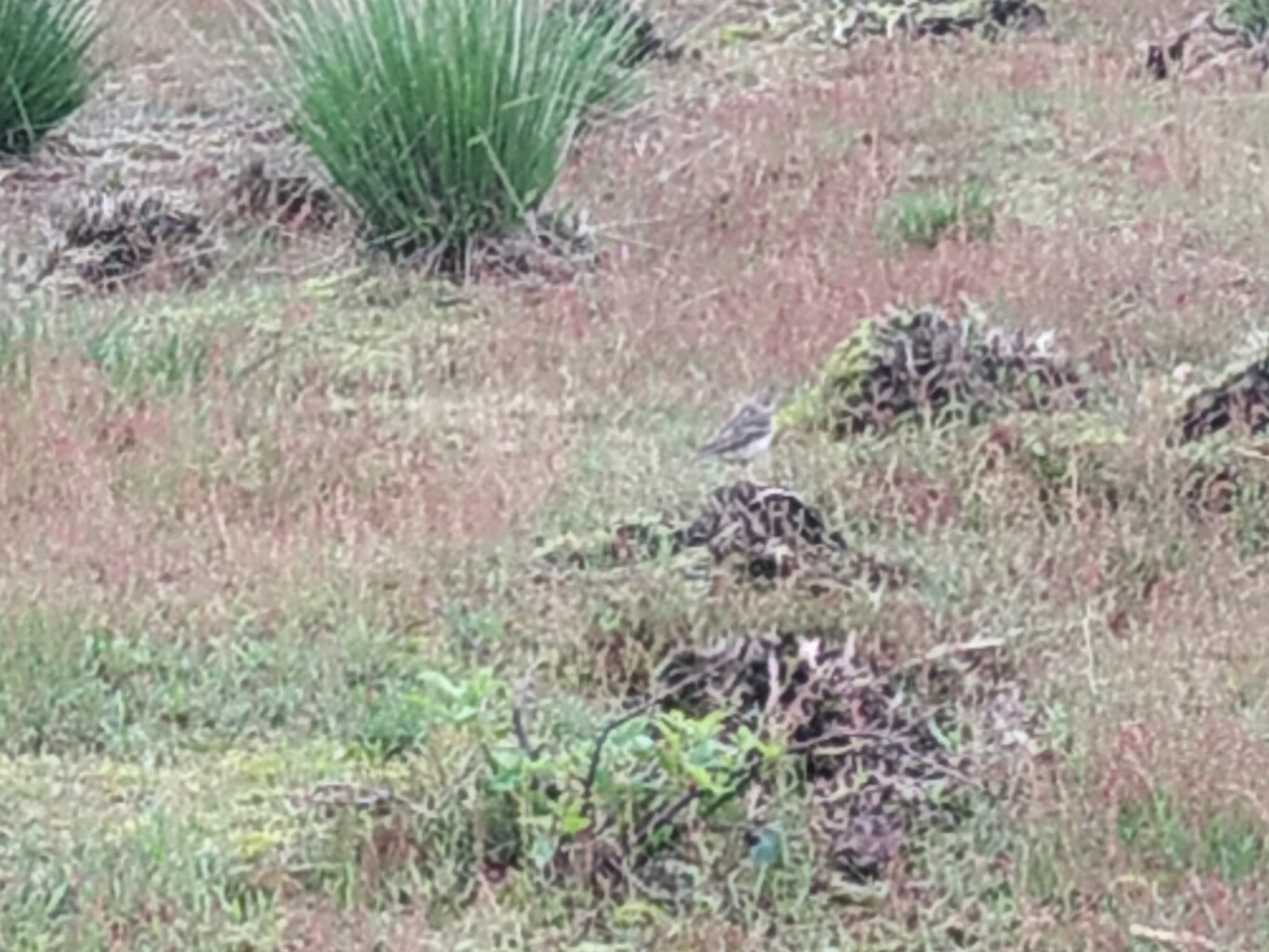
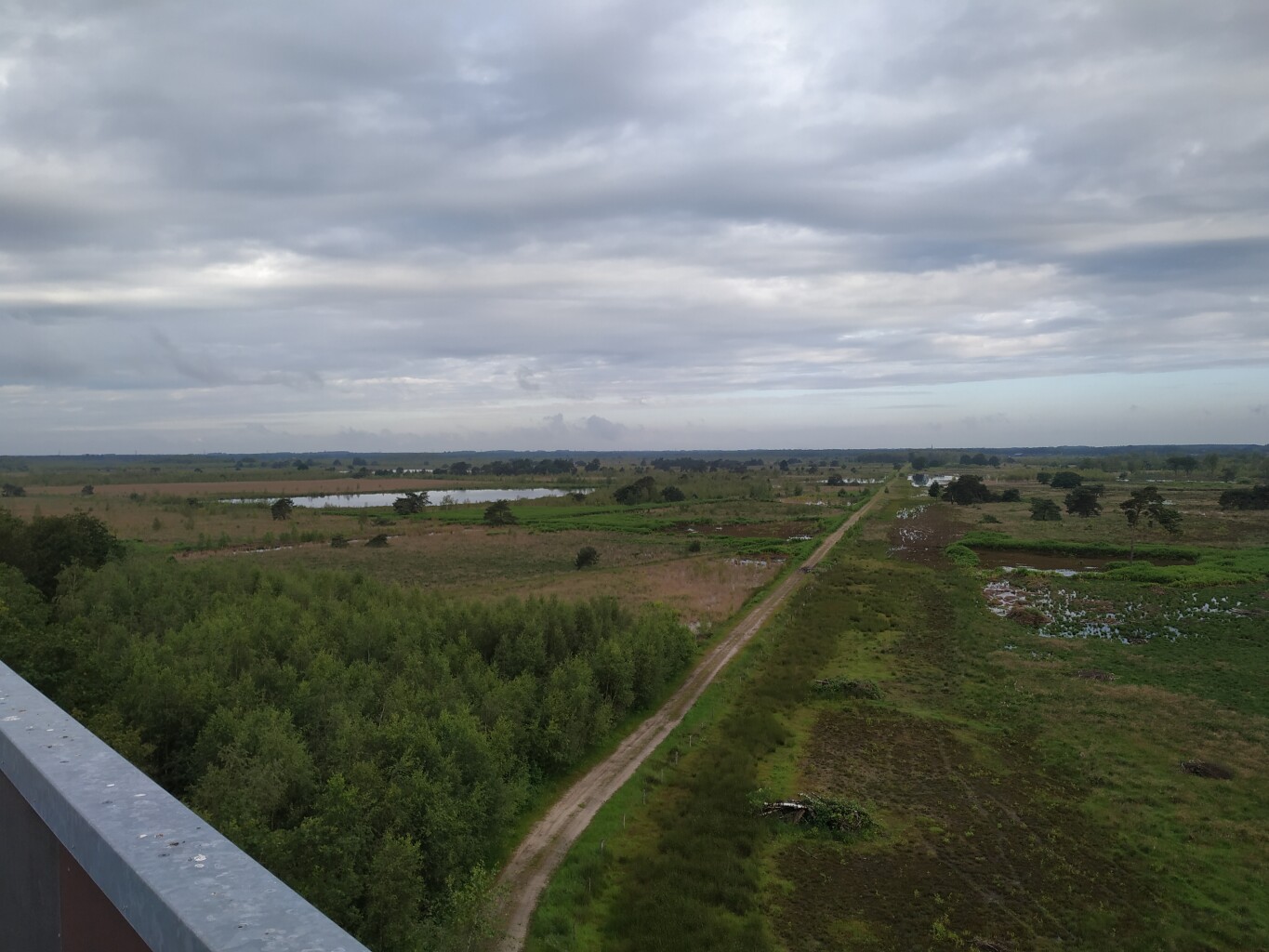
De Groote Peel is a flat, open landscape dominated by peat bogs, dark water pools, and wet heathland. Unlike the dry pine forests found in other parts of the region, this national park is a remnant of a vast raised bog that once covered the border between Brabant and Limburg. The terrain is defined by its history of manual peat cutting, which left behind a pattern of rectangular ponds, canals, and small islands rather than a natural lake system. It is a landscape of low vegetation, where birch trees and purple moor-grass grow on the drier peat ridges.
Read more
About De Groote Peel
De Groote Peel is a flat, open landscape dominated by peat bogs, dark water pools, and wet heathland. Unlike the dry pine forests found in other parts of the region, this national park is a remnant of a vast raised bog that once covered the border between Brabant and Limburg. The terrain is defined by its history of manual peat cutting, which left behind a pattern of rectangular ponds, canals, and small islands rather than a natural lake system. It is a landscape of low vegetation, where birch trees and purple moor-grass grow on the drier peat ridges.
Read moreDe Groote Peel is a flat, open landscape dominated by peat bogs, dark water pools, and wet heathland. Unlike the dry pine forests found in other parts of the region, this national park is a remnant of a vast raised bog that once covered the border between Brabant and Limburg. The terrain is defined by its history of manual peat cutting, which left behind a pattern of rectangular ponds, canals, and small islands rather than a natural lake system. It is a landscape of low vegetation, where birch trees and purple moor-grass grow on the drier peat ridges.
Underfoot, the paths vary significantly depending on where you walk. The park features elevated wooden boardwalks designed to carry walkers over the softest, wettest sections of the bog, while other paths consist of unpaved, sandy tracks and grassy dikes. Because the ground is highly absorbent peat, the soil off the boardwalks is naturally spongy and damp. Walkers should expect flat, level ground throughout, as there are no hills or valleys here, only a vast, horizontal expanse of water and low shrub.
In October and November, the area serves as a major stopover for migrating cranes, which can often be seen and heard from the viewing platforms. The central, wetter parts of the bog are closed during the spring breeding season to protect nesting birds, leaving walkers to use the outer circular routes. While the visitor centre and the shorter paved loops near the entrance attract many families, the longer grass tracks further into the park offer a much quieter experience.
Hiking routes in De Groote Peel (10)
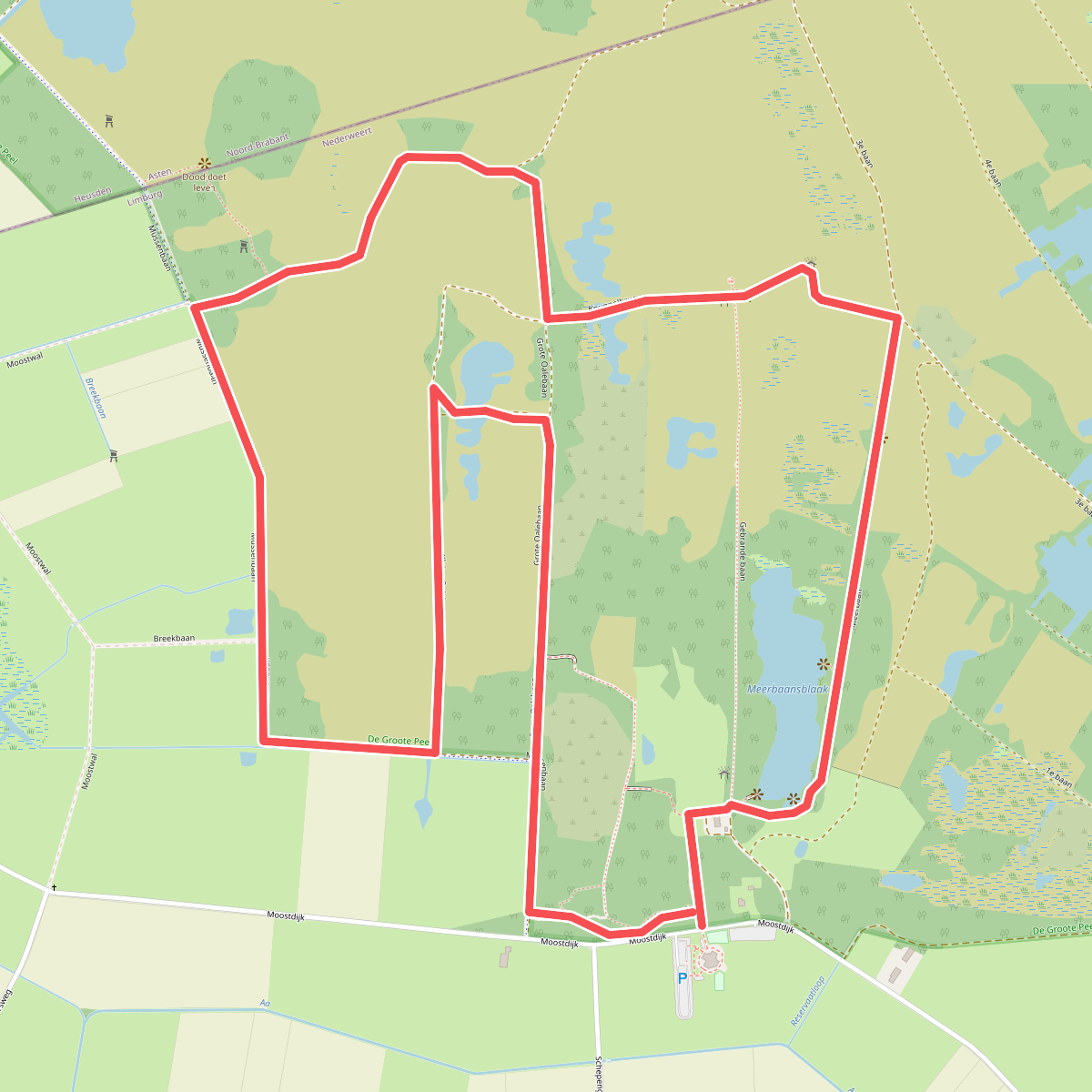
#1. Boswachterspad Mussenbaan Groote Peel
Ospel,Heusden
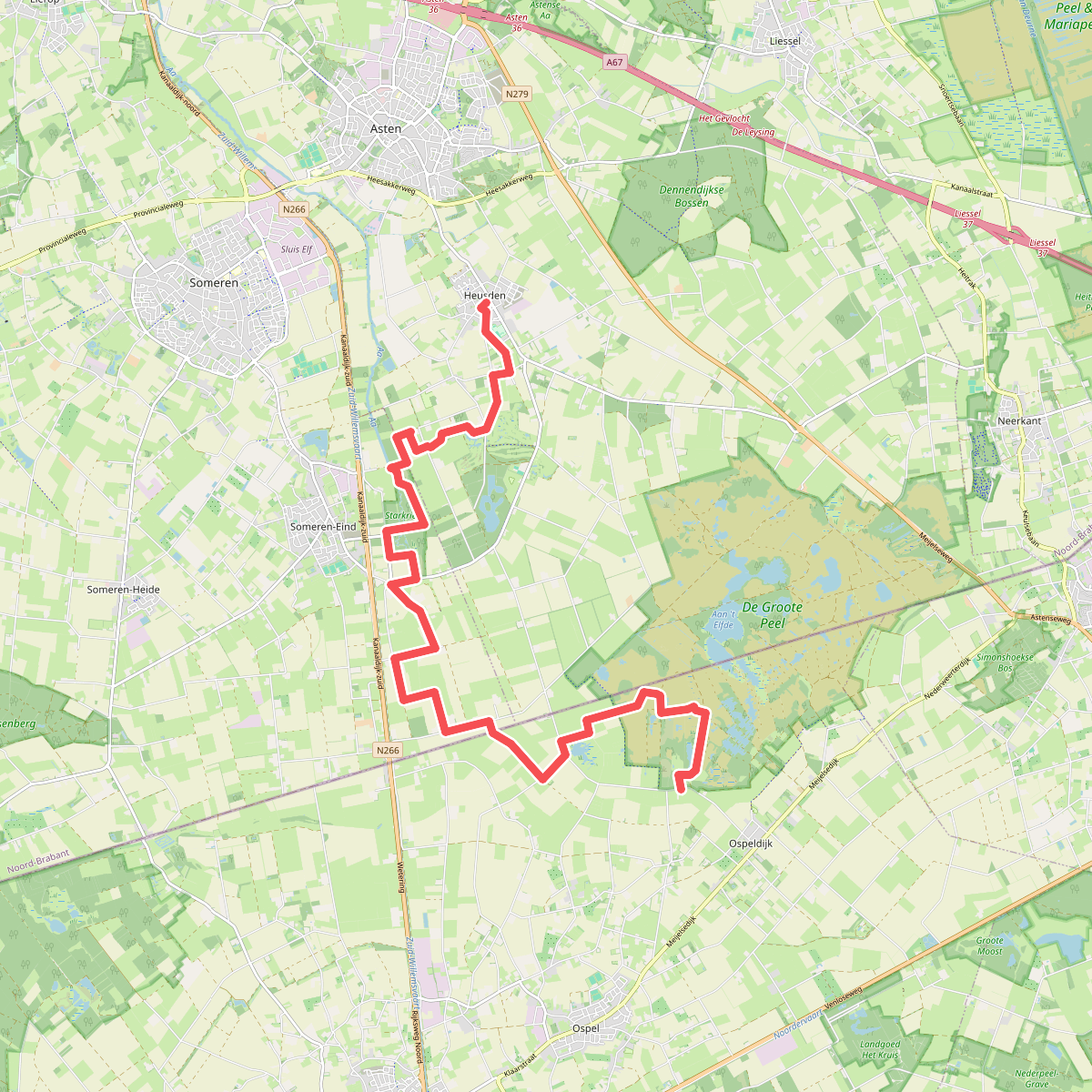
#2. Groote Peel - Heusden (Etappe 1 - Langs de Brabantse Aa)
Ospel,Someren,Heusden
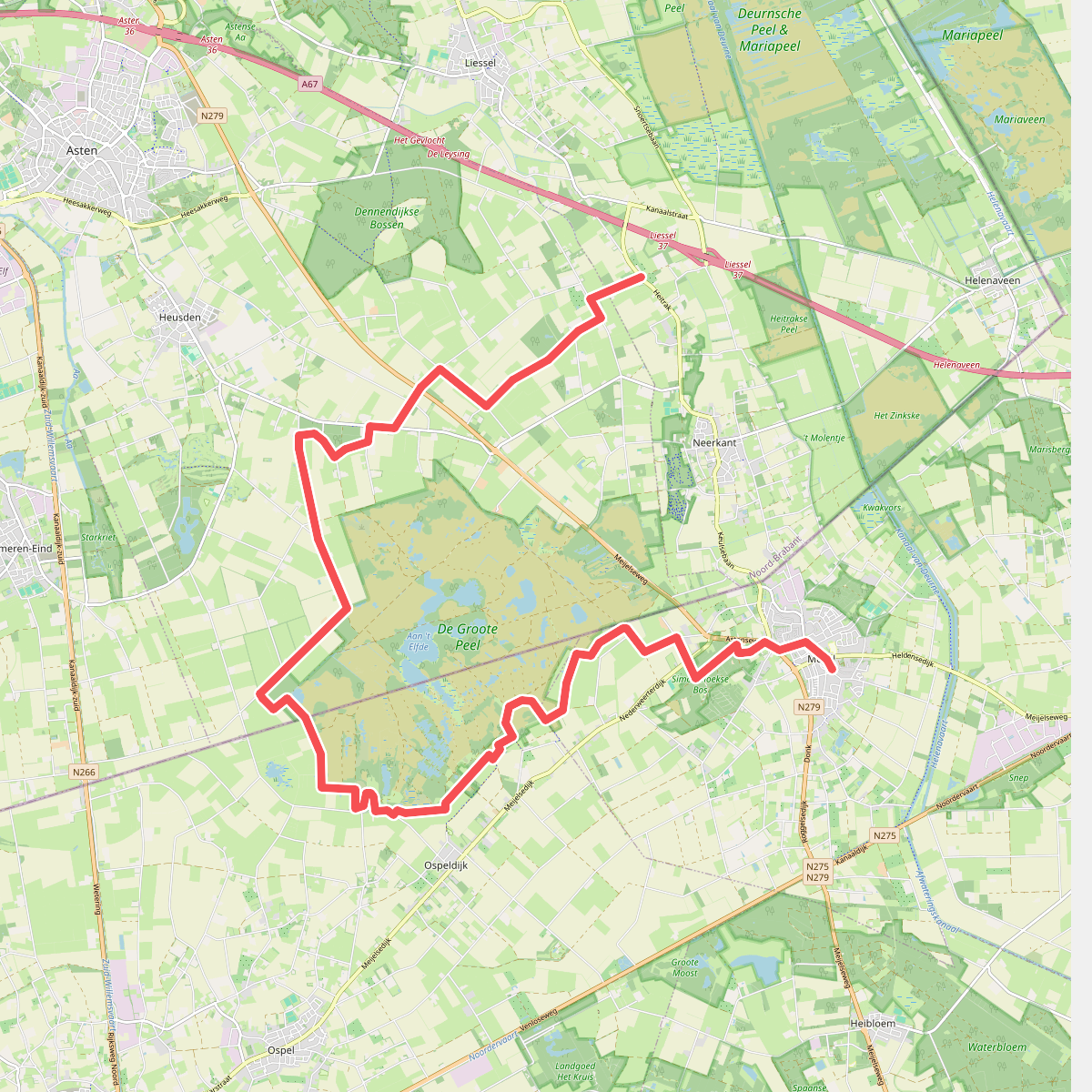
#3. Heitrak - Meijel · Dwars door Brabant Etappe 15
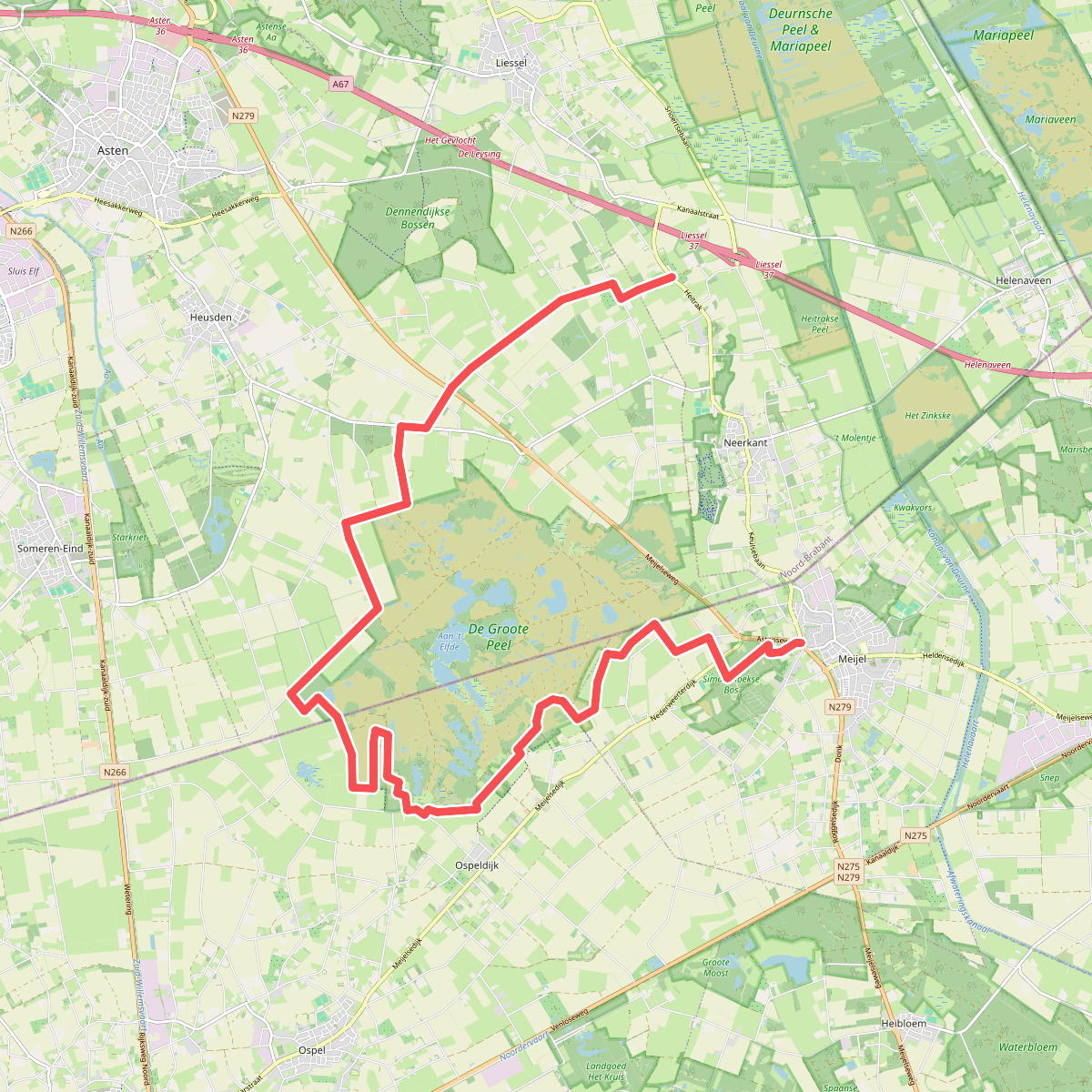
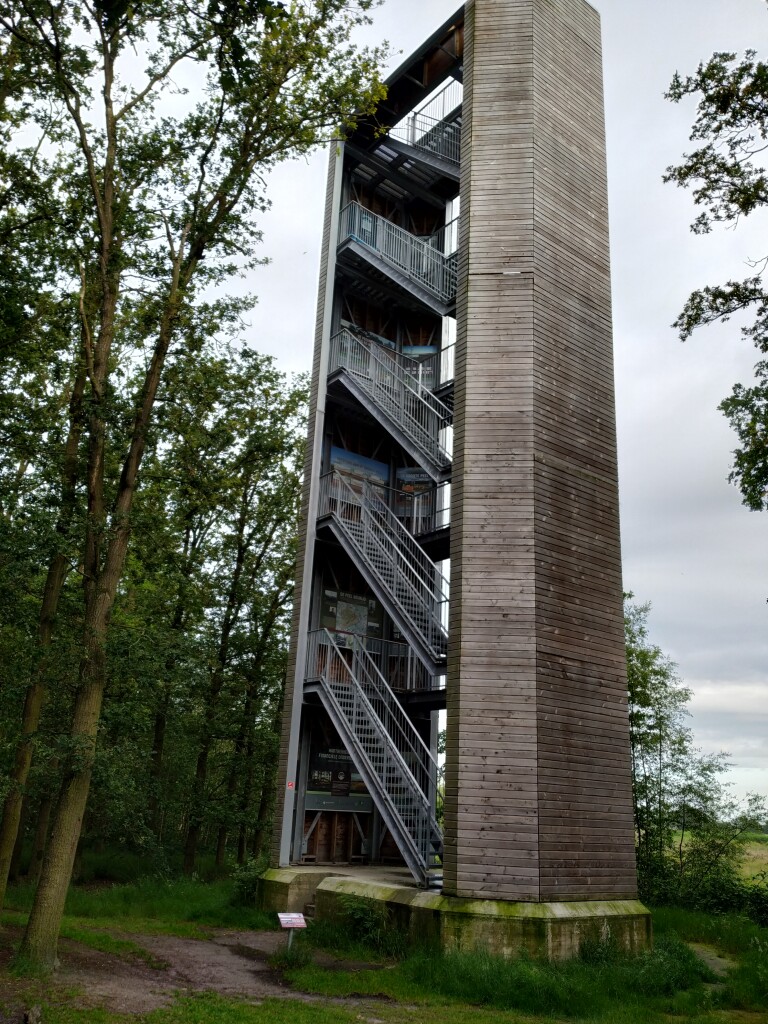
#4. Heitraksedijk (bushalte) - Meijel · Hertogenpad etappe 10
Meijel,Ospel,Heusden,Liessel
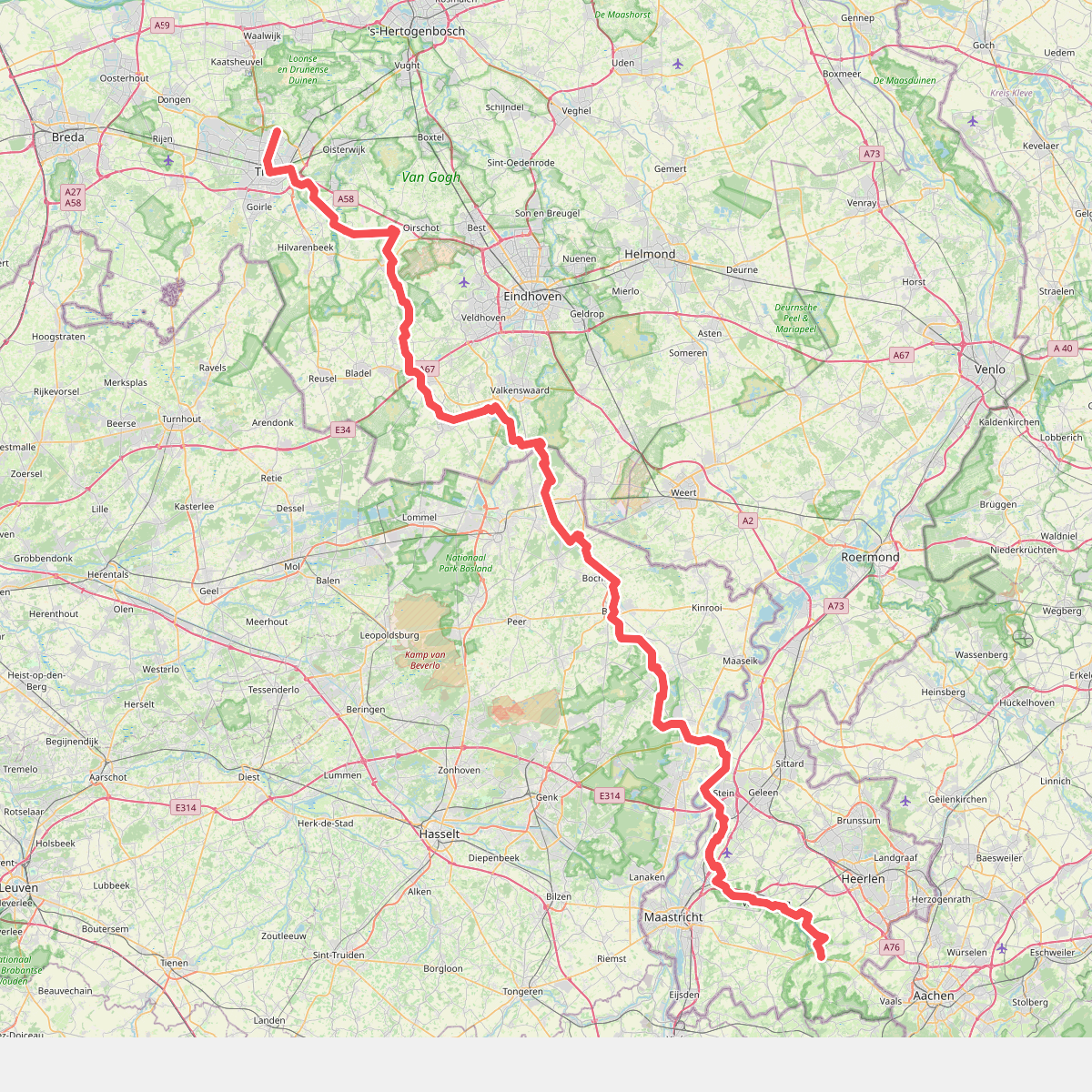
#5. Peerkepad
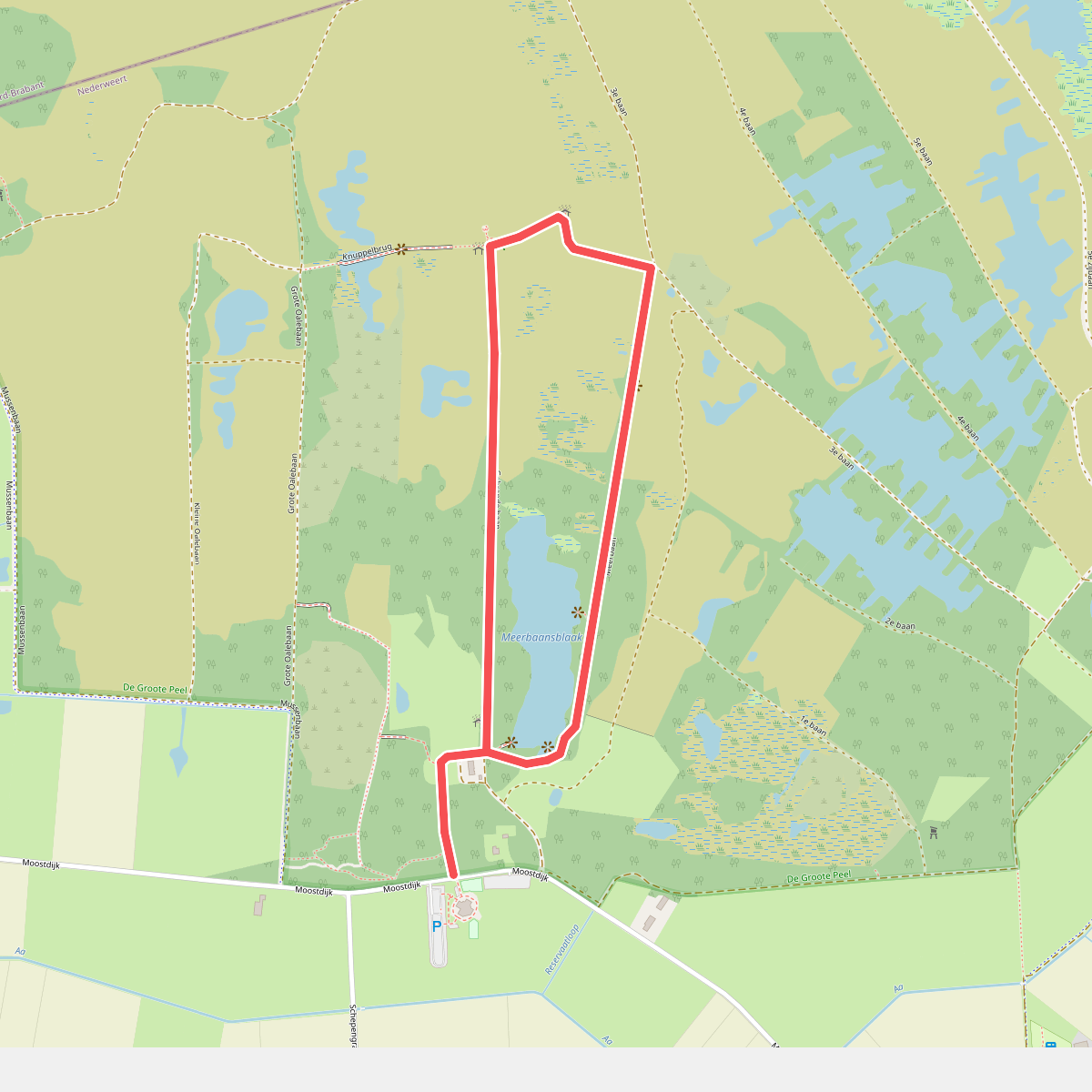
#6. Wandelroute familiepad
Ospel
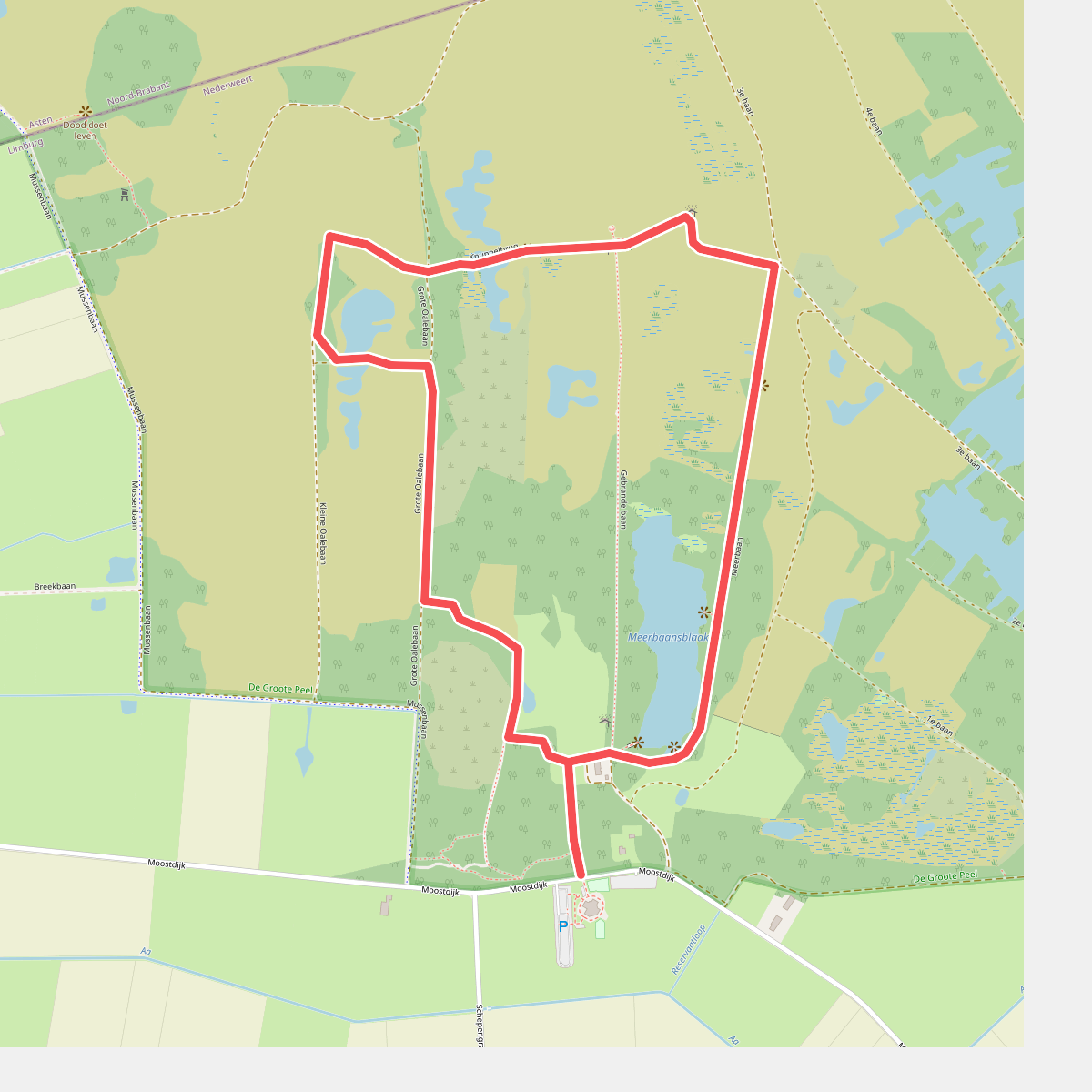
#7. Wandelroute Knuppelbrug Groote Peel
Ospel
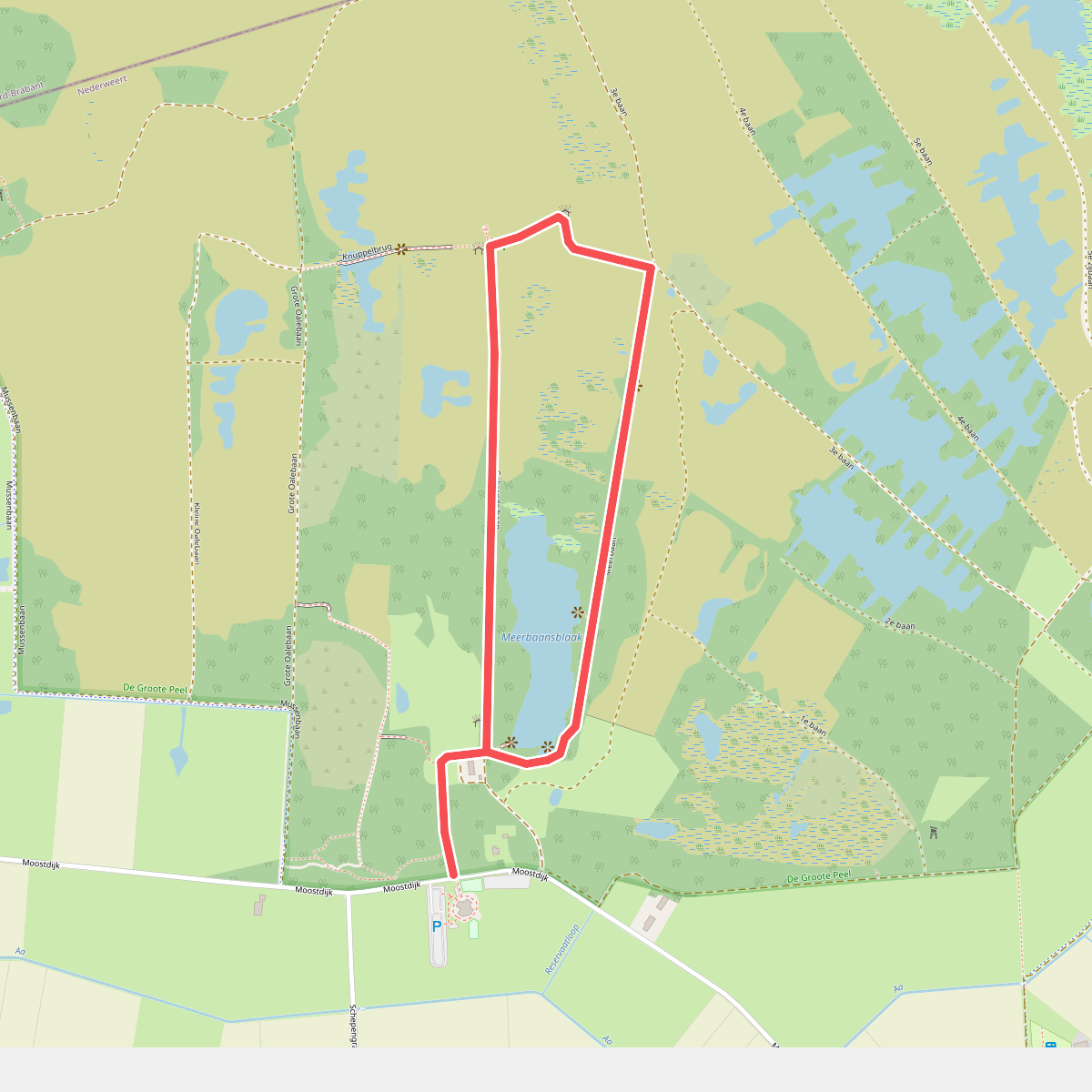
#8. Wandelroute Meerbaansblaak Groote Peel
Ospel
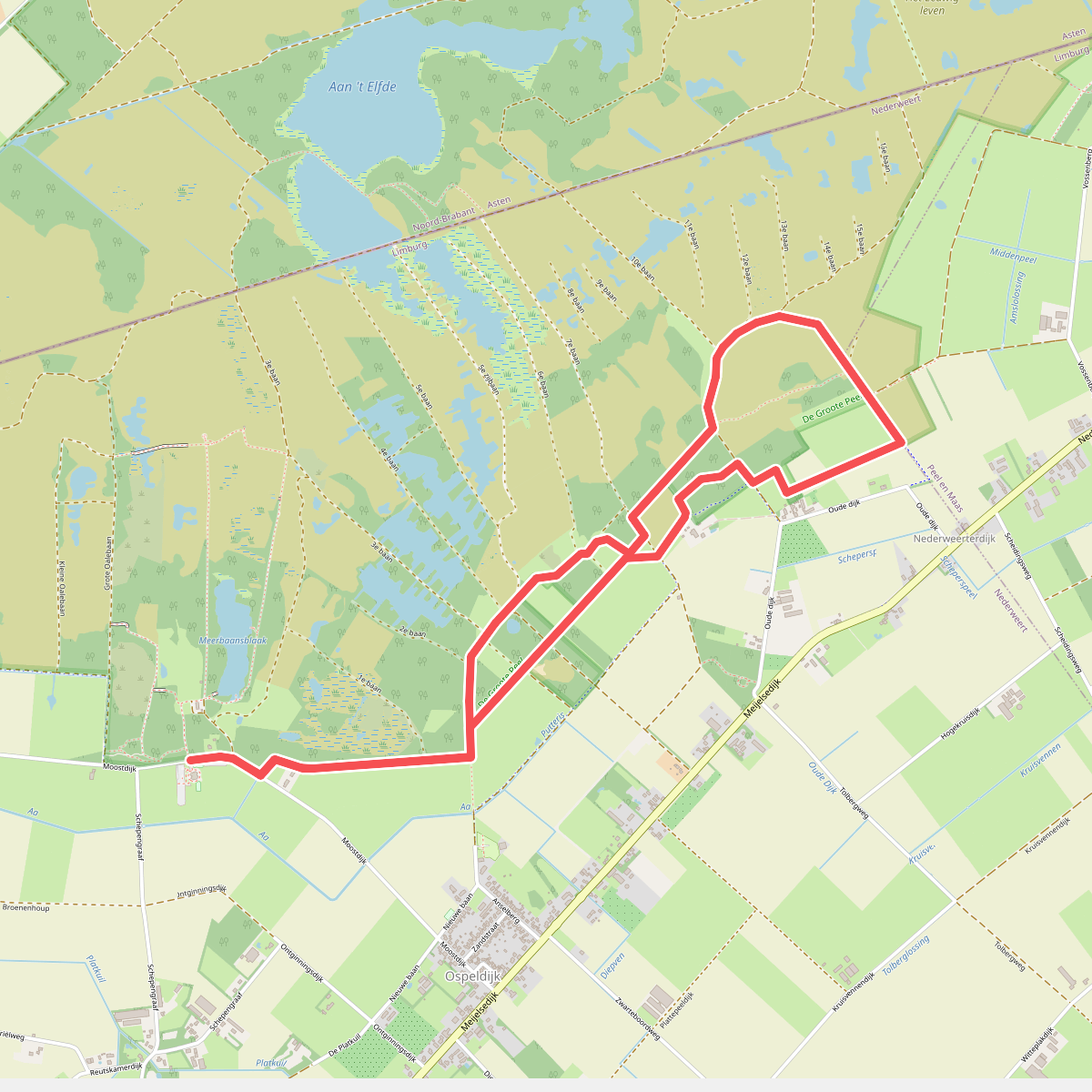
#9. Wandelroute Paardenbegrazing Groote Peel
Ospel
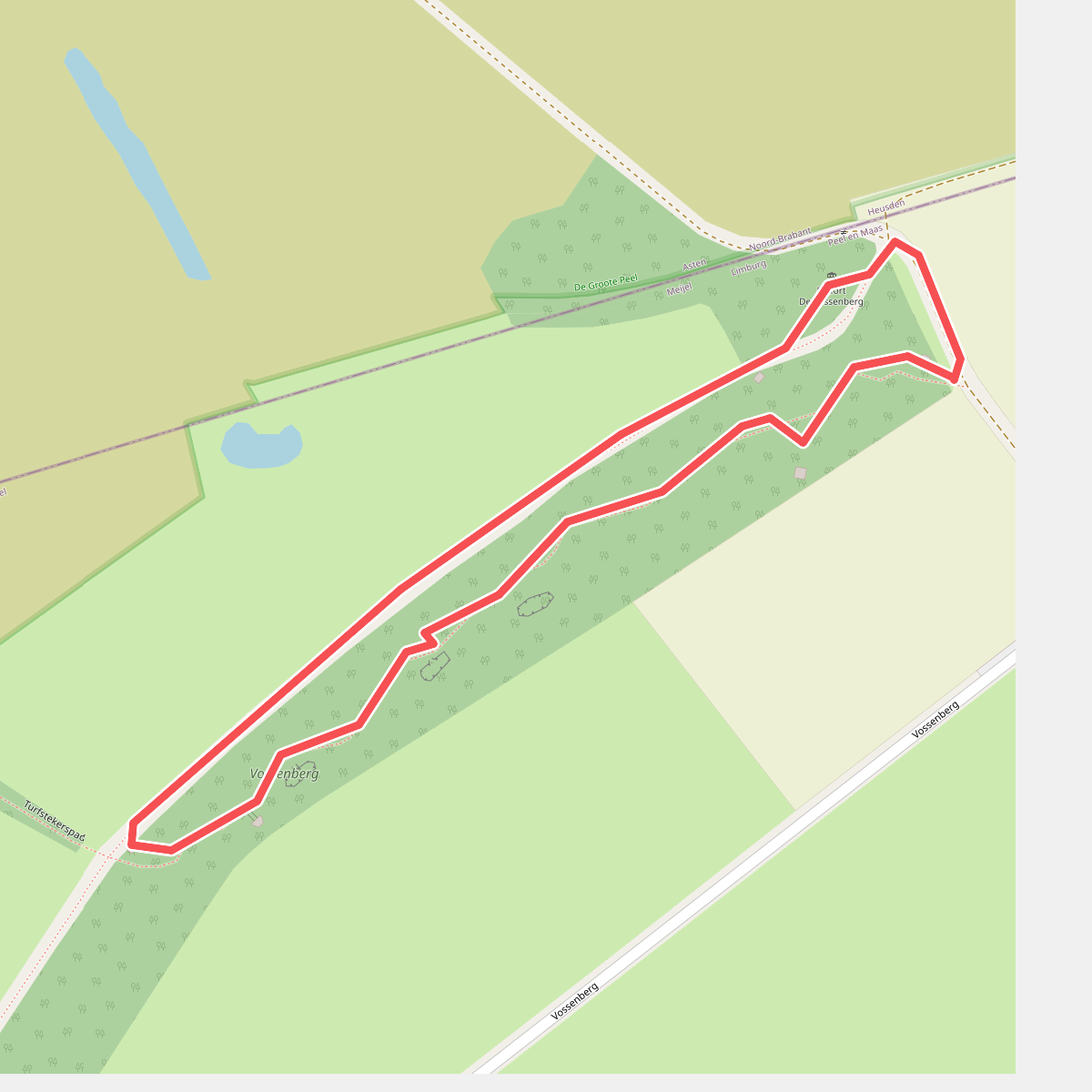
#10. Wandelroute Vossenberg
Meijel