
The best hiking routes in ZEPA Ancares
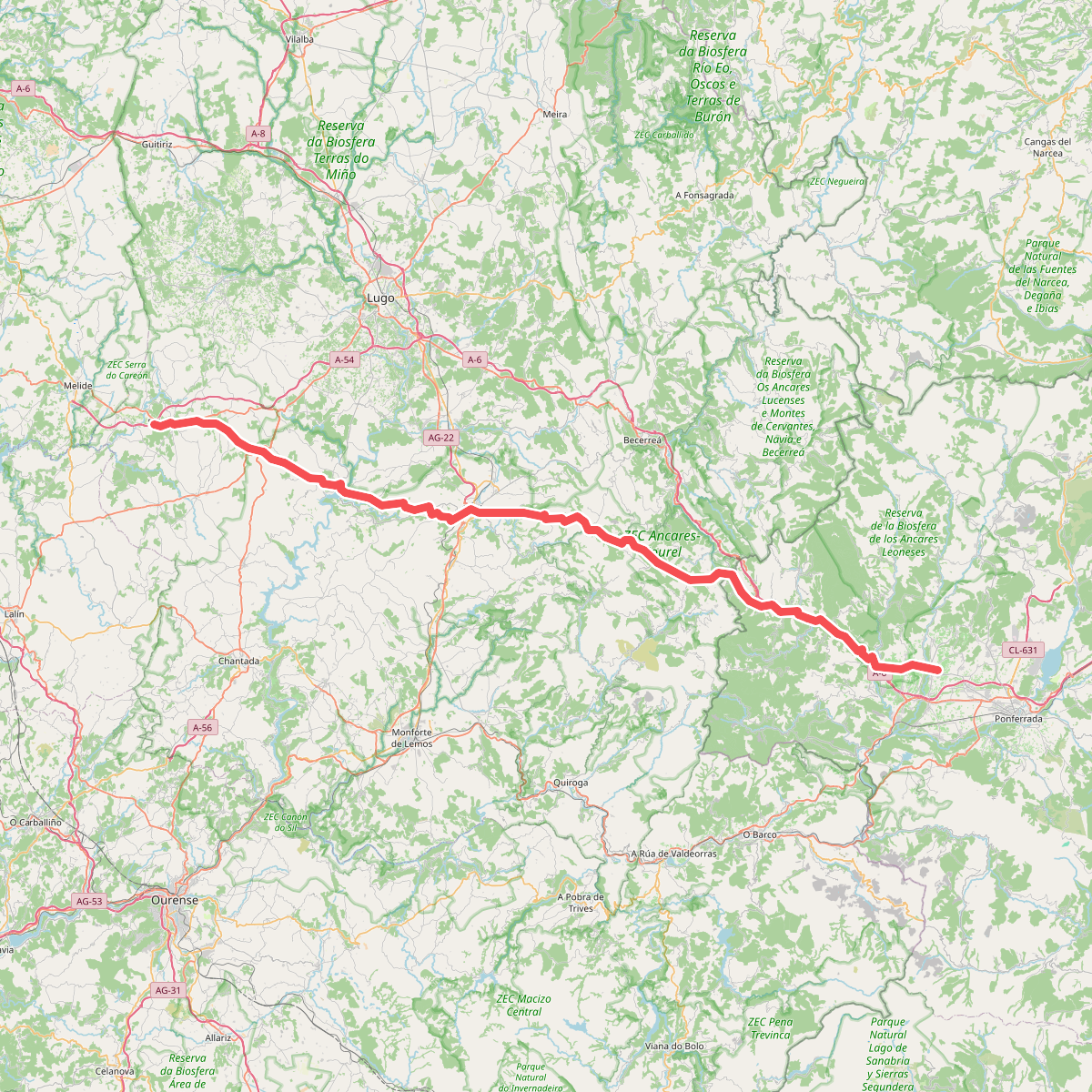
Discover the best walks in ZEPA Ancares. 2 routes on the map, with descriptions, photos and GPX.
Managed by Xunta de Galicia
About ZEPA Ancares
ZEPA Ancares covers a rugged, high-altitude mountain landscape in eastern Galicia, where the terrain is defined by steep slate and granite ridges, deep glacial valleys, and dense deciduous forests. Unlike the flatter coastal hills of the region, this area features sharp elevation changes and rocky crests that rise above the tree line. Walkers will find a mix of dense oak and birch woodlands on the lower slopes, which transition into subalpine scrub, heather, and broom at higher elevations.
Read more
About ZEPA Ancares
ZEPA Ancares covers a rugged, high-altitude mountain landscape in eastern Galicia, where the terrain is defined by steep slate and granite ridges, deep glacial valleys, and dense deciduous forests. Unlike the flatter coastal hills of the region, this area features sharp elevation changes and rocky crests that rise above the tree line. Walkers will find a mix of dense oak and birch woodlands on the lower slopes, which transition into subalpine scrub, heather, and broom at higher elevations.
Read moreZEPA Ancares covers a rugged, high-altitude mountain landscape in eastern Galicia, where the terrain is defined by steep slate and granite ridges, deep glacial valleys, and dense deciduous forests. Unlike the flatter coastal hills of the region, this area features sharp elevation changes and rocky crests that rise above the tree line. Walkers will find a mix of dense oak and birch woodlands on the lower slopes, which transition into subalpine scrub, heather, and broom at higher elevations.
Underfoot, the trails vary from damp, leaf-strewn earth paths beneath the canopy to loose slate scree and rough, stony tracks along the ridges. The landscape shows clear signs of traditional pastoral use, with ancient stone huts known as pallozas dotting the lower valleys, and open broom-covered slopes that have been shaped by centuries of seasonal grazing.
In May and June, the high-altitude scrubland is marked by the yellow flowers of blooming broom, while October brings deep autumn colours to the beech and oak forests. This is a demanding area for walking, where routes require steady footwork on uneven ground and involve significant climbs, offering a direct experience of a working mountain environment rather than manicured park trails.