
The best hiking routes in Parc naturel régional du Morvan
Discover the best walks in Parc naturel régional du Morvan. 46 routes on the map, with descriptions, photos and GPX.
About Parc naturel régional du Morvan
The Parc naturel régional du Morvan is a granite massif in Burgundy, characterized by a dense network of streams, artificial reservoirs, and thick woodlands. Unlike the limestone plateaus surrounding it, this area is defined by its acidic soil, which supports extensive beech and oak forests alongside commercial spruce plantations. Walkers will find a landscape of rounded, forested hills rather than dramatic peaks, with elevations gently rising to just over nine hundred meters at Haut-Folin.
Read more
About Parc naturel régional du Morvan
The Parc naturel régional du Morvan is a granite massif in Burgundy, characterized by a dense network of streams, artificial reservoirs, and thick woodlands. Unlike the limestone plateaus surrounding it, this area is defined by its acidic soil, which supports extensive beech and oak forests alongside commercial spruce plantations. Walkers will find a landscape of rounded, forested hills rather than dramatic peaks, with elevations gently rising to just over nine hundred meters at Haut-Folin.
Read moreThe Parc naturel régional du Morvan is a granite massif in Burgundy, characterized by a dense network of streams, artificial reservoirs, and thick woodlands. Unlike the limestone plateaus surrounding it, this area is defined by its acidic soil, which supports extensive beech and oak forests alongside commercial spruce plantations. Walkers will find a landscape of rounded, forested hills rather than dramatic peaks, with elevations gently rising to just over nine hundred meters at Haut-Folin.
Underfoot, the paths vary from soft, needle-covered soil in the pine sections to muddy, leaf-strewn tracks in the deciduous woods. Many routes follow old logging trails or run alongside stone walls that once marked pasture boundaries. Water is a constant presence, and you will frequently cross small streams on simple wooden footbridges or walk parallel to the stone-lined channels of the historic timber-floating routes.
In November, the beech forests around Mont Beuvray turn a deep copper, contrasting with the dark green of the conifers. While the shores of major reservoirs like Lac de Settons have wide, flat gravel paths that attract more visitors, the interior forest tracks offer a quieter, more enclosed experience under a dense canopy.
Hiking routes in Parc naturel régional du Morvan (46)
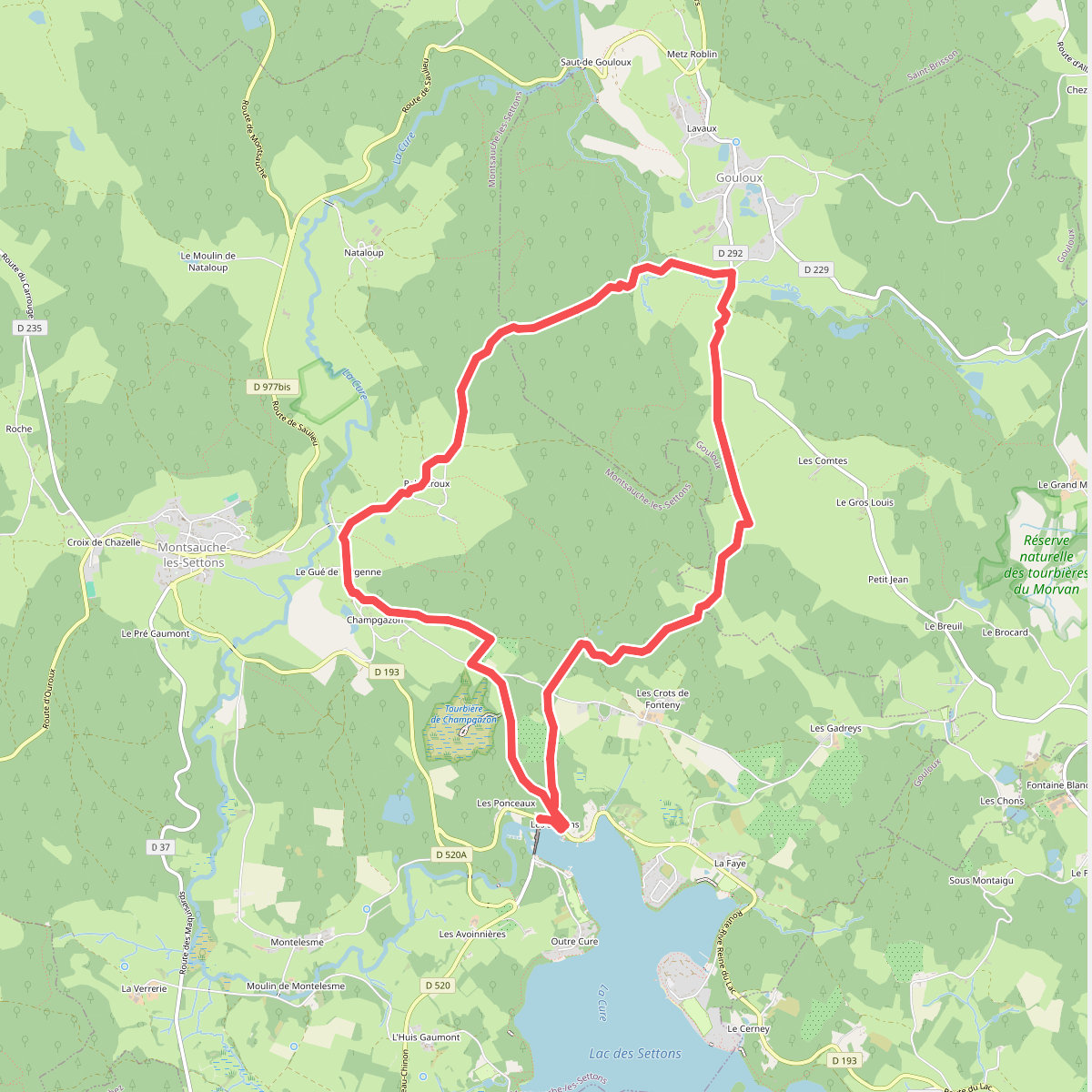
#1. Boucle du flottage
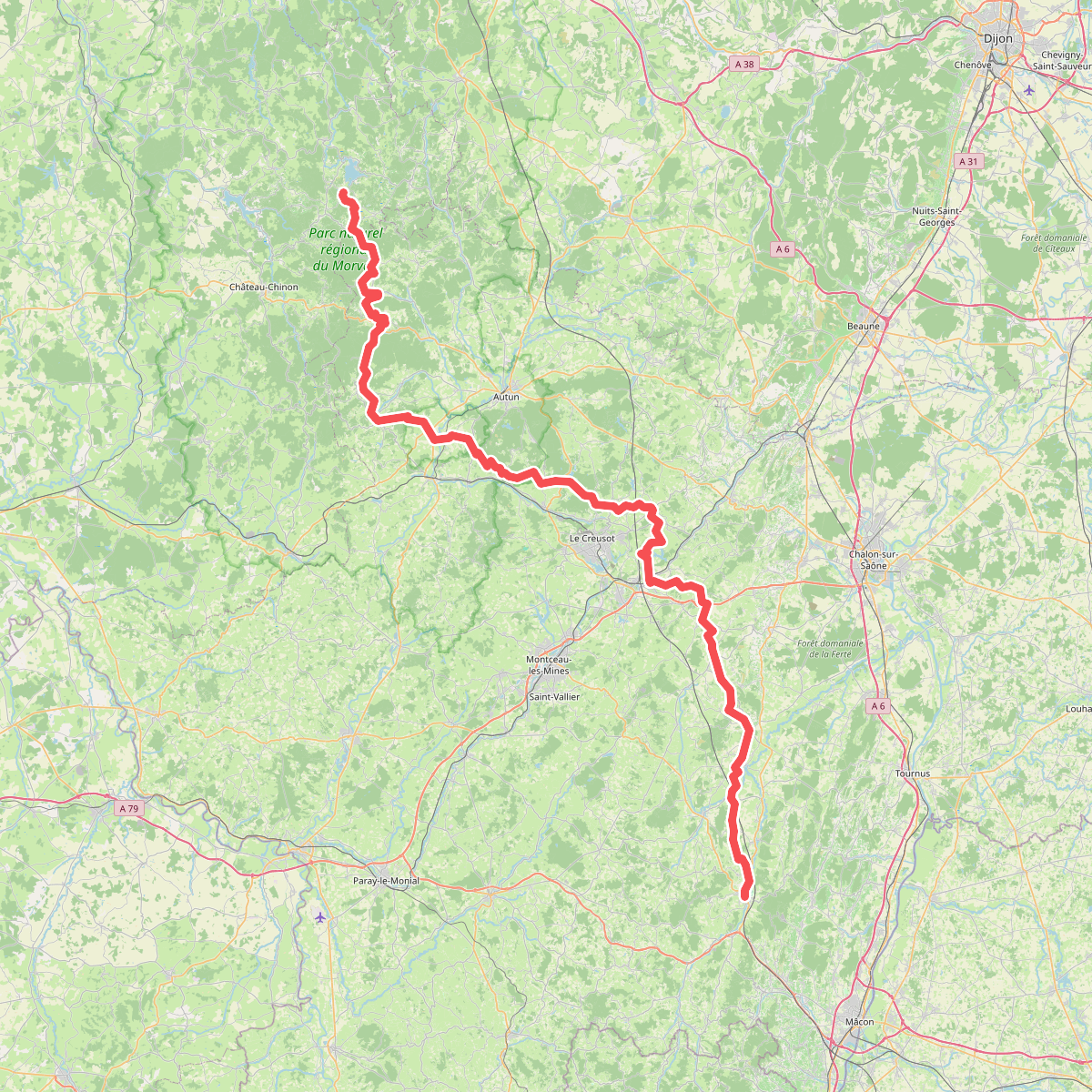
#2. Chemin d'Assise, Lac des Settons - Cluny
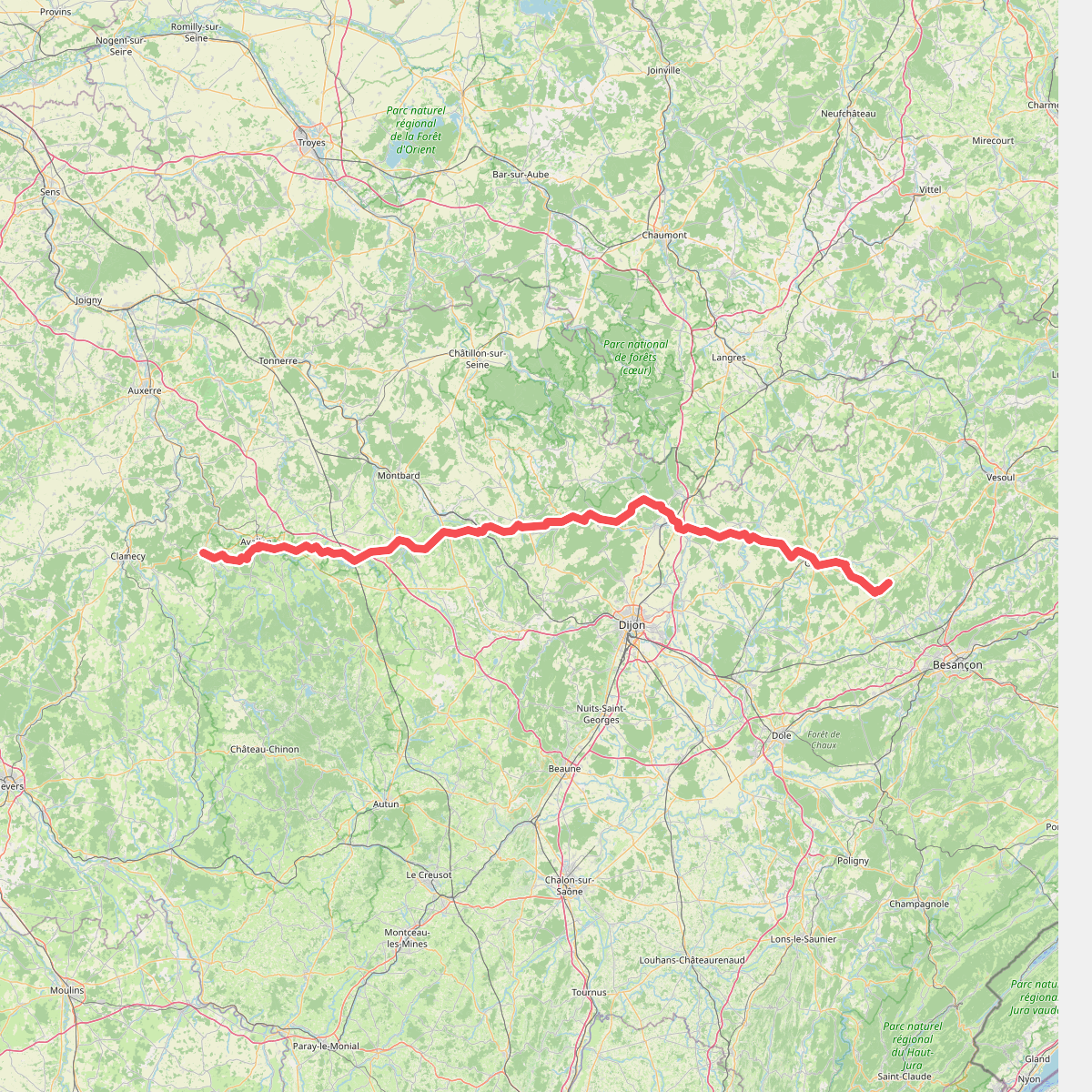
#3. Chemin des Hongrois · Gy – Vézelay
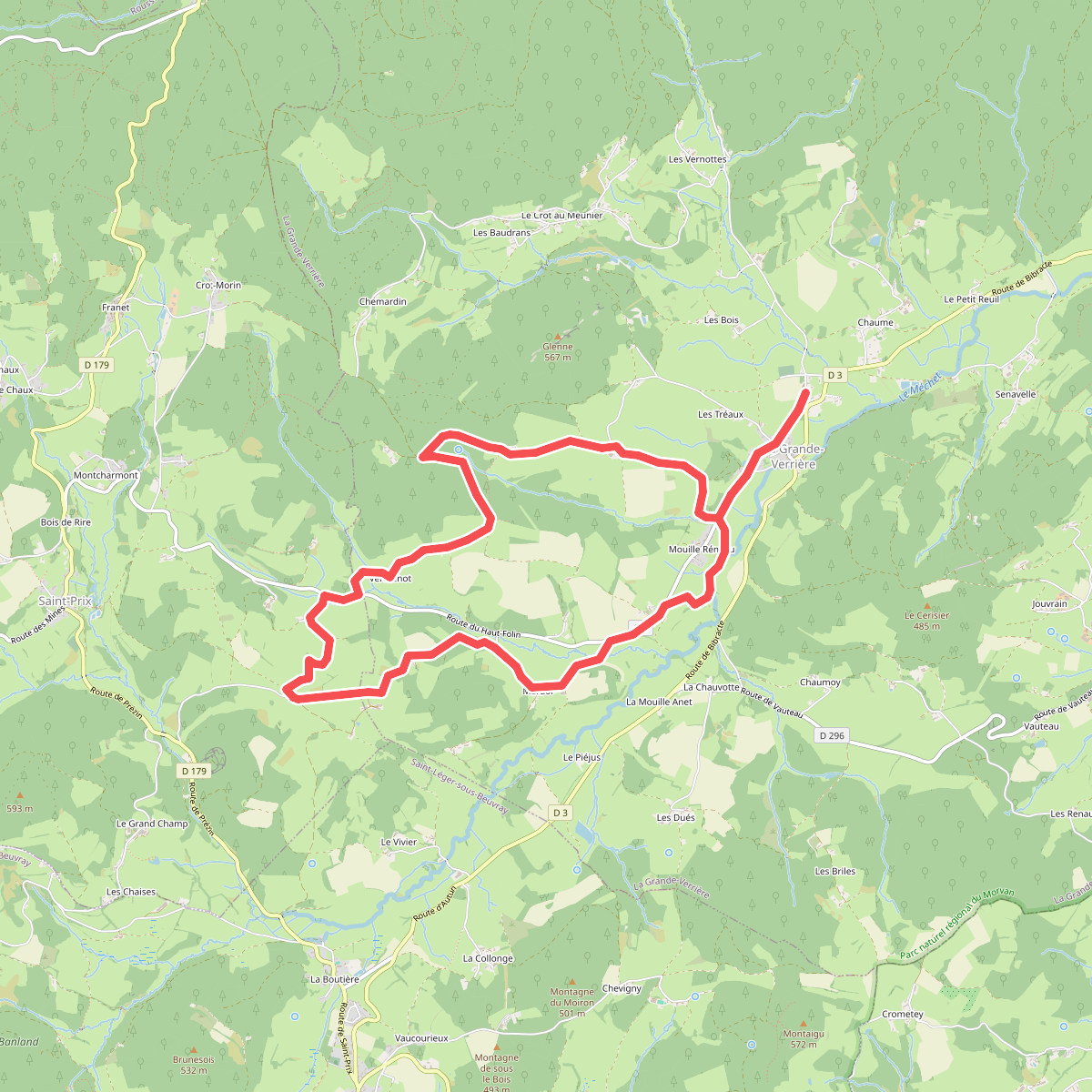
#4. Circuit de la Brillotte
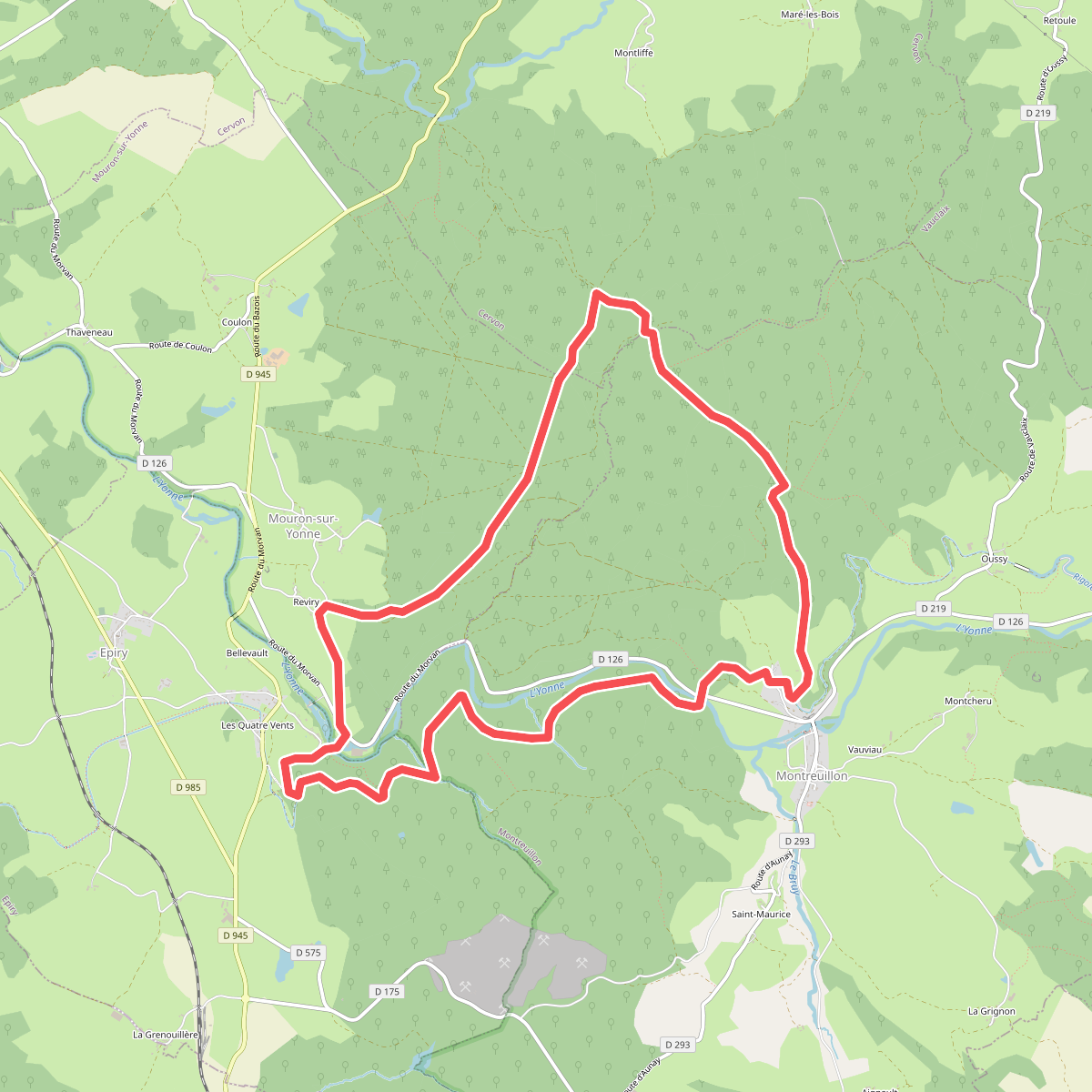
#5. Circuit de l'Aqueduc
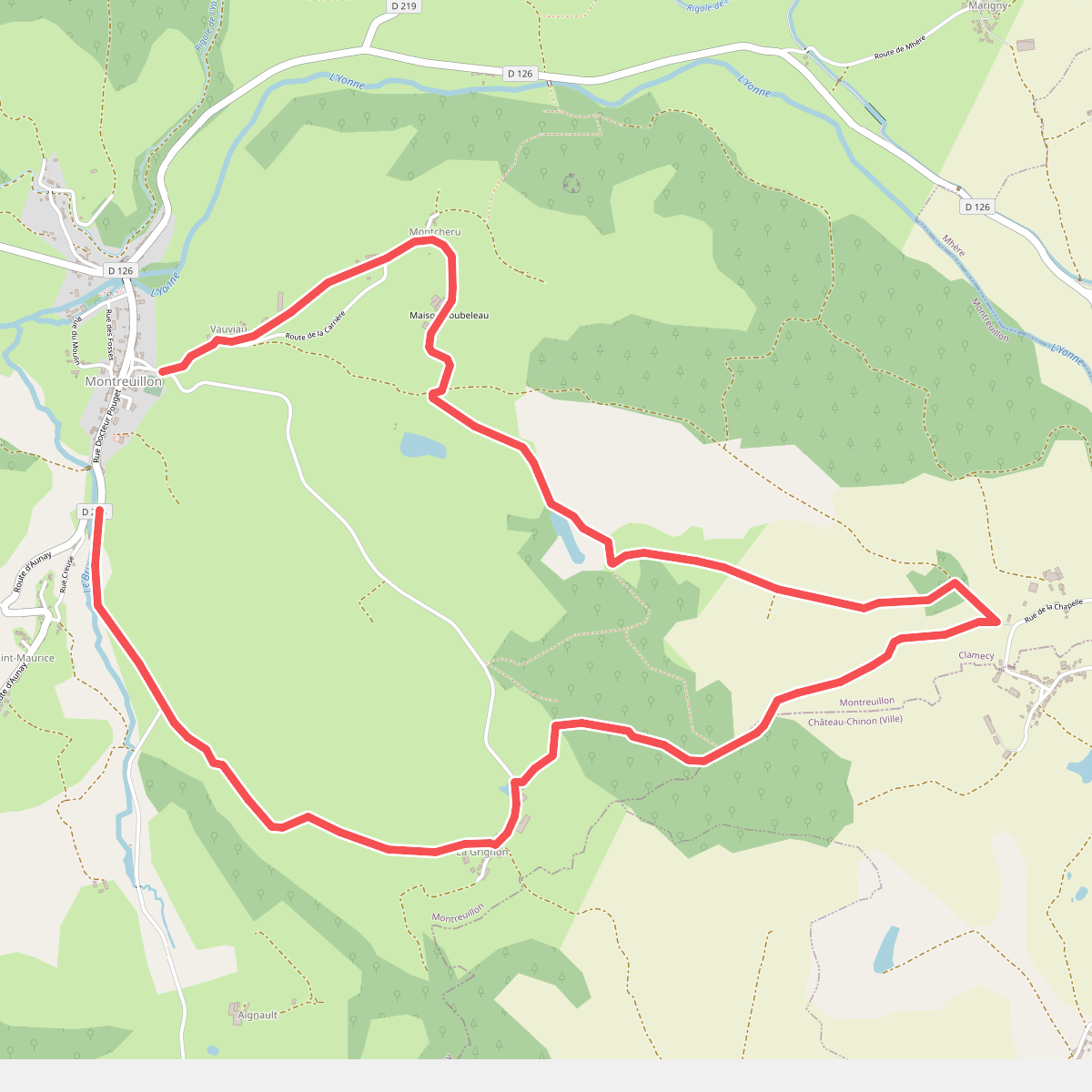
#6. Circuit de l'étang de Roule
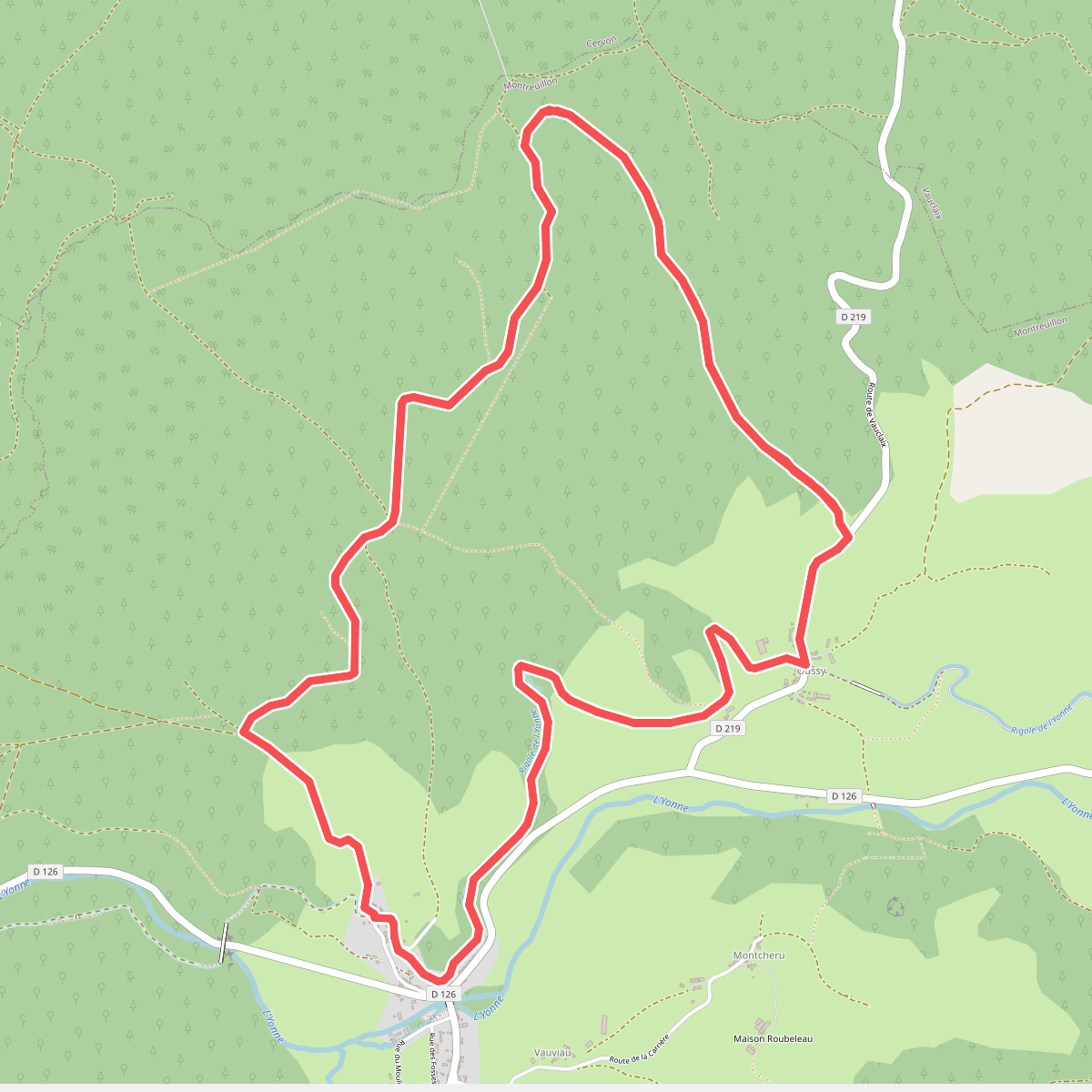
#7. Circuit de l'Euro
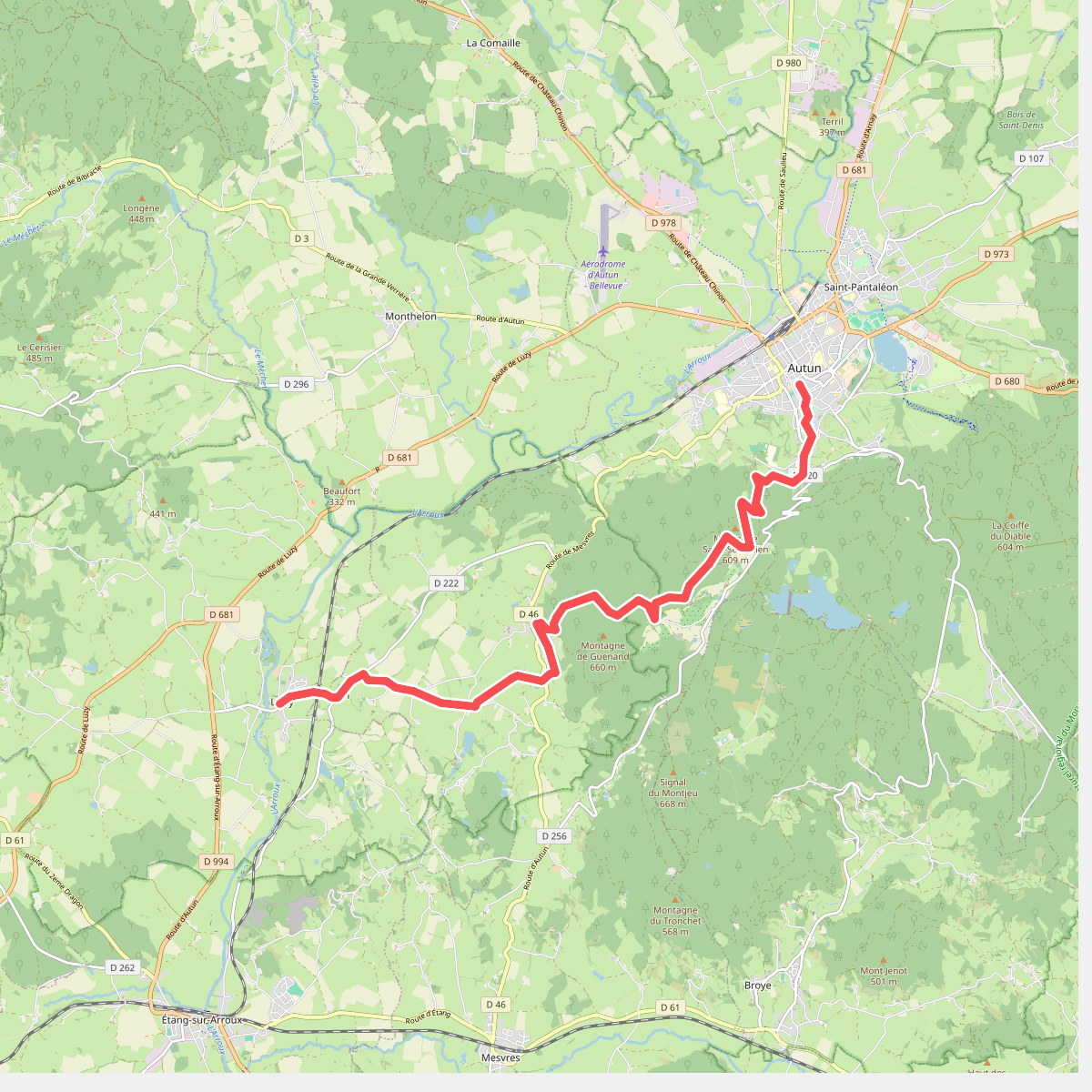
#8. D'Autun à Laizy
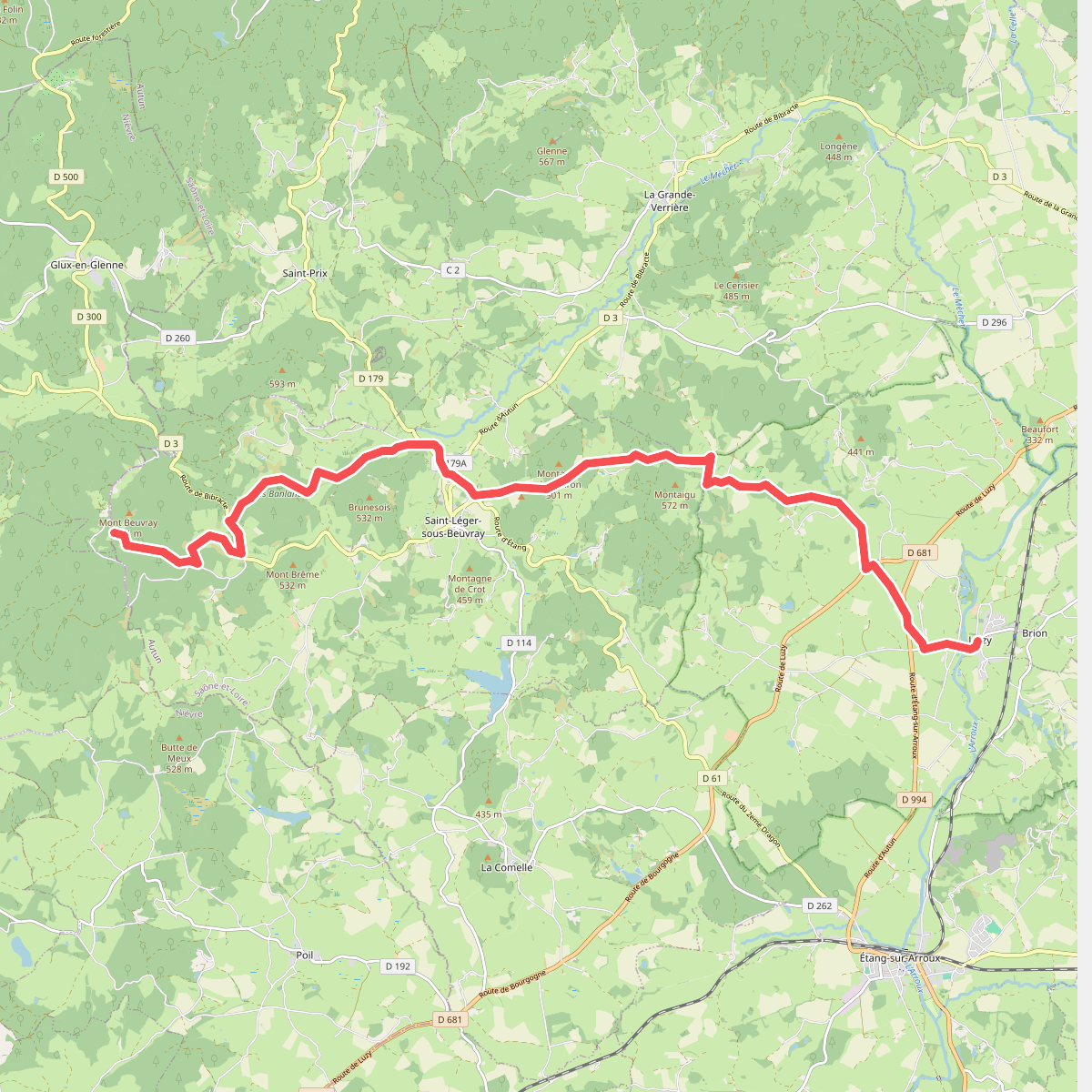
#9. De Laizy à Mont Beuvray
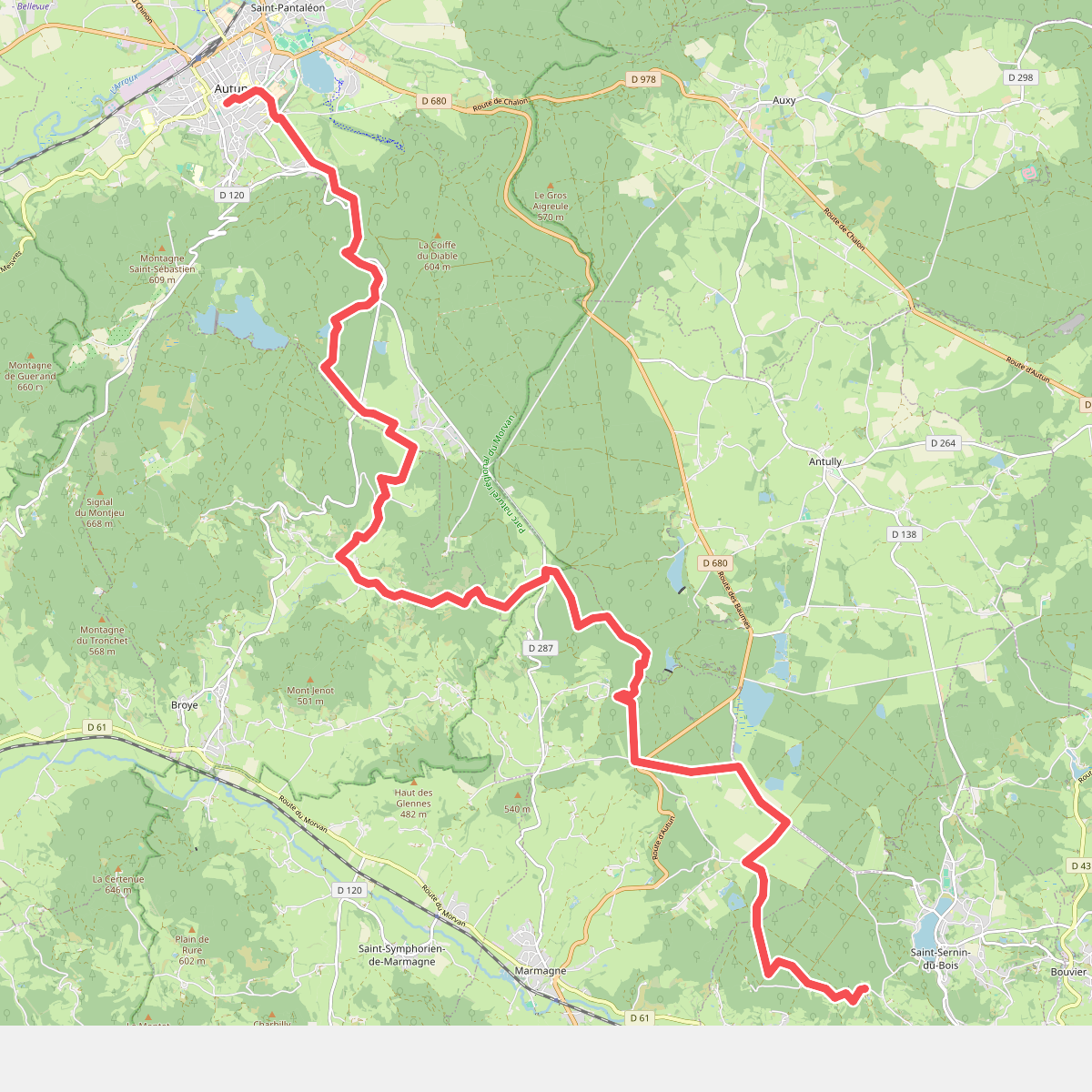
#10. De Saint-Sernin à Autun
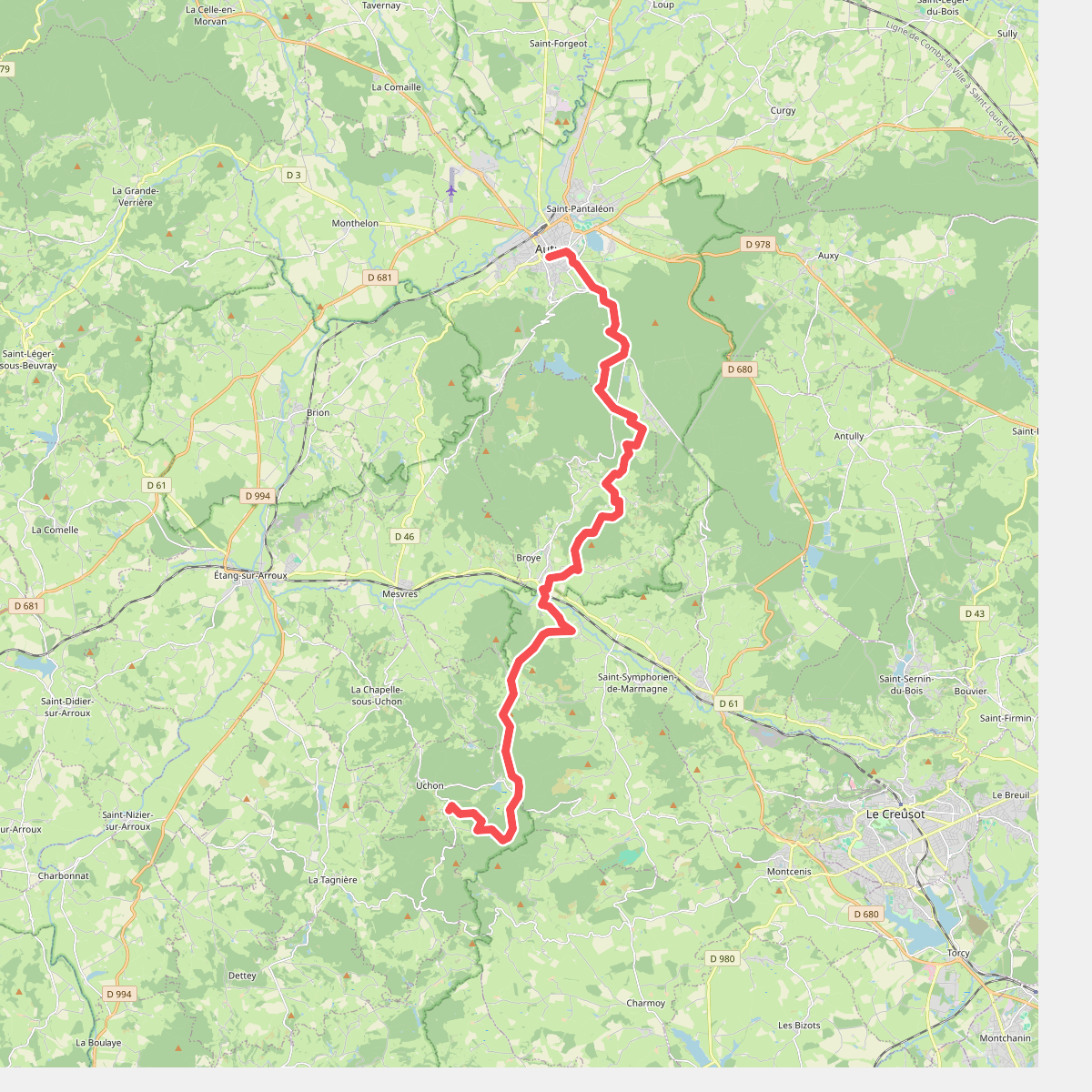
#11. De Signal d'Uchon à Autun