
The best hiking routes in Parc naturel régional des Grands Causses
Discover the best walks in Parc naturel régional des Grands Causses. 32 routes on the map, with descriptions, photos and GPX.
About Parc naturel régional des Grands Causses
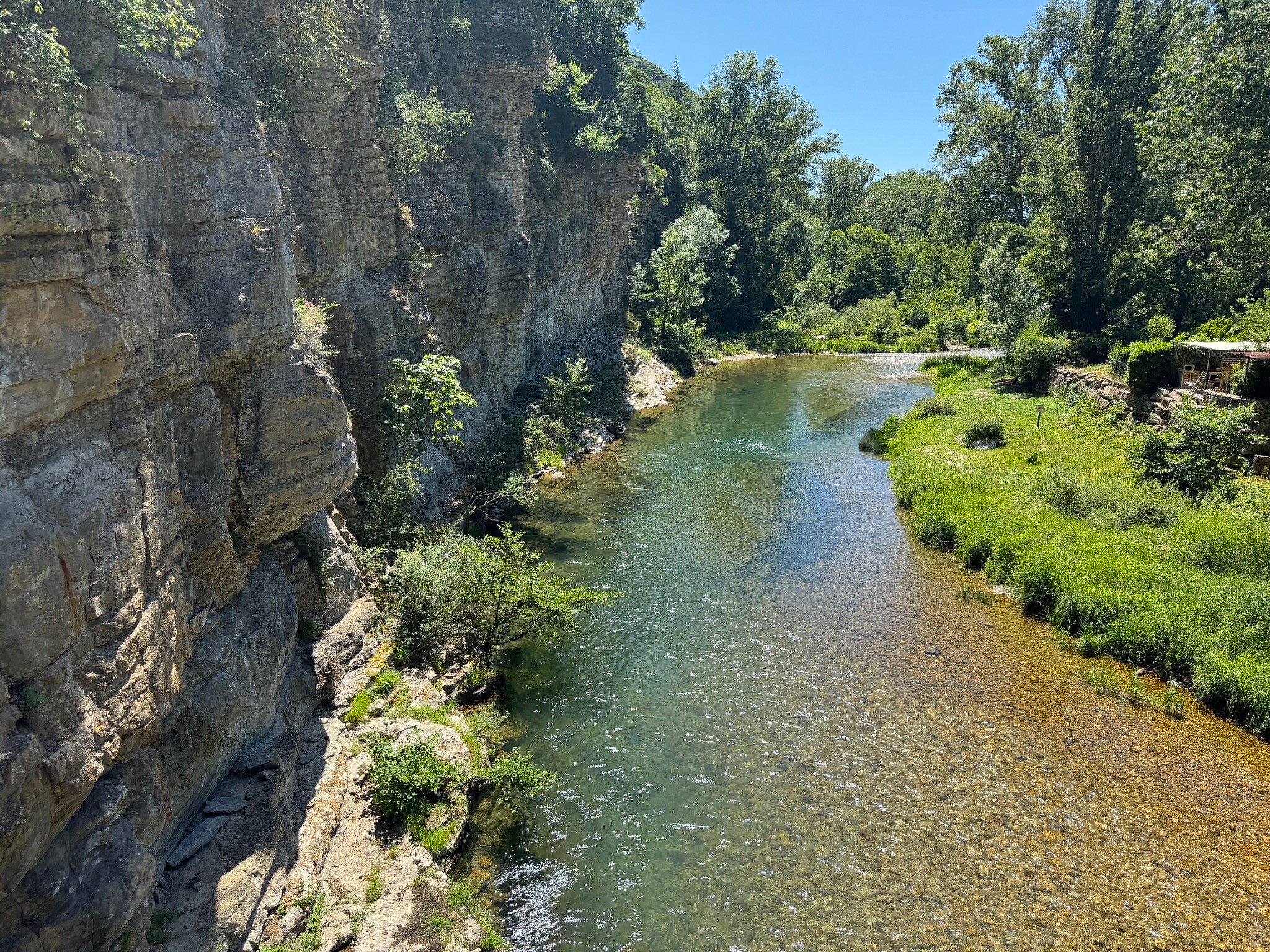
The Parc naturel régional des Grands Causses is defined by its massive, elevated limestone plateaus, known as causses, which are severed by deep, steep-sided river canyons like the Tarn and Jonte gorges. Walking here means navigating two starkly different environments. Up on the plateaus, the terrain is dry, open, and stony, dominated by vast sheep pastures, low boxwood shrubs, and exposed grey rock. In contrast, descending into the valleys brings you into dense deciduous woodland where the paths run parallel to fast-flowing rivers.
Read more
About Parc naturel régional des Grands Causses
The Parc naturel régional des Grands Causses is defined by its massive, elevated limestone plateaus, known as causses, which are severed by deep, steep-sided river canyons like the Tarn and Jonte gorges. Walking here means navigating two starkly different environments. Up on the plateaus, the terrain is dry, open, and stony, dominated by vast sheep pastures, low boxwood shrubs, and exposed grey rock. In contrast, descending into the valleys brings you into dense deciduous woodland where the paths run parallel to fast-flowing rivers.
Read moreThe Parc naturel régional des Grands Causses is defined by its massive, elevated limestone plateaus, known as causses, which are severed by deep, steep-sided river canyons like the Tarn and Jonte gorges. Walking here means navigating two starkly different environments. Up on the plateaus, the terrain is dry, open, and stony, dominated by vast sheep pastures, low boxwood shrubs, and exposed grey rock. In contrast, descending into the valleys brings you into dense deciduous woodland where the paths run parallel to fast-flowing rivers.
Underfoot, the trails vary from rough, loose limestone scree on the steep descents to dusty clay and gravel tracks across the flat plateau tops. You will frequently encounter karst features directly beside the path, including sinkholes, natural stone arches, and dry stone walls built by generations of sheep farmers. Water is scarce on the high ground, so there are few natural springs along the ridge routes, making the valley floors the only reliable source of shade and water.
This is not a high alpine landscape of jagged peaks, nor is it a soft, rolling woodland. It is a dry, sun-baked steppe sitting directly above humid, forested ravines. In May and June, the arid plateaus are briefly colored by wild orchids and flowering grasses before the summer heat dries the vegetation to a pale yellow. The main walking routes are well-marked, but the rocky ground requires sturdy footwear to cope with the sharp, uneven stones.
Hiking routes in Parc naturel régional des Grands Causses (32)
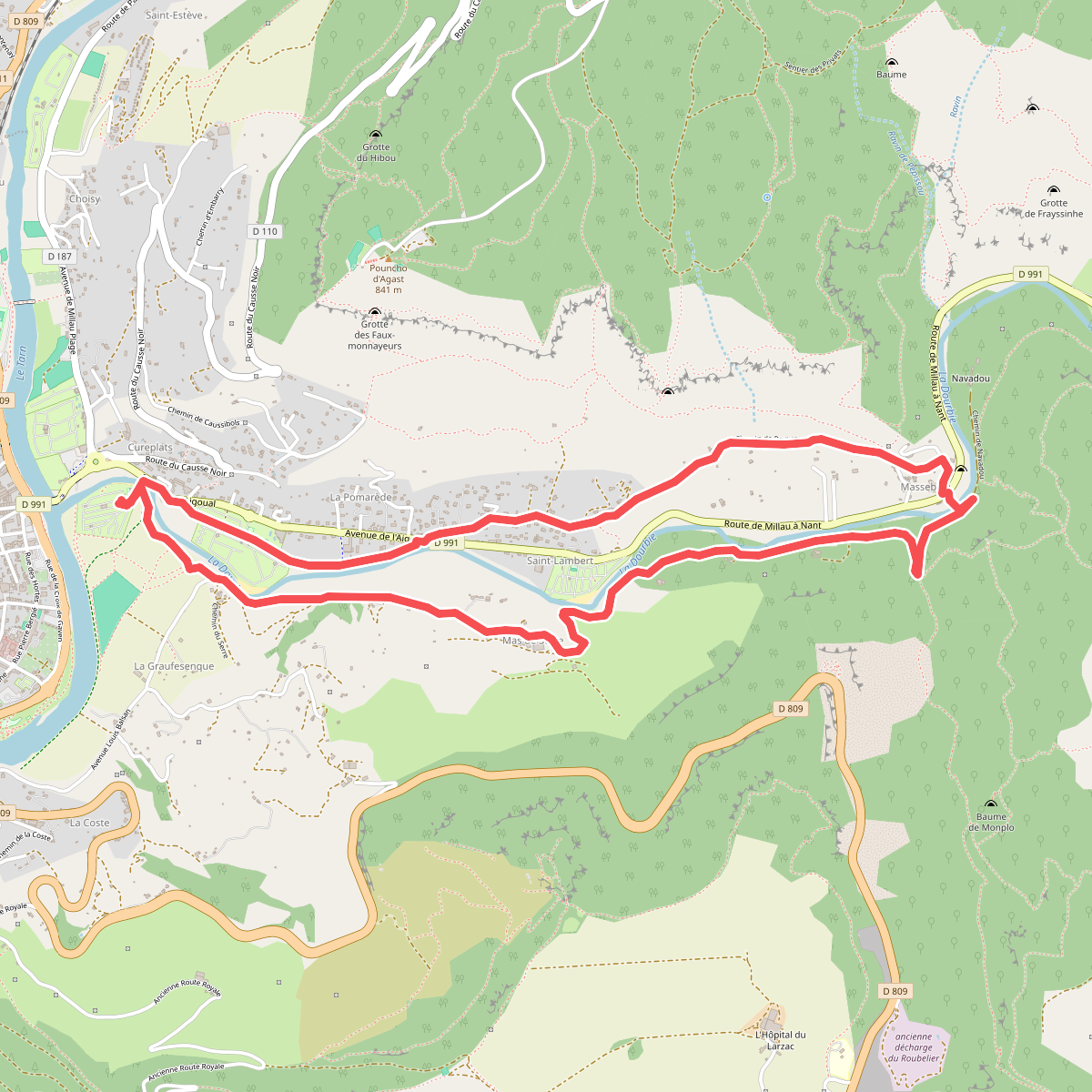
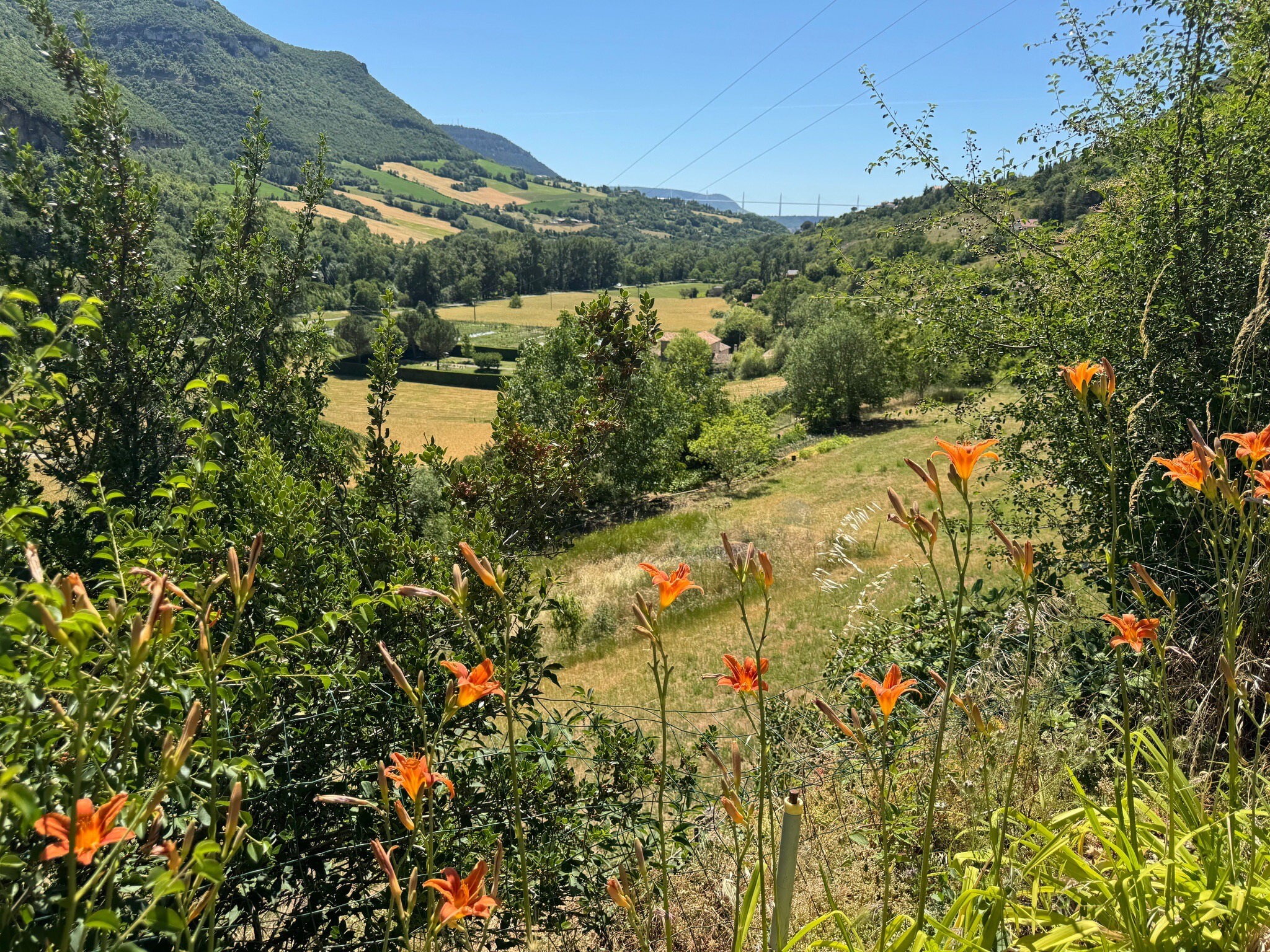
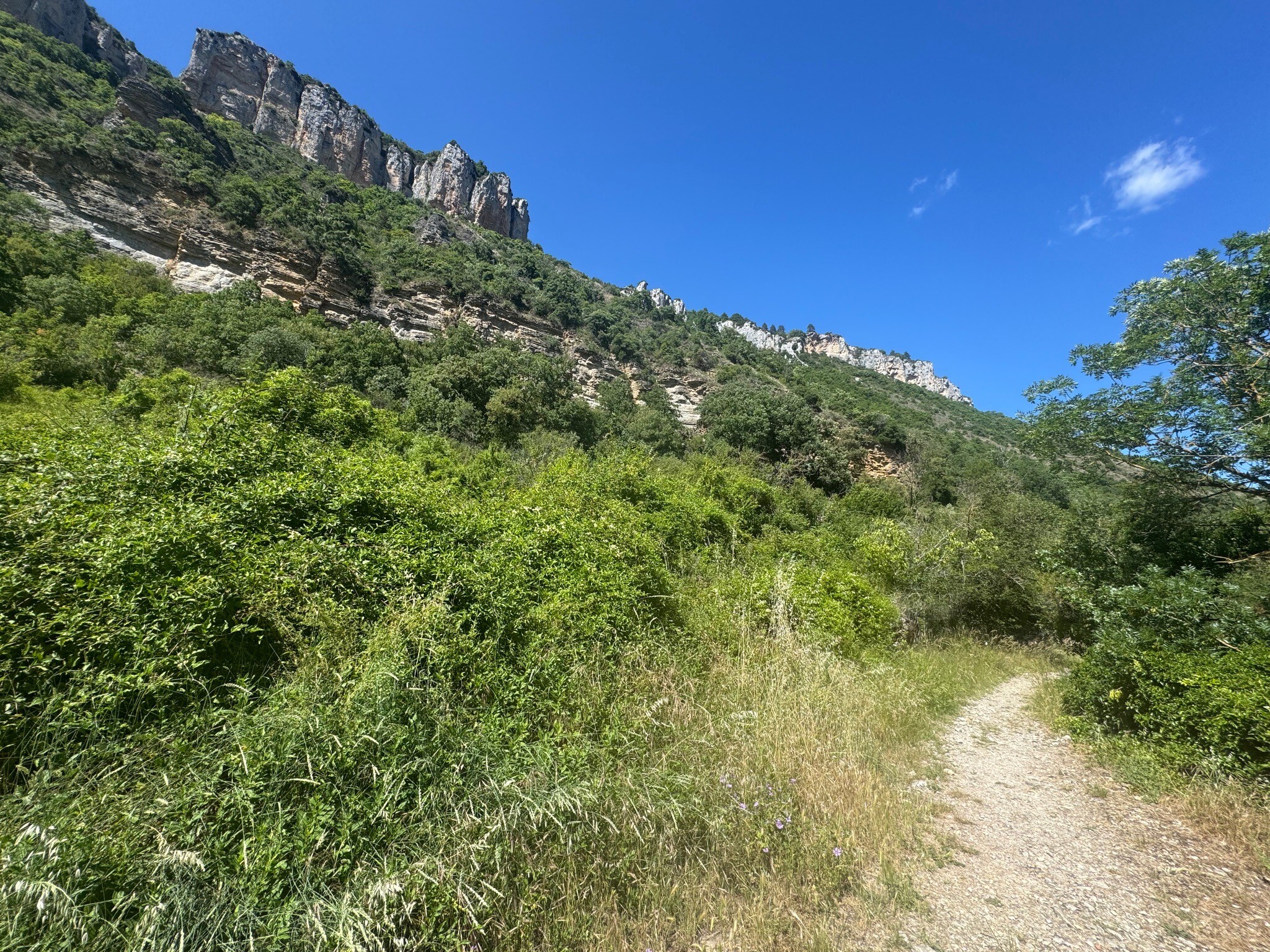
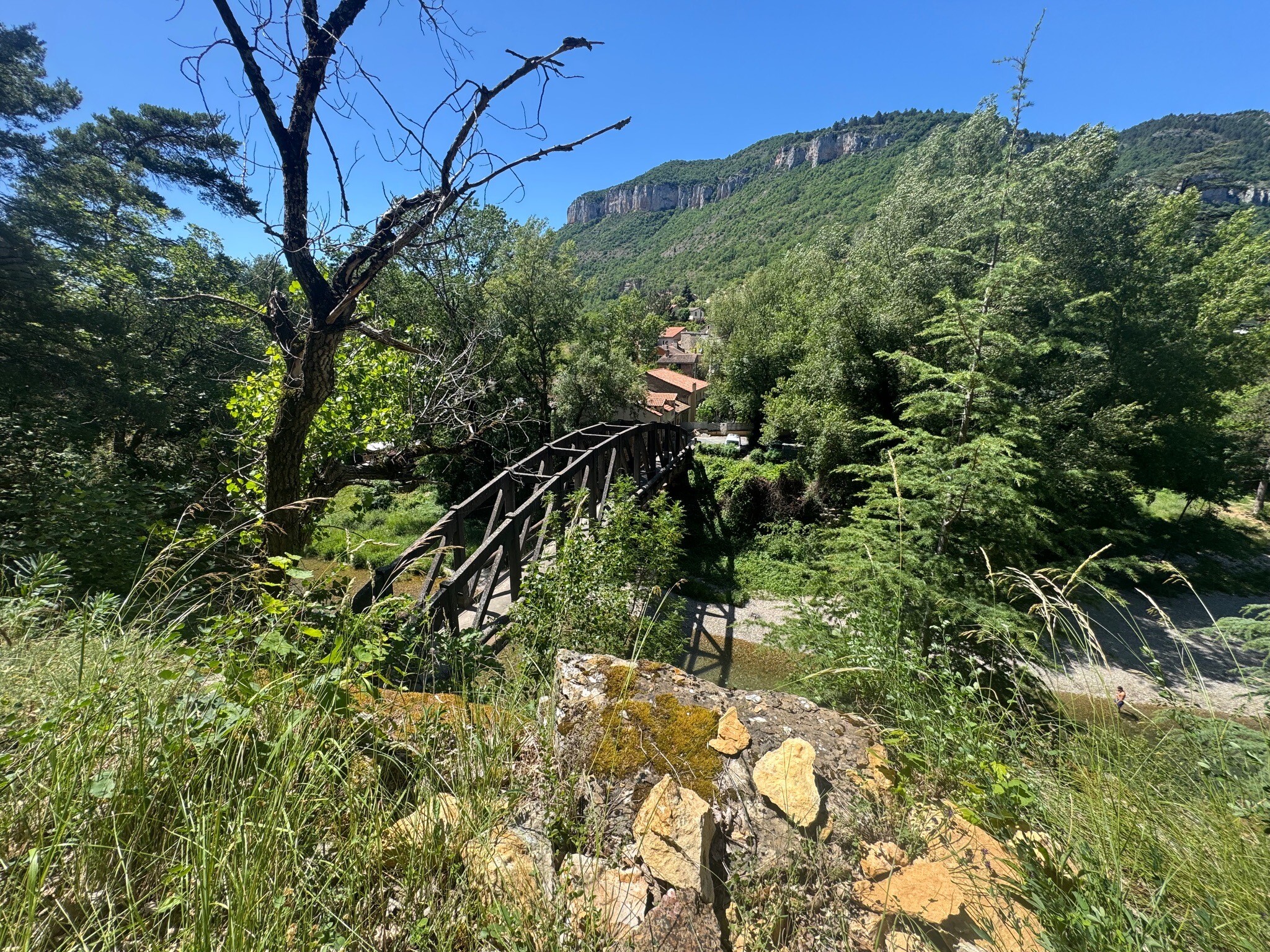
#1. Rondje langs de rivier Dourbie tot aan Massebiau
Millau
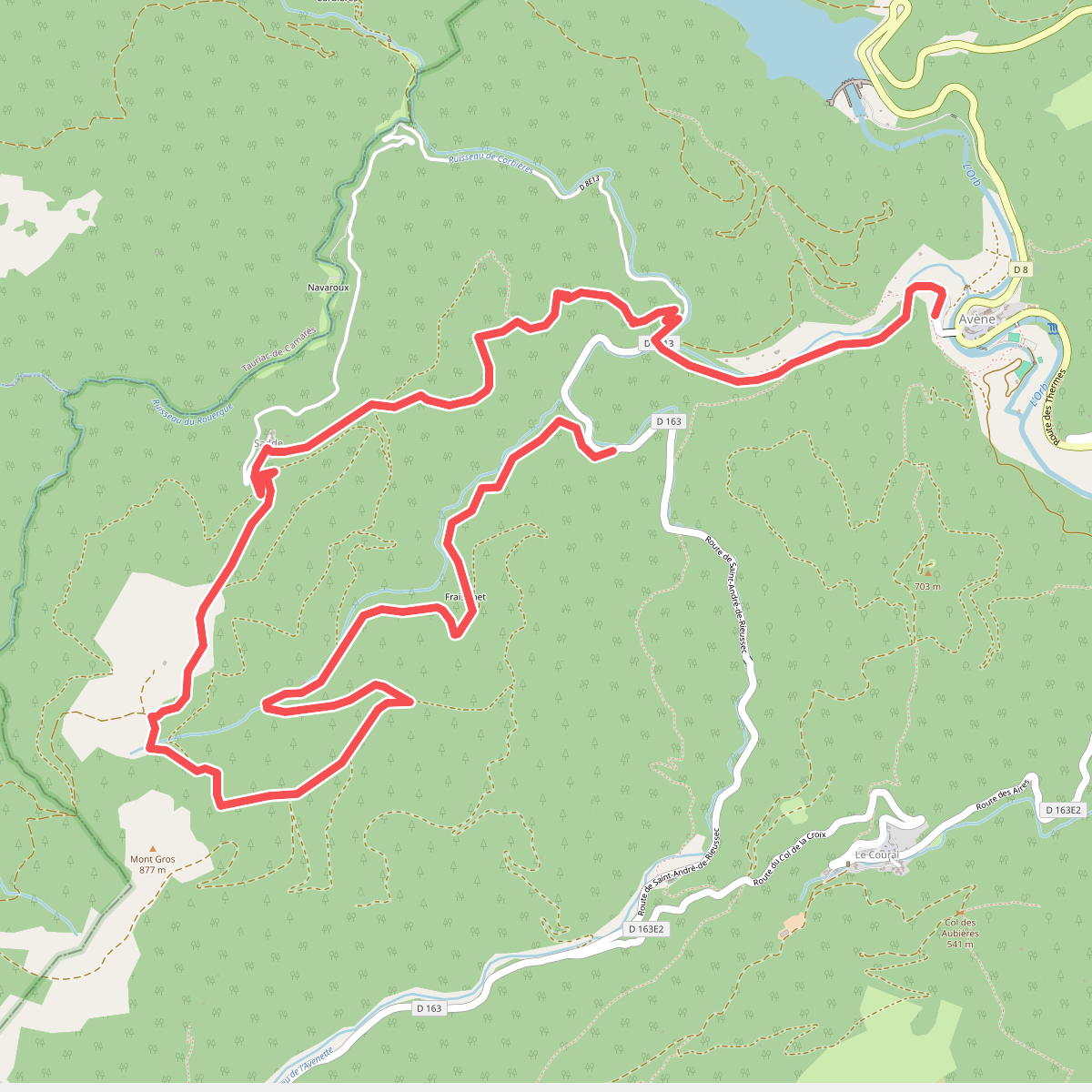
#2. Avène La Plaine de Sadde
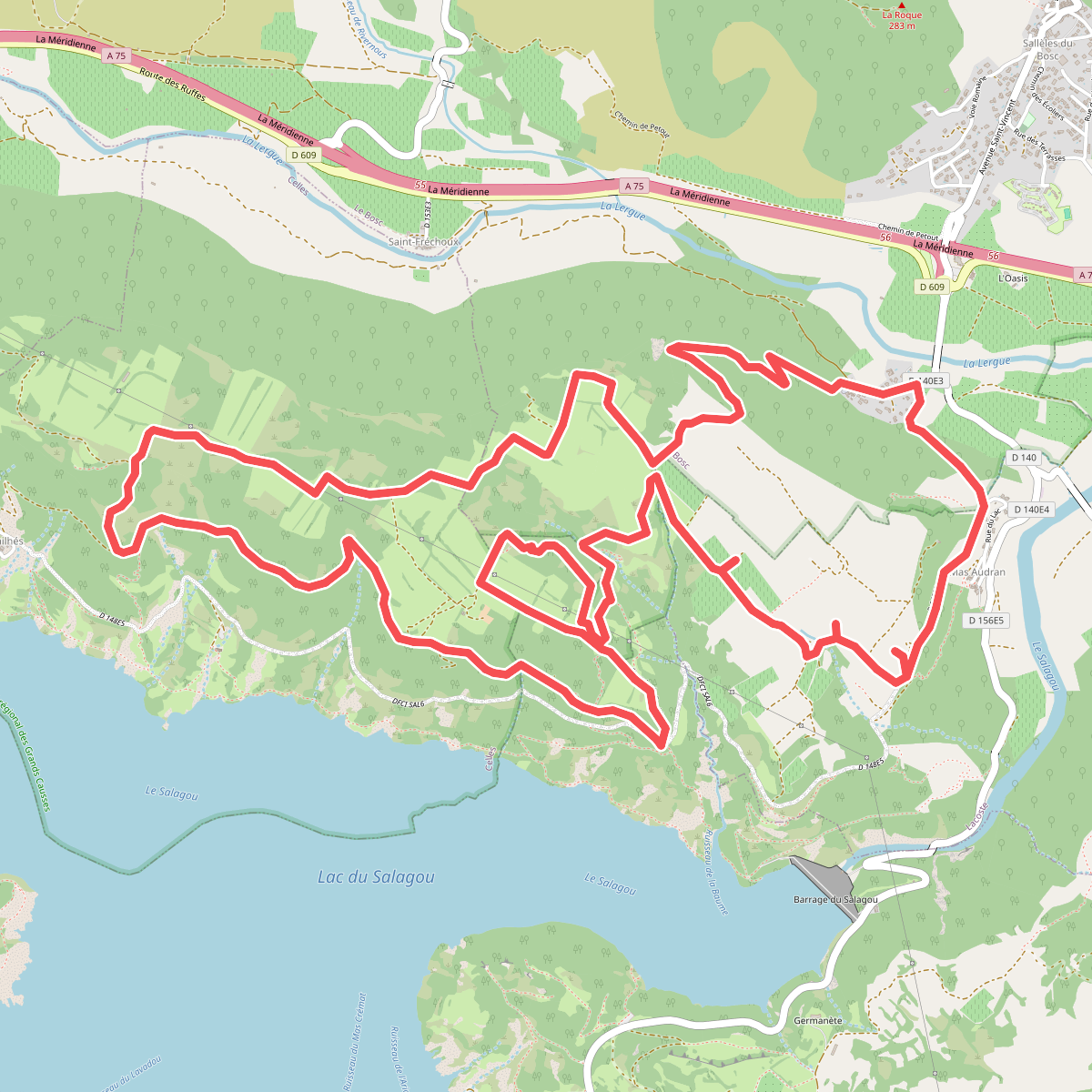
#3. Circuit des Capitelles du Salagou
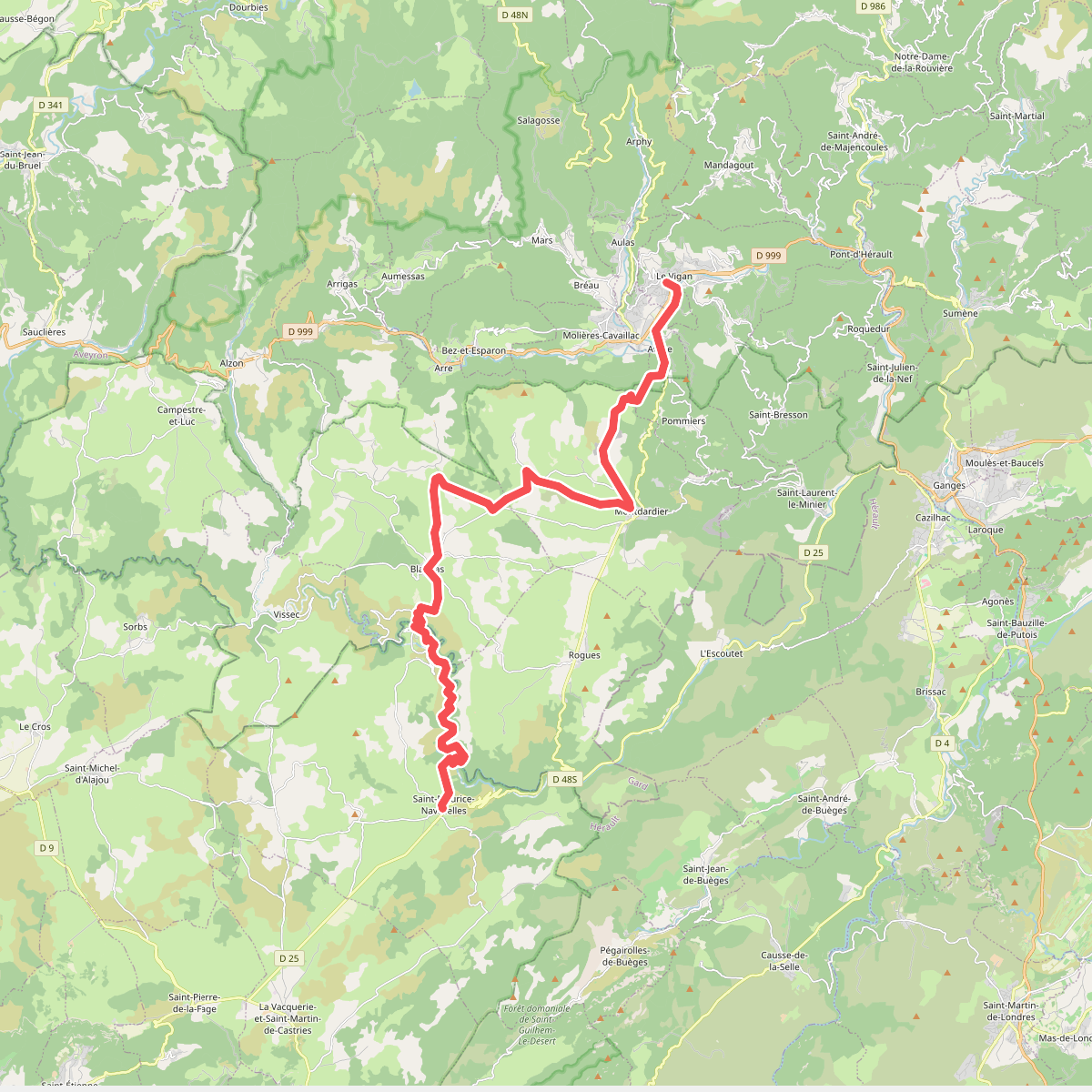
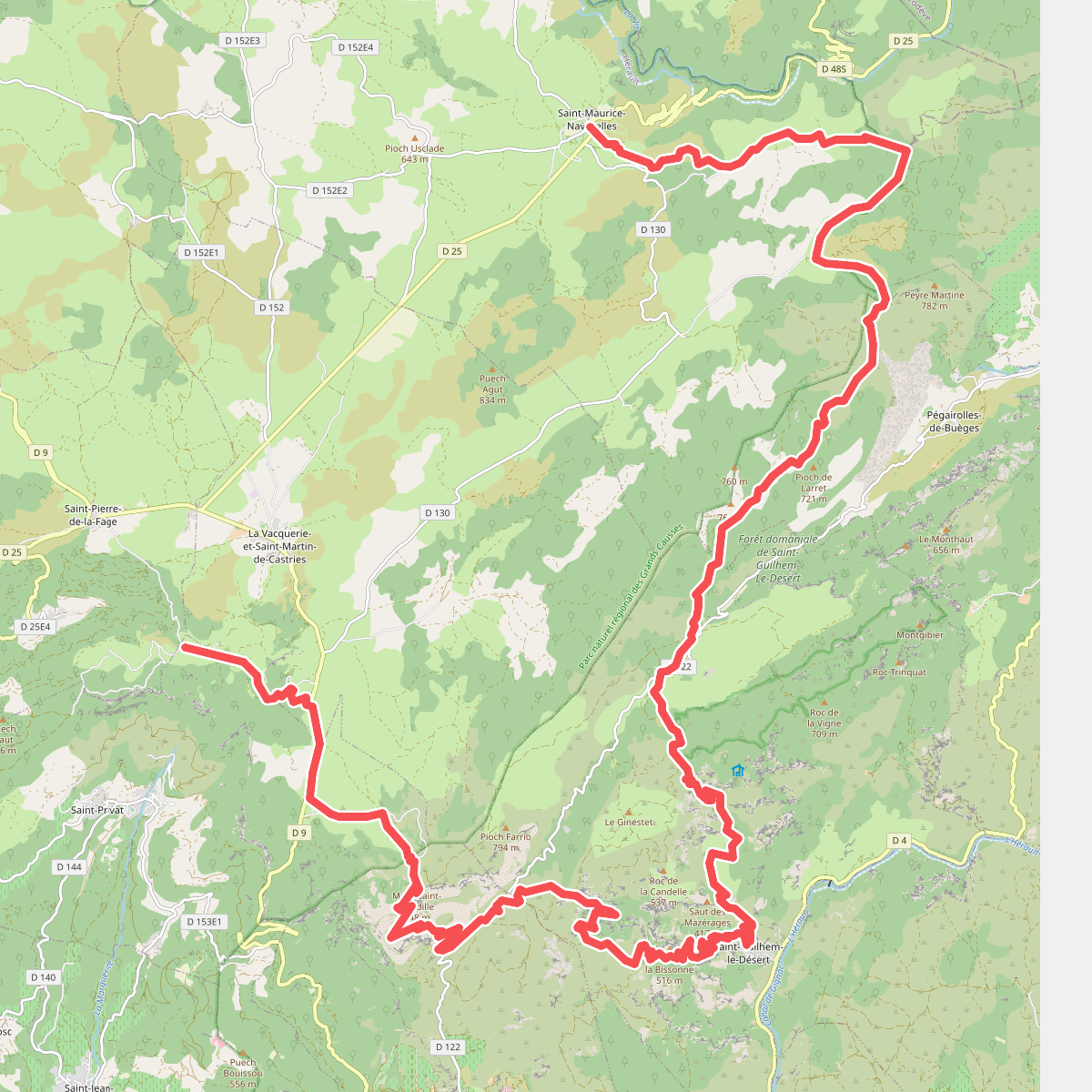
#4. CSG 10 : Le Vigan - Saint-Maurice-Navacelles
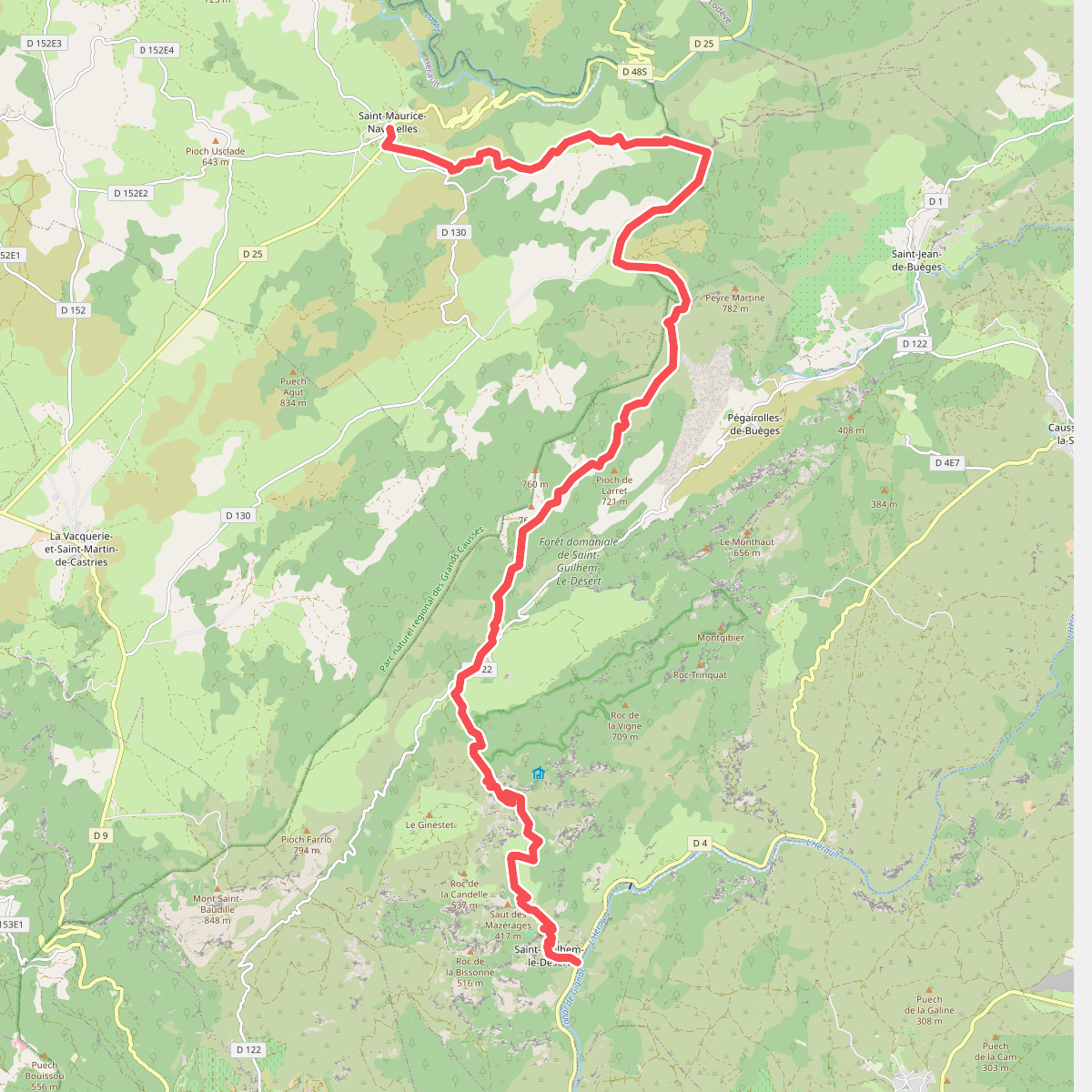
#5. CSG 11 : Saint-Maurice-Navacelles - Saint-Guilhem-le-Désert
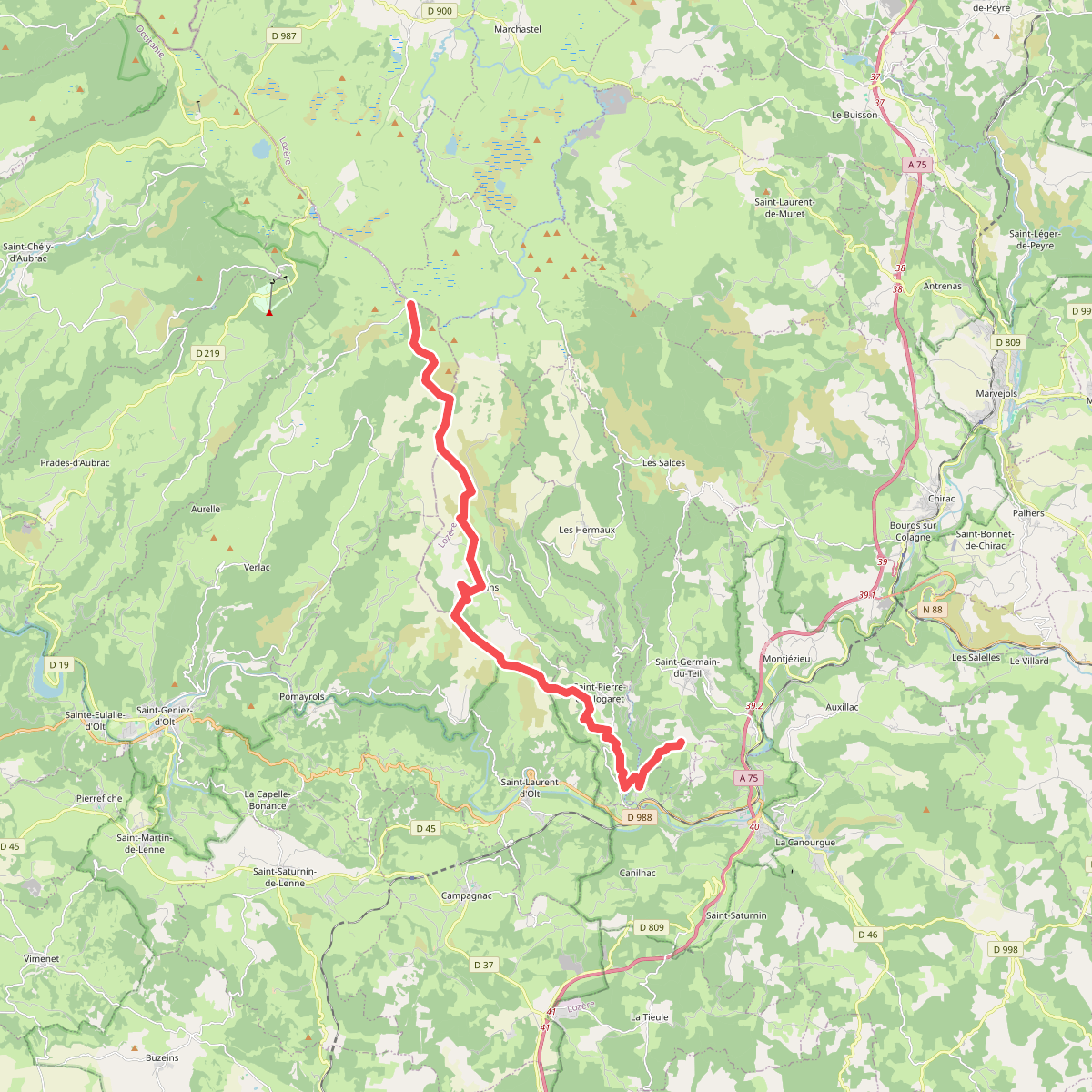
#6. CSG V2 : Croix de la Rode - Croix du Pré de Bourgade
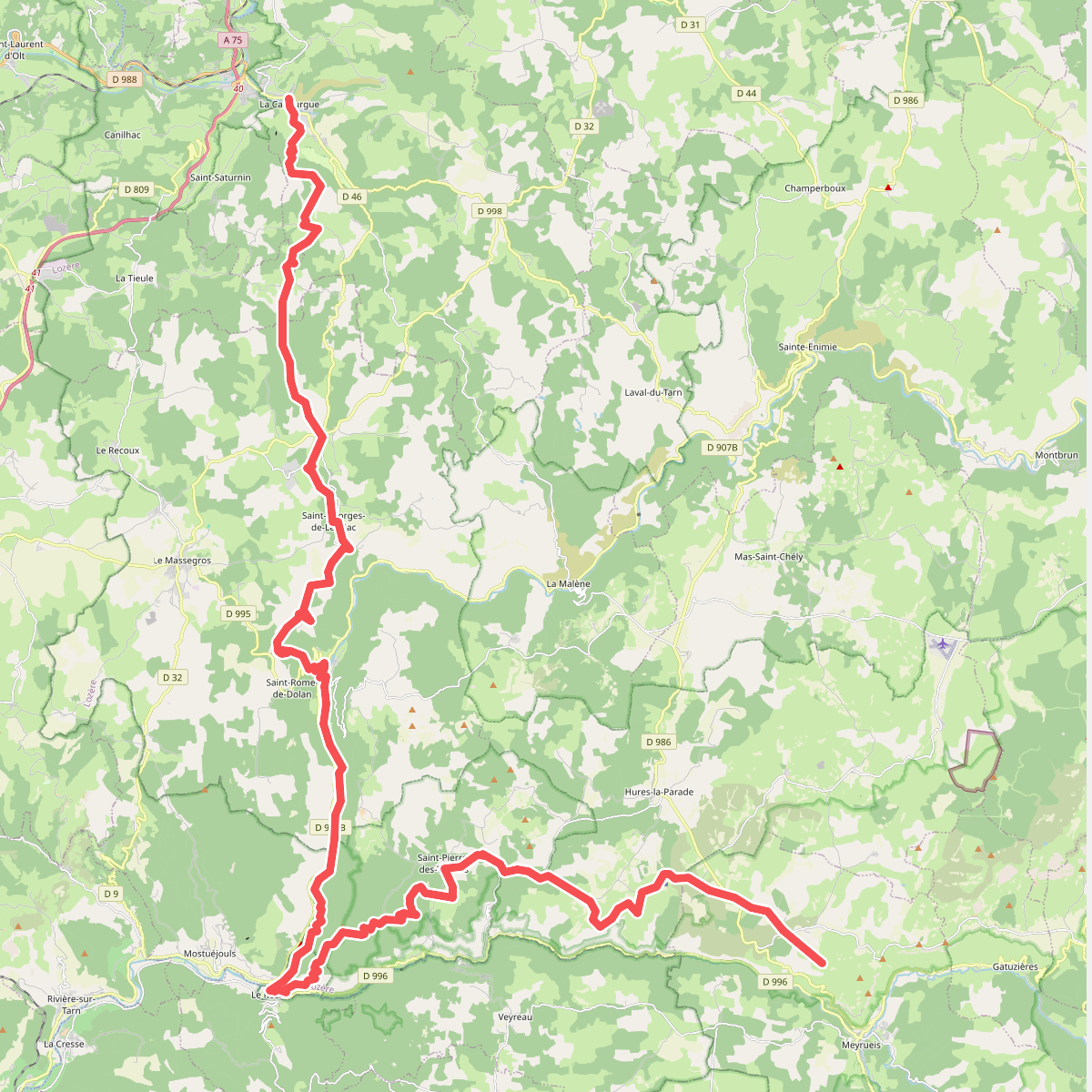
#7. CSG V3 : La Canourgue - Croix de la Croisette
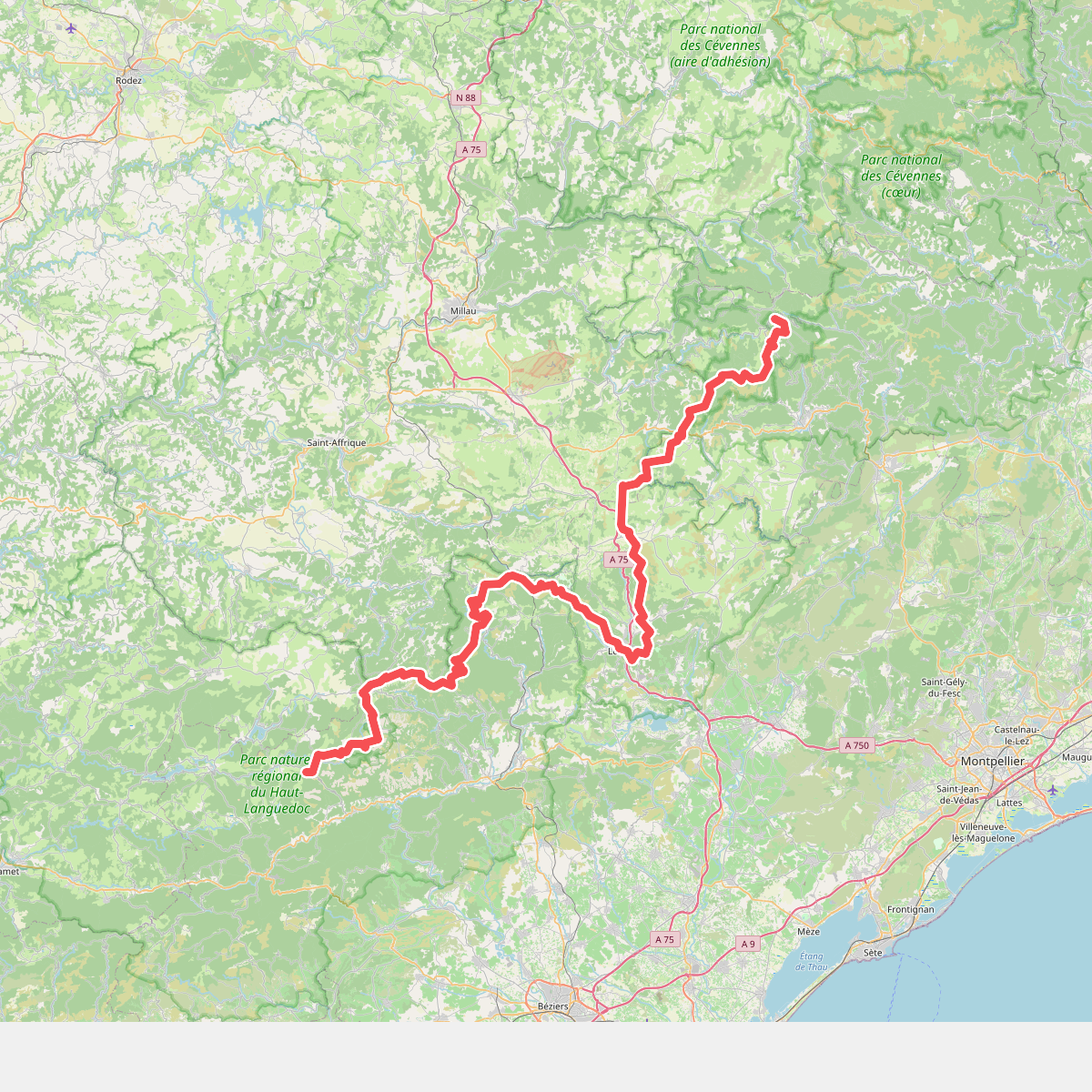
#8. De l'Espérou (Gard) au col de Fontfroide (Hérault)
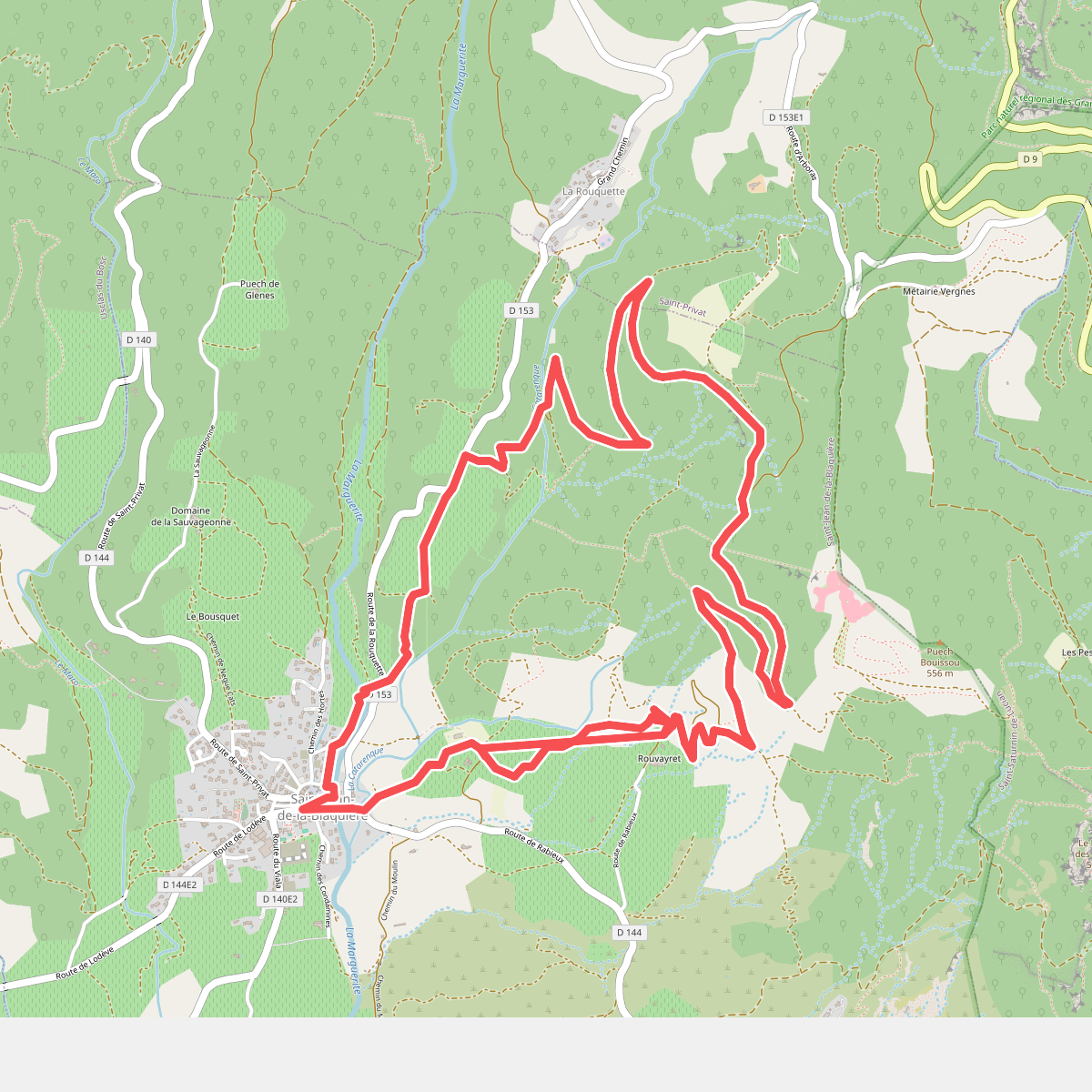
#9. Des bois de Homs et de Latuder
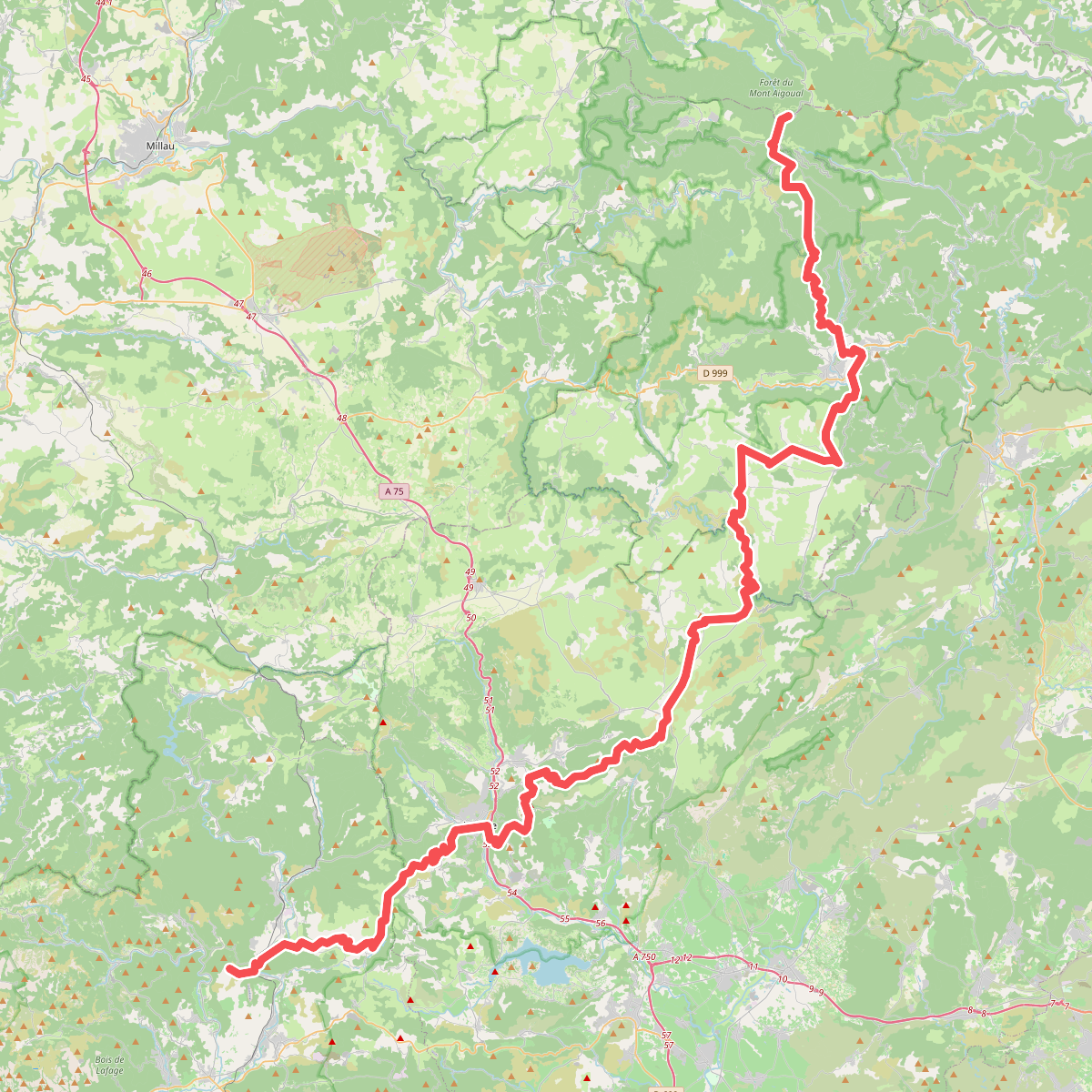
#10. Des Vosges aux Pyrénées 05, Prat Peyrot - Boussagues
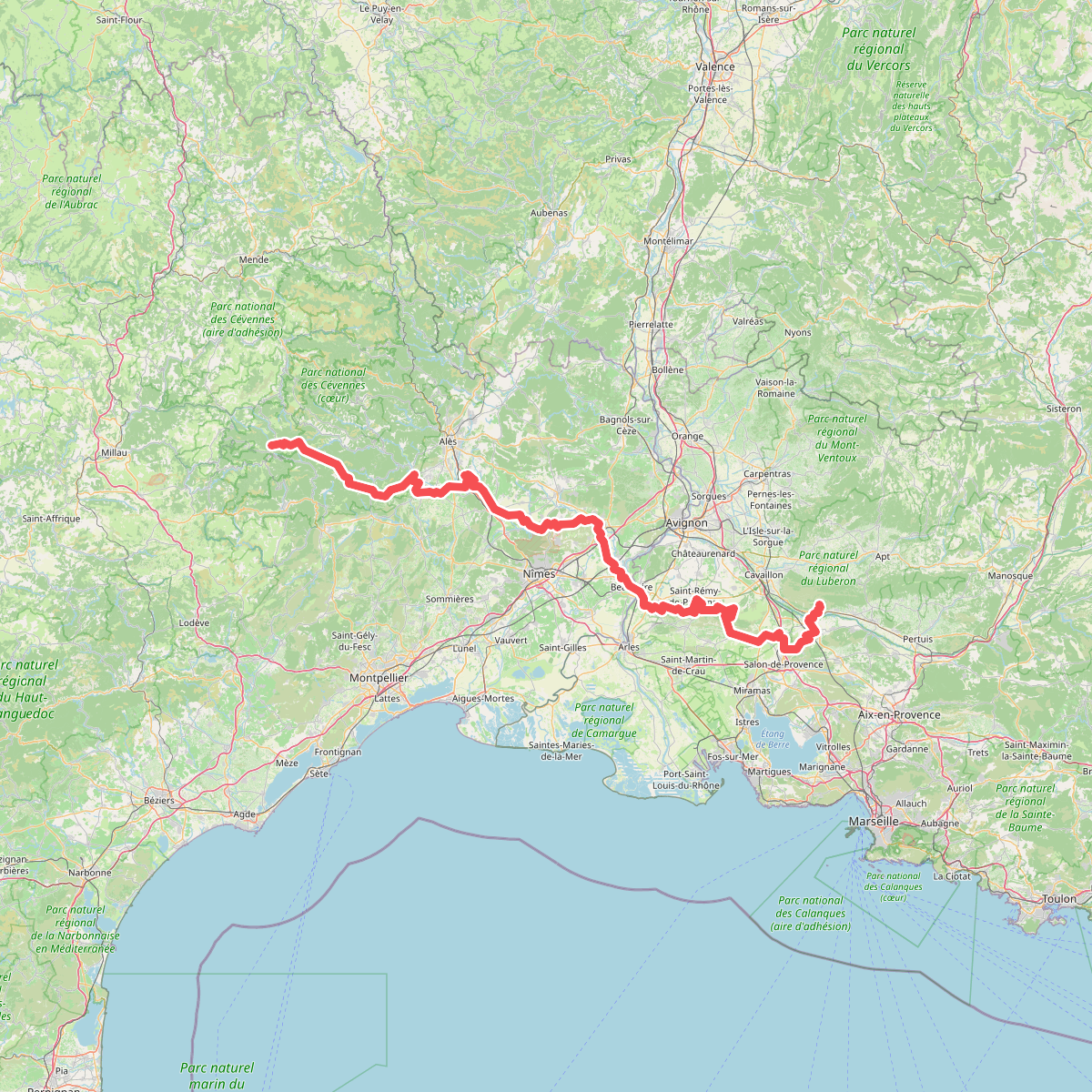
#11. European long distance path E7 · relation 11867252