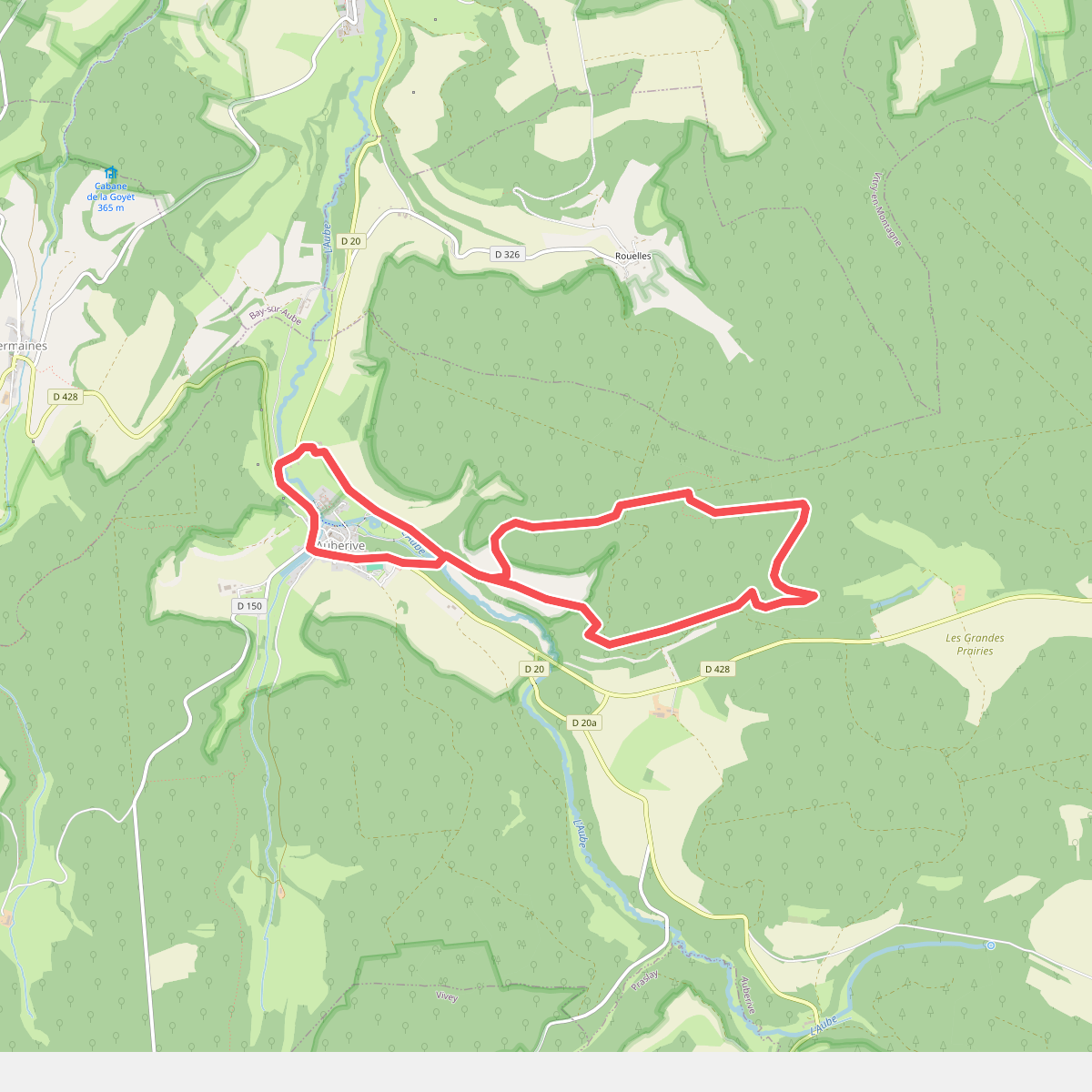

The best hiking routes in Parc national de forêts (cœur)
Discover the best walks in Parc national de forêts (cœur). 13 routes on the map, with descriptions, photos and GPX.
About Parc national de forêts (cœur)
The Parc national de forêts (cœur) is characterized by vast, dense deciduous woodlands dominated by ancient beech and oak trees. Unlike mountainous parks, this landscape consists of a gently rolling limestone plateau cut by shallow, damp valleys. Walkers will notice a forest floor rich in limestone debris, where moss-covered stones and clay soils dictate the footing. The area is defined by its deep forest interior rather than open vistas, offering a closed canopy that creates a quiet, shaded environment for miles.
Read more
About Parc national de forêts (cœur)
The Parc national de forêts (cœur) is characterized by vast, dense deciduous woodlands dominated by ancient beech and oak trees. Unlike mountainous parks, this landscape consists of a gently rolling limestone plateau cut by shallow, damp valleys. Walkers will notice a forest floor rich in limestone debris, where moss-covered stones and clay soils dictate the footing. The area is defined by its deep forest interior rather than open vistas, offering a closed canopy that creates a quiet, shaded environment for miles.
Read moreThe Parc national de forêts (cœur) is characterized by vast, dense deciduous woodlands dominated by ancient beech and oak trees. Unlike mountainous parks, this landscape consists of a gently rolling limestone plateau cut by shallow, damp valleys. Walkers will notice a forest floor rich in limestone debris, where moss-covered stones and clay soils dictate the footing. The area is defined by its deep forest interior rather than open vistas, offering a closed canopy that creates a quiet, shaded environment for miles.
Underfoot, the trails are mostly natural forest tracks, which can be muddy and heavy after rainfall due to the clay-rich soil, interspersed with stony limestone paths. There are no boardwalks or paved promenades here. Water is a subtle but constant presence, with small tufa springs and clear forest streams like the Ource filtering through the valleys. In spring, particularly around April, the forest floor is briefly carpeted with wild garlic and anemones before the thick summer canopy closes.
This park is not a destination for dramatic peaks or sweeping panoramic views. Instead, it offers a consistent, deep-woods experience where the main variation comes from transitioning between dry plateau woods and the slightly cooler, damp valley bottoms. Because the core zone has strict protection rules, the trails are simple and signposting is kept minimal, making it best suited for walkers who prefer quiet, self-guided navigation through a working, natural forest.
Hiking routes in Parc national de forêts (cœur) (13)
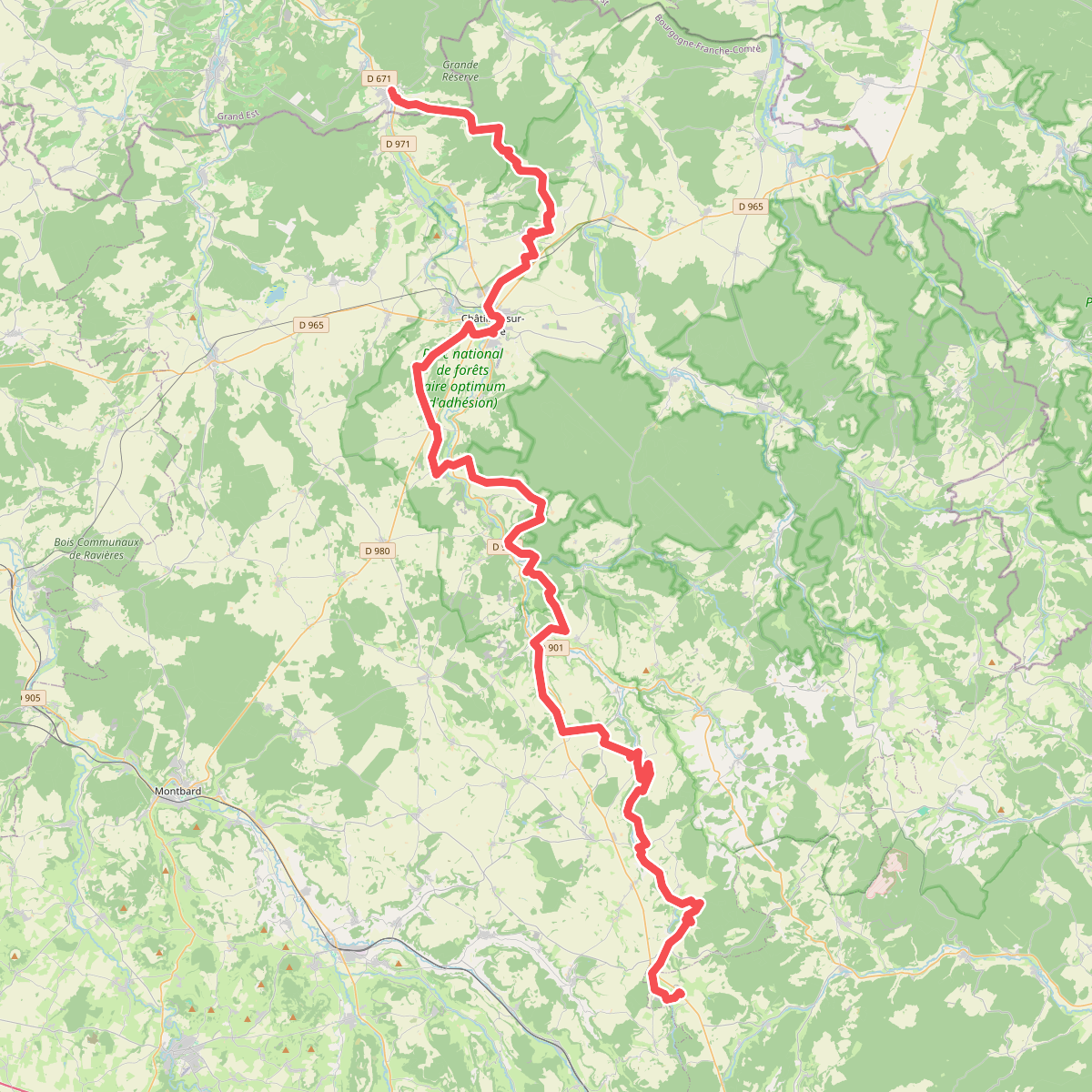
#1. Au fil de la Seine · GR 2
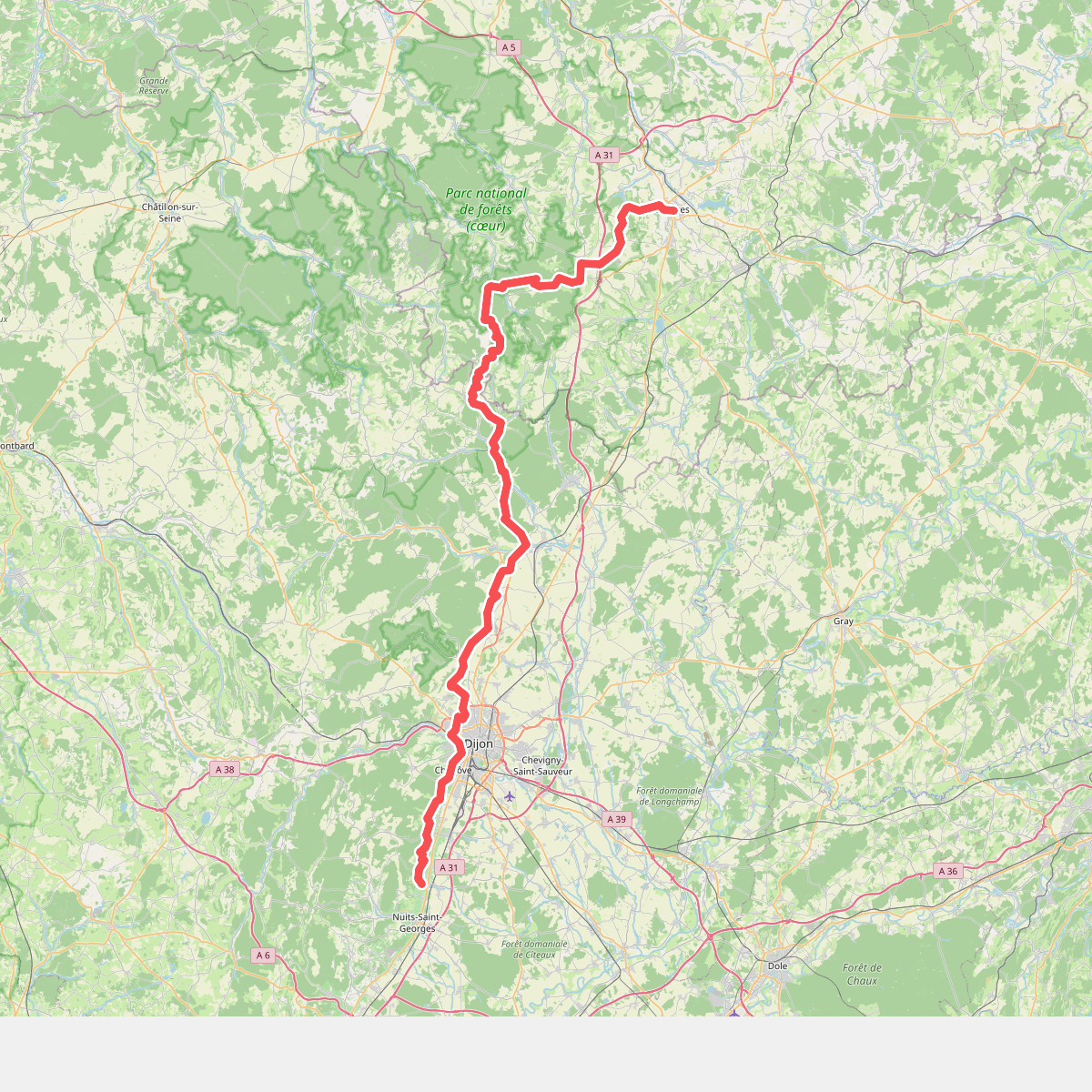
#2. Chemin des Allemands · Langres – Vougeot
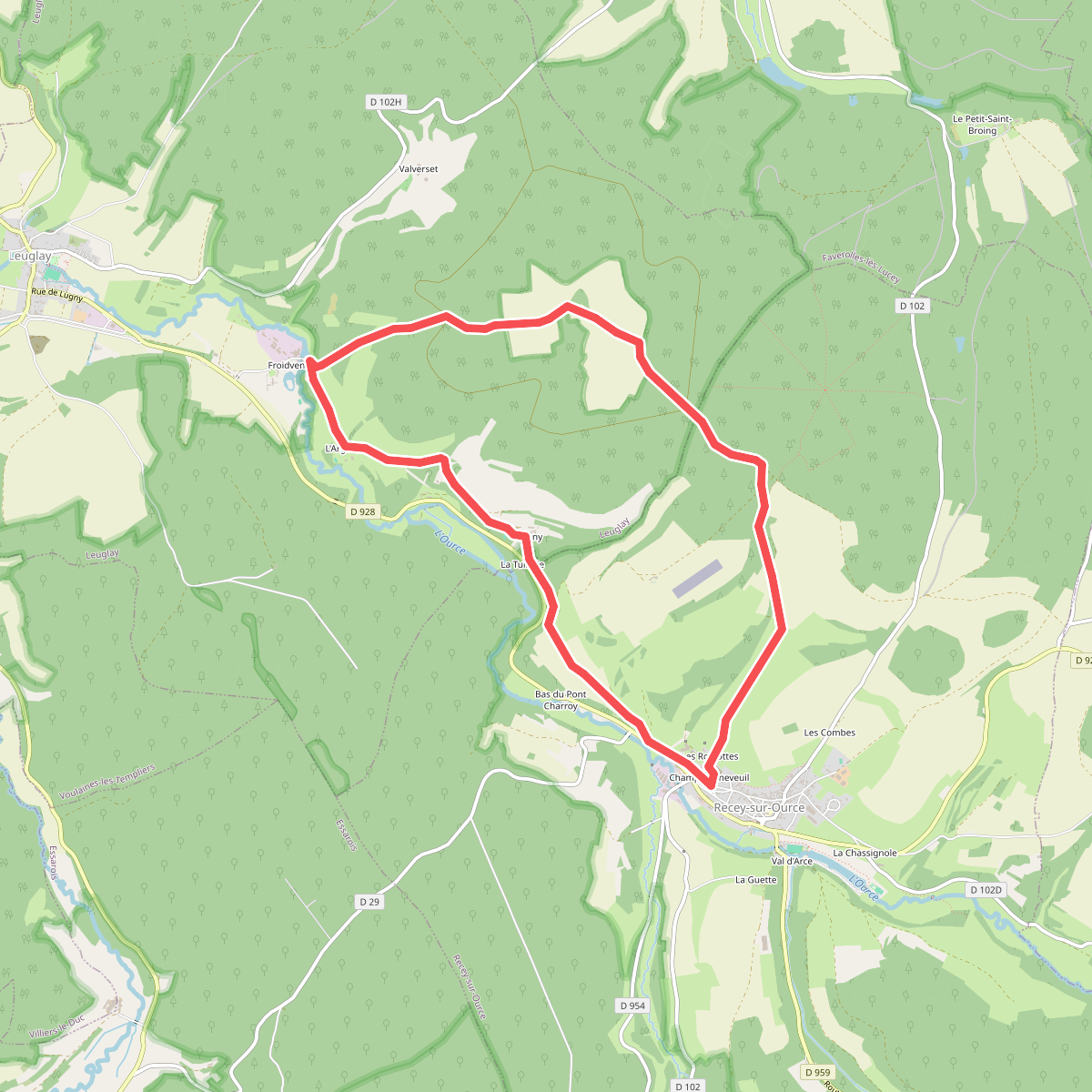
#3. Circuit de Lugny
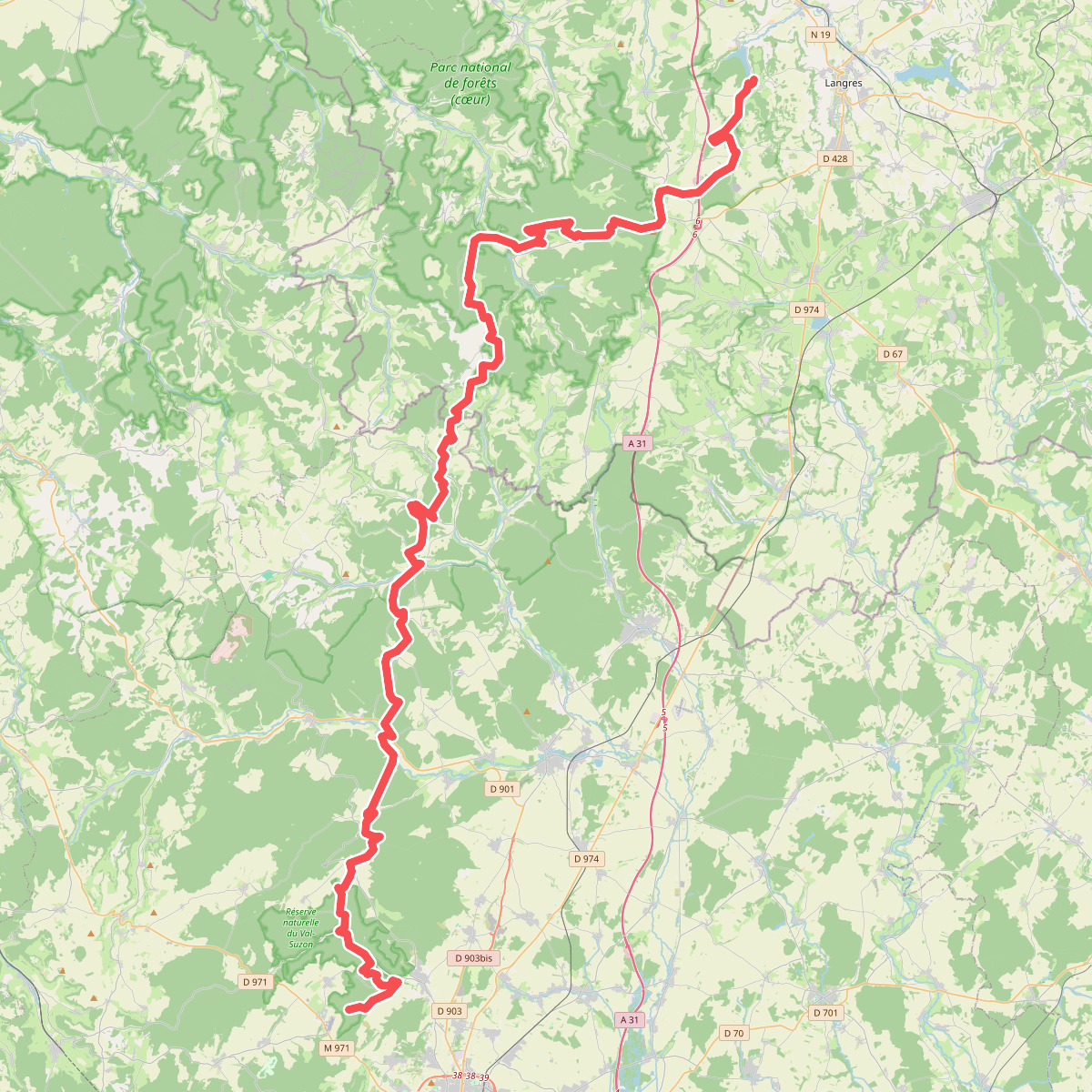
#4. Des Vosges aux Pyrénées 02, Perrancey-les-Vieux-Moulins - La Vaseraie
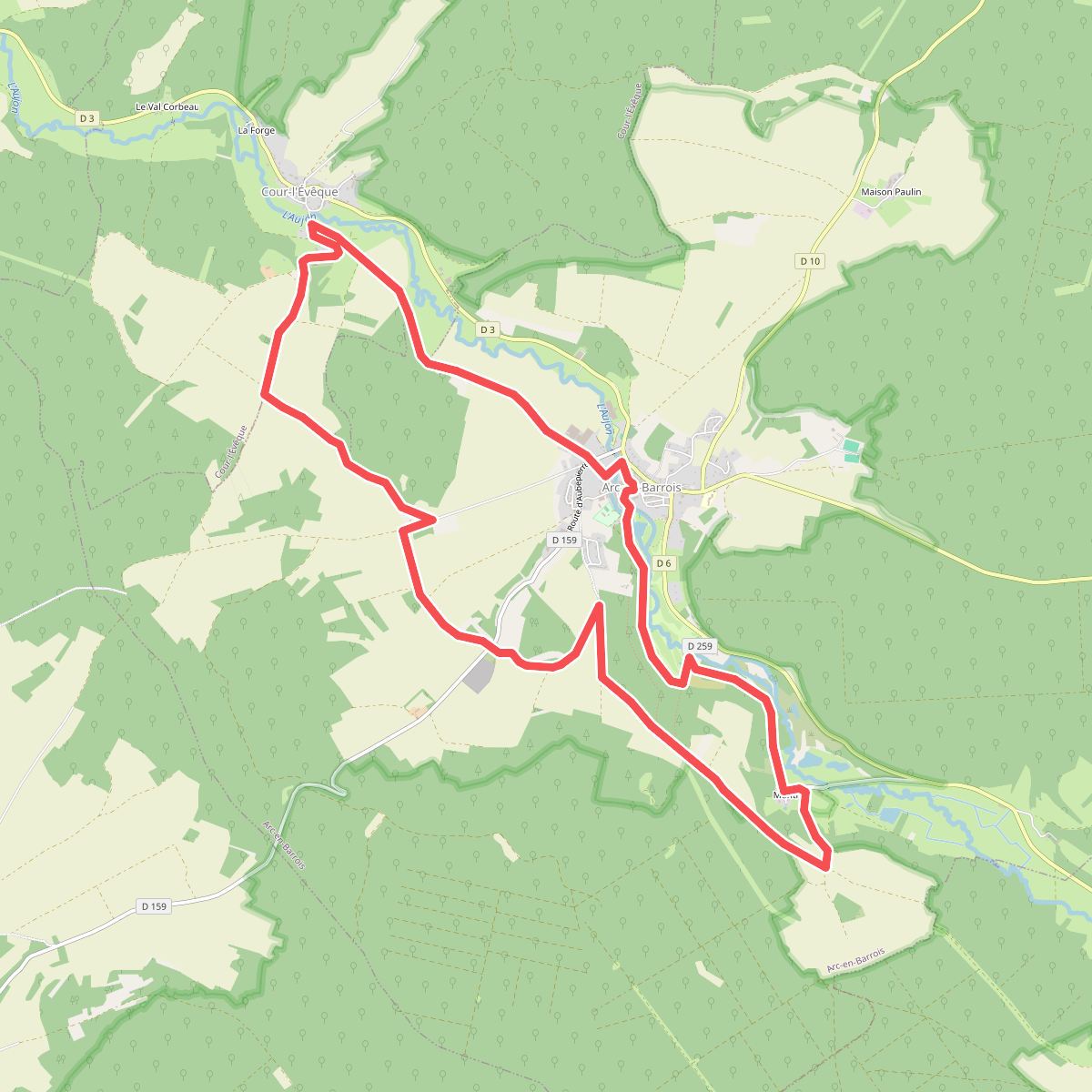
#5. La Garenne
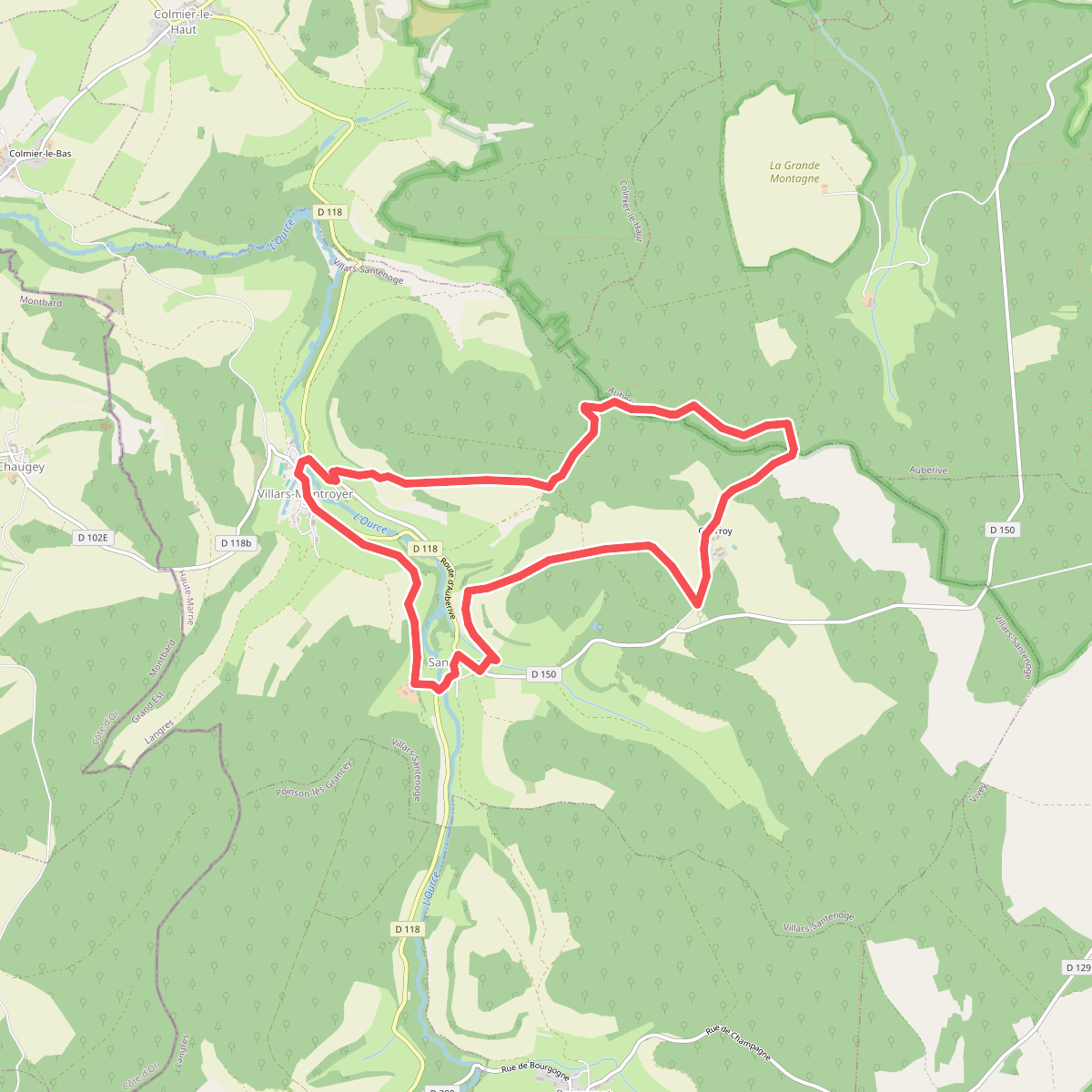
#6. La Juchère
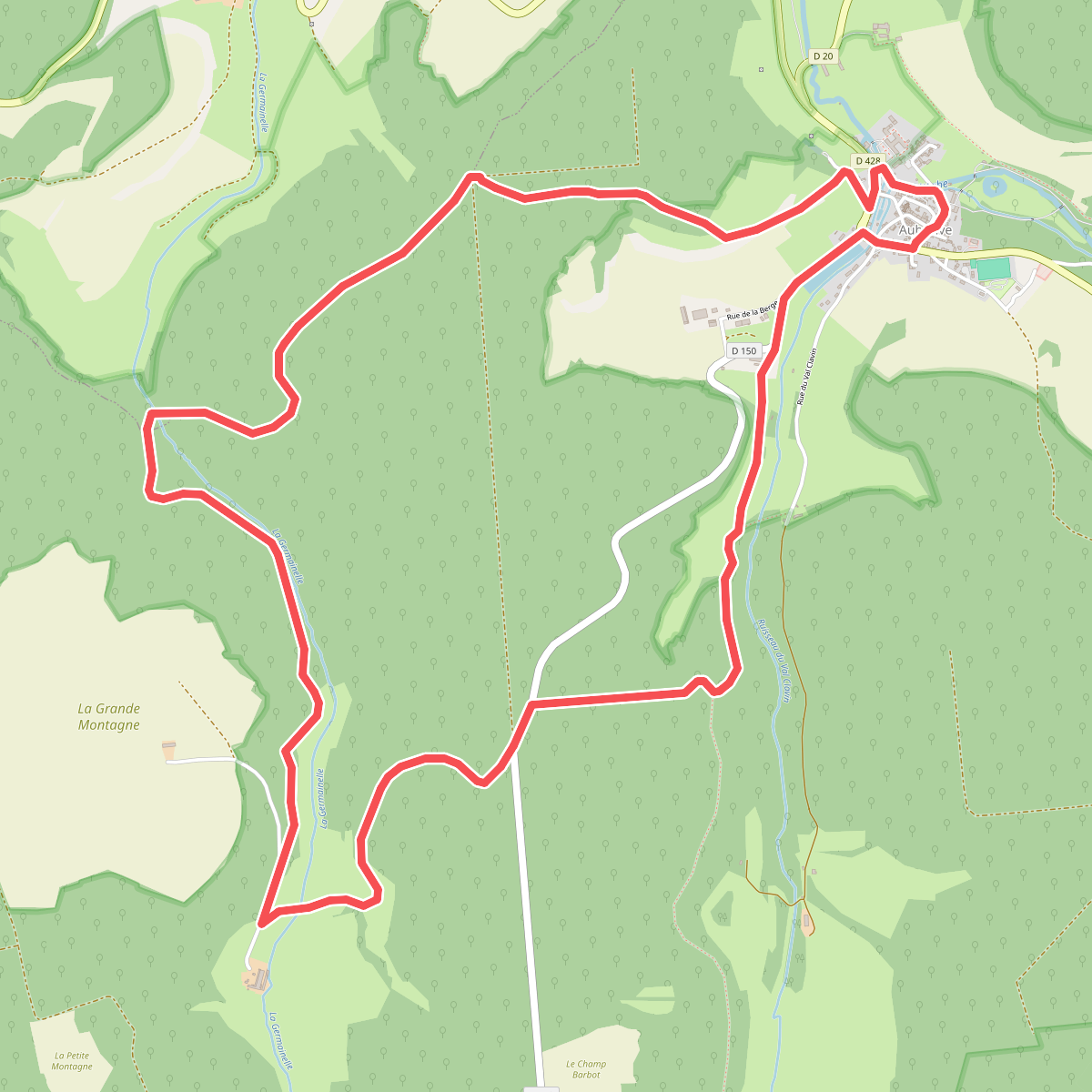
#7. La Tufière d’Amorey
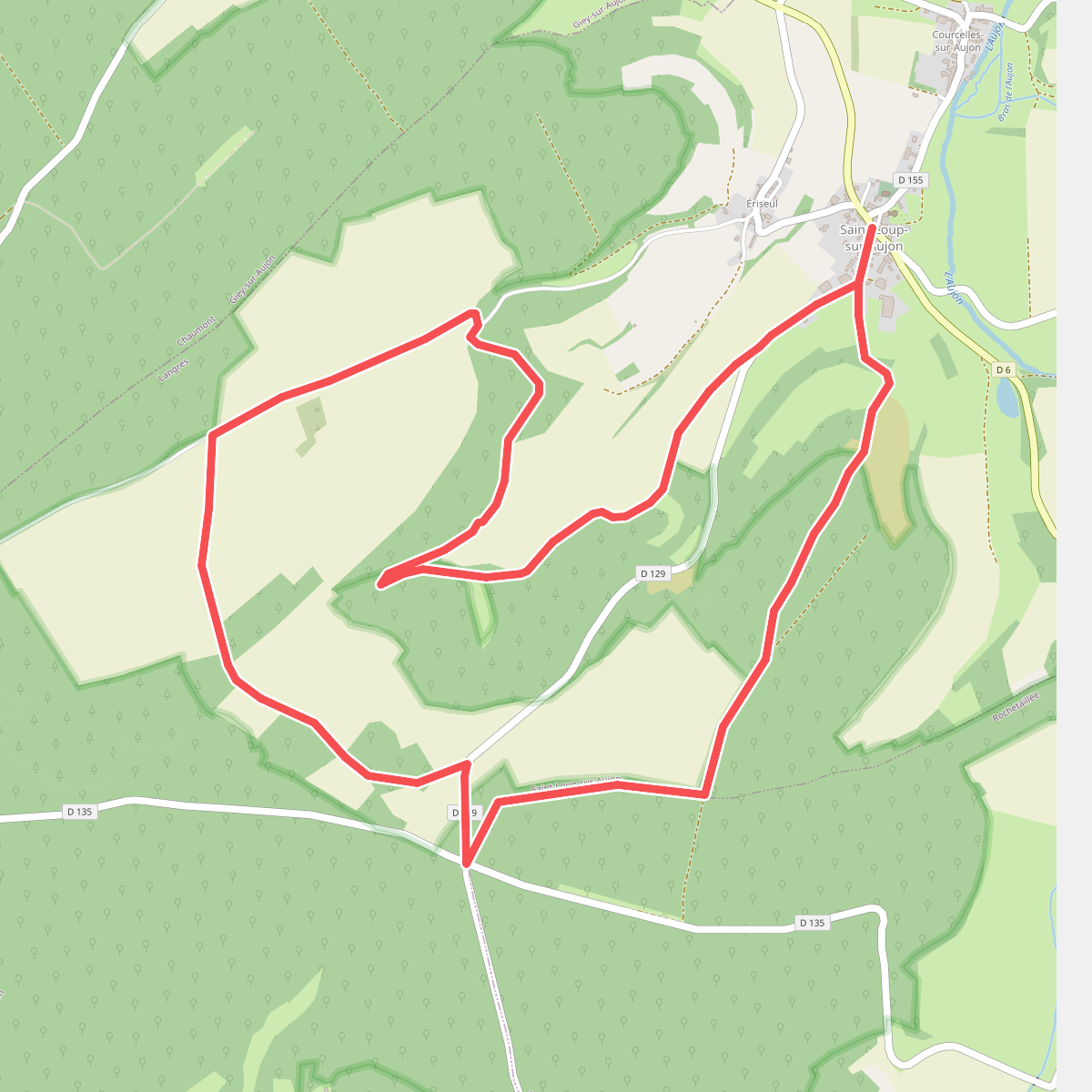
#8. Le Signal de Saint-Loup
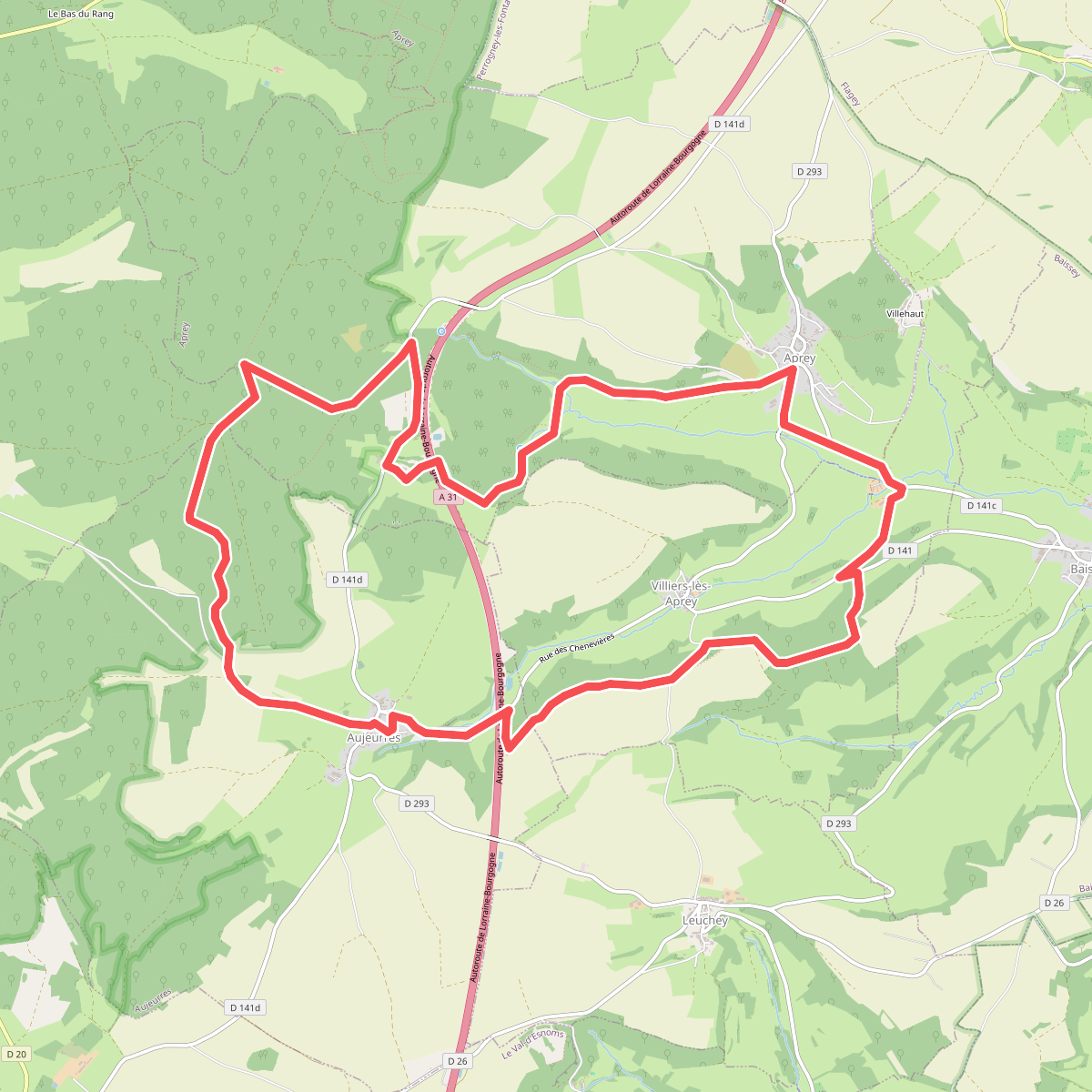
#9. Les Gorges de Vingeanne
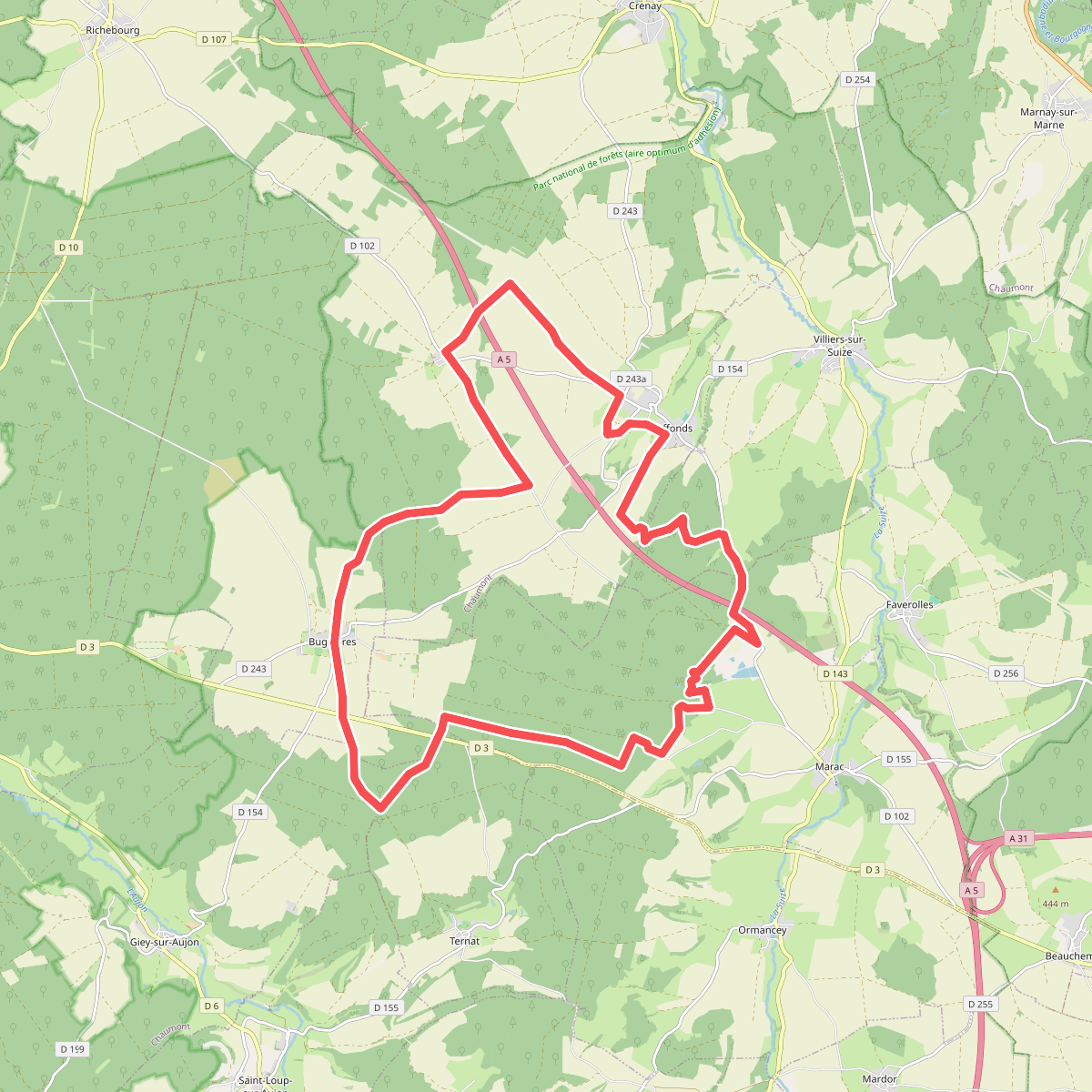
#10. Les Templiers
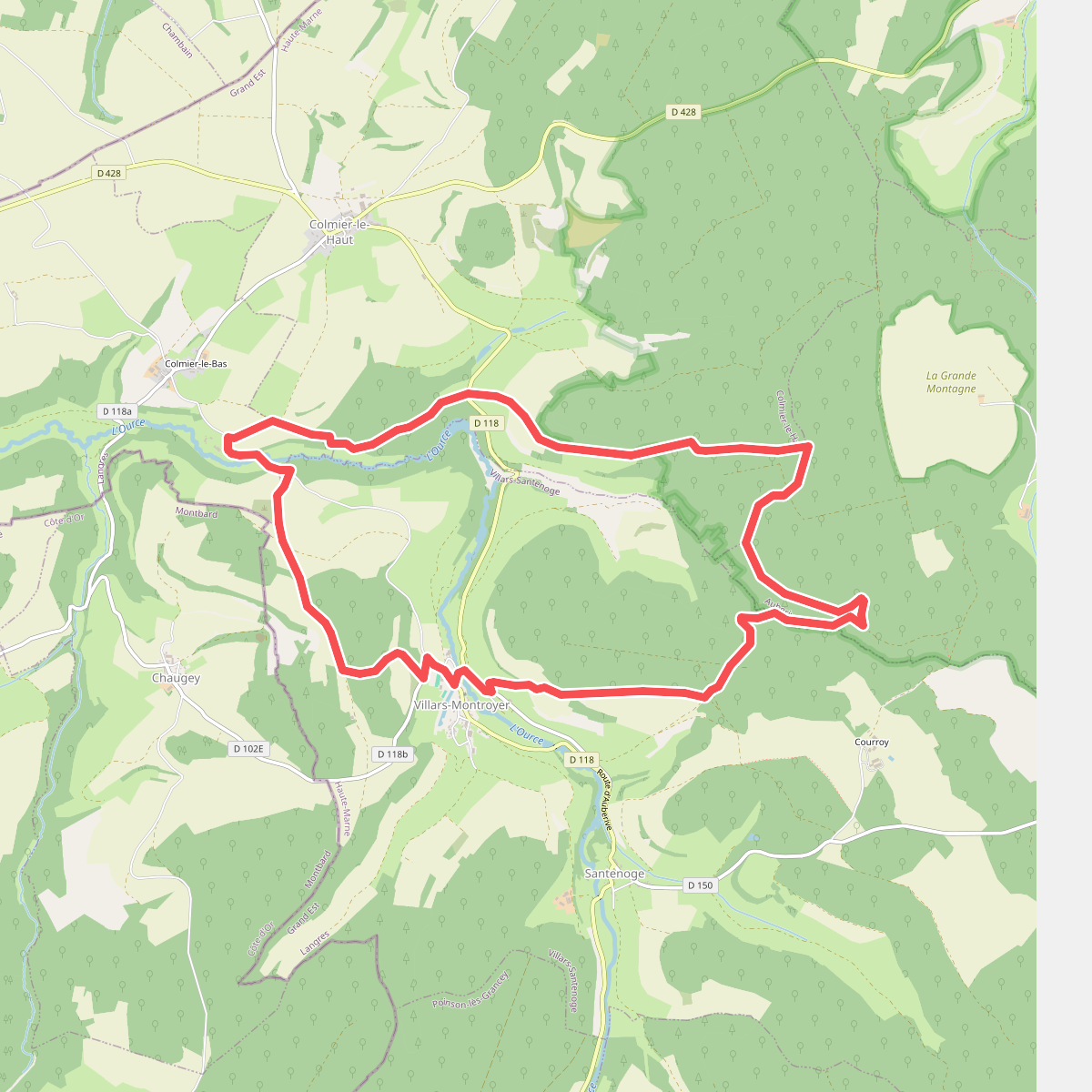
#11. L'Ource