
The best hiking routes in Parc national de forêts (aire optimum d'adhésion)
Discover the best walks in Parc national de forêts (aire optimum d'adhésion). 31 routes on the map, with descriptions, photos and GPX.
About Parc national de forêts (aire optimum d'adhésion)
The Parc national de forêts (aire optimum d'adhésion) covers a vast, gently rolling plateau of limestone and clay, dominated by dense deciduous woodlands of oak and beech. Unlike mountainous parks, this landscape offers no high peaks or dramatic gorges, but rather a quiet network of shallow valleys, clear forest streams, and small agricultural clearings. Walkers will notice how the underlying limestone shapes the terrain, with water frequently disappearing into sinkholes only to emerge as springs in the valley bottoms.
Read more
About Parc national de forêts (aire optimum d'adhésion)
The Parc national de forêts (aire optimum d'adhésion) covers a vast, gently rolling plateau of limestone and clay, dominated by dense deciduous woodlands of oak and beech. Unlike mountainous parks, this landscape offers no high peaks or dramatic gorges, but rather a quiet network of shallow valleys, clear forest streams, and small agricultural clearings. Walkers will notice how the underlying limestone shapes the terrain, with water frequently disappearing into sinkholes only to emerge as springs in the valley bottoms.
Read moreThe Parc national de forêts (aire optimum d'adhésion) covers a vast, gently rolling plateau of limestone and clay, dominated by dense deciduous woodlands of oak and beech. Unlike mountainous parks, this landscape offers no high peaks or dramatic gorges, but rather a quiet network of shallow valleys, clear forest streams, and small agricultural clearings. Walkers will notice how the underlying limestone shapes the terrain, with water frequently disappearing into sinkholes only to emerge as springs in the valley bottoms.
Underfoot, the paths vary from soft, leaf-littered forest tracks to firmer gravel forestry roads and occasional muddy clay sections in the lower-lying areas. The dense canopy creates a deep shade that keeps the forest floor relatively cool, while the open areas between the woods provide a contrast of sunlit meadows. In spring, particularly around April, the forest floor is covered in wild garlic and anemones before the leaves fully block out the light.
This is a working forest where timber management coexists with conservation, so you will occasionally pass active forestry tracks alongside quieter, overgrown paths. The park is vast enough that the deeper forest trails feel highly secluded, while the areas near the small stone villages of the plateau see more regular local use. It is a place for long, steady walks through continuous woodland rather than dramatic climbs.
Hiking routes in Parc national de forêts (aire optimum d'adhésion) (31)
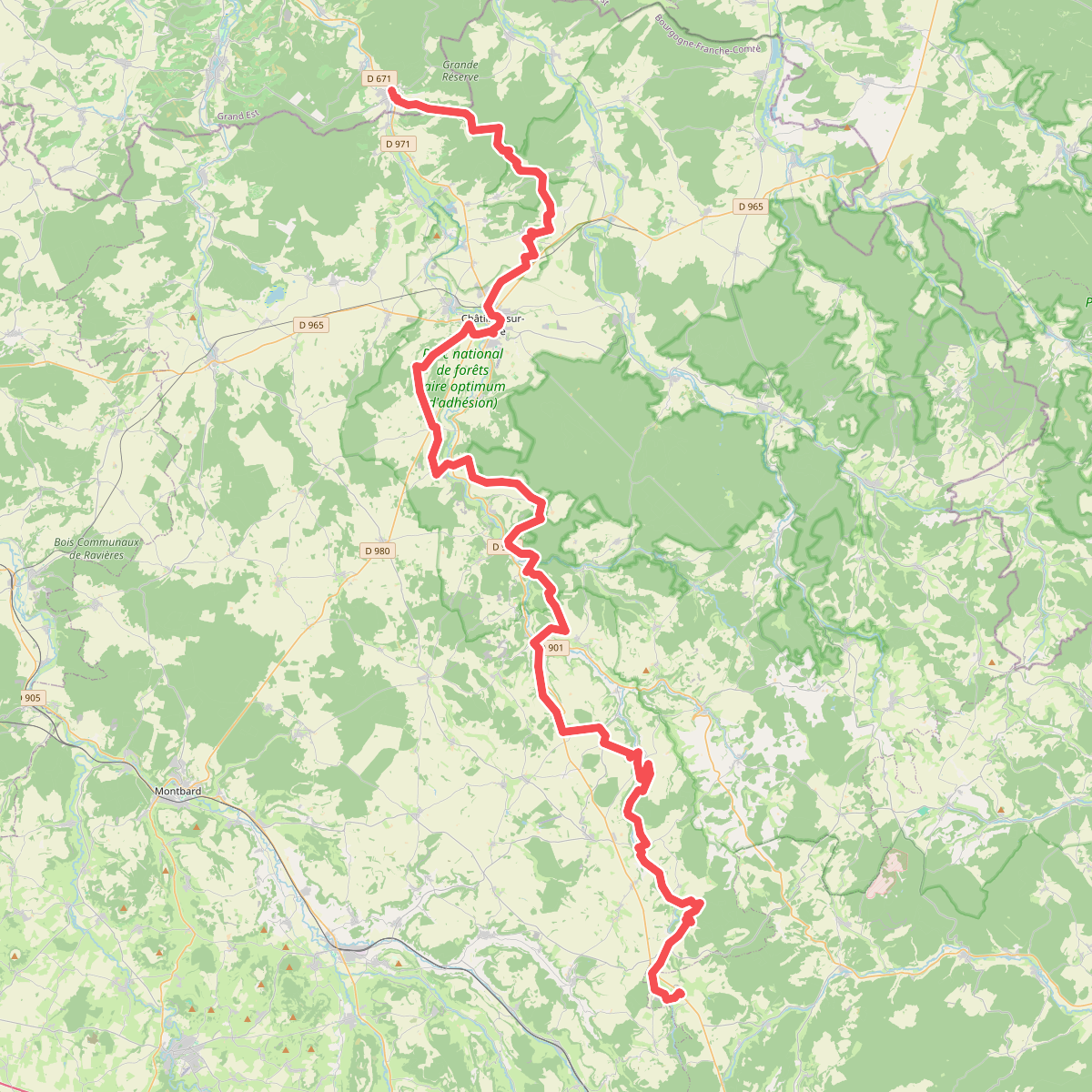
#1. Au fil de la Seine · GR 2
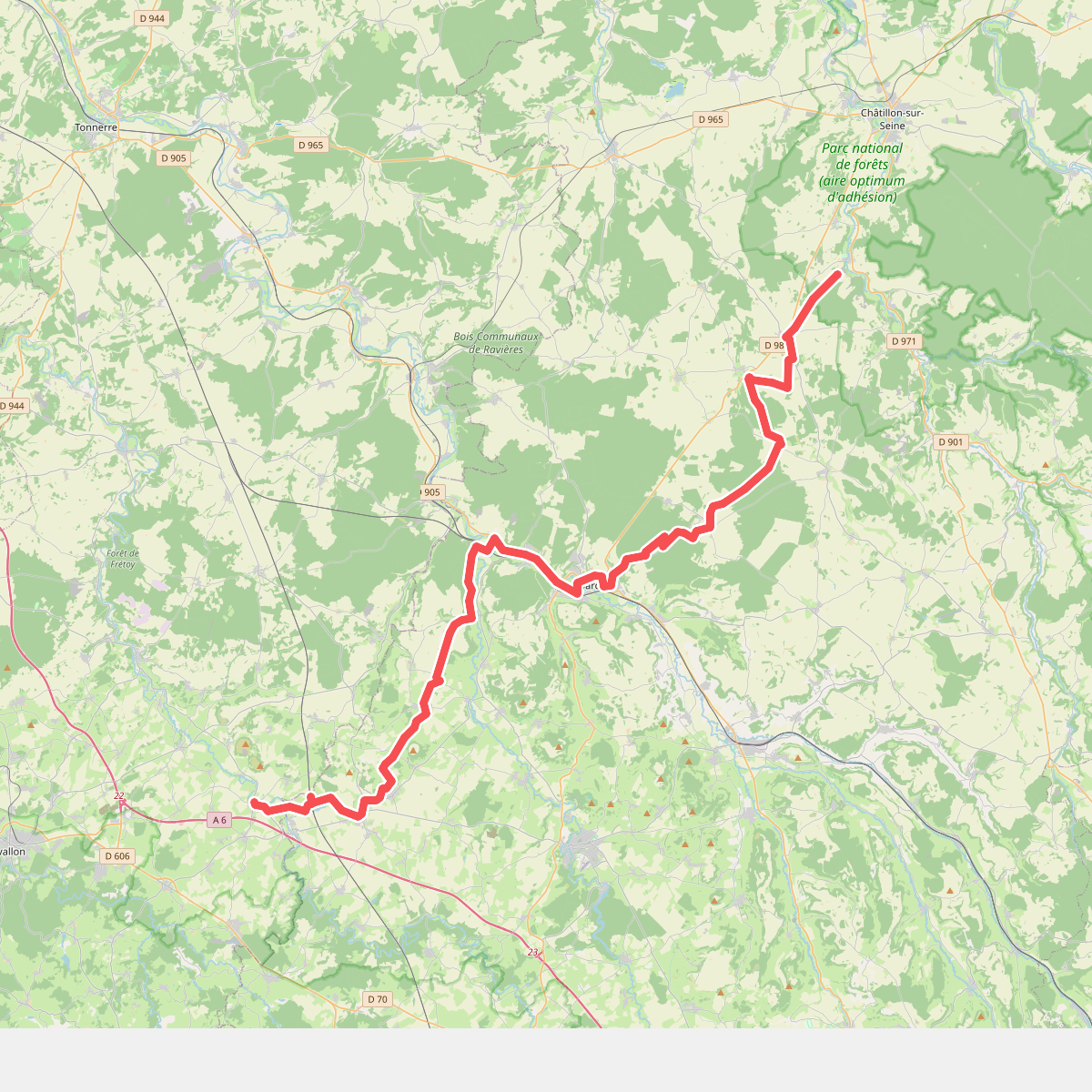
#2. Chamesson - Guillon
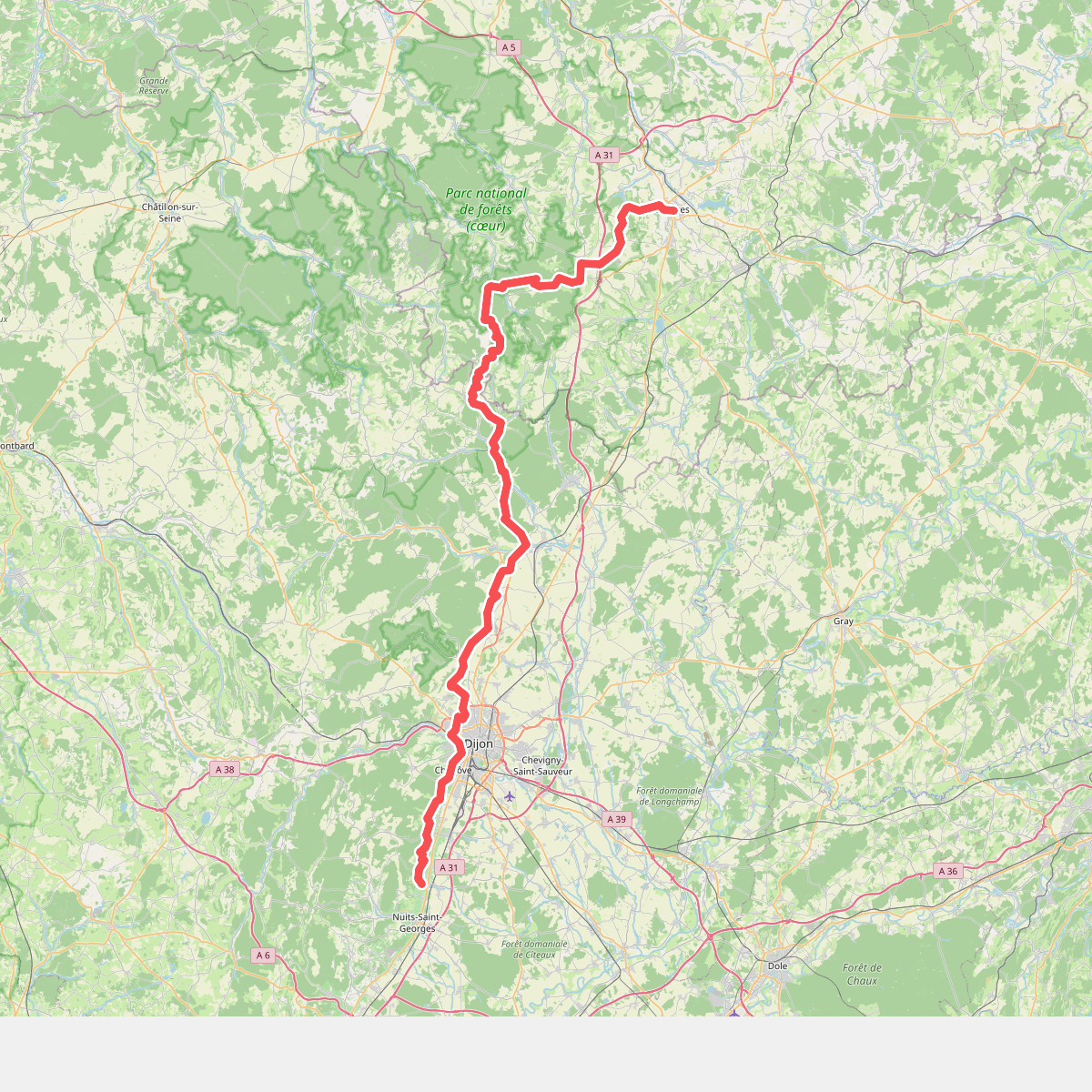
#3. Chemin des Allemands · Langres – Vougeot
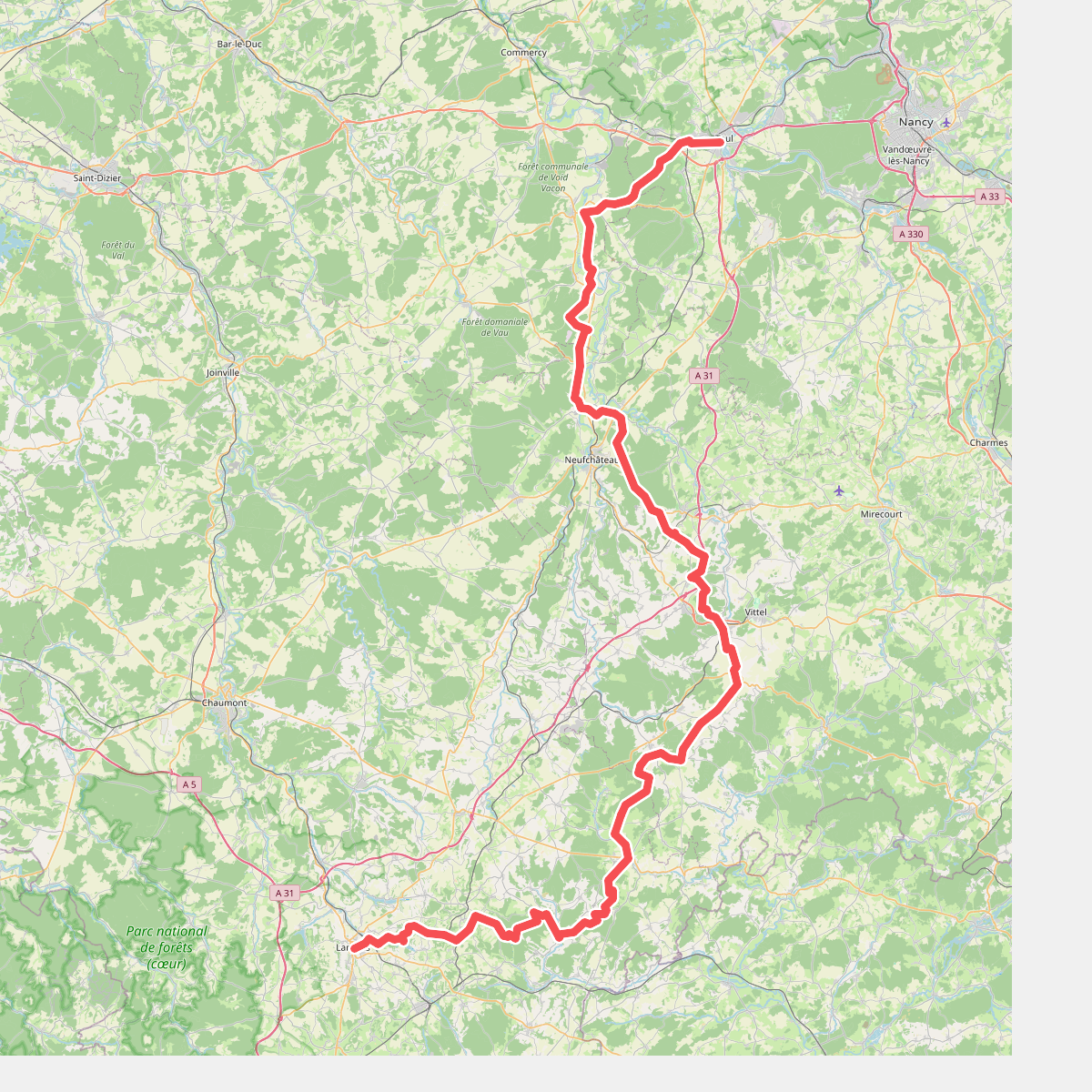
#4. Chemin des Allemands · Toul – Langres
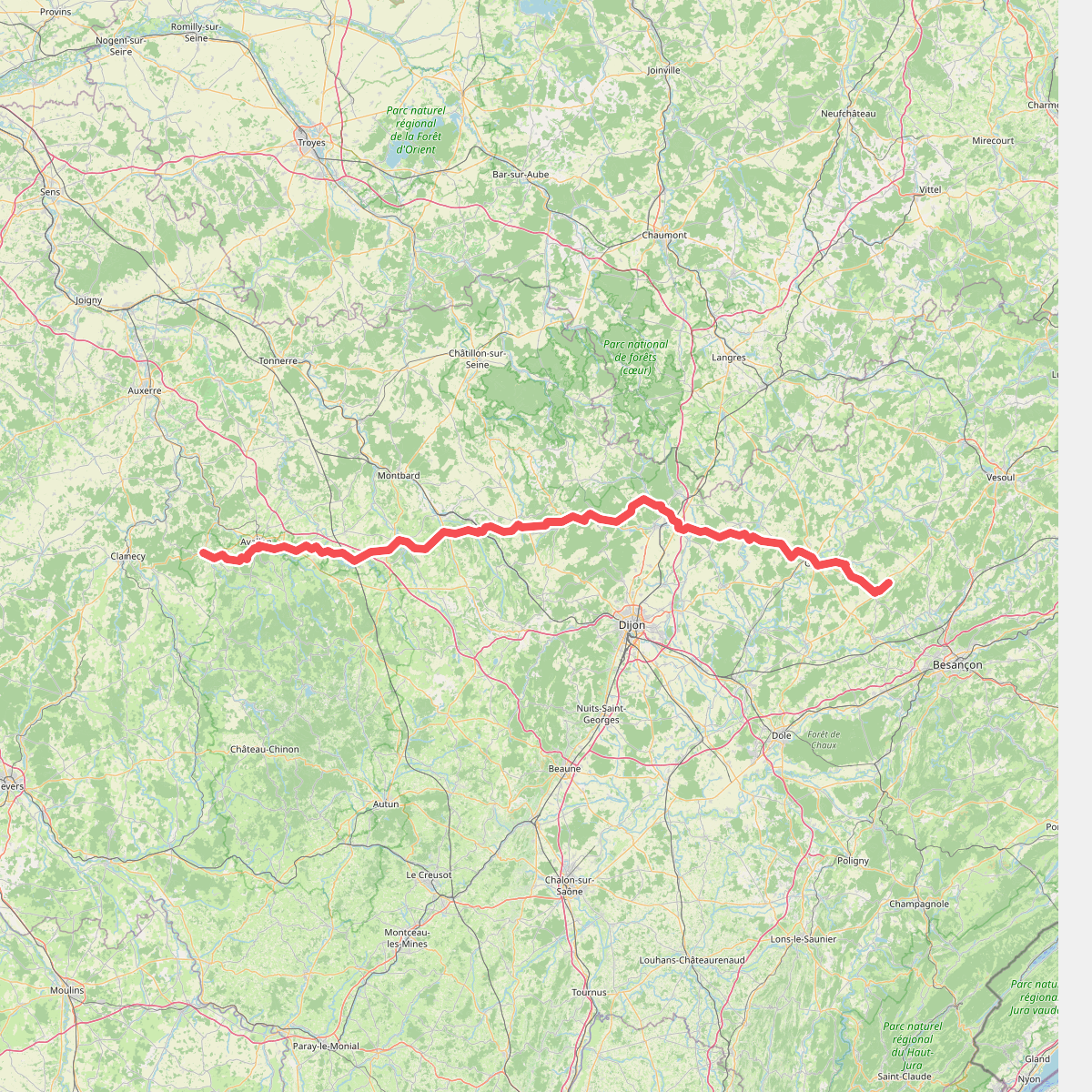
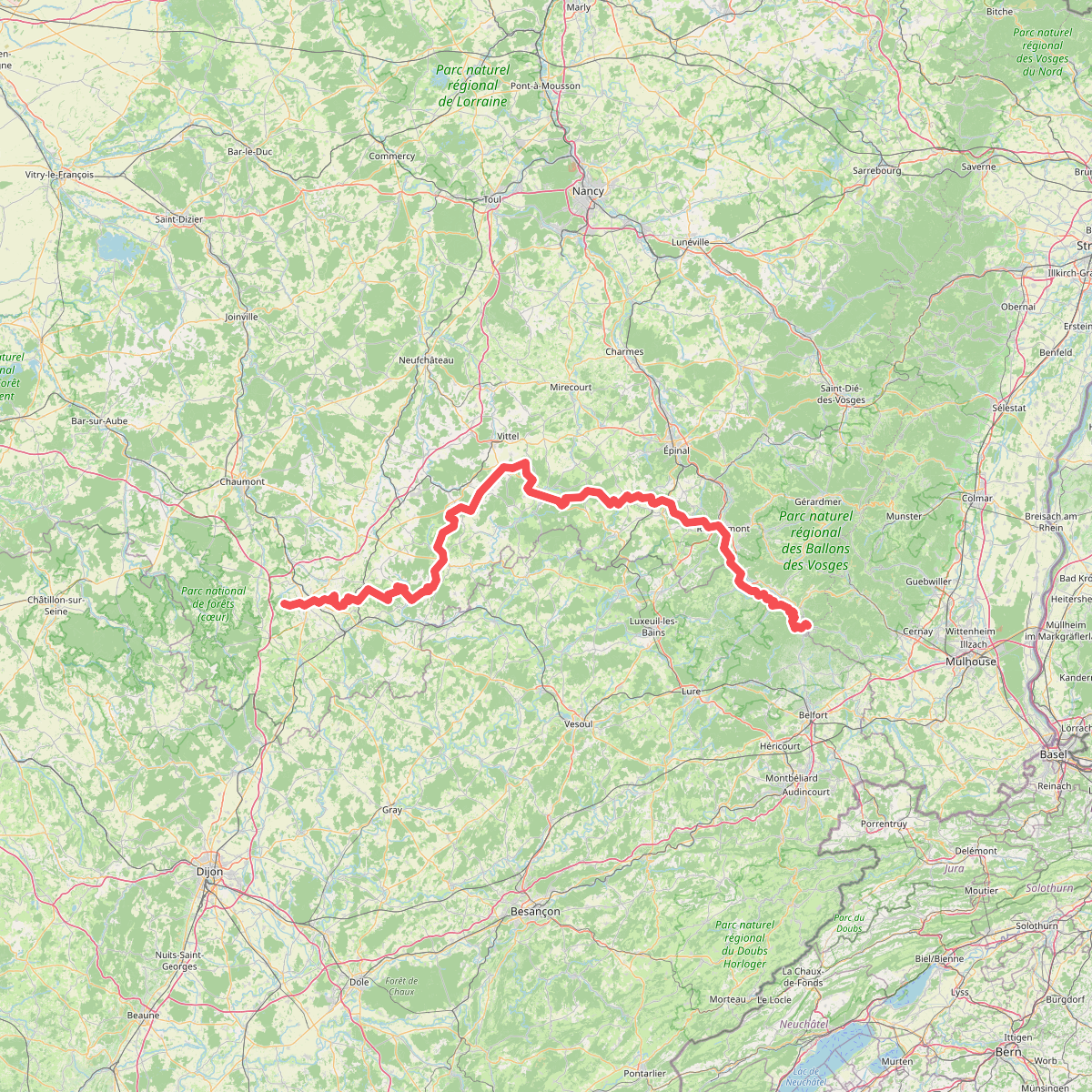
#5. Chemin des Hongrois · Gy – Vézelay
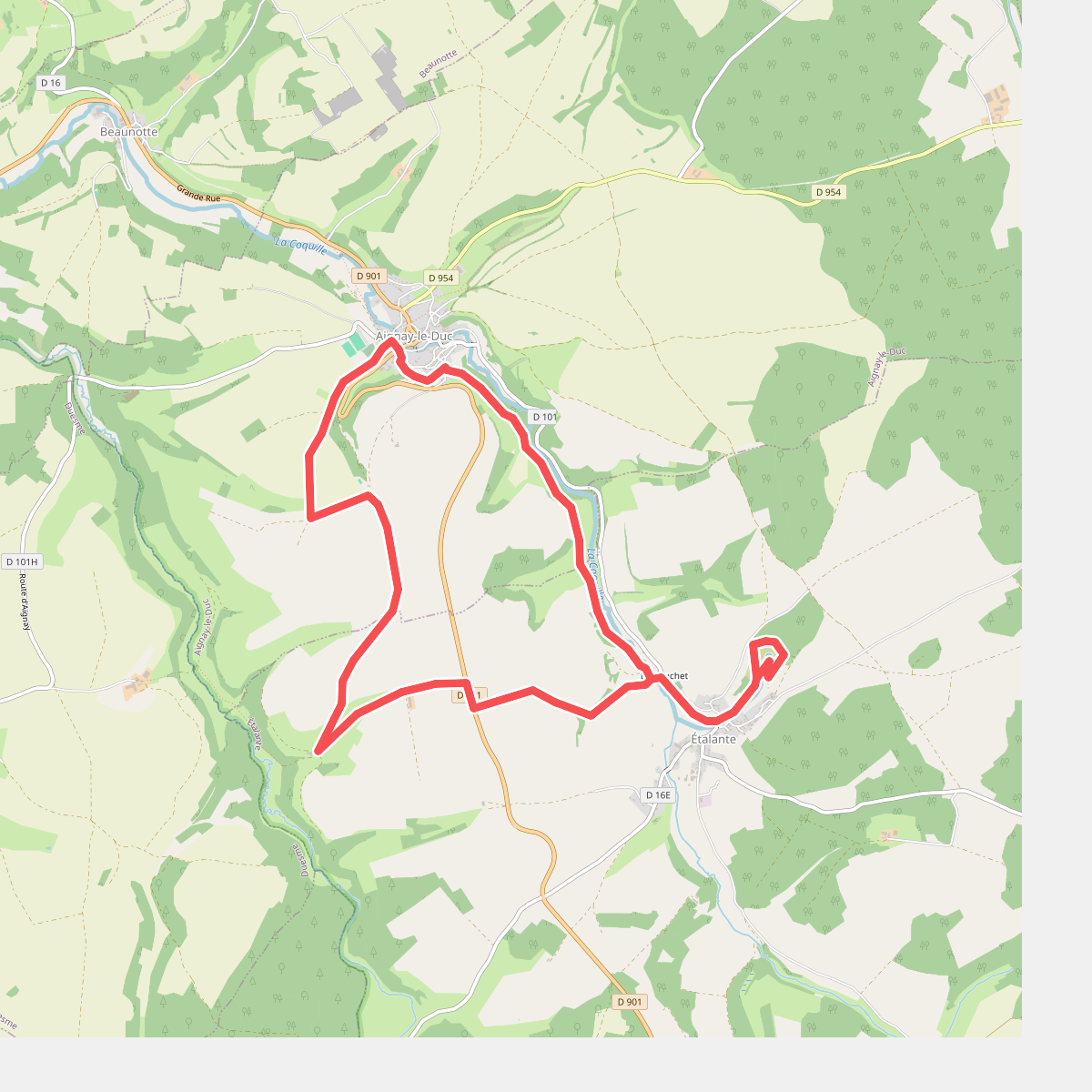
#6. Circuit de la Coquille
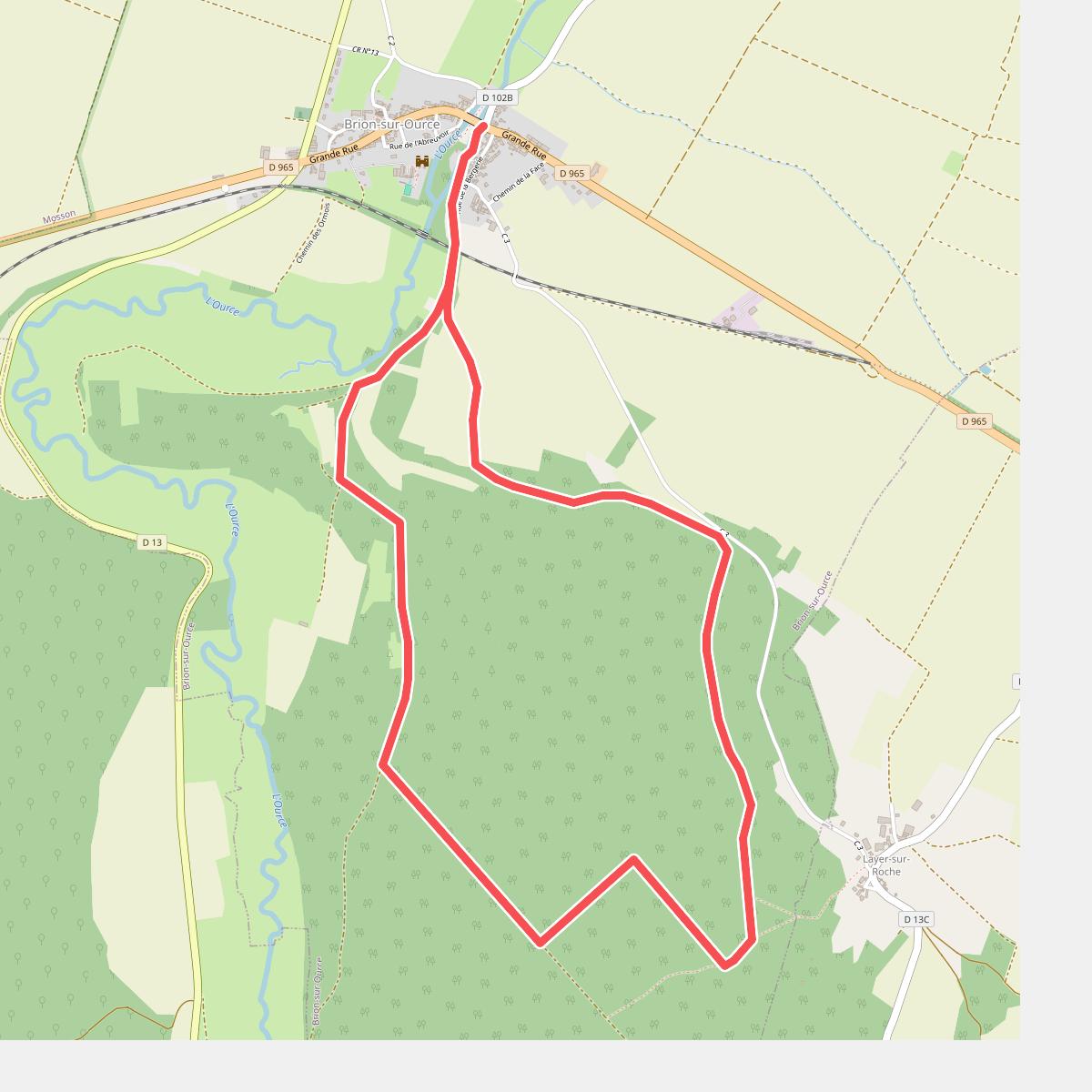
#7. Circuit de la Table aux Loups
Brion-sur-Ource
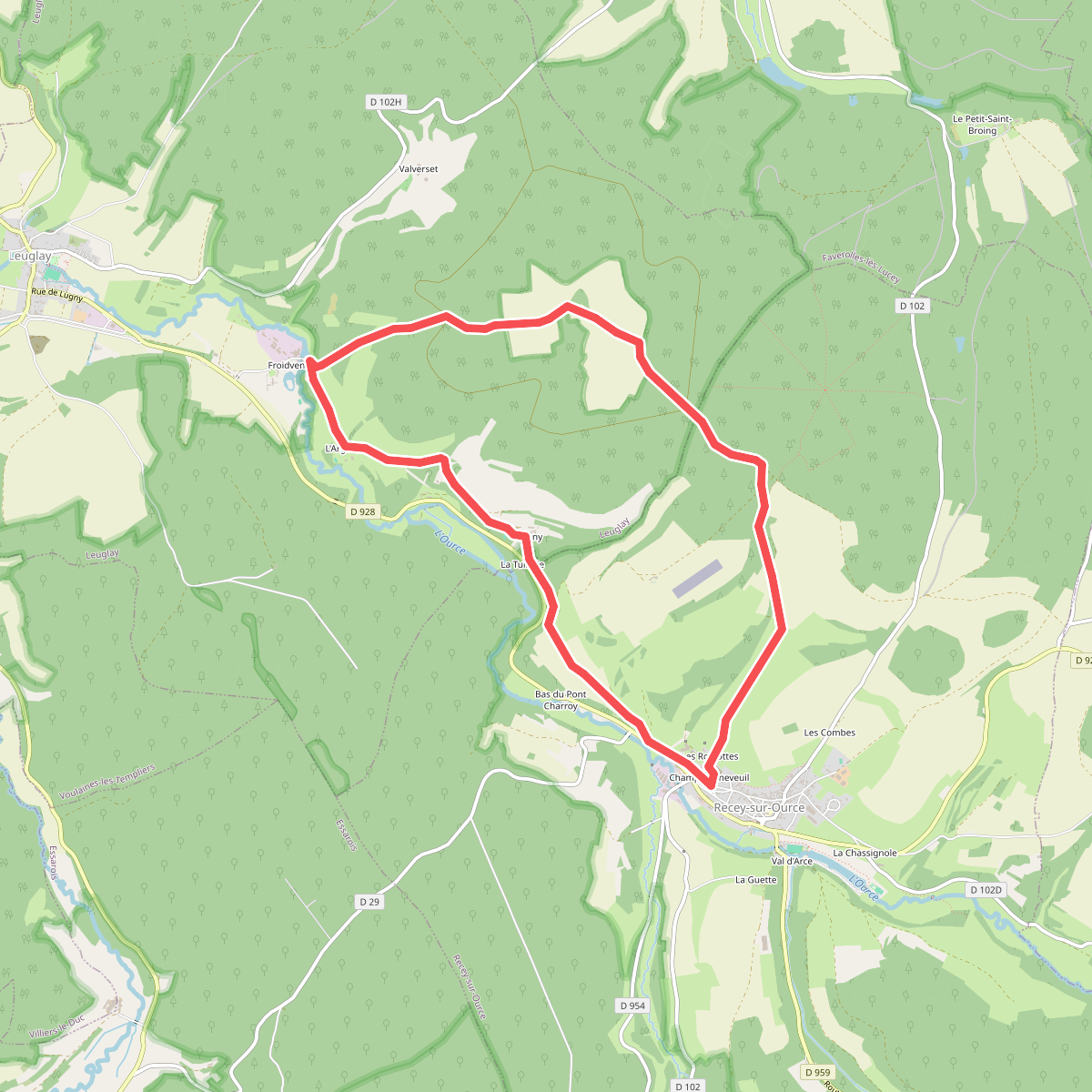
#8. Circuit de Lugny
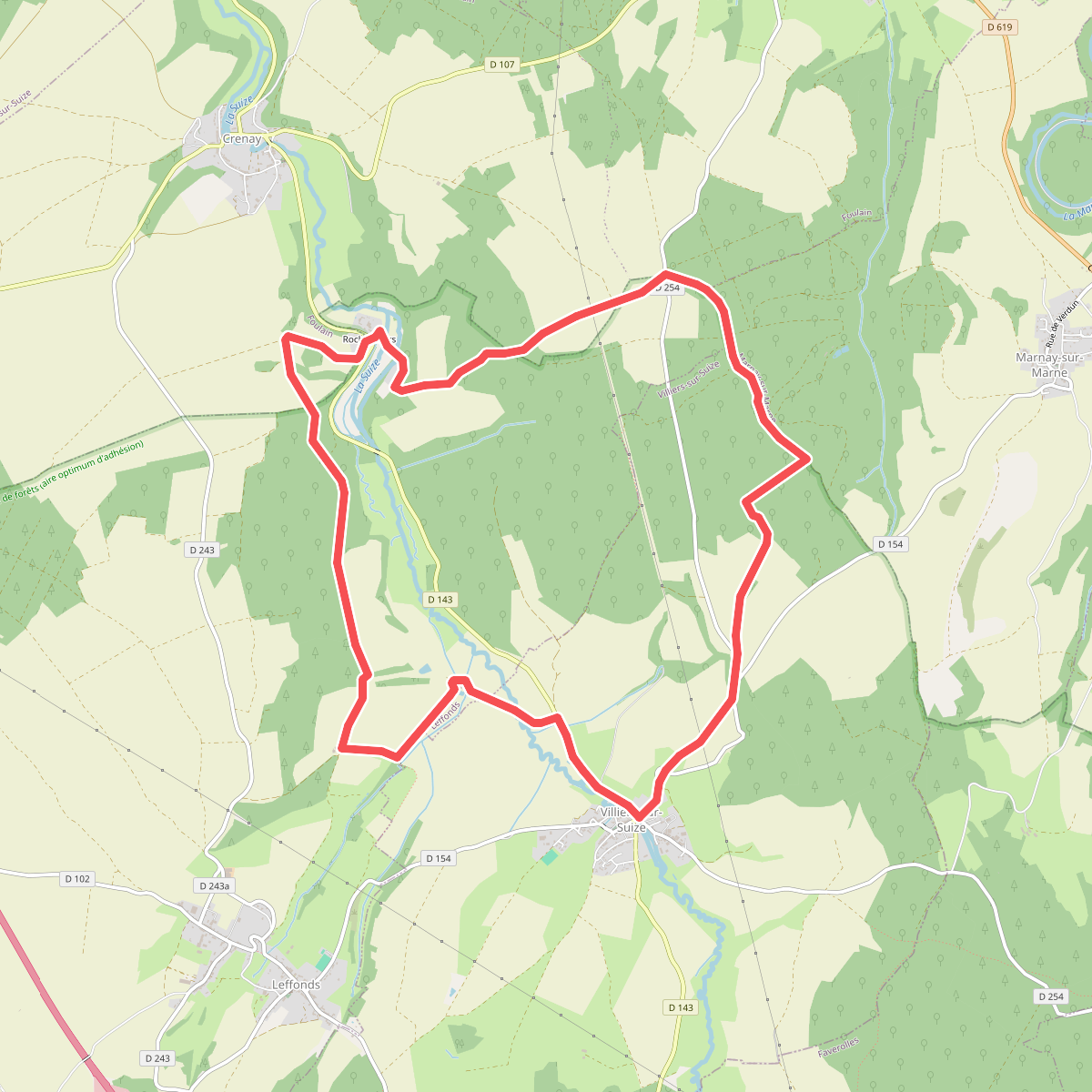
#9. Circuit de Rochevilliers
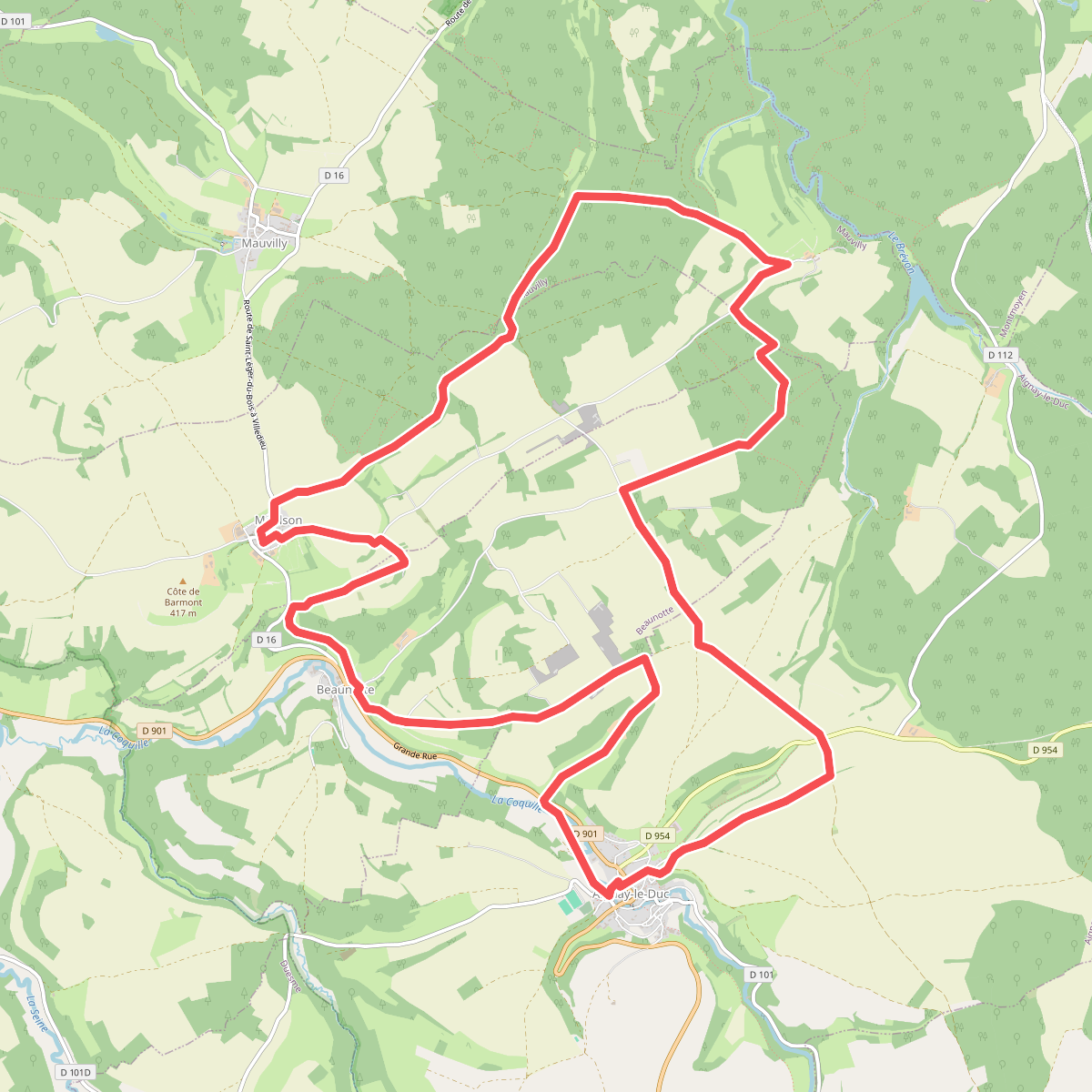
#10. Circuit des Cigognes Noires
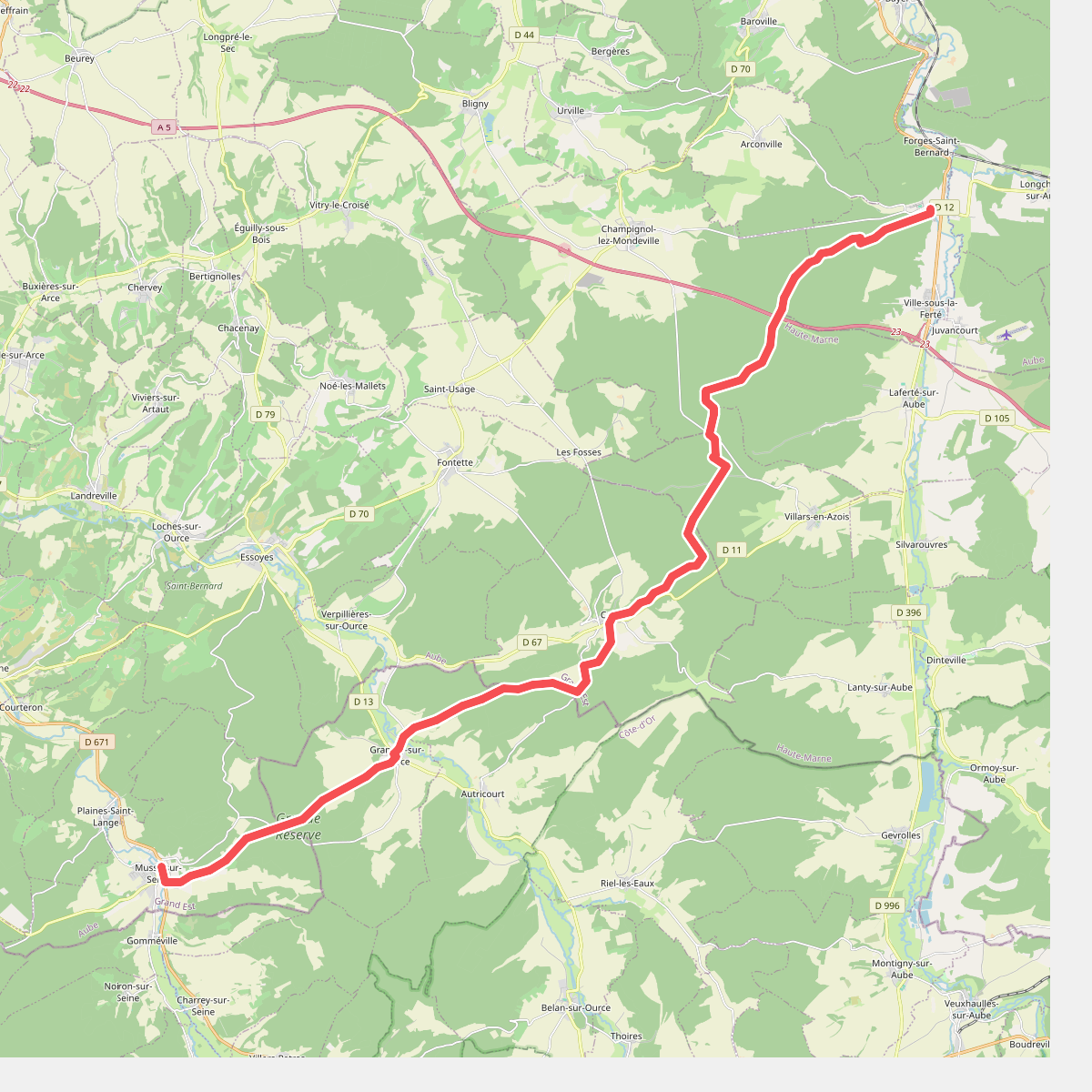
#11. De Clairvaux à Mussy-sur-Seine