
The best hiking routes in Grigna Meridionale
Discover the best walks in Grigna Meridionale. 21 routes on the map, with descriptions, photos and GPX.
About Grigna Meridionale
Grigna Meridionale, also known as Grignetta, rises as a steep, pale limestone massif above the eastern branch of Lake Como. Unlike its higher neighbor to the north, this mountain is characterized by an intricate labyrinth of vertical rock towers, spires, and steep scree gullies. The lower slopes feature dense beech woods, which quickly give way to bare, light grey dolomite rock as you ascend. It is a landscape defined by sharp verticality, where walkers transition rapidly from shaded forest paths to exposed, rocky ledges.
Read more
About Grigna Meridionale
Grigna Meridionale, also known as Grignetta, rises as a steep, pale limestone massif above the eastern branch of Lake Como. Unlike its higher neighbor to the north, this mountain is characterized by an intricate labyrinth of vertical rock towers, spires, and steep scree gullies. The lower slopes feature dense beech woods, which quickly give way to bare, light grey dolomite rock as you ascend. It is a landscape defined by sharp verticality, where walkers transition rapidly from shaded forest paths to exposed, rocky ledges.
Read moreGrigna Meridionale, also known as Grignetta, rises as a steep, pale limestone massif above the eastern branch of Lake Como. Unlike its higher neighbor to the north, this mountain is characterized by an intricate labyrinth of vertical rock towers, spires, and steep scree gullies. The lower slopes feature dense beech woods, which quickly give way to bare, light grey dolomite rock as you ascend. It is a landscape defined by sharp verticality, where walkers transition rapidly from shaded forest paths to exposed, rocky ledges.
Underfoot, the terrain is demanding and rugged. Walkers will find themselves on steep, loose scree slopes, narrow dirt tracks hugging the cliffs, and sections of bare rock where metal cables and chains are permanently anchored to assist with balance. The paths are often narrow and require careful footing, with no flat, rolling meadows to offer easy strolling. It is a terrain that demands constant attention to where you place your boots, as the limestone is highly prone to erosion and crumbling.
In late spring, around May, the lower grassy ledges show a brief burst of alpine wildflowers before the summer heat dries the thin soil on the rock faces. The area is highly popular with local mountaineers, meaning the classic access routes from Pian dei Resinelli are often busy, while the steeper, more technical paths on the southern flanks offer a quieter, more austere atmosphere. There are no gentle valleys or wide forest tracks here; the mountain presents an immediate, vertical challenge from the moment you leave the trailhead.
Hiking routes in Grigna Meridionale (21)
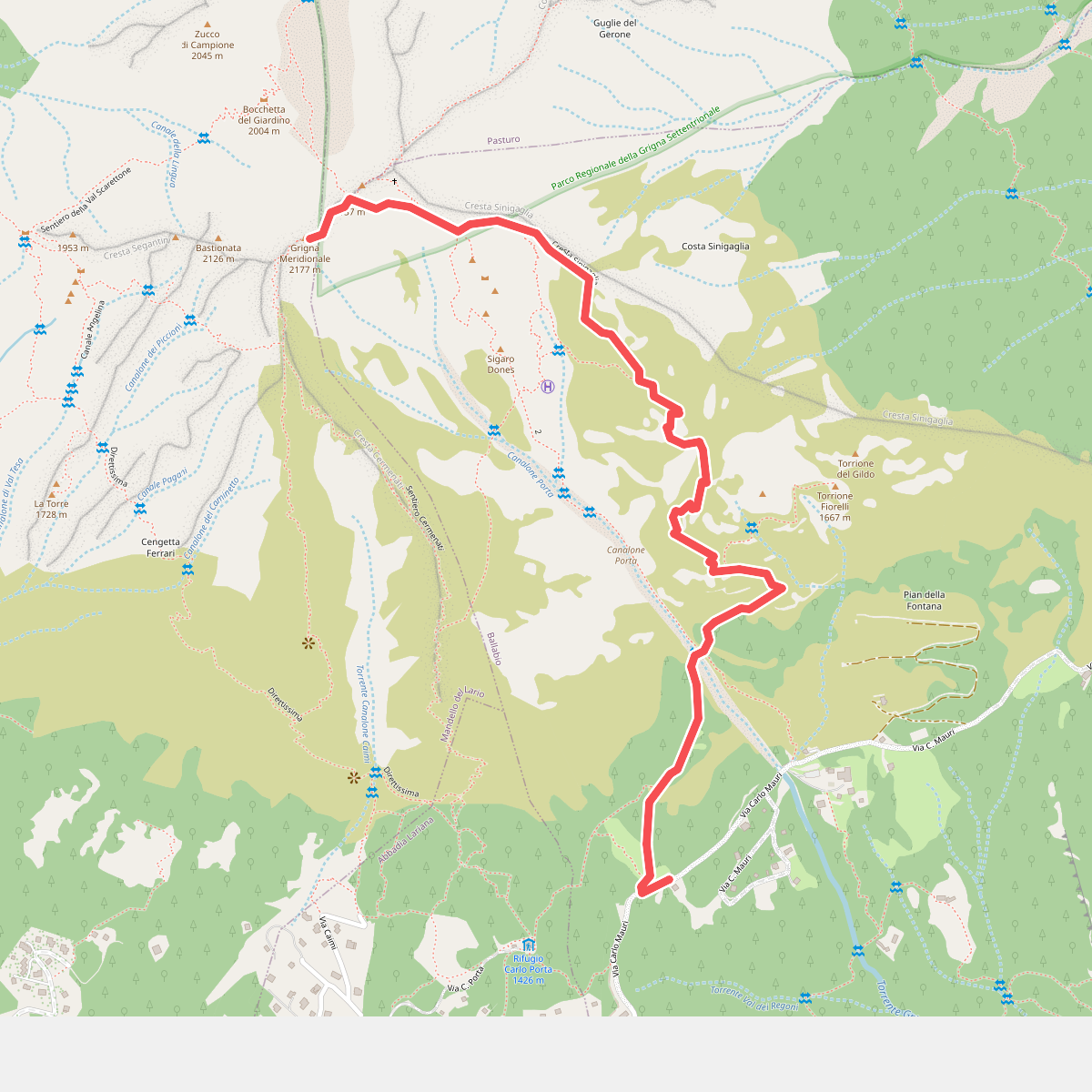
#1. Cresta Sinigaglia
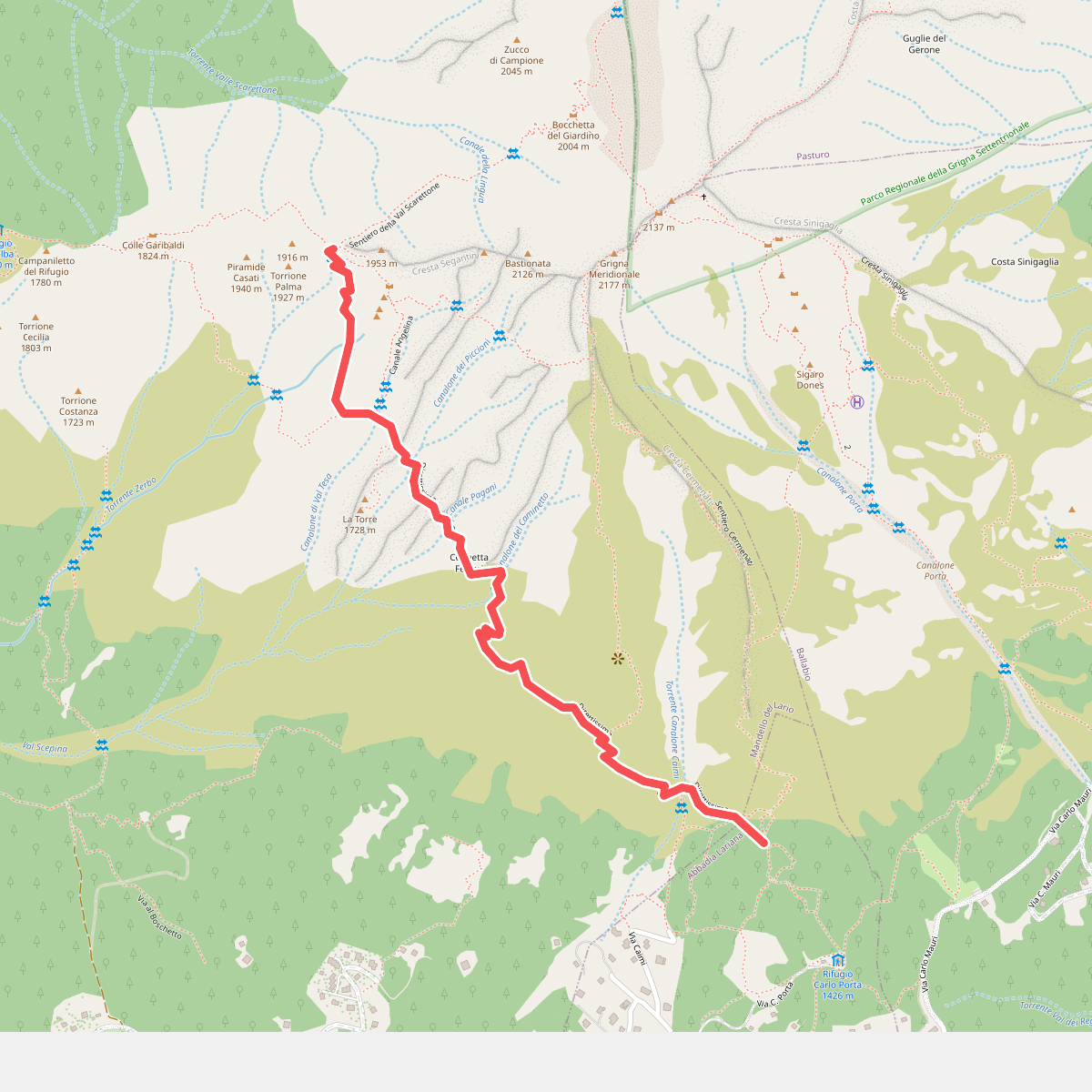
#2. Direttissima
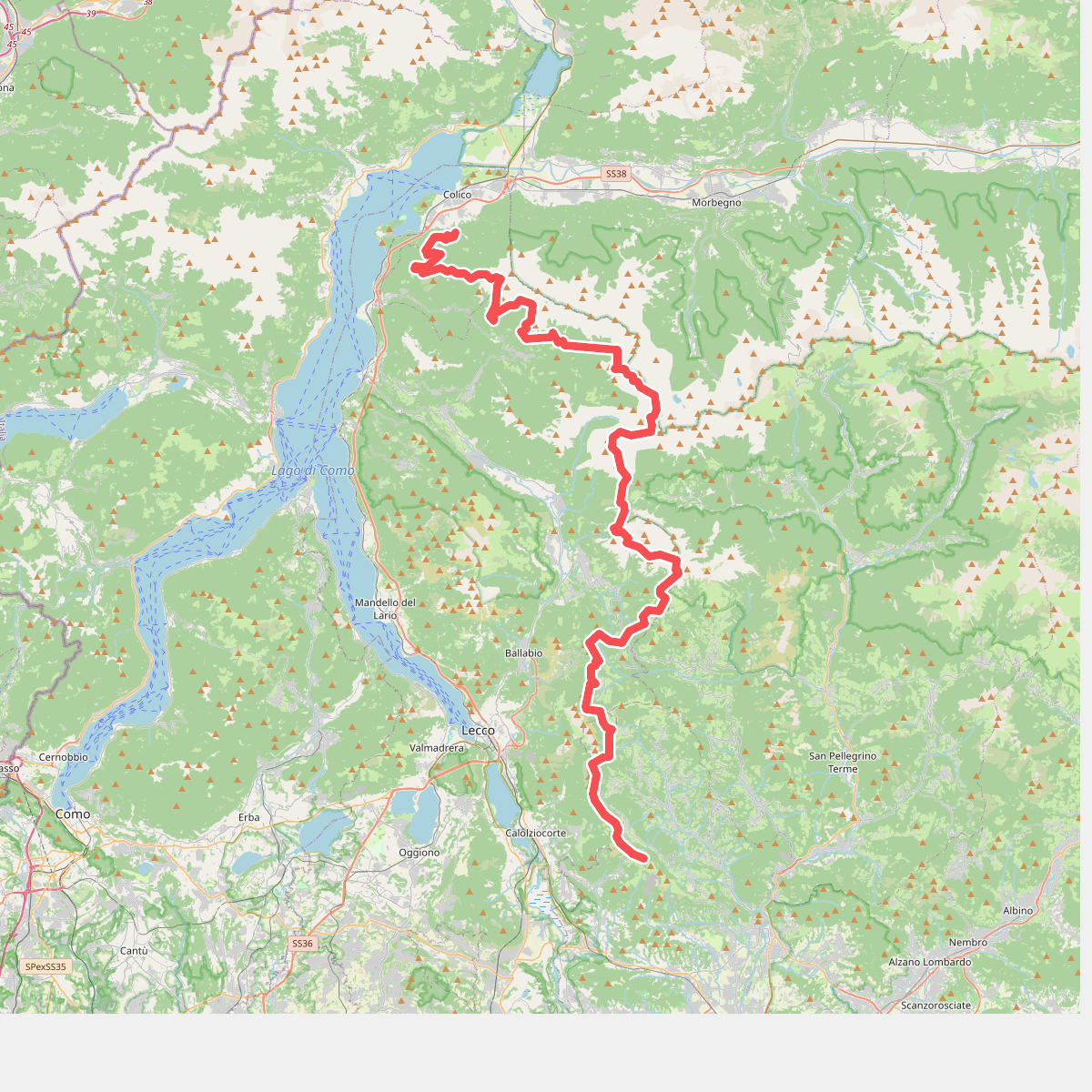
#3. Dorsale Orobica Lecchese (percorso alto)
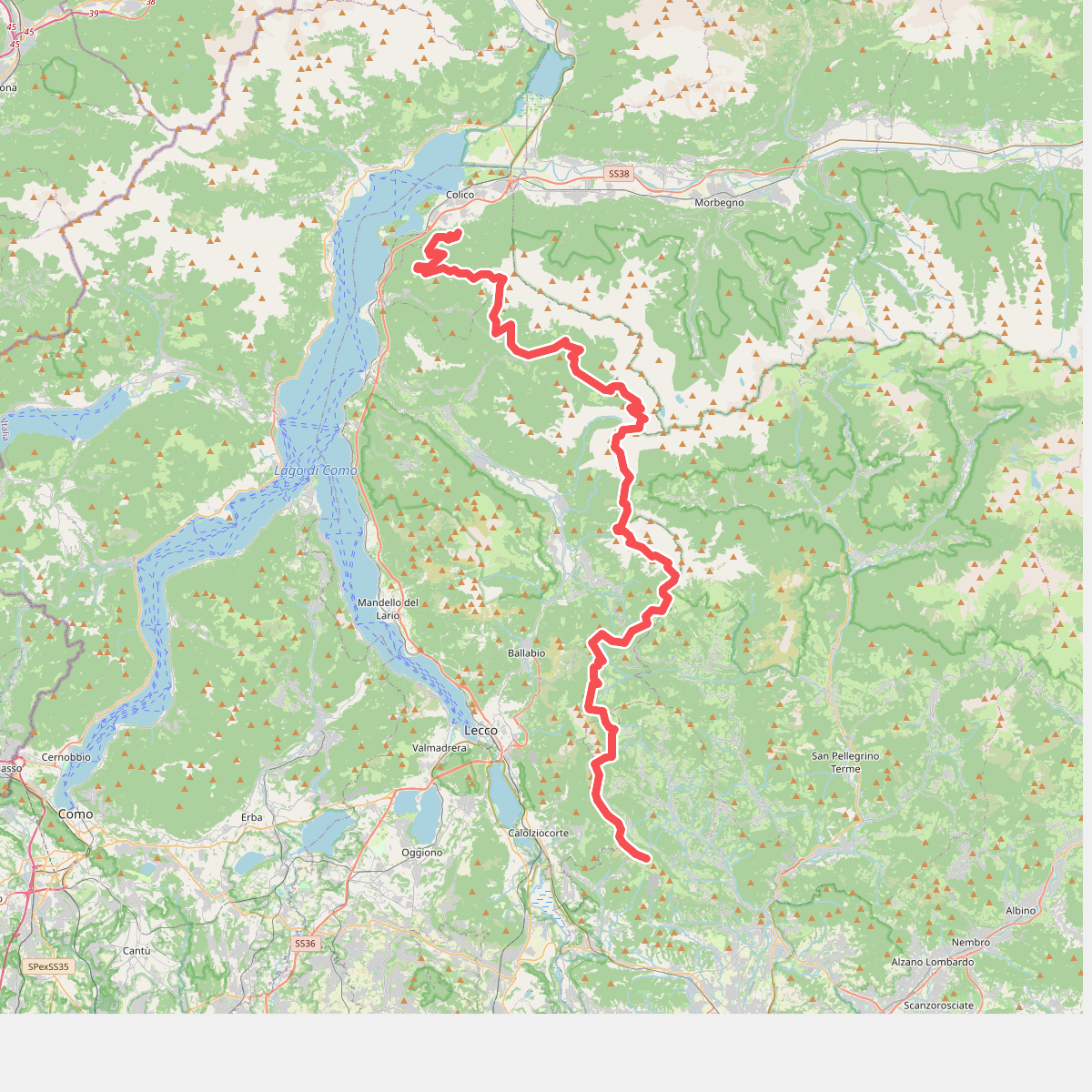
#4. Dorsale Orobica Lecchese (percorso basso)
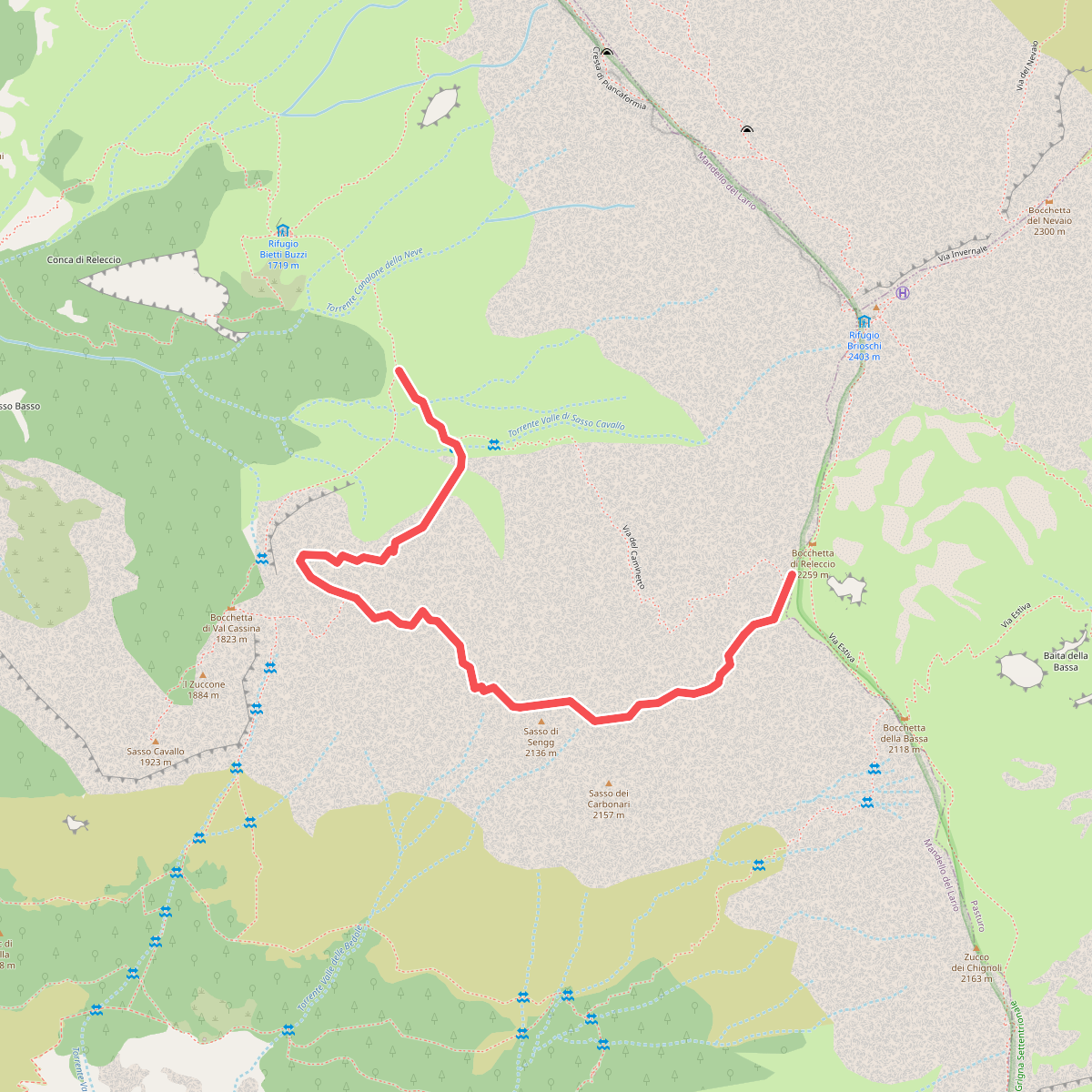
#5. Ferrata del Sasso Carbonari
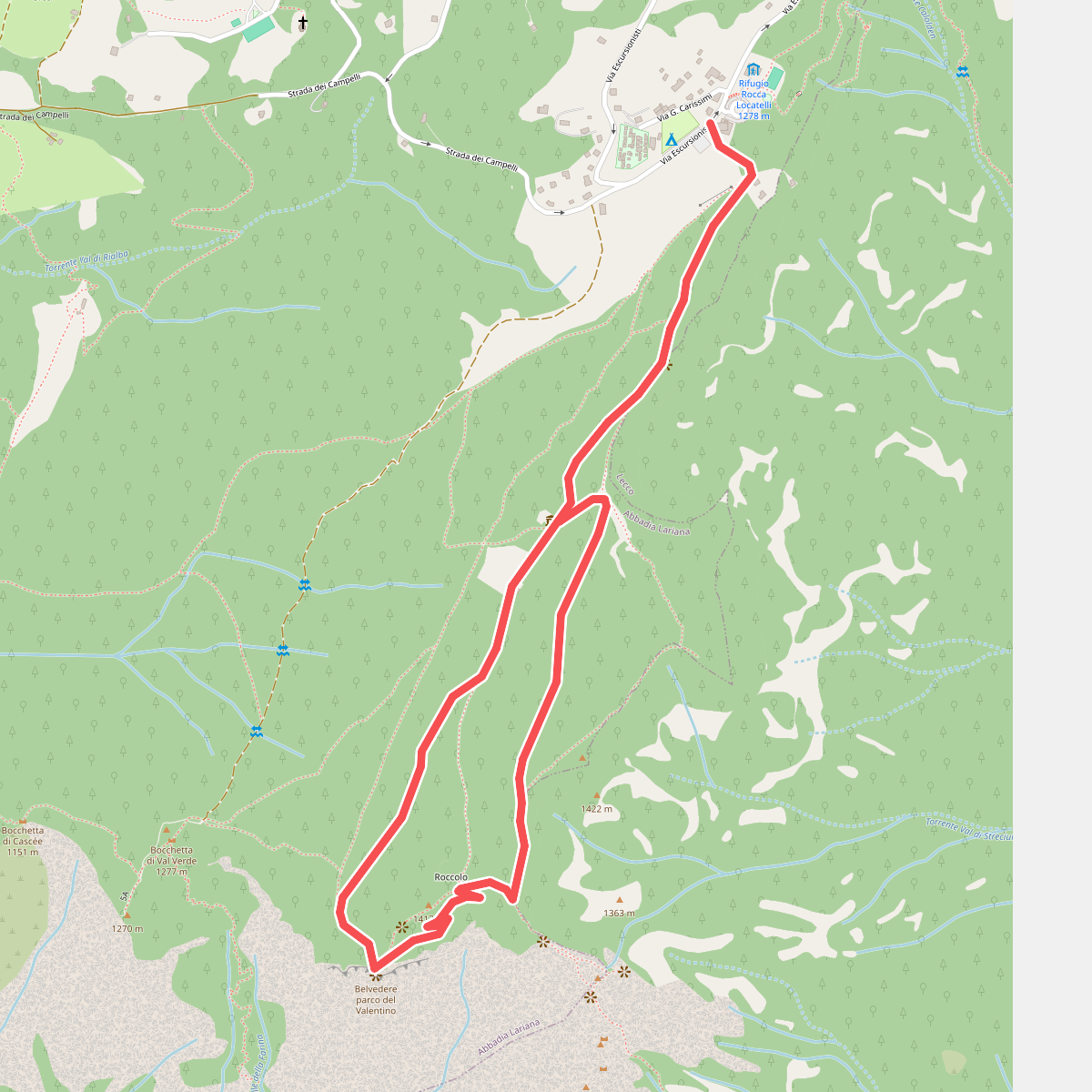
#6. Itinerario 1 Parco Valentino

#7. La Gardata - Rifugio Elisa
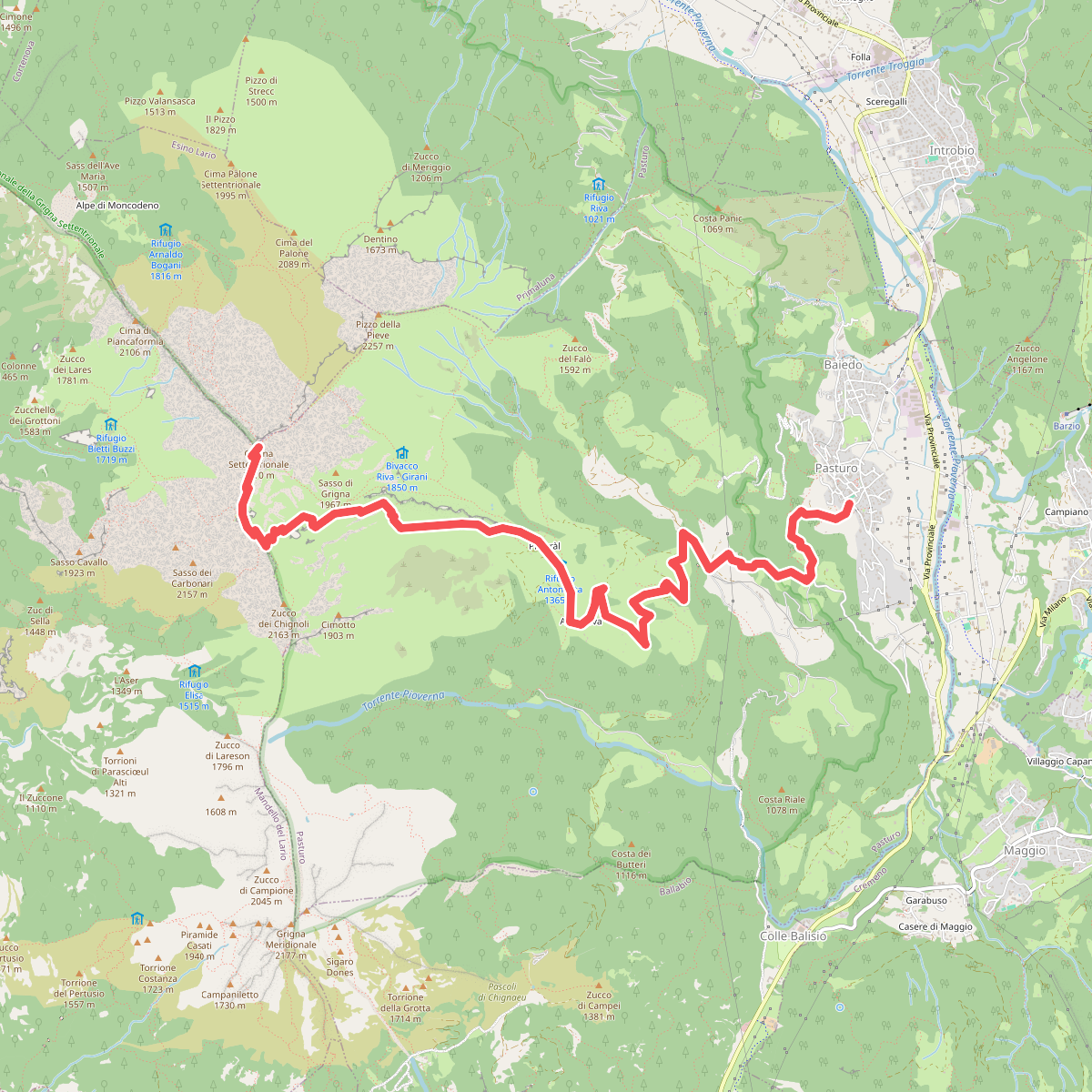
#8. Pasturo - Grignone (via estiva)

#9. Sentiero Cermenati

#10. Sentiero dei Laghi Basso - Tappa 1
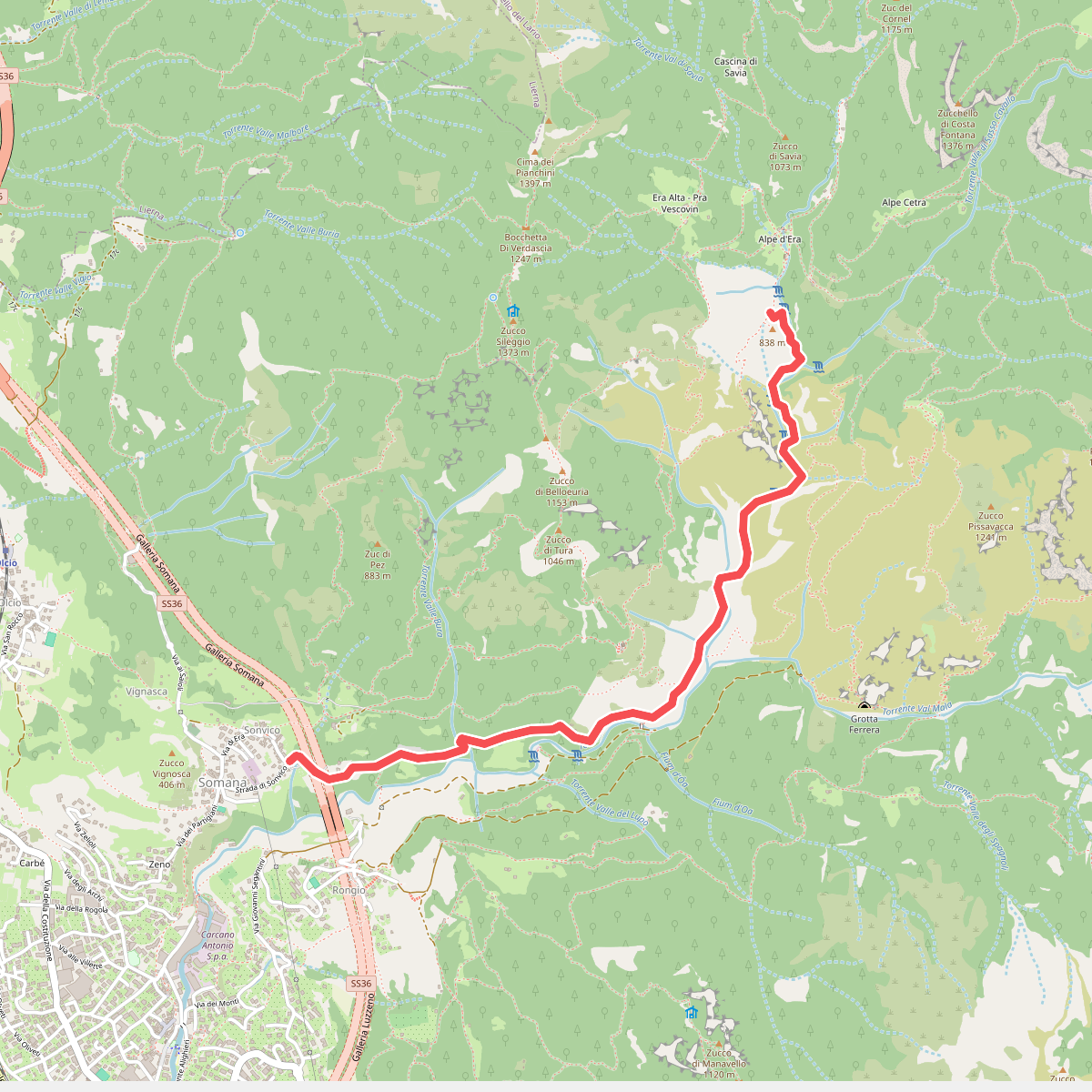
#11. Sentiero del Fiume