
The best hiking routes in Bocca Serriola
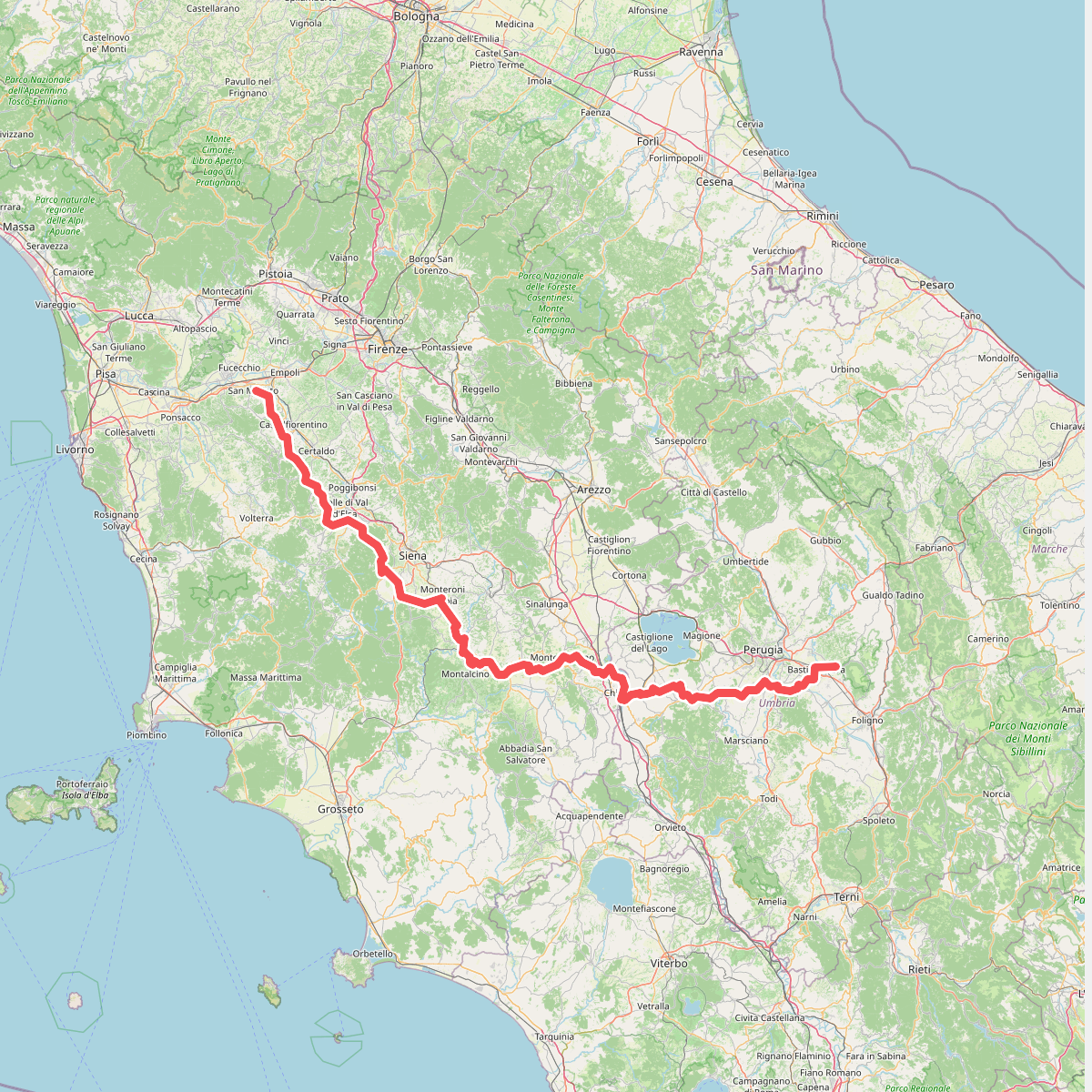
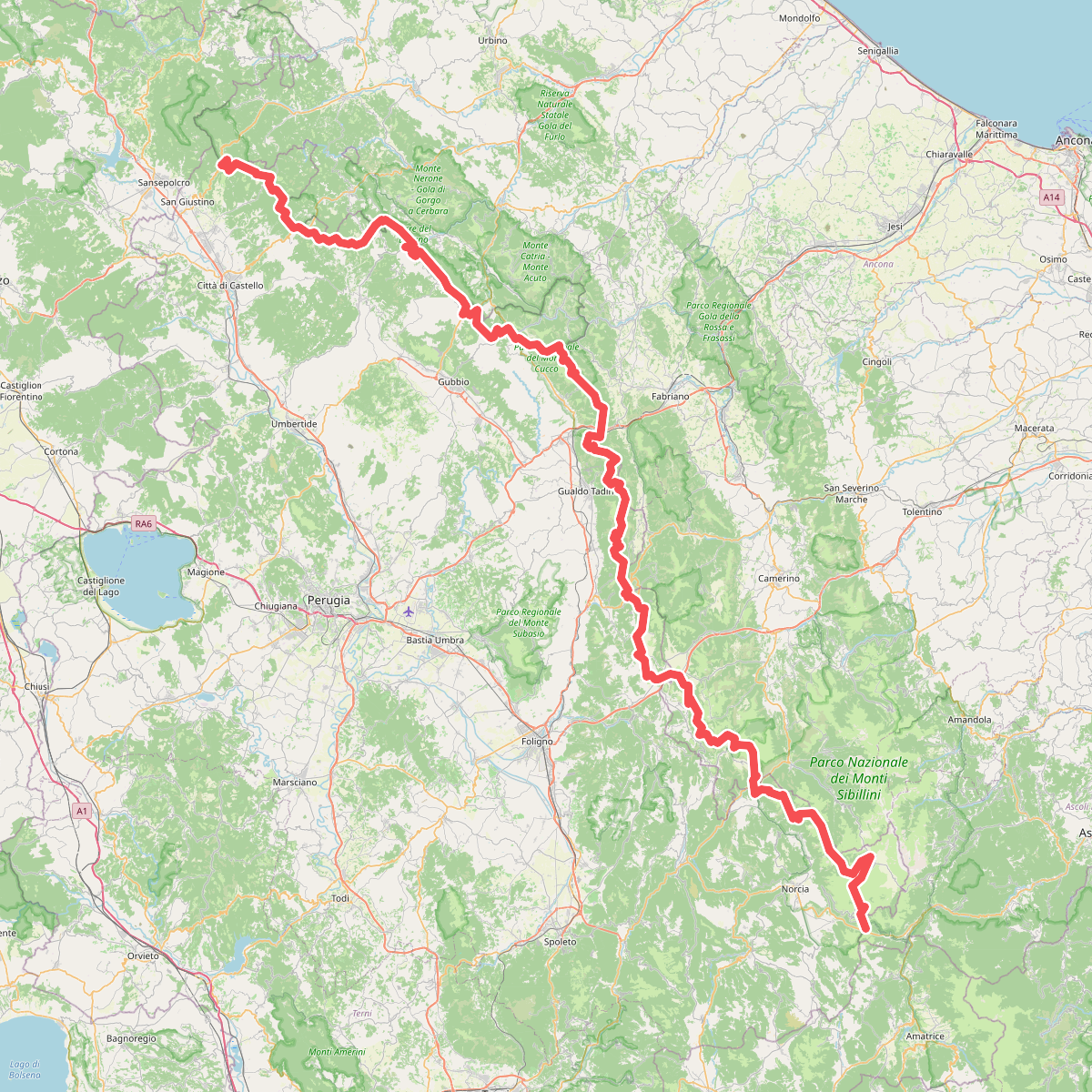
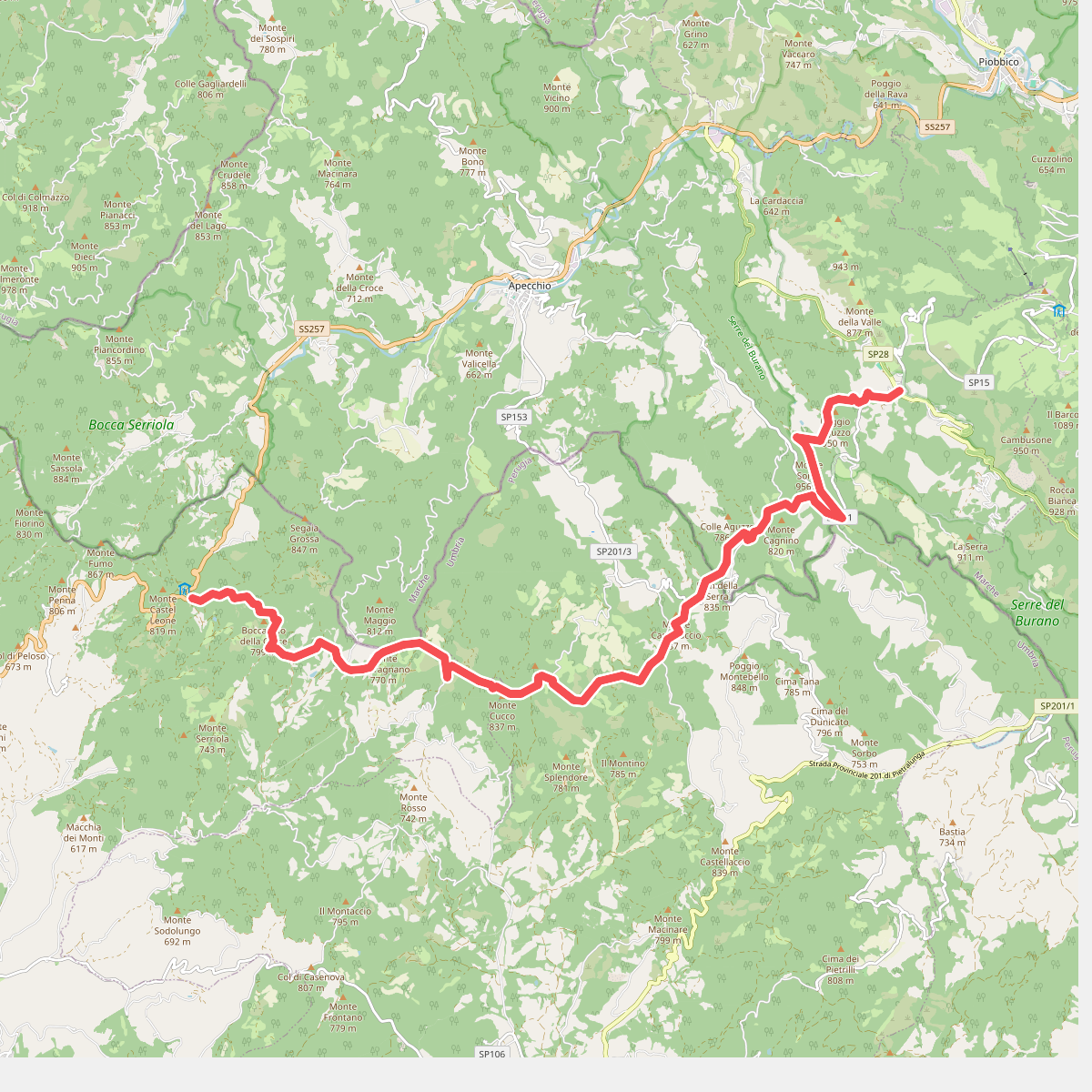
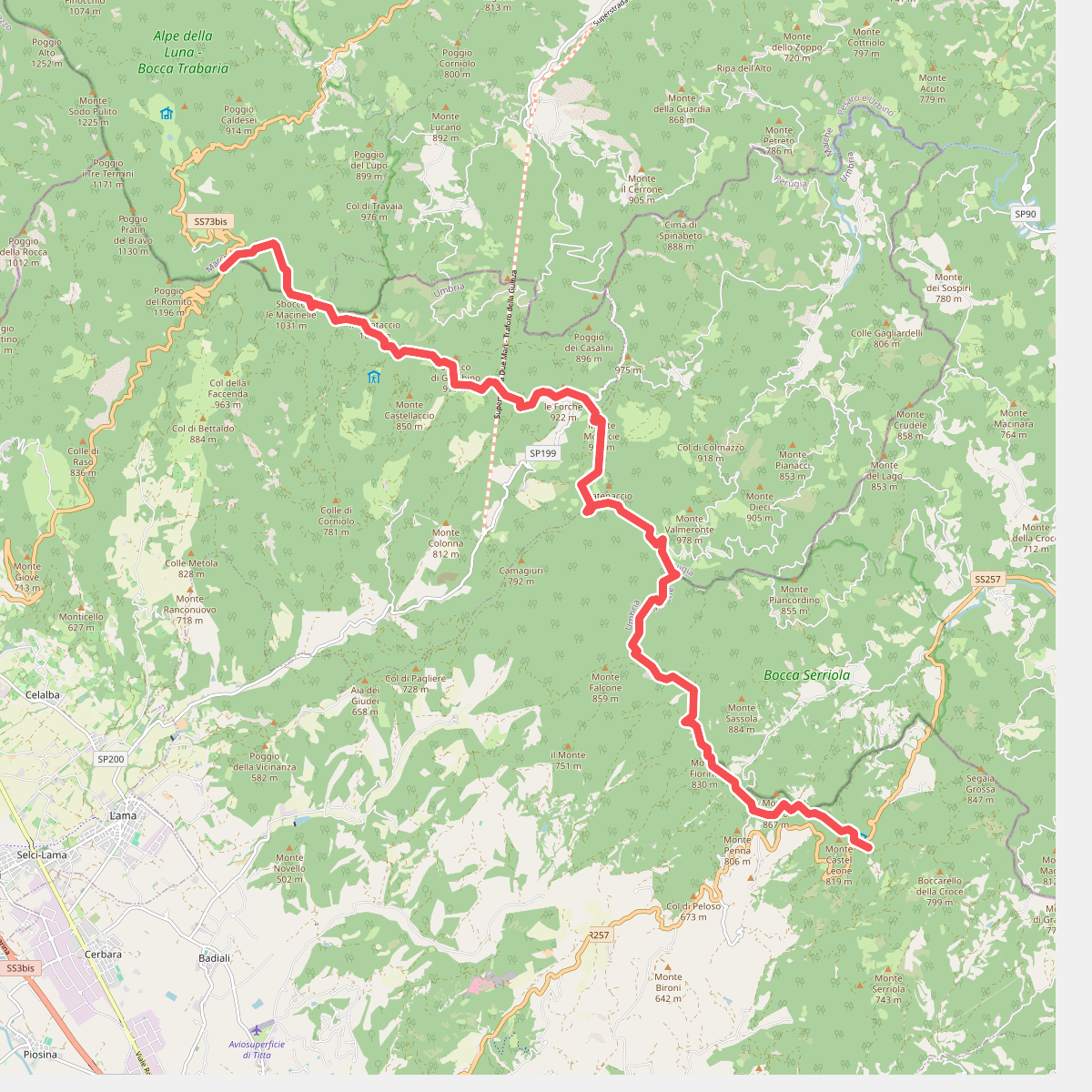
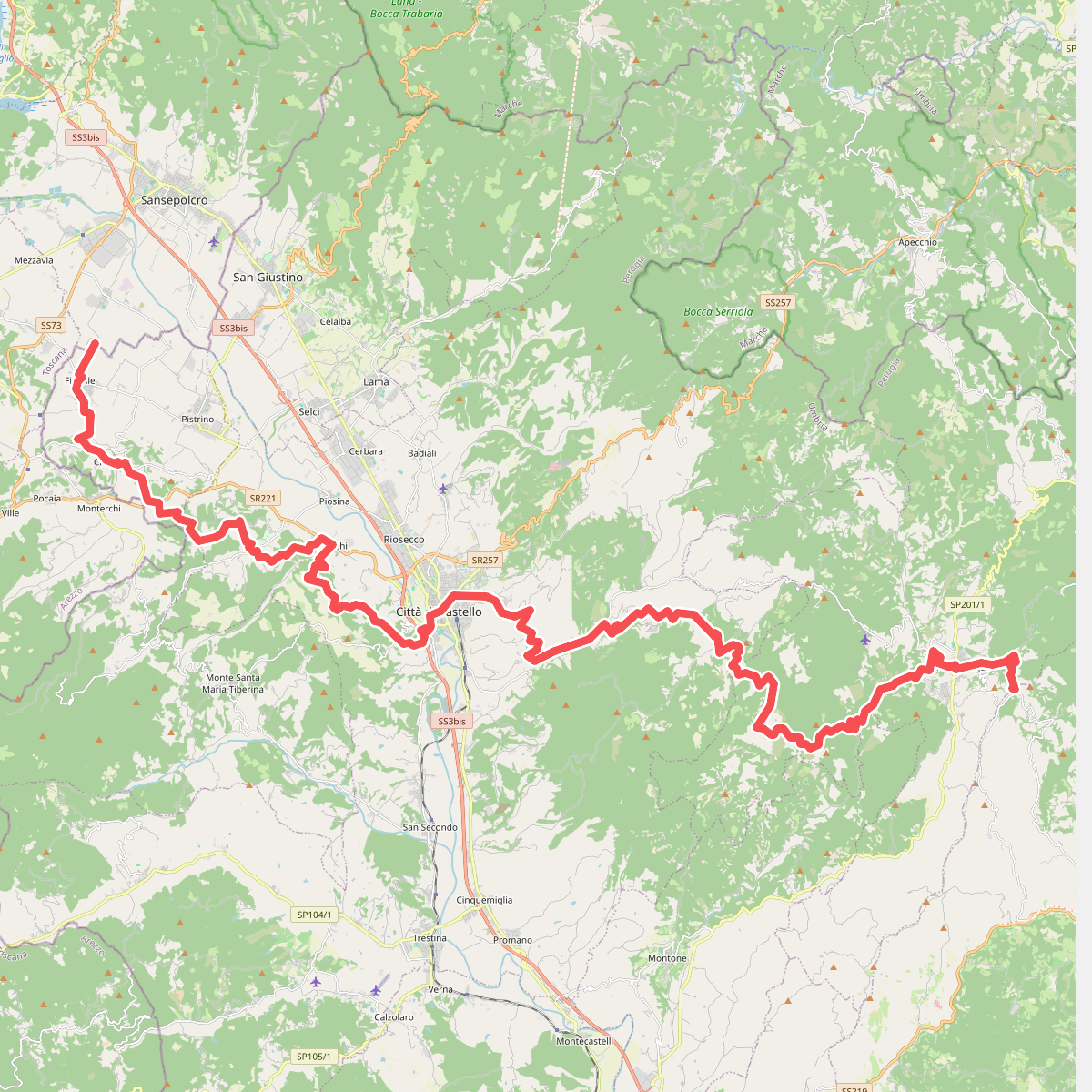
Discover the best walks in Bocca Serriola. 5 routes on the map, with descriptions, photos and GPX.
Managed by UM del Catria e Nerone
About Bocca Serriola
Bocca Serriola is an Apennine mountain pass and nature reserve on the border of Umbria and Le Marche, characterized by dense deciduous woodlands rather than high, jagged peaks. The landscape here is dominated by gently rolling ridges covered in turkey oak, hornbeam, and beech trees, which create a closed canopy over much of the walking network. Instead of open meadows or dramatic rocky cliffs, walkers will find a quiet, forested environment where the terrain is shaped by limestone geology and deep, shaded valleys.
Read more
About Bocca Serriola
Bocca Serriola is an Apennine mountain pass and nature reserve on the border of Umbria and Le Marche, characterized by dense deciduous woodlands rather than high, jagged peaks. The landscape here is dominated by gently rolling ridges covered in turkey oak, hornbeam, and beech trees, which create a closed canopy over much of the walking network. Instead of open meadows or dramatic rocky cliffs, walkers will find a quiet, forested environment where the terrain is shaped by limestone geology and deep, shaded valleys.
Read moreBocca Serriola is an Apennine mountain pass and nature reserve on the border of Umbria and Le Marche, characterized by dense deciduous woodlands rather than high, jagged peaks. The landscape here is dominated by gently rolling ridges covered in turkey oak, hornbeam, and beech trees, which create a closed canopy over much of the walking network. Instead of open meadows or dramatic rocky cliffs, walkers will find a quiet, forested environment where the terrain is shaped by limestone geology and deep, shaded valleys.
Underfoot, the trails consist primarily of dirt tracks, forestry roads, and stony paths that can be uneven due to loose gravel and tree roots. The walking experience here is defined by steady, moderate climbs through the trees rather than steep, technical scrambles. Because of the dense forest cover, views of the surrounding valleys are occasional and framed by branches, making this area more suited for those who enjoy woodland intimacy over wide, panoramic vistas.
In autumn, particularly during October, the canopy undergoes a distinct color shift as the oak and beech leaves turn copper and yellow before falling. This seasonal change opens up the forest floor to more light, revealing the limestone outcrops that characterize the underlying geology of the pass. The area is generally quieter than the more famous peaks nearby, offering a consistent forest walk that feels secluded without requiring high-altitude navigation.