The best hiking routes in West Flanders
Discover the best walks in West Flanders. 205 routes on the map, with descriptions, photos and GPX.
About West Flanders
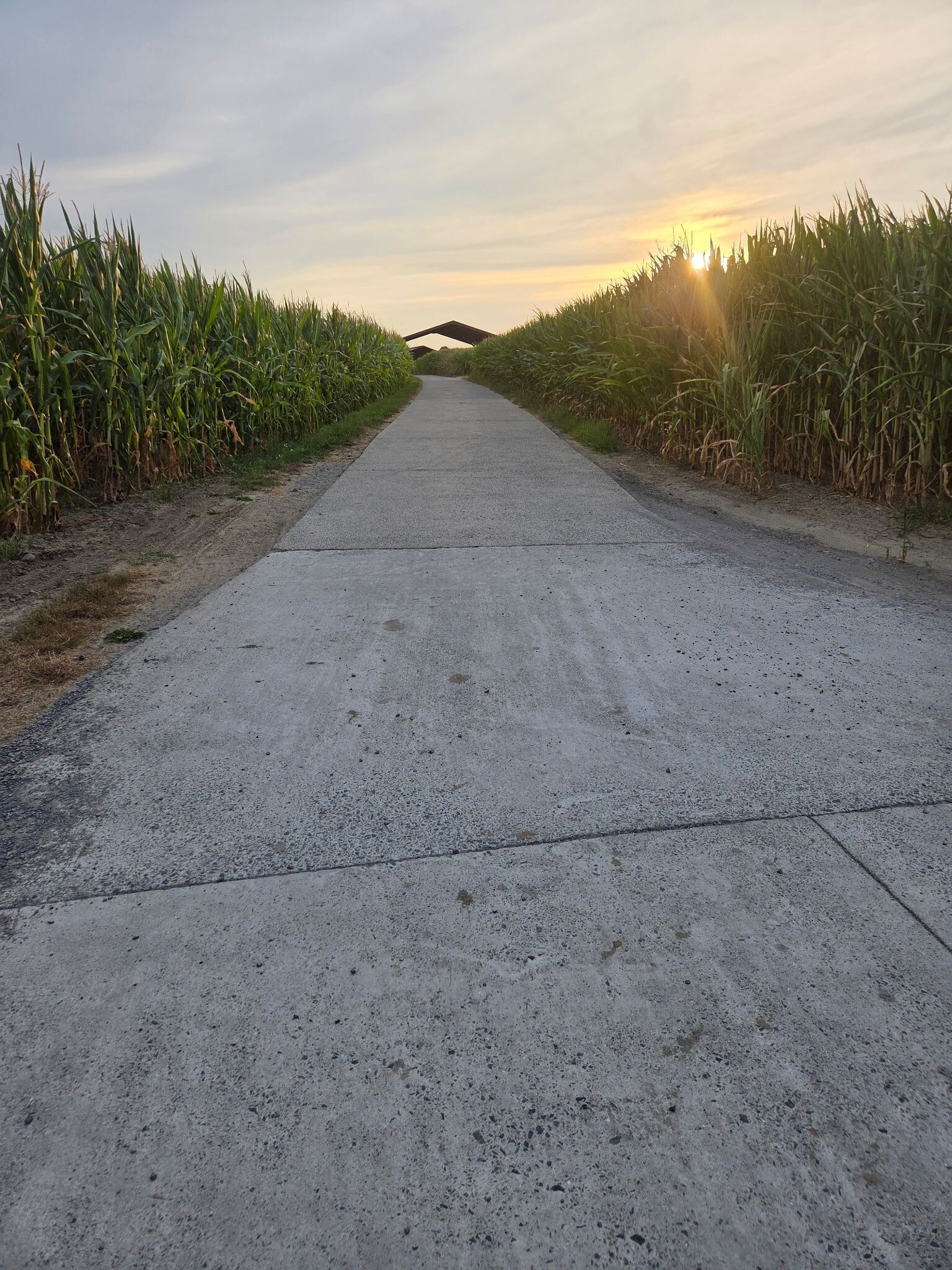
West Flanders is a low-lying province where the walking experience is dictated by the transition from the North Sea coast to the inland agricultural plains. Along the coast, you walk on loose sand and paved dikes, navigating a landscape of sea walls and coastal towns. Further inland, the terrain shifts to flat polders where drainage canals and clay soils dominate. In the far south, the landscape rises into gently rolling hills where the paths climb clay ridges, offering views over orchards and farmland rather than deep valleys or dramatic peaks.
Read more
About West Flanders
West Flanders is a low-lying province where the walking experience is dictated by the transition from the North Sea coast to the inland agricultural plains. Along the coast, you walk on loose sand and paved dikes, navigating a landscape of sea walls and coastal towns. Further inland, the terrain shifts to flat polders where drainage canals and clay soils dominate. In the far south, the landscape rises into gently rolling hills where the paths climb clay ridges, offering views over orchards and farmland rather than deep valleys or dramatic peaks.
Read moreWest Flanders is a low-lying province where the walking experience is dictated by the transition from the North Sea coast to the inland agricultural plains. Along the coast, you walk on loose sand and paved dikes, navigating a landscape of sea walls and coastal towns. Further inland, the terrain shifts to flat polders where drainage canals and clay soils dominate. In the far south, the landscape rises into gently rolling hills where the paths climb clay ridges, offering views over orchards and farmland rather than deep valleys or dramatic peaks.
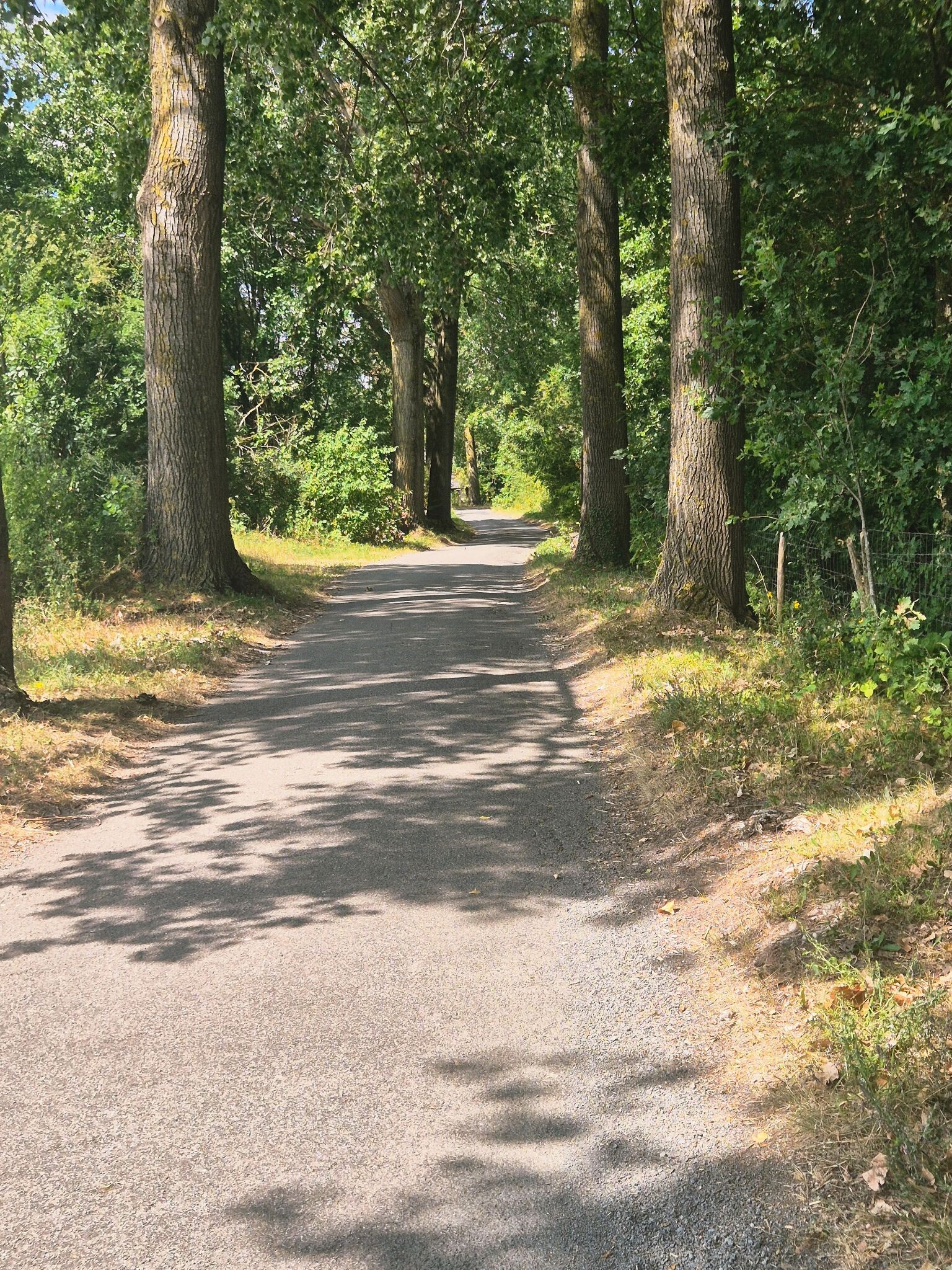
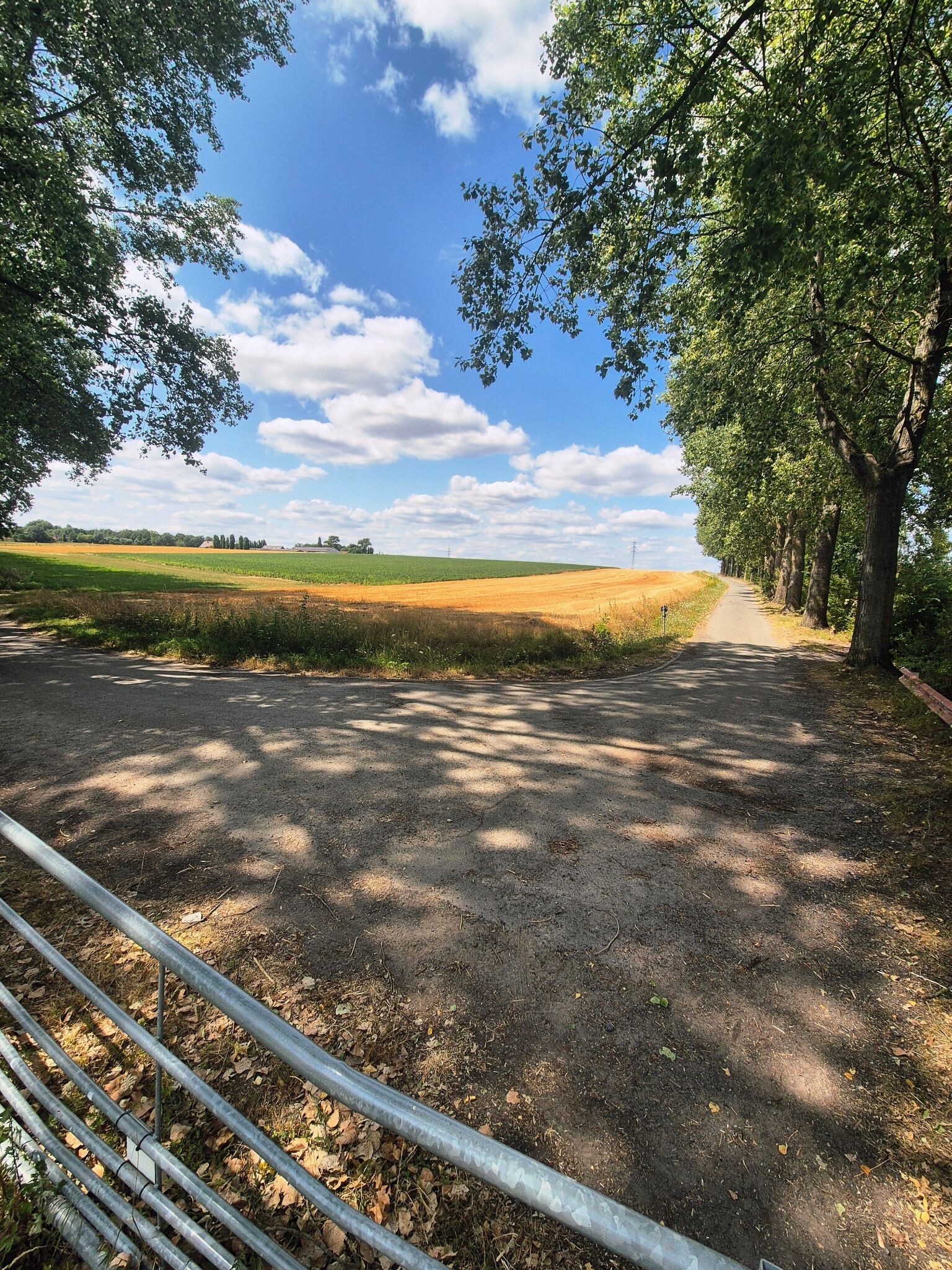
Because there are no large nature reserves or national parks in this heavily cultivated province, walking here means sharing the landscape with active farms and small villages. The coastal strip is highly developed, meaning a walk there often combines sandy beaches with concrete promenades and urban seafronts. In contrast, the inland polder clay paths offer a straightforward, rural walking environment where the main features are rows of poplars, drainage ditches, and quiet tarmac lanes between fields.
Underfoot, you will mostly encounter a mix of paved agricultural roads, sandy coastal tracks, and dirt paths that turn to heavy clay after wet weather. In May, the inland fields around the southern hills are bright with flowering crops, while the coastal dunes are best visited in late autumn when the summer beach crowds have departed. It is a functional, working landscape where walking is defined by open farmland, sea walls, and gentle ridges rather than wilderness.
Nature areas in West Flanders
Zoom or pan for more routes
Hiking routes in West Flanders (205)
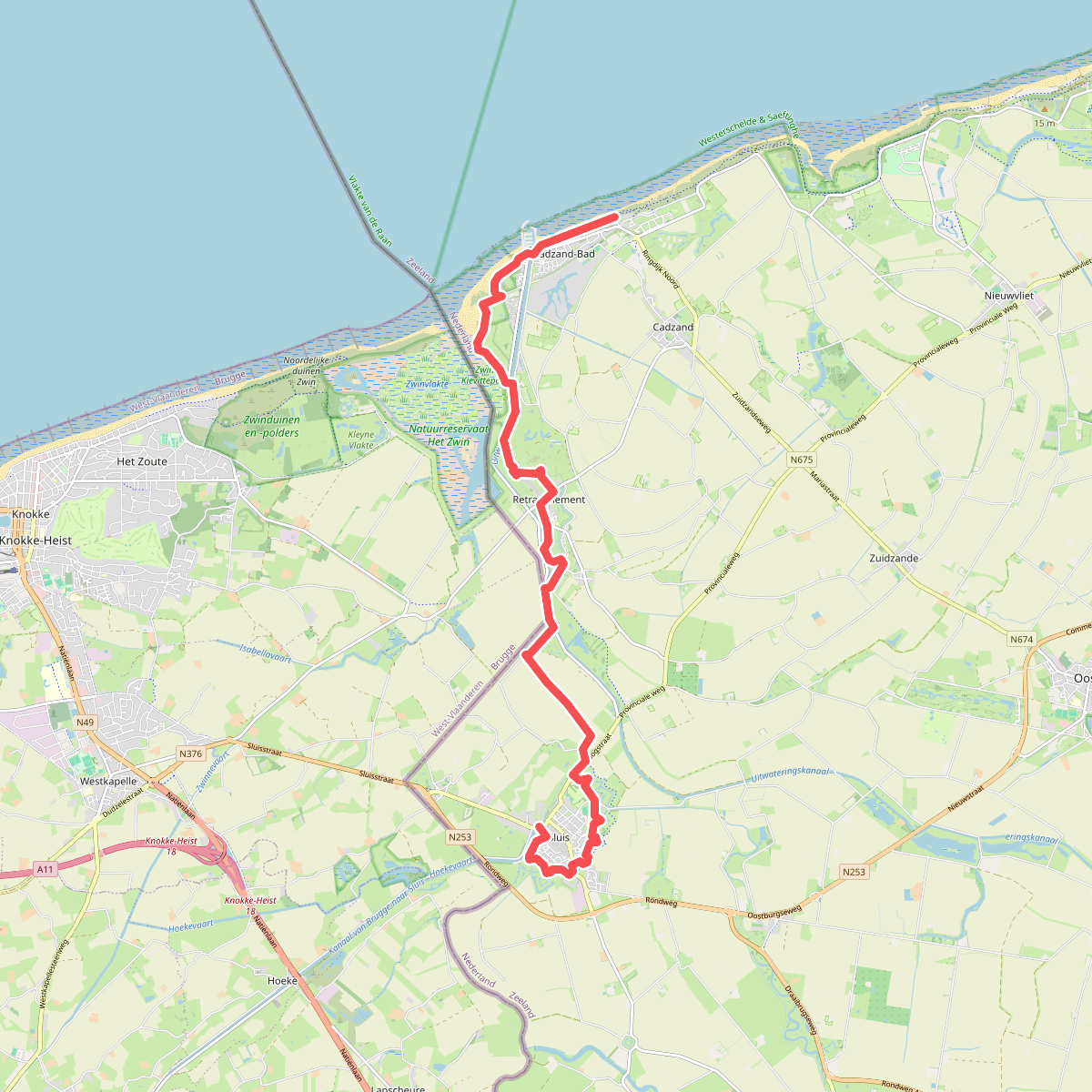
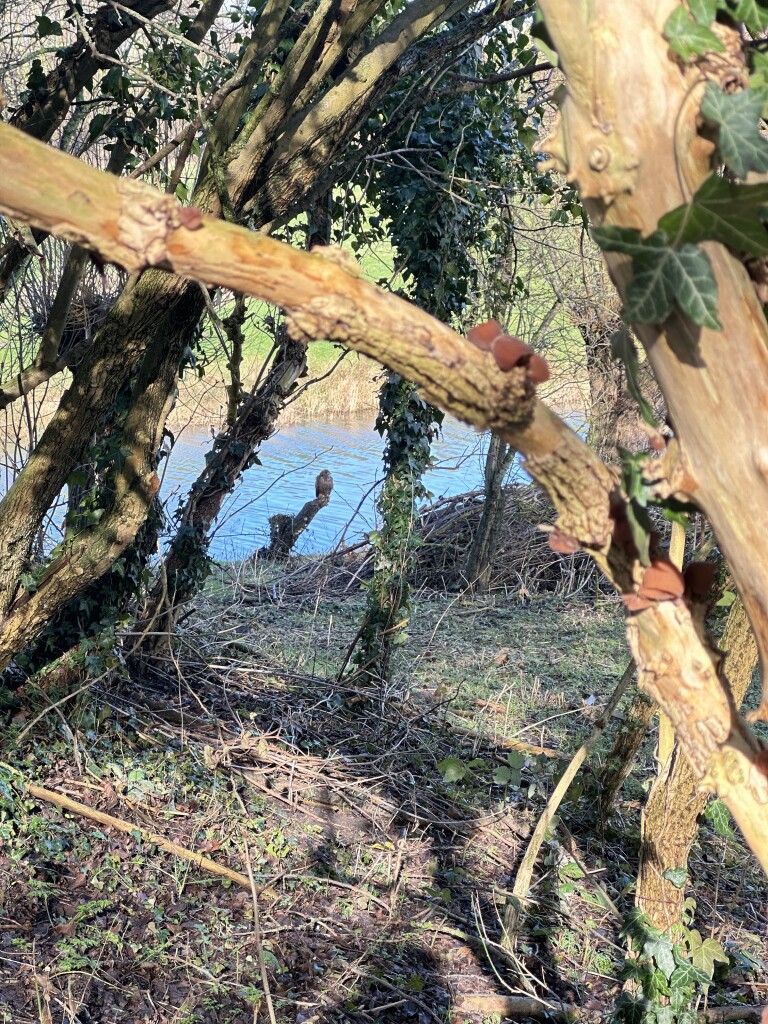
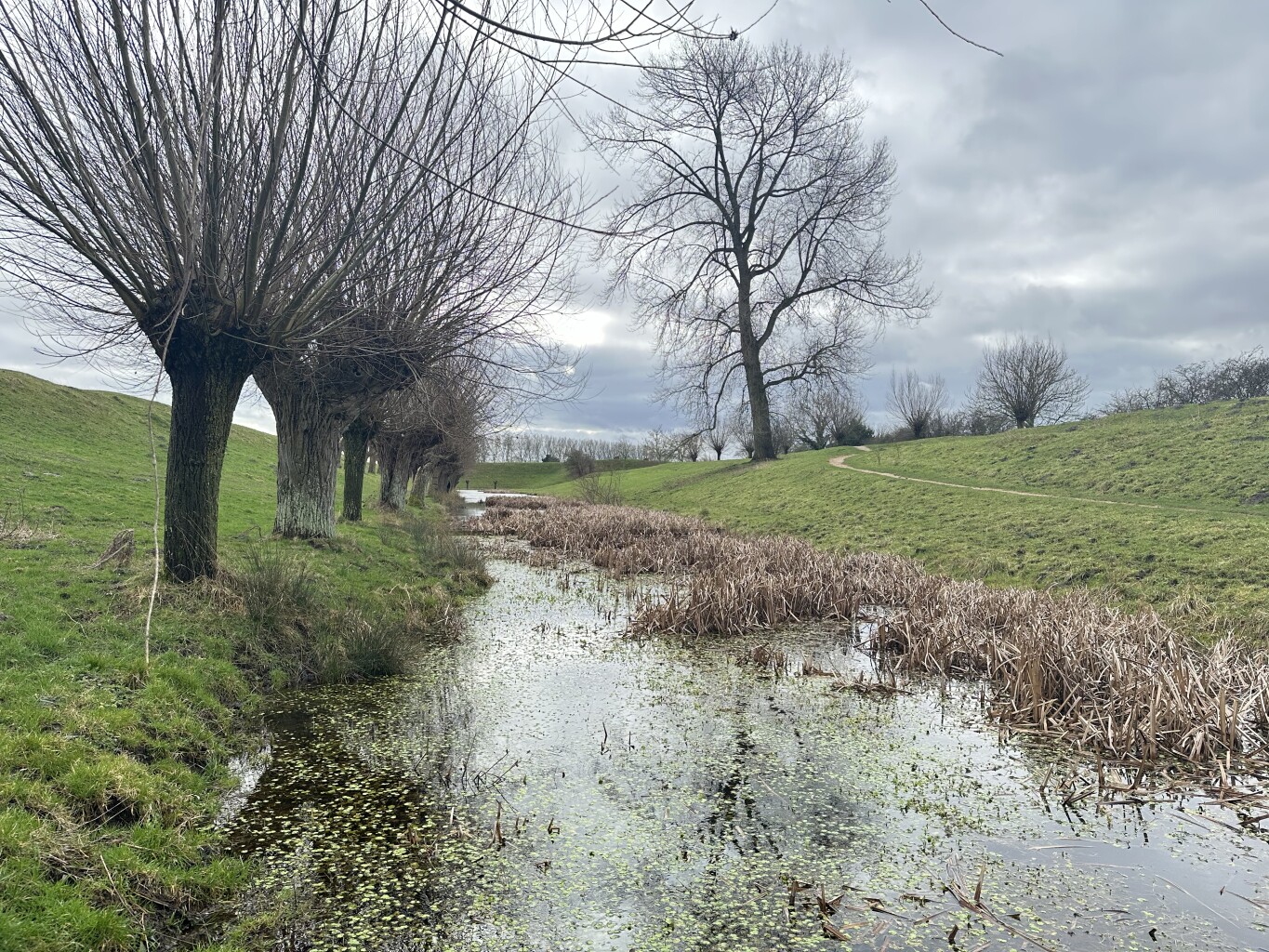
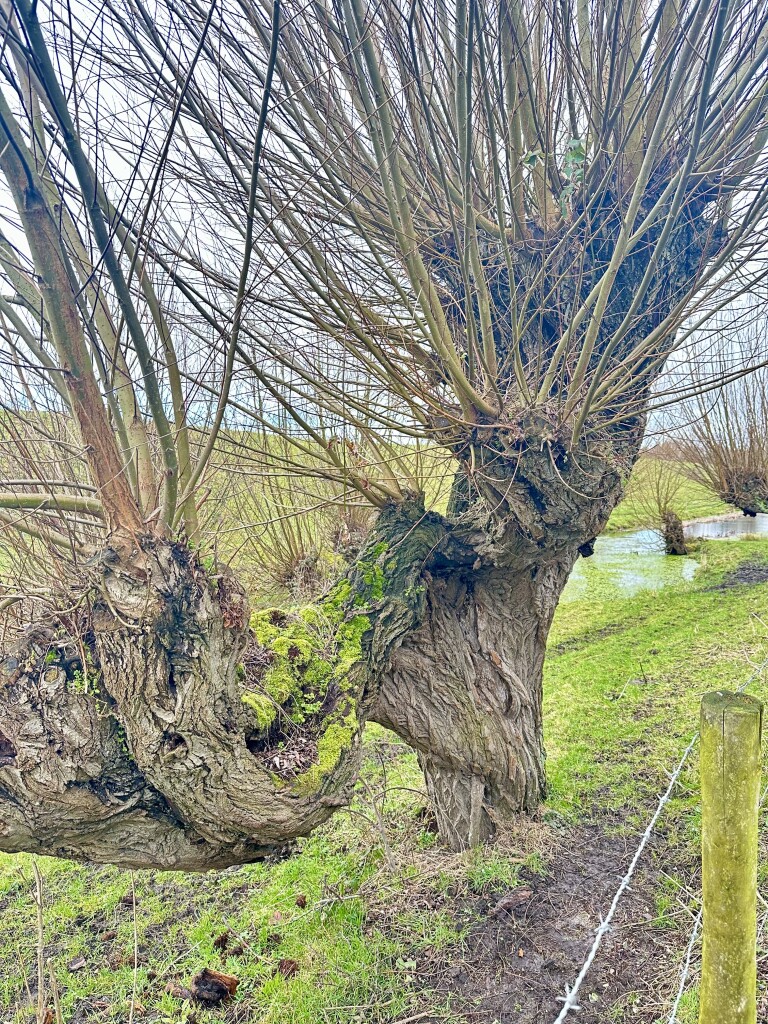
#1. Sluis - Cadzand-Bad · Nederlands Kustpad 1 etappe 1
Cadzand,Retranchement,Sluis
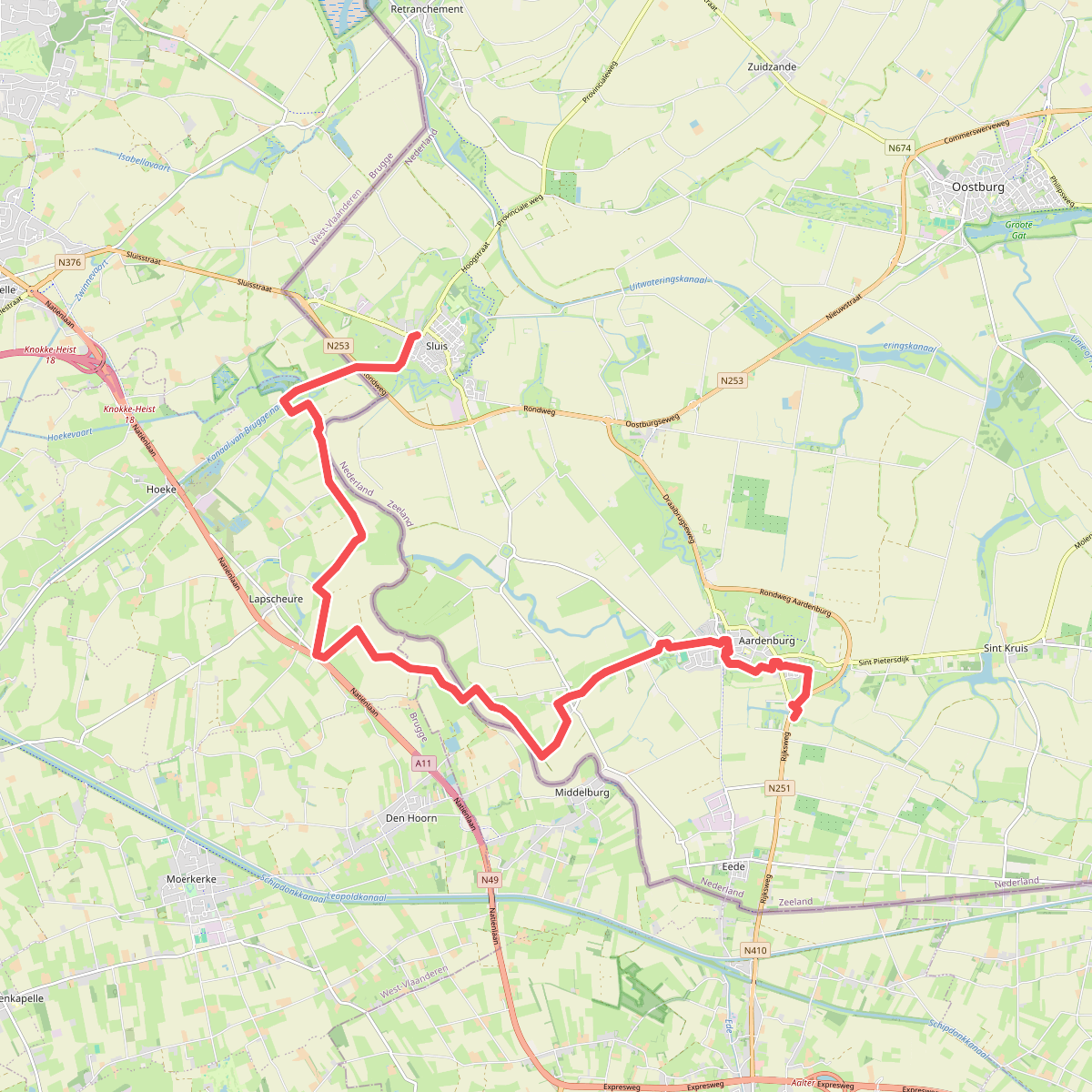
#2. Sluis - Eede · Grenslandpad etappe 1
Aardenburg,Sluis
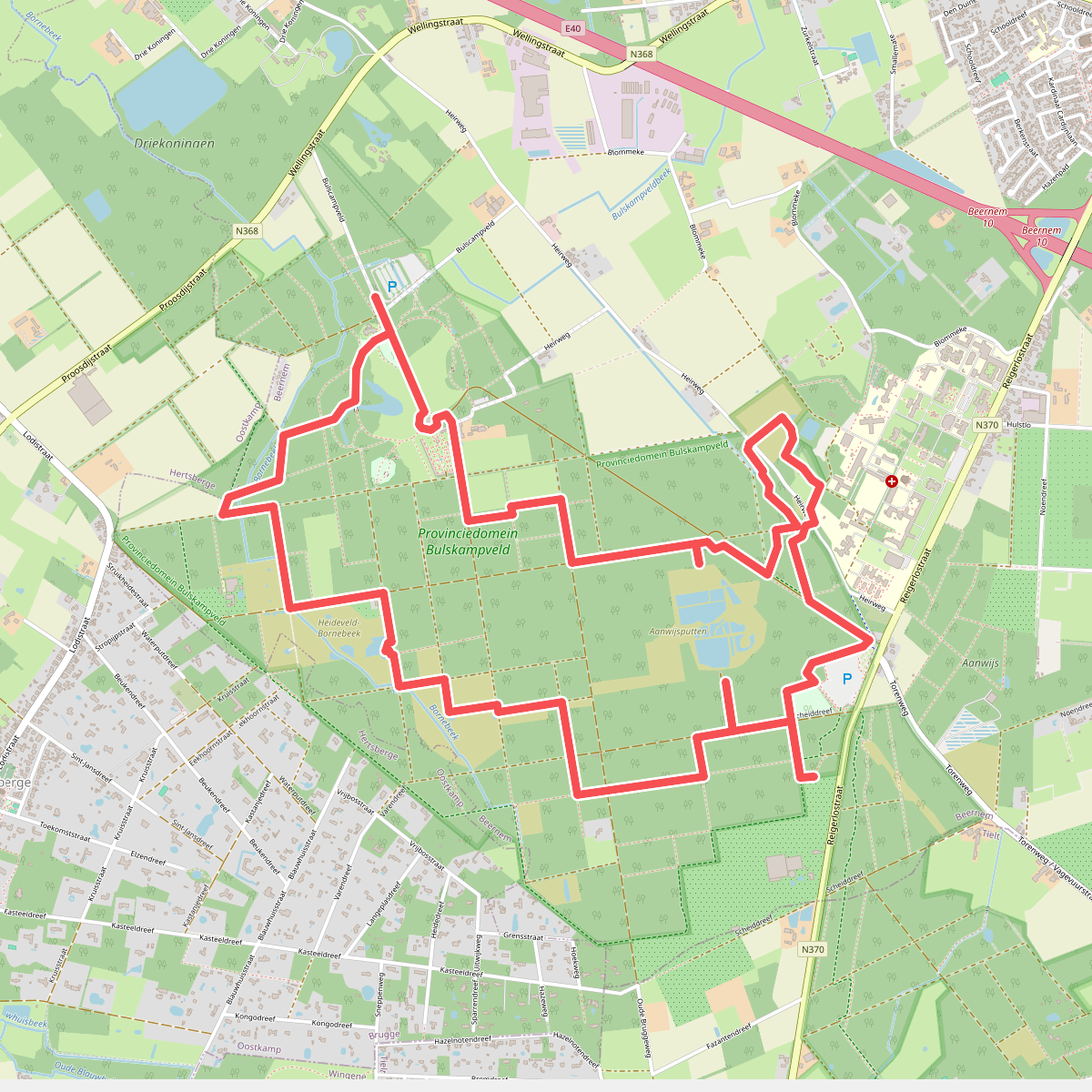
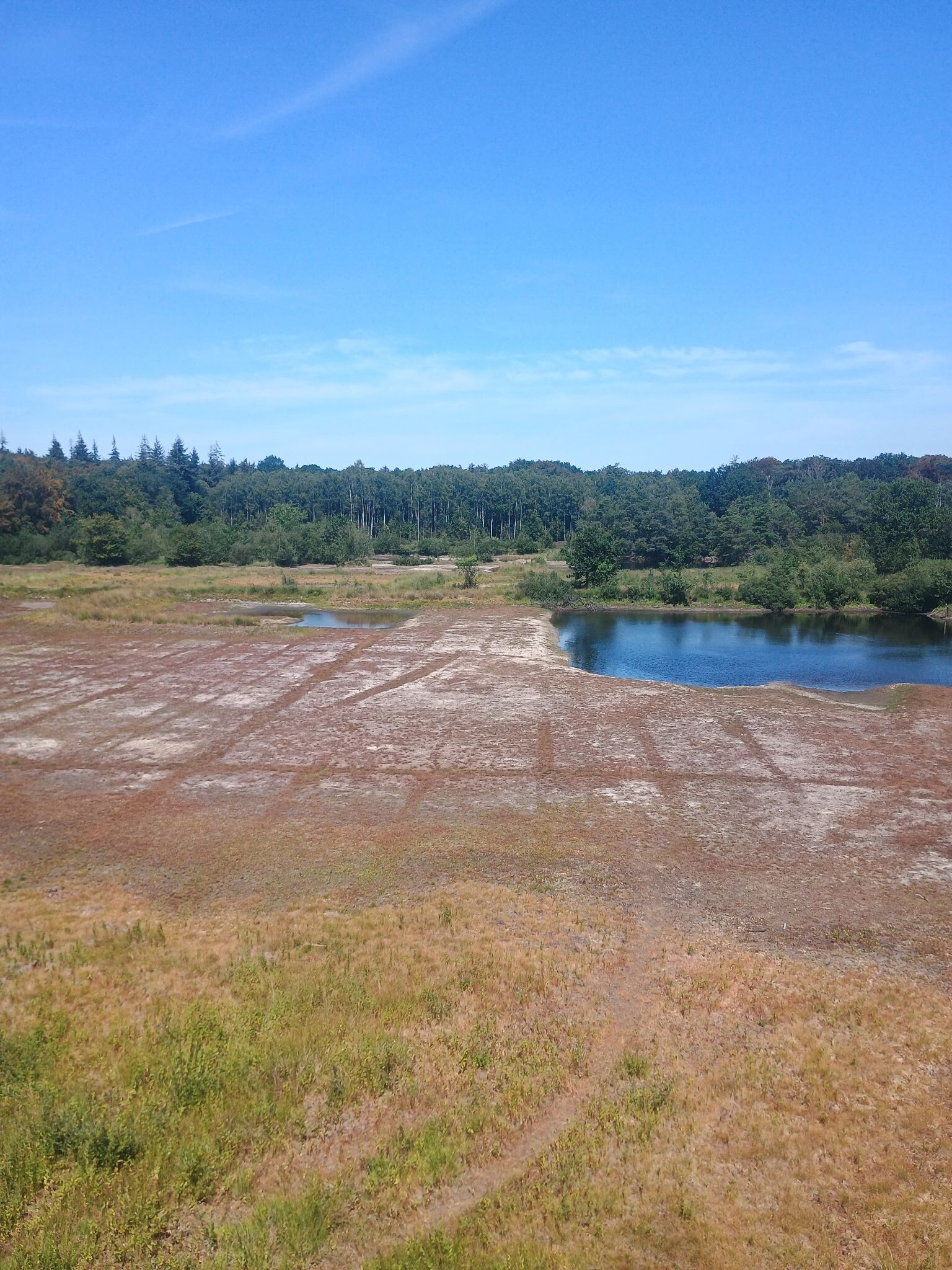
#3. Bulskampveldwandelroute
Beernem
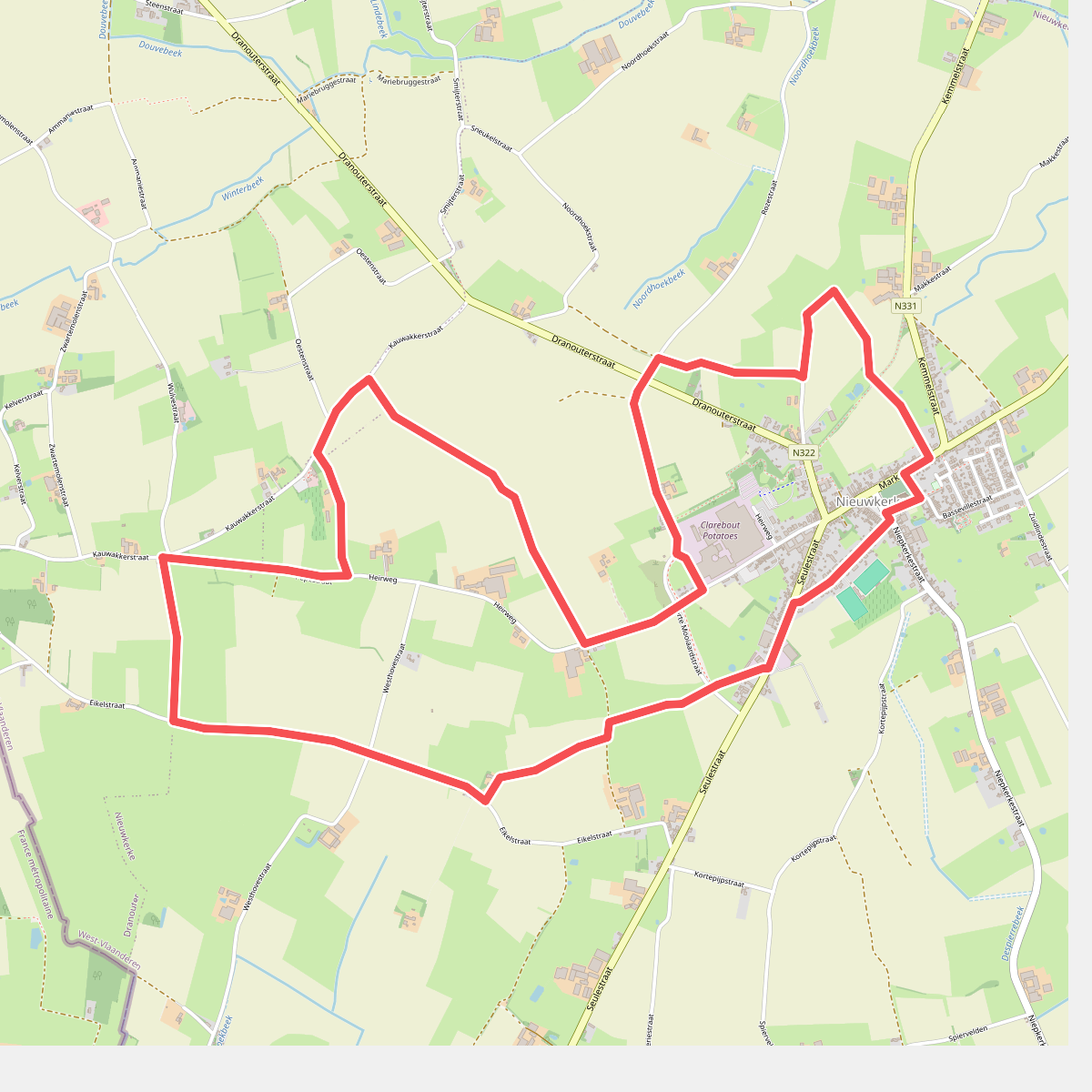
#4. Geuzenwandelroute
Heuvelland
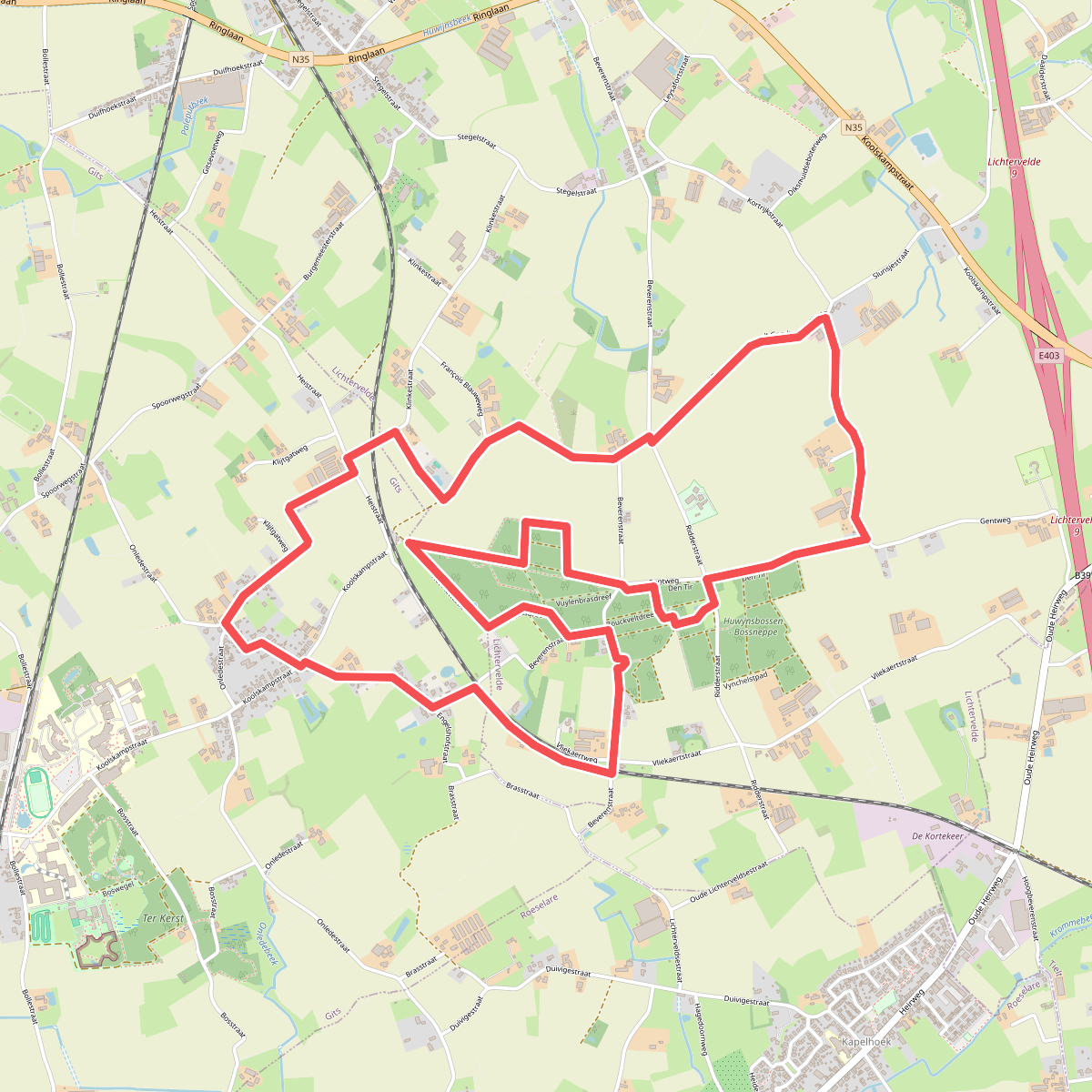
#5. Heihoekwandelroute
Lichtervelde,Gits
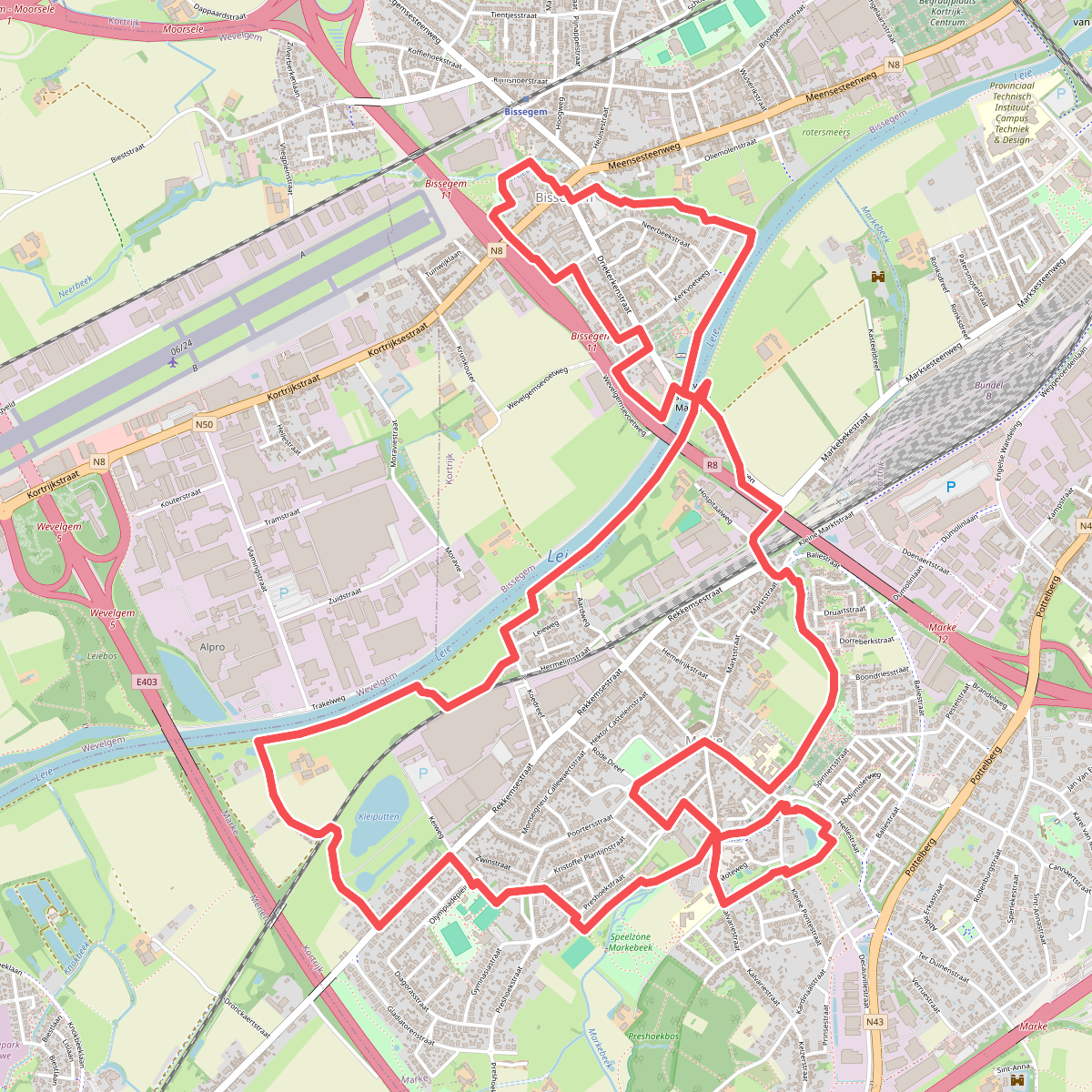
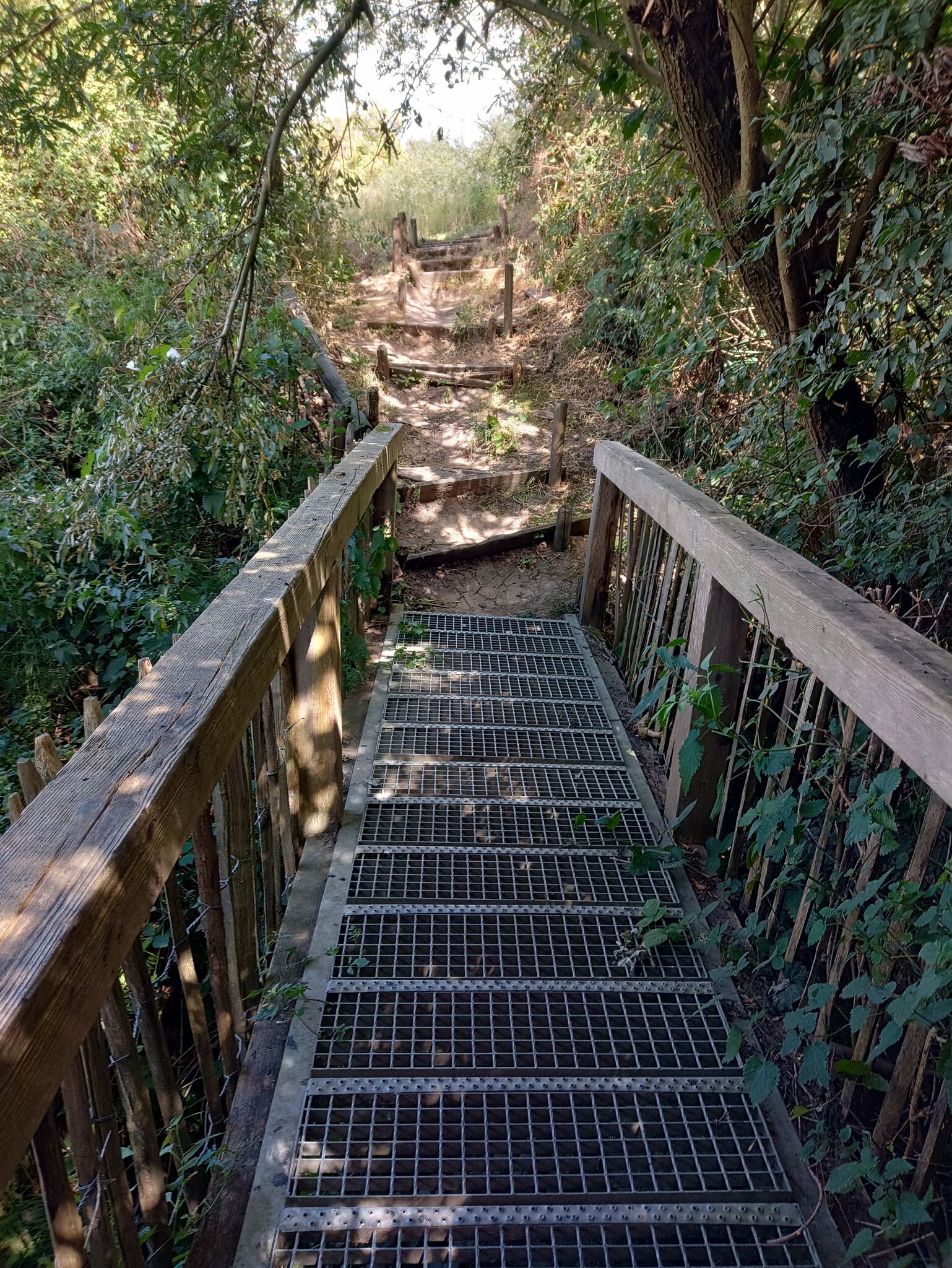
#6. Twee bekenwandelroute
Kortrijk
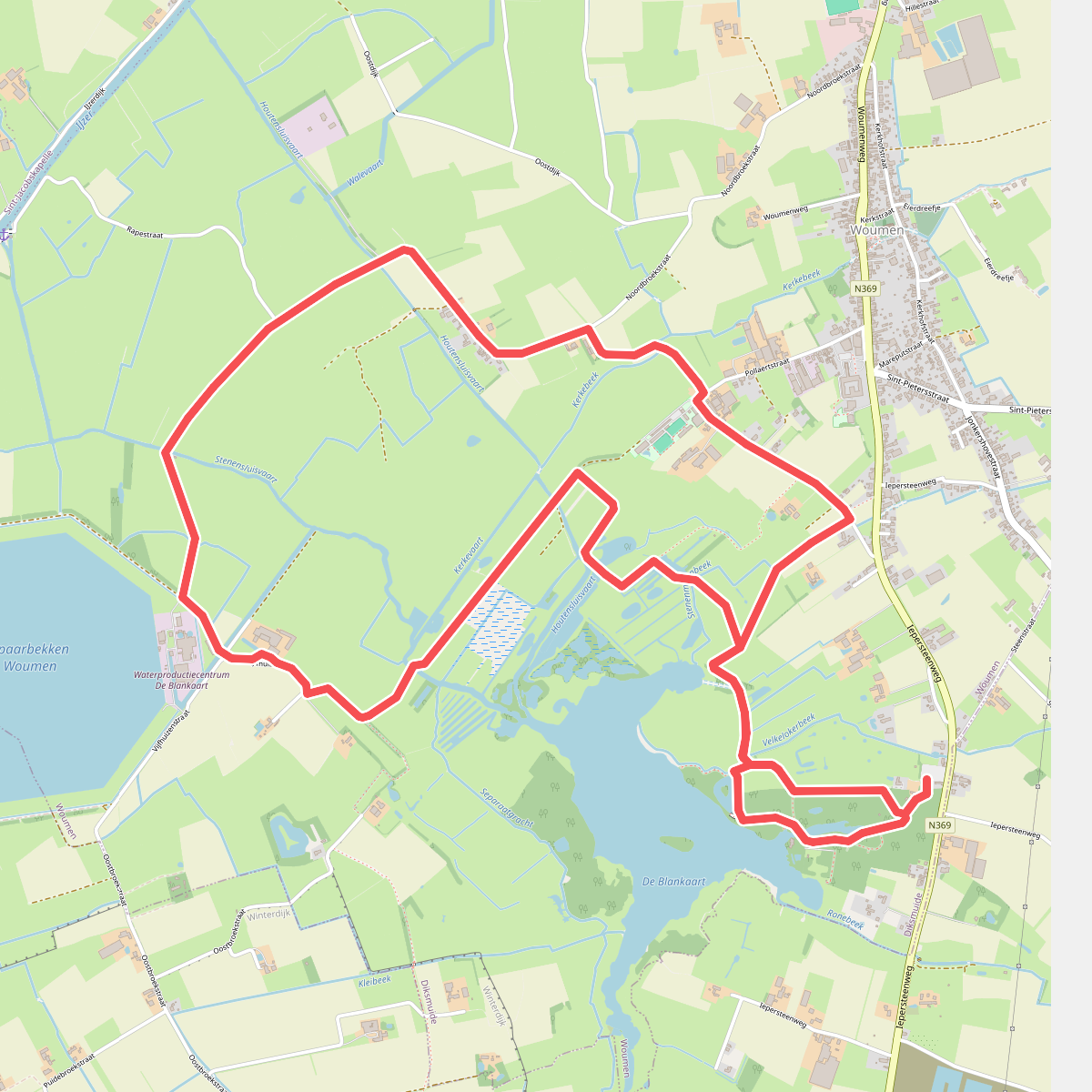
#7. Blankaartwandelroute
Diksmuide
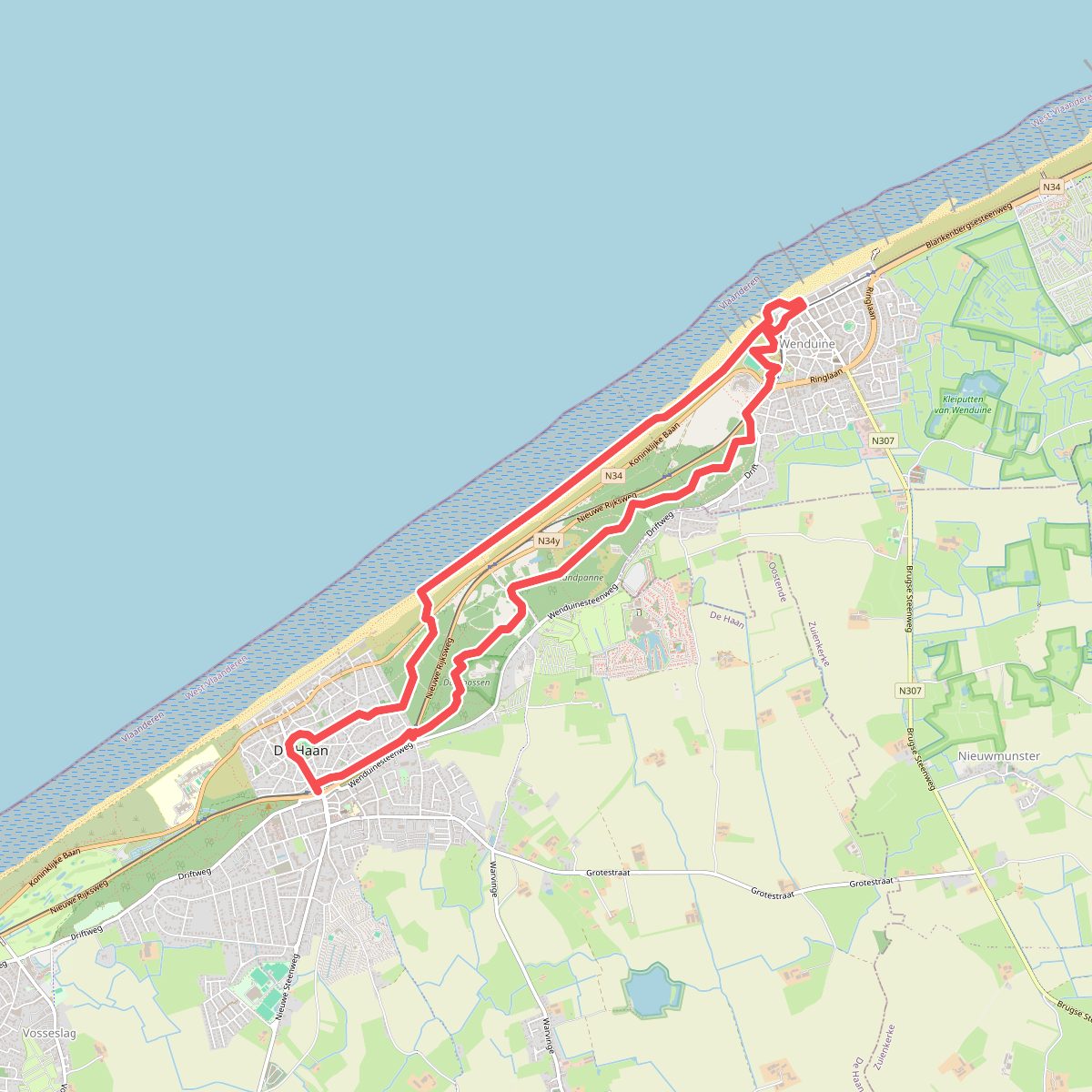
#8. Duinbossenwandelroute
Klemskerke,Vlissegem,Wenduine
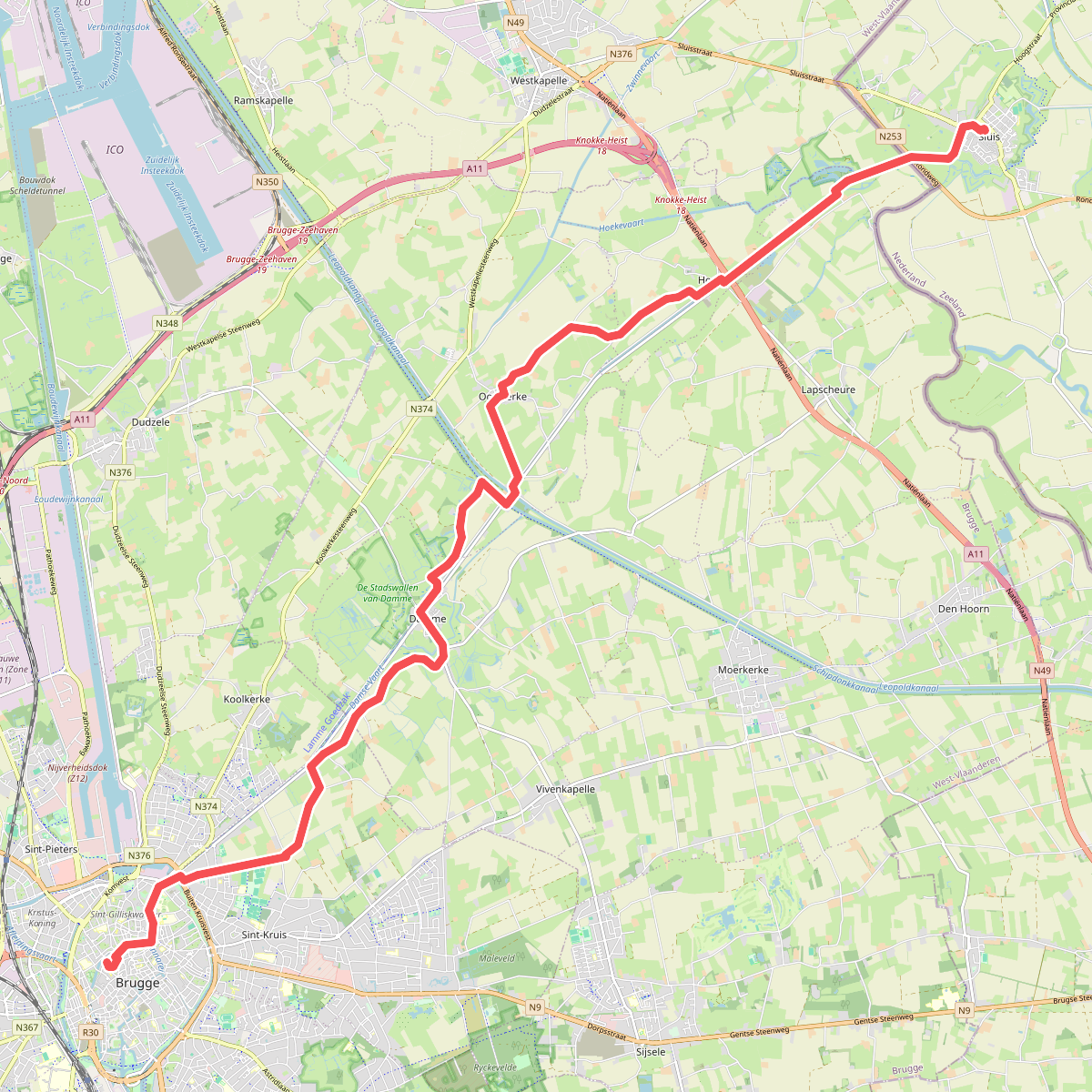
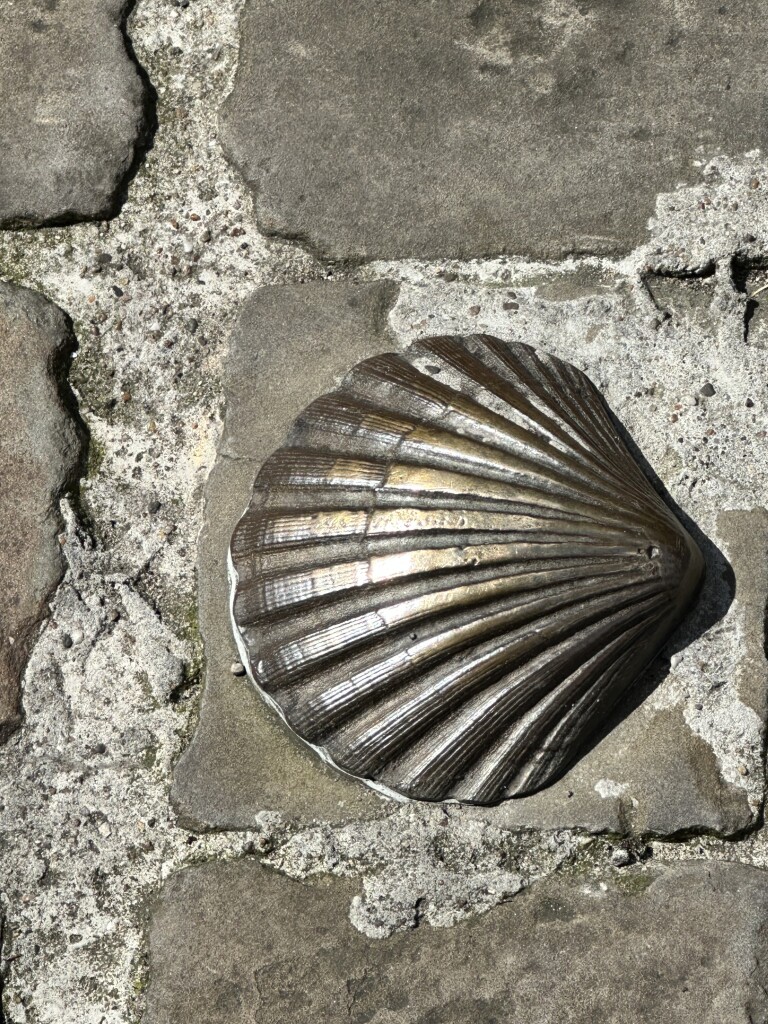
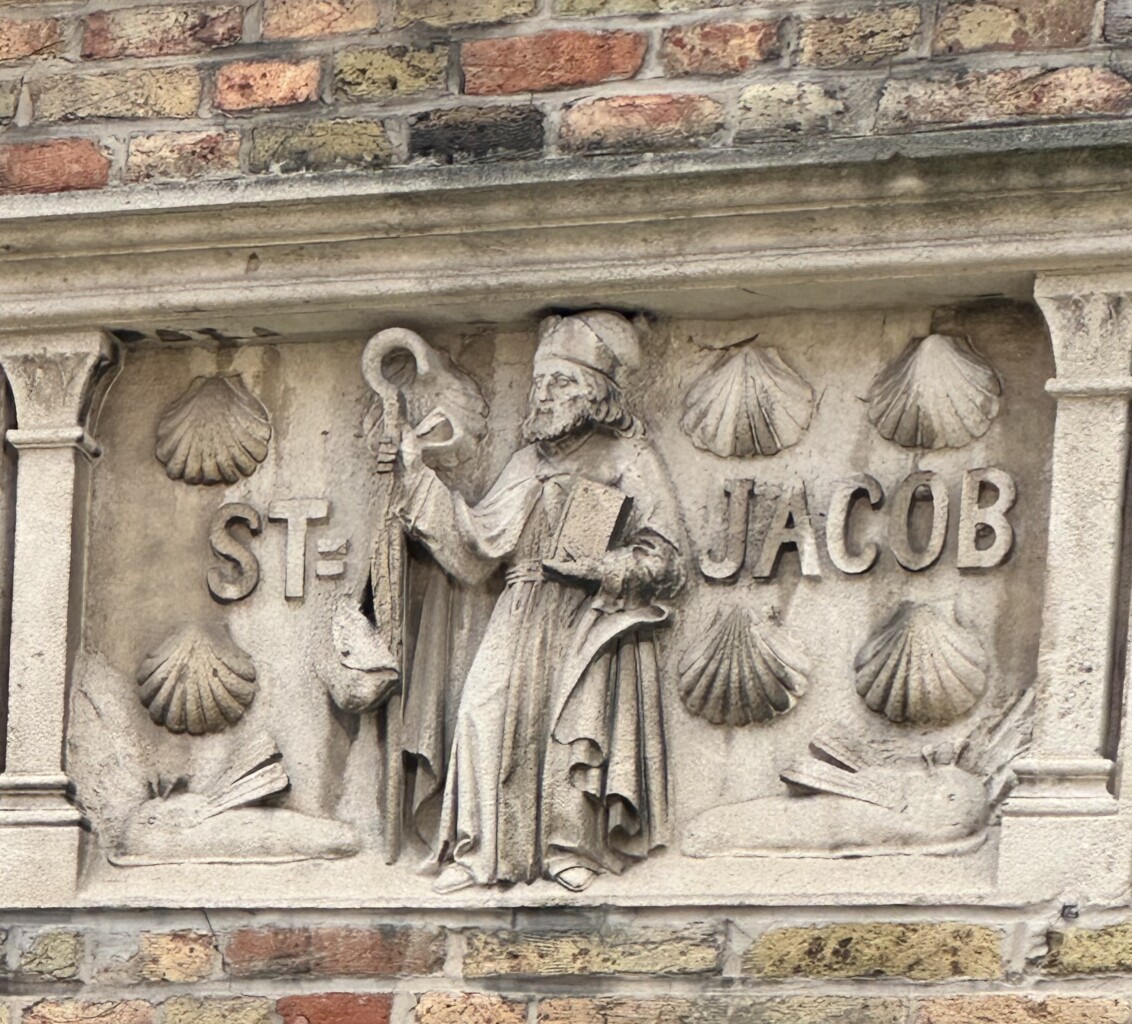
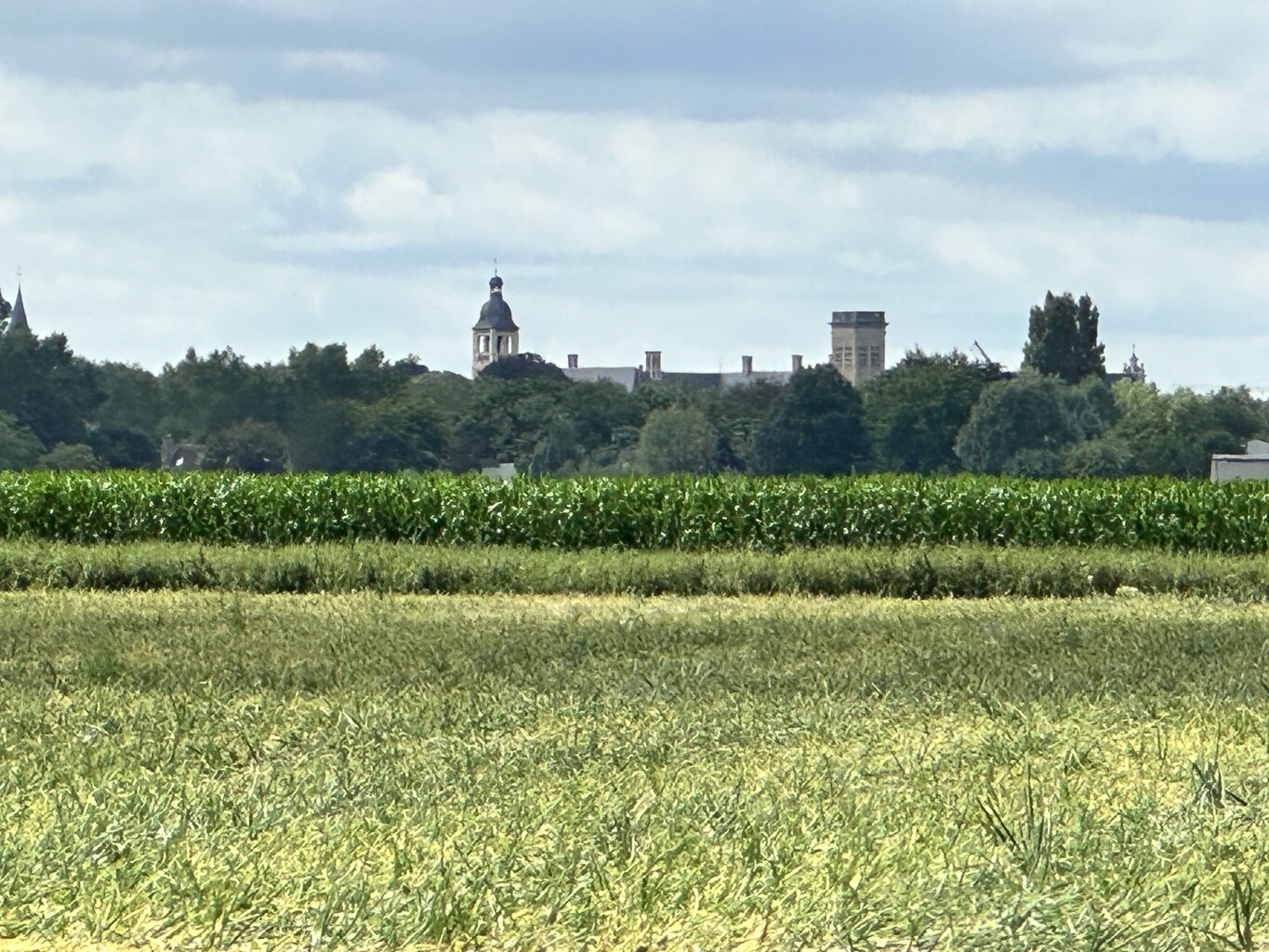
#9. Sluis - Brugge · Jacobsweg Die Haghe etappe 10
Sluis
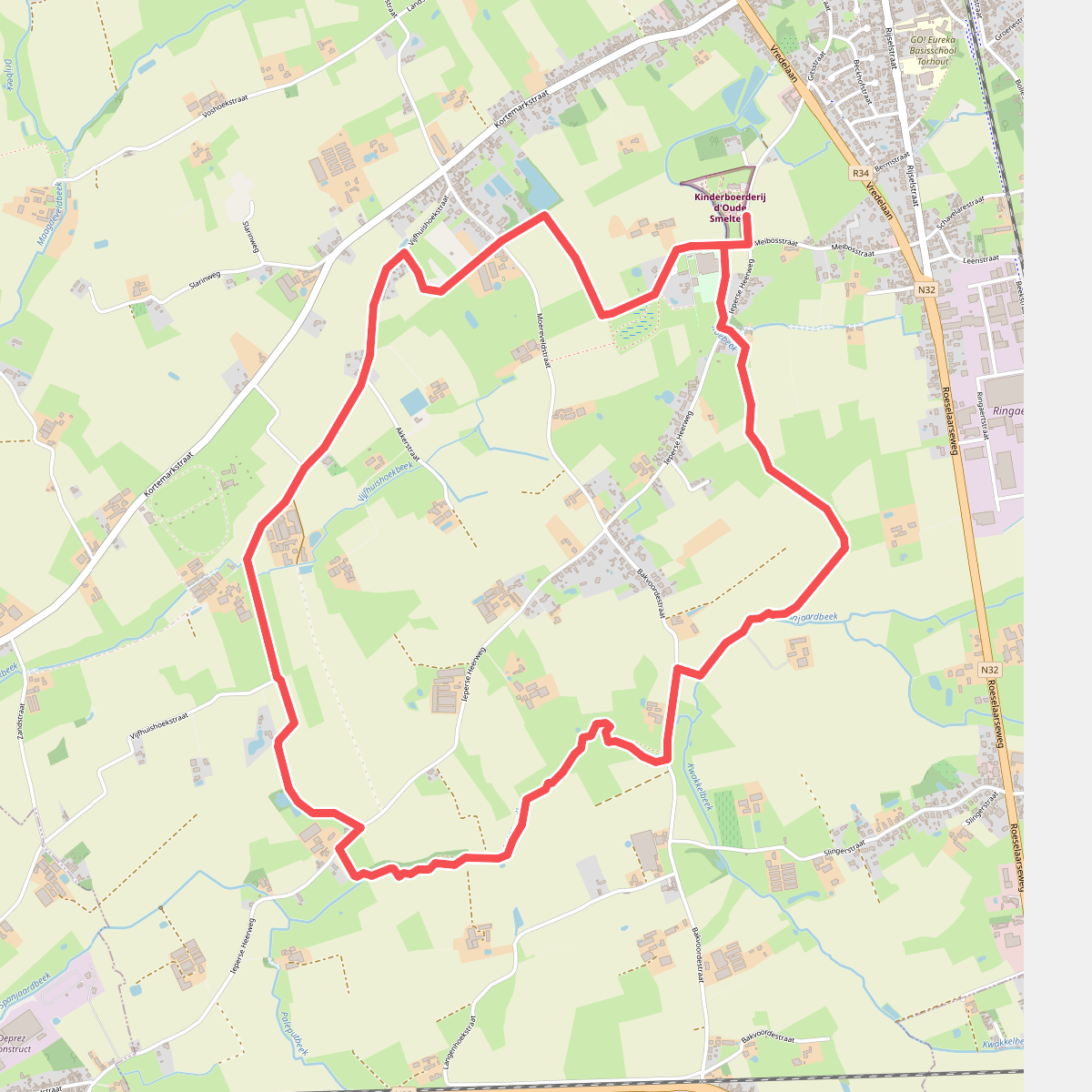
#10. Moereveld wandelpad
Torhout
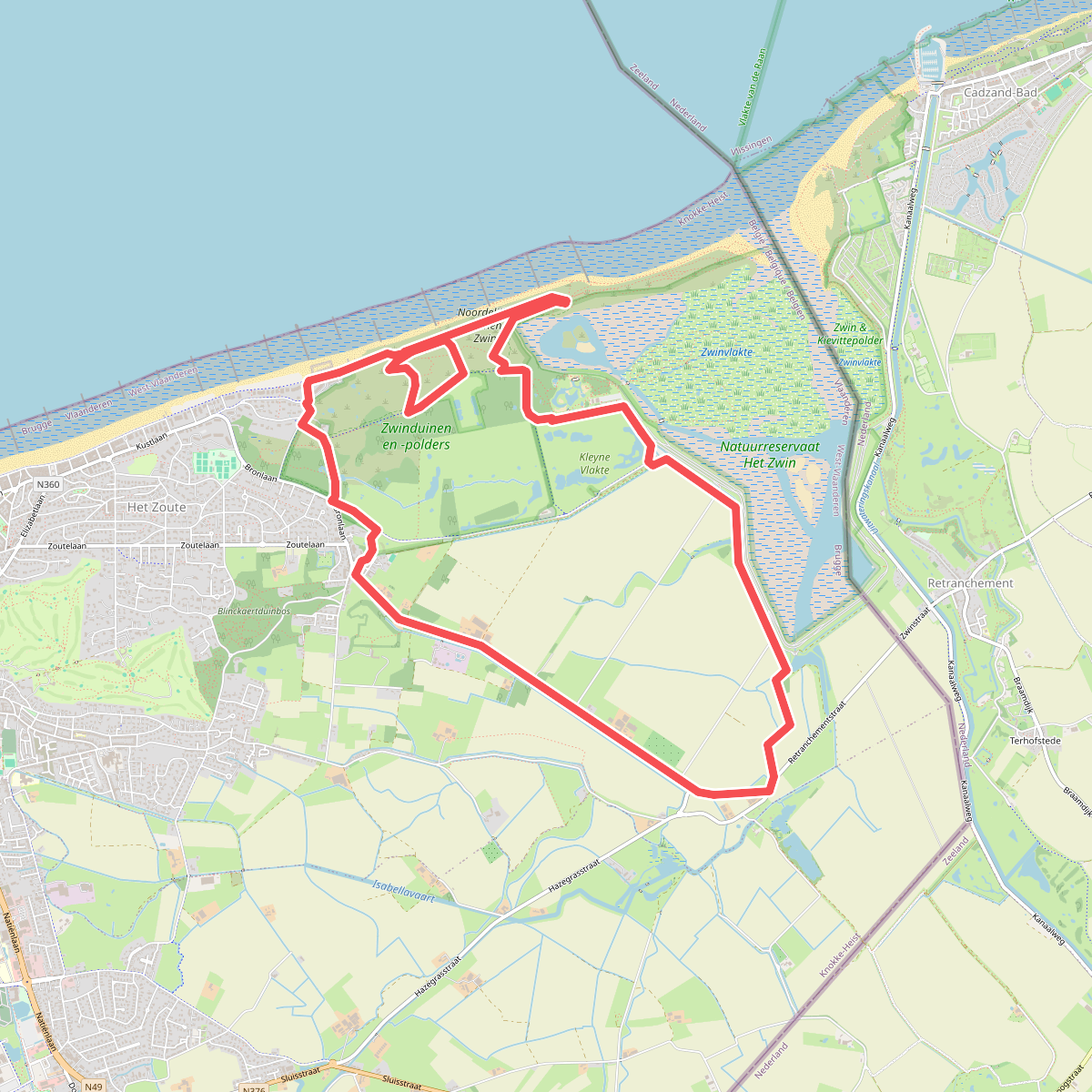
#11. Wandelen in de Zwinregio
Retranchement
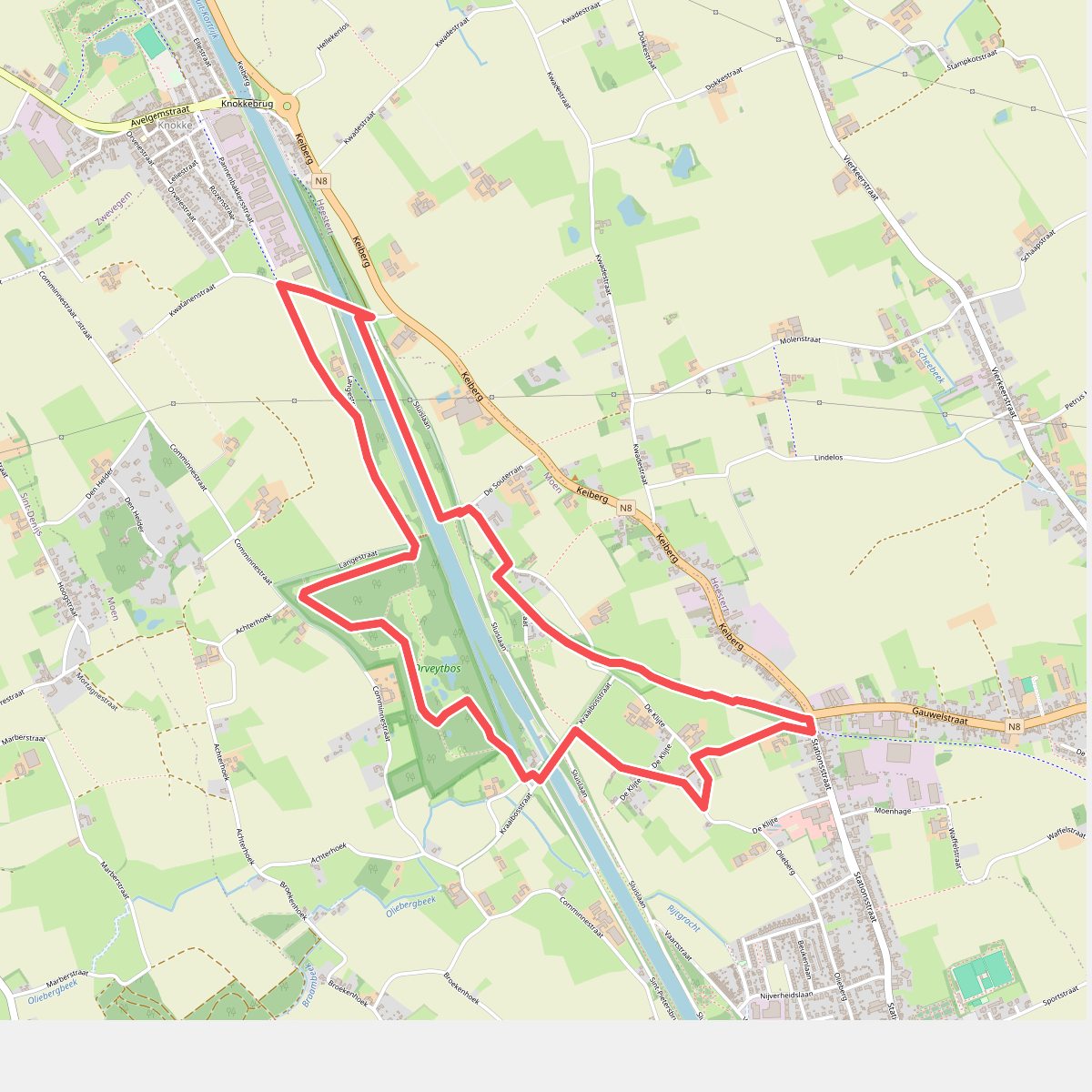
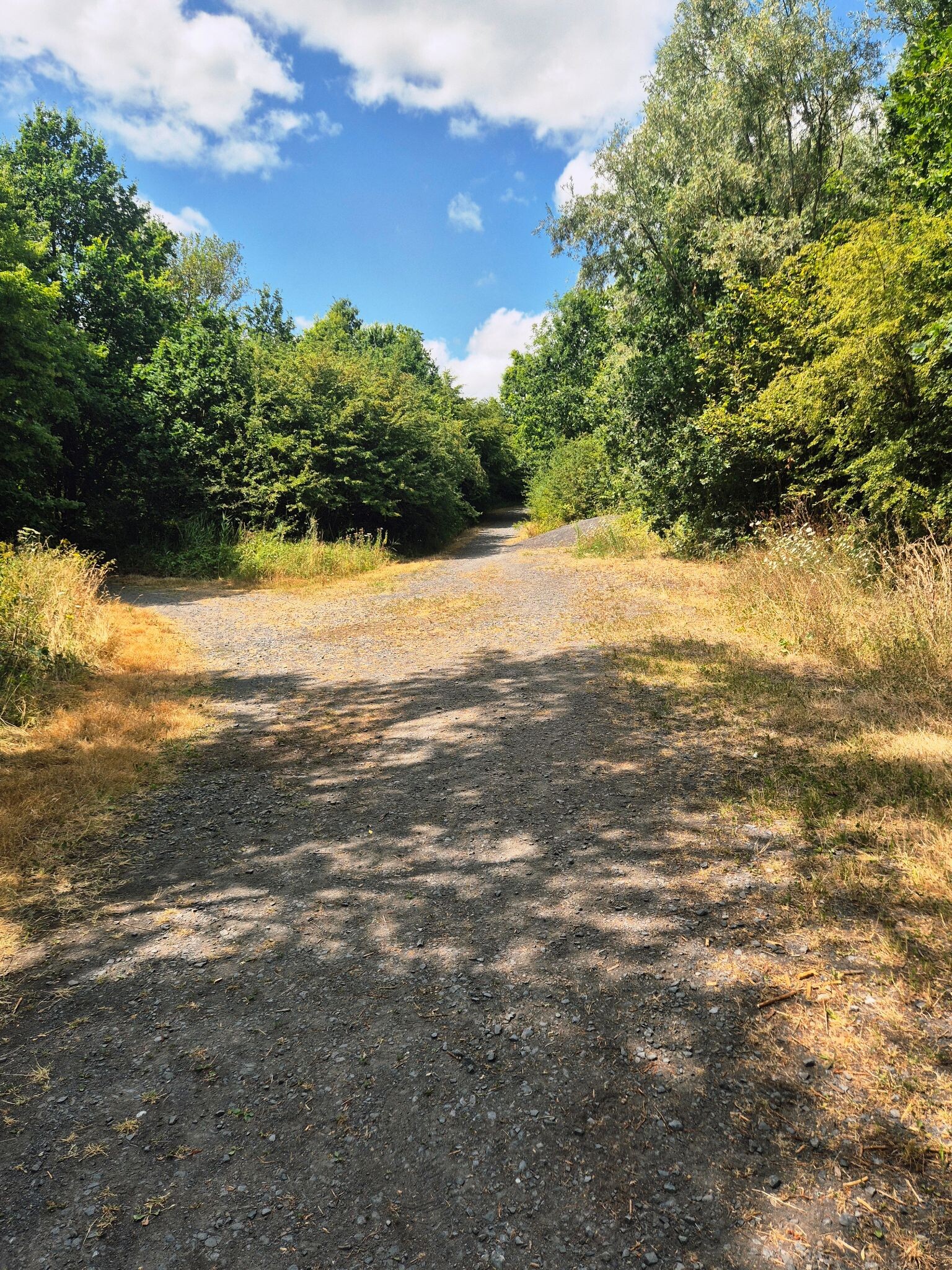
#12. Orveytwandelroute
Moen,Heestert