The best hiking routes in Slovenia
Discover the best walks in Slovenia. 616 routes on the map, with descriptions, photos and GPX.
About Slovenia
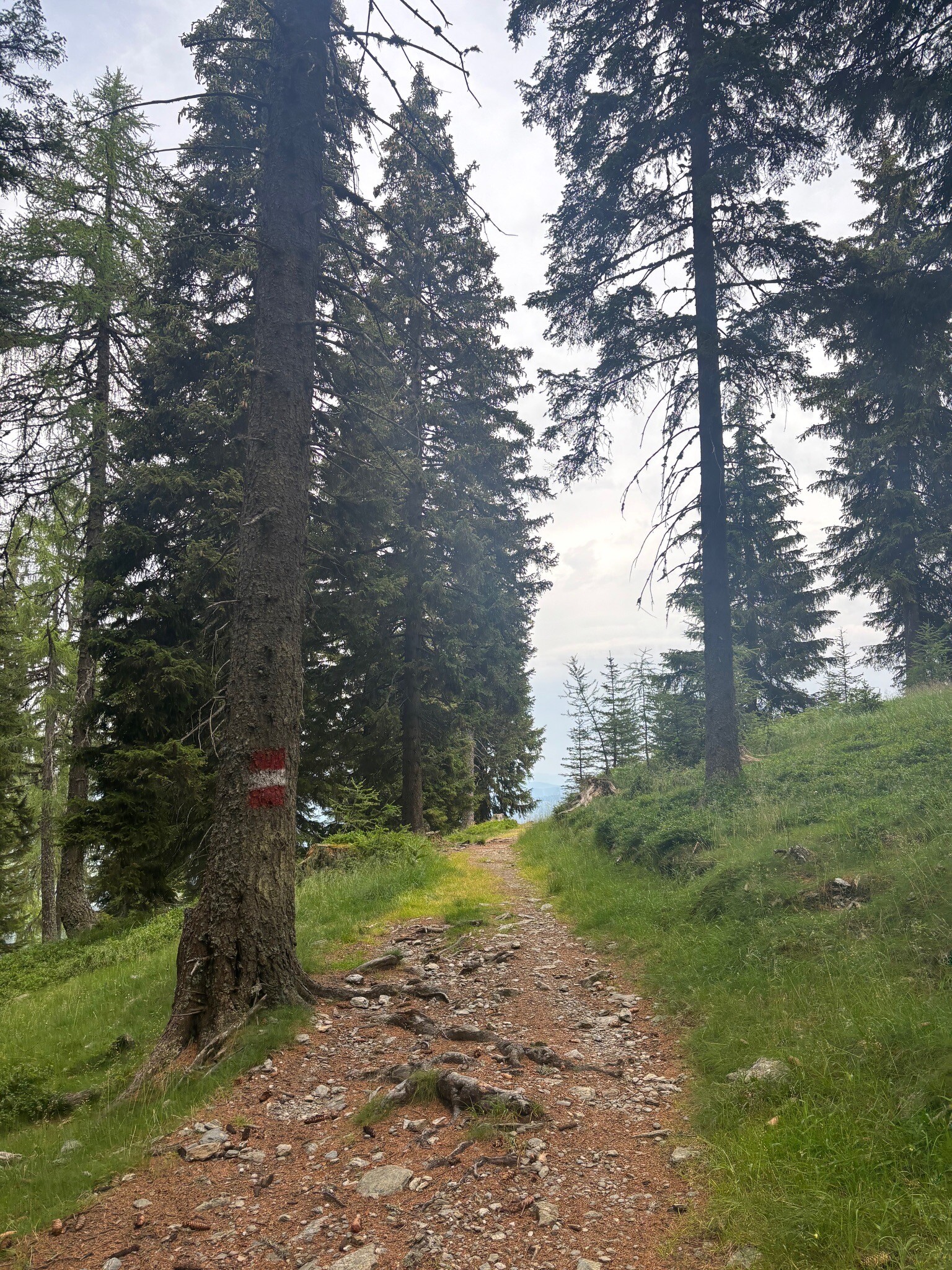
Slovenia divides its walking terrain between the limestone peaks of the northwest and the forested hills of the south and east. In the high alpine areas, the ground underfoot consists of sharp scree, exposed karst rock, and steep, rocky paths that require steady footwork. These mountain routes are demanding, but they lead to open meadows and high-altitude passes. In contrast, the southern and eastern regions offer rolling hills covered in dense beech forests and vineyards, where the paths are mostly soft forest soil, gravel tracks, and grassy lanes.
Read more
About Slovenia
Slovenia divides its walking terrain between the limestone peaks of the northwest and the forested hills of the south and east. In the high alpine areas, the ground underfoot consists of sharp scree, exposed karst rock, and steep, rocky paths that require steady footwork. These mountain routes are demanding, but they lead to open meadows and high-altitude passes. In contrast, the southern and eastern regions offer rolling hills covered in dense beech forests and vineyards, where the paths are mostly soft forest soil, gravel tracks, and grassy lanes.
Read moreSlovenia divides its walking terrain between the limestone peaks of the northwest and the forested hills of the south and east. In the high alpine areas, the ground underfoot consists of sharp scree, exposed karst rock, and steep, rocky paths that require steady footwork. These mountain routes are demanding, but they lead to open meadows and high-altitude passes. In contrast, the southern and eastern regions offer rolling hills covered in dense beech forests and vineyards, where the paths are mostly soft forest soil, gravel tracks, and grassy lanes.
In the high mountains, snow often covers the higher passes until June, making early summer the start of the alpine walking season. The valleys below feature clear, fast-flowing rivers running over white gravel beds, which you will often walk alongside on flat, shaded paths. In the southern karst regions, the landscape is shaped by disappearing rivers and limestone sinkholes, where the trail can transition quickly from dense woodland to rocky depressions. These lower, forested areas are less steep and remain accessible for walking much earlier in the spring.
This landscape does not offer flat, sandy plains or coastal dunes, as the terrain is almost entirely hilly or mountainous. While the well-known alpine valleys can be busy with visitors in August, the southern forests and eastern vineyard paths are often quieter. Walking here means choosing between rugged, exposed rock climbs in the north or undulating, shaded forest tracks in the south.
Zoom or pan for more routes
Hiking routes in Slovenia (616)
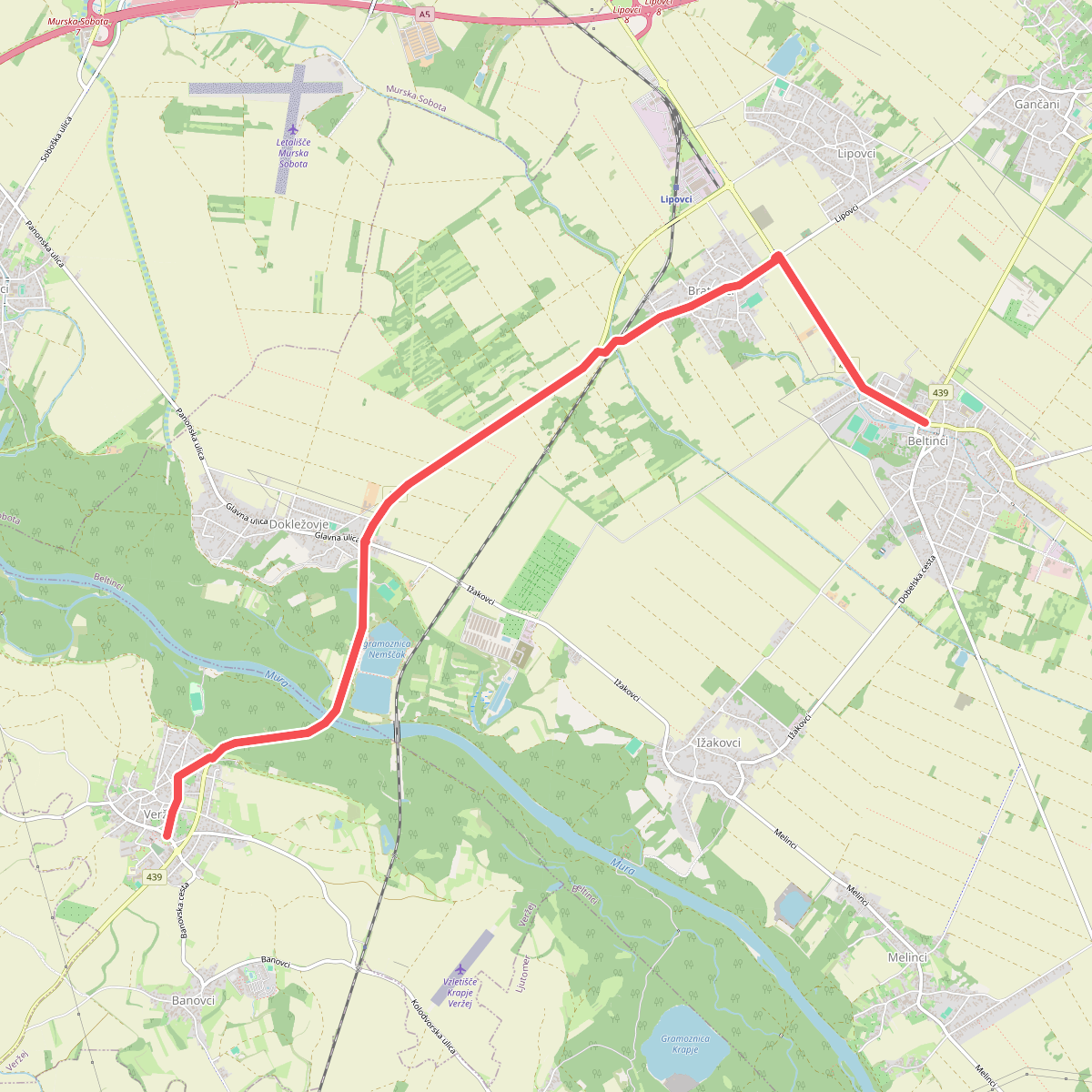
#1. 002 ~ Pot kurirjev in vezistov NOV Slovenije
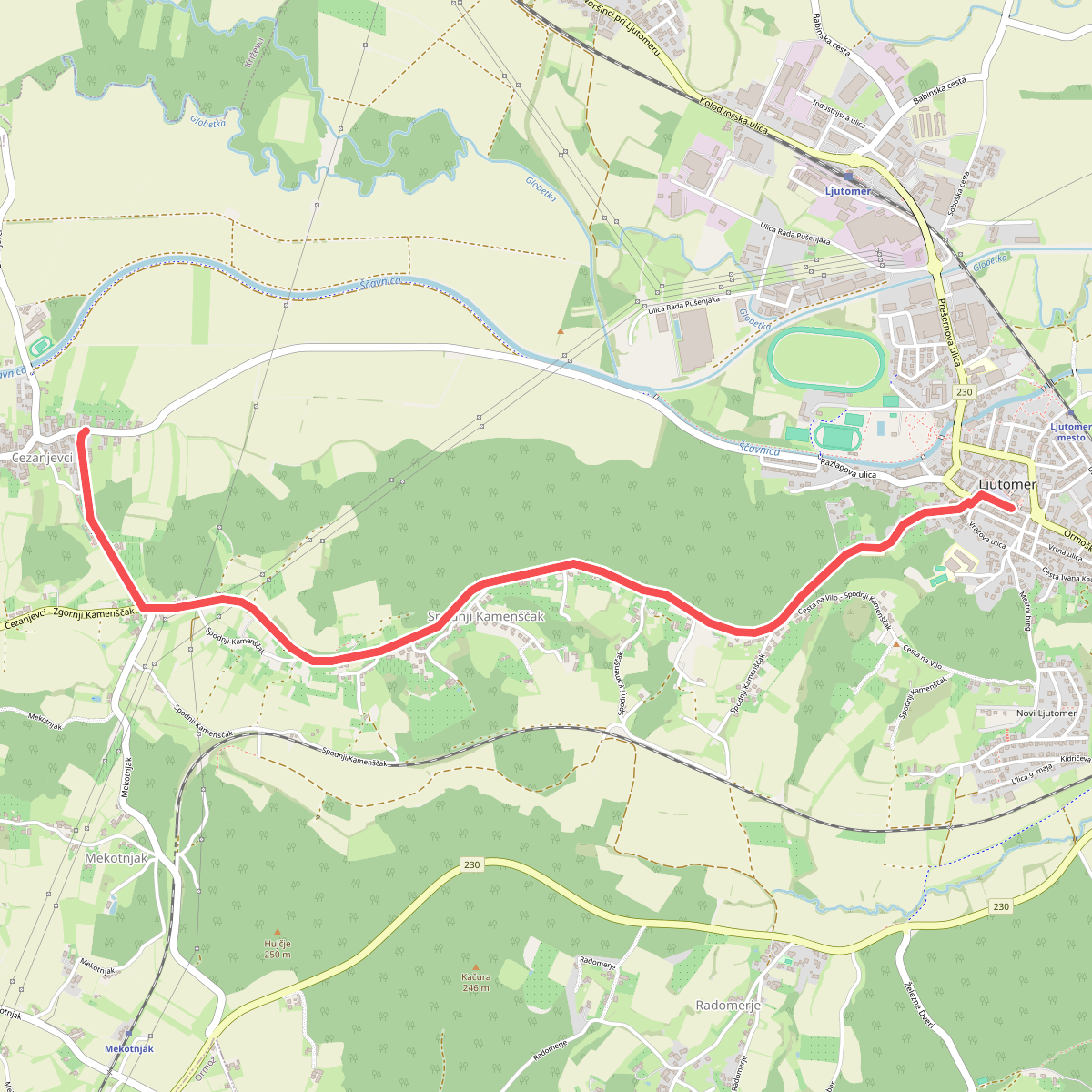
#2. 004 ~ Pot kurirjev in vezistov NOV Slovenije
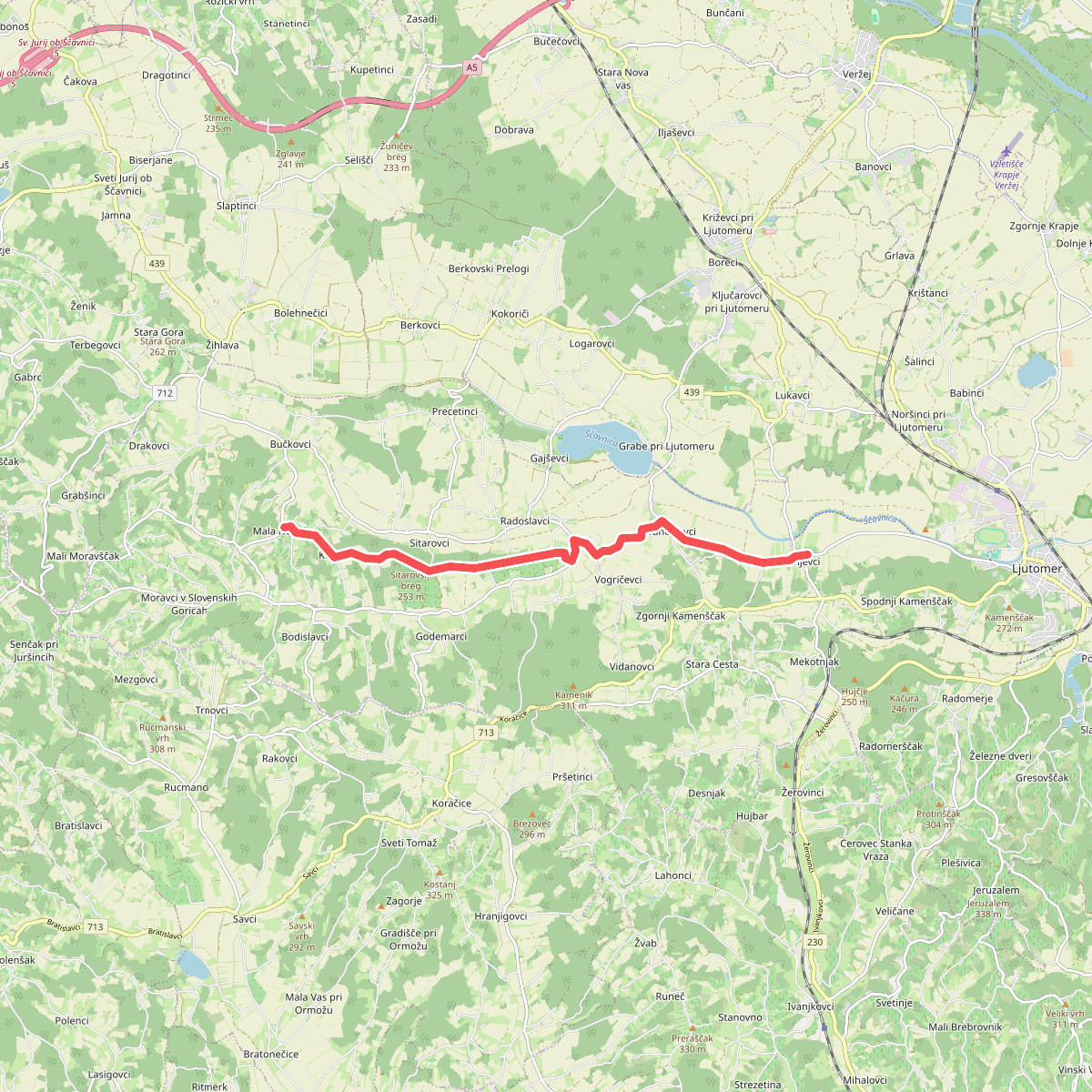
#3. 005 ~ Pot kurirjev in vezistov NOV Slovenije
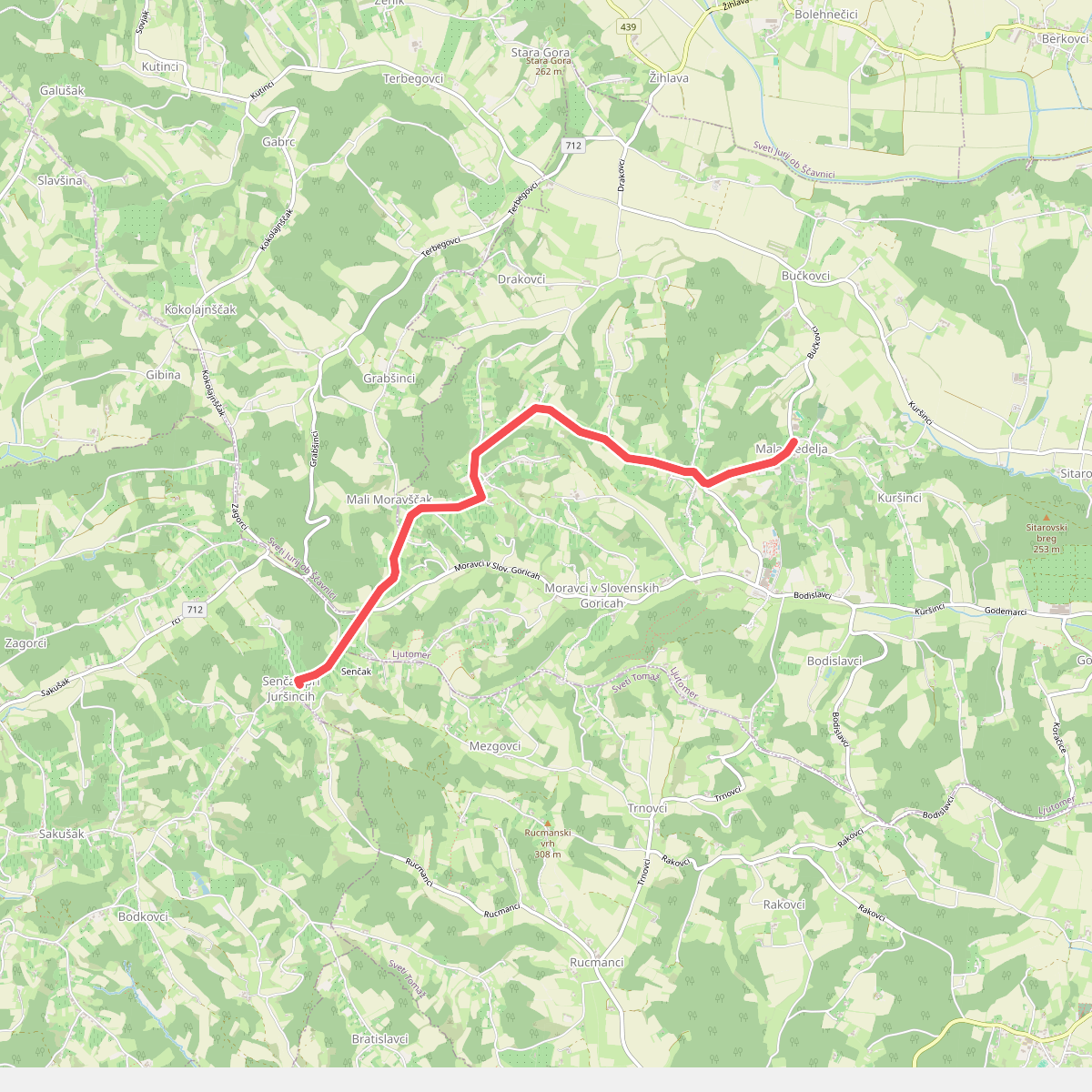
#4. 006 ~ Pot kurirjev in vezistov NOV Slovenije
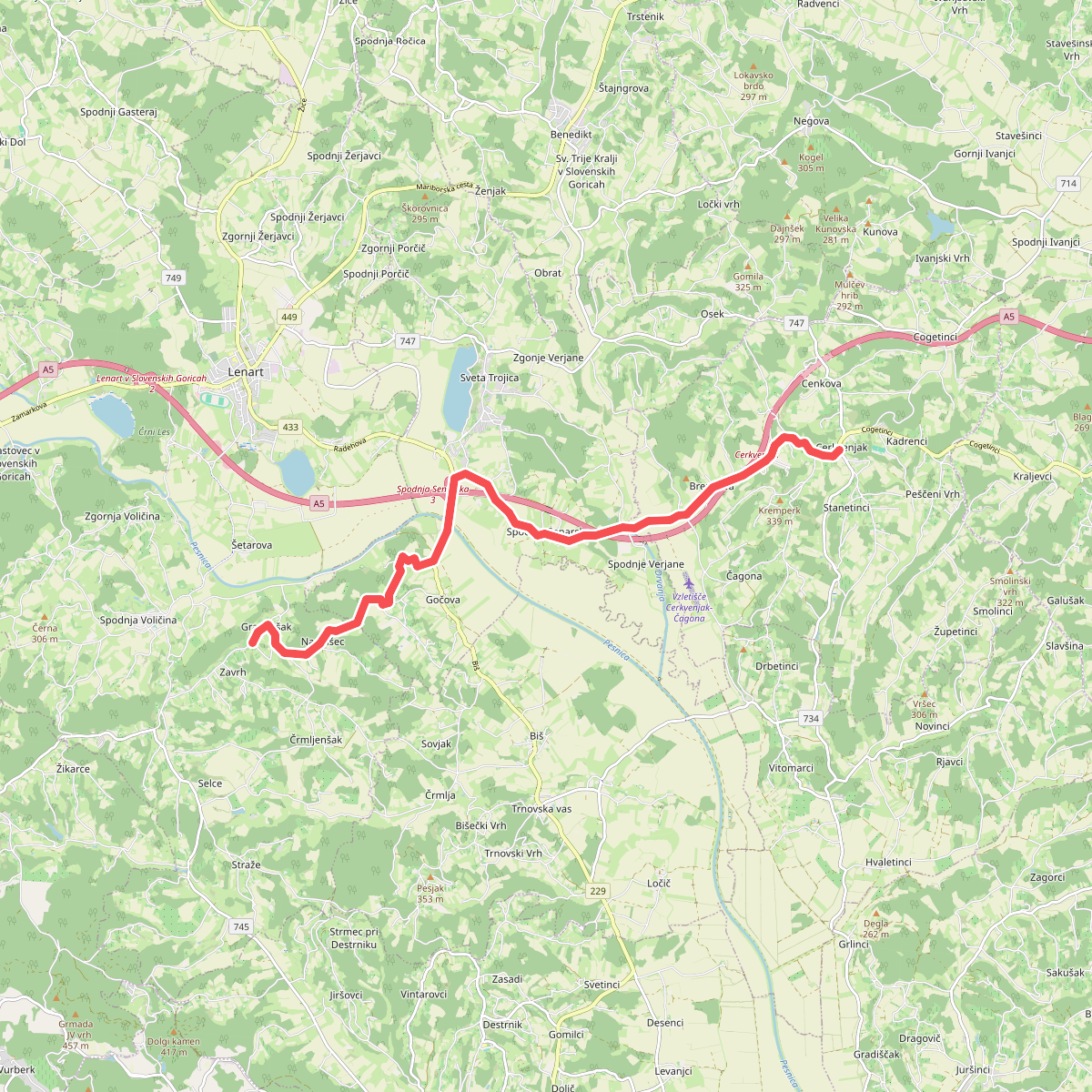
#5. 008 ~ Pot kurirjev in vezistov NOV Slovenije
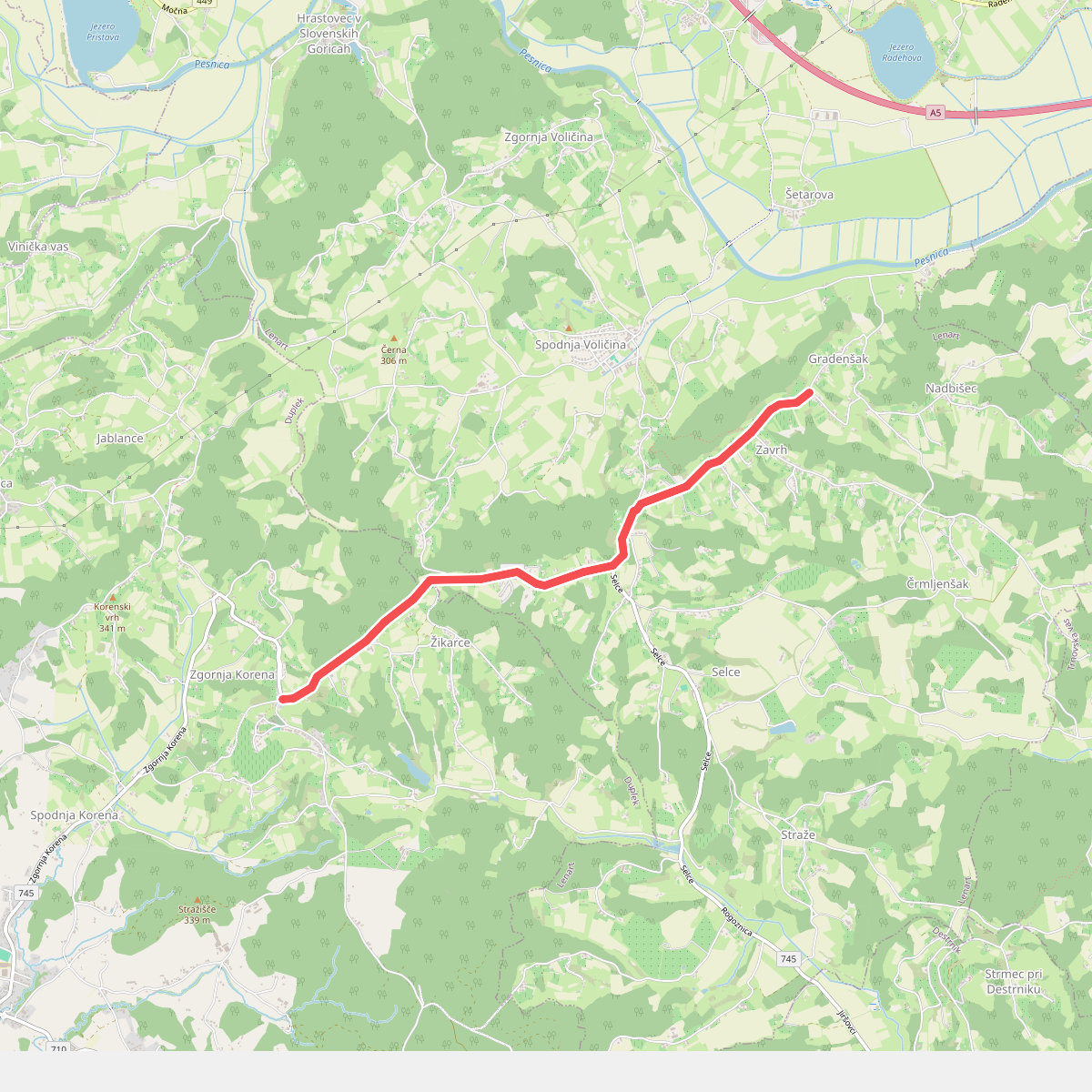
#6. 009 ~ Pot kurirjev in vezistov NOV Slovenije
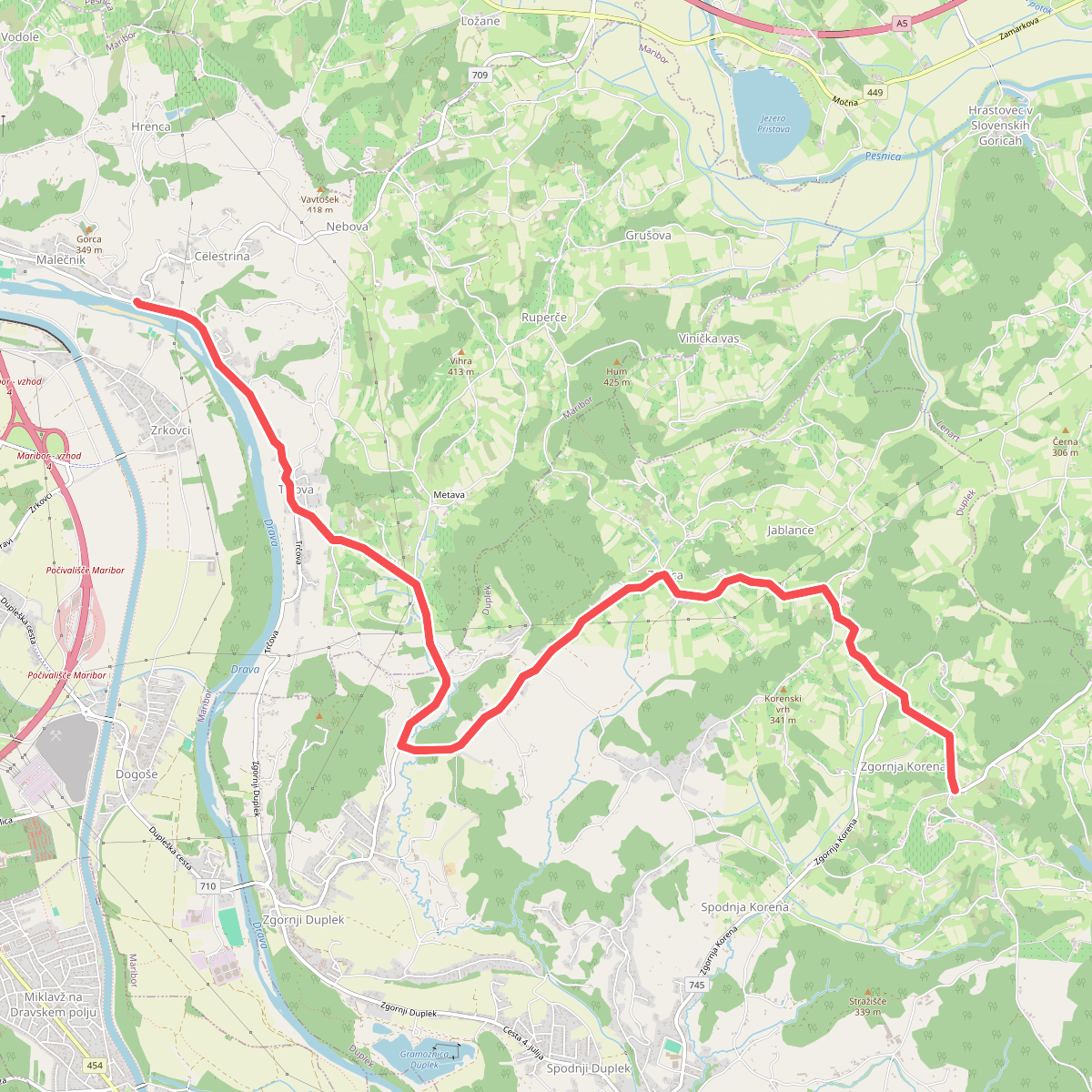
#7. 010 ~ Pot kurirjev in vezistov NOV Slovenije
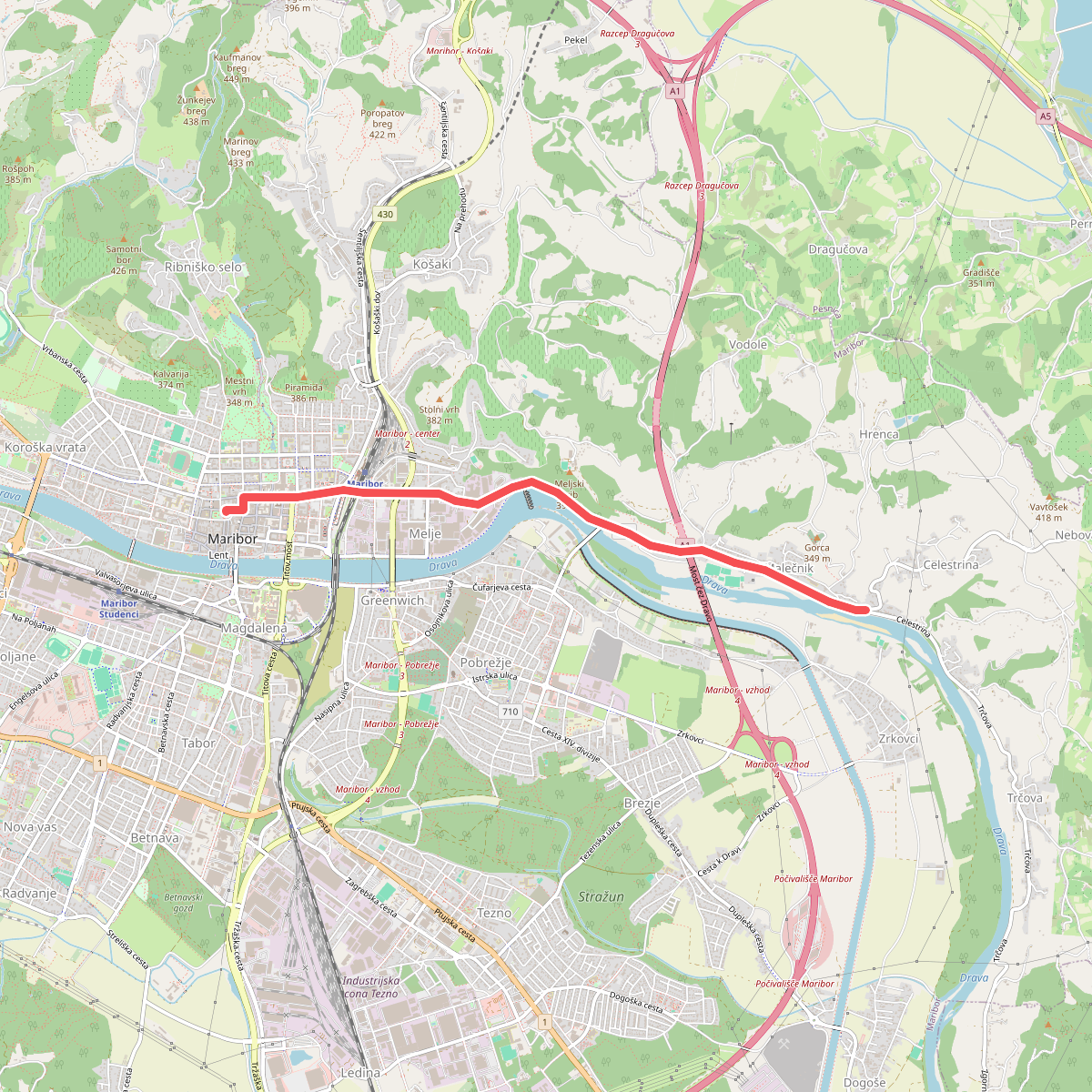
#8. 011 ~ Pot kurirjev in vezistov NOV Slovenije
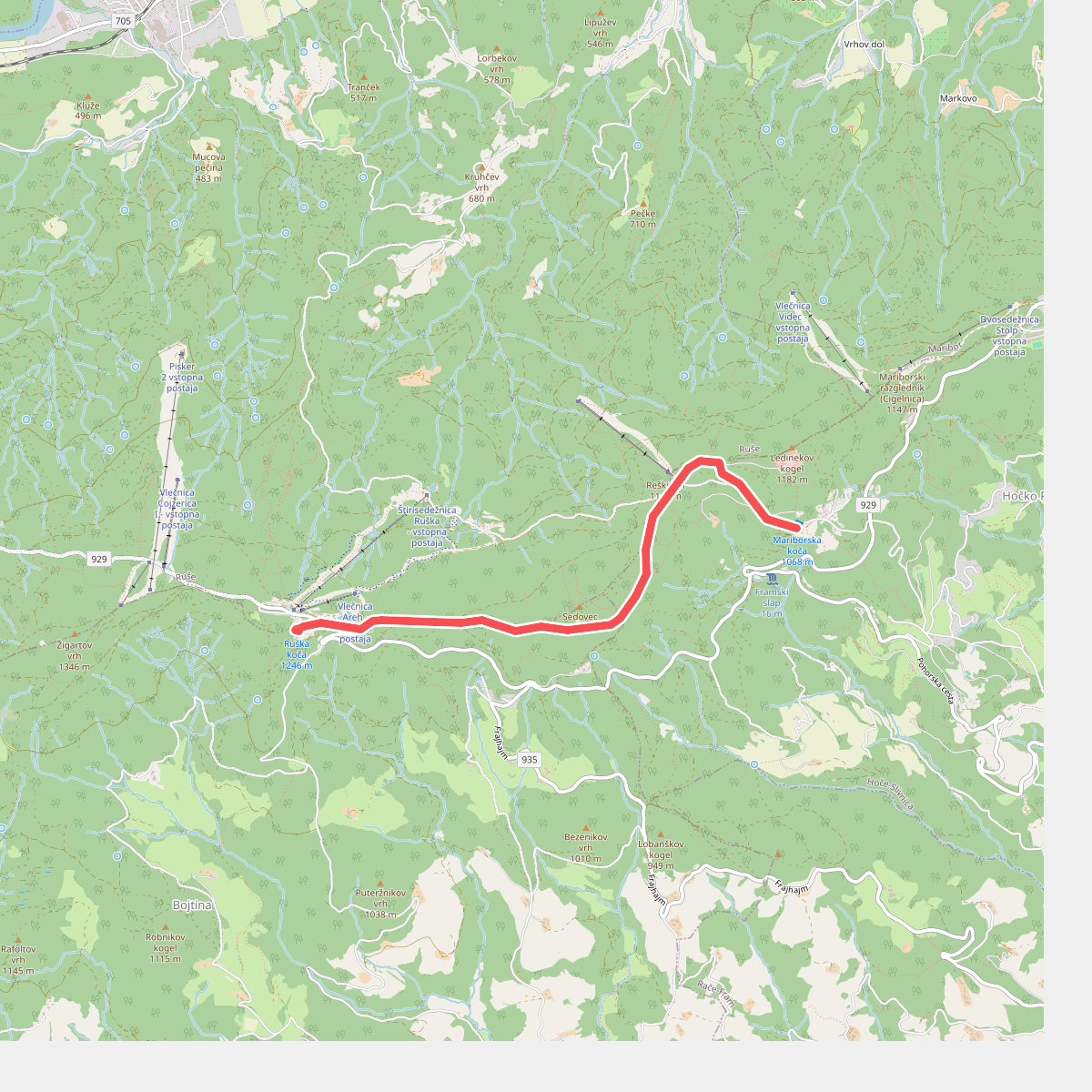
#9. 013 ~ Pot kurirjev in vezistov NOV Slovenije
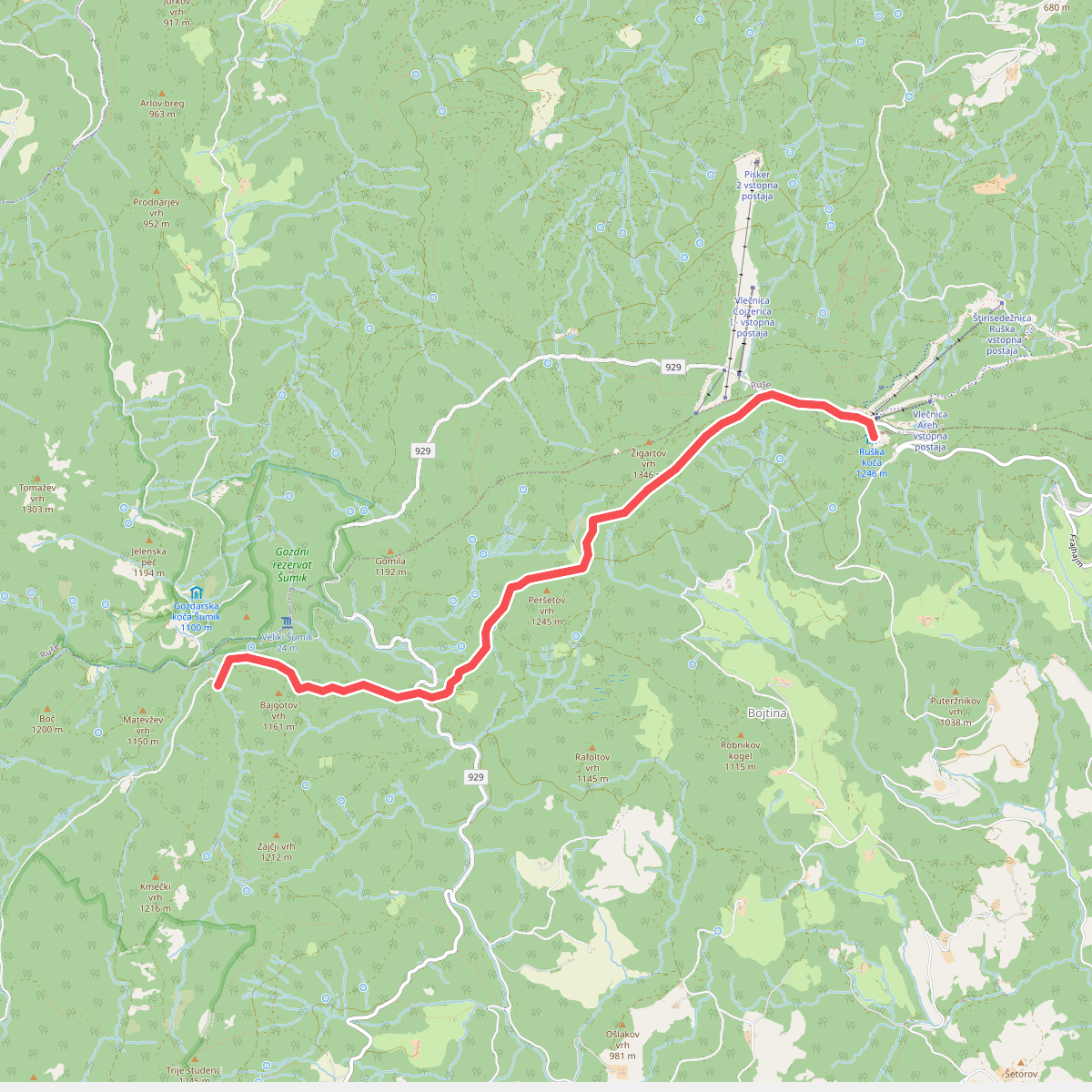
#10. 014 ~ Pot kurirjev in vezistov NOV Slovenije
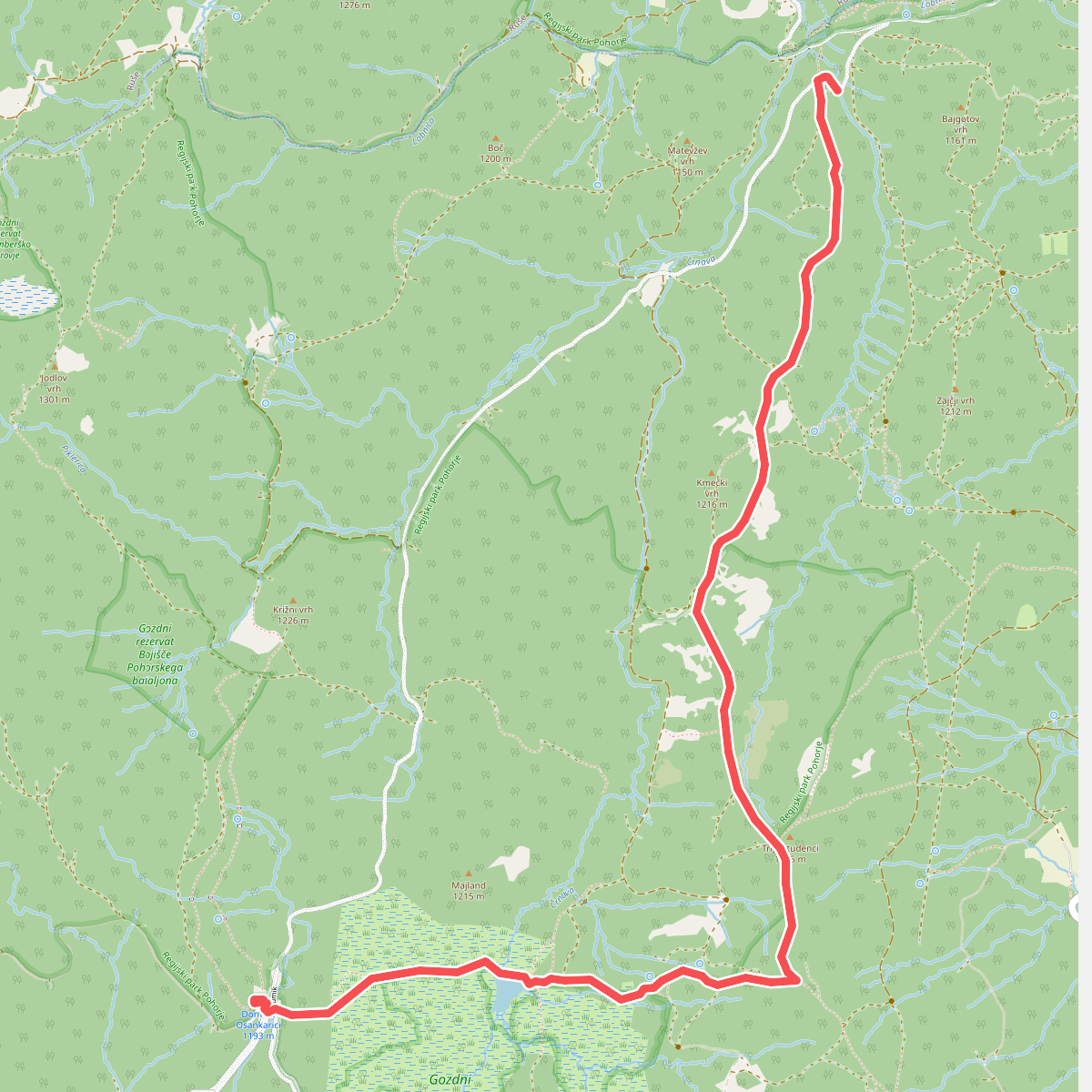
#11. 015 ~ Pot kurirjev in vezistov NOV Slovenije