
The best hiking routes in Zona de Proteção Especial de Montesinho/Nogueira
Discover the best walks in Zona de Proteção Especial de Montesinho/Nogueira. 9 routes on the map, with descriptions, photos and GPX.
Managed by Instituto da Conservação da Natureza e das Florestas
About Zona de Proteção Especial de Montesinho/Nogueira
The Zona de Proteção Especial de Montesinho/Nogueira offers a distinct contrast between two high-ground systems in the far northeast of Portugal. In the northern Montesinho sector, walkers encounter a rounded, slate-dominated landscape where dark schist outcrops break through dry heath, gorse, and scrub. Further south, the Serra da Nogueira presents a gentler dome dominated by one of the largest continuous Pyrenean oak forests in Europe. This transition from open, exposed shrubland to dense, shaded woodland dictates the character of the trails.
Read more
About Zona de Proteção Especial de Montesinho/Nogueira
The Zona de Proteção Especial de Montesinho/Nogueira offers a distinct contrast between two high-ground systems in the far northeast of Portugal. In the northern Montesinho sector, walkers encounter a rounded, slate-dominated landscape where dark schist outcrops break through dry heath, gorse, and scrub. Further south, the Serra da Nogueira presents a gentler dome dominated by one of the largest continuous Pyrenean oak forests in Europe. This transition from open, exposed shrubland to dense, shaded woodland dictates the character of the trails.
Read moreThe Zona de Proteção Especial de Montesinho/Nogueira offers a distinct contrast between two high-ground systems in the far northeast of Portugal. In the northern Montesinho sector, walkers encounter a rounded, slate-dominated landscape where dark schist outcrops break through dry heath, gorse, and scrub. Further south, the Serra da Nogueira presents a gentler dome dominated by one of the largest continuous Pyrenean oak forests in Europe. This transition from open, exposed shrubland to dense, shaded woodland dictates the character of the trails.
Underfoot, the paths vary from stony, loose-schist tracks on the higher ridges to soft, leaf-littered dirt paths beneath the oak canopy. There are no dramatic limestone gorges or jagged alpine peaks here; instead, the terrain consists of broad, rolling plateaus incised by small river valleys where traditional slate-roofed villages sit. In May, the understory of the oak forests is marked by the white flowers of local broom, while the higher heathlands turn yellow and purple.
Choosing where to walk depends on your preference for shade and terrain. The northern slate ridges are exposed and rocky, requiring careful footing on loose stones, but they offer clear views of the traditional agricultural mosaic. The southern Nogueira oak woods provide a cooler, more enclosed walking environment, though the tracks can become muddy in the damp clay hollows after autumn rains.
Hiking routes in Zona de Proteção Especial de Montesinho/Nogueira (9)
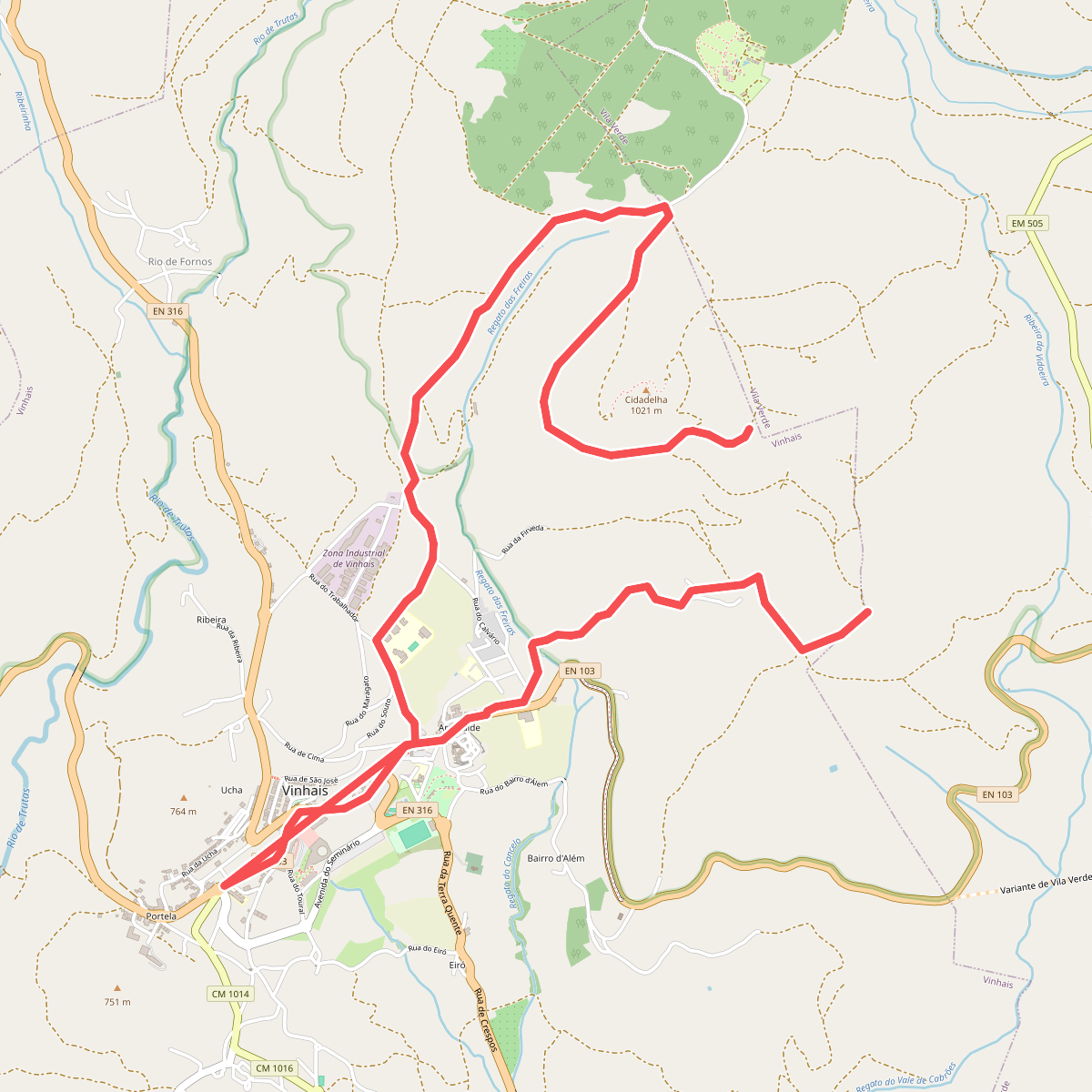
#1. A Caminho da Ciradelha
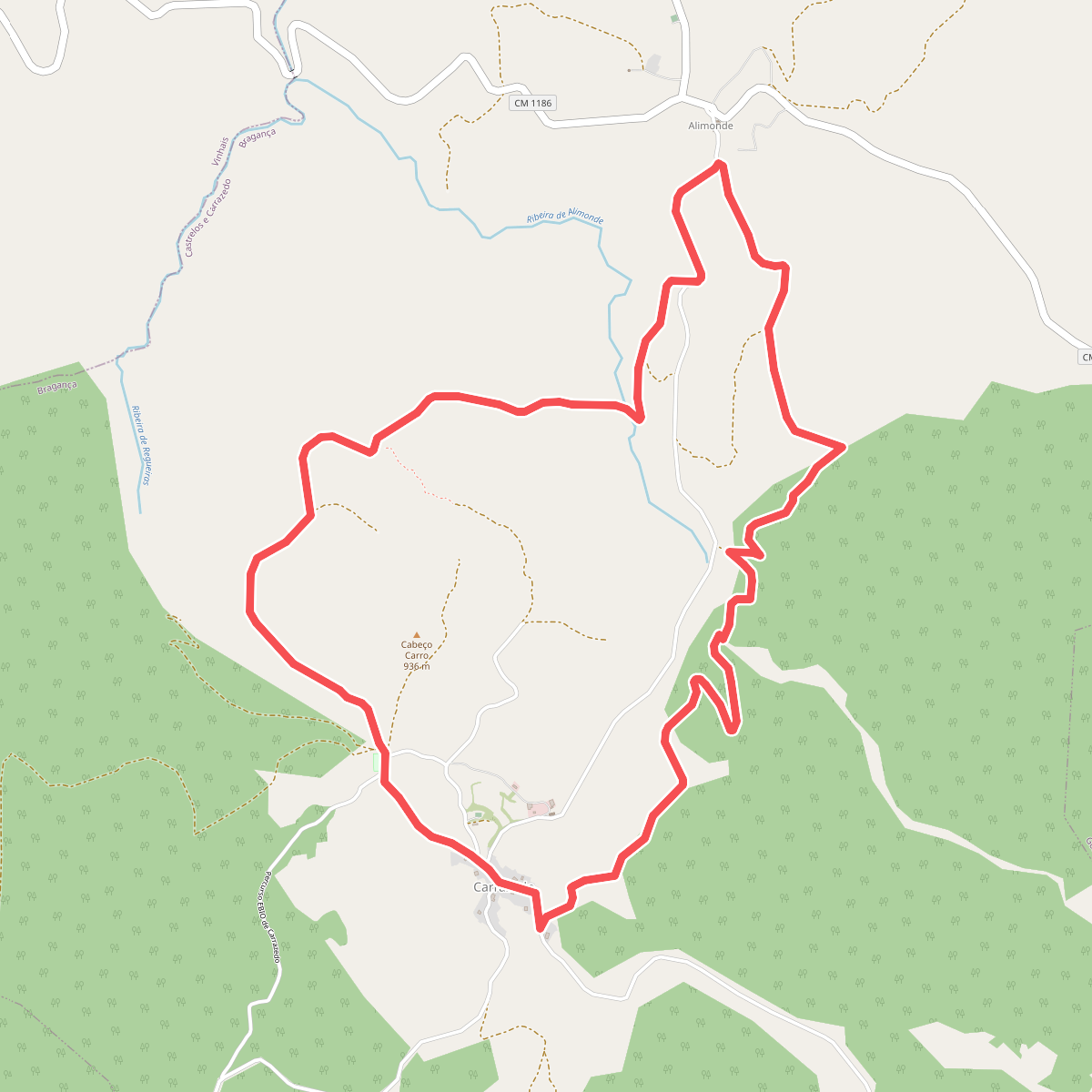
#2. Da Via Romana aos Carvalhais e Lameiros
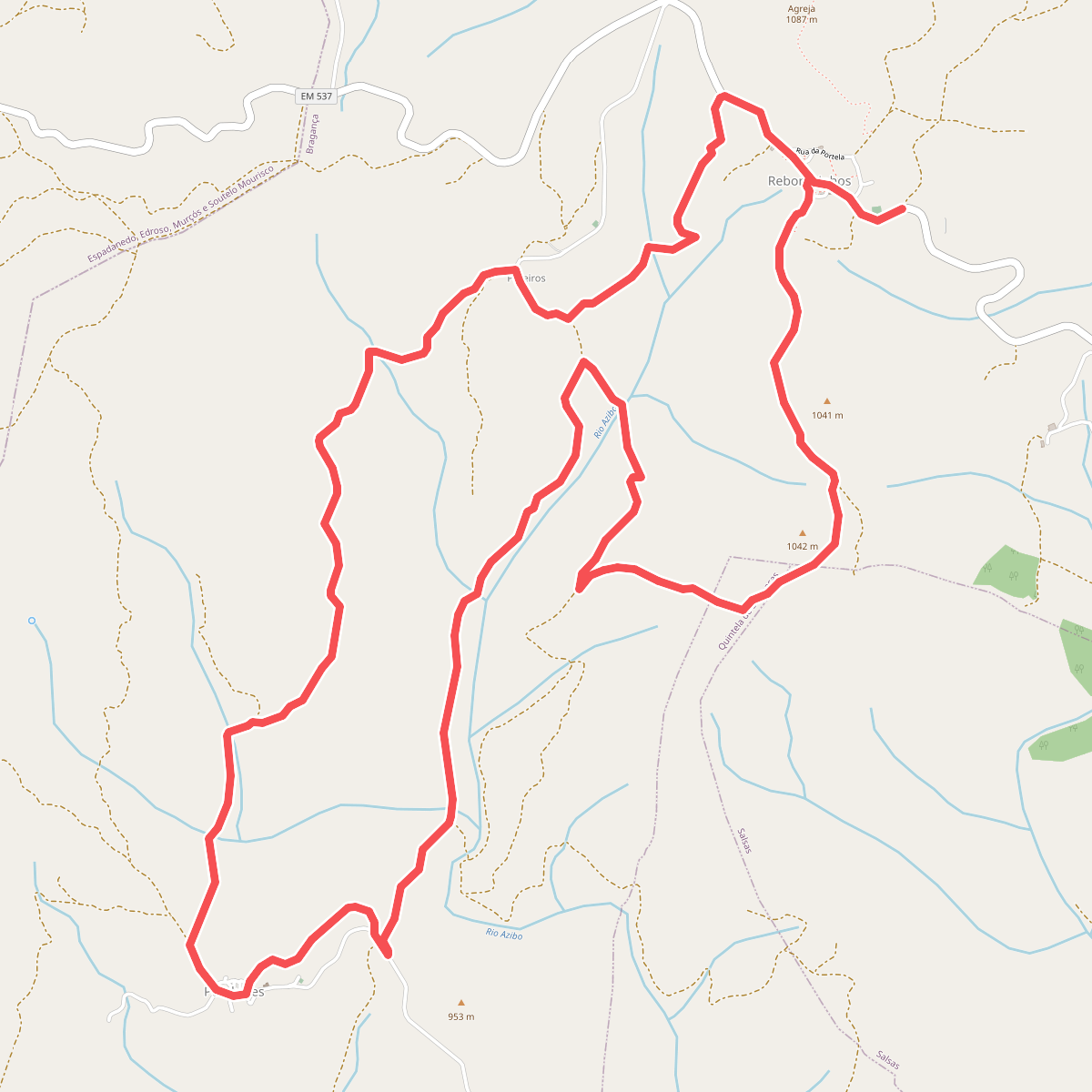
#3. Entre Carvalhais e Vales encaixados
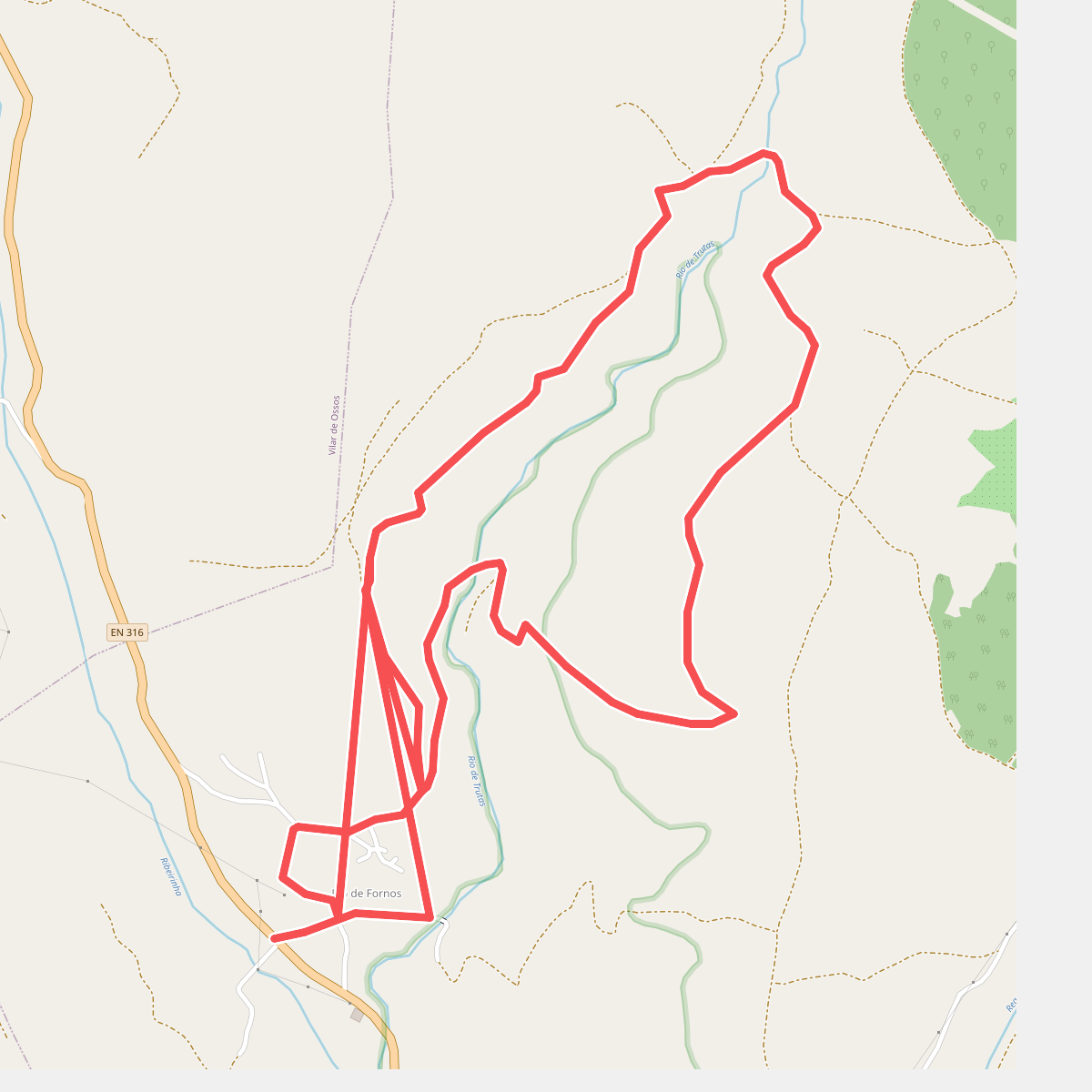
#4. Meiral
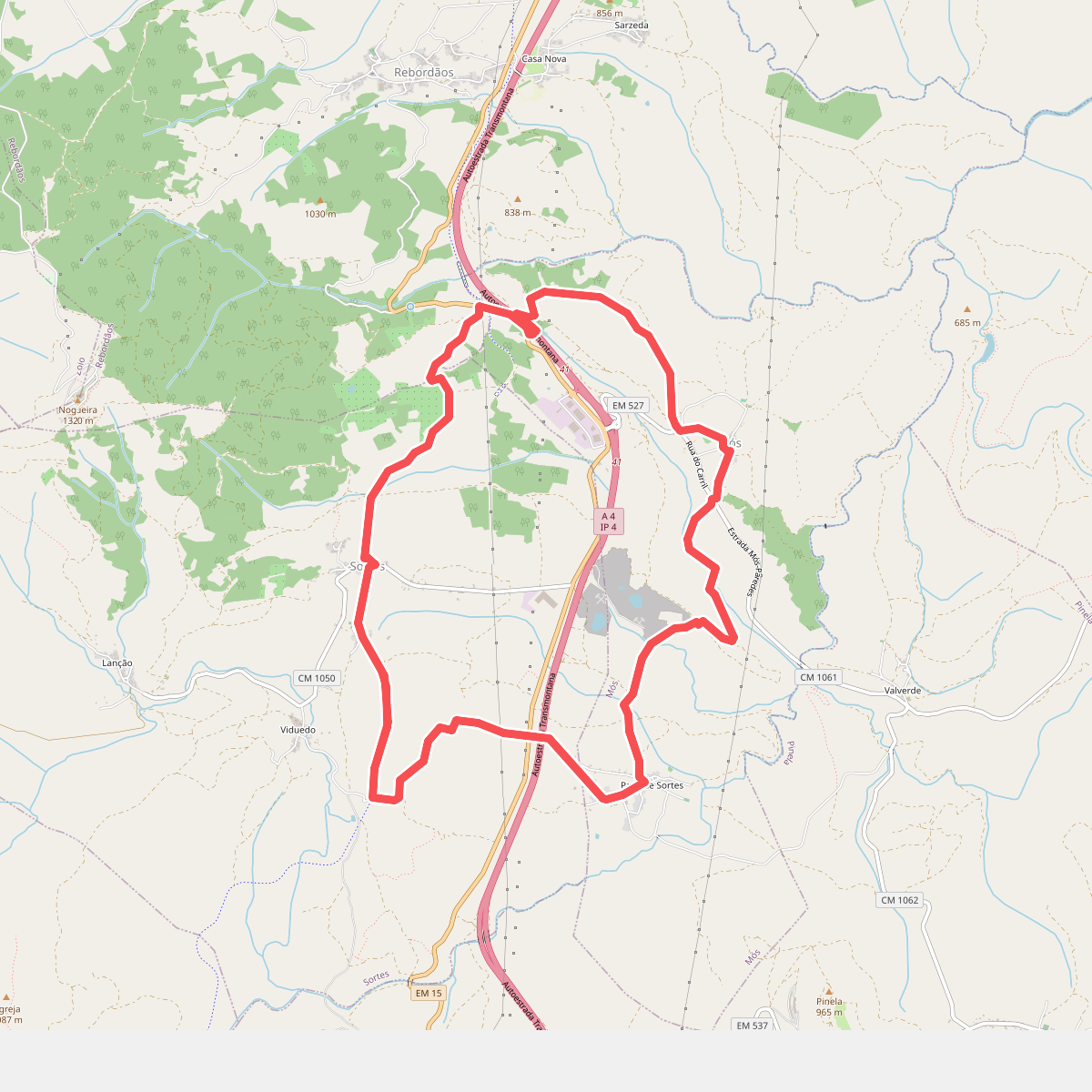
#5. Nas Faldas da Serra da Nogueira
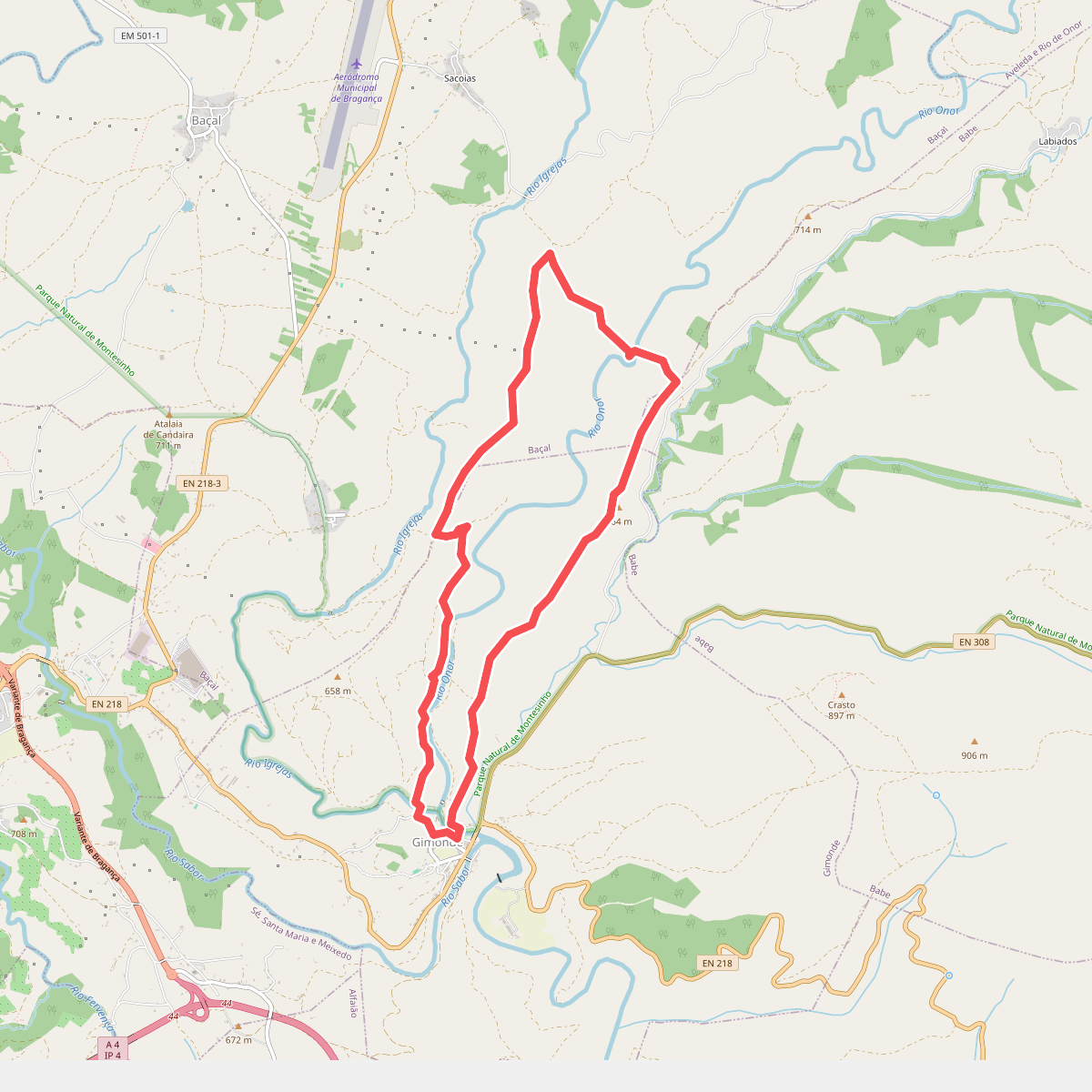
#6. Percurso Pedestre do Malara
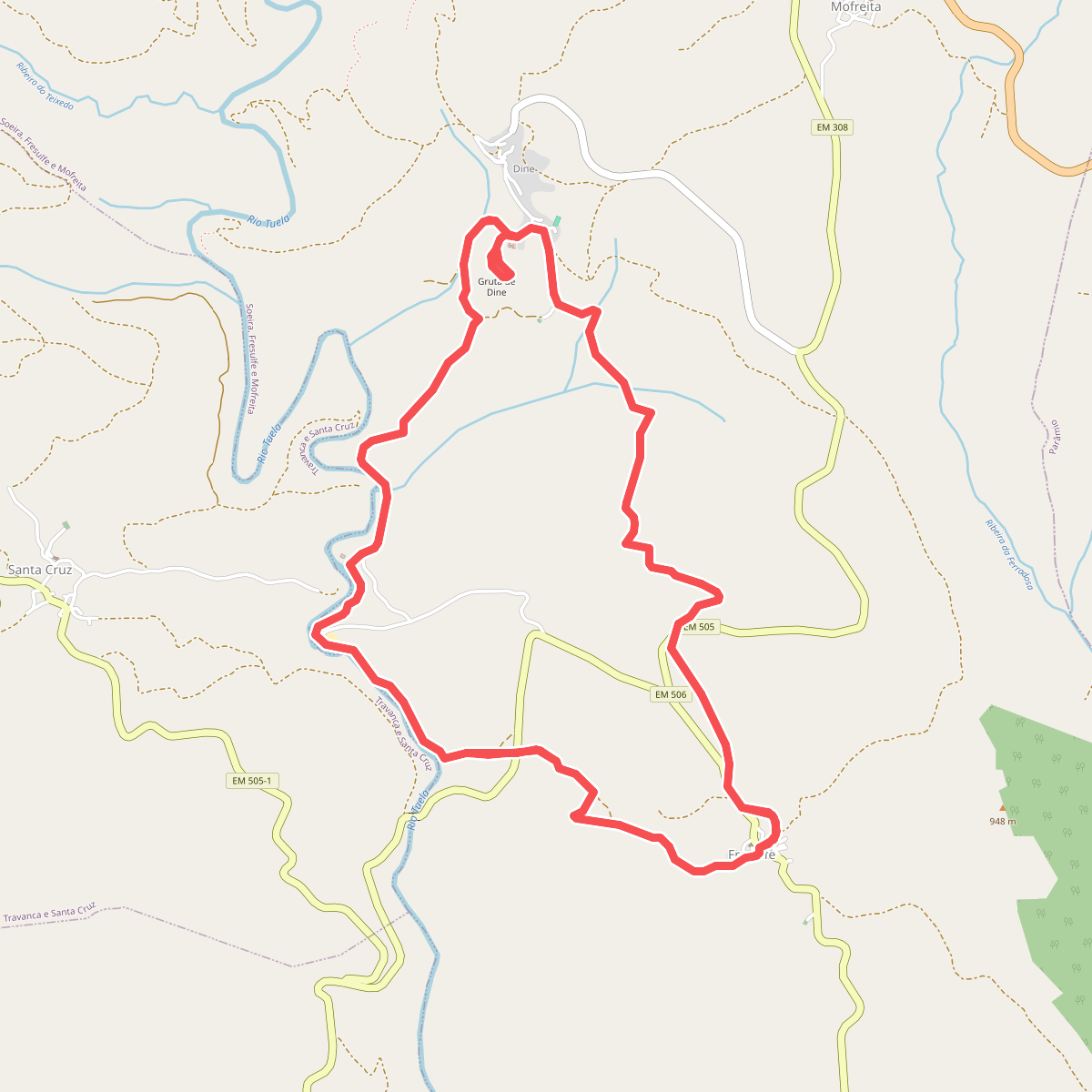
#7. Termas do Tuela
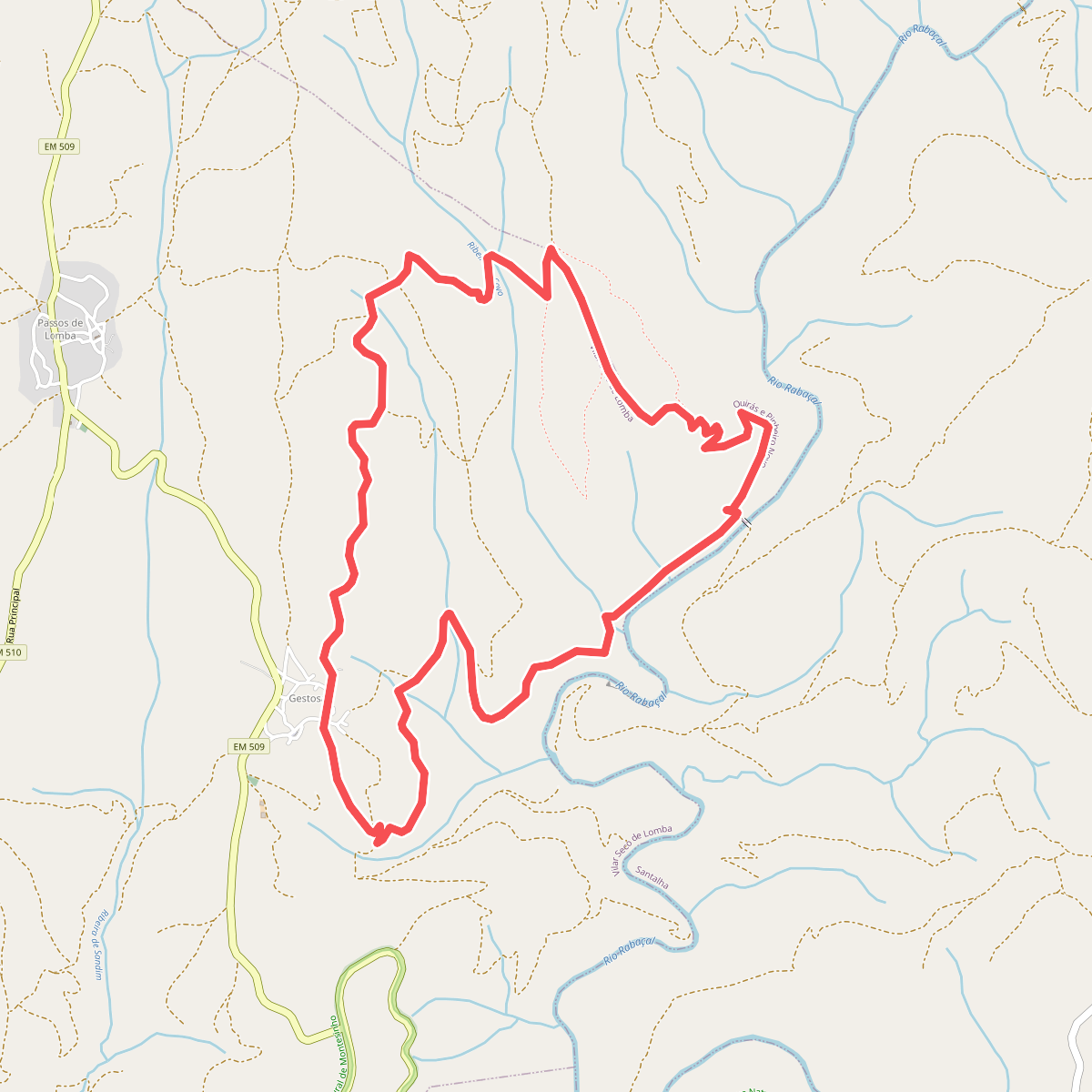
#8. Tresmonte