The best hiking routes in ZEC Entzia KBE
Discover the best walks in ZEC Entzia KBE. 14 routes on the map, with descriptions, photos and GPX.
About ZEC Entzia KBE
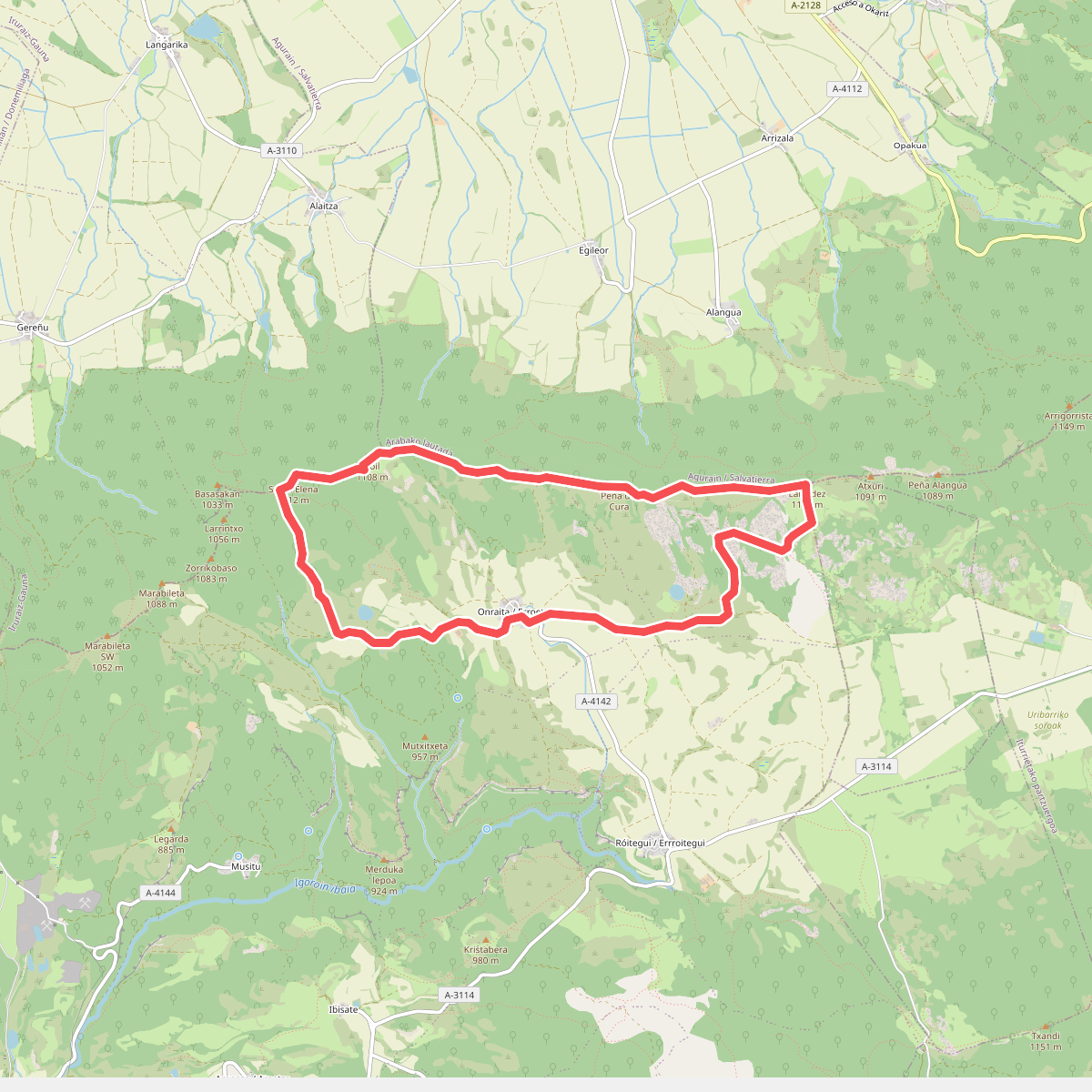
ZEC Entzia KBE is a limestone plateau in the Basque Country characterized by a high karst landscape. Unlike the surrounding lowlands, this area consists of a flat, elevated plain where green pastures alternate with dense beech forests and bare limestone pavements. Walkers will notice how water has shaped the terrain, leaving behind sinkholes, small depressions, and grey rock labyrinths rather than running rivers. The landscape is defined by this porous geology, which swallows rainfall directly into underground networks.
Read more
About ZEC Entzia KBE
ZEC Entzia KBE is a limestone plateau in the Basque Country characterized by a high karst landscape. Unlike the surrounding lowlands, this area consists of a flat, elevated plain where green pastures alternate with dense beech forests and bare limestone pavements. Walkers will notice how water has shaped the terrain, leaving behind sinkholes, small depressions, and grey rock labyrinths rather than running rivers. The landscape is defined by this porous geology, which swallows rainfall directly into underground networks.
Read moreZEC Entzia KBE is a limestone plateau in the Basque Country characterized by a high karst landscape. Unlike the surrounding lowlands, this area consists of a flat, elevated plain where green pastures alternate with dense beech forests and bare limestone pavements. Walkers will notice how water has shaped the terrain, leaving behind sinkholes, small depressions, and grey rock labyrinths rather than running rivers. The landscape is defined by this porous geology, which swallows rainfall directly into underground networks.
Underfoot, the paths vary between soft forest soil covered in beech leaves and rough, stony tracks where the limestone bedrock breaks through the surface. The open pastures are grazed by livestock, meaning you will often share the space with free-roaming horses and cattle. This is not a region of sharp, jagged peaks or deep river gorges, but rather a rolling, high-altitude tableland where the transition from dense woodland to open grassland is gradual.
In late autumn, particularly around November, the beech canopy turns a deep rust-brown, contrasting sharply with the grey stone outcrops. The area is generally quieter than the nearby peaks of the Basque mountains, though the main access points and grazing areas see regular local visitors. Navigating the karst requires attention, as the paths can become faint where they cross open rock fields.
Hiking routes in ZEC Entzia KBE (14)
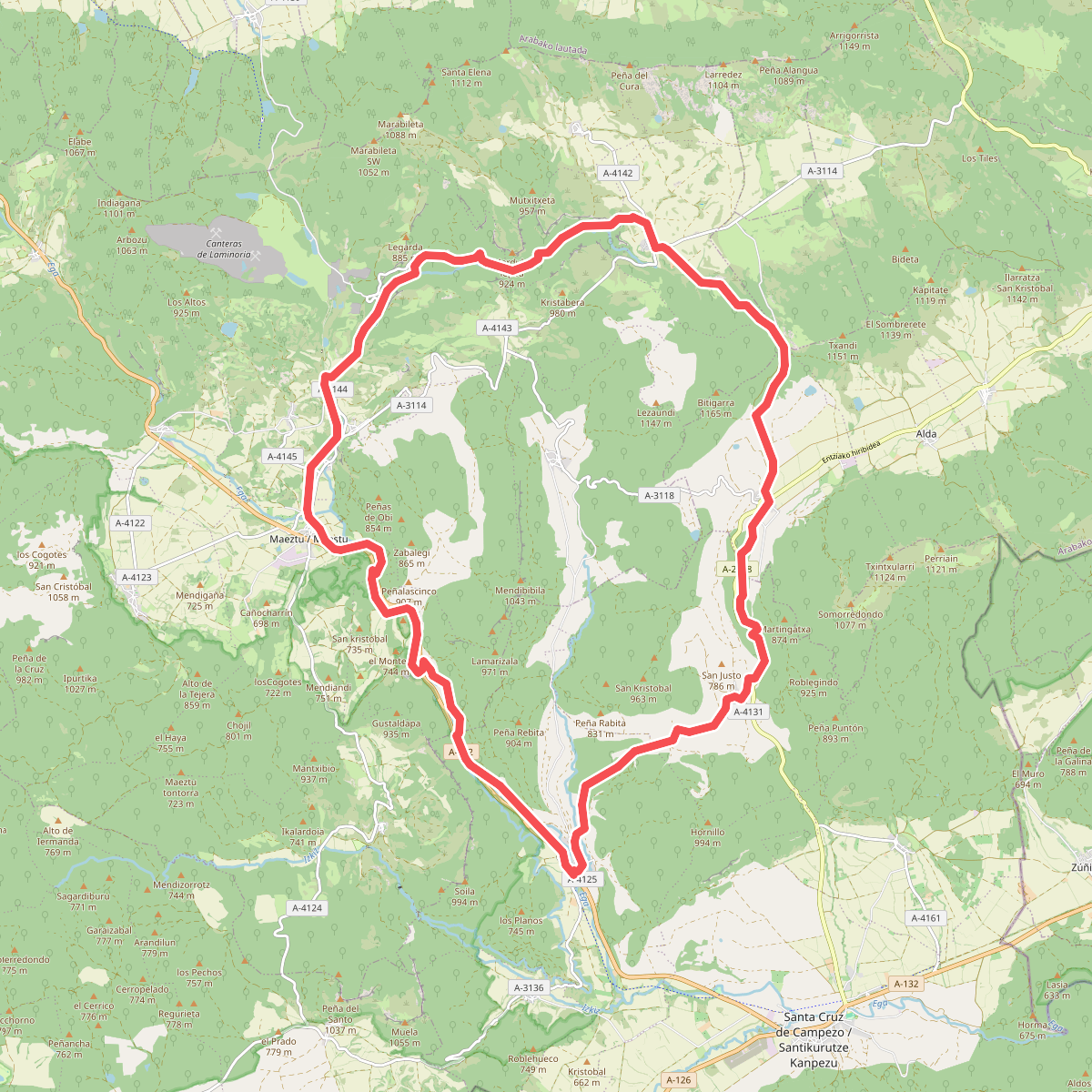
#1. Arabako Mendialdeko ibilbide zirkularra
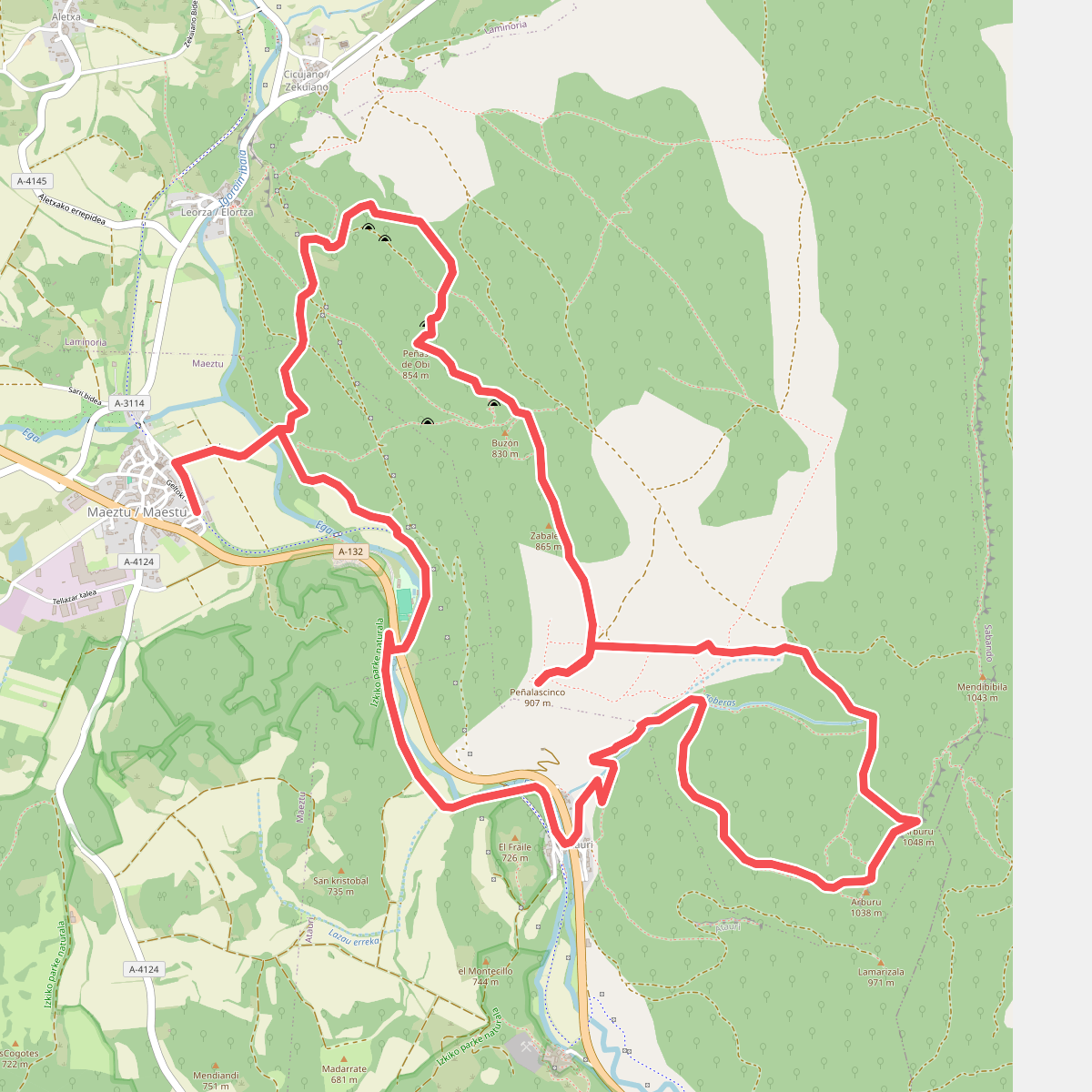
#2. Arburuko kanpaiak
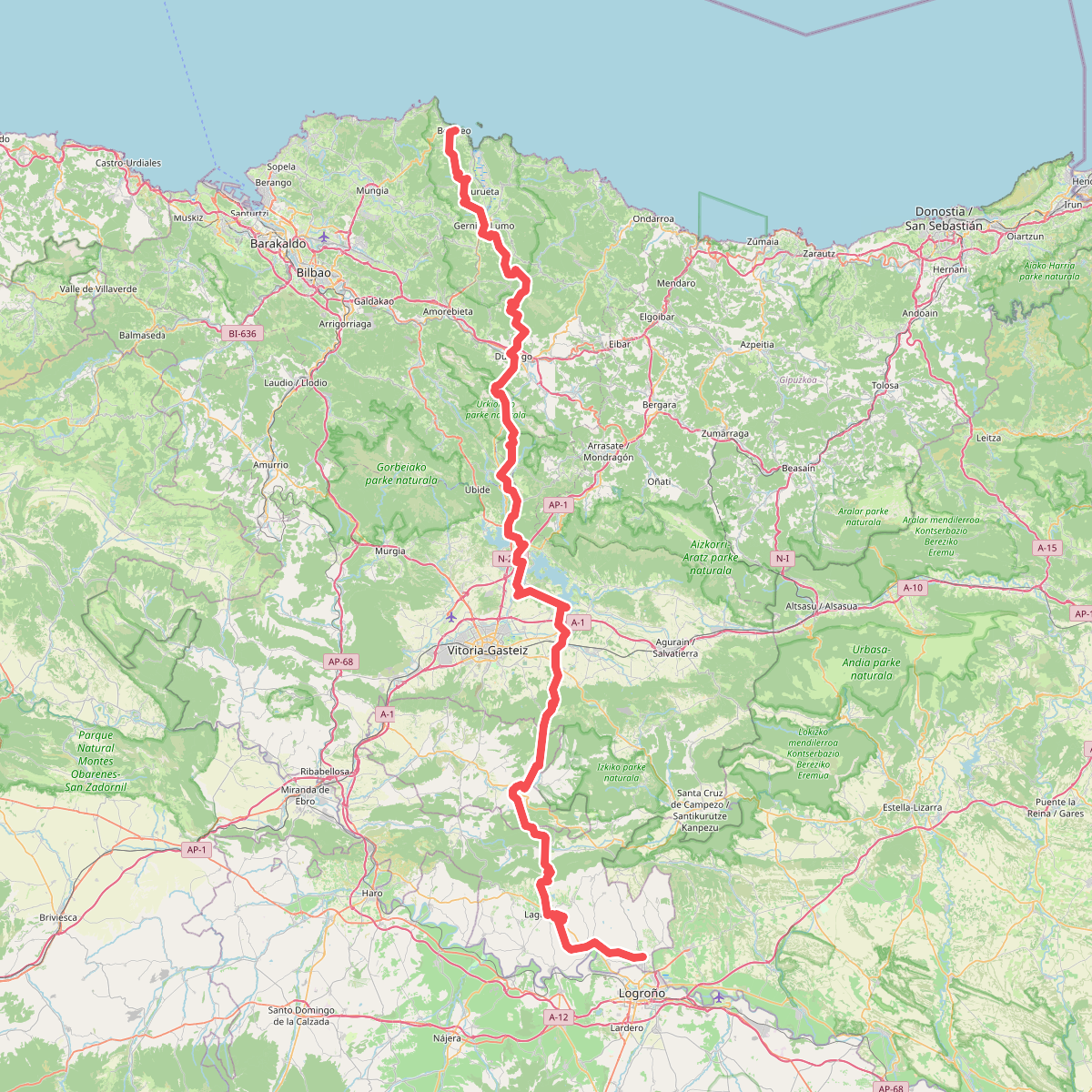
#3. Ardoaren eta arrainaren bidea
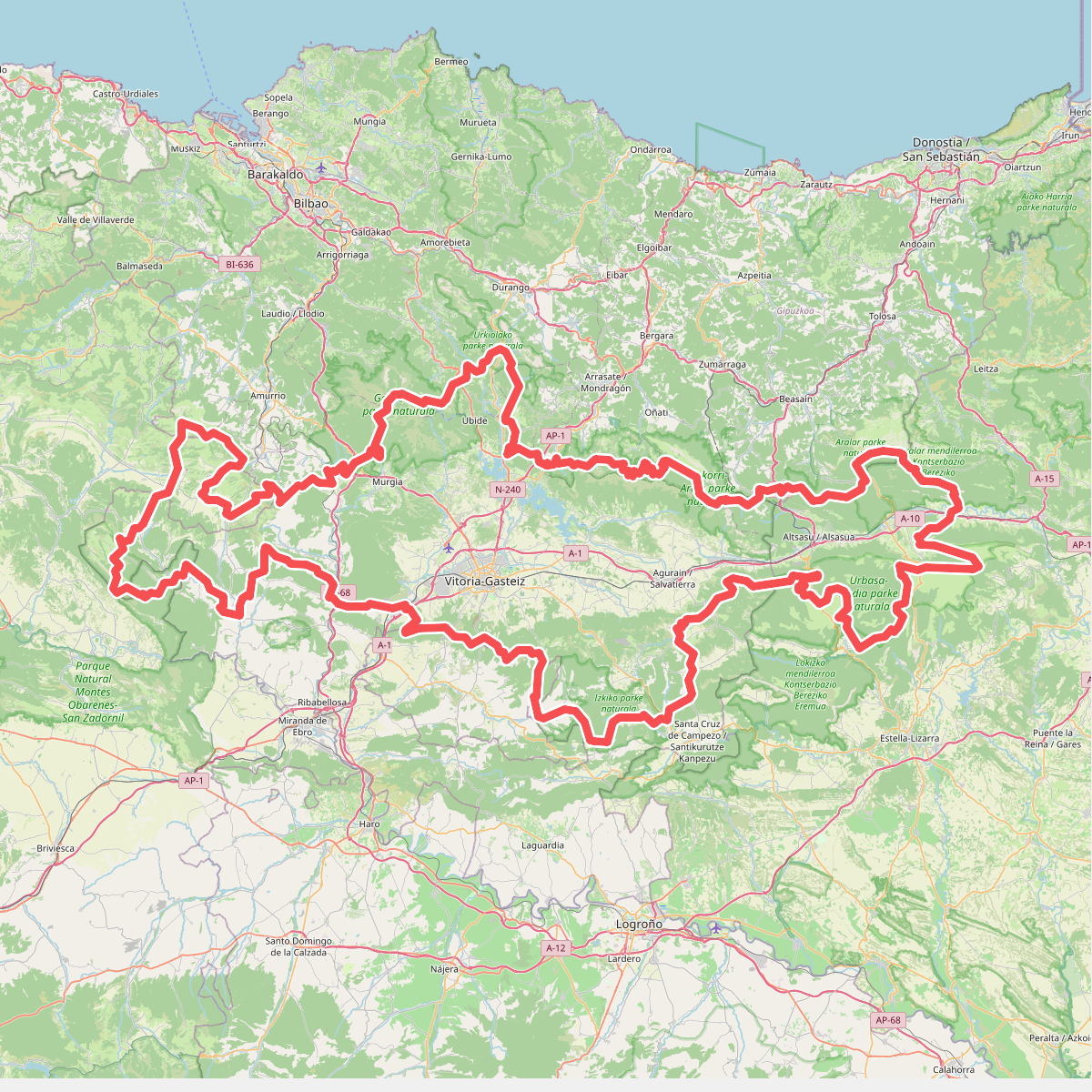
#4. Artzaintza naturbidea
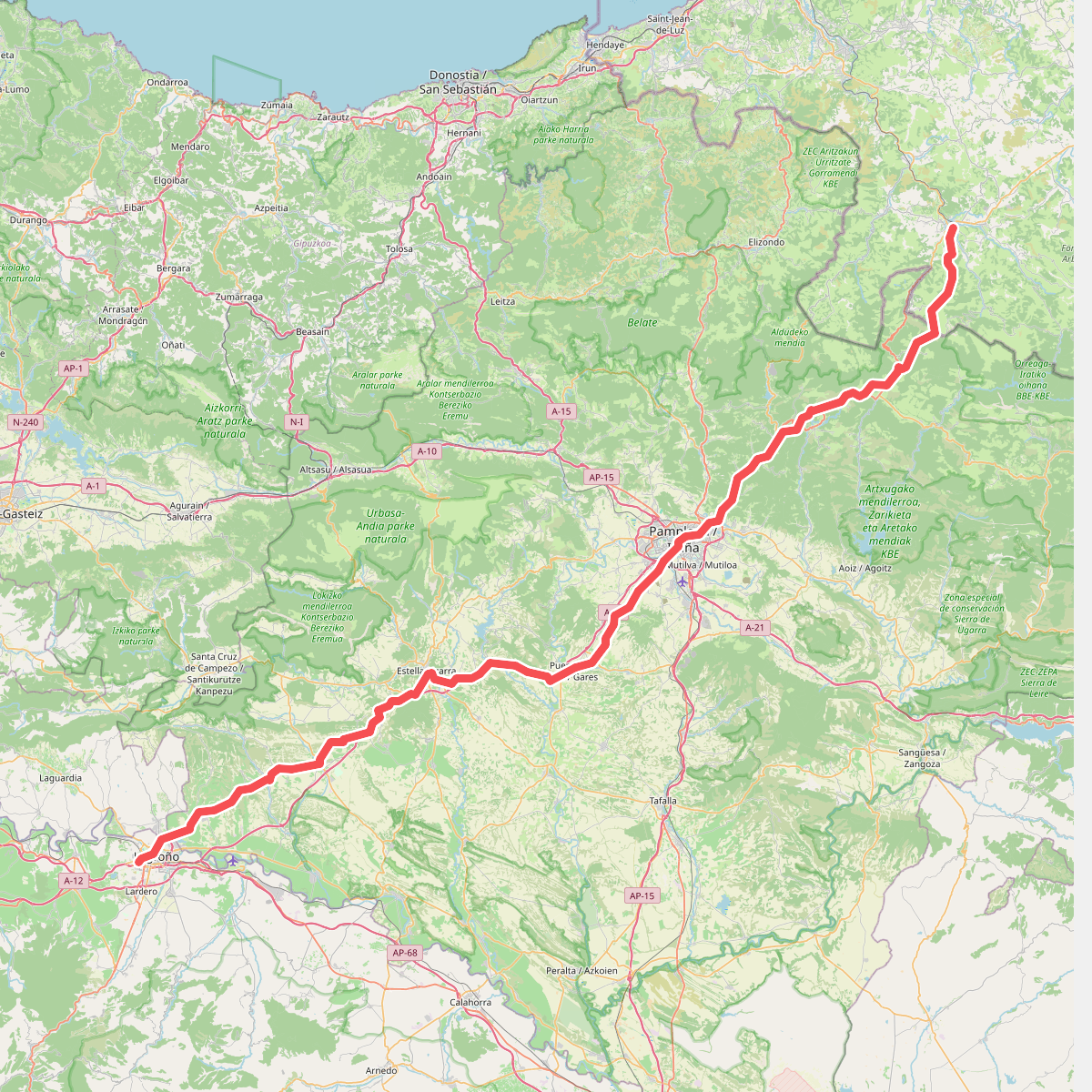
#5. Camino Francés - 01
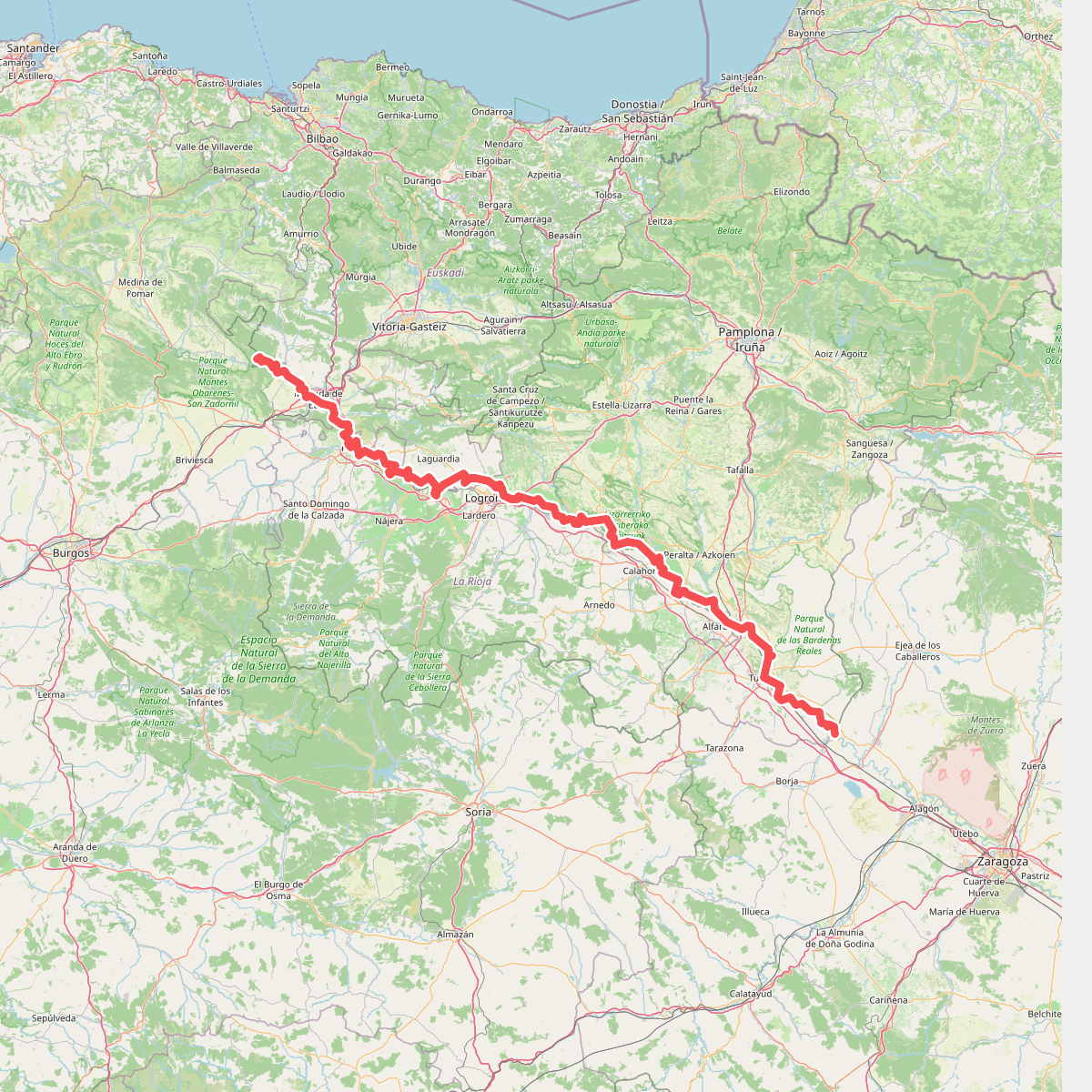
#6. Camino natural de Ebro - Tramo central
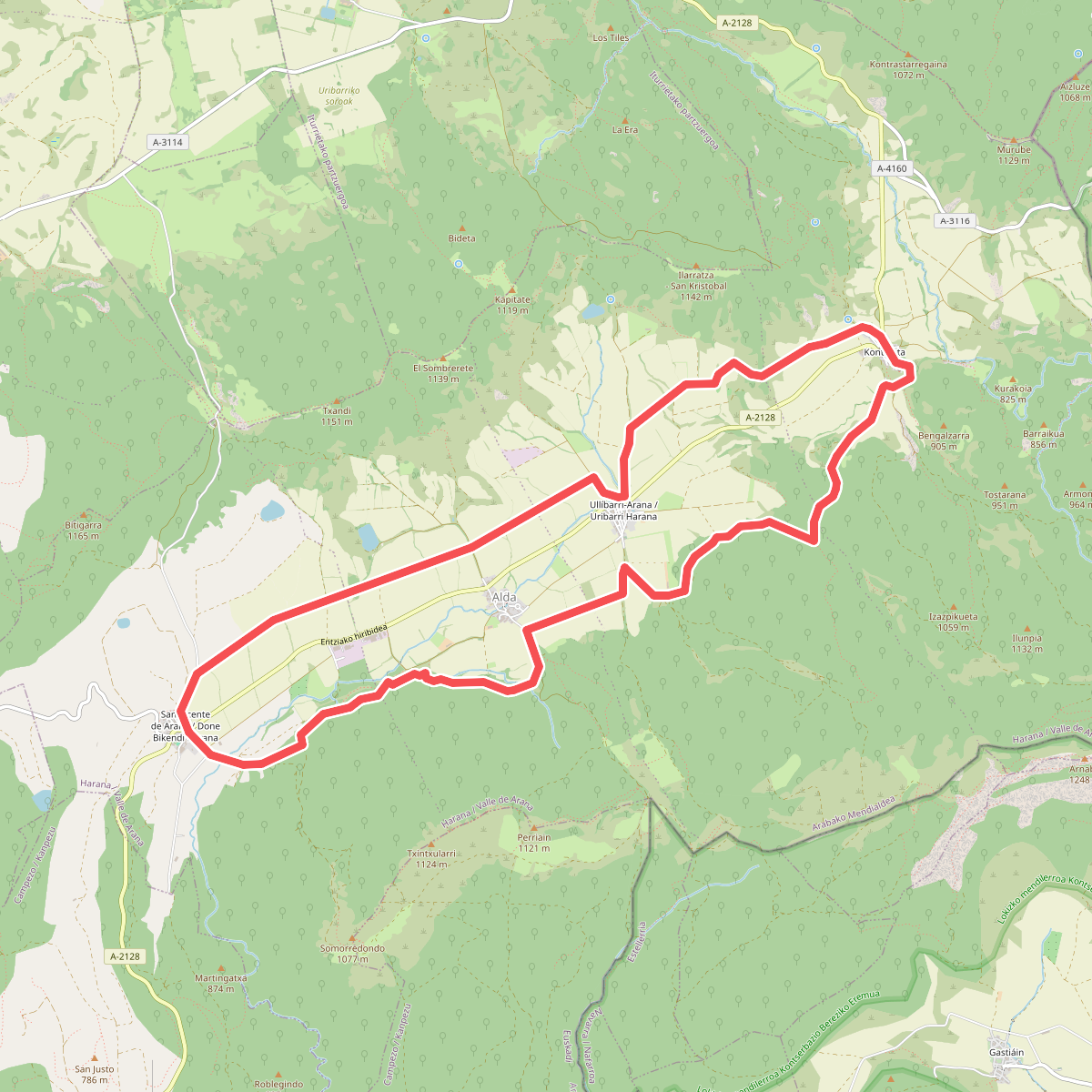
#7. Haraneko ibilbidea
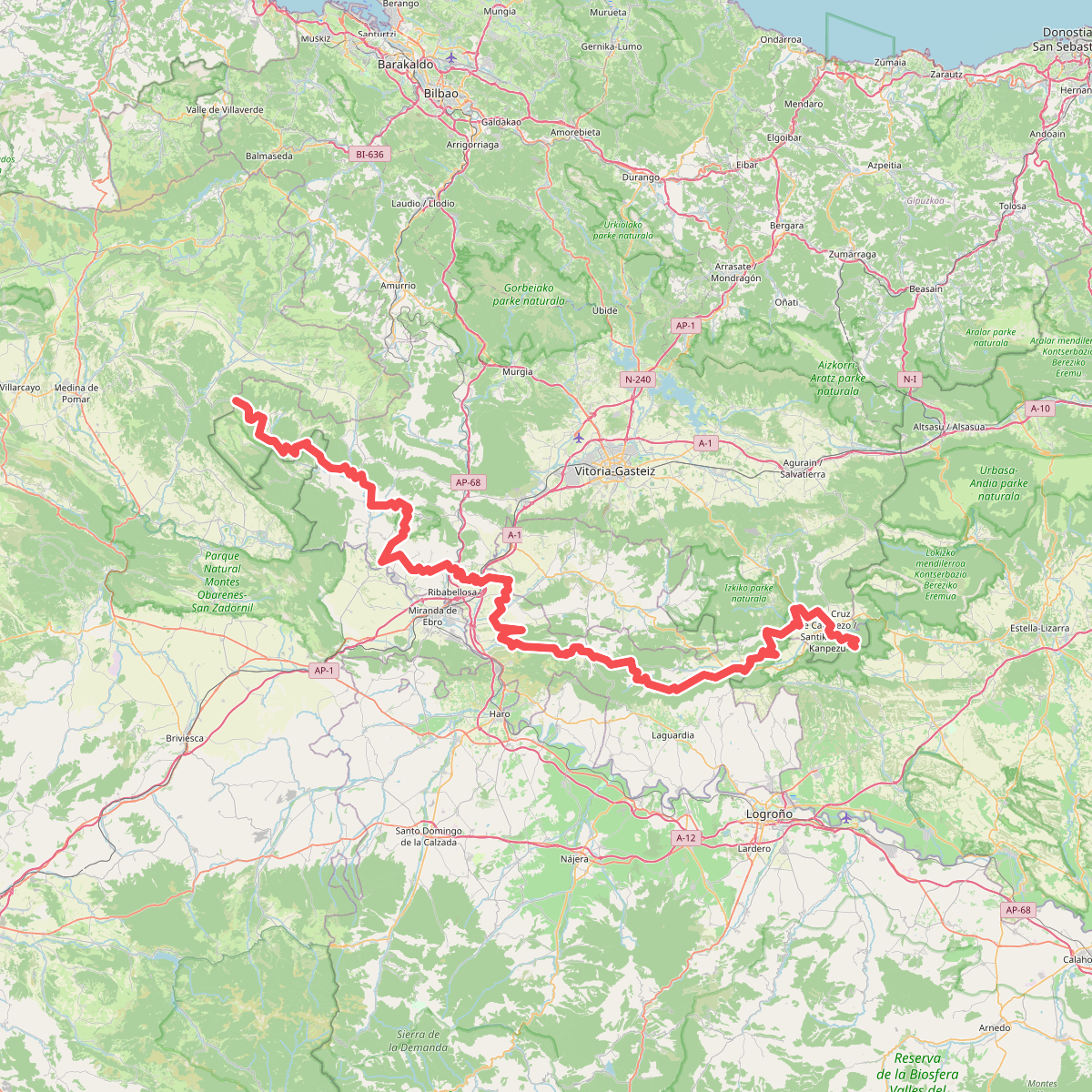
#8. Ibilbide historikoa: Araba
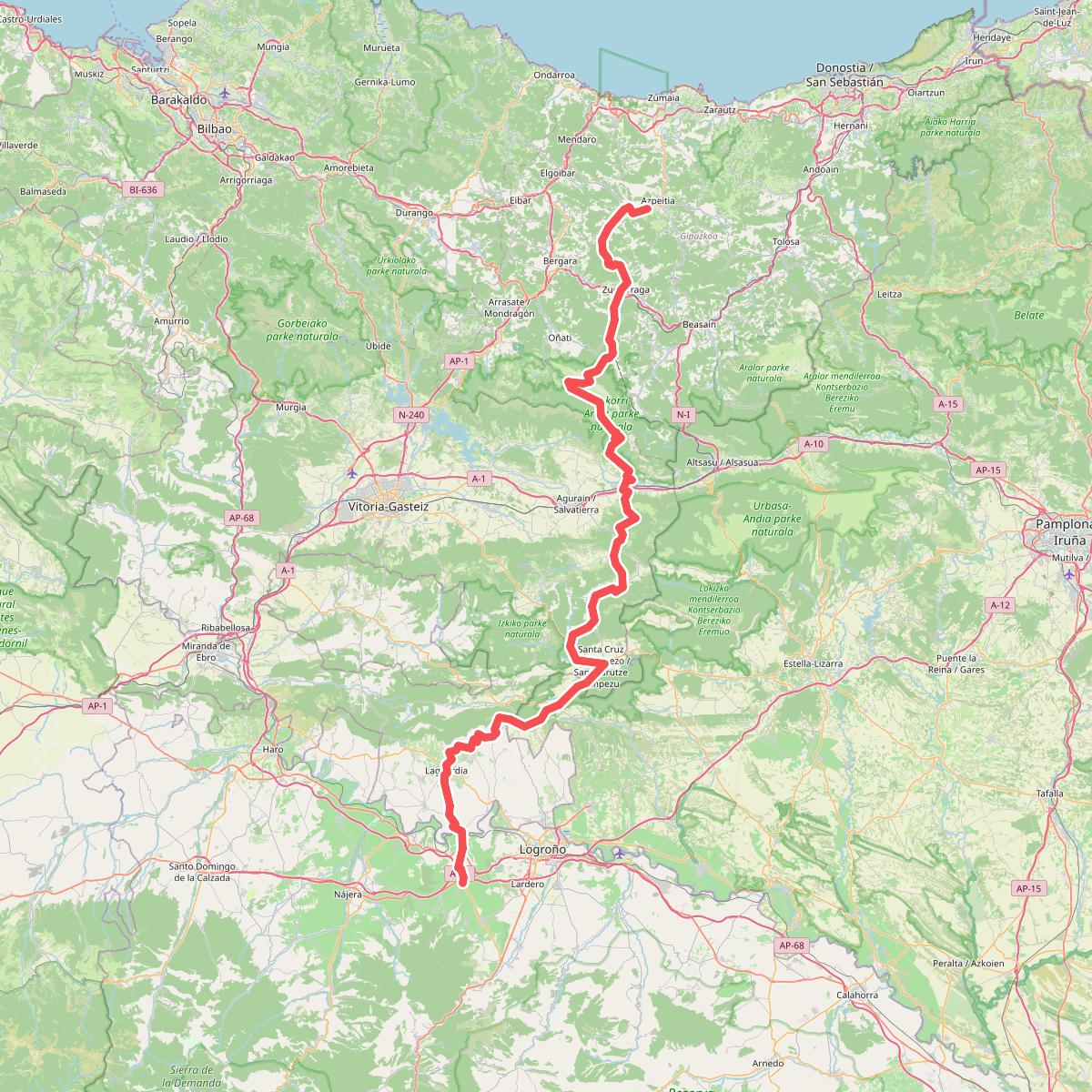
#9. Inaziotar bidea
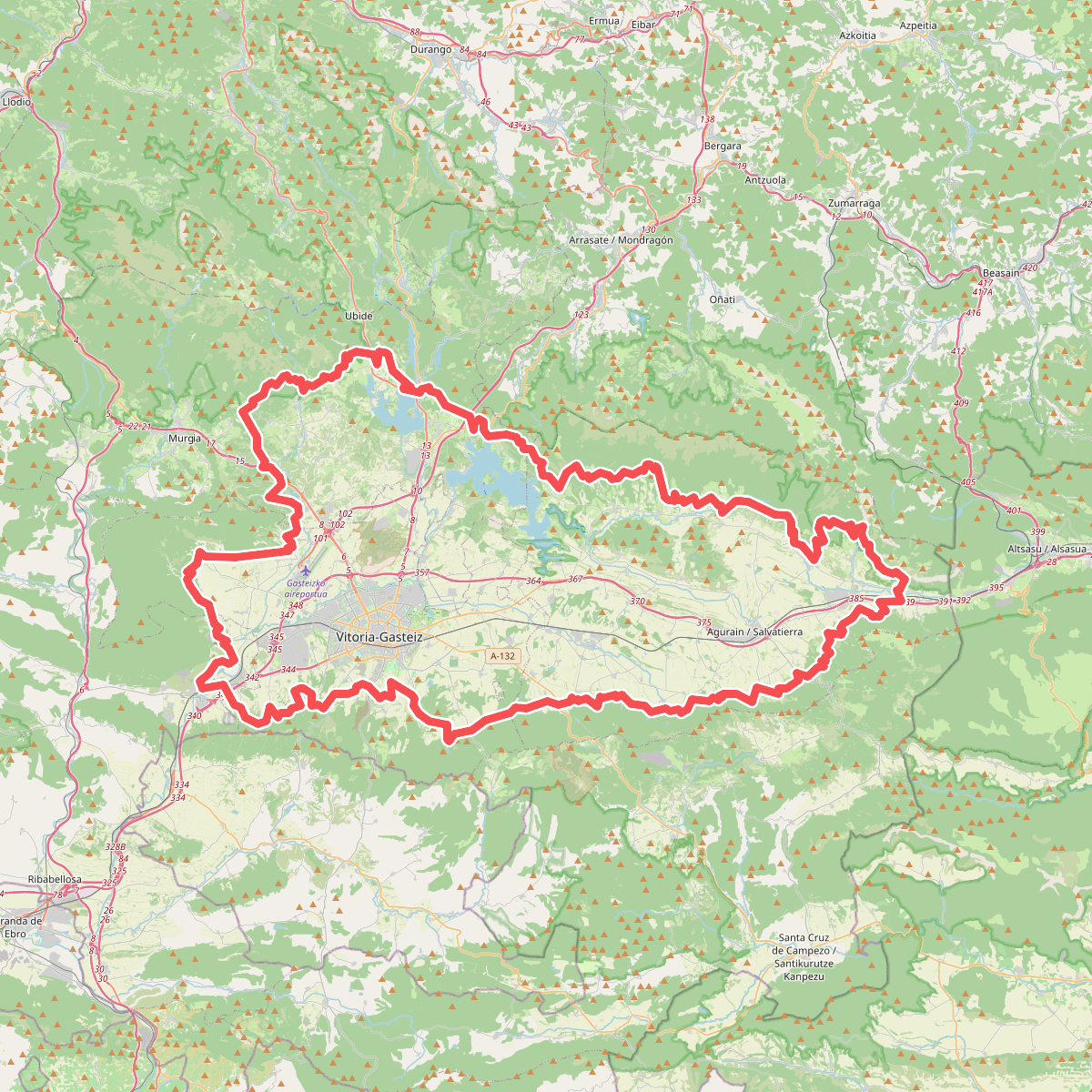
#10. Lautadako Bira
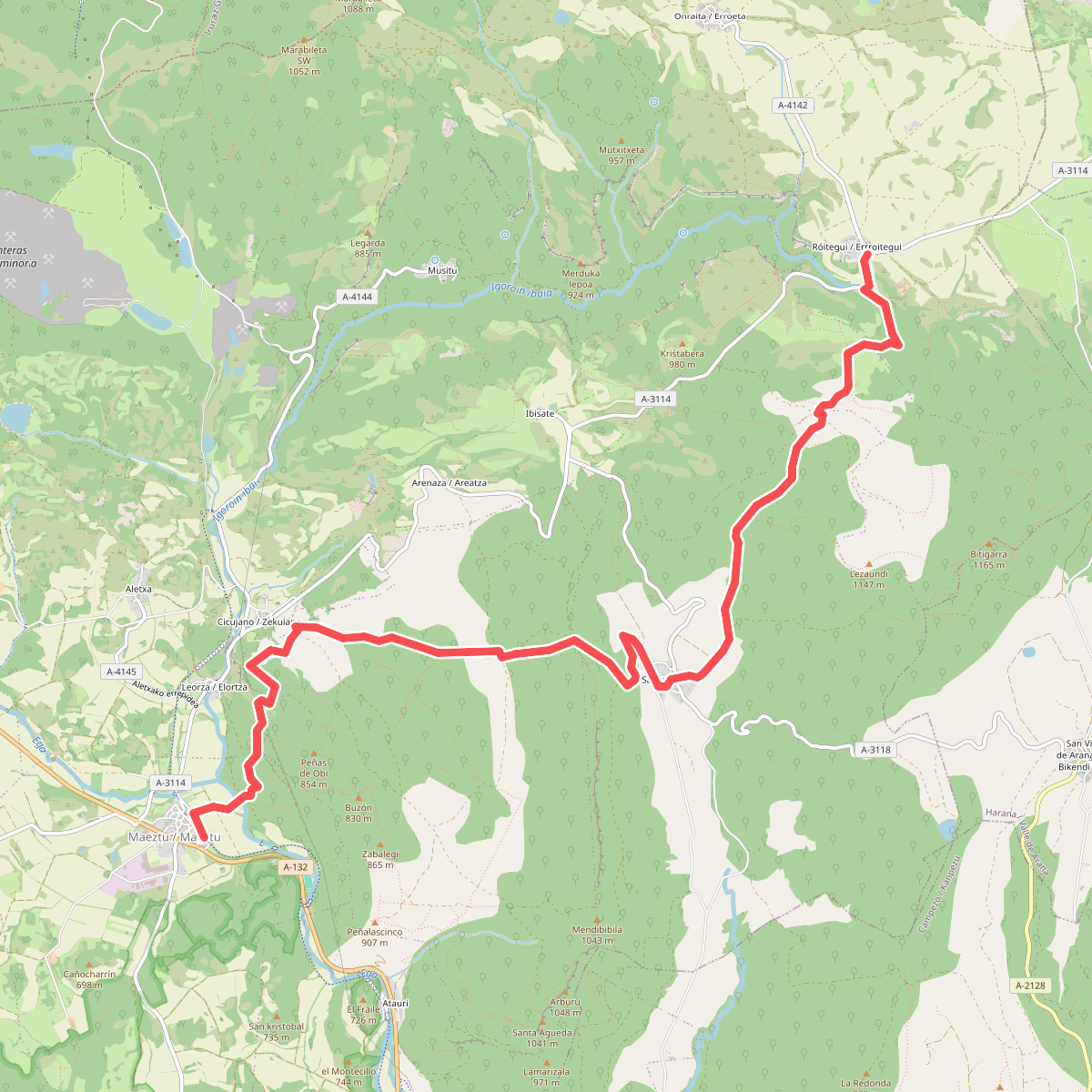
#11. Maeztu-Zikuiano-Sabando-Erroitegi