
The best hiking routes in Vaaler Moor und Herrenmoor
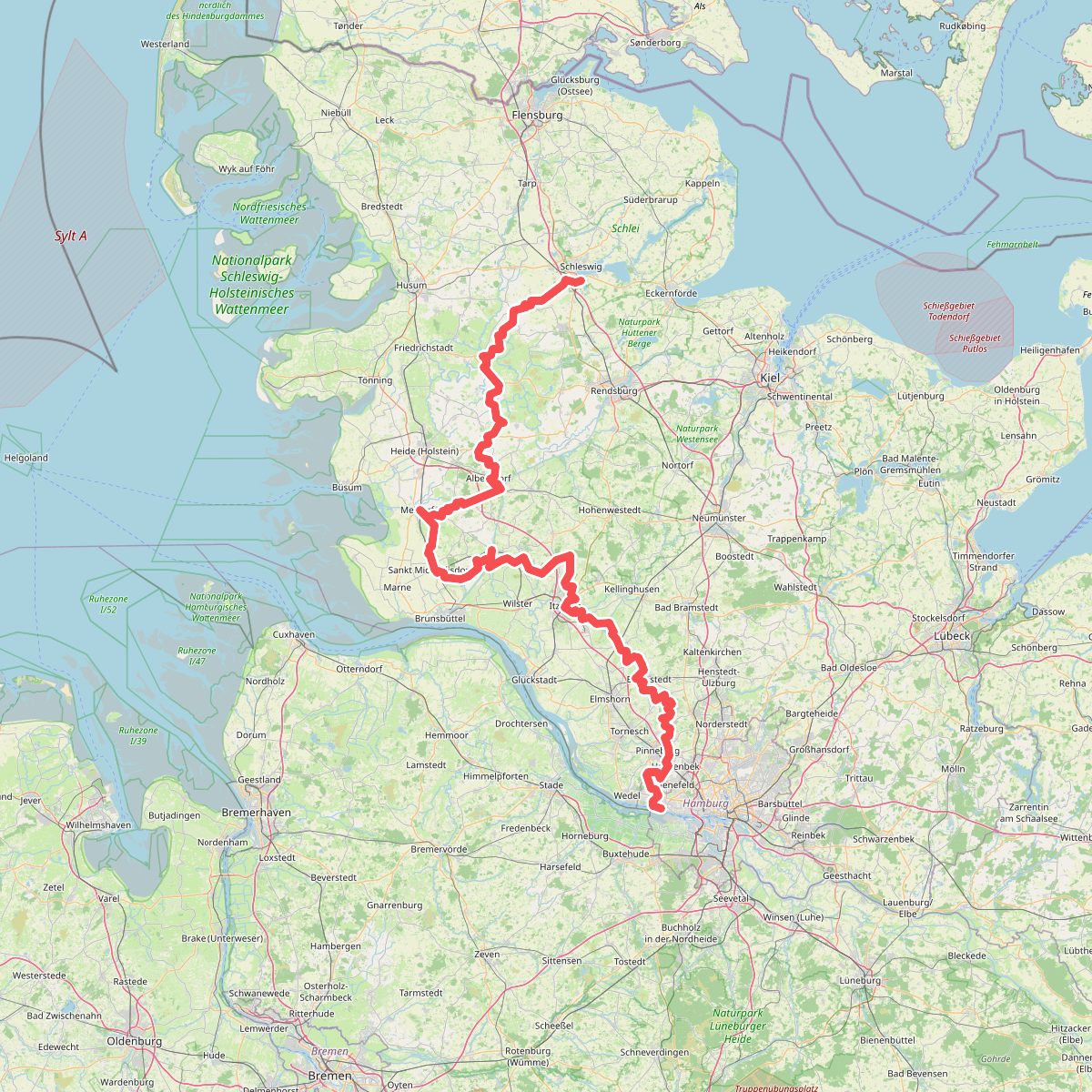
Discover the best walks in Vaaler Moor und Herrenmoor. 1 routes on the map, with descriptions, photos and GPX.
About Vaaler Moor und Herrenmoor
Vaaler Moor und Herrenmoor presents a landscape of contrasting textures, split between the remnants of raised bogs and drier, sandy transitions. Walkers will notice a distinct shift in the terrain underfoot depending on where they tread. The core bog areas feature soft, peat-rich ground and specialized boardwalks designed to keep visitors above the saturated soils, while the outer fringes transition into firmer sandy tracks and gravel paths that skirt the agricultural borders.
Read more
About Vaaler Moor und Herrenmoor
Vaaler Moor und Herrenmoor presents a landscape of contrasting textures, split between the remnants of raised bogs and drier, sandy transitions. Walkers will notice a distinct shift in the terrain underfoot depending on where they tread. The core bog areas feature soft, peat-rich ground and specialized boardwalks designed to keep visitors above the saturated soils, while the outer fringes transition into firmer sandy tracks and gravel paths that skirt the agricultural borders.
Read moreVaaler Moor und Herrenmoor presents a landscape of contrasting textures, split between the remnants of raised bogs and drier, sandy transitions. Walkers will notice a distinct shift in the terrain underfoot depending on where they tread. The core bog areas feature soft, peat-rich ground and specialized boardwalks designed to keep visitors above the saturated soils, while the outer fringes transition into firmer sandy tracks and gravel paths that skirt the agricultural borders.
The visual character of the area is defined by its history of peat extraction. Instead of a pristine wilderness, you will see a highly structured landscape of old drainage ditches, rectangular cutting edges, and regenerating birch woodland. In the wetter depressions, sphagnum moss and cotton grass dominate, while the drier ridges support heather and hardy shrubs. It is a flat, low-lying environment where the interest lies in these small-scale botanical changes rather than dramatic elevation shifts.
This is a quiet, working landscape where you should expect straightforward, level walking rather than challenging terrain. While some sections are exposed to the elements, others are sheltered by dense stands of birch and pine. The area is well-suited for those who appreciate quiet observation of bog regeneration, but it lacks the long-distance views or deep forest cover found in larger, more varied forest reserves.