
The best hiking routes in Tullgarns naturreservat
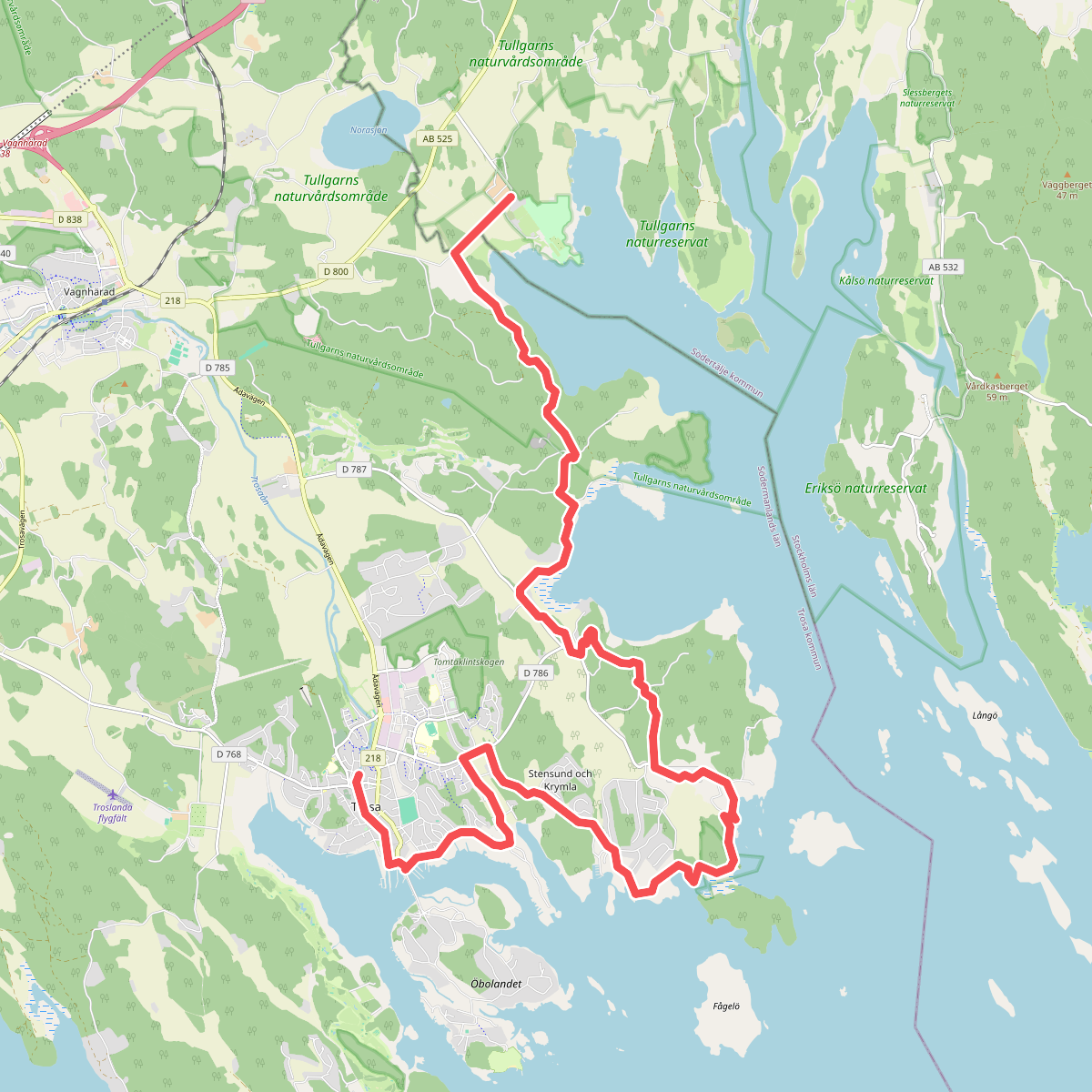
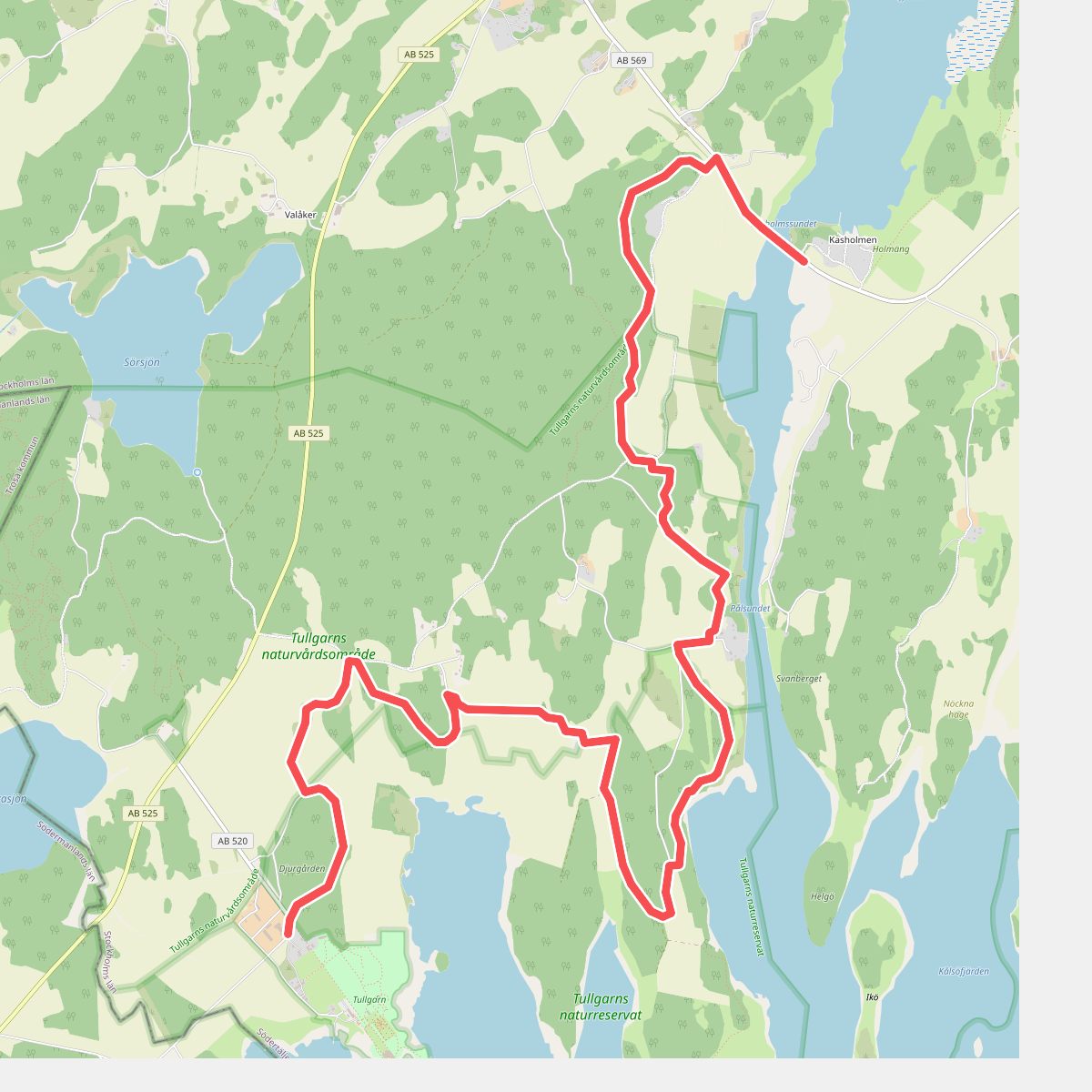
Discover the best walks in Tullgarns naturreservat. 2 routes on the map, with descriptions, photos and GPX.
Managed by Länsstyrelsen i Stockholms län
About Tullgarns naturreservat
Tullgarns naturreservat presents a distinct mix of managed palace grounds and coastal wilderness. Near the palace, you walk on wide, gravelled avenues and through formal lime tree alleys. As you move away from the central estate, the landscape transitions into old-growth coniferous forests, oak groves, and coastal meadows along the Baltic Sea bays. The terrain is generally flat to gently rolling, lacking steep climbs or deep gorges, which makes it accessible but less physically demanding than rugged interior forests.
Read more
About Tullgarns naturreservat
Tullgarns naturreservat presents a distinct mix of managed palace grounds and coastal wilderness. Near the palace, you walk on wide, gravelled avenues and through formal lime tree alleys. As you move away from the central estate, the landscape transitions into old-growth coniferous forests, oak groves, and coastal meadows along the Baltic Sea bays. The terrain is generally flat to gently rolling, lacking steep climbs or deep gorges, which makes it accessible but less physically demanding than rugged interior forests.
Read moreTullgarns naturreservat presents a distinct mix of managed palace grounds and coastal wilderness. Near the palace, you walk on wide, gravelled avenues and through formal lime tree alleys. As you move away from the central estate, the landscape transitions into old-growth coniferous forests, oak groves, and coastal meadows along the Baltic Sea bays. The terrain is generally flat to gently rolling, lacking steep climbs or deep gorges, which makes it accessible but less physically demanding than rugged interior forests.
Underfoot, the paths vary from firm gravel roads near the palace to narrow, root-strewn dirt tracks and wooden boardwalks over the wetter marshlands. You will notice a clear contrast between the open, grazed pastures where ancient oaks stand in wide fields and the dense, mossy spruce forests where the canopy shuts out most light. The shoreline areas feature shallow reed beds and mudflats, which are particularly active with migratory waterfowl during April and October.
This reserve is not a wilderness of untouched taiga; the hand of historical estate management is visible almost everywhere in the drainage ditches, stone walls, and planted avenues. While the areas closest to the palace parking lots and the shoreline paths can be busy with day-trippers, the deeper forest trails in the northern section of the reserve offer a much quieter, more enclosed woodland experience.