The best hiking routes in Parque Natural Hoces del Alto Ebro y Rudrón
Discover the best walks in Parque Natural Hoces del Alto Ebro y Rudrón. 7 routes on the map, with descriptions, photos and GPX.
Managed by Junta de Castilla y León
About Parque Natural Hoces del Alto Ebro y Rudrón
The Parque Natural Hoces del Alto Ebro y Rudrón is defined by its deep, limestone canyons carved by the Ebro and Rudrón rivers, cutting through the high, dry moors of northern Burgos. Walkers will find a stark contrast between the arid, rocky parameras on the canyon rims and the dense, humid forests of beech, oak, and willow that thrive along the riverbeds below. This is not a high-mountain park of jagged peaks, but rather a flat plateau sliced open by dramatic gorges.
Read more
About Parque Natural Hoces del Alto Ebro y Rudrón
The Parque Natural Hoces del Alto Ebro y Rudrón is defined by its deep, limestone canyons carved by the Ebro and Rudrón rivers, cutting through the high, dry moors of northern Burgos. Walkers will find a stark contrast between the arid, rocky parameras on the canyon rims and the dense, humid forests of beech, oak, and willow that thrive along the riverbeds below. This is not a high-mountain park of jagged peaks, but rather a flat plateau sliced open by dramatic gorges.
Read moreThe Parque Natural Hoces del Alto Ebro y Rudrón is defined by its deep, limestone canyons carved by the Ebro and Rudrón rivers, cutting through the high, dry moors of northern Burgos. Walkers will find a stark contrast between the arid, rocky parameras on the canyon rims and the dense, humid forests of beech, oak, and willow that thrive along the riverbeds below. This is not a high-mountain park of jagged peaks, but rather a flat plateau sliced open by dramatic gorges.
Underfoot, paths vary from rough, stony tracks along the canyon edges to soft, loamy soil and occasional wooden footbridges near the water. The limestone geology is visible everywhere, from vertical cliffs where vultures nest to active karst formations like the blue-water spring of Pozo Azul in Covanera or the tufa waterfall at Orbaneja del Castillo. These water features draw more visitors, while the higher, scrub-covered plateau trails remain much quieter.
In late autumn, particularly in November, the deciduous canopy inside the gorges turns deep orange and yellow, contrasting sharply with the evergreen holm oaks on the drier slopes. Choosing a route here means deciding between exposed, sun-baked rim walks with constant views of the canyon walls or sheltered, humid paths along the riverbanks where the sound of rushing water dominates.
Hiking routes in Parque Natural Hoces del Alto Ebro y Rudrón (7)
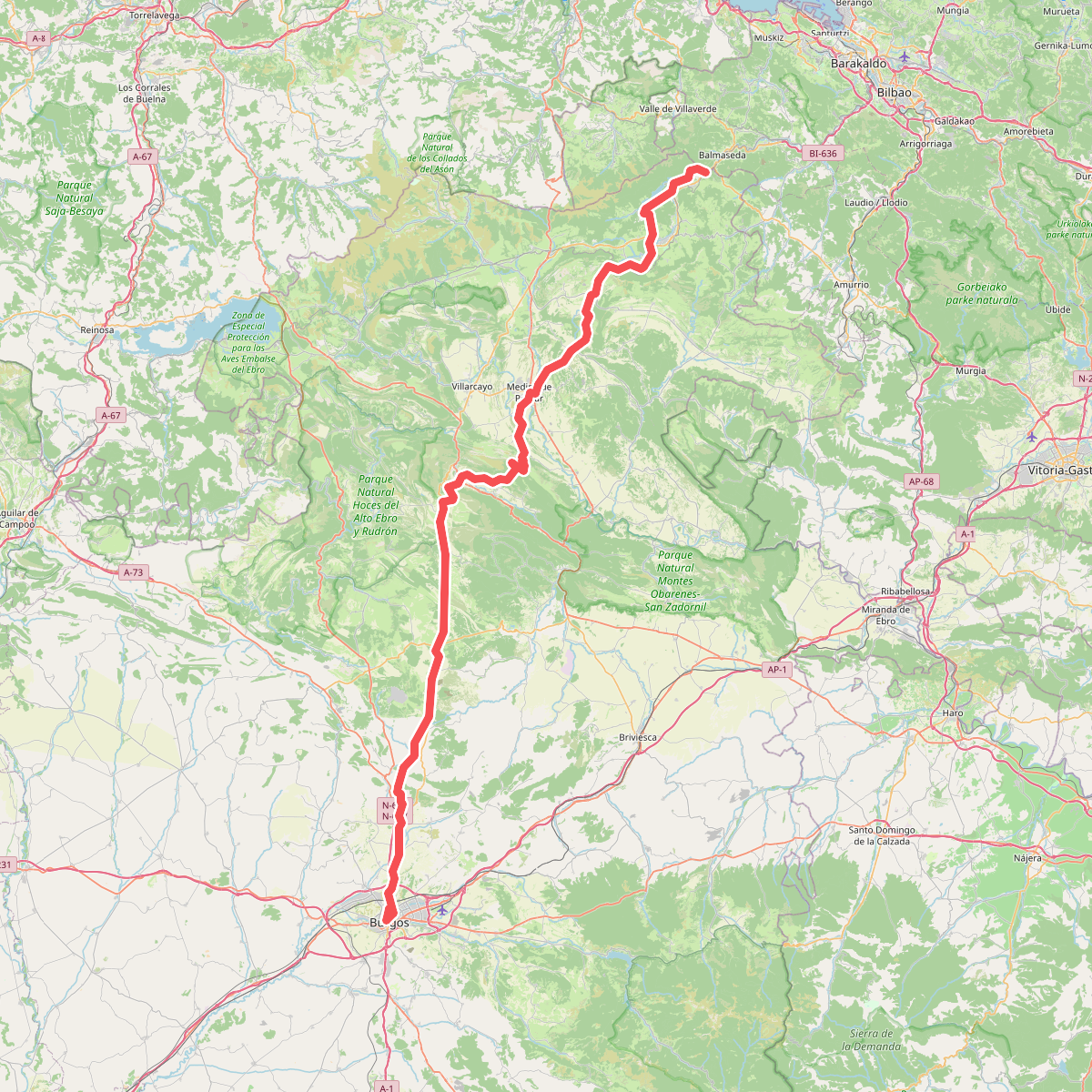
#1. Camino de Las Merindades
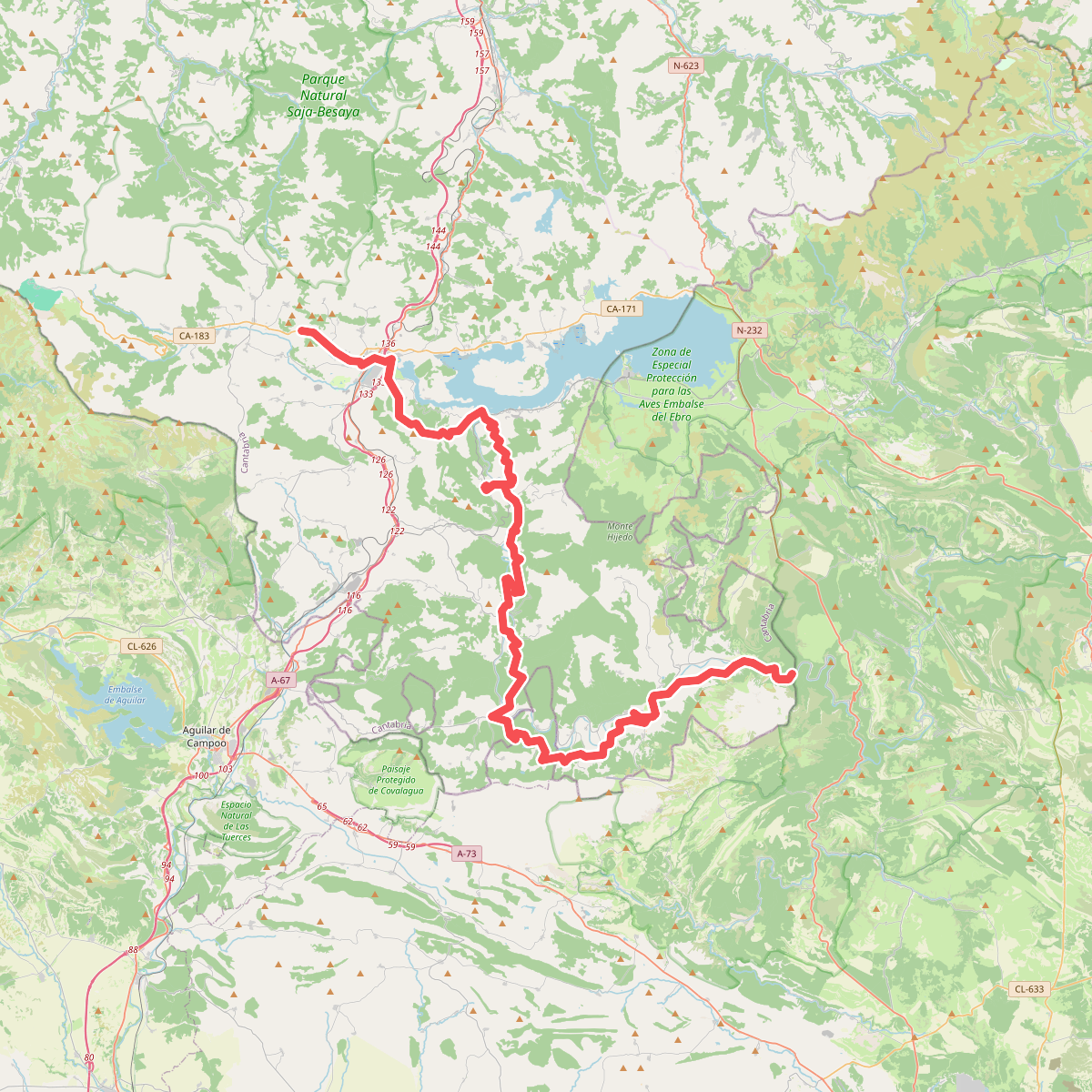
#2. Camino natural de Ebro - Cantabria
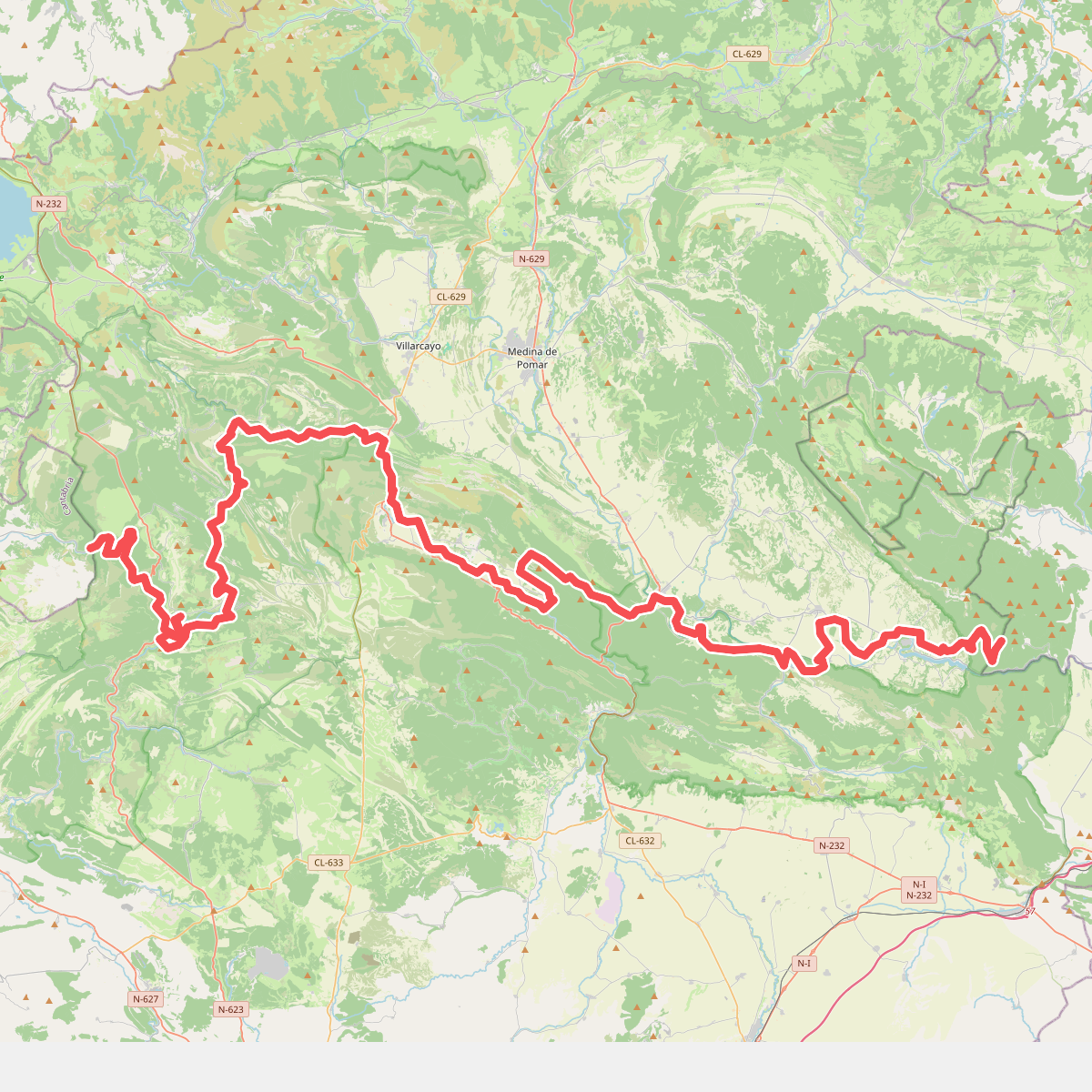
#3. Camino natural de Ebro - Castilla y León
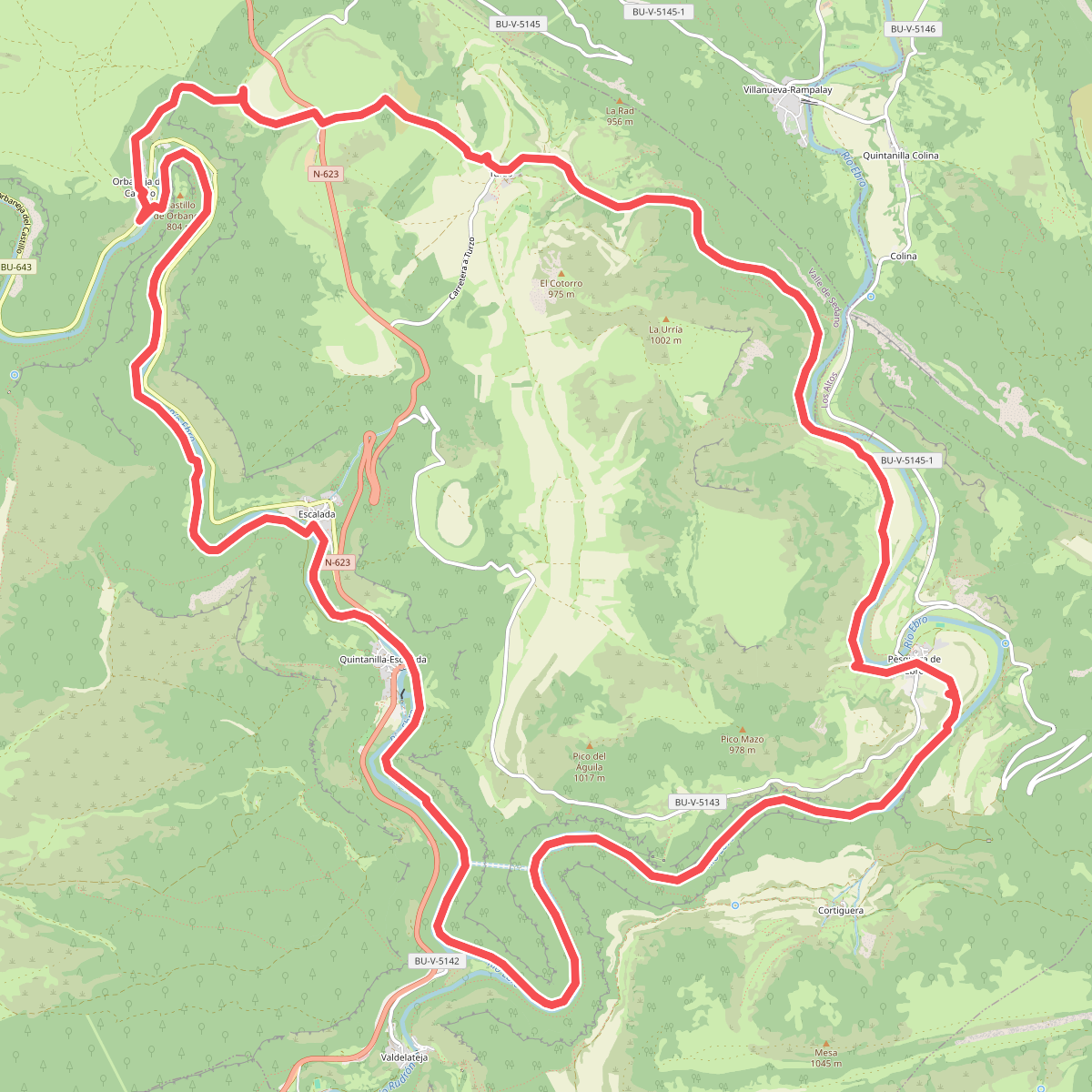
#4. Cañón del Ebro
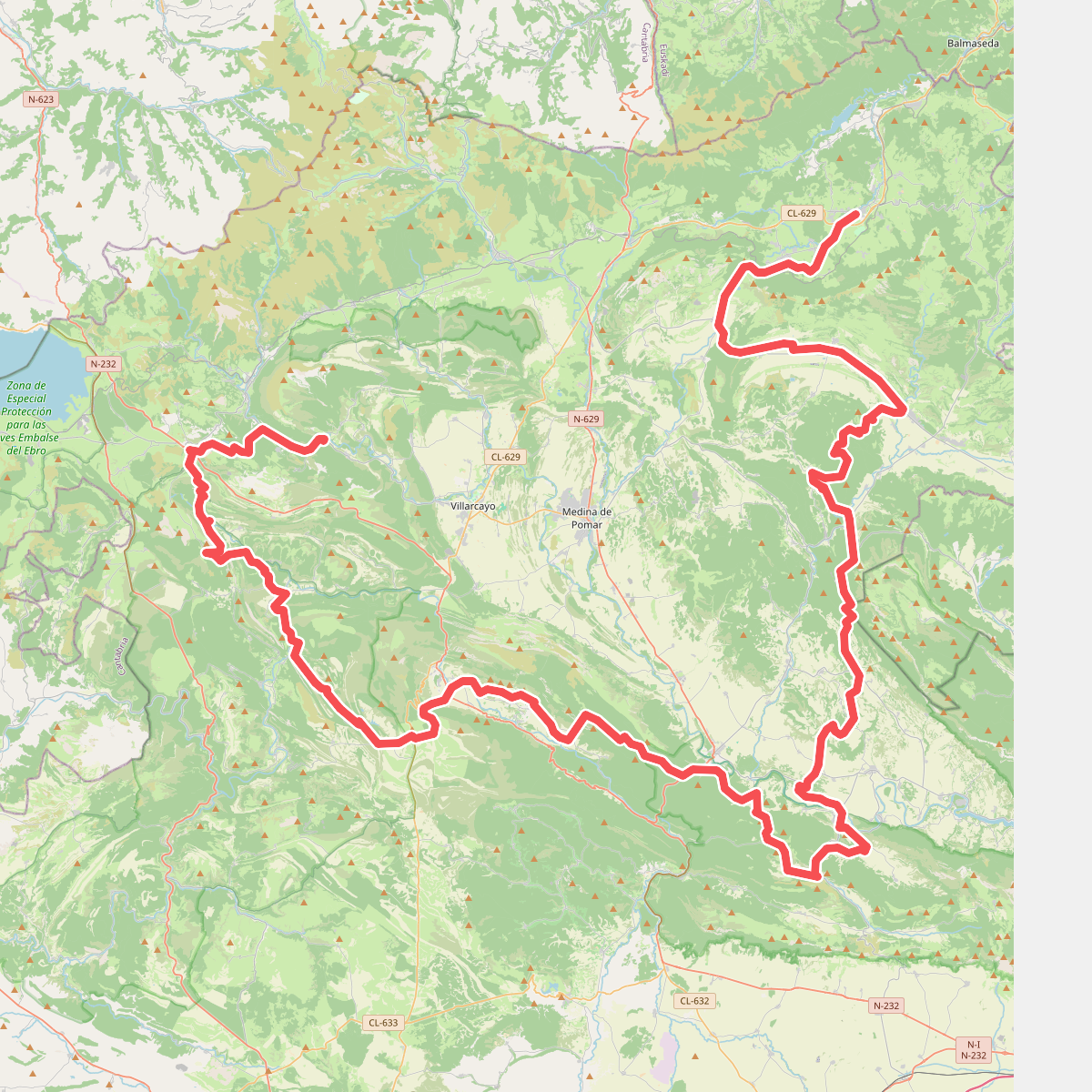
#5. Ruta de los Sentidos
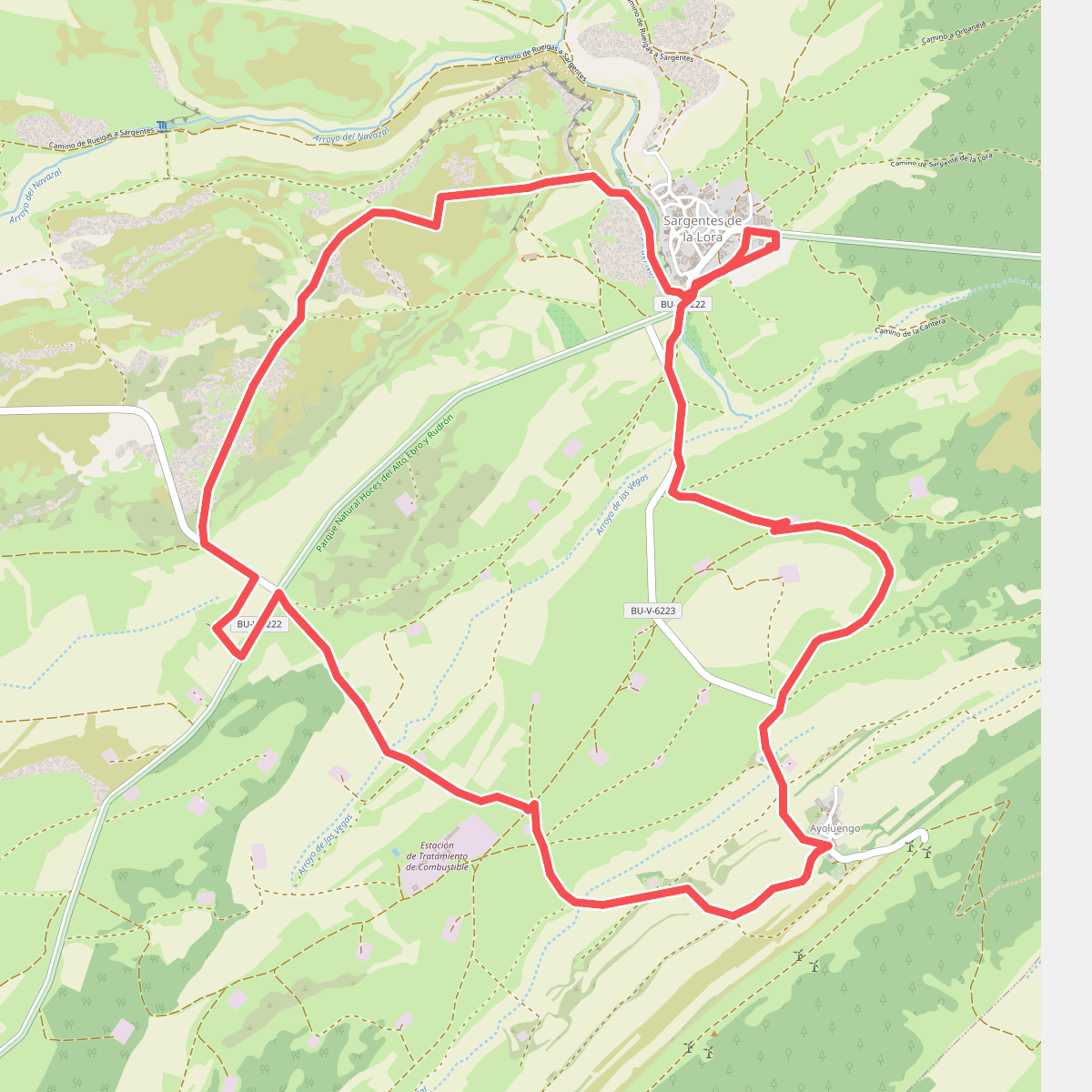
#6. Sendero del Petróleo