
The best hiking routes in Parque Natural da Serra de São Mamede
Discover the best walks in Parque Natural da Serra de São Mamede. 8 routes on the map, with descriptions, photos and GPX.
Managed by Instituto da Conservação da Natureza e das Florestas
About Parque Natural da Serra de São Mamede
Parque Natural da Serra de São Mamede rises abruptly from the flat Alentejo plains, presenting a microclimate that is significantly greener and more varied than the surrounding region. The northern slopes are dominated by dense chestnut and oak forests, while the southern flanks transition into olive groves, cork oak dehesas, and dry, rocky scrubland. Walkers will notice a distinct contrast between the damp, shaded valley floors and the exposed quartzite ridges that form the spine of the range.
Read more
About Parque Natural da Serra de São Mamede
Parque Natural da Serra de São Mamede rises abruptly from the flat Alentejo plains, presenting a microclimate that is significantly greener and more varied than the surrounding region. The northern slopes are dominated by dense chestnut and oak forests, while the southern flanks transition into olive groves, cork oak dehesas, and dry, rocky scrubland. Walkers will notice a distinct contrast between the damp, shaded valley floors and the exposed quartzite ridges that form the spine of the range.
Read moreParque Natural da Serra de São Mamede rises abruptly from the flat Alentejo plains, presenting a microclimate that is significantly greener and more varied than the surrounding region. The northern slopes are dominated by dense chestnut and oak forests, while the southern flanks transition into olive groves, cork oak dehesas, and dry, rocky scrubland. Walkers will notice a distinct contrast between the damp, shaded valley floors and the exposed quartzite ridges that form the spine of the range.
Underfoot, the terrain varies from soft, leaf-littered dirt tracks under the forest canopy to rough, stony paths and ancient cobblestone medieval ways connecting historic hilltop villages. Unlike the soft sand of the coast or the flat dirt roads of the wider Alentejo, this park demands attention to footing due to loose granite stones, steep gradients, and uneven rock surfaces. Water is a constant presence in the northern valleys, where small streams and stone-walled irrigation channels run alongside the paths.
This is not a high-alpine environment with jagged peaks, but rather a series of rounded, weathered ridges reaching just over one thousand metres. In April and May, the landscape is marked by flowering cistus and wild lupins, while autumn brings a thick carpet of chestnuts to the forest floors. The park is generally quiet, though the immediate surroundings of Marvão and Castelo de Vide see more foot traffic than the deeper, forested valleys near the Spanish border.
Hiking routes in Parque Natural da Serra de São Mamede (8)
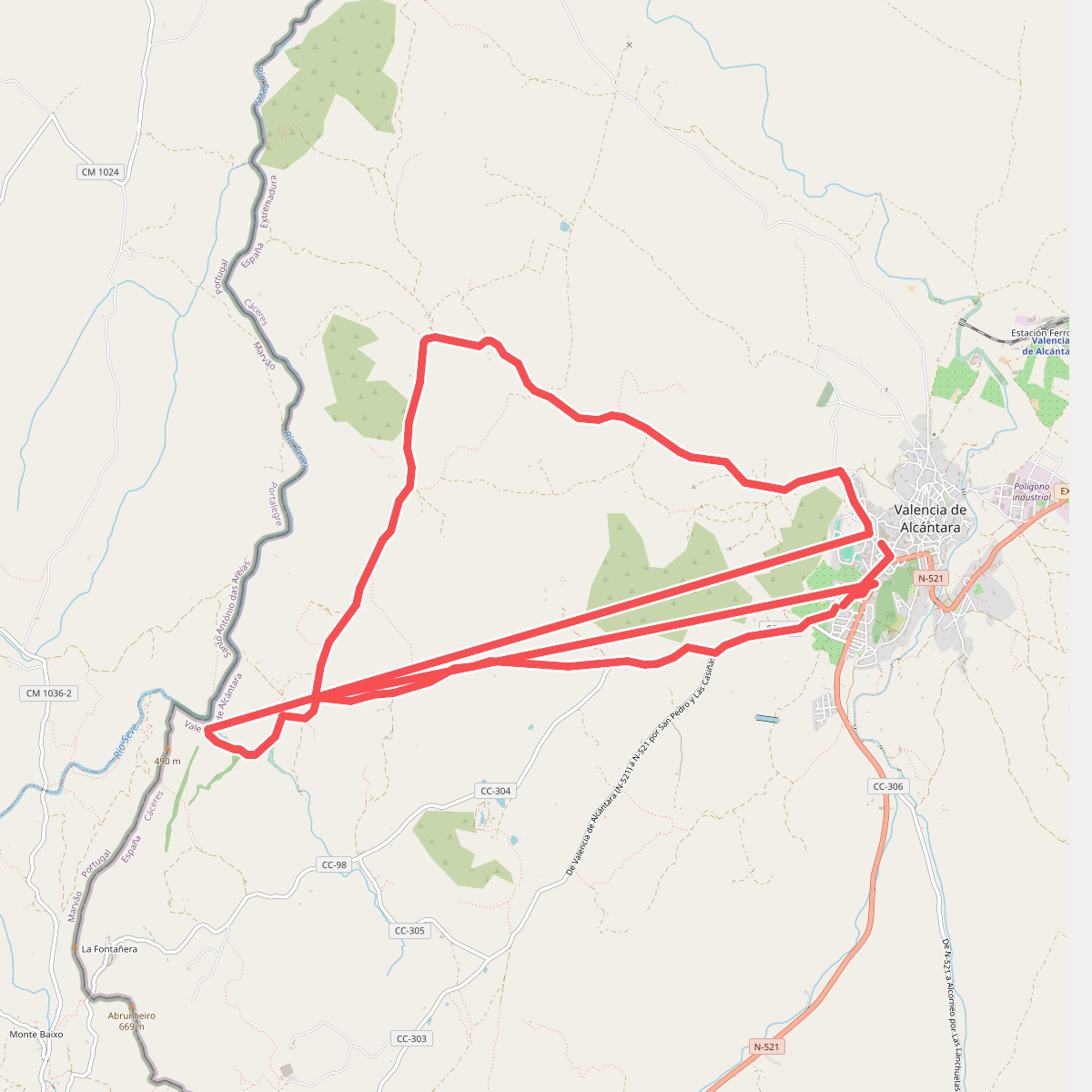
#1. Molino de La Negra
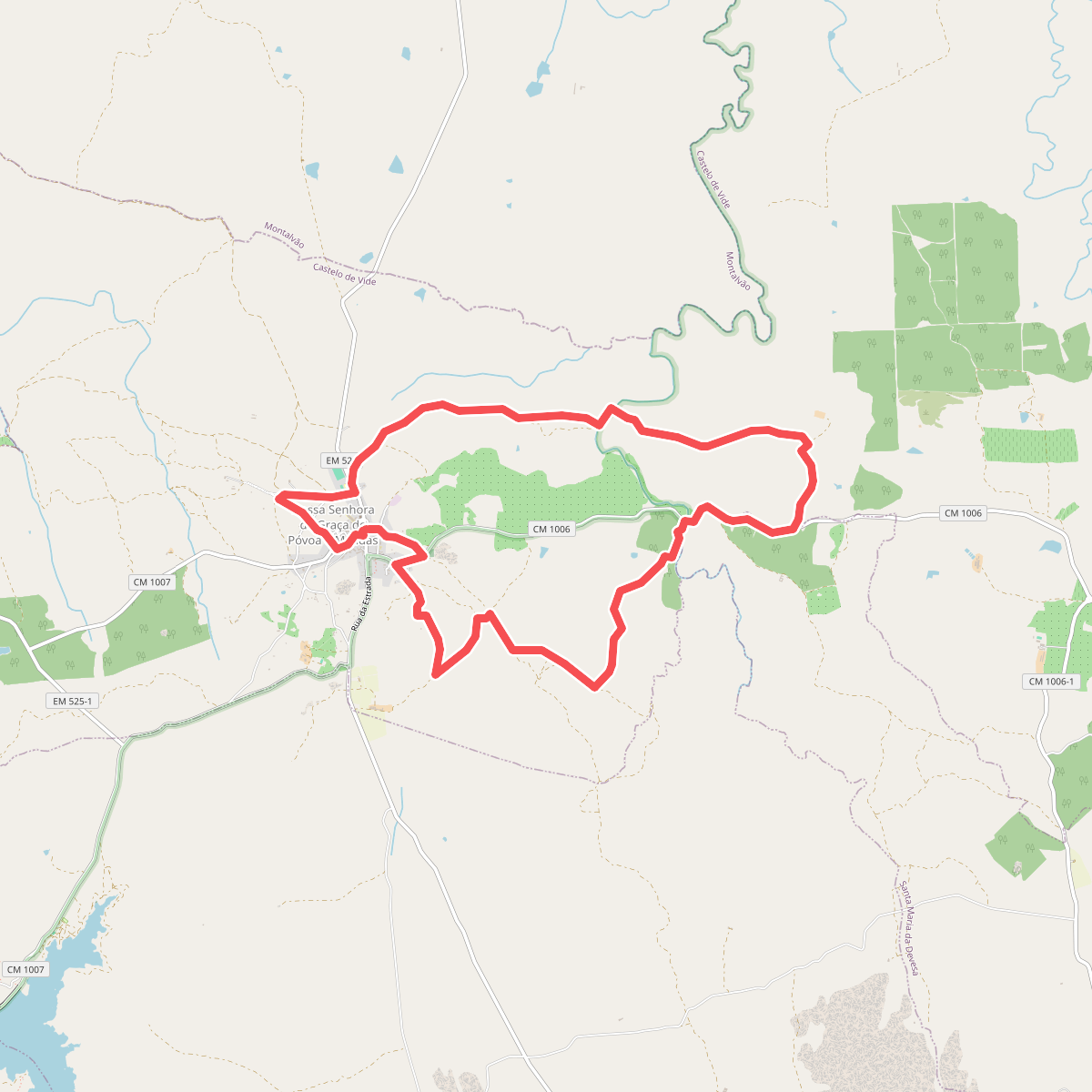
#2. Paisagens Fantásticas de Póvoa e Meadas
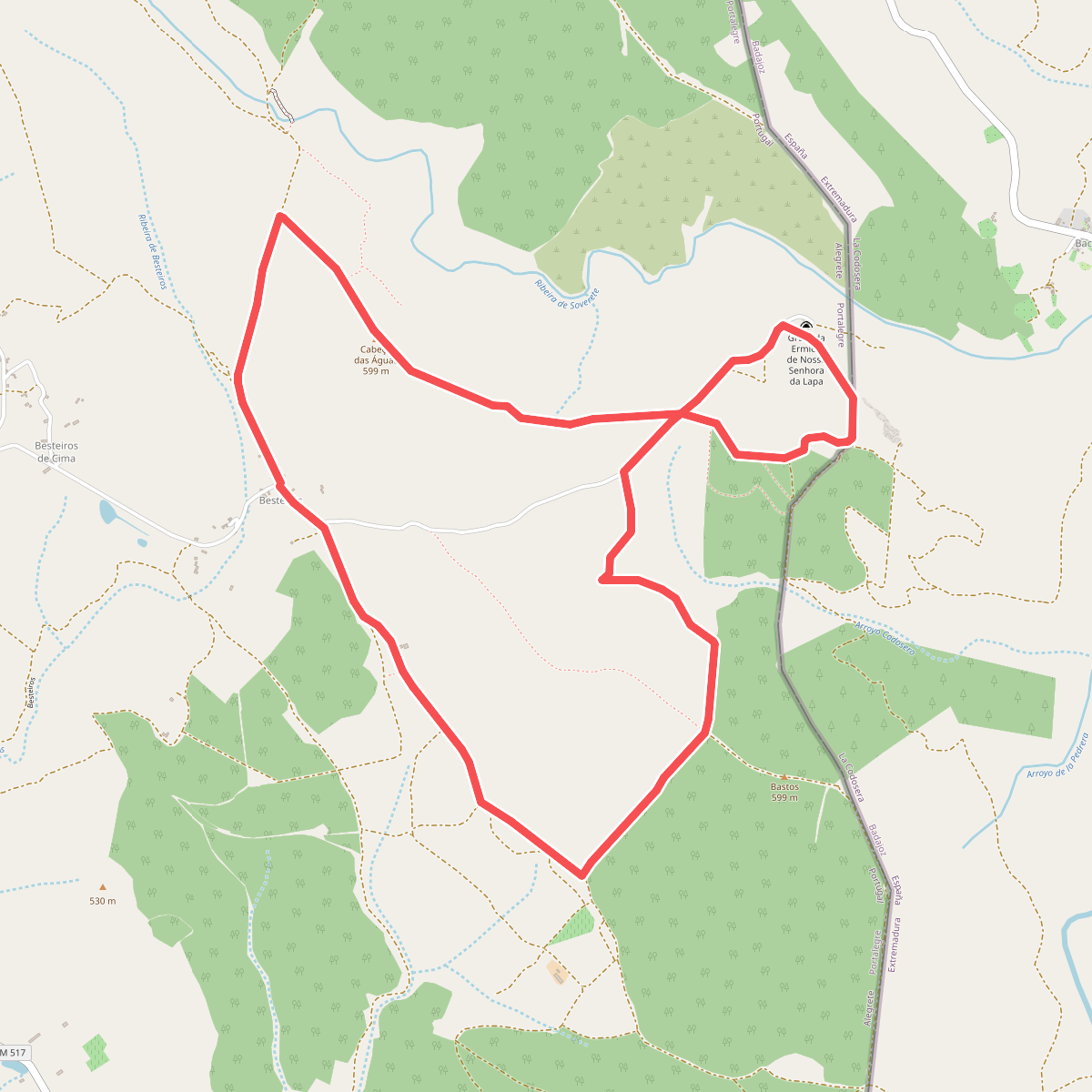
#3. Percurso da Senhora da Lapa
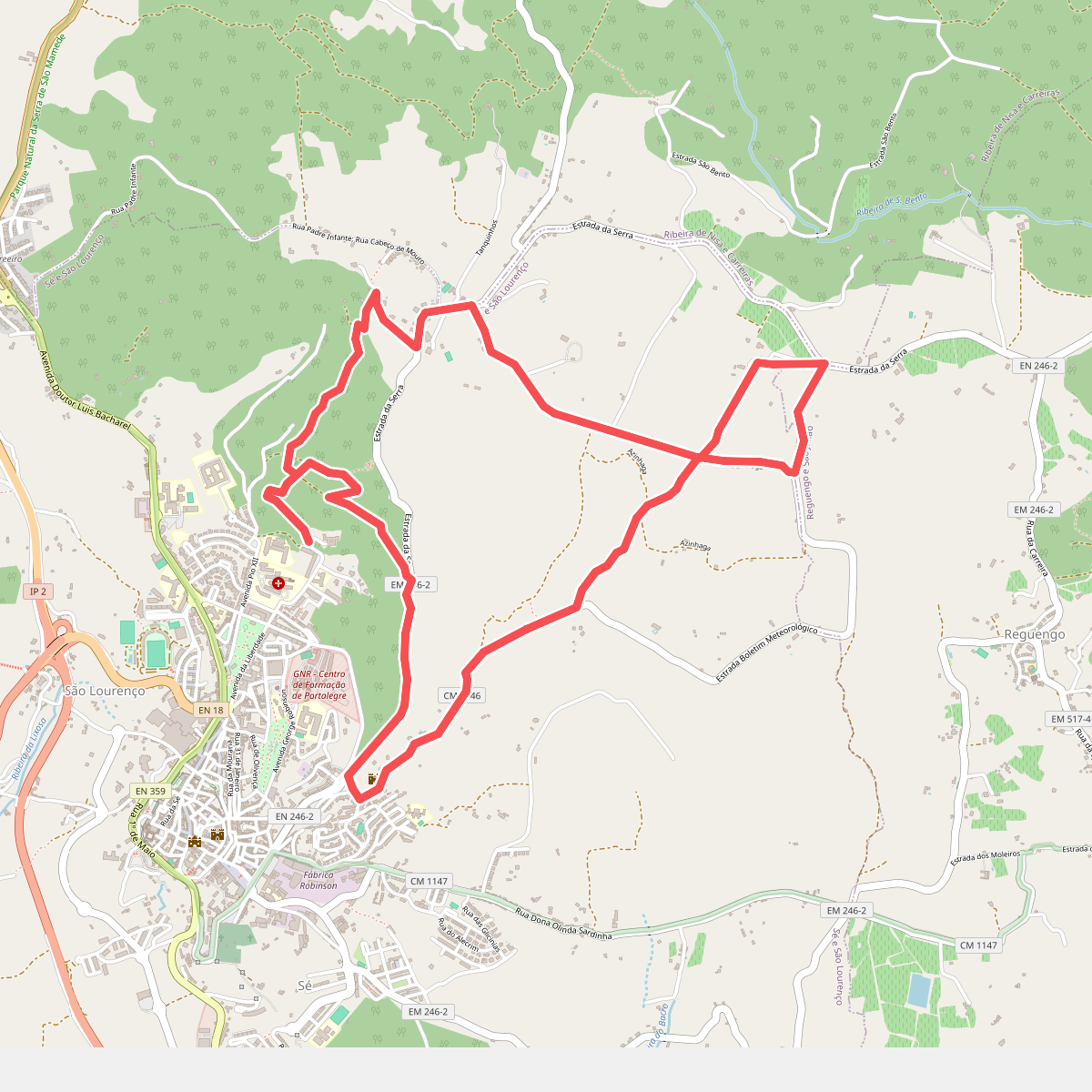
#4. Percurso do Salão Frio
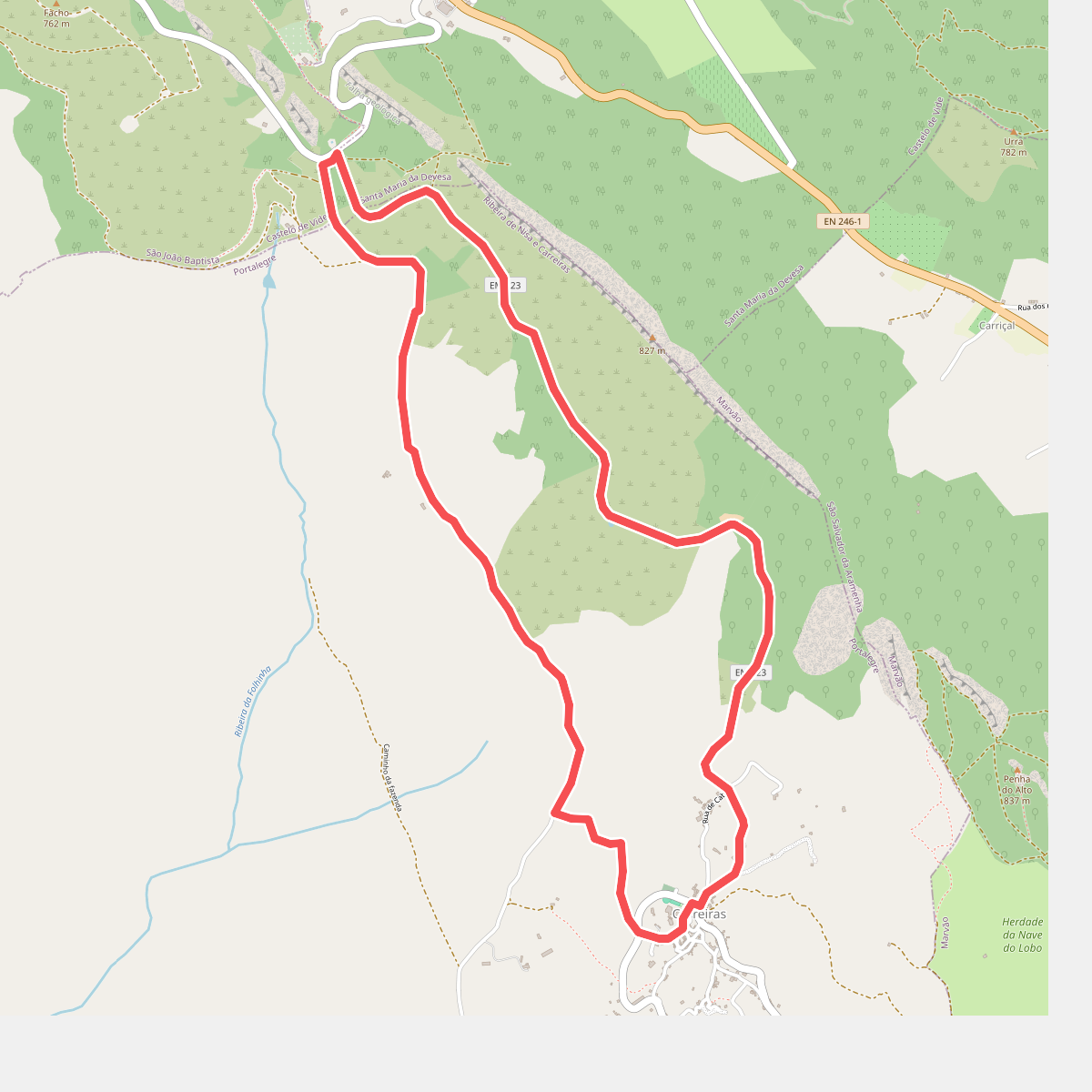
#5. Percurso Pedestre das Carreiras
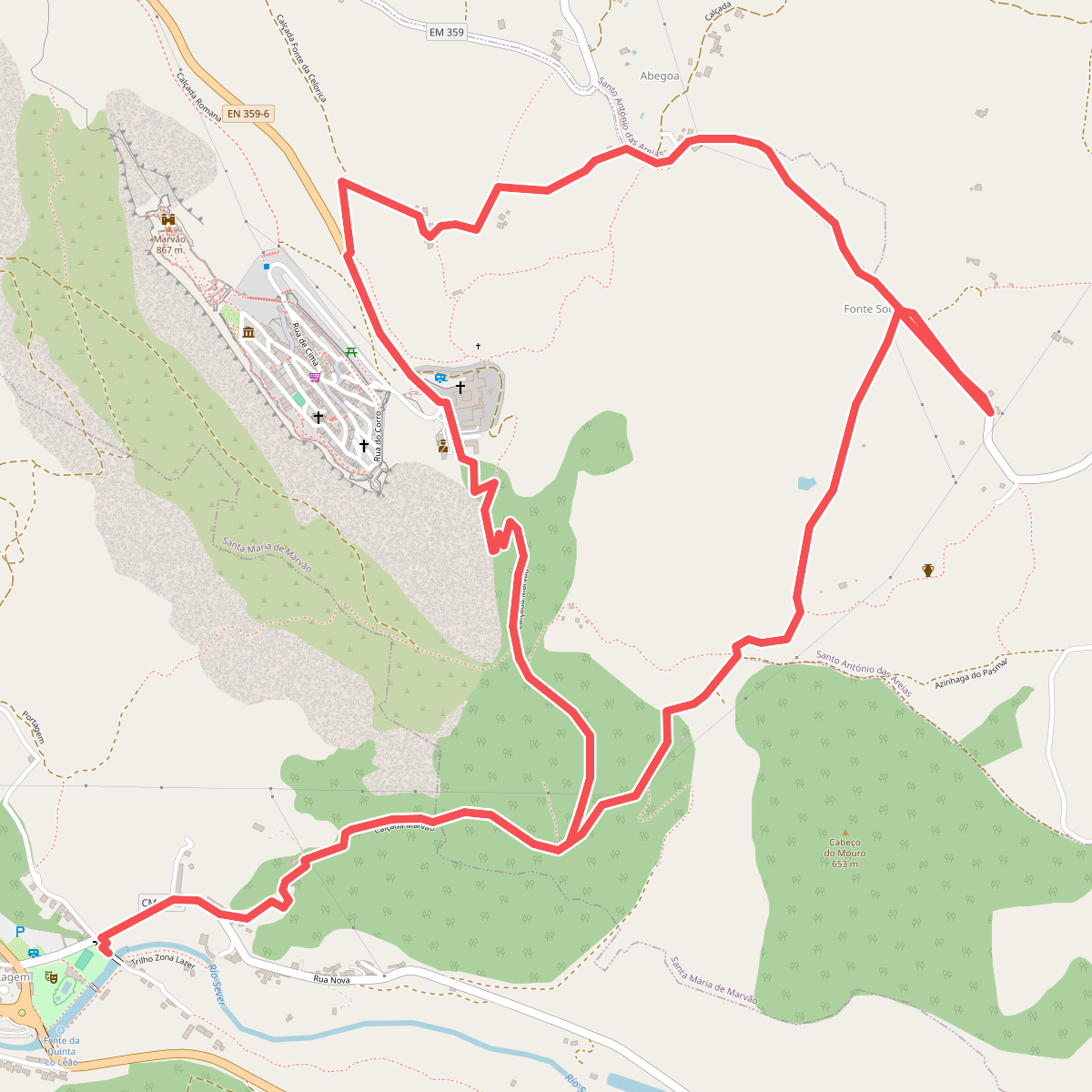
#6. Percurso Pedestre de Marvão
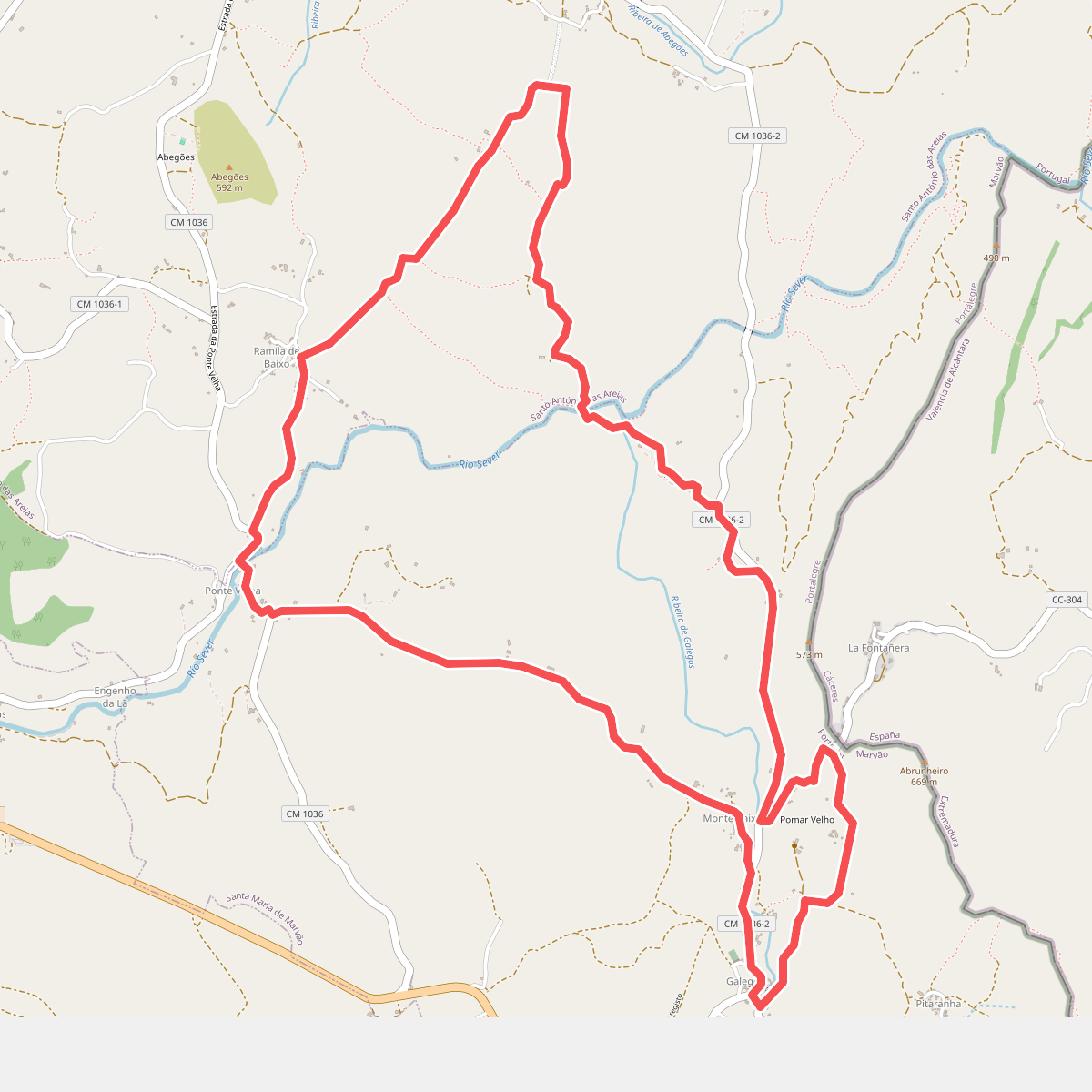
#7. Percurso Pedestre dos Galegos