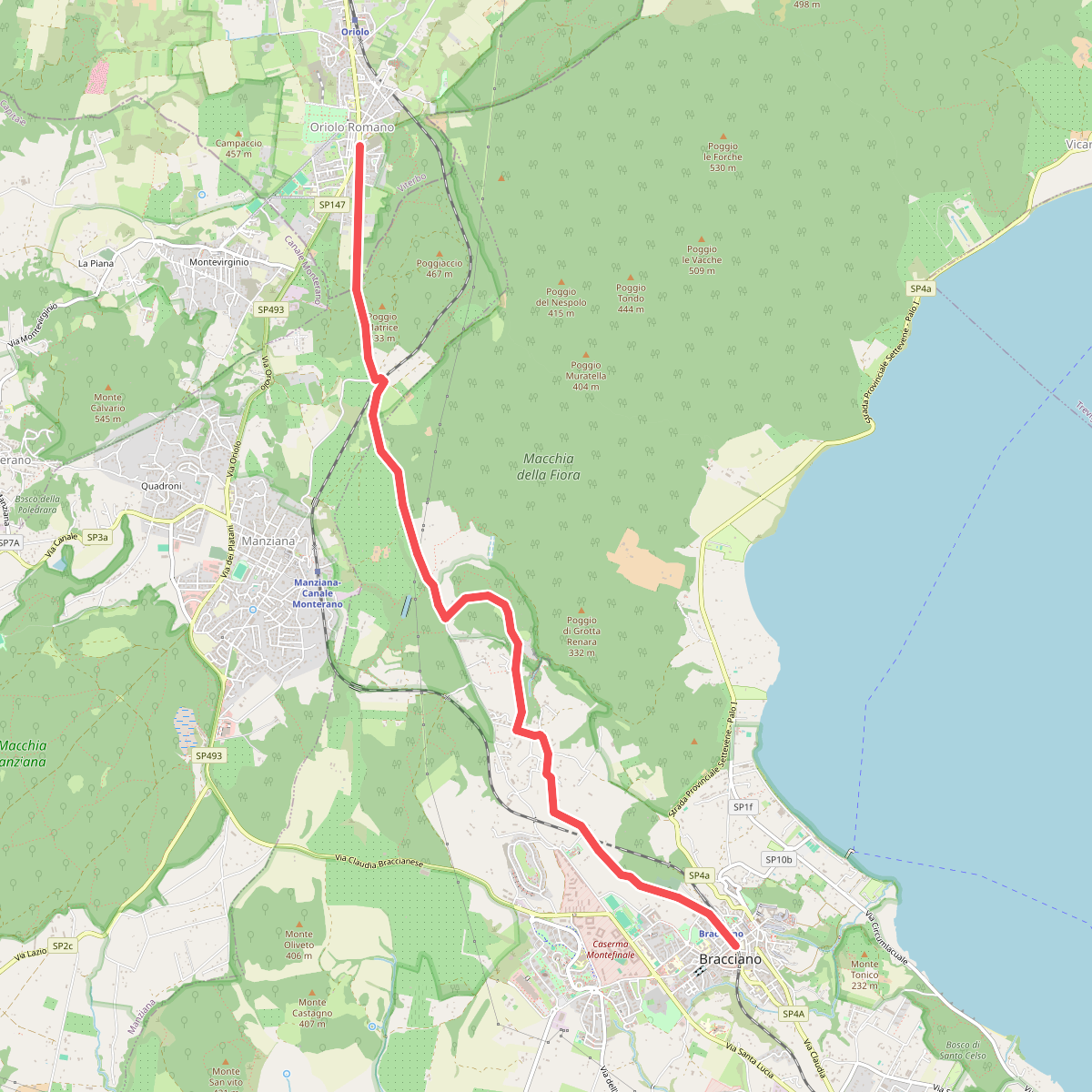

The best hiking routes in Parco Naturale Regionale di Bracciano - Martignano
Discover the best walks in Parco Naturale Regionale di Bracciano - Martignano. 18 routes on the map, with descriptions, photos and GPX.
Managed by Parco Naturale Regionale di Bracciano - Martignano
About Parco Naturale Regionale di Bracciano - Martignano
The Parco Naturale Regionale di Bracciano - Martignano is defined by two water-filled volcanic craters of very different scales. Walking here means navigating the contrast between the wide, open shores of Lake Bracciano and the smaller, more enclosed basin of Lake Martignano. The terrain is gently rolling rather than mountainous, characterized by ancient volcanic soils that support dense oak and beech woodlands on the crater rims, which give way to cultivated pastures and cane thickets closer to the water.
Read more
About Parco Naturale Regionale di Bracciano - Martignano
The Parco Naturale Regionale di Bracciano - Martignano is defined by two water-filled volcanic craters of very different scales. Walking here means navigating the contrast between the wide, open shores of Lake Bracciano and the smaller, more enclosed basin of Lake Martignano. The terrain is gently rolling rather than mountainous, characterized by ancient volcanic soils that support dense oak and beech woodlands on the crater rims, which give way to cultivated pastures and cane thickets closer to the water.
Read moreThe Parco Naturale Regionale di Bracciano - Martignano is defined by two water-filled volcanic craters of very different scales. Walking here means navigating the contrast between the wide, open shores of Lake Bracciano and the smaller, more enclosed basin of Lake Martignano. The terrain is gently rolling rather than mountainous, characterized by ancient volcanic soils that support dense oak and beech woodlands on the crater rims, which give way to cultivated pastures and cane thickets closer to the water.
Underfoot, the paths vary from soft, volcanic sand and lakeside shingle to packed dirt tracks through the woods. In the forested sections, particularly around the northern slopes, the ground is often covered in deep leaf litter, while the open pastures can be uneven and rutted by livestock. You will not find high peaks or dramatic gorges here, but rather a quiet, agricultural landscape shaped by centuries of grazing and forestry.
In late autumn, particularly around November, the beech forests on the higher crater edges turn a deep rust color, making these higher paths the most distinctive part of the park. While the main lakeside beaches near the towns can be busy with visitors, the interior woodland tracks and the trail leading to the smaller Lake Martignano offer a much quieter, more rural walking experience.
Hiking routes in Parco Naturale Regionale di Bracciano - Martignano (18)
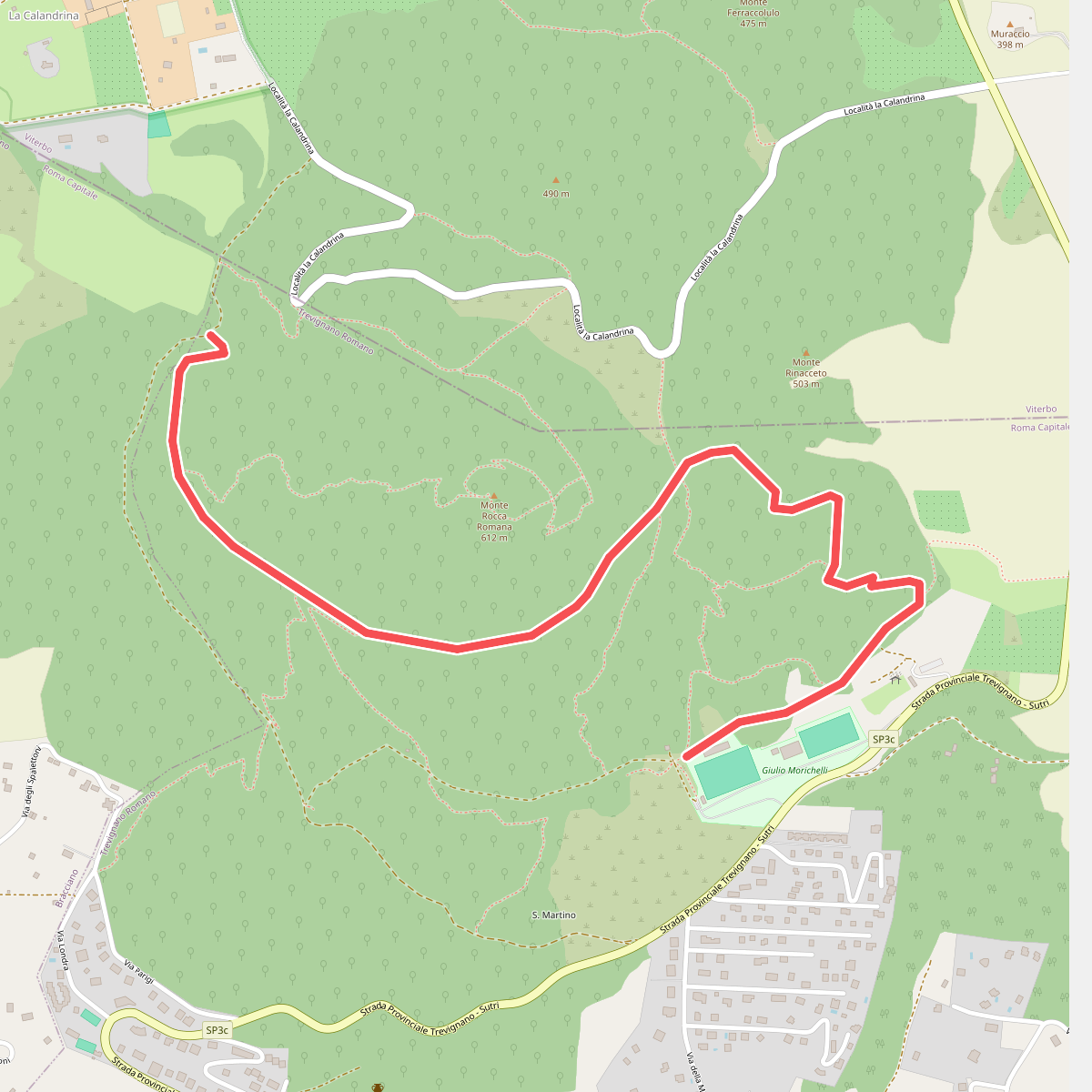
#1. 266B Monte Rinacceto
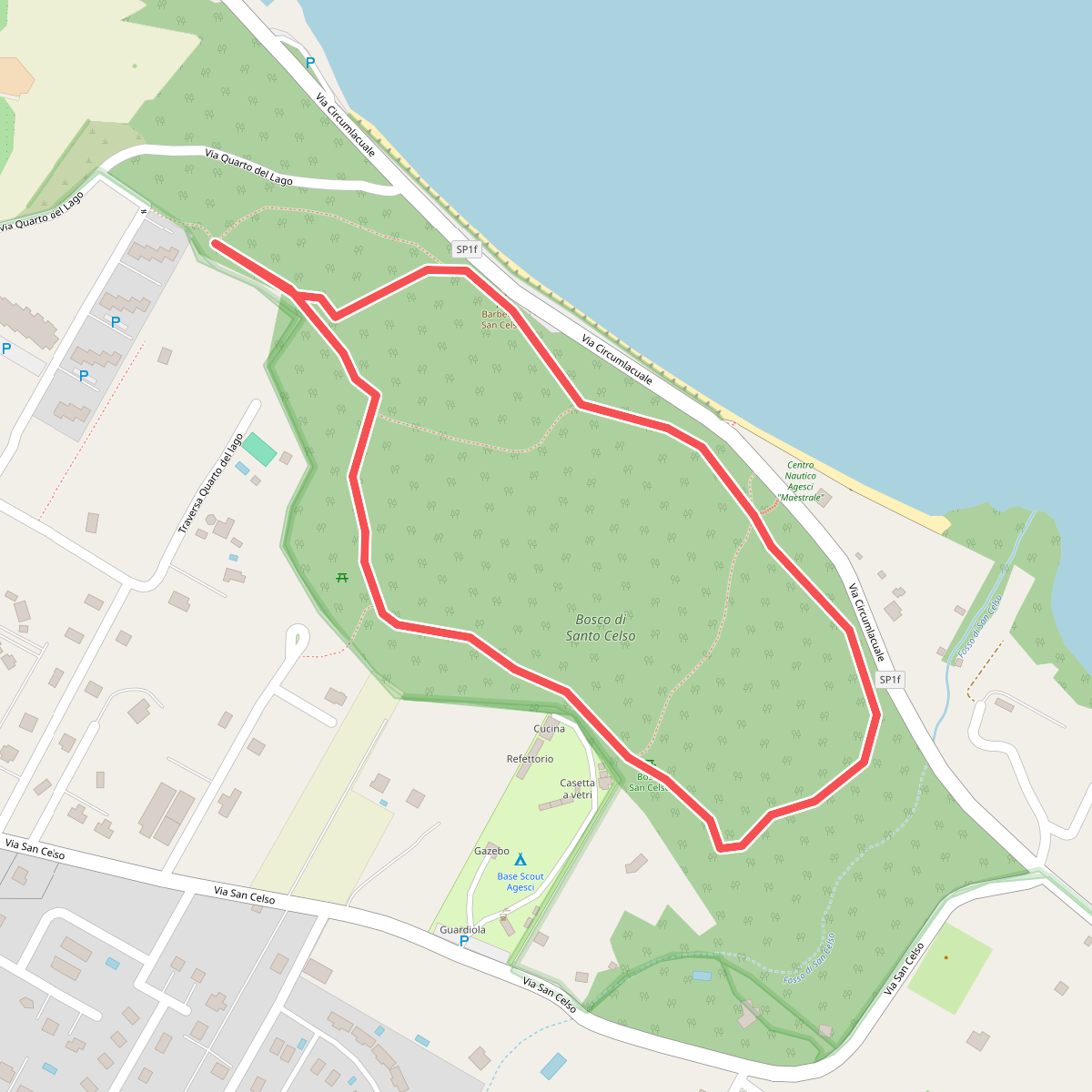
#2. Bosco San Celso
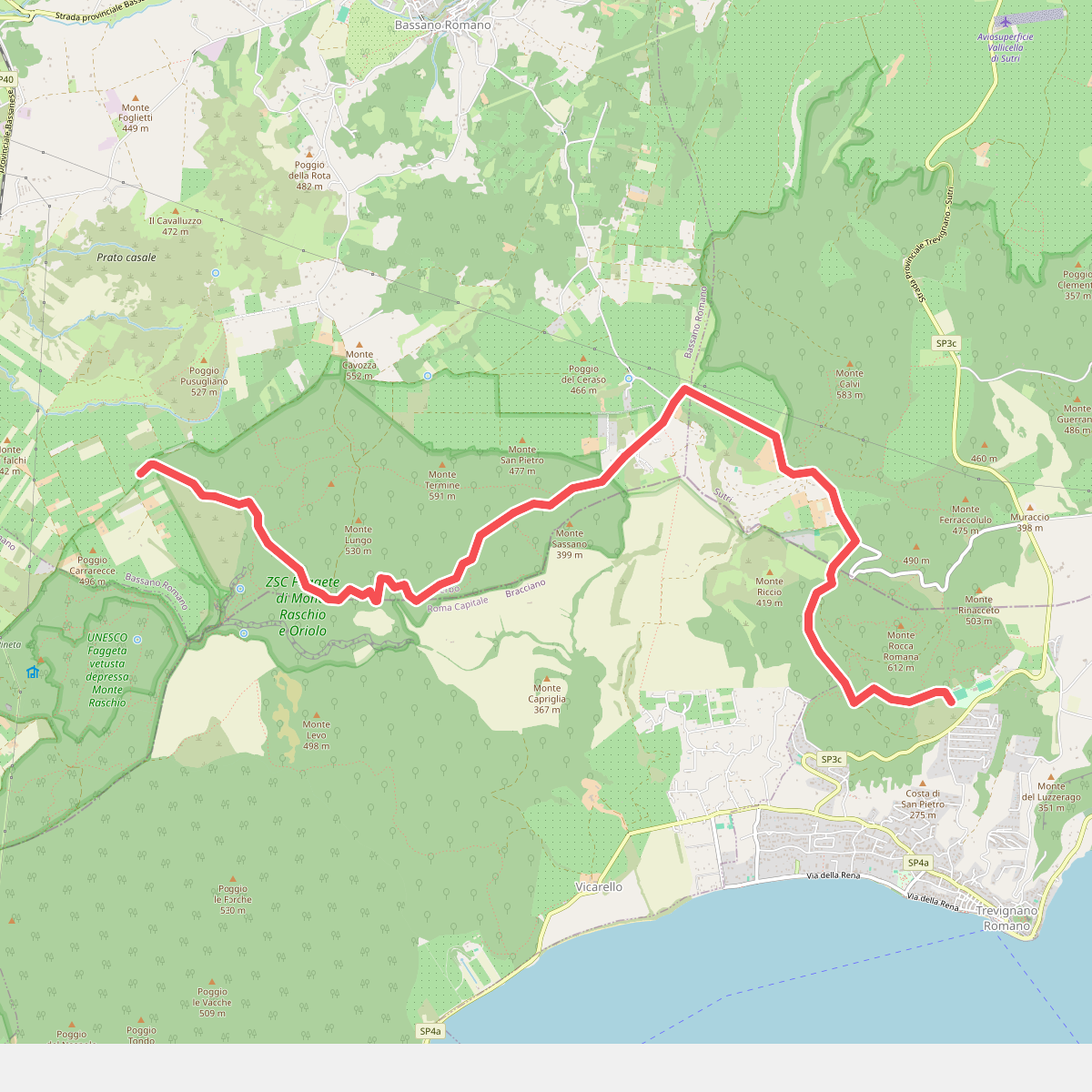
#3. Ciclovia dei Boschi
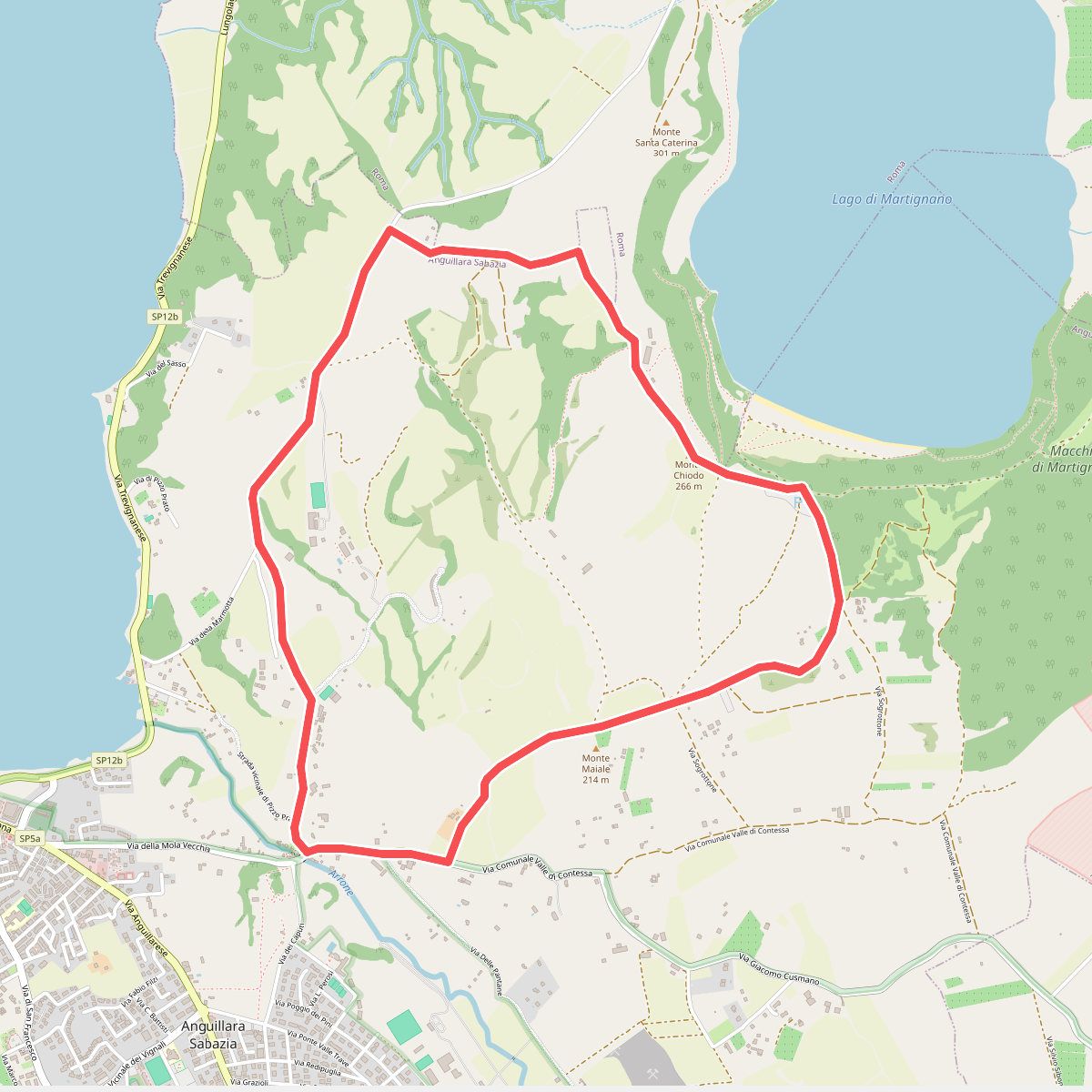
#4. Ciclovia dei laghi
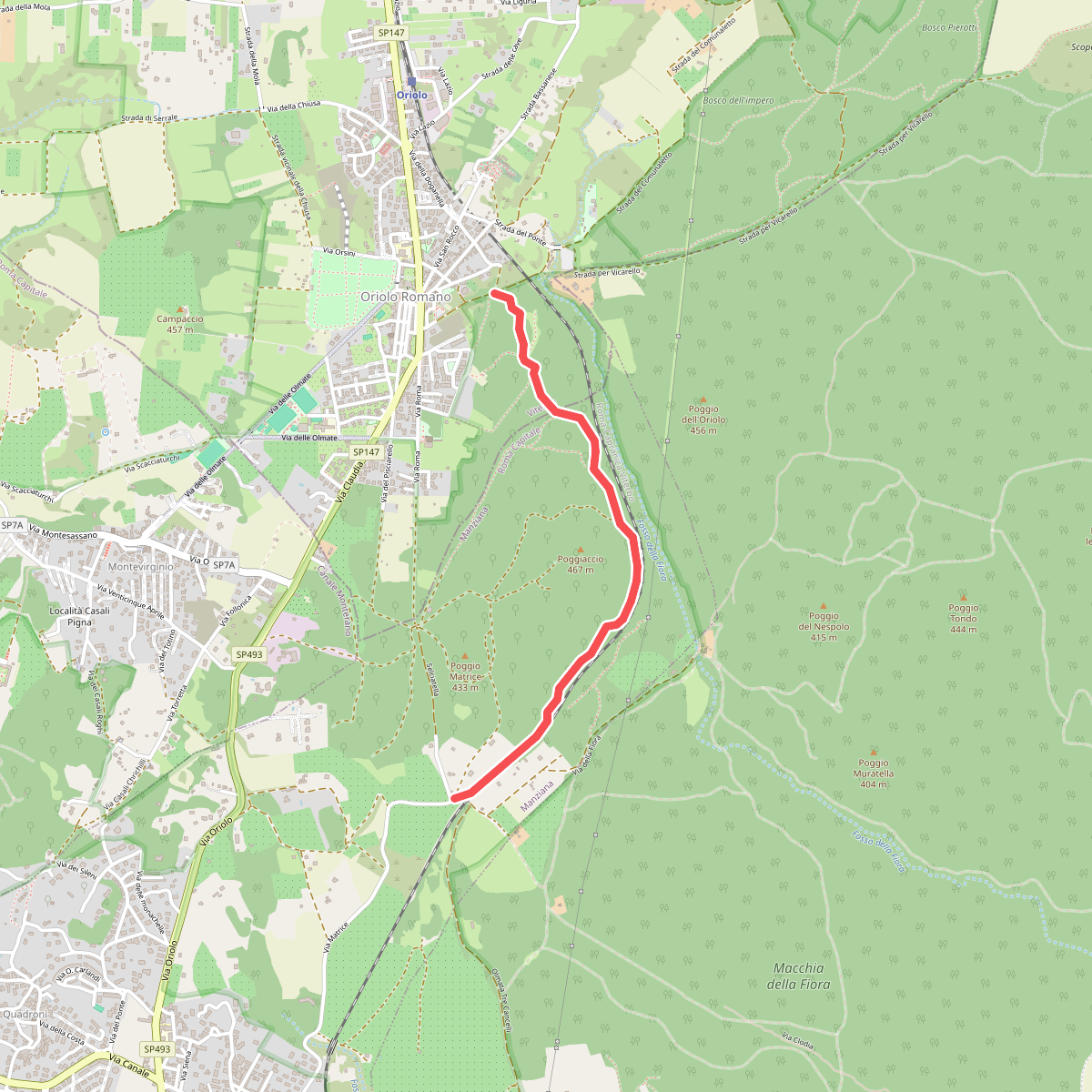
#5. Fontana Vecchia - Tre Cancelli
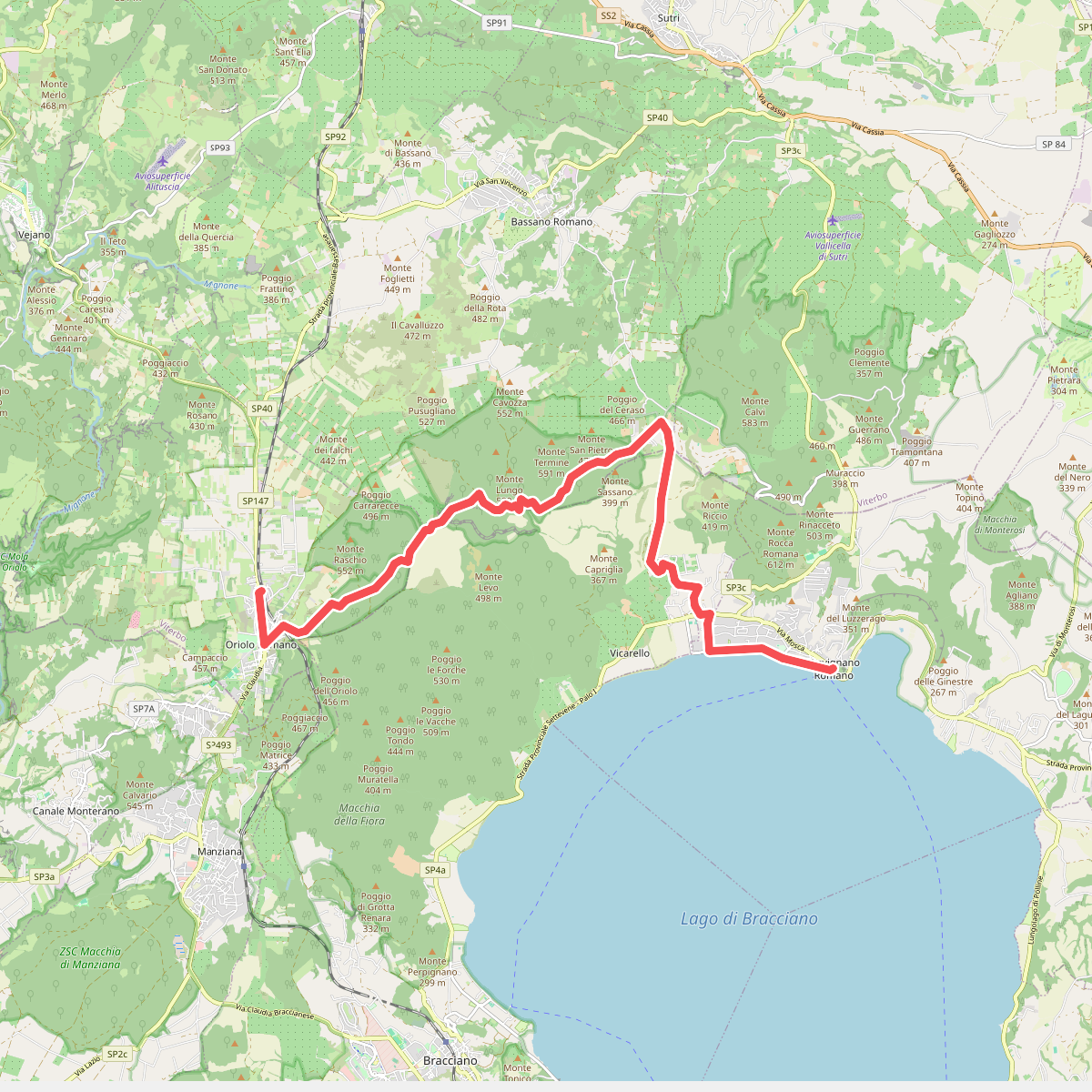
#6. Il Cammino dei Vulcani - Tappa 1
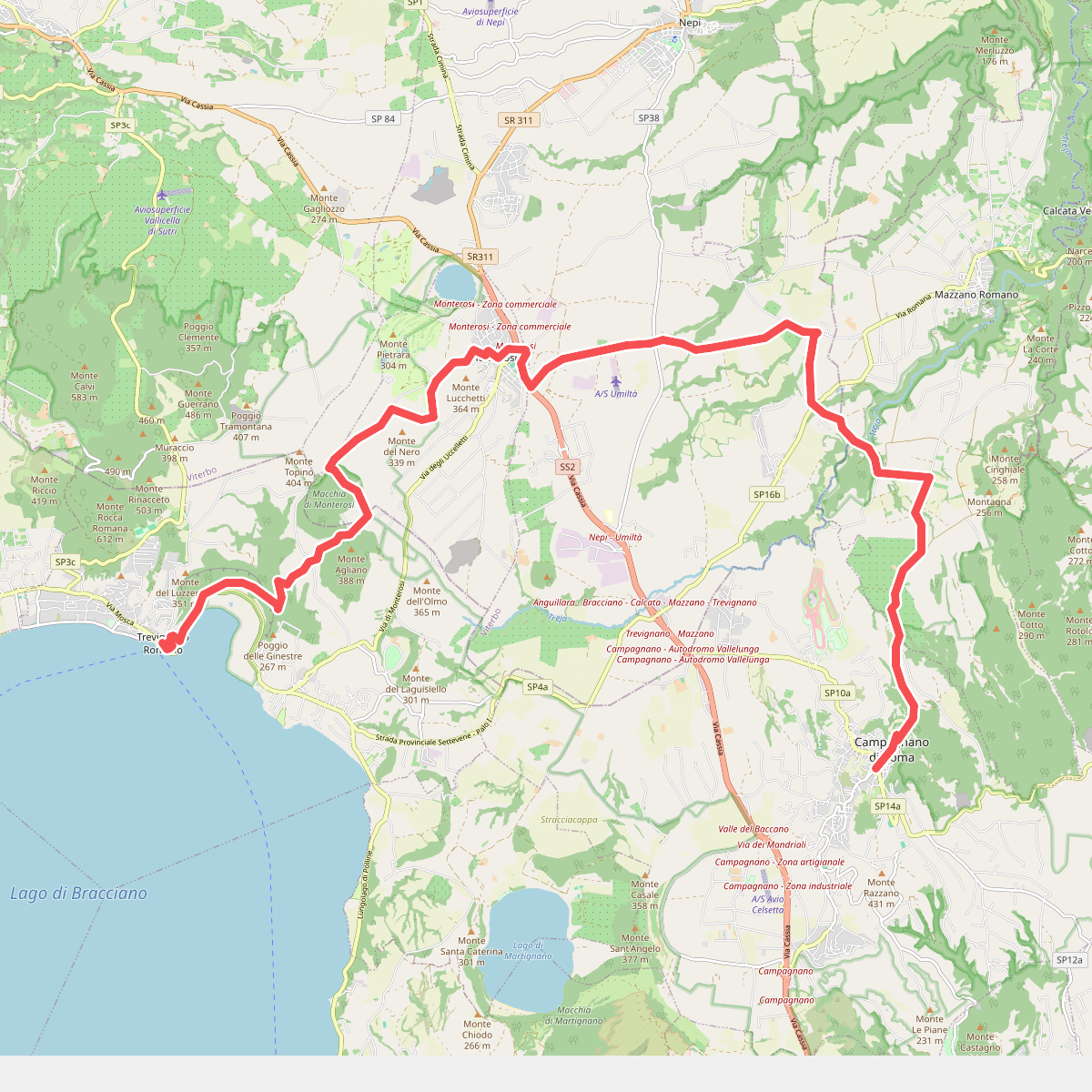
#7. Il Cammino dei Vulcani - Tappa 2
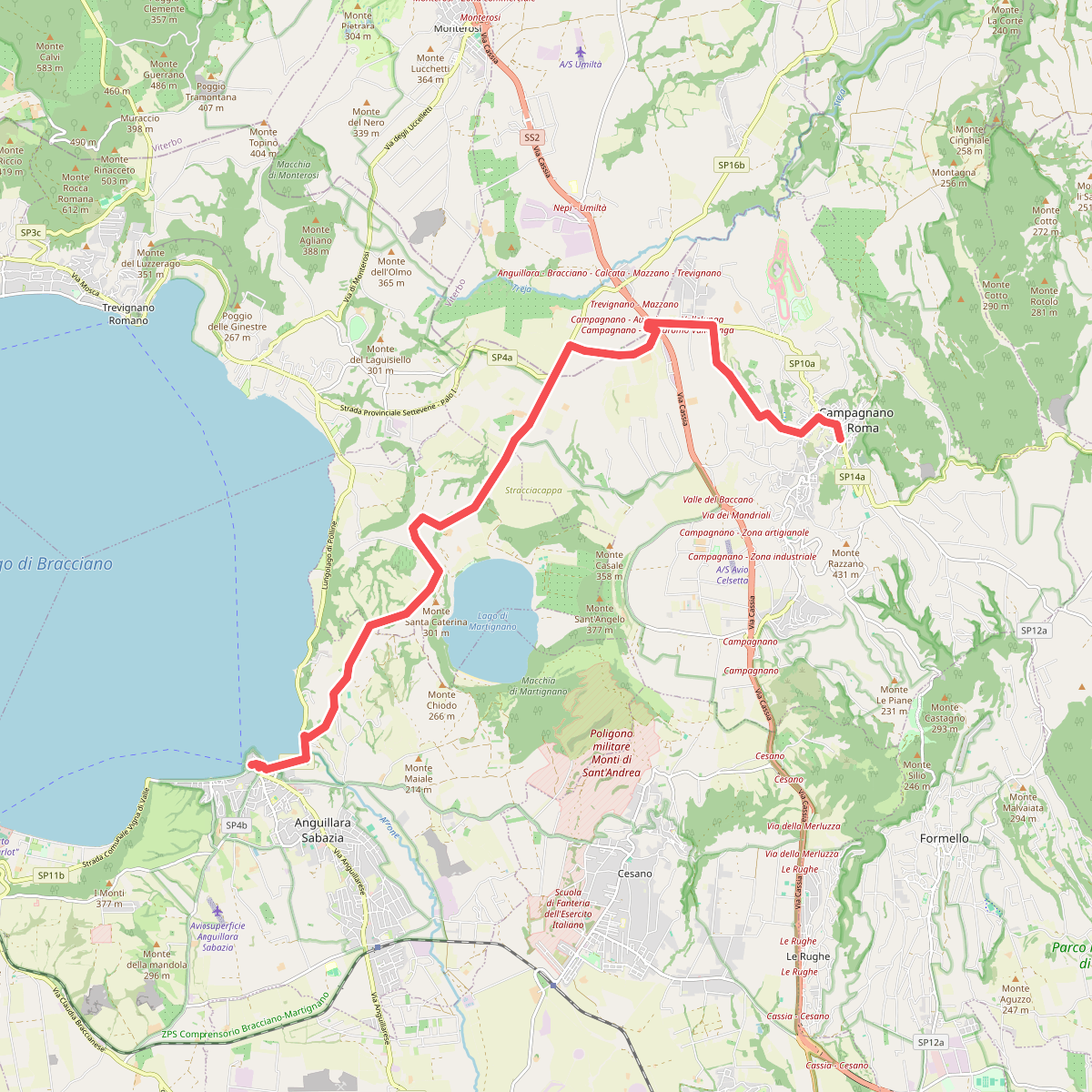
#8. Il Cammino dei Vulcani - Tappa 3
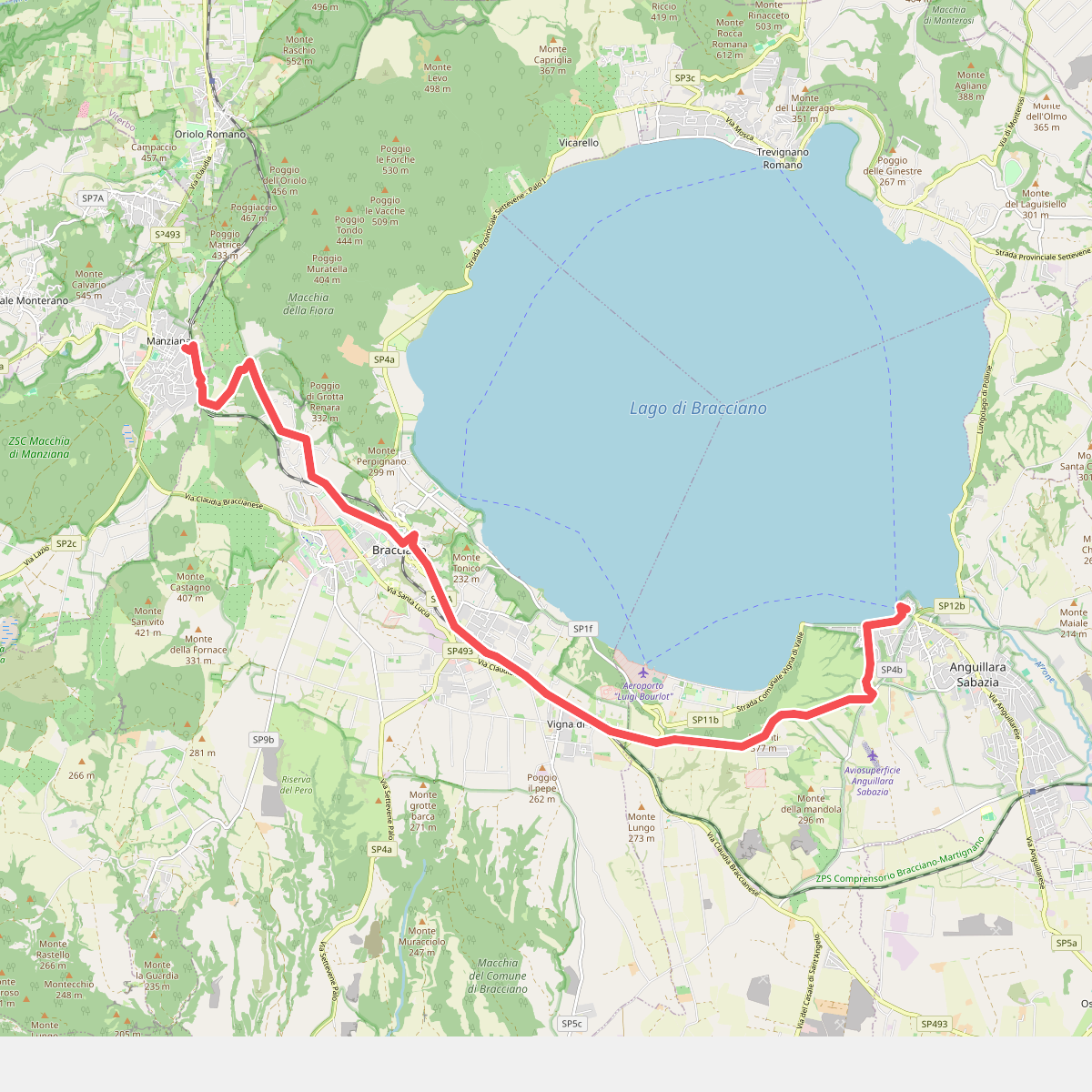
#9. Il Cammino dei Vulcani - Tappa 4
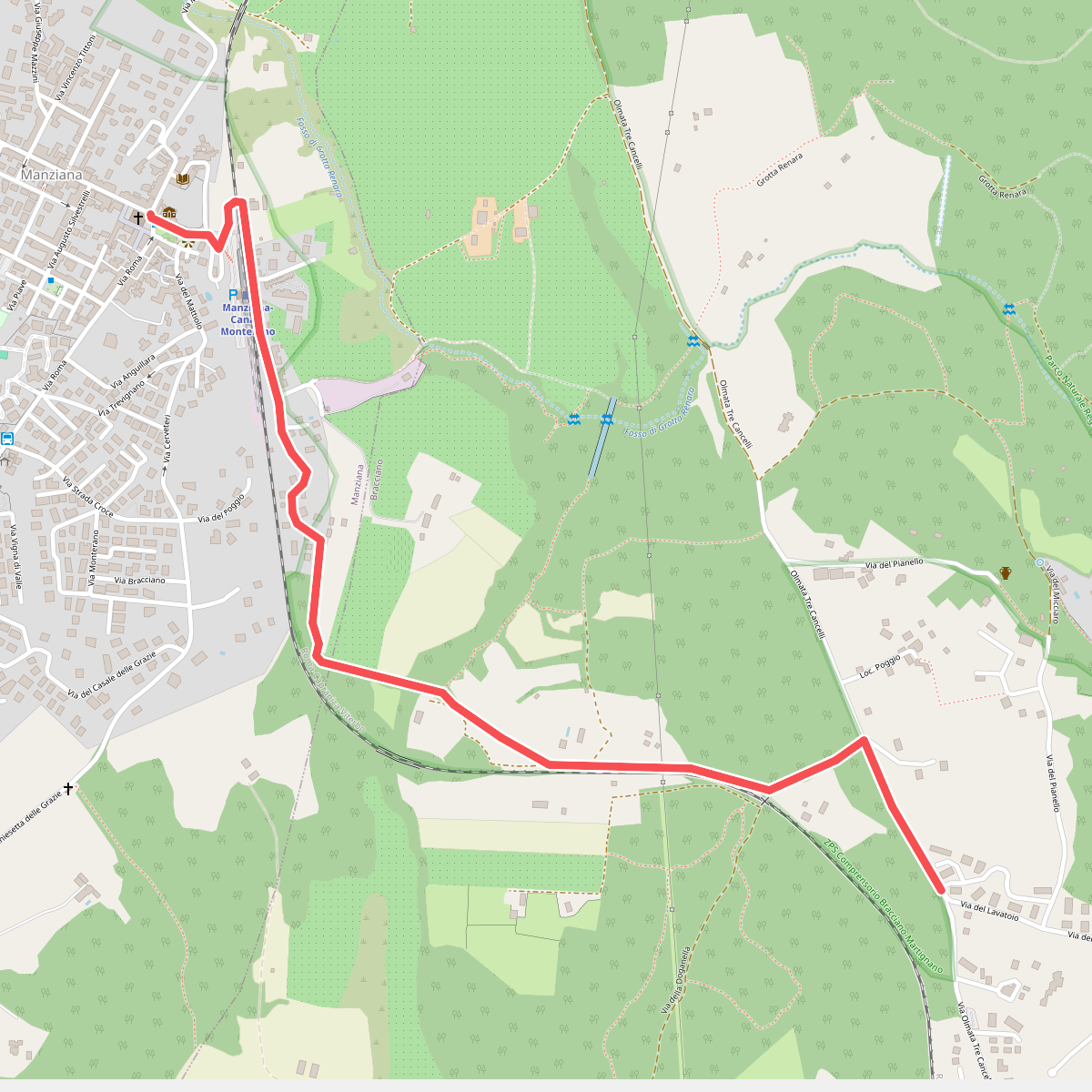
#10. Manziana - Pisciarelli
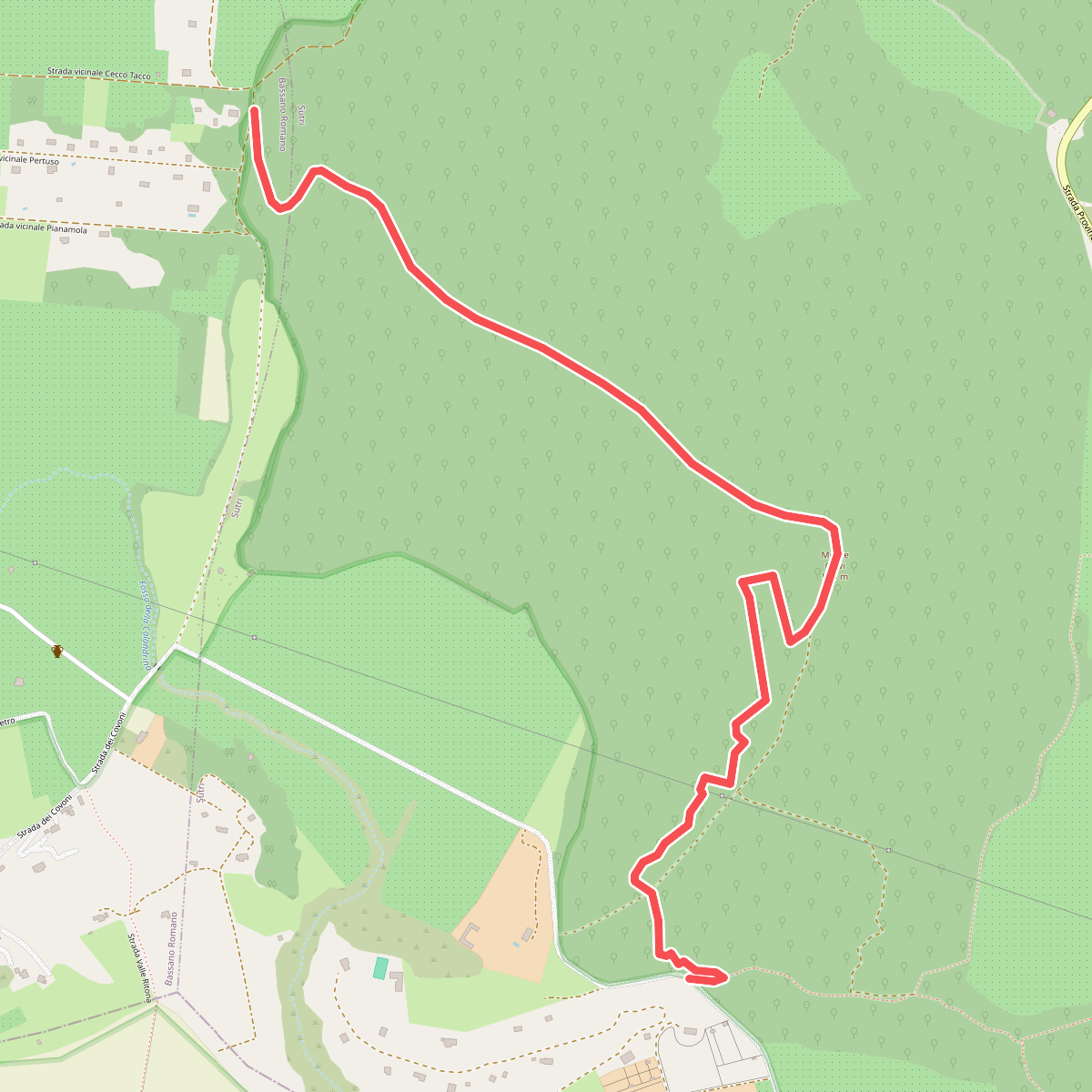
#11. Monte Calvi