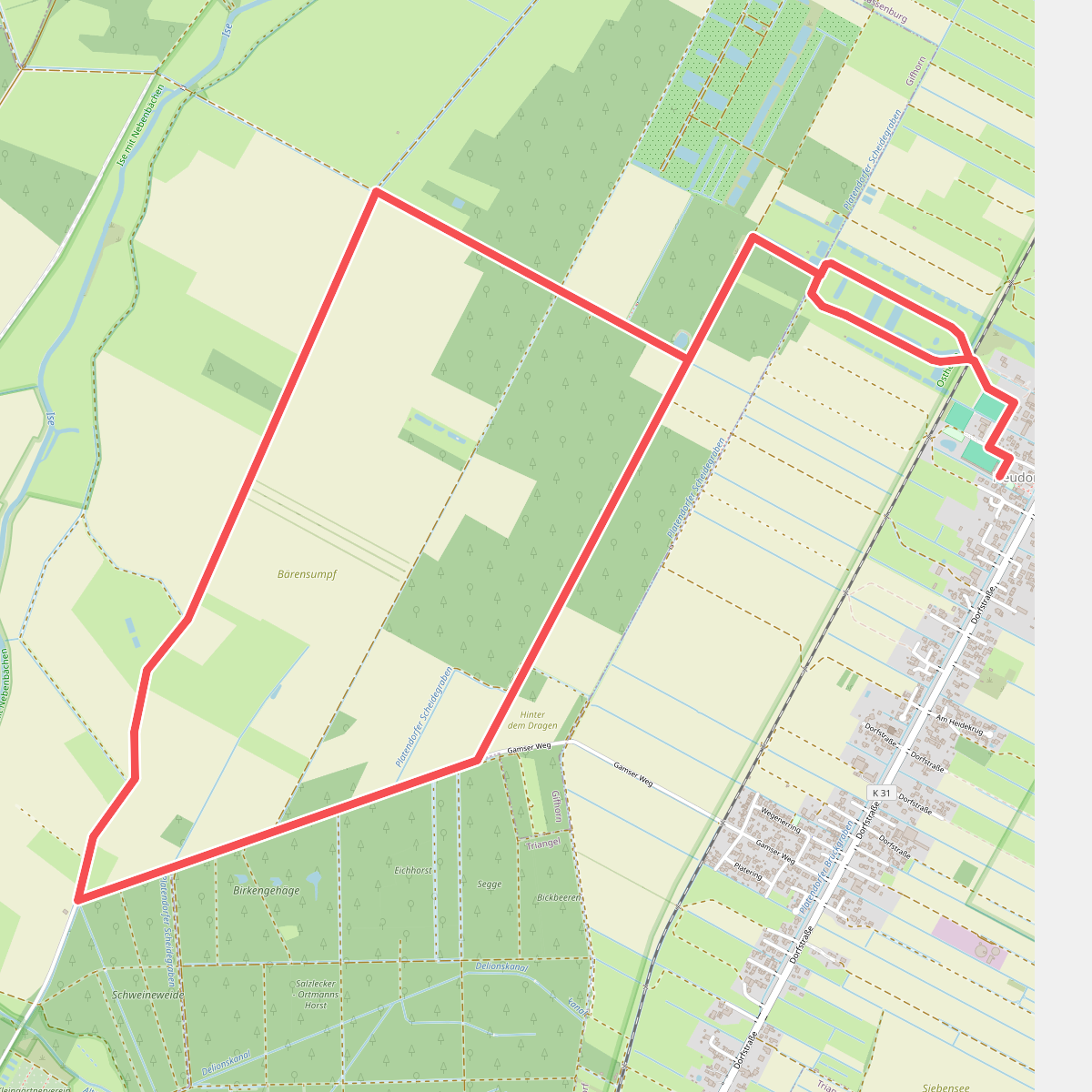

The best hiking routes in Ostheide
Discover the best walks in Ostheide. 9 routes on the map, with descriptions, photos and GPX.
About Ostheide
The Ostheide landscape is defined by its dry, sandy soils and gently rolling terrain, where open heathland alternates with pine forests and birch groves. Unlike wetter marshlands, this area is characterized by deep, permeable sand tracks that can make walking slow, alongside firmer forest paths. You will notice the transition between the open, sun-exposed heather plains and the cooler, shaded woodland sections as you move through the terrain.
Read more
About Ostheide
The Ostheide landscape is defined by its dry, sandy soils and gently rolling terrain, where open heathland alternates with pine forests and birch groves. Unlike wetter marshlands, this area is characterized by deep, permeable sand tracks that can make walking slow, alongside firmer forest paths. You will notice the transition between the open, sun-exposed heather plains and the cooler, shaded woodland sections as you move through the terrain.
Read moreThe Ostheide landscape is defined by its dry, sandy soils and gently rolling terrain, where open heathland alternates with pine forests and birch groves. Unlike wetter marshlands, this area is characterized by deep, permeable sand tracks that can make walking slow, alongside firmer forest paths. You will notice the transition between the open, sun-exposed heather plains and the cooler, shaded woodland sections as you move through the terrain.
The vegetation reflects the nutrient-poor ground, with low-growing lingonberry, gorse, and vast stretches of common heather that turn purple in August. Because the soil drains so quickly, there are very few natural streams or open water bodies here, meaning the paths remain dry underfoot even after rain. The landscape is not flat, but it lacks any steep climbs or deep valleys, offering instead a series of low, undulating ridges shaped by wind and historical sheep grazing.
Walkers should expect a quiet, agricultural-fringe atmosphere rather than a dramatic wilderness. The area is crossed by forestry tracks and sandy bridleways, which are often shared with local riders. While the main trails near the access points see regular foot traffic, the deeper pine plantations and open heath sectors offer a more solitary walking experience.
Hiking routes in Ostheide (9)
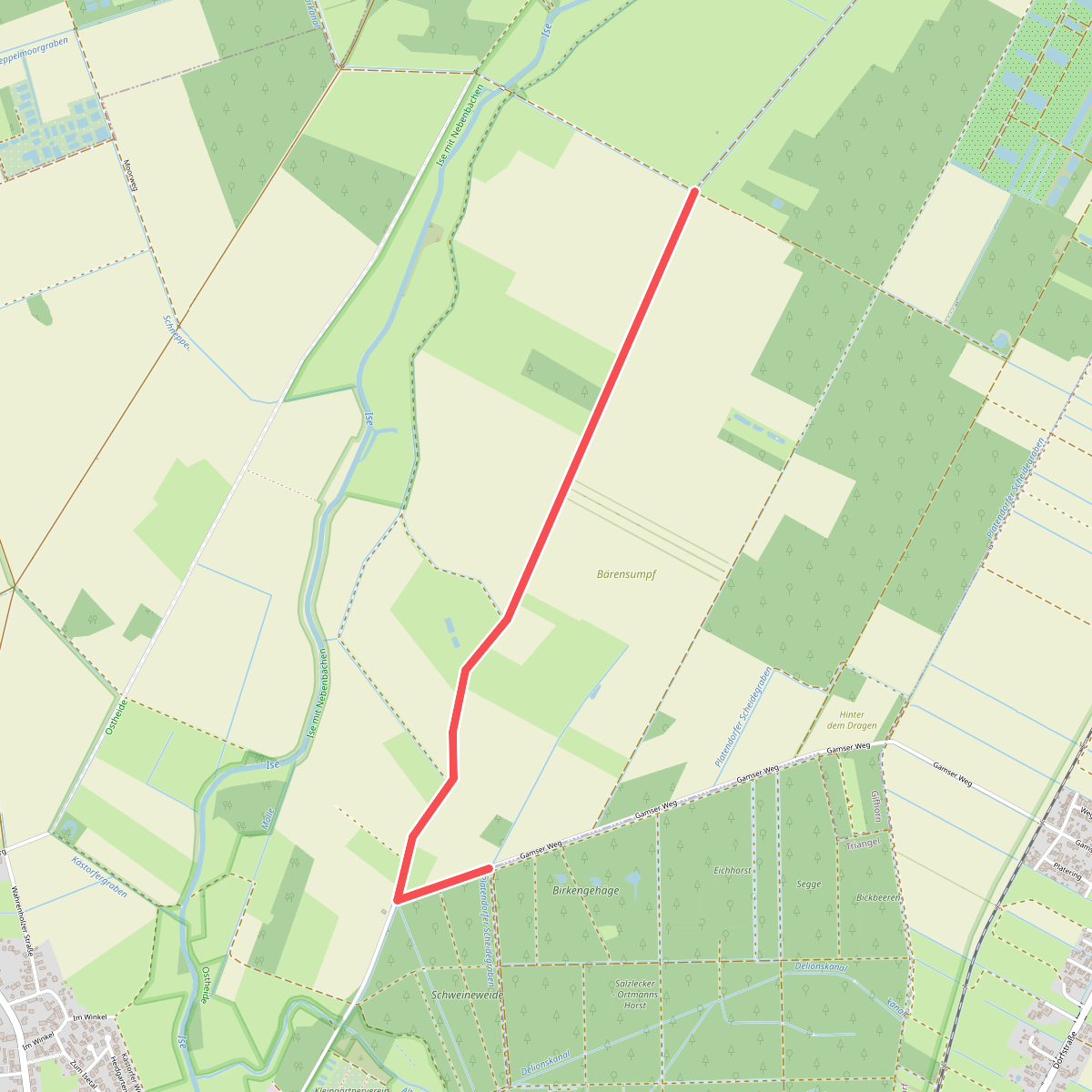
#1. Alternative zum Europäischen Fernwanderweg E6 entlang der Ise
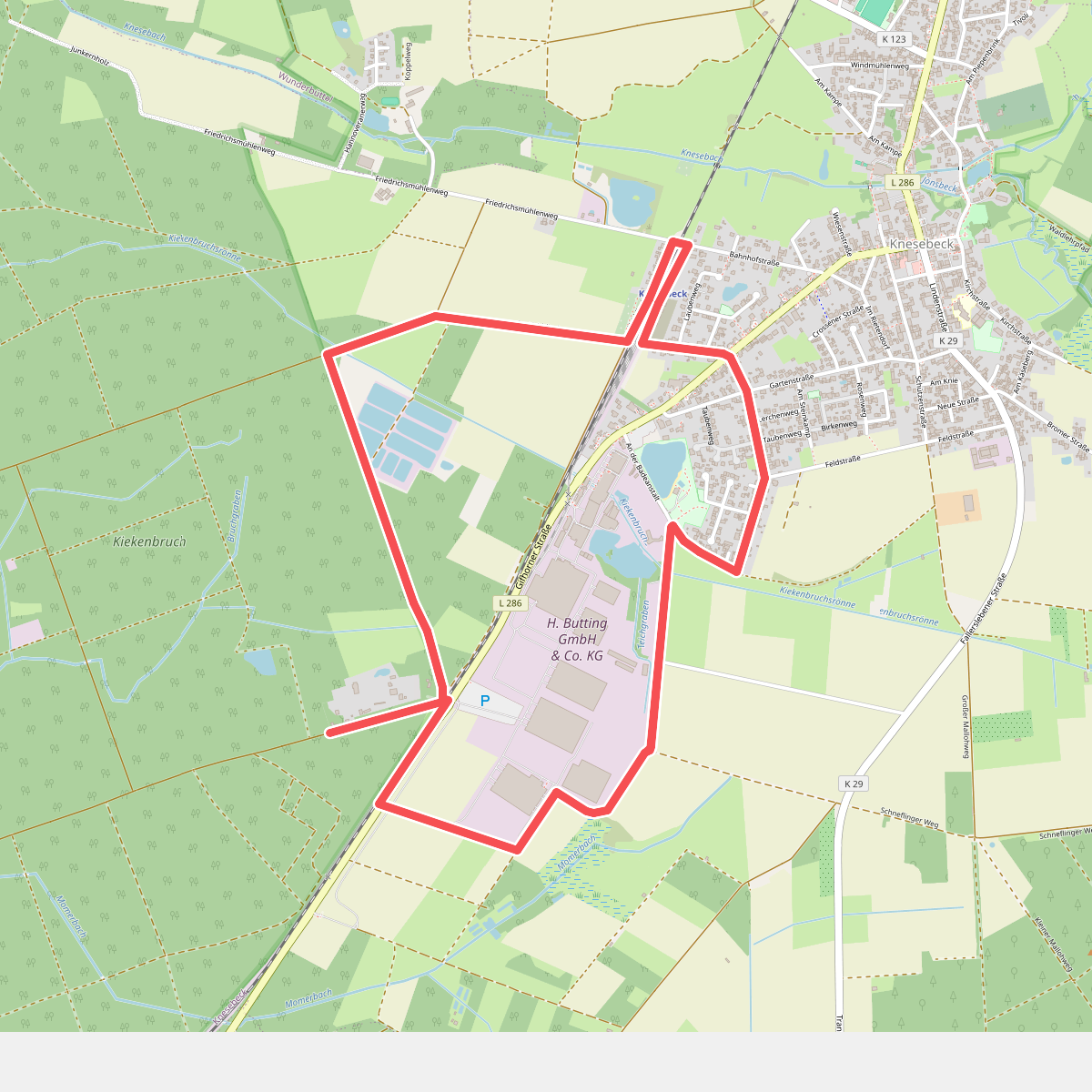
#2. Grüner Pfad
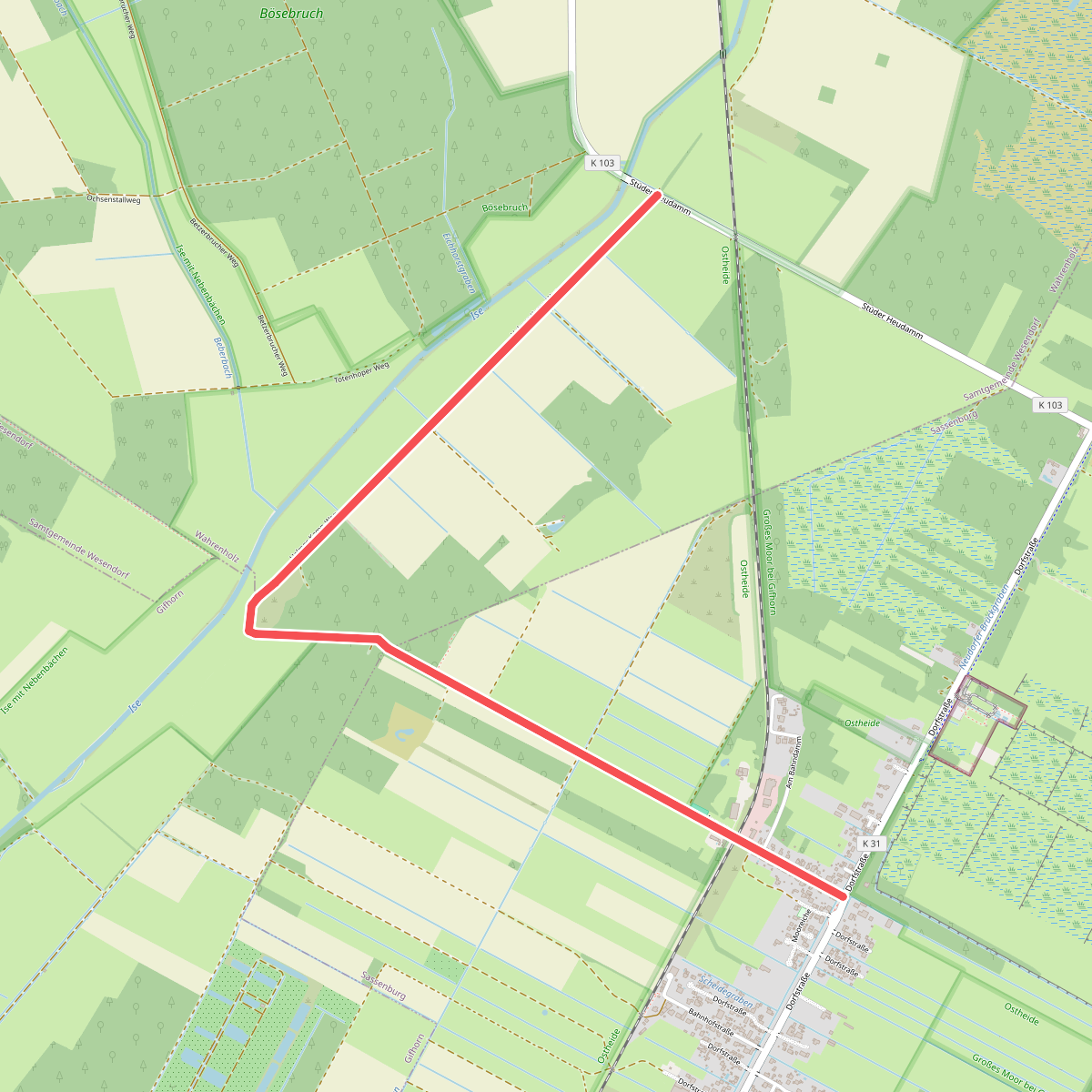
#3. Iseweg Wanderweg
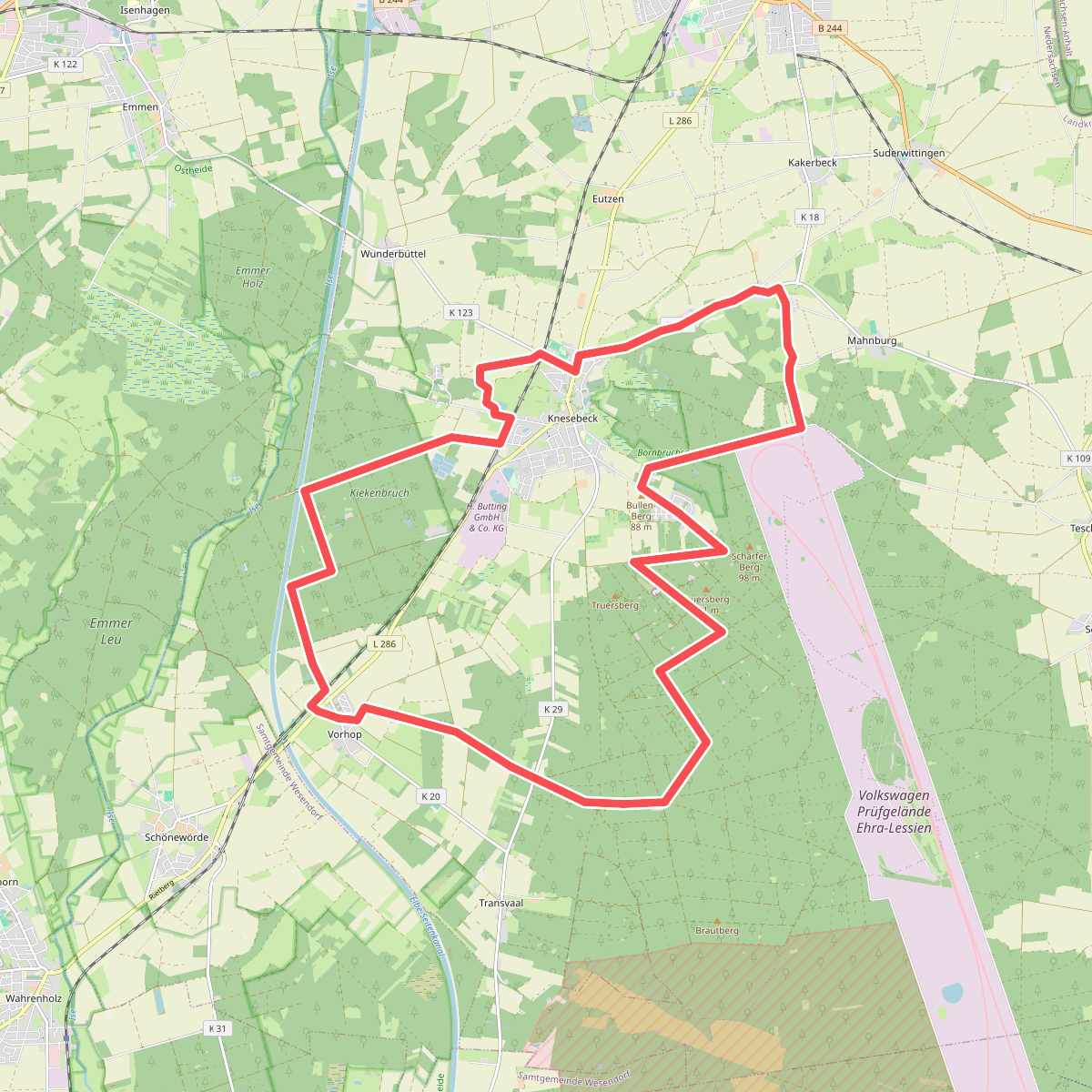
#4. Rund um Knesebeck
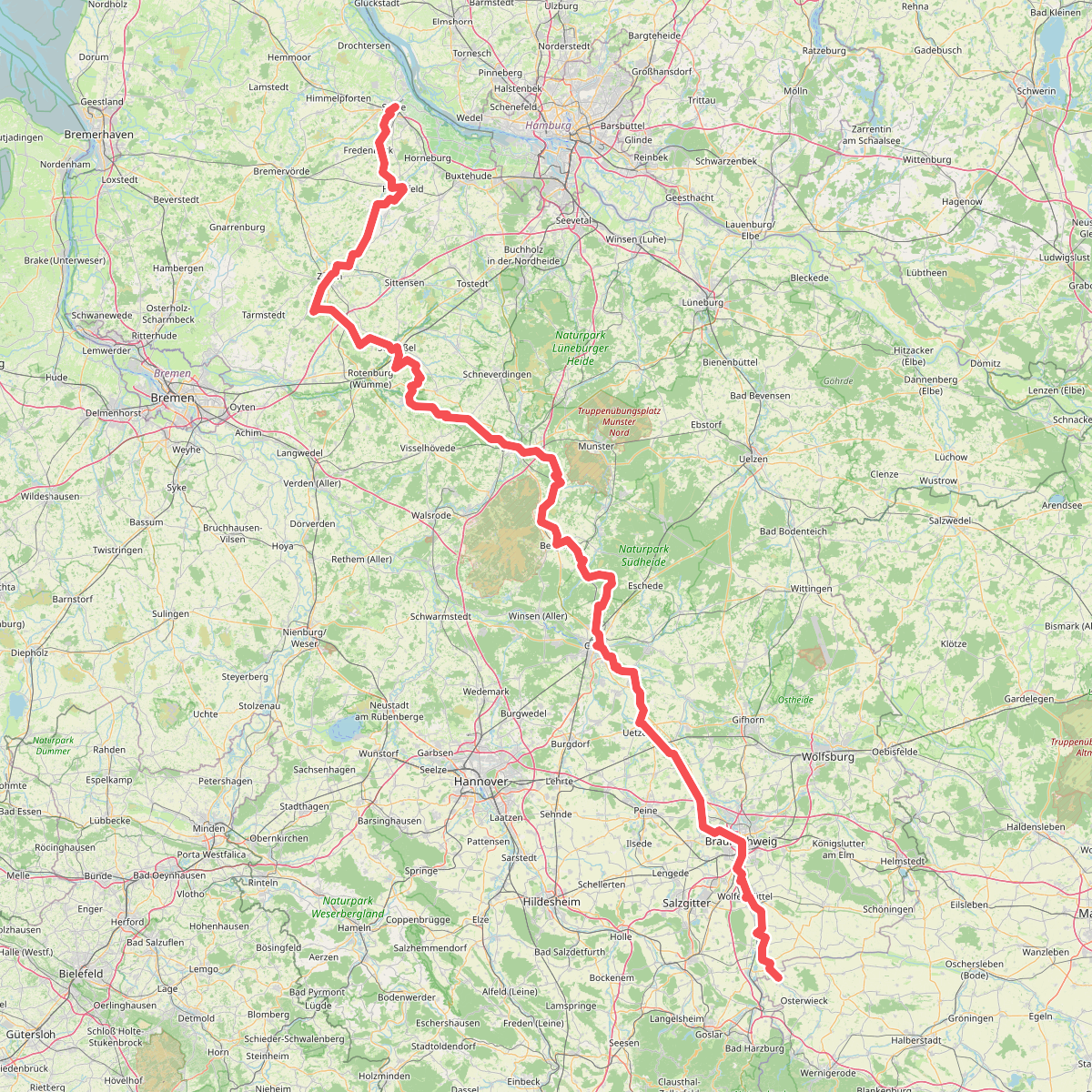
#5. Via Romea - Deutschland - Niedersachsen
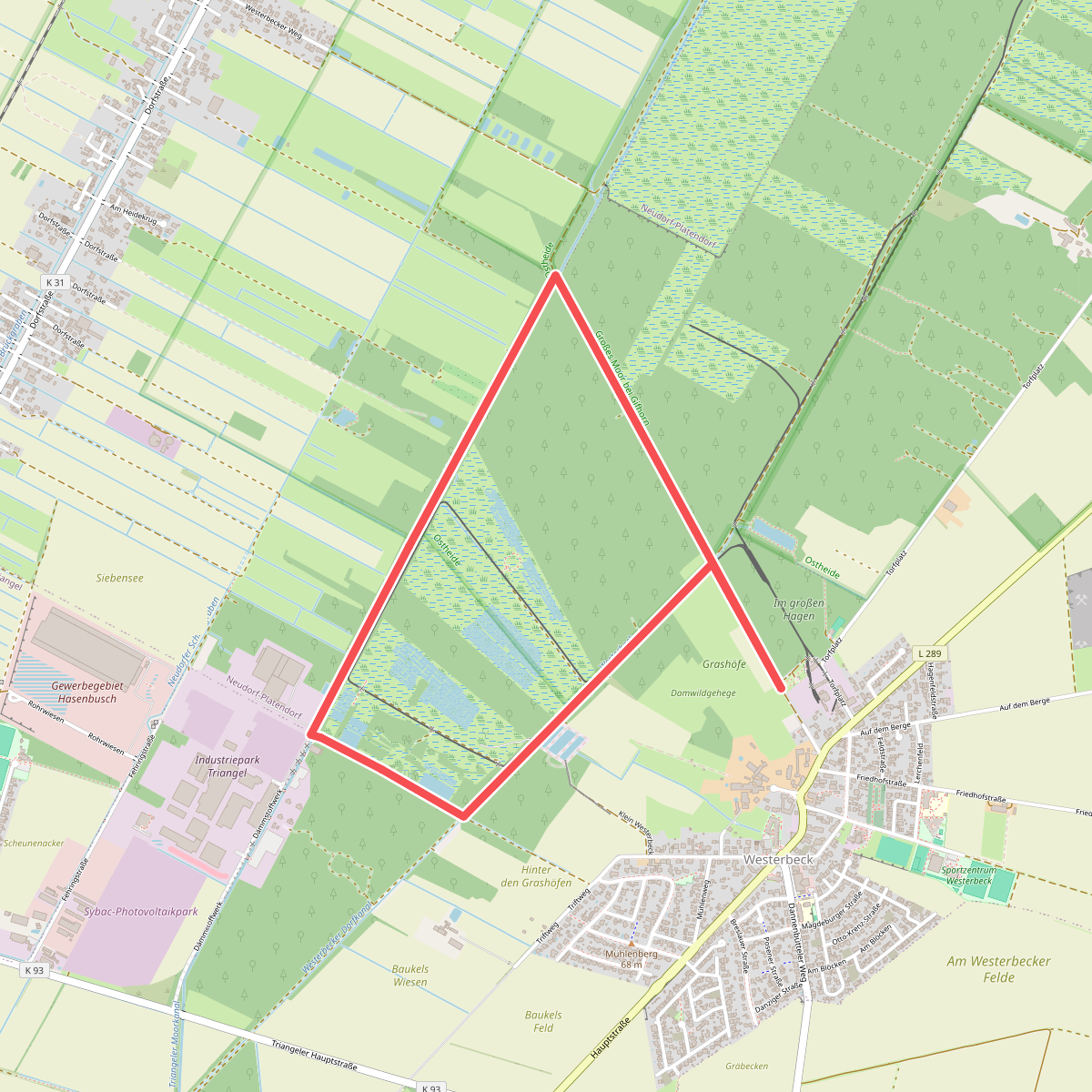
#6. Wander Moor ZeitReise
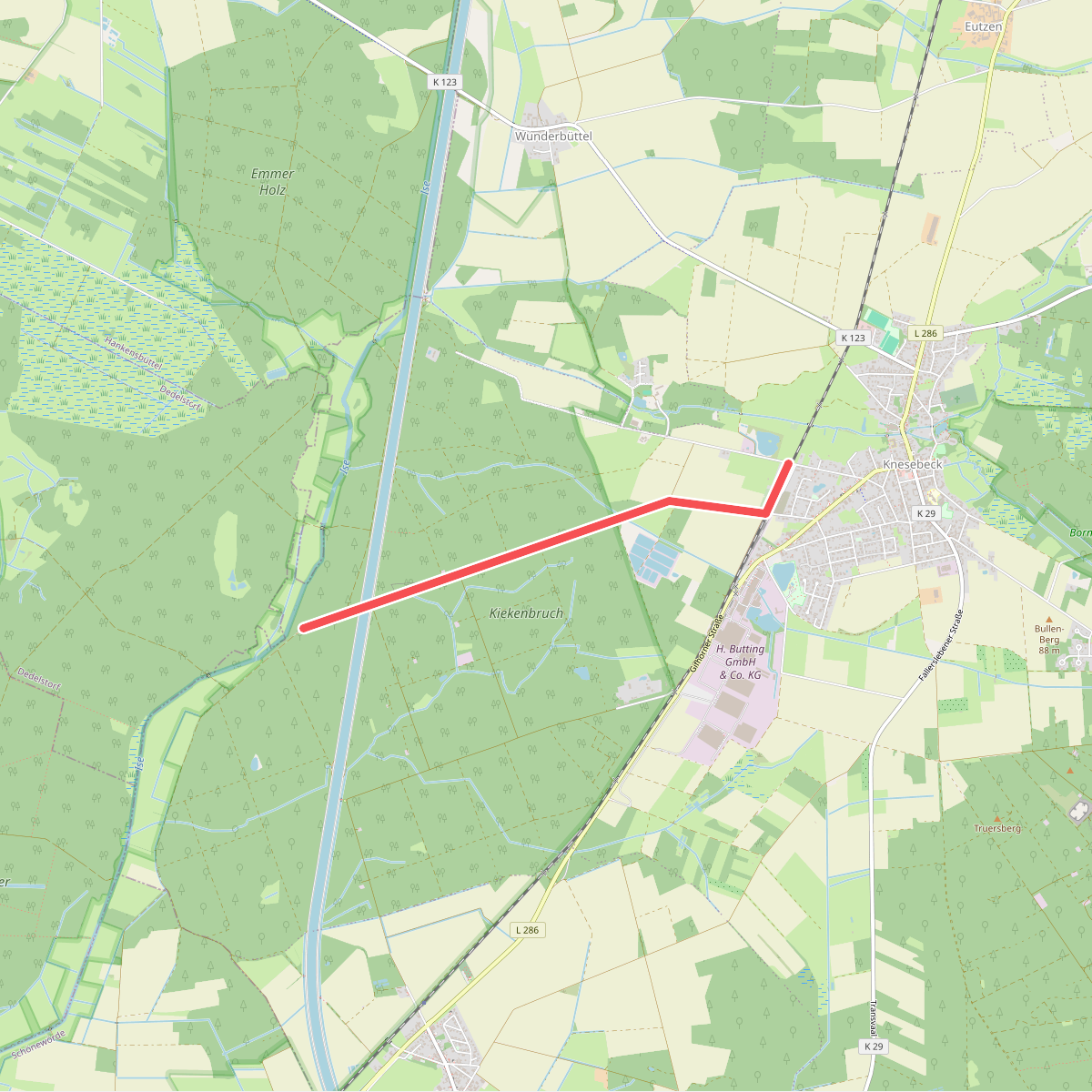
#7. Wanderweg zum Isetal
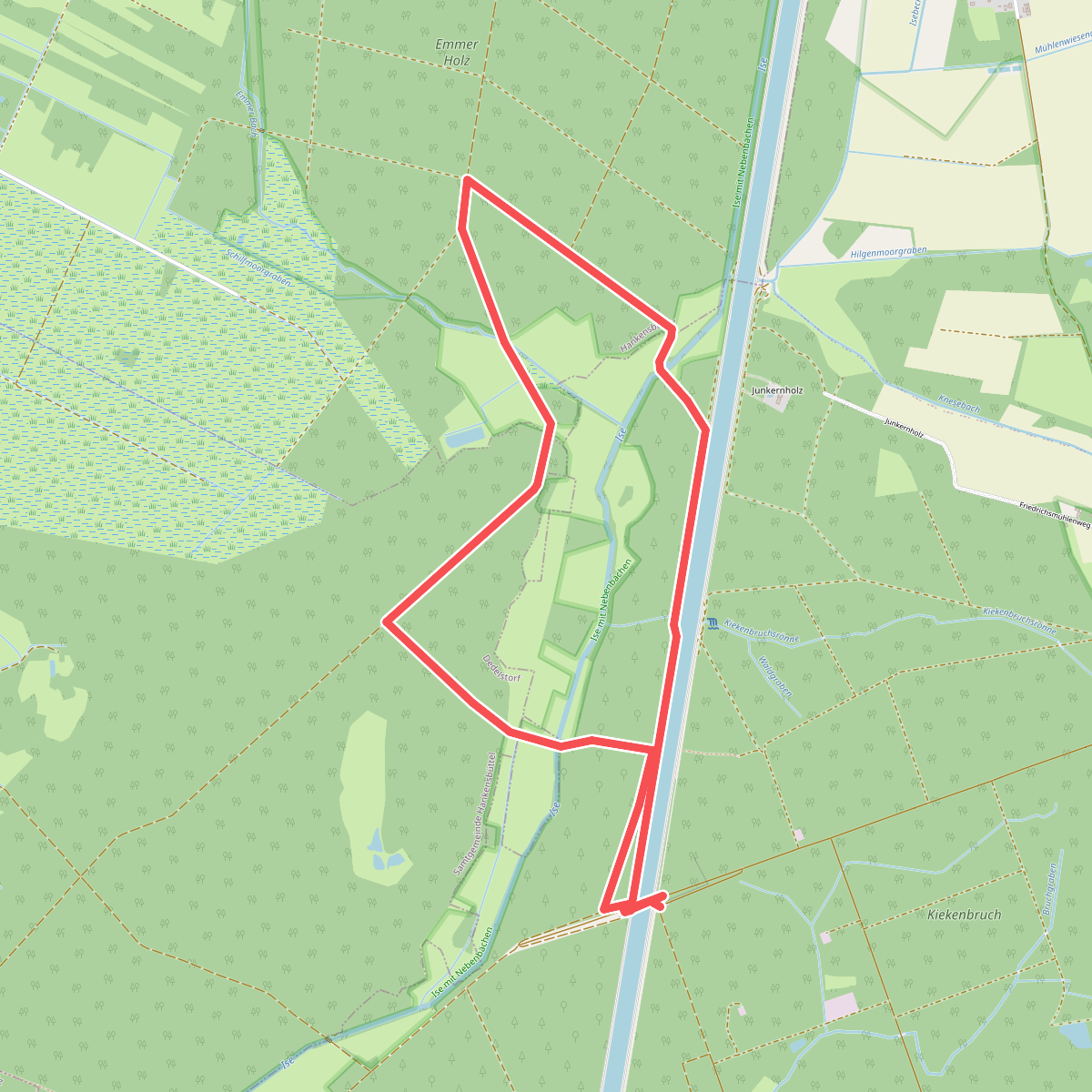
#8. Wintertour im Emmer Leu