
The best hiking routes in Oasi xerotermiche della Val di Susa - Orrido di Chianocco
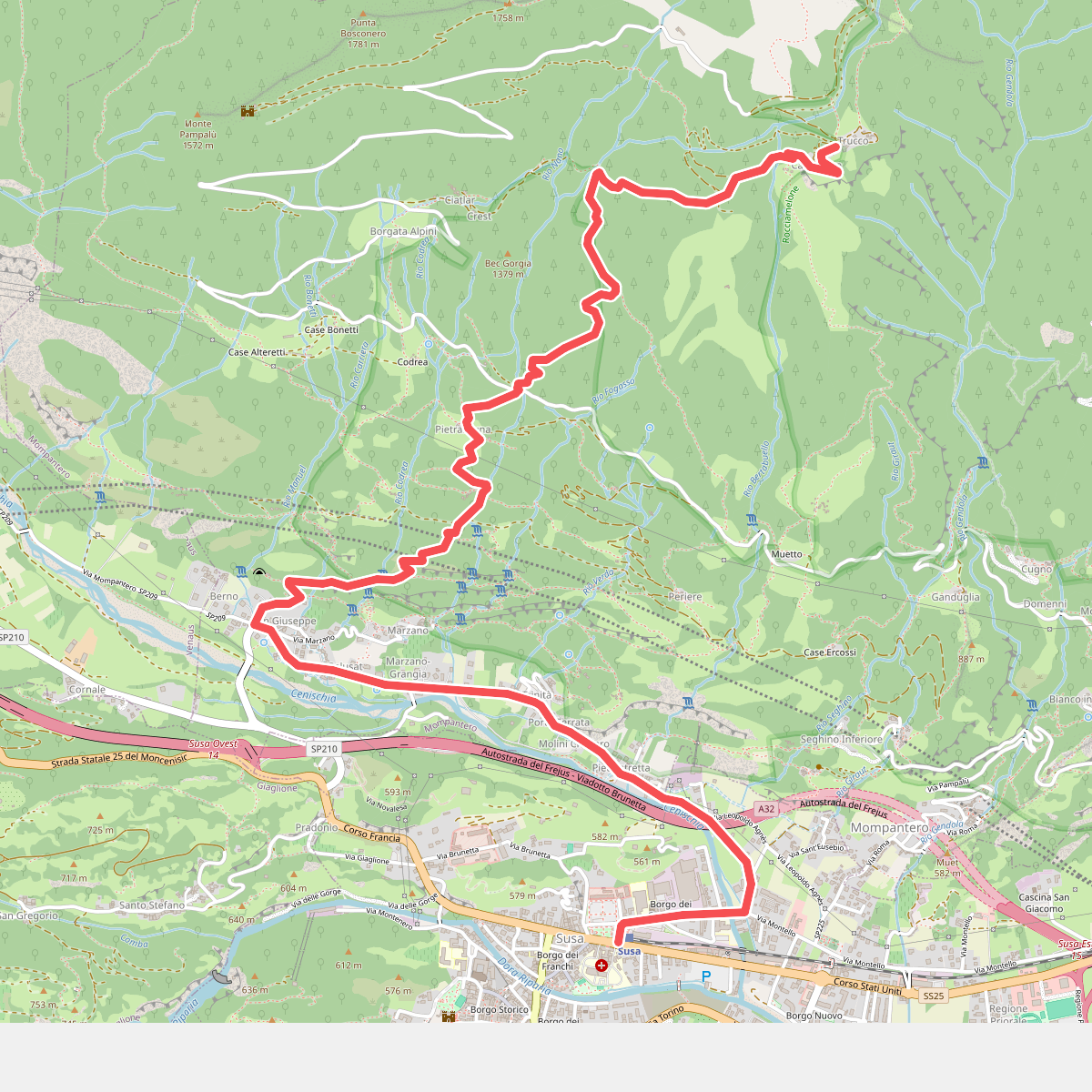
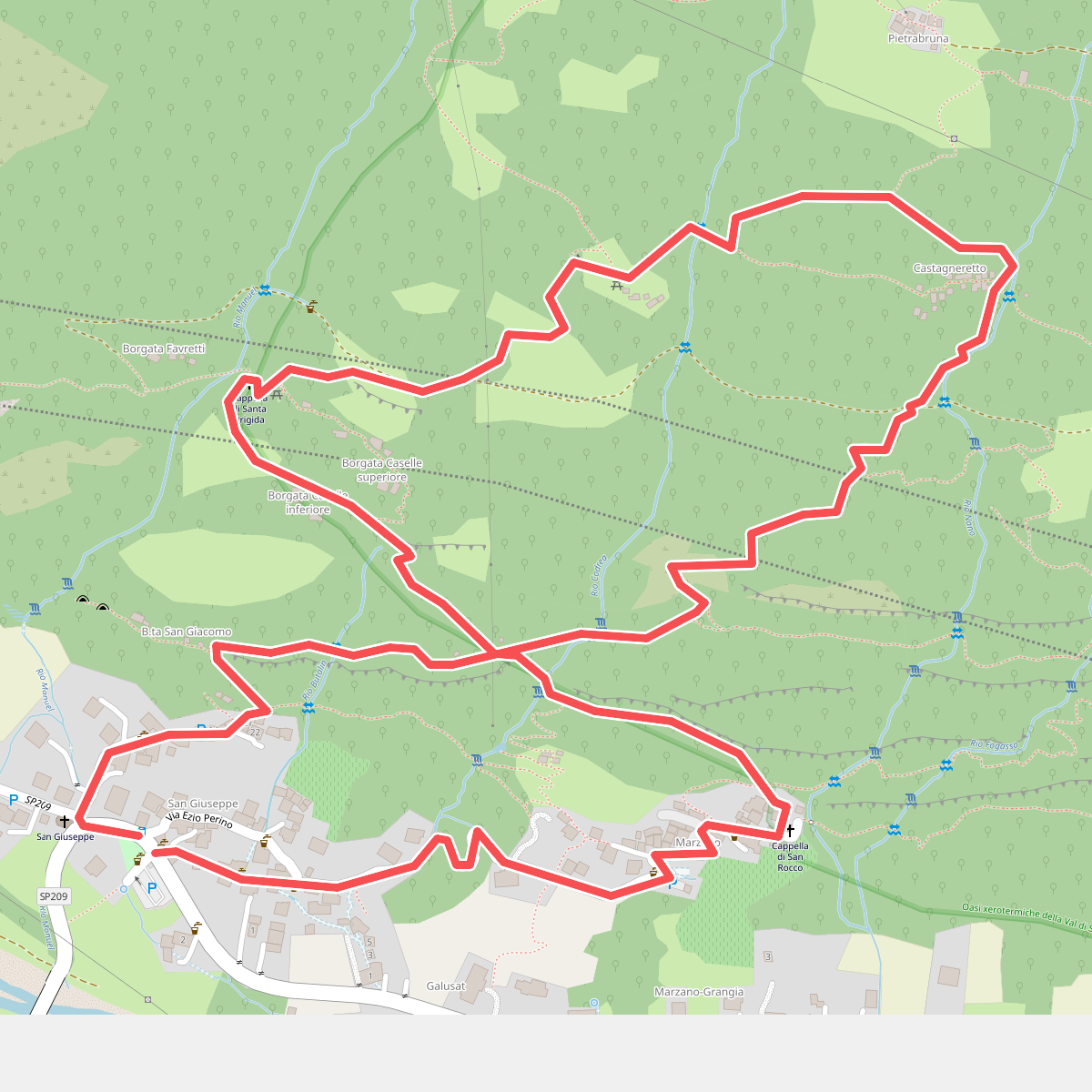
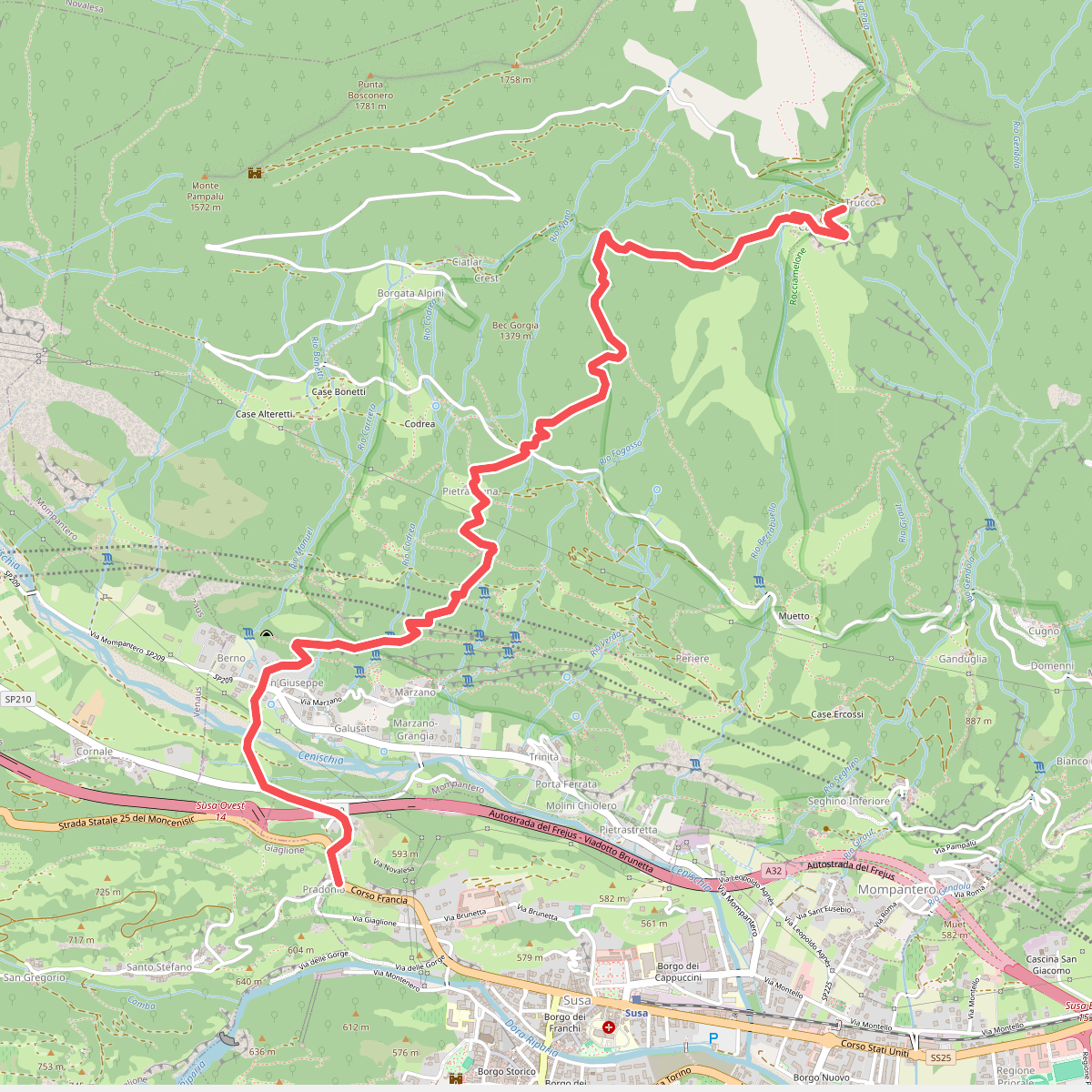
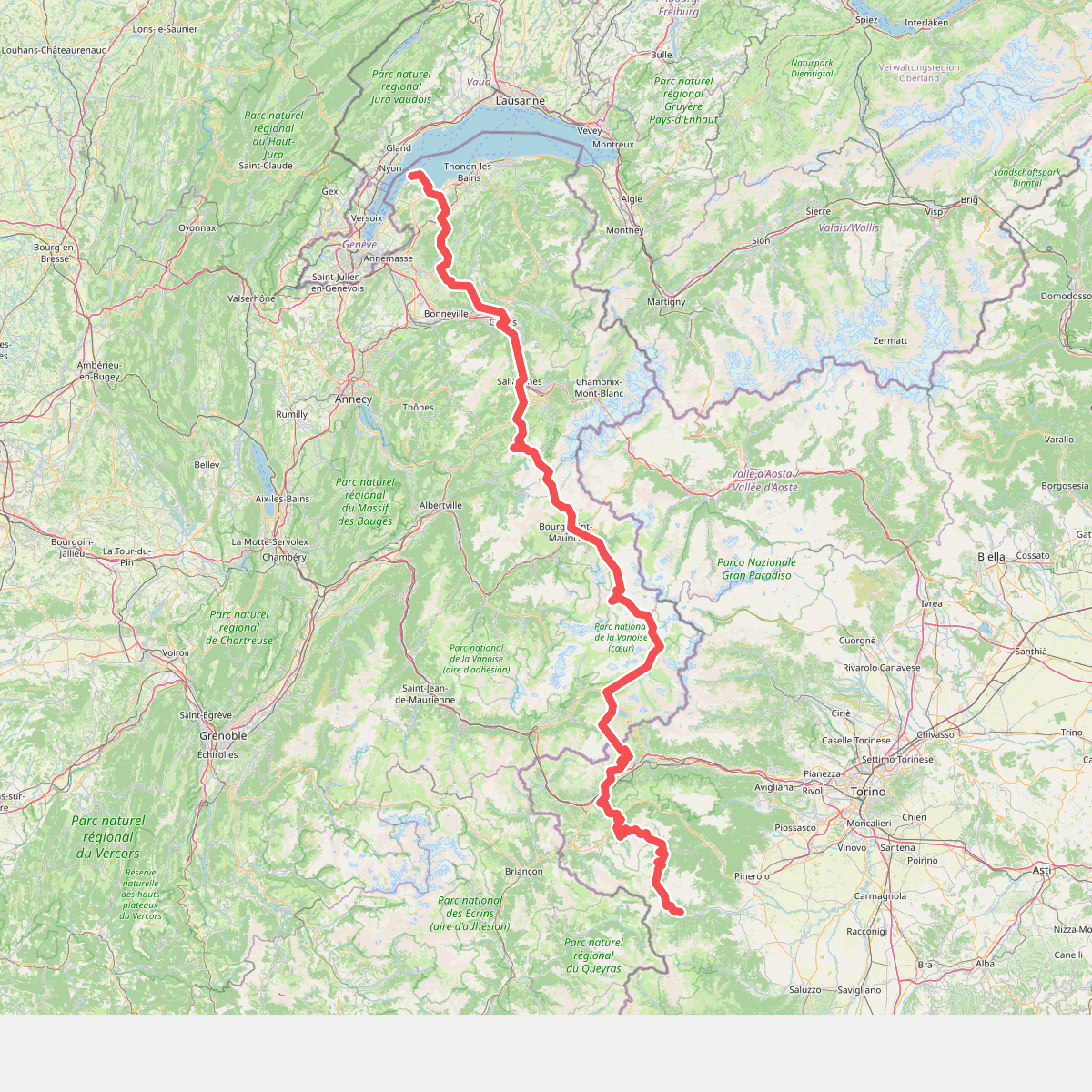
Discover the best walks in Oasi xerotermiche della Val di Susa - Orrido di Chianocco. 4 routes on the map, with descriptions, photos and GPX.
Managed by Natura 2000
About Oasi xerotermiche della Val di Susa - Orrido di Chianocco
The Oasi xerotermiche della Val di Susa - Orrido di Chianocco offers a stark contrast to the typical alpine valleys nearby. This reserve is defined by its exceptionally dry, Mediterranean-like microclimate, which supports wild rosemary, scrubby downy oaks, and rare xerothermic plants on the steep, south-facing slopes. Walkers will immediately notice the arid, rocky terrain underfoot, where loose limestone fragments and dusty earth paths dominate the hillsides instead of the lush meadows found elsewhere in the region.
Read more
About Oasi xerotermiche della Val di Susa - Orrido di Chianocco
The Oasi xerotermiche della Val di Susa - Orrido di Chianocco offers a stark contrast to the typical alpine valleys nearby. This reserve is defined by its exceptionally dry, Mediterranean-like microclimate, which supports wild rosemary, scrubby downy oaks, and rare xerothermic plants on the steep, south-facing slopes. Walkers will immediately notice the arid, rocky terrain underfoot, where loose limestone fragments and dusty earth paths dominate the hillsides instead of the lush meadows found elsewhere in the region.
Read moreThe Oasi xerotermiche della Val di Susa - Orrido di Chianocco offers a stark contrast to the typical alpine valleys nearby. This reserve is defined by its exceptionally dry, Mediterranean-like microclimate, which supports wild rosemary, scrubby downy oaks, and rare xerothermic plants on the steep, south-facing slopes. Walkers will immediately notice the arid, rocky terrain underfoot, where loose limestone fragments and dusty earth paths dominate the hillsides instead of the lush meadows found elsewhere in the region.
The defining geological feature is the Orrido di Chianocco, a deep, narrow gorge carved into the limestone by the Prebec stream. Unlike the open, sun-baked slopes above, the interior of the canyon is cool, damp, and shaded, with vertical rock walls rising sharply on both sides. A trail leads down toward the mouth of this chasm, allowing you to observe how the vegetation shifts abruptly from drought-resistant scrub to moisture-loving mosses and ferns within just a few meters.
Walking here requires careful footing on narrow, uneven dirt tracks that can feel rough and stony. The area is not a destination for high-altitude peak bagging or dense pine forests, but rather a place to observe a pocket of Mediterranean ecology thriving in an alpine valley. The trails are often quieter than the main hiking routes of the Susa Valley, making it a specialized walk focused on geology and unusual plant life.