
The best hiking routes in Naturpark Fläming/Sachsen-Anhalt
Discover the best walks in Naturpark Fläming/Sachsen-Anhalt. 11 routes on the map, with descriptions, photos and GPX.
About Naturpark Fläming/Sachsen-Anhalt
Naturpark Fläming/Sachsen-Anhalt is a gently rolling morainic landscape shaped by the Saale glaciation. Unlike the flat river plains nearby, this area rises into low, sandy ridges covered by extensive pine and mixed beech forests. The terrain is defined by its dry, porous soil, which means rainwater quickly drains away, leaving the higher forest tracks firm underfoot while small, spring-fed streams gather in the shallower valleys to create localized wet meadows.
Read more
About Naturpark Fläming/Sachsen-Anhalt
Naturpark Fläming/Sachsen-Anhalt is a gently rolling morainic landscape shaped by the Saale glaciation. Unlike the flat river plains nearby, this area rises into low, sandy ridges covered by extensive pine and mixed beech forests. The terrain is defined by its dry, porous soil, which means rainwater quickly drains away, leaving the higher forest tracks firm underfoot while small, spring-fed streams gather in the shallower valleys to create localized wet meadows.
Read moreNaturpark Fläming/Sachsen-Anhalt is a gently rolling morainic landscape shaped by the Saale glaciation. Unlike the flat river plains nearby, this area rises into low, sandy ridges covered by extensive pine and mixed beech forests. The terrain is defined by its dry, porous soil, which means rainwater quickly drains away, leaving the higher forest tracks firm underfoot while small, spring-fed streams gather in the shallower valleys to create localized wet meadows.
Walkers will notice a distinct transition between the dry, sandy forest paths of the high Fläming and the damper, clay-lined valley floors where alder trees and small orchards cluster around old stone villages. The ground underfoot varies from soft pine needle paths and loose sand on the ridges to firmer dirt tracks along the fields. There are no dramatic peaks or deep gorges here, only a steady, undulating rhythm of woodland and open agricultural land.
In late August and September, the small patches of dry heathland along the forest edges turn purple, contrasting with the muted greens of the pine canopy. The park is generally quiet, though the areas immediately surrounding historic sites like Rabenstein Castle or the spring areas of the Jezierski Bach tend to see more foot traffic. It is a landscape best suited for those who appreciate subtle changes in forest composition and quiet, rural lanes rather than dramatic viewpoints.
Hiking routes in Naturpark Fläming/Sachsen-Anhalt (11)
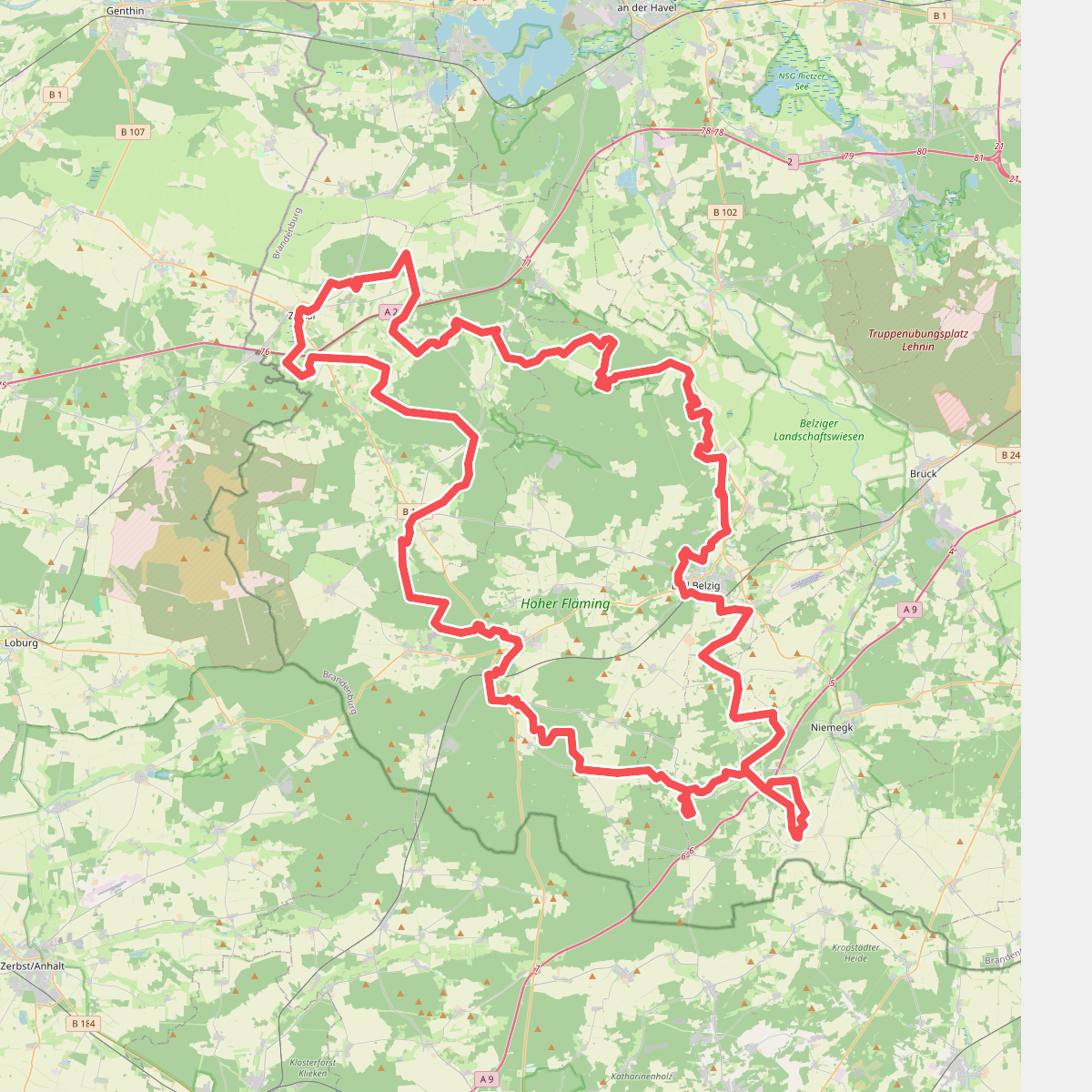
#1. Burgenwanderweg
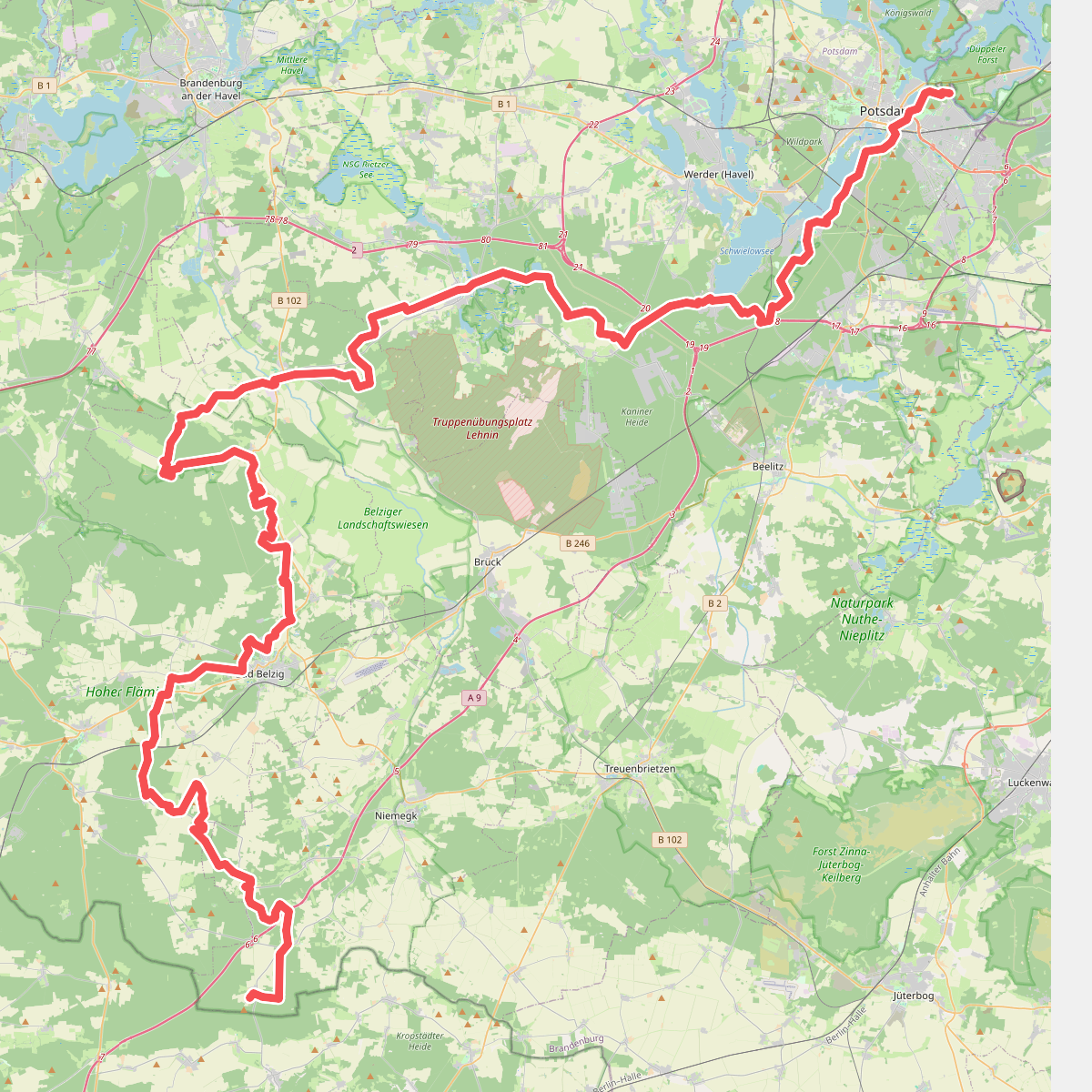
#2. Europäischer Fernwanderweg E11, Brandenburg (W)
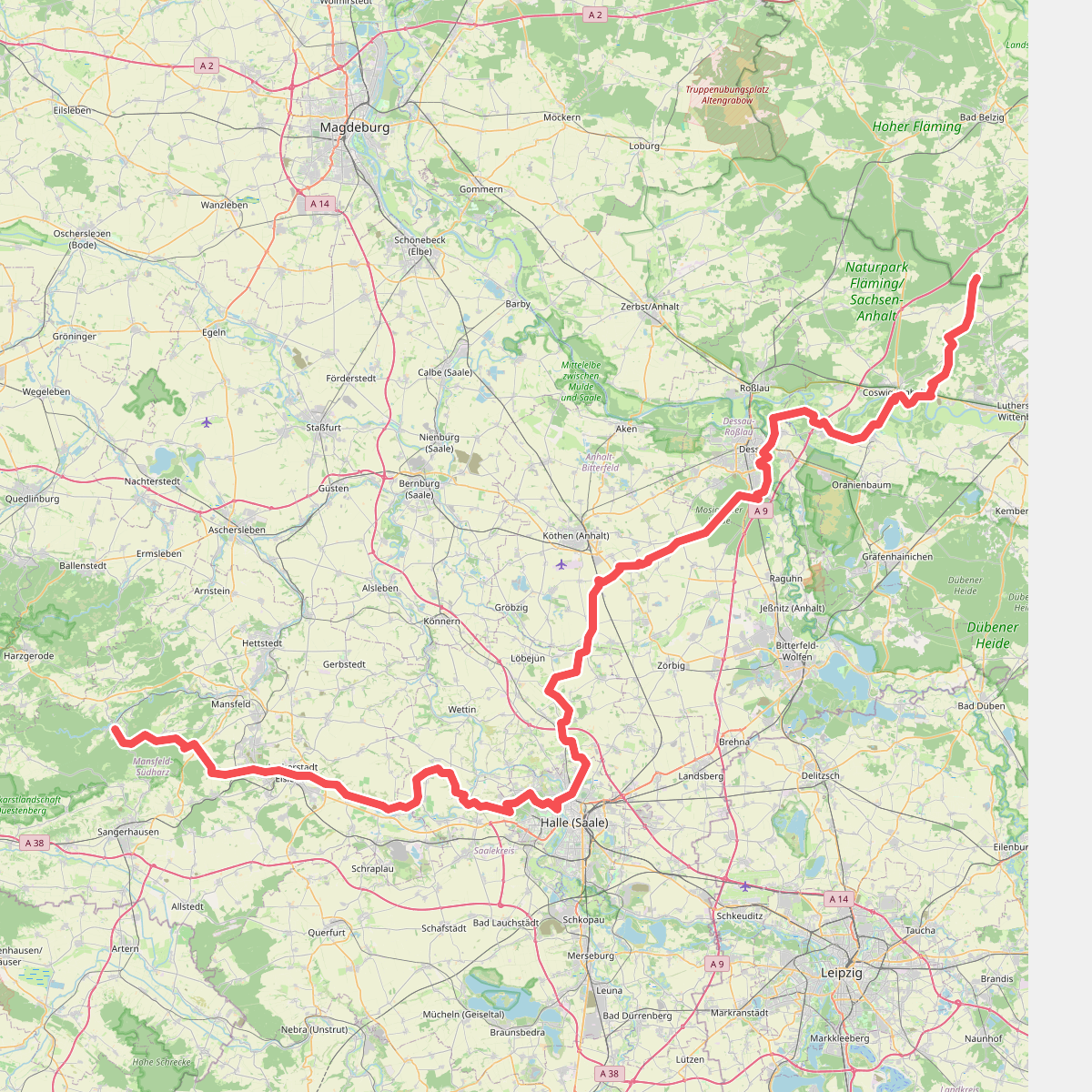
#3. Europäischer Fernwanderweg E11, Sachsen-Anhalt (O)
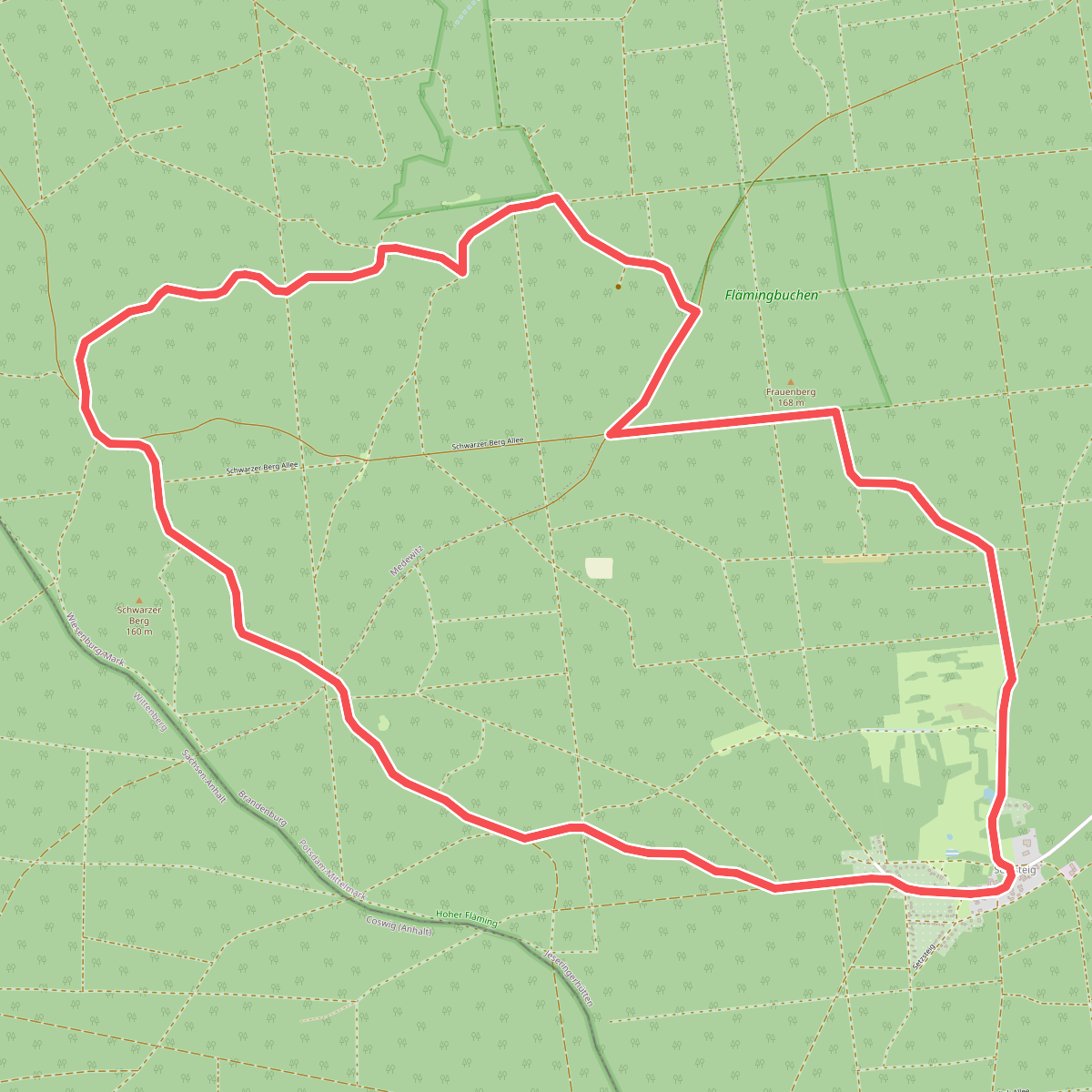
#4. Findlingswanderweg
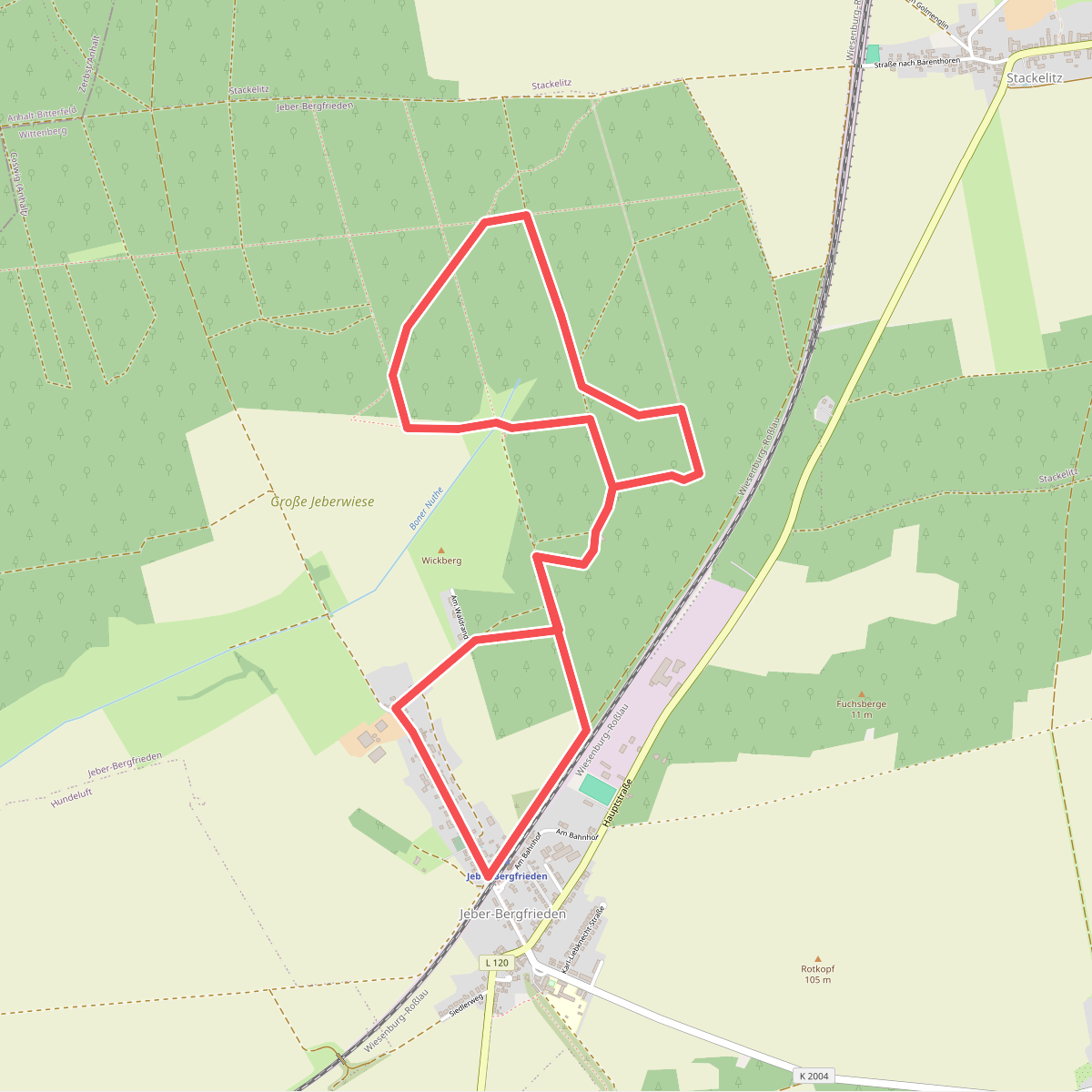
#5. Jeber Bergfrieden
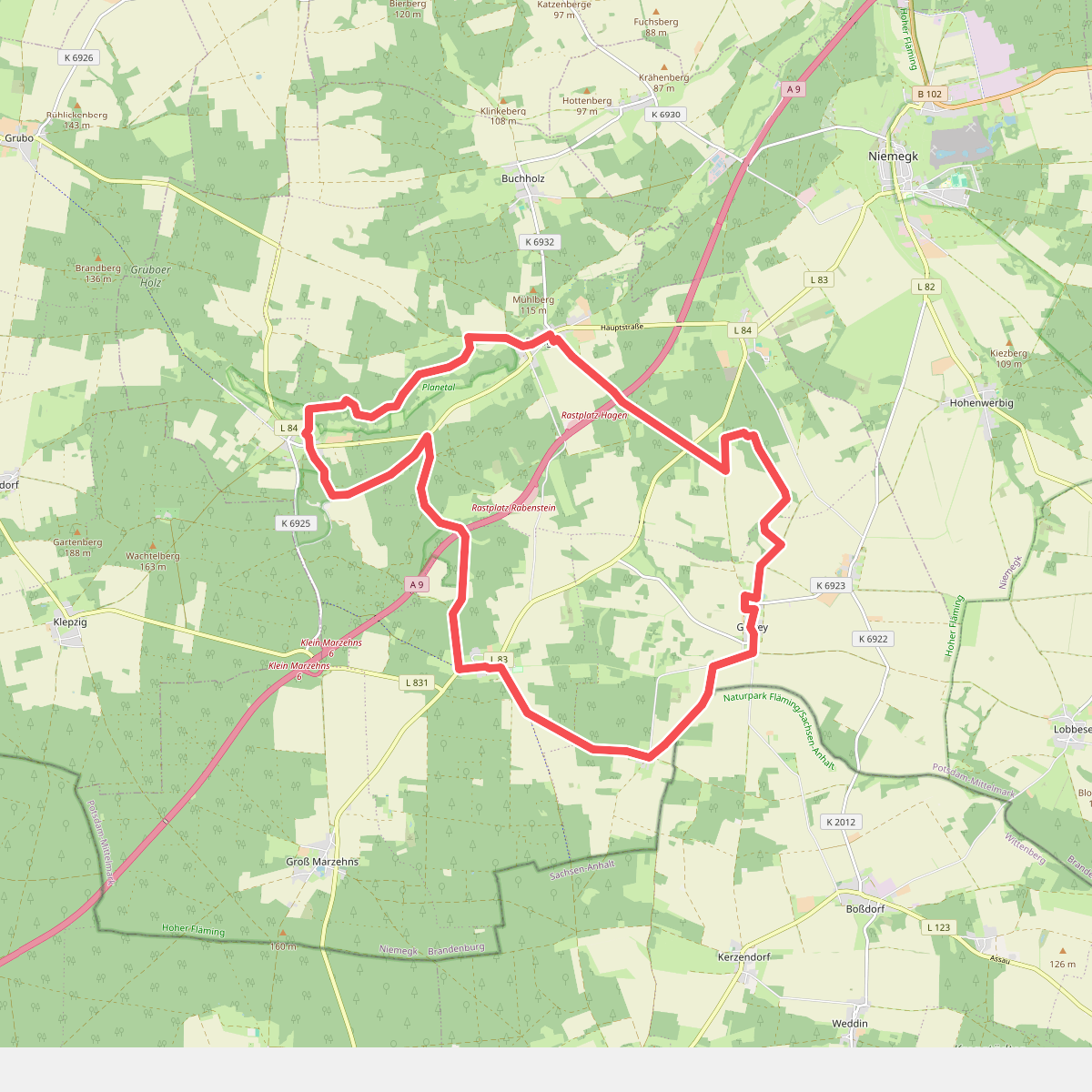
#6. Naturparkrundwanderweg 40
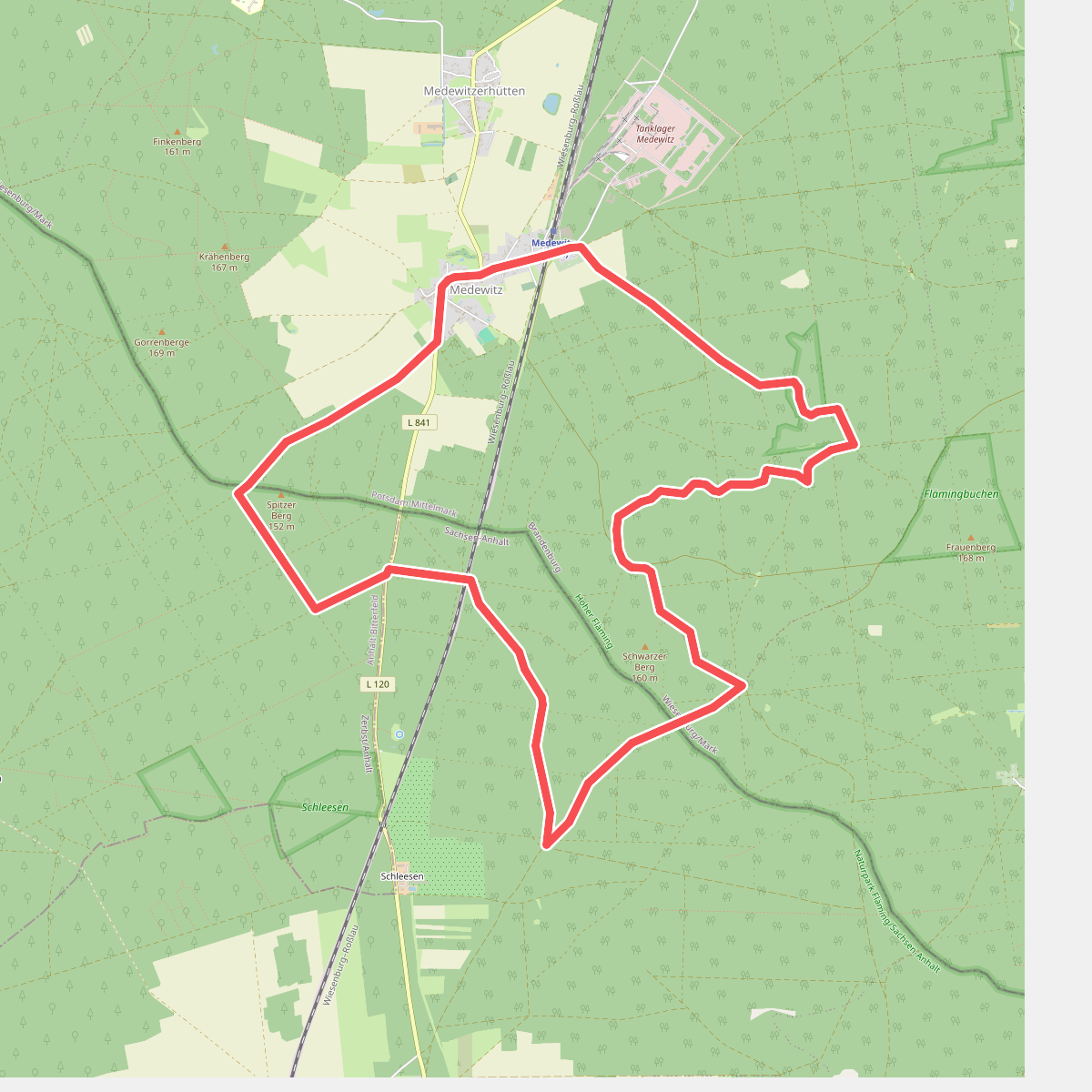
#7. Naturparkrundwanderweg 70
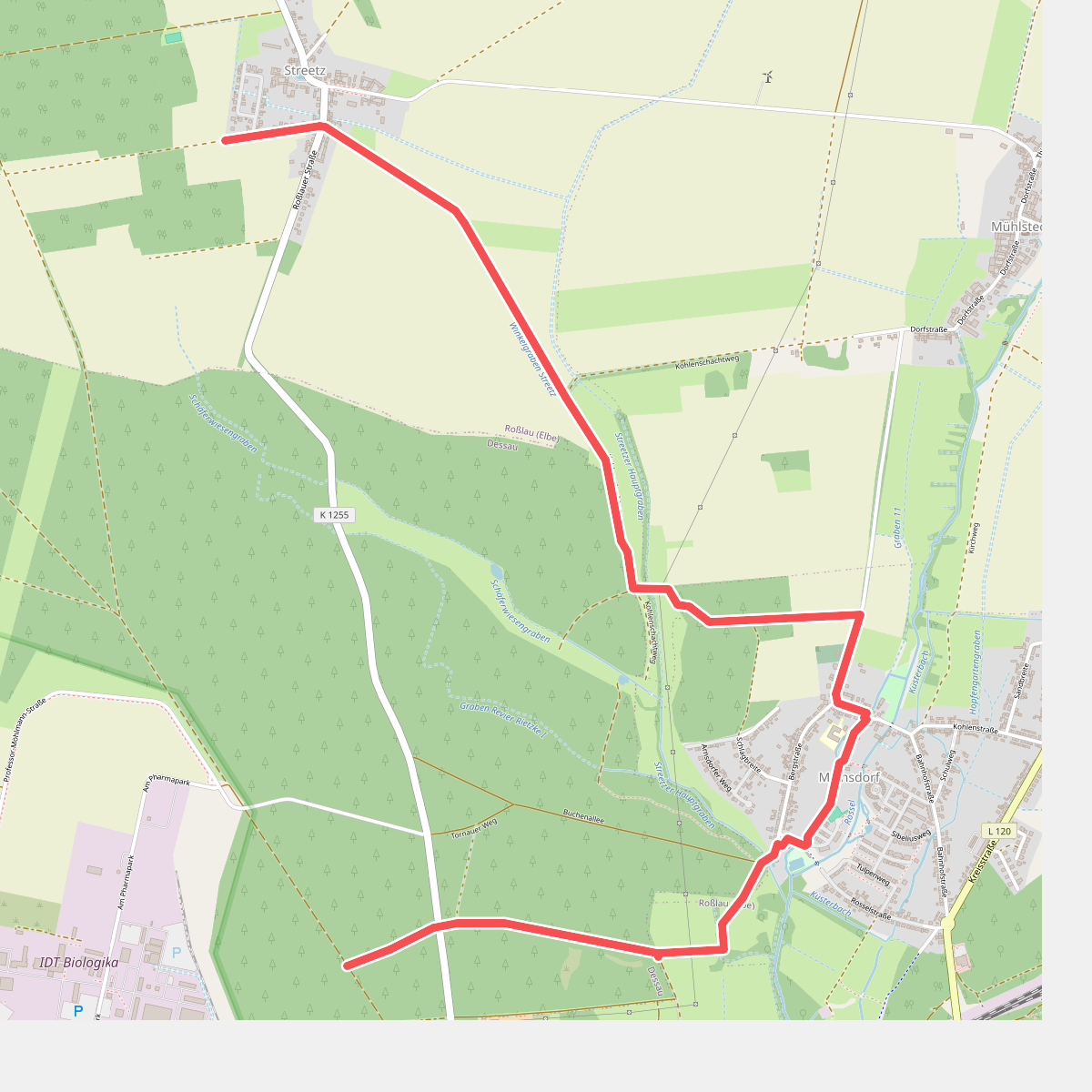
#8. Noch nicht festgelegt
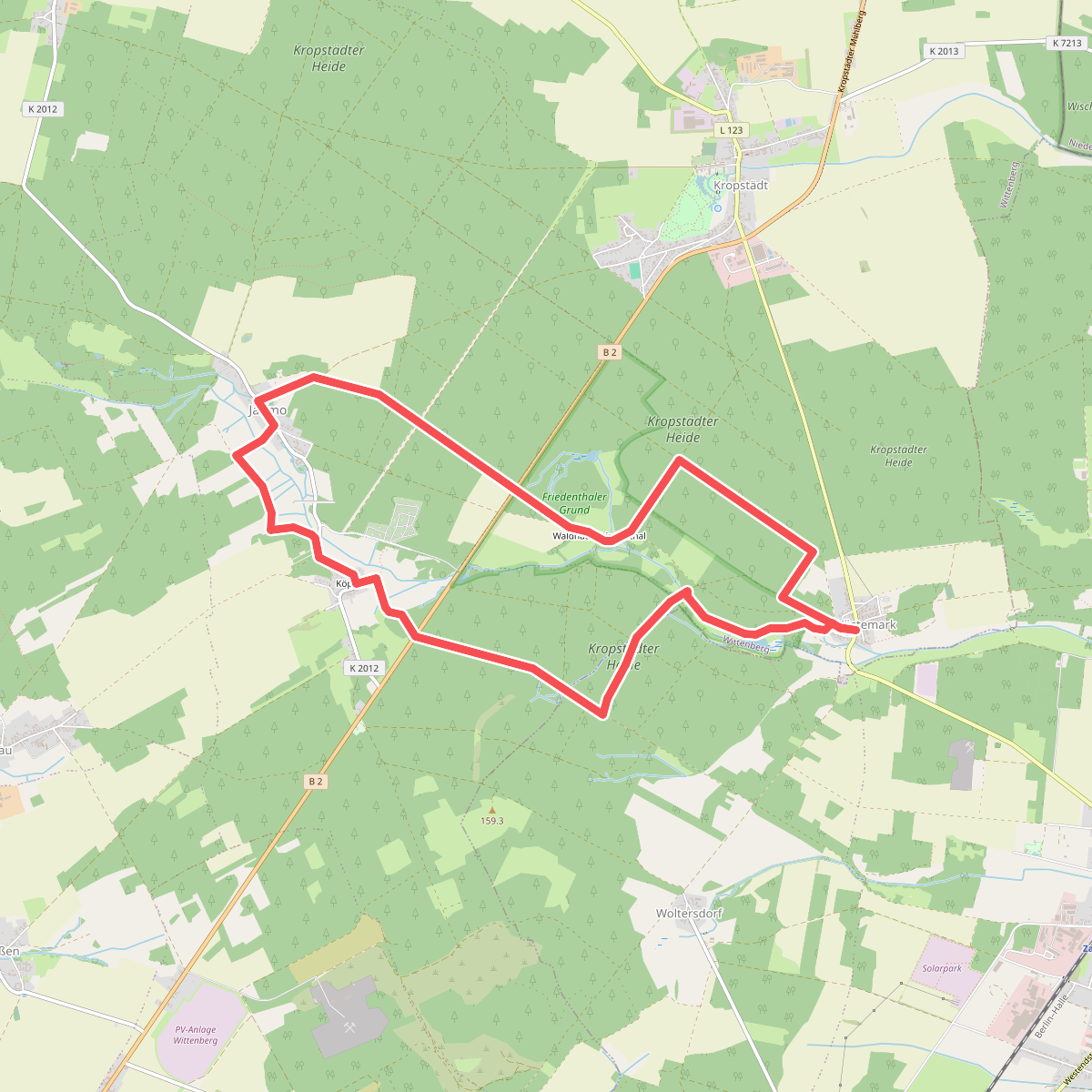
#9. Rundweg Friedenthaler Grund
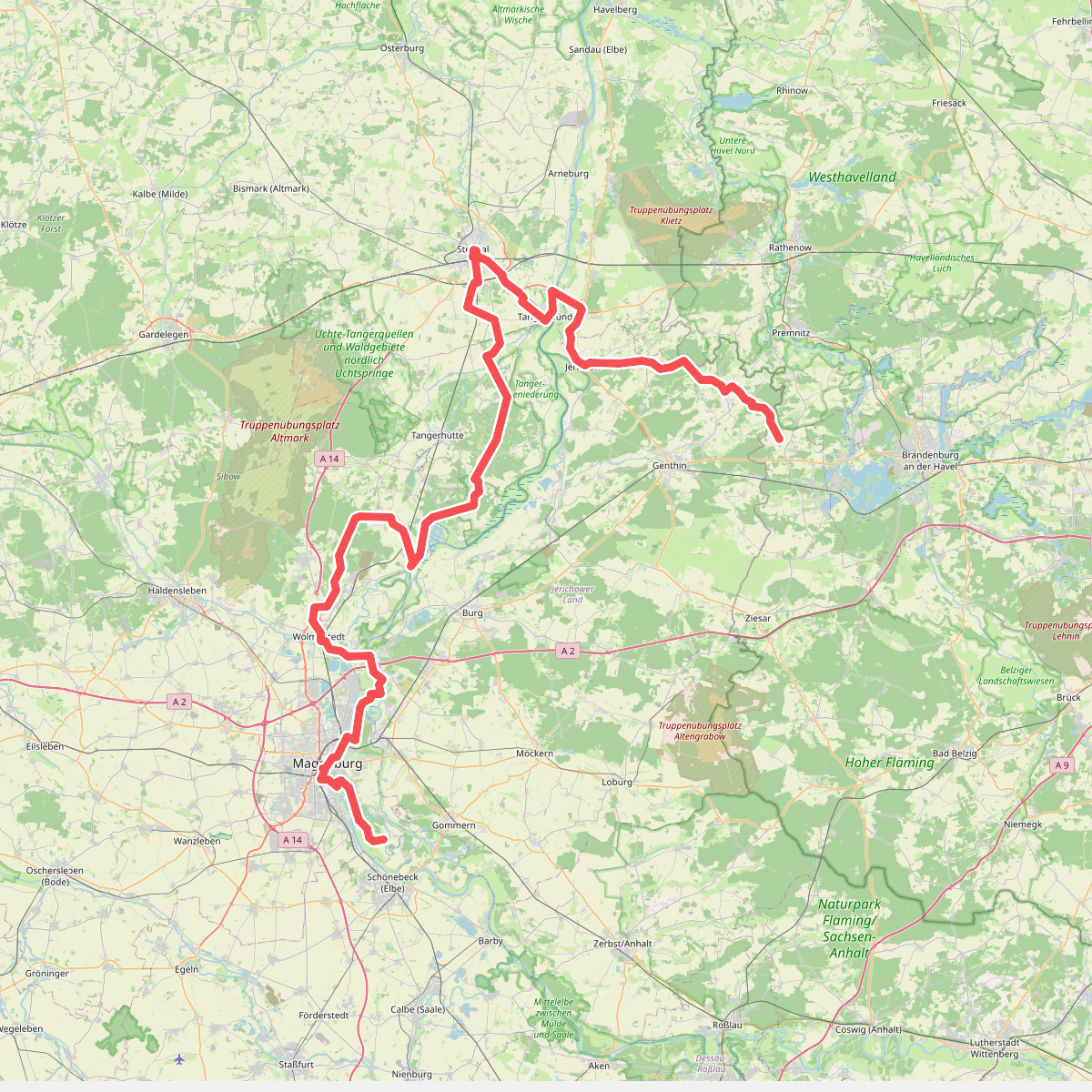
#10. Sankt Jakobus Pilgerweg (Sachsen-Anhalt 1)