
The best hiking routes in Munții Almăjului - Locvei
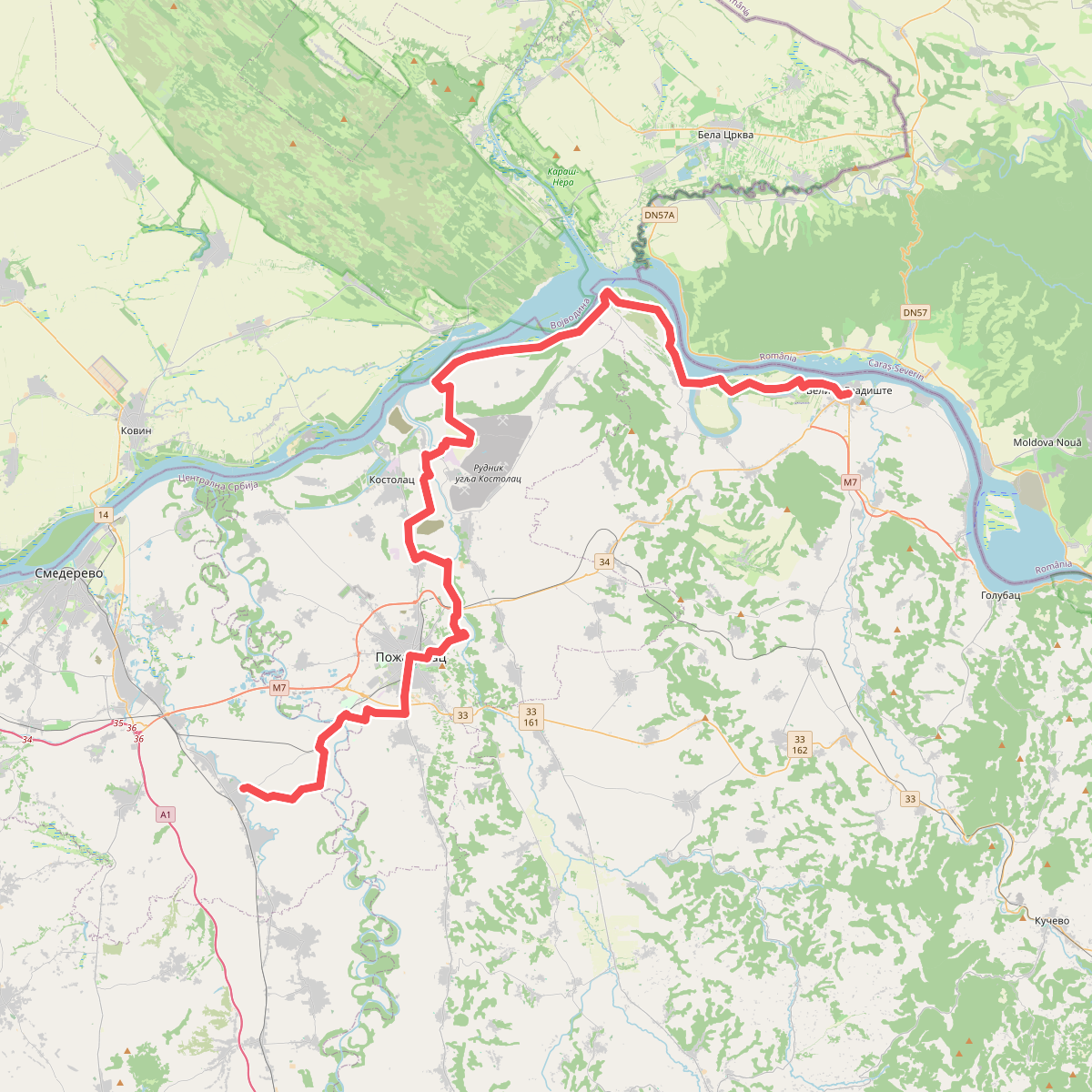
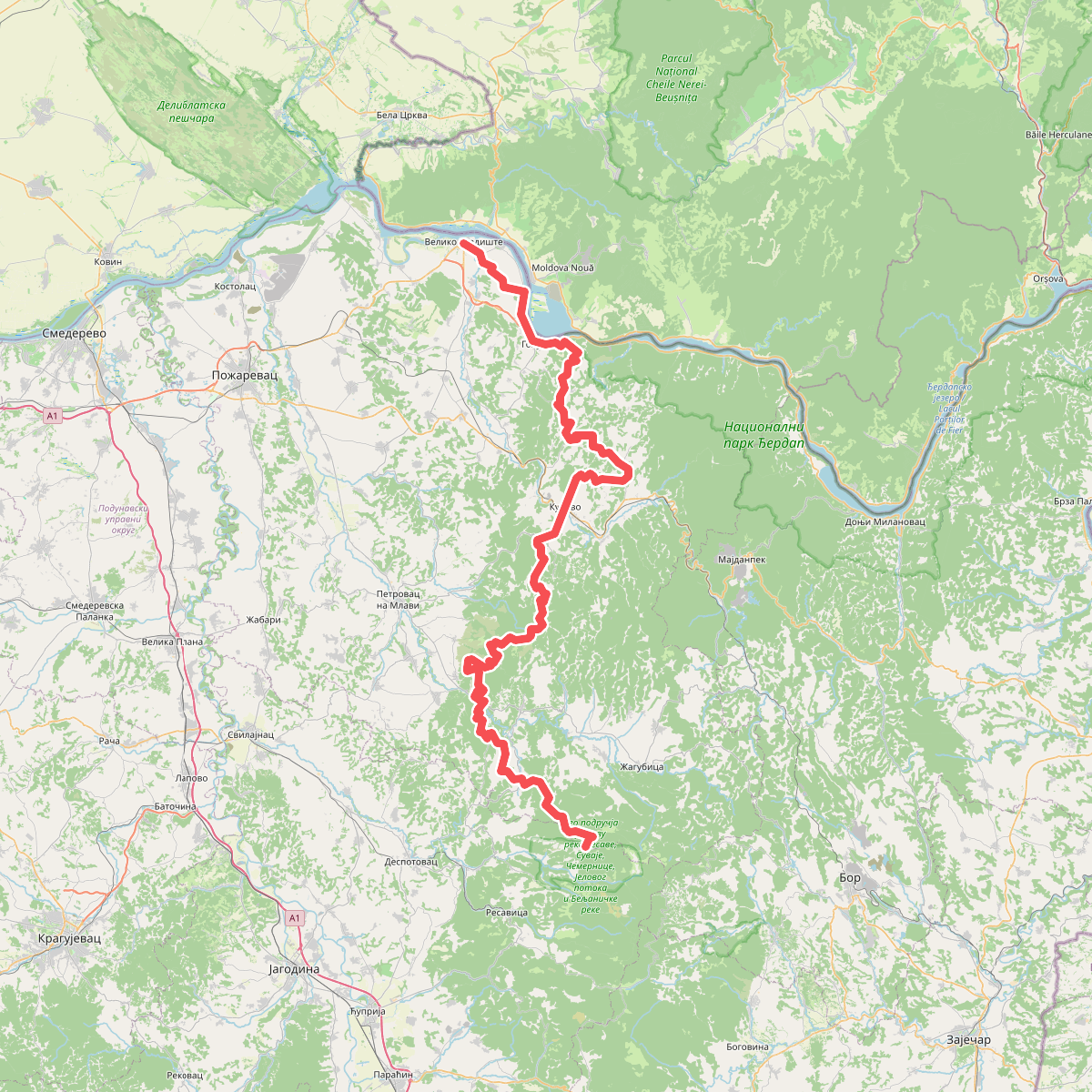
Discover the best walks in Munții Almăjului - Locvei. 2 routes on the map, with descriptions, photos and GPX.
About Munții Almăjului - Locvei
Munții Almăjului - Locvei present a landscape of low, heavily forested mountains and limestone plateaus where the southern Carpathians slope down toward the Danube Gorge. Unlike the high, rocky alpine zones of central Romania, this area is characterized by dense beech and oak woodlands, deep valleys carved by small watercourses, and occasional karst clearings. Underfoot, you will mostly encounter soft forest soil, leaf litter, and sections of loose limestone gravel along the steeper slopes.
Read more
About Munții Almăjului - Locvei
Munții Almăjului - Locvei present a landscape of low, heavily forested mountains and limestone plateaus where the southern Carpathians slope down toward the Danube Gorge. Unlike the high, rocky alpine zones of central Romania, this area is characterized by dense beech and oak woodlands, deep valleys carved by small watercourses, and occasional karst clearings. Underfoot, you will mostly encounter soft forest soil, leaf litter, and sections of loose limestone gravel along the steeper slopes.
Read moreMunții Almăjului - Locvei present a landscape of low, heavily forested mountains and limestone plateaus where the southern Carpathians slope down toward the Danube Gorge. Unlike the high, rocky alpine zones of central Romania, this area is characterized by dense beech and oak woodlands, deep valleys carved by small watercourses, and occasional karst clearings. Underfoot, you will mostly encounter soft forest soil, leaf litter, and sections of loose limestone gravel along the steeper slopes.
As you walk, the landscape reveals its geological character through sinkholes, small caves, and exposed white limestone cliffs that break through the canopy. The proximity to the Danube creates a distinct microclimate, allowing sub-Mediterranean plant species like flowering ash and wild lilac to thrive on the south-facing rocky slopes. In May, these limestone meadows are particularly distinct, contrasting sharply with the dark, damp ravines nearby.
This is a terrain for quiet, self-reliant exploration. There are no high peaks or dramatic ridges here; instead, the paths follow old forestry tracks and faint trails through the trees. While the lower valleys near the main roads can be busier, the interior forest plateaus remain quiet, offering a consistent cover of deep woodland occasionally interrupted by isolated pastoral clearings.