
The best hiking routes in Muir of Dinnet National Nature Reserve
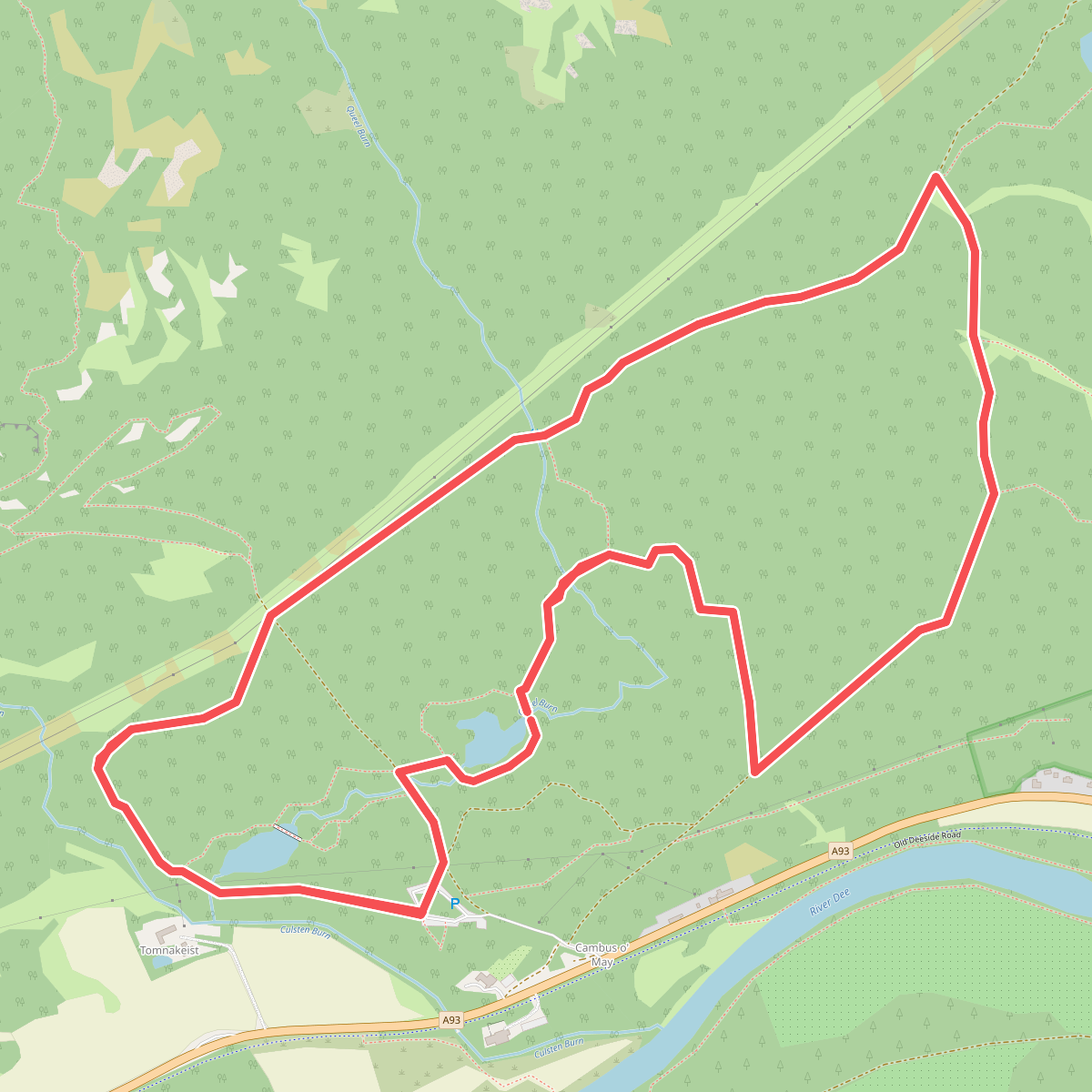
Discover the best walks in Muir of Dinnet National Nature Reserve. 5 routes on the map, with descriptions, photos and GPX.
Managed by NatureScot
About Muir of Dinnet National Nature Reserve
Muir of Dinnet National Nature Reserve sits on a low-lying glacial basin in Deeside, shaped by melting ice sheets that left behind giant kettle holes, mounds of gravel, and vast granite boulders. The landscape is a mosaic of open birch woodland, dry heathland, and two large freshwater lochs, Loch Kinord and Loch Davan. Walking here is mostly flat and low-level, offering a gentle, rolling terrain rather than the steep climbs or high summits found in the nearby Cairngorms mountains.
Read more
About Muir of Dinnet National Nature Reserve
Muir of Dinnet National Nature Reserve sits on a low-lying glacial basin in Deeside, shaped by melting ice sheets that left behind giant kettle holes, mounds of gravel, and vast granite boulders. The landscape is a mosaic of open birch woodland, dry heathland, and two large freshwater lochs, Loch Kinord and Loch Davan. Walking here is mostly flat and low-level, offering a gentle, rolling terrain rather than the steep climbs or high summits found in the nearby Cairngorms mountains.
Read moreMuir of Dinnet National Nature Reserve sits on a low-lying glacial basin in Deeside, shaped by melting ice sheets that left behind giant kettle holes, mounds of gravel, and vast granite boulders. The landscape is a mosaic of open birch woodland, dry heathland, and two large freshwater lochs, Loch Kinord and Loch Davan. Walking here is mostly flat and low-level, offering a gentle, rolling terrain rather than the steep climbs or high summits found in the nearby Cairngorms mountains.
Underfoot, the paths vary distinctly depending on the habitat. The woodland trails are mostly firm dirt and gravel, occasionally crossed by exposed tree roots, while the open heathland sections feature sandy tracks that can become loose. Around the wetter margins of the lochs and the peat bogs, raised wooden boardwalks keep walkers clear of the boggy ground. The transition from the dry, heather-clad pine and birch woods to the damp, reed-fringed loch shores is sudden and easily observed as you walk.
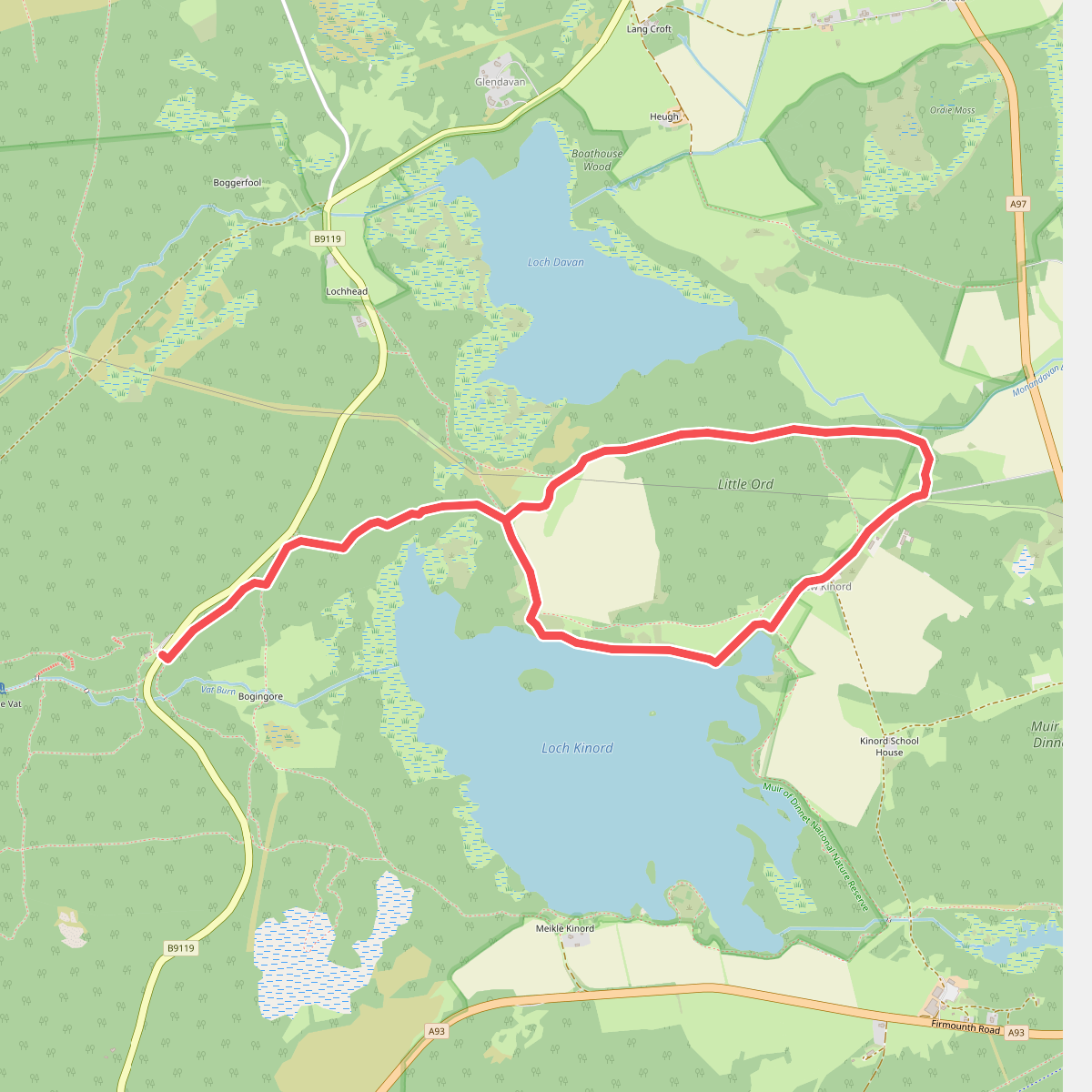
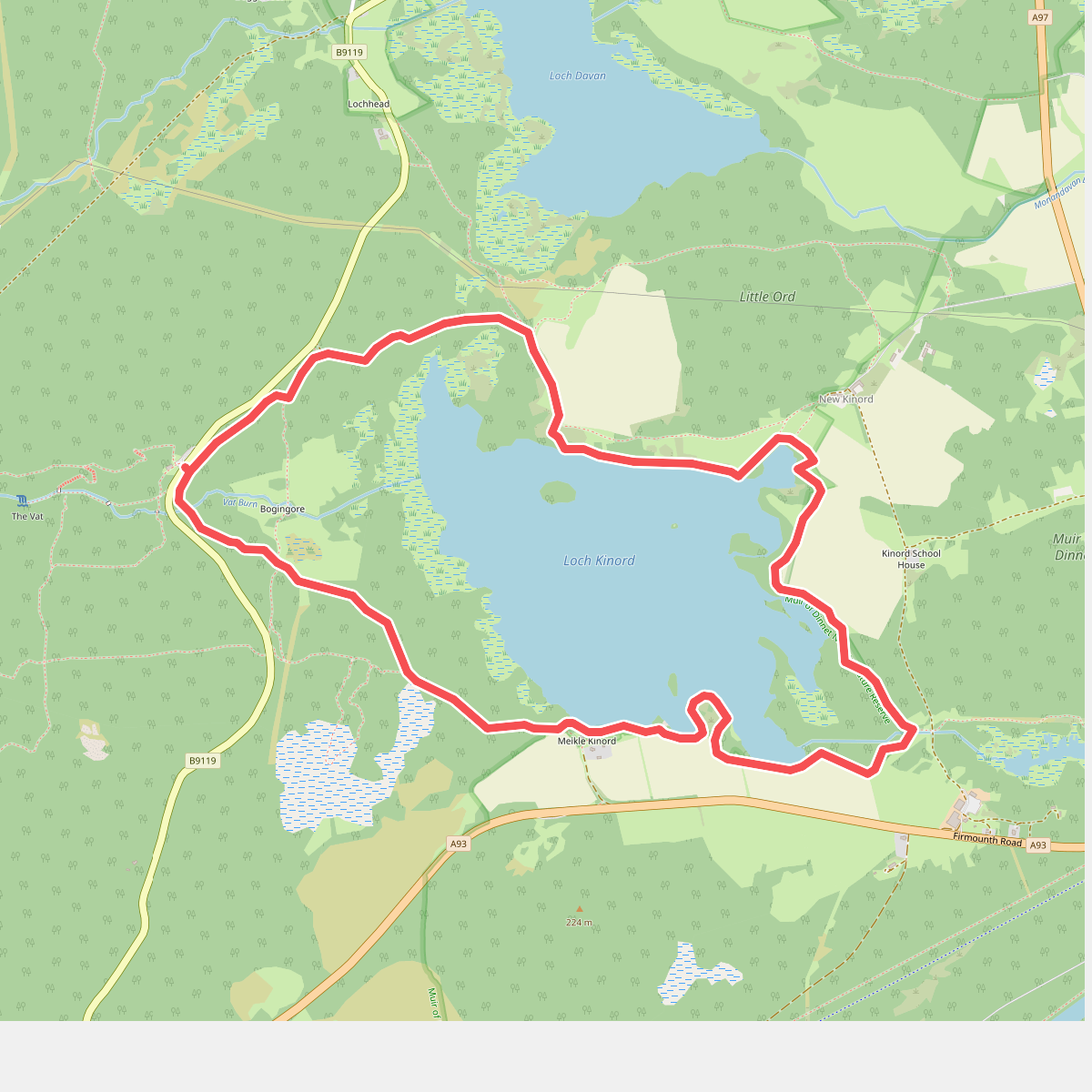
The reserve is busiest around the Burn o' Vat, a deep, water-carved granite pothole that attracts many visitors. In August, the dry heathland turns purple with flowering heather, contrasting with the pale birch trunks. For a quieter walk, the longer loop around Loch Kinord offers a steadier pace through the trees, where the sound of water replaces the busier atmosphere of the main geological attractions near the visitor centre.