
The best hiking routes in Kečovské škrapy
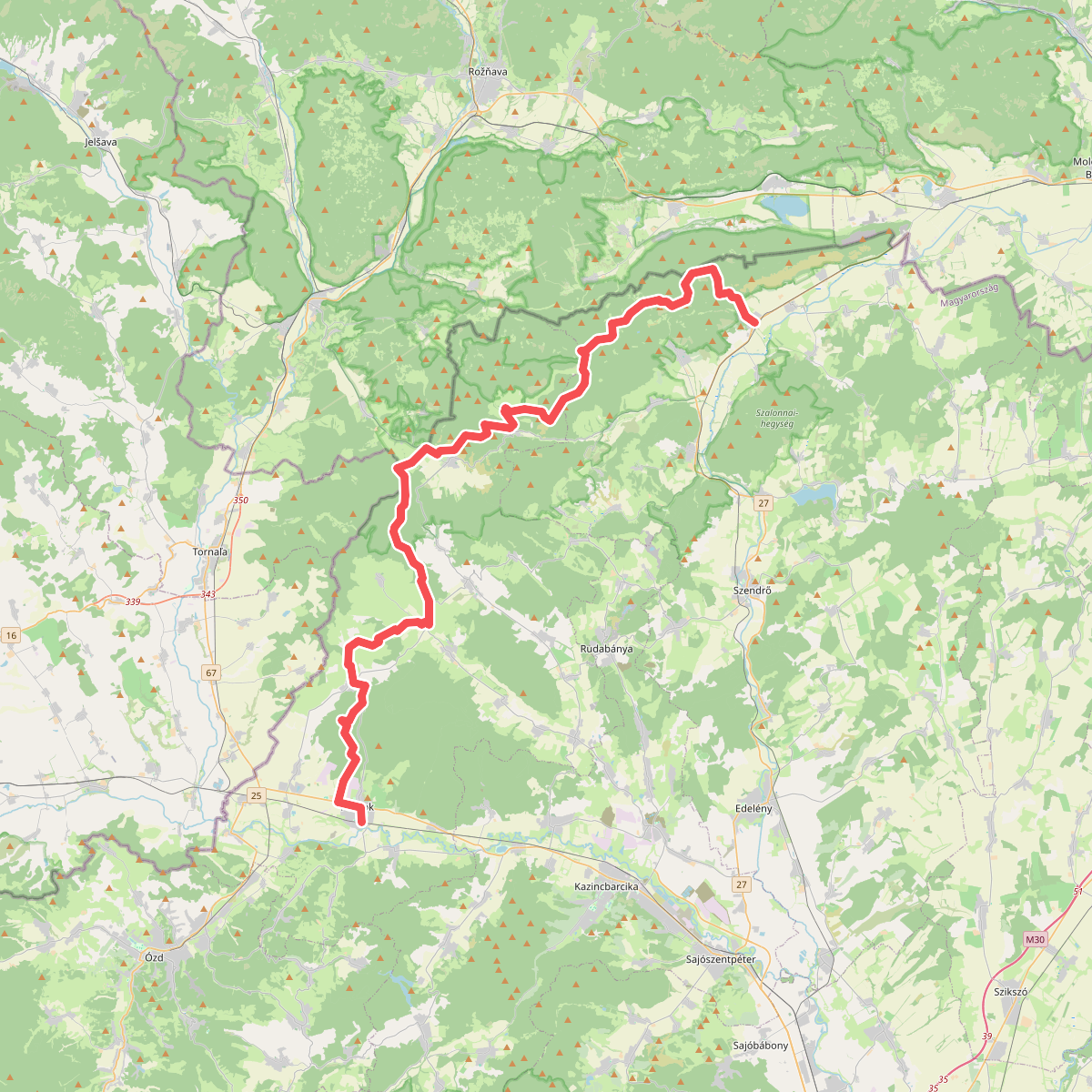
Discover the best walks in Kečovské škrapy. 1 routes on the map, with descriptions, photos and GPX.
About Kečovské škrapy
Keĉovsk škrapy offers a walking terrain dominated by karst limestone formations rather than soft forest paths. Located on a south-facing slope, this nature reserve is characterized by sharp, weathered limestone pavements, sinkholes, and exposed grey rocks that protrude through the thin soil. The vegetation is sparse, consisting of dry-loving grasses, scrub, and oak trees that have adapted to the rocky ground. Underfoot, you will find a mix of loose stones, uneven limestone slabs, and narrow dirt tracks that require careful stepping.
Read more
About Kečovské škrapy
Keĉovsk škrapy offers a walking terrain dominated by karst limestone formations rather than soft forest paths. Located on a south-facing slope, this nature reserve is characterized by sharp, weathered limestone pavements, sinkholes, and exposed grey rocks that protrude through the thin soil. The vegetation is sparse, consisting of dry-loving grasses, scrub, and oak trees that have adapted to the rocky ground. Underfoot, you will find a mix of loose stones, uneven limestone slabs, and narrow dirt tracks that require careful stepping.
Read moreKeĉovsk škrapy offers a walking terrain dominated by karst limestone formations rather than soft forest paths. Located on a south-facing slope, this nature reserve is characterized by sharp, weathered limestone pavements, sinkholes, and exposed grey rocks that protrude through the thin soil. The vegetation is sparse, consisting of dry-loving grasses, scrub, and oak trees that have adapted to the rocky ground. Underfoot, you will find a mix of loose stones, uneven limestone slabs, and narrow dirt tracks that require careful stepping.
Unlike the lush, damp valleys nearby, this area is dry and highly exposed. Rainwater quickly disappears into the porous limestone bedrock, leaving the surface arid and creating the distinct furrowed rock patterns known as grikes and clints. The landscape does not offer deep gorges or high peaks, but rather a gently sloping hillside where the geological structure is completely visible on the surface.
In May and June, the rocky ground is dotted with yellow and purple wildflowers that thrive in the limestone crevices. The paths are mostly unshaded, and the terrain remains rugged and stony throughout. It is a quiet destination suited for those interested in geology and specialized karst flora, rather than those seeking wide dirt roads or dense woodland cover.