The best hiking routes in CHKO Beskydy
Discover the best walks in CHKO Beskydy. 8 routes on the map, with descriptions, photos and GPX.
About CHKO Beskydy
CHKO Beskydy is a vast protected area characterized by rounded, heavily forested sandstone ridges rather than sharp alpine peaks. The landscape is defined by deep spruce and beech forests, which open up at higher elevations into traditional mountain pastures known as poloniny. Underfoot, walkers will mostly encounter clay-heavy soil mixed with loose sandstone rocks, which can become slippery, alongside sections of gravel forestry roads and occasional wooden steps on the steepest climbs. Unlike the rocky, exposed granite trails of other Czech border ranges, the paths here are dominated by tree roots and shaded canopy.
Read more
About CHKO Beskydy
CHKO Beskydy is a vast protected area characterized by rounded, heavily forested sandstone ridges rather than sharp alpine peaks. The landscape is defined by deep spruce and beech forests, which open up at higher elevations into traditional mountain pastures known as poloniny. Underfoot, walkers will mostly encounter clay-heavy soil mixed with loose sandstone rocks, which can become slippery, alongside sections of gravel forestry roads and occasional wooden steps on the steepest climbs. Unlike the rocky, exposed granite trails of other Czech border ranges, the paths here are dominated by tree roots and shaded canopy.
Read moreCHKO Beskydy is a vast protected area characterized by rounded, heavily forested sandstone ridges rather than sharp alpine peaks. The landscape is defined by deep spruce and beech forests, which open up at higher elevations into traditional mountain pastures known as poloniny. Underfoot, walkers will mostly encounter clay-heavy soil mixed with loose sandstone rocks, which can become slippery, alongside sections of gravel forestry roads and occasional wooden steps on the steepest climbs. Unlike the rocky, exposed granite trails of other Czech border ranges, the paths here are dominated by tree roots and shaded canopy.
As you walk, you will notice the distinct shape of the valleys, which are steep-sided due to the way water carves through the soft flysch sandstone layers. The ridges, such as those around Lysá hora or Radhošť, are often capped with dwarf pine or open meadows that offer clear views of the surrounding wave-like ridges. These higher, well-known summits feature prominent mountain chalets and asphalt access roads, making them busier hubs, whereas the deep valleys and lower ridges remain quiet and densely wooded.
In late autumn, particularly during October, the beech forests on the lower slopes turn a vibrant copper color, contrasting sharply with the dark green spruce on the upper ridges. Walkers should expect significant elevation gains on almost any route, as trails typically climb directly from valley settlements up to the ridge lines without gentle transitions.
Hiking routes in CHKO Beskydy (8)
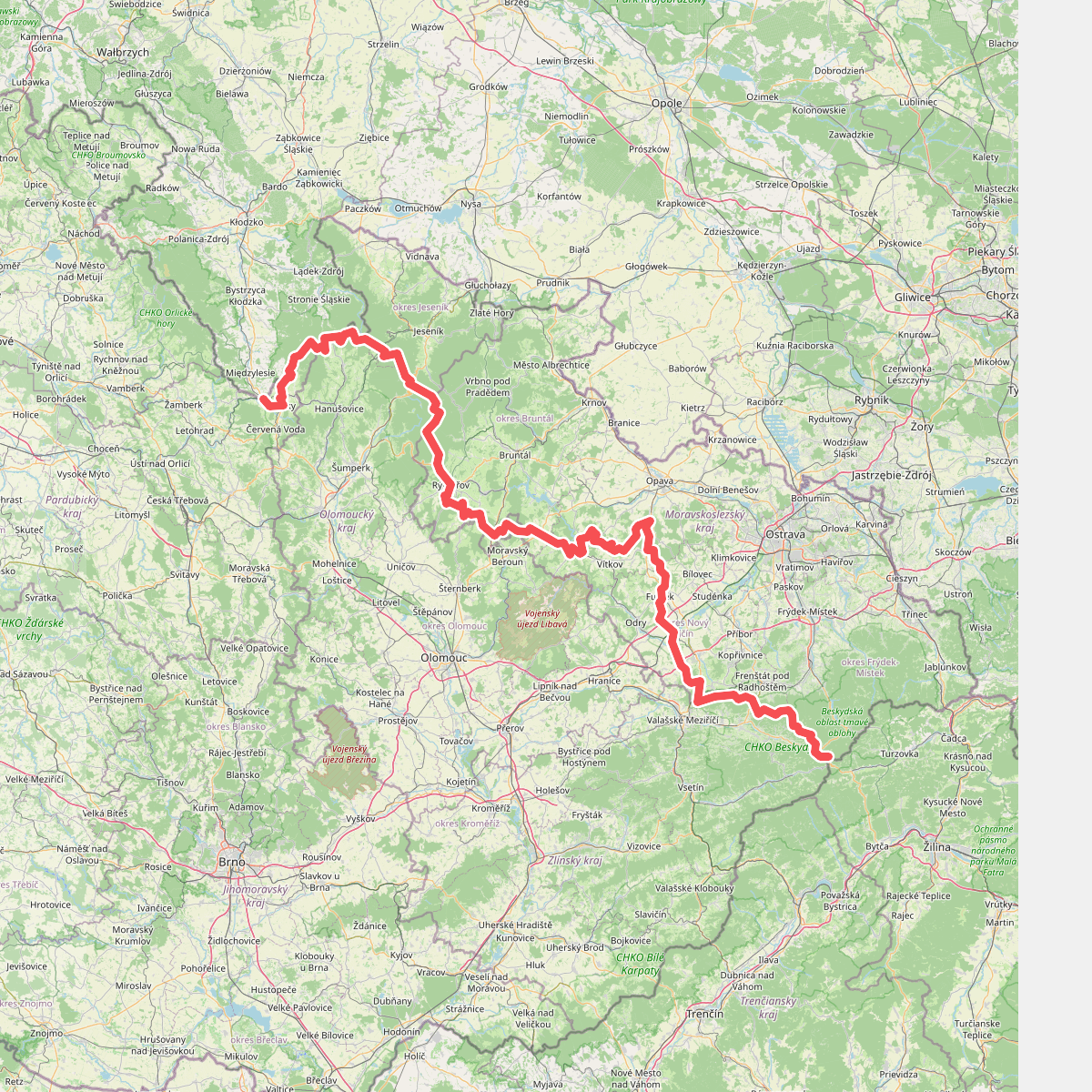
#1. European long distance path E3 - part Czech Republic, Morava
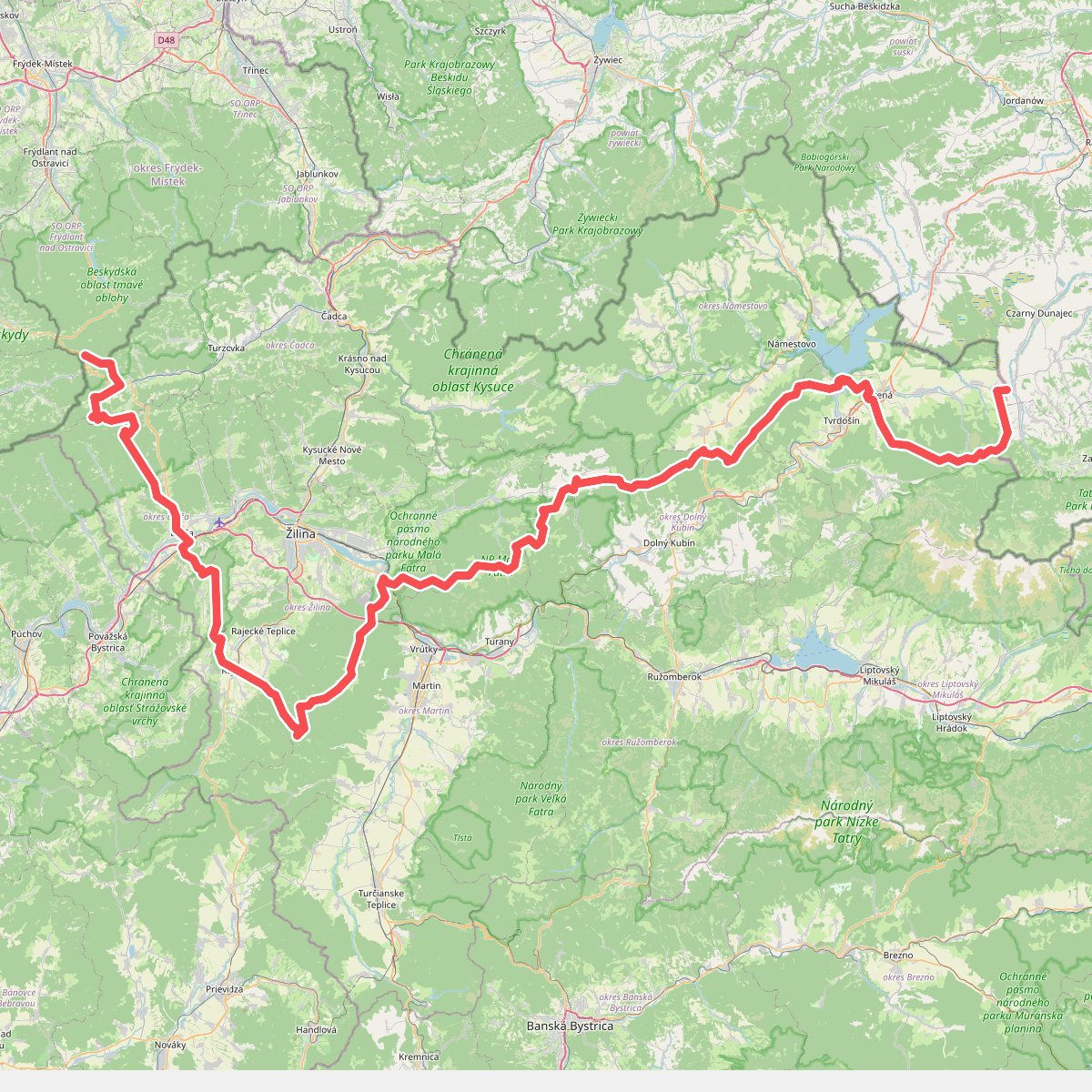
#2. European long distance path E3 - part Slovakia (west)
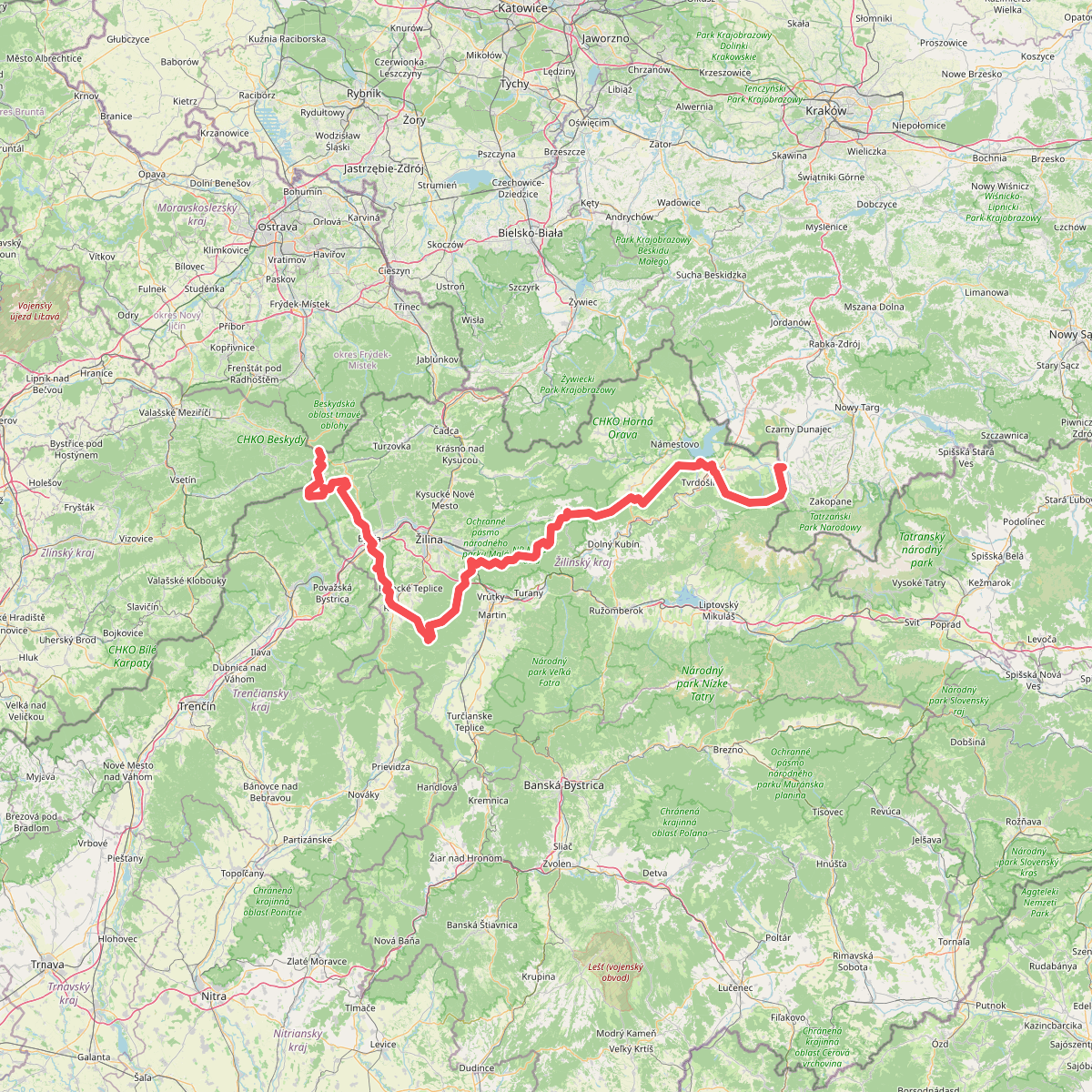
#3. Internationaler Bergwanderweg Eisenach–Budapest (Slowakei West)
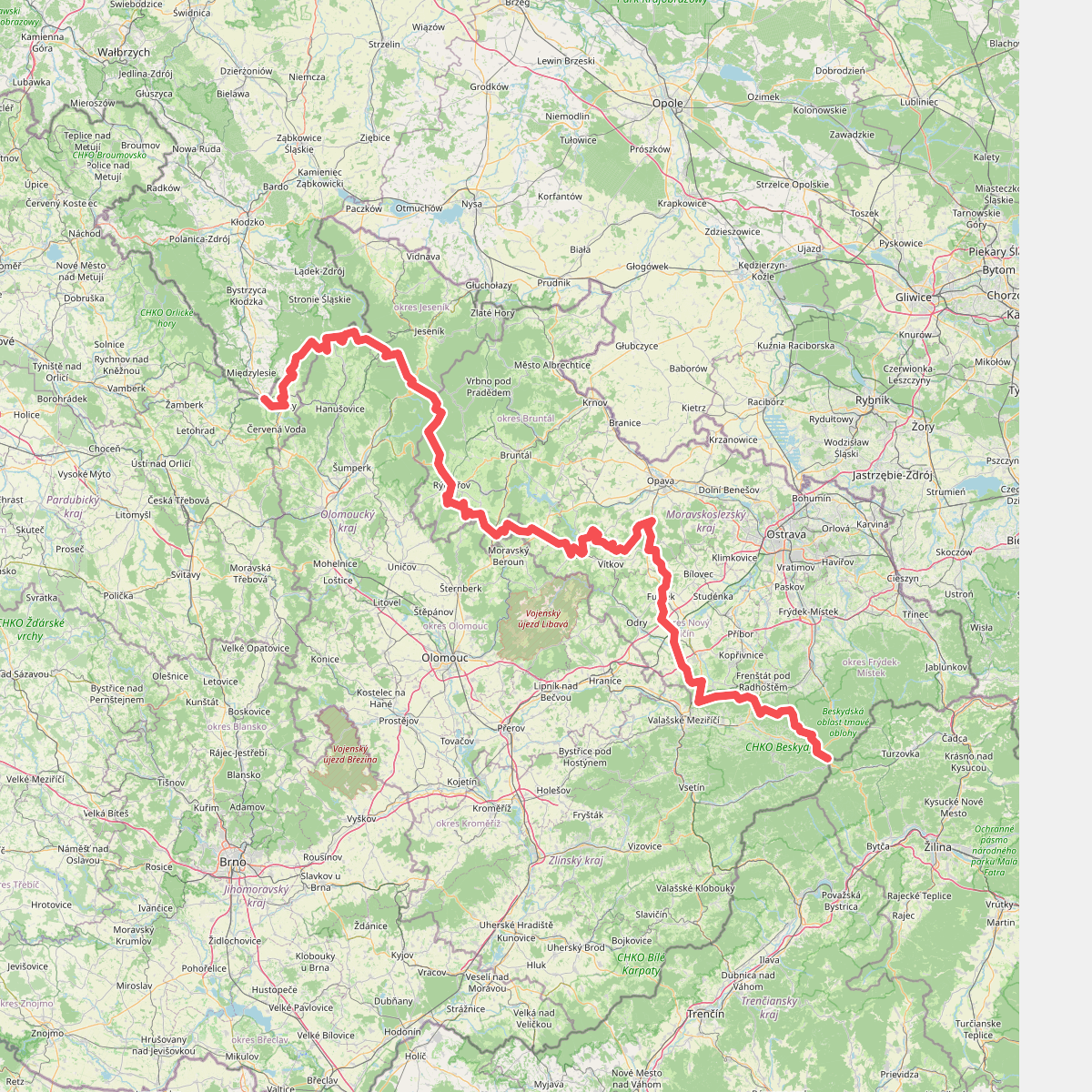
#4. Internationaler Bergwanderweg Eisenach–Budapest (Tschechien Ost)
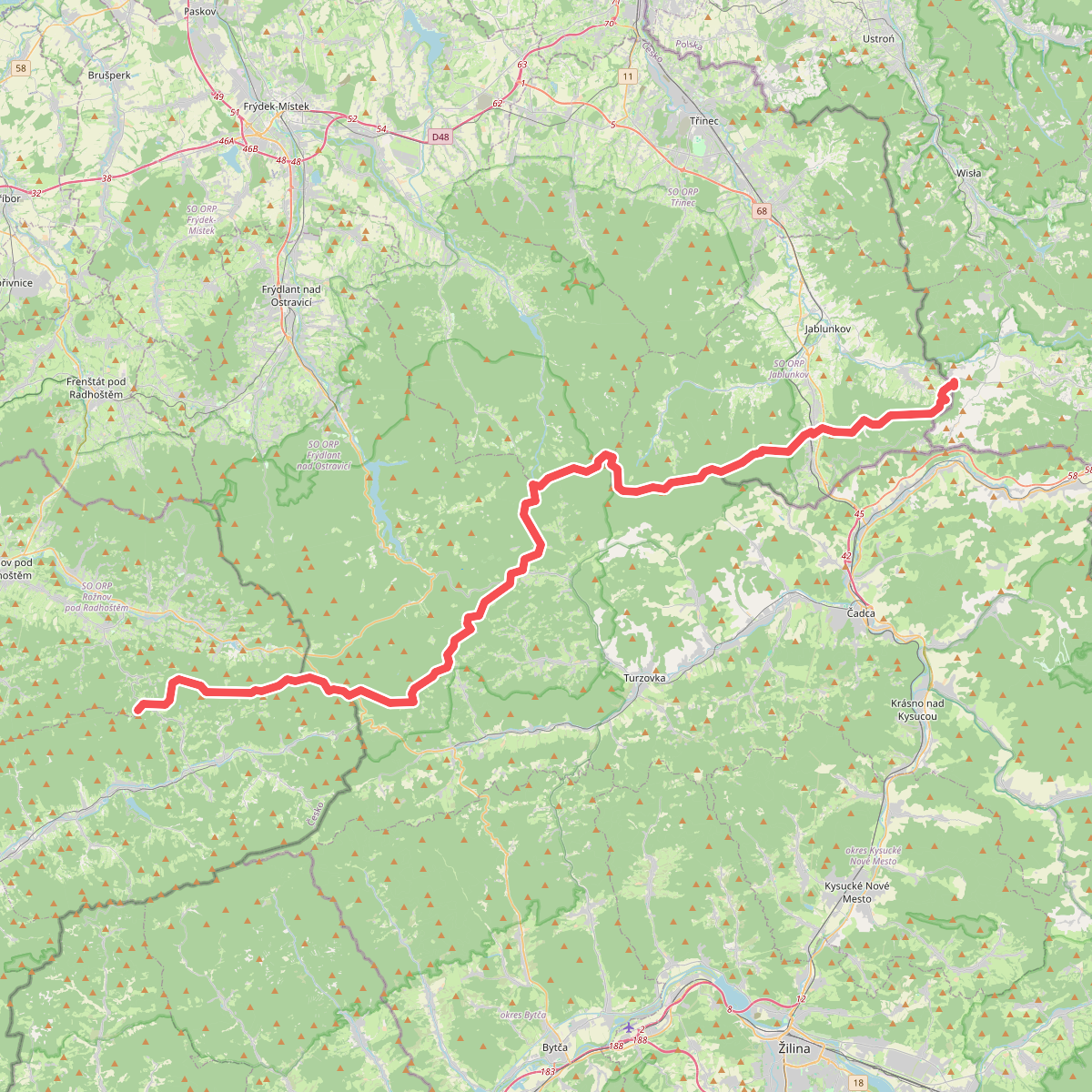
#5. Via Czechia - Centrální (12. Moravskoslezské Beskydy)
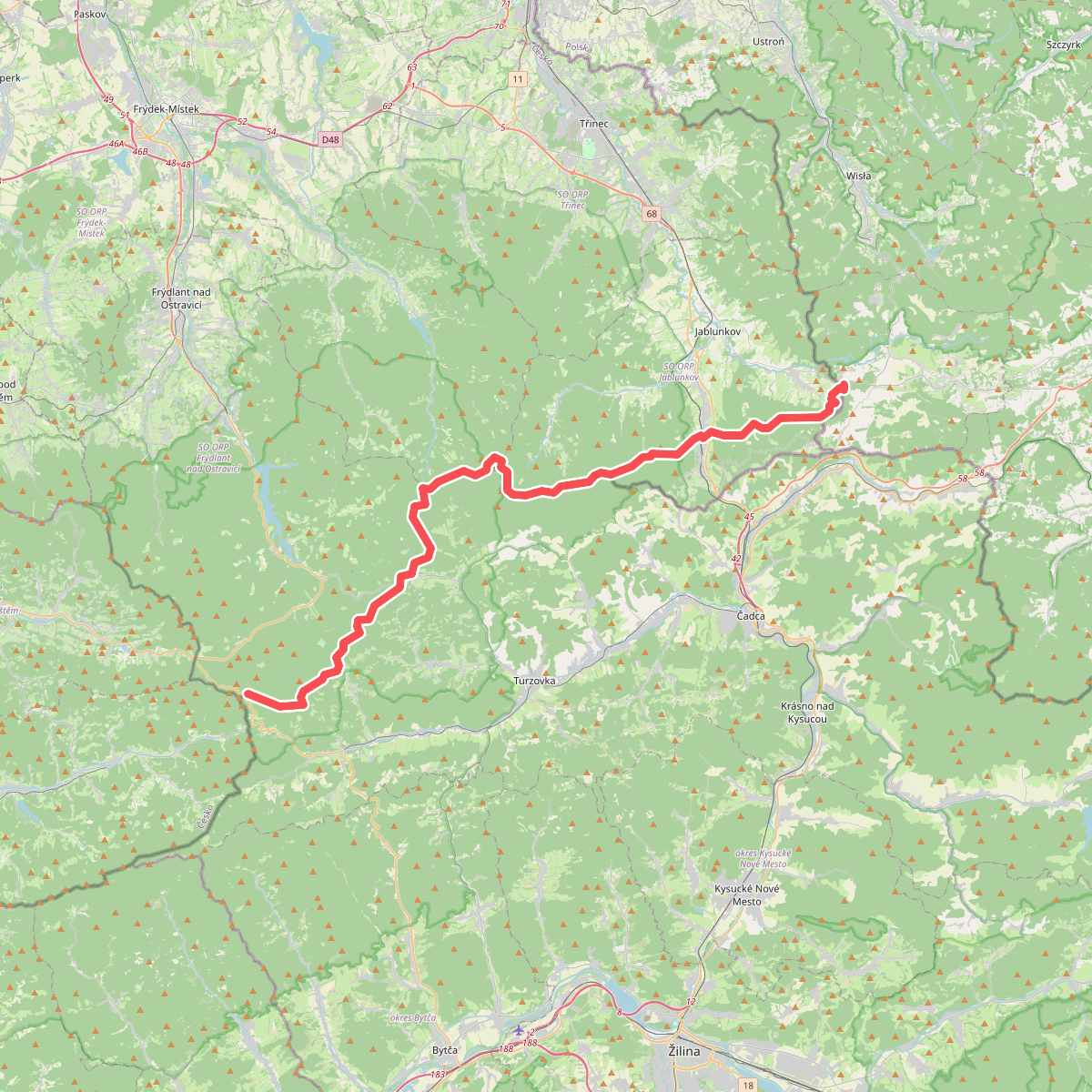
#6. Via Czechia - Jižní (1. Moravskoslezské Beskydy)
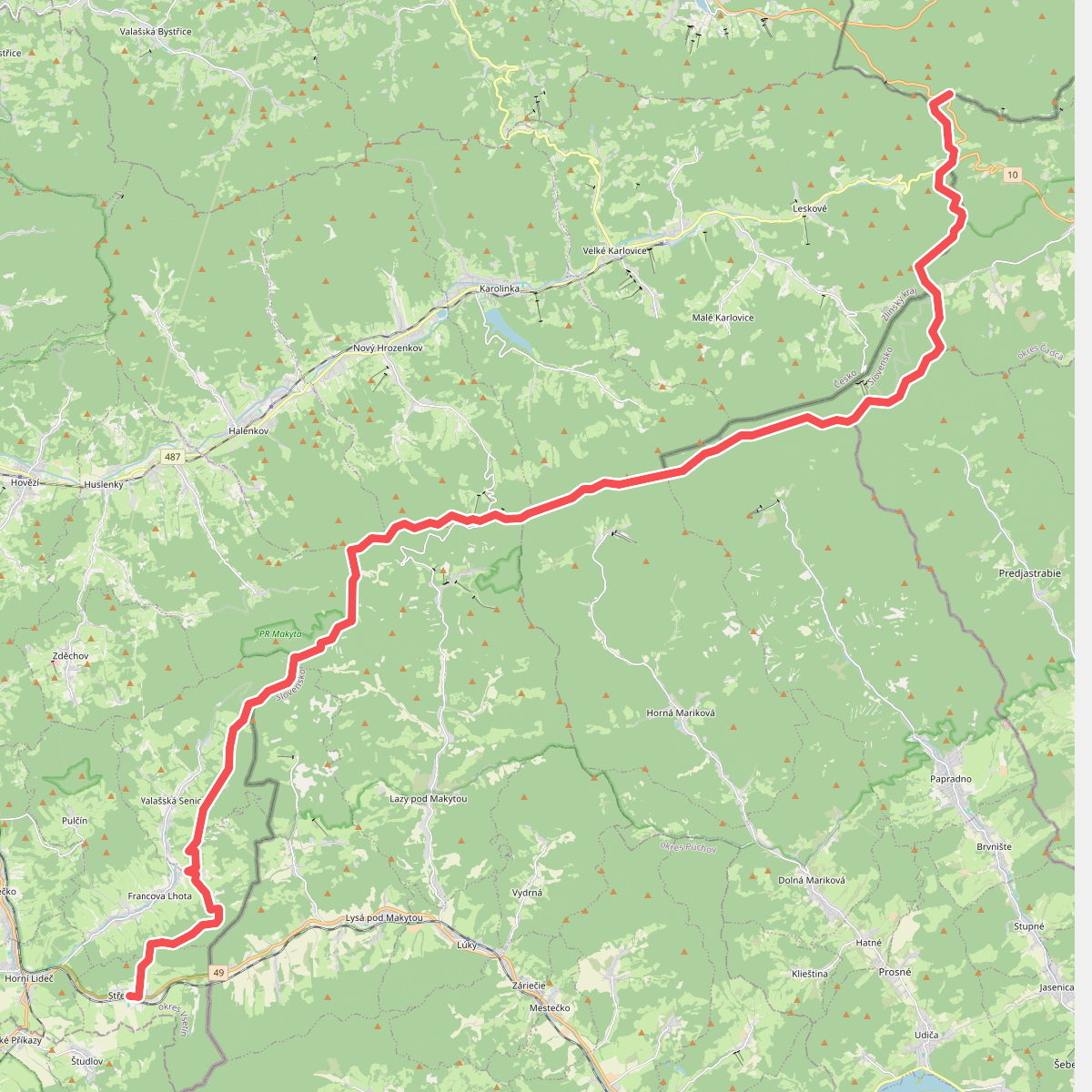
#7. Via Czechia - Jižní (2. Javorníky)