
The best hiking routes in Area naturale protetta di interesse locale Foresta di Sant'Antonio
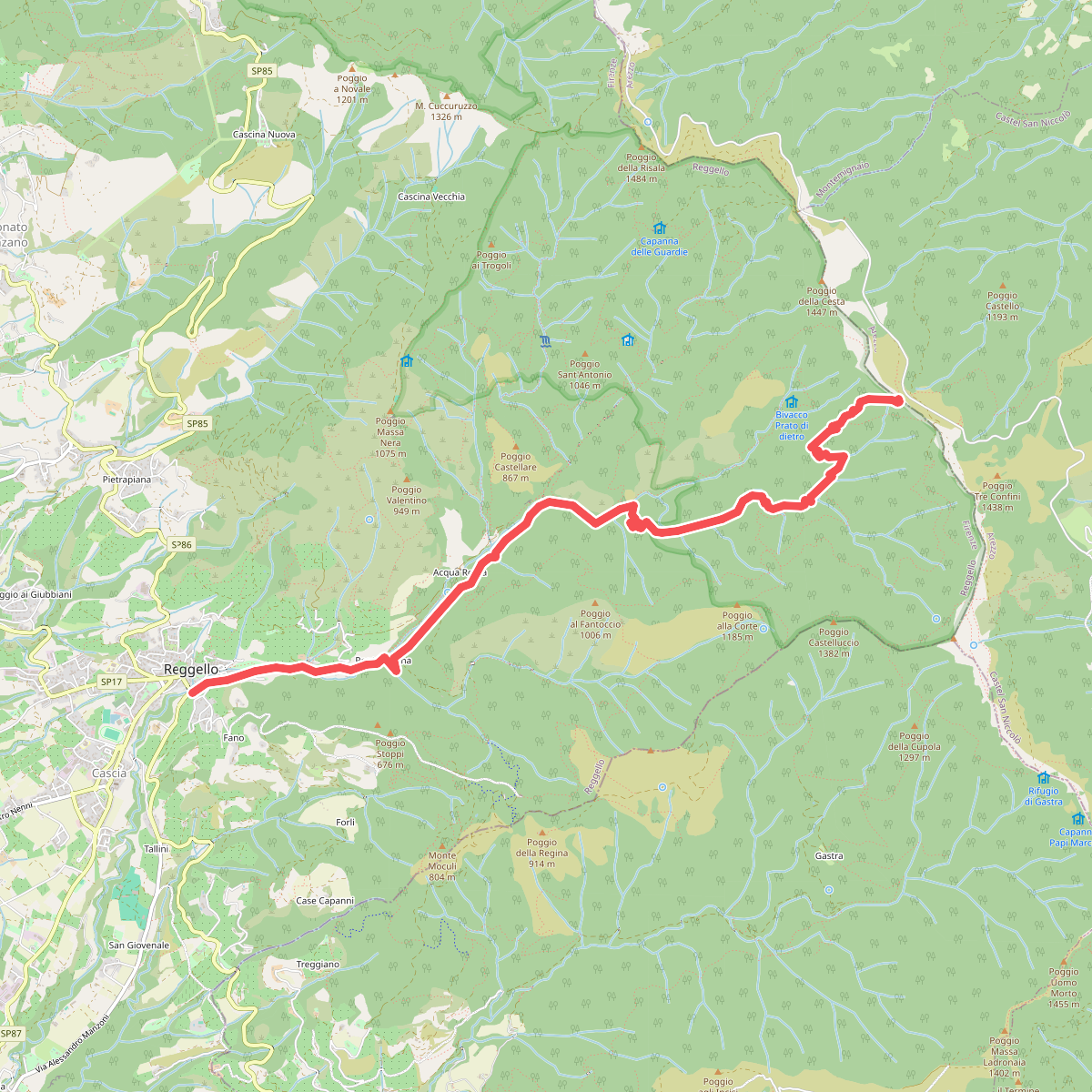
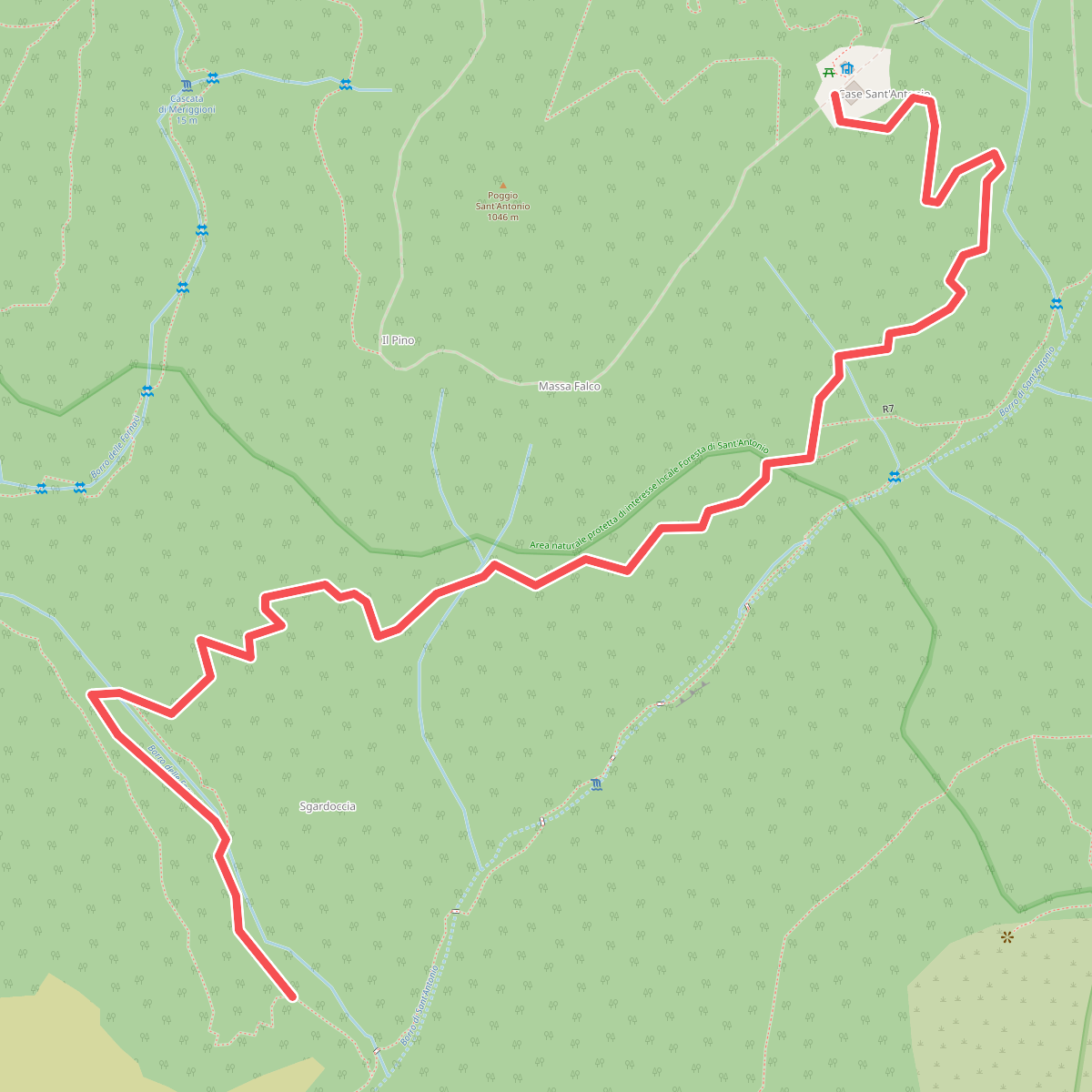
Discover the best walks in Area naturale protetta di interesse locale Foresta di Sant'Antonio. 3 routes on the map, with descriptions, photos and GPX.
About Area naturale protetta di interesse locale Foresta di Sant'Antonio
The Area naturale protetta di interesse locale Foresta di Sant'Antonio covers a steep, densely wooded section of the Pratomagno range in Tuscany. Unlike the open, rolling clay hills or cultivated olive groves typical of the lower Tuscan valleys, this reserve is characterized by a closed canopy of beech and chestnut trees. The terrain rises sharply, meaning walks here involve significant elevation gain along stony, earth-packed forest tracks rather than flat strolls.
Read more
About Area naturale protetta di interesse locale Foresta di Sant'Antonio
The Area naturale protetta di interesse locale Foresta di Sant'Antonio covers a steep, densely wooded section of the Pratomagno range in Tuscany. Unlike the open, rolling clay hills or cultivated olive groves typical of the lower Tuscan valleys, this reserve is characterized by a closed canopy of beech and chestnut trees. The terrain rises sharply, meaning walks here involve significant elevation gain along stony, earth-packed forest tracks rather than flat strolls.
Read moreThe Area naturale protetta di interesse locale Foresta di Sant'Antonio covers a steep, densely wooded section of the Pratomagno range in Tuscany. Unlike the open, rolling clay hills or cultivated olive groves typical of the lower Tuscan valleys, this reserve is characterized by a closed canopy of beech and chestnut trees. The terrain rises sharply, meaning walks here involve significant elevation gain along stony, earth-packed forest tracks rather than flat strolls.
As you walk through the forest, the transition in tree species reveals the changing elevation and past land use. Lower down, old chestnut stands dominate, historically managed for food, while the higher slopes transition into dense beech woods. The underfoot conditions are defined by thick leaf litter, exposed tree roots, and damp soil, with several small mountain streams cutting through the valleys, requiring occasional stepping-stone crossings.
This is a place for deep woodland immersion rather than wide, sweeping valley panoramas. The high canopy keeps the forest floor shaded and relatively cool even in midsummer, though it also means views of the surrounding Tuscan landscape are limited to occasional clearings. It is a quiet, working forest environment where the focus remains on the immediate details of the woodland floor, mossy stone walls, and the sound of running water.