
The best hiking routes in Aralar parke naturala
Discover the best walks in Aralar parke naturala. 28 routes on the map, with descriptions, photos and GPX.
About Aralar parke naturala
Aralar parke naturala is characterized by its stark limestone karst formations, which rise sharply above green pastures. This is a high-altitude limestone plateau where sheep grazing has shaped the open grasslands for thousands of years. Unlike the softer sandstone hills nearby, the terrain here is defined by deep sinkholes, lapiaz pavements, and steep rocky crests. Underfoot, you will mostly encounter rough limestone trails, loose scree, and grassy sheep tracks rather than paved paths.
Read more
About Aralar parke naturala
Aralar parke naturala is characterized by its stark limestone karst formations, which rise sharply above green pastures. This is a high-altitude limestone plateau where sheep grazing has shaped the open grasslands for thousands of years. Unlike the softer sandstone hills nearby, the terrain here is defined by deep sinkholes, lapiaz pavements, and steep rocky crests. Underfoot, you will mostly encounter rough limestone trails, loose scree, and grassy sheep tracks rather than paved paths.
Read moreAralar parke naturala is characterized by its stark limestone karst formations, which rise sharply above green pastures. This is a high-altitude limestone plateau where sheep grazing has shaped the open grasslands for thousands of years. Unlike the softer sandstone hills nearby, the terrain here is defined by deep sinkholes, lapiaz pavements, and steep rocky crests. Underfoot, you will mostly encounter rough limestone trails, loose scree, and grassy sheep tracks rather than paved paths.
The landscape is divided between these exposed, stony heights and dense, dark beech forests that cling to the lower slopes and ravines. Walking through the beech woods, the ground is covered in leaf litter and mossy limestone boulders, while the open ridges offer clear views of the surrounding Basque valleys. Water is scarce on the surface of the plateau, as rainfall immediately disappears into the porous karst network, leaving the high pastures dry and dependent on seasonal mists.
This park is not a place for gentle, flat strolls or sandy heathlands. It is a rugged, mountainous terrain where navigation can become difficult when low clouds settle over the unmarked limestone pavements. While the sanctuary of San Miguel de Aralar and its access roads attract visitors, the higher limestone ridges and the interior pastures of Alotza remain quiet, dominated by free-roaming livestock and stone shepherds' huts.
Hiking routes in Aralar parke naturala (28)
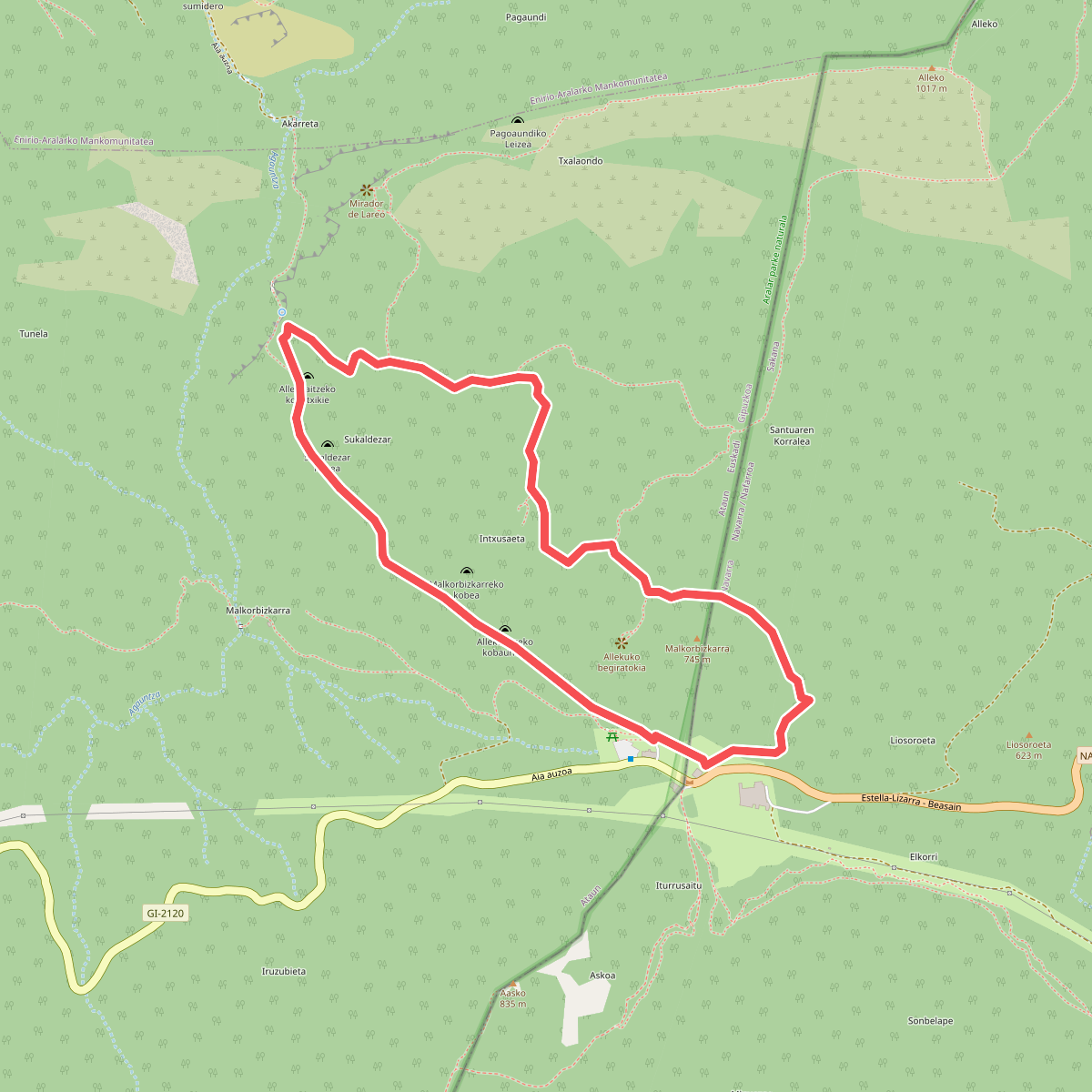
#1. Allekupeko baso-bidea
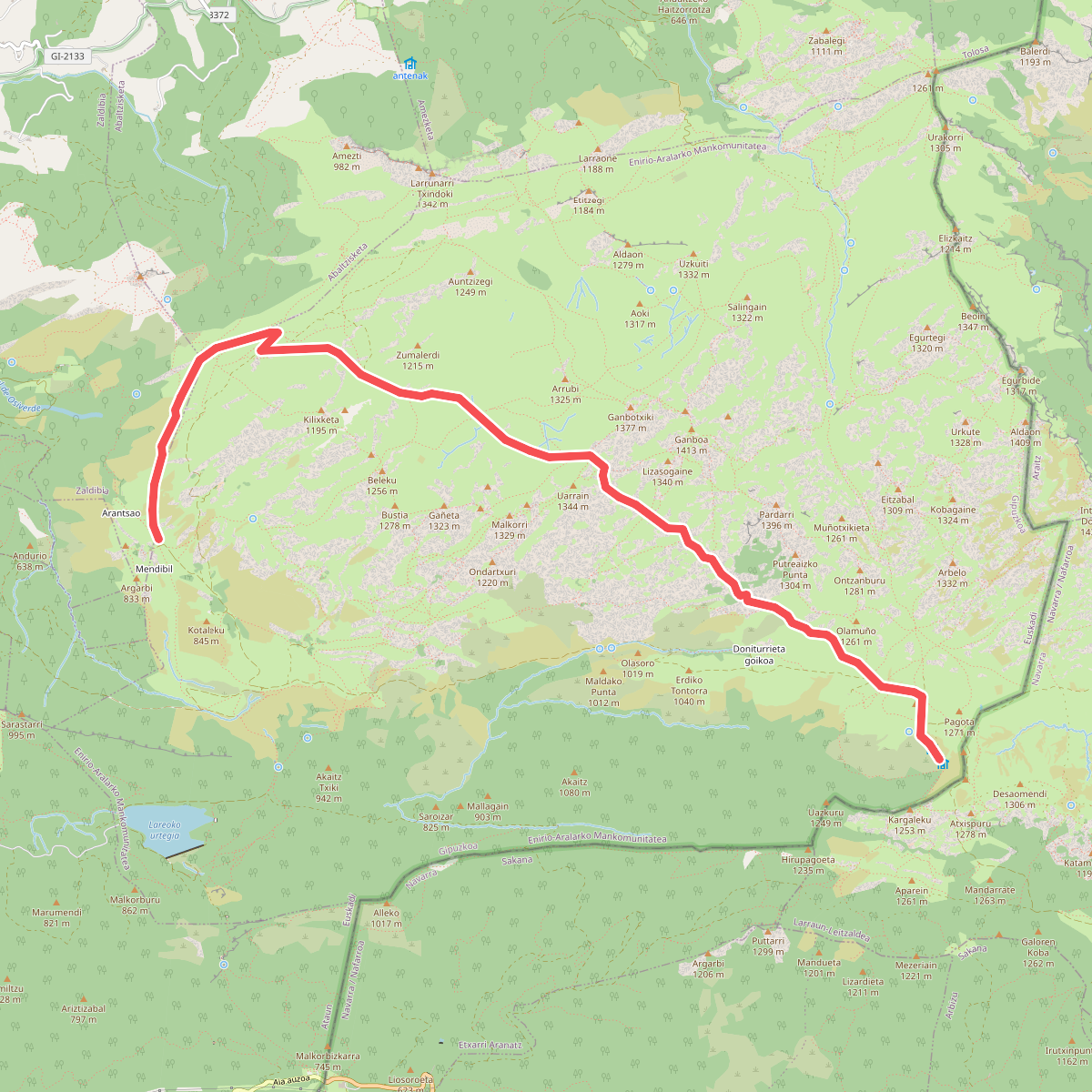
#2. Alotza bidea
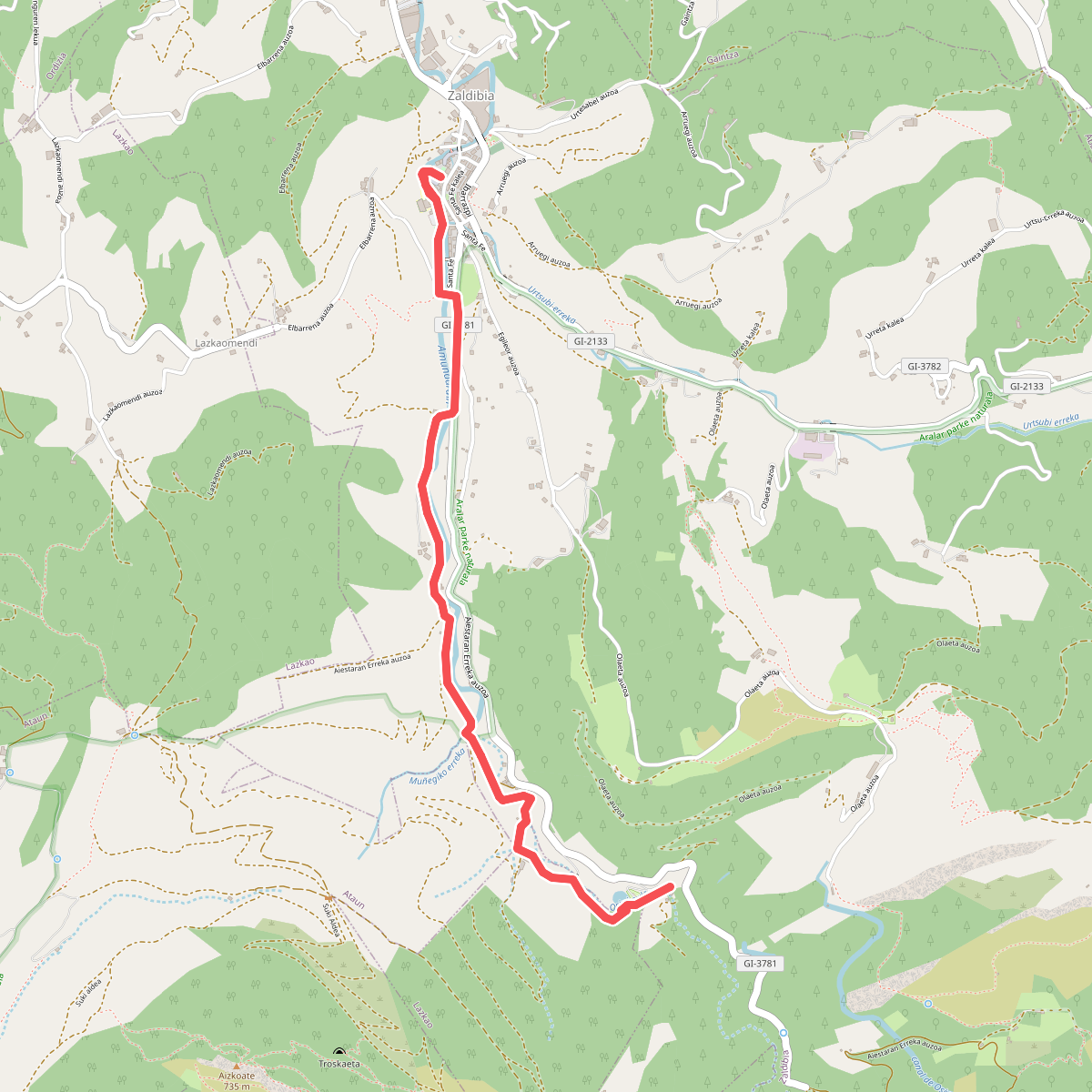
#3. Amundarainerreka ibilbidea
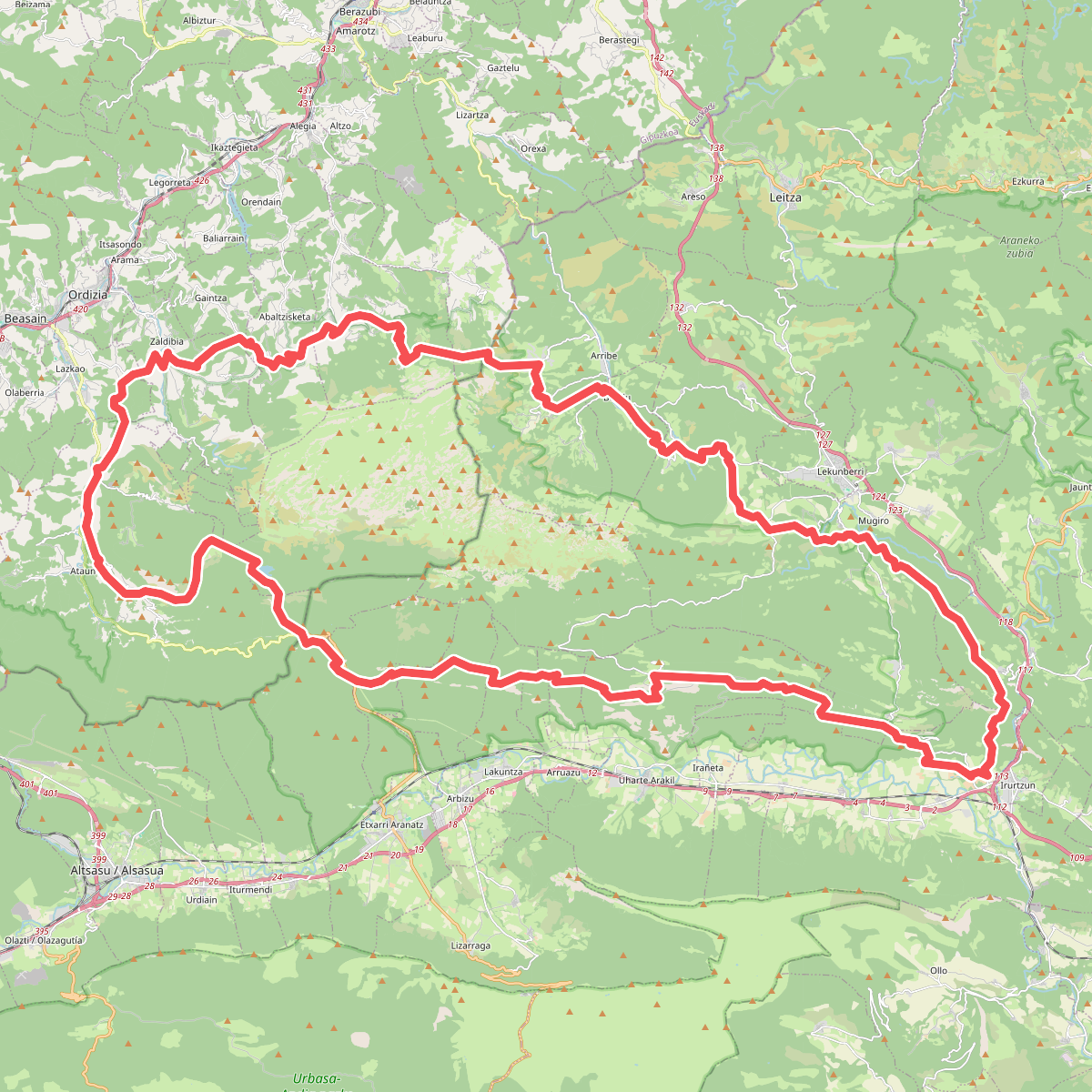
#4. Aralarko bira
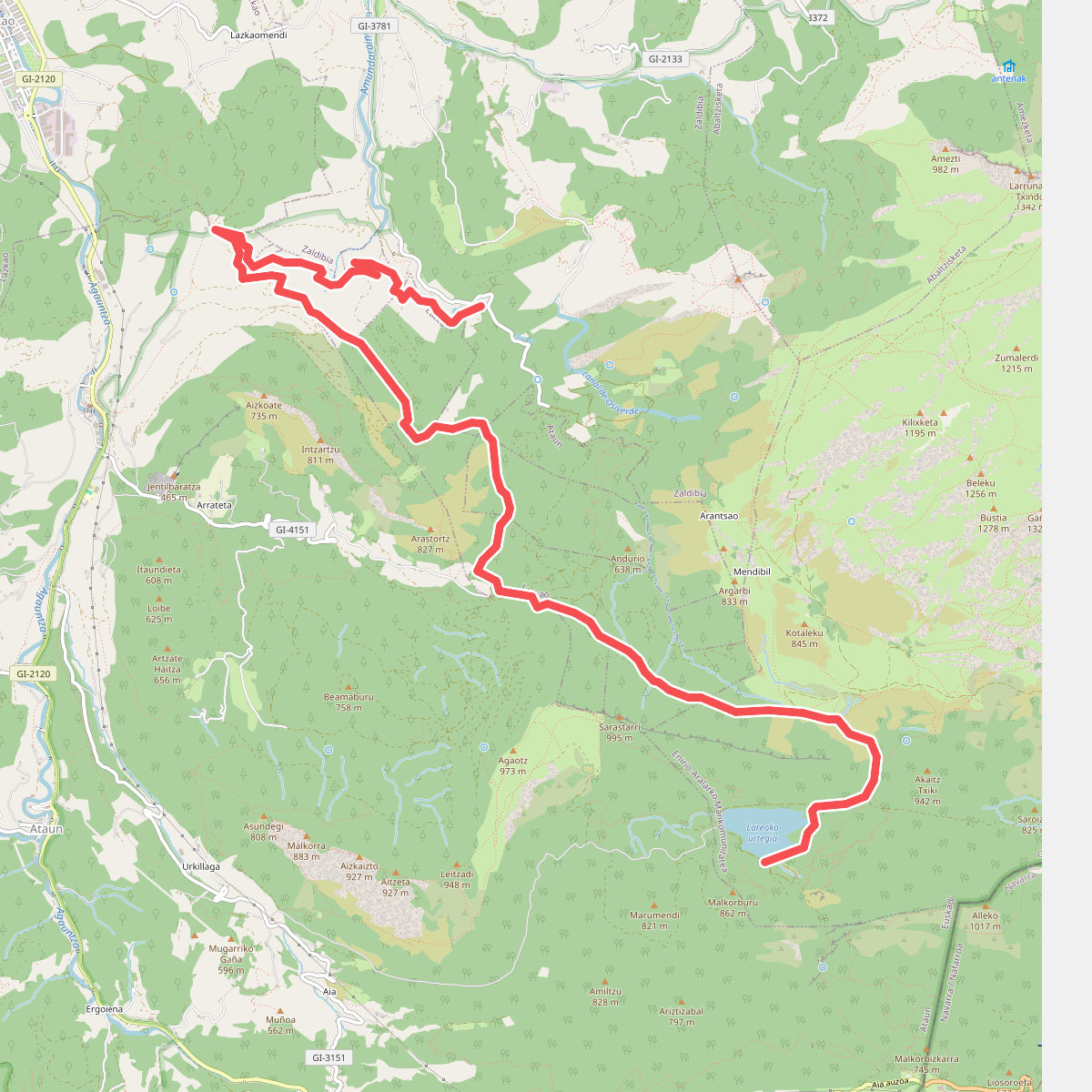
#5. Arkaka - Lareo ibilbidea
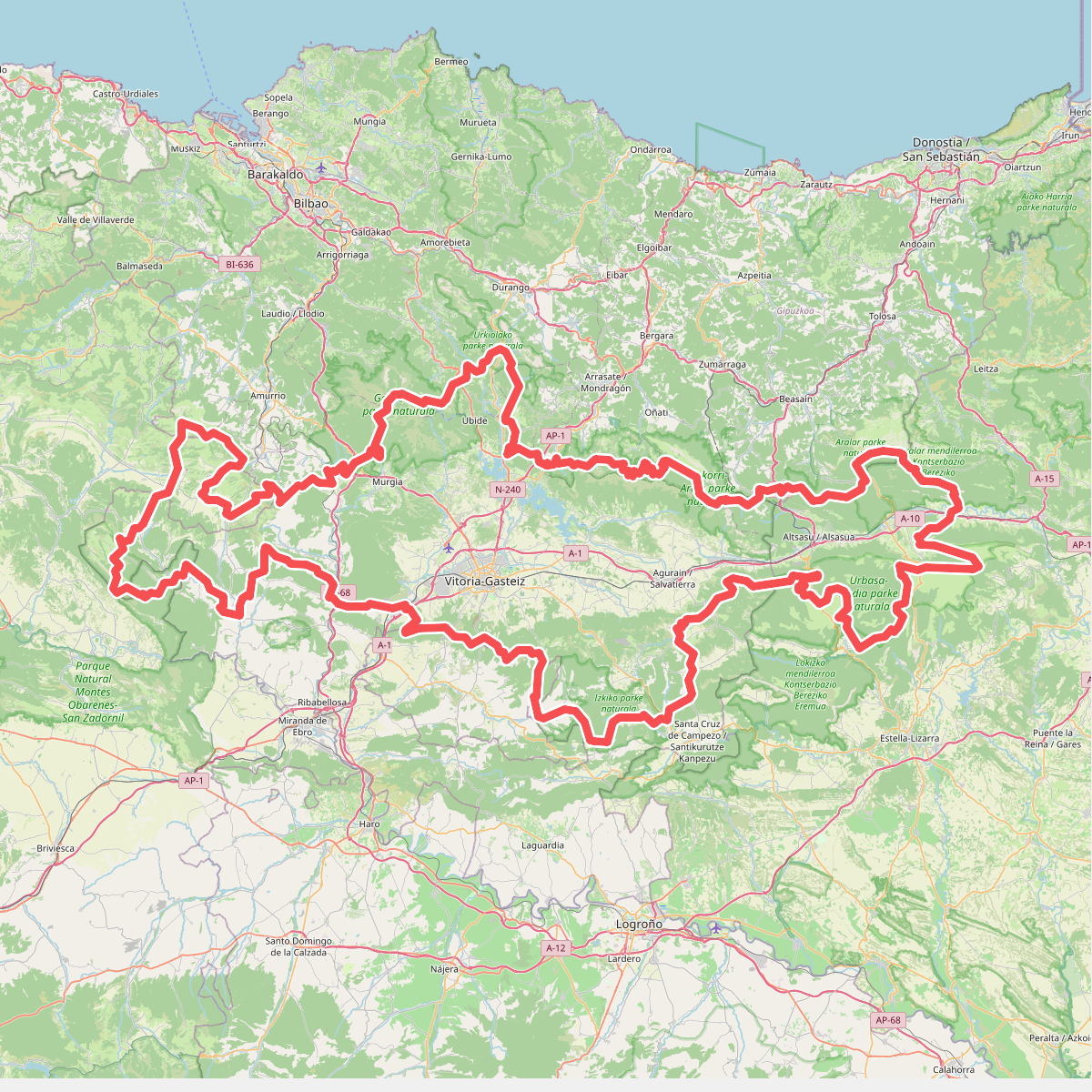
#6. Artzaintza naturbidea
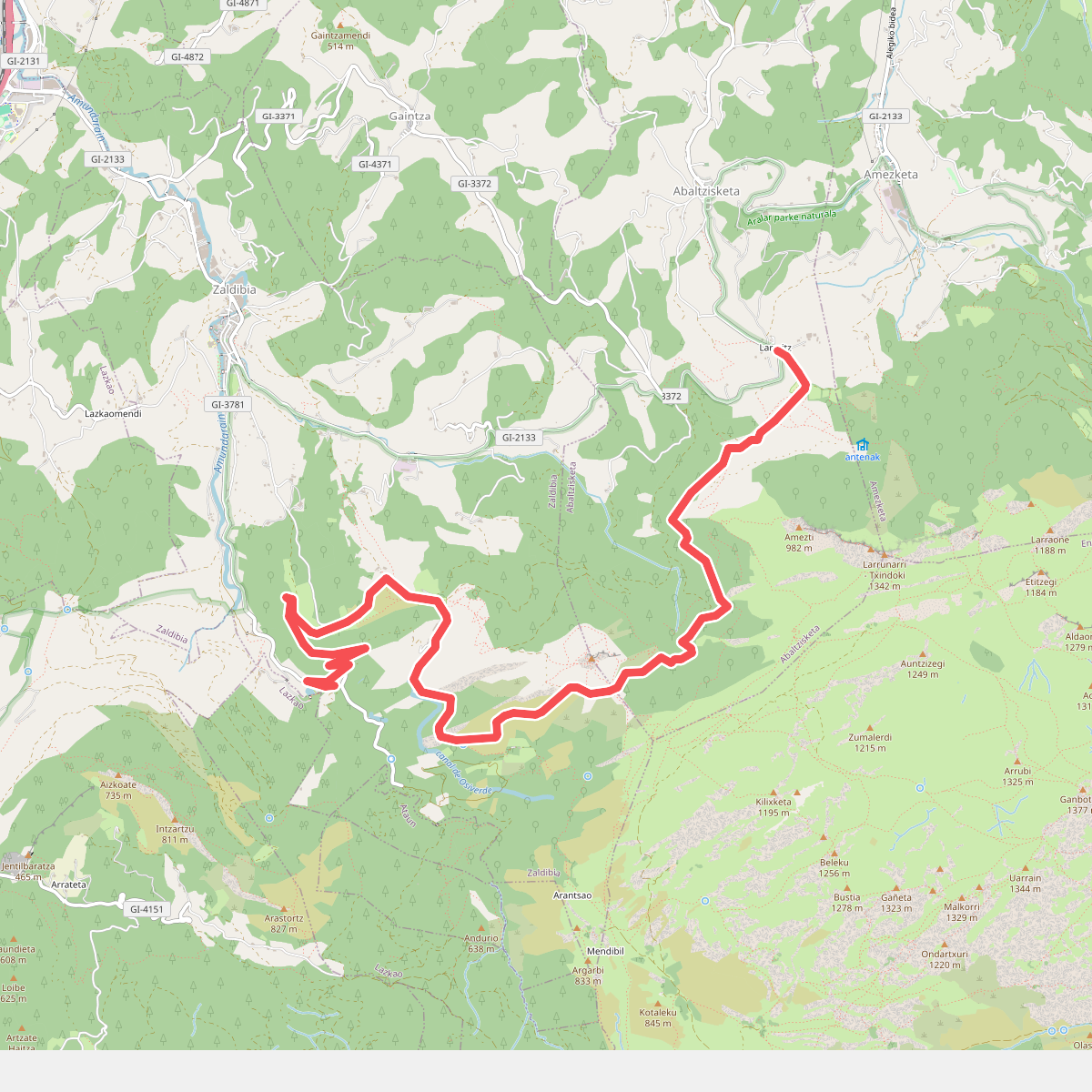
#7. Ausa Gaztelu ibilbidea
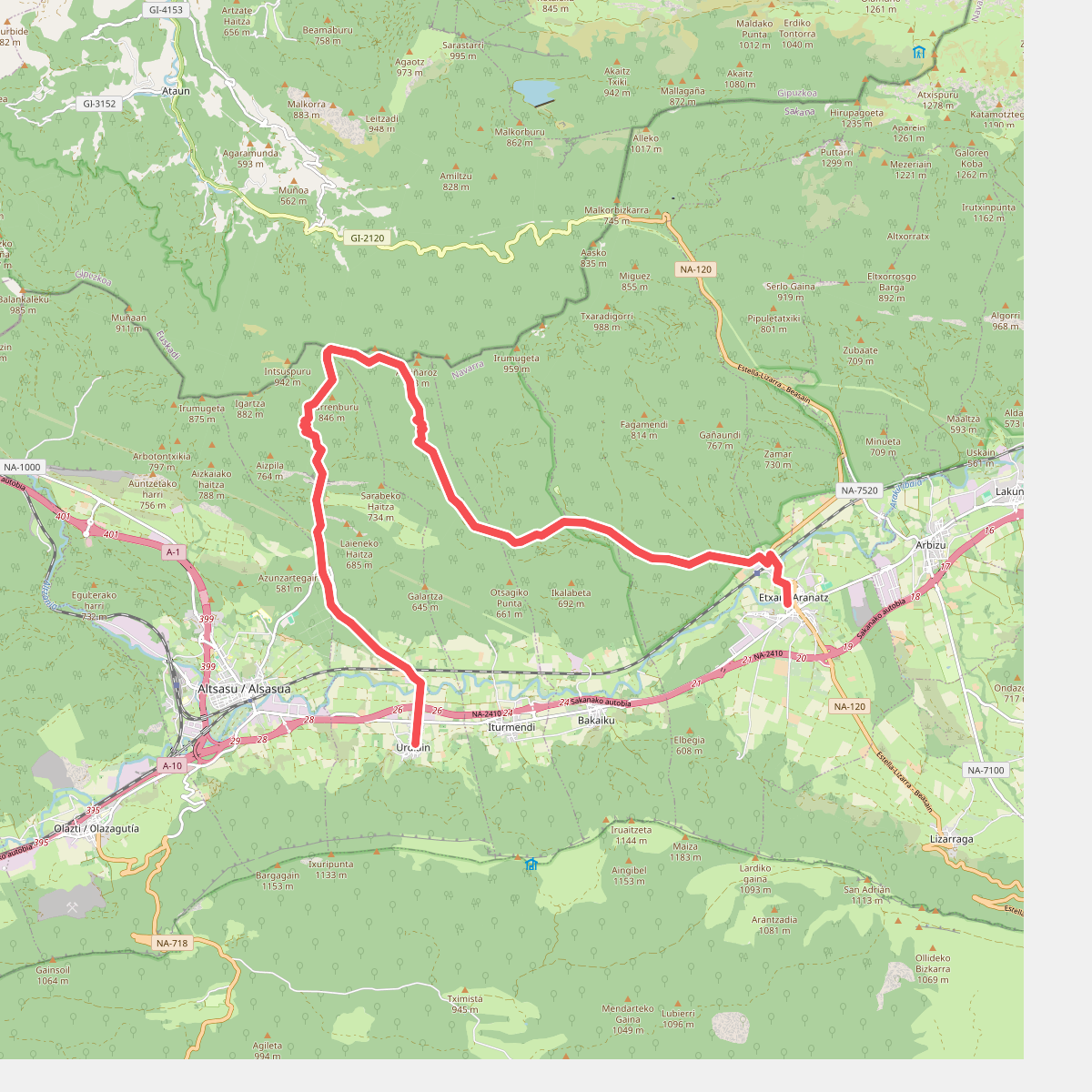
#8. Bernoako Galtzada: Etxarri Aranatz - Urdiain
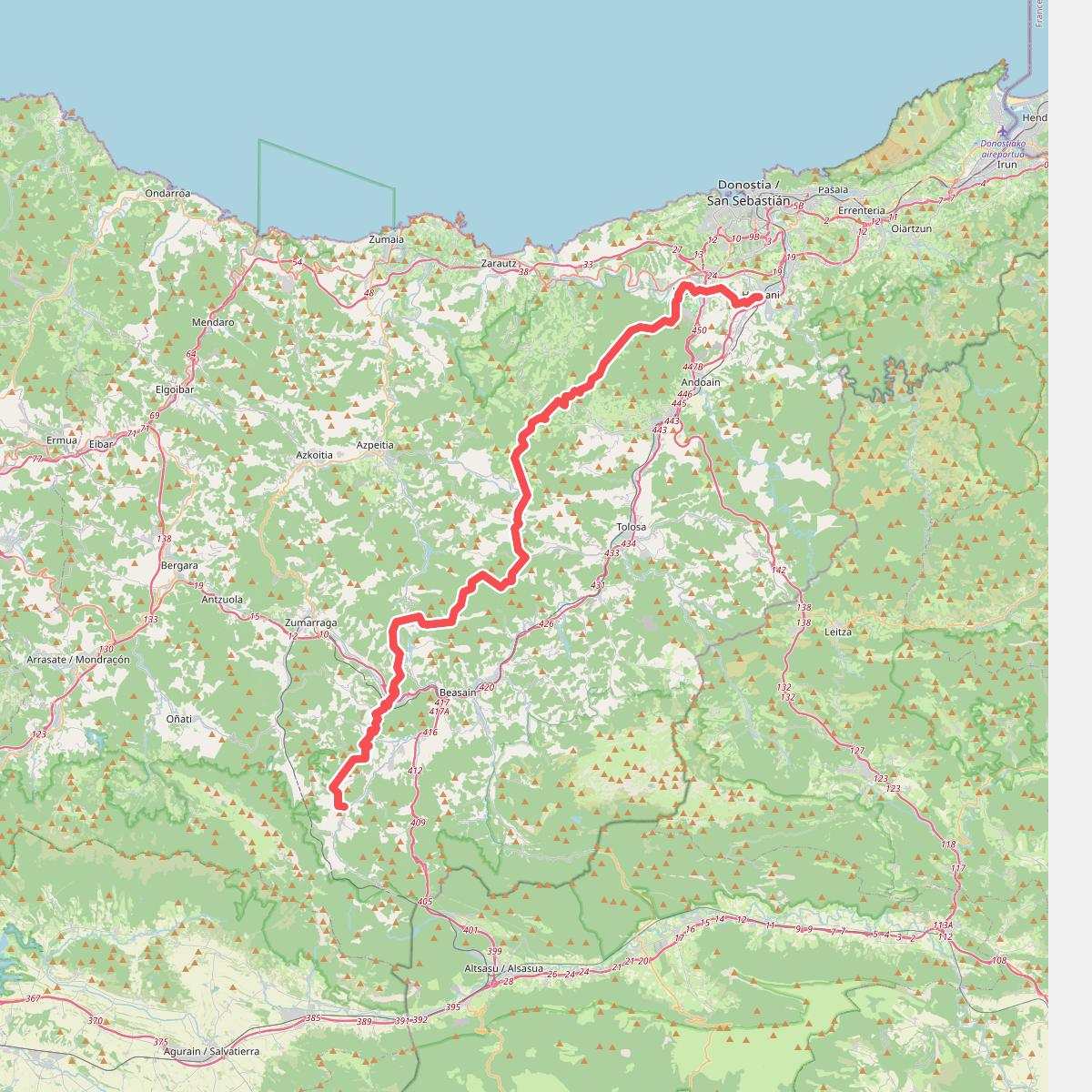
#9. Camino de Santiago Vasco del Interior - Variante de Saiatz
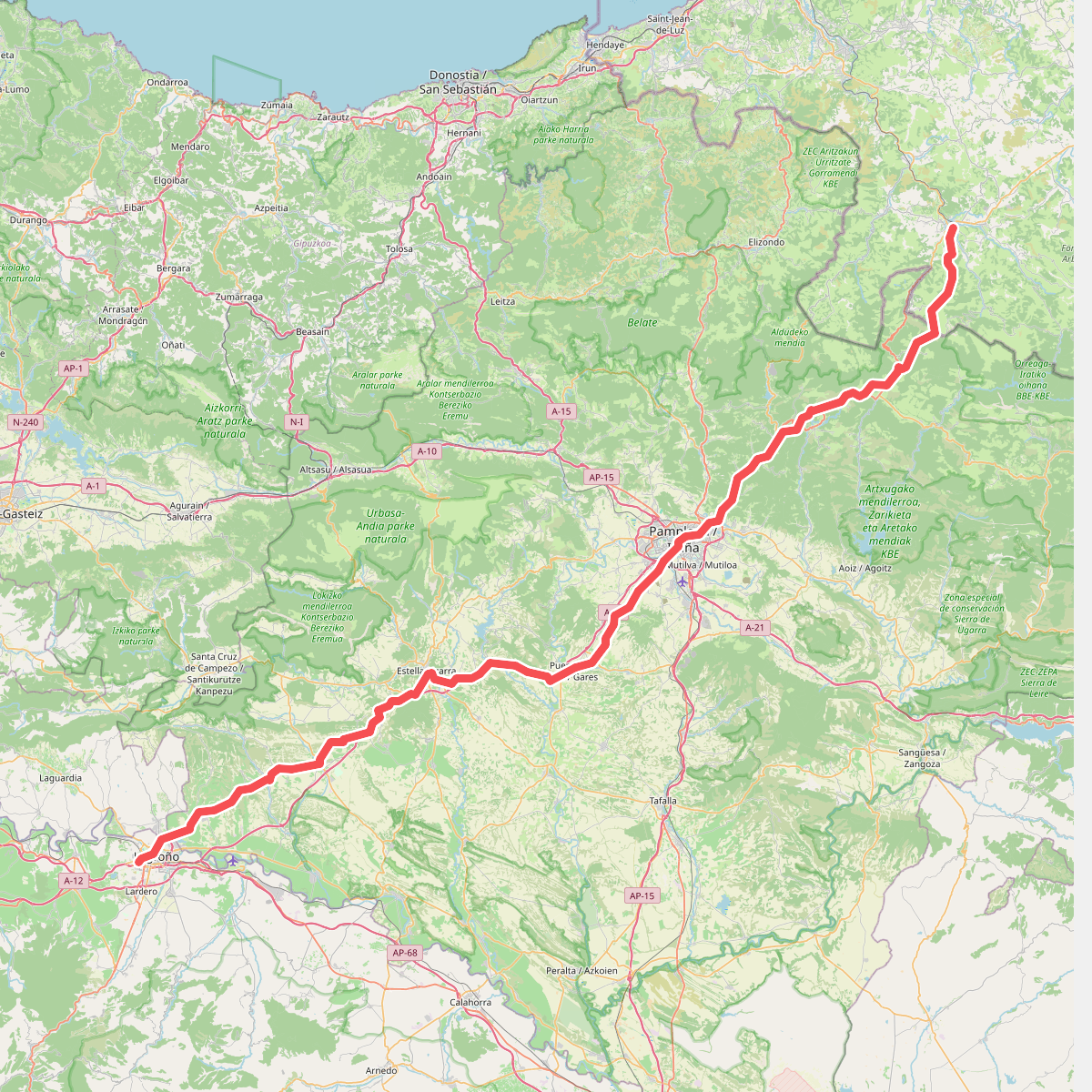
#10. Camino Francés - 01
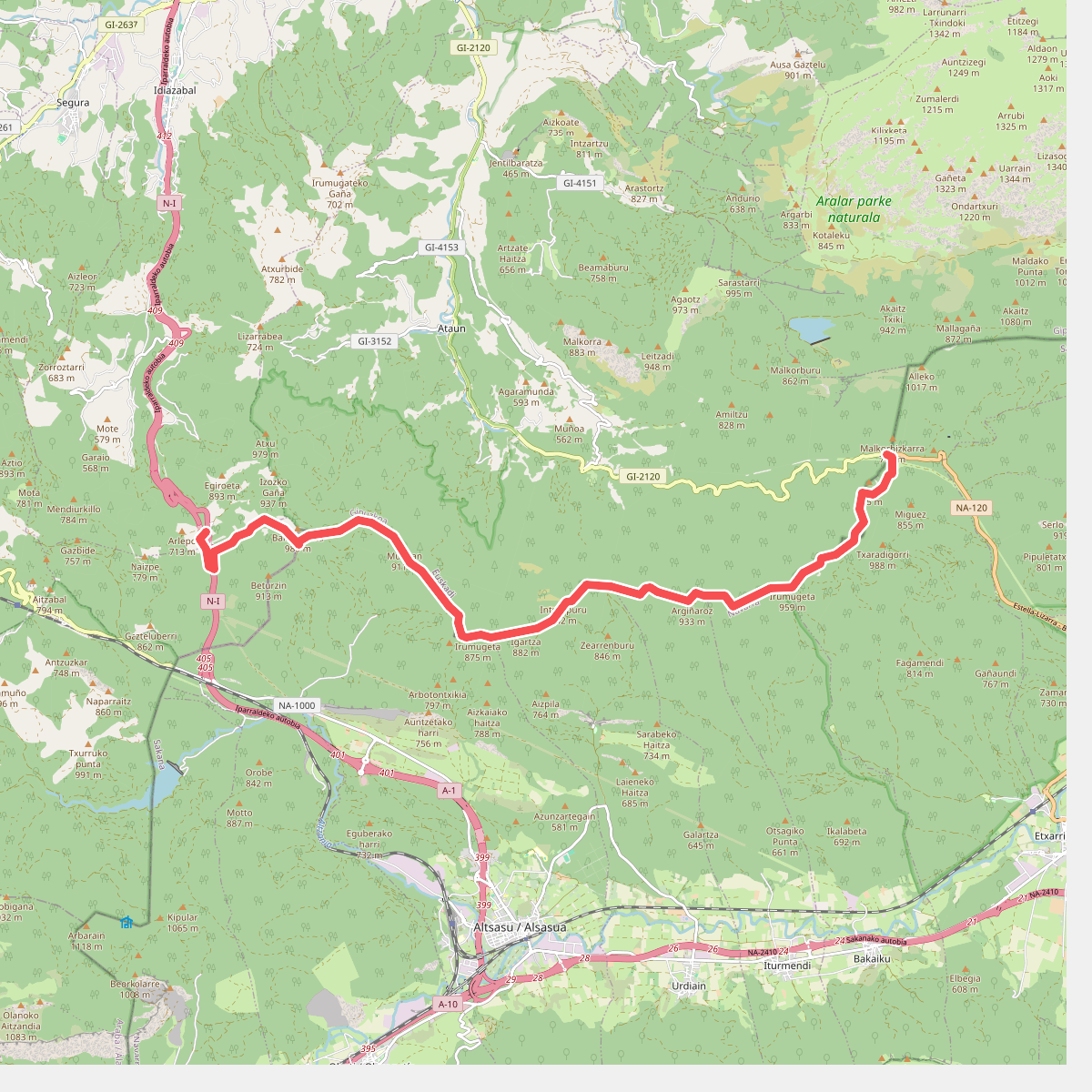
#11. E06 Gaztaren Ibilbidea: Etzegarate - Lizarrusti