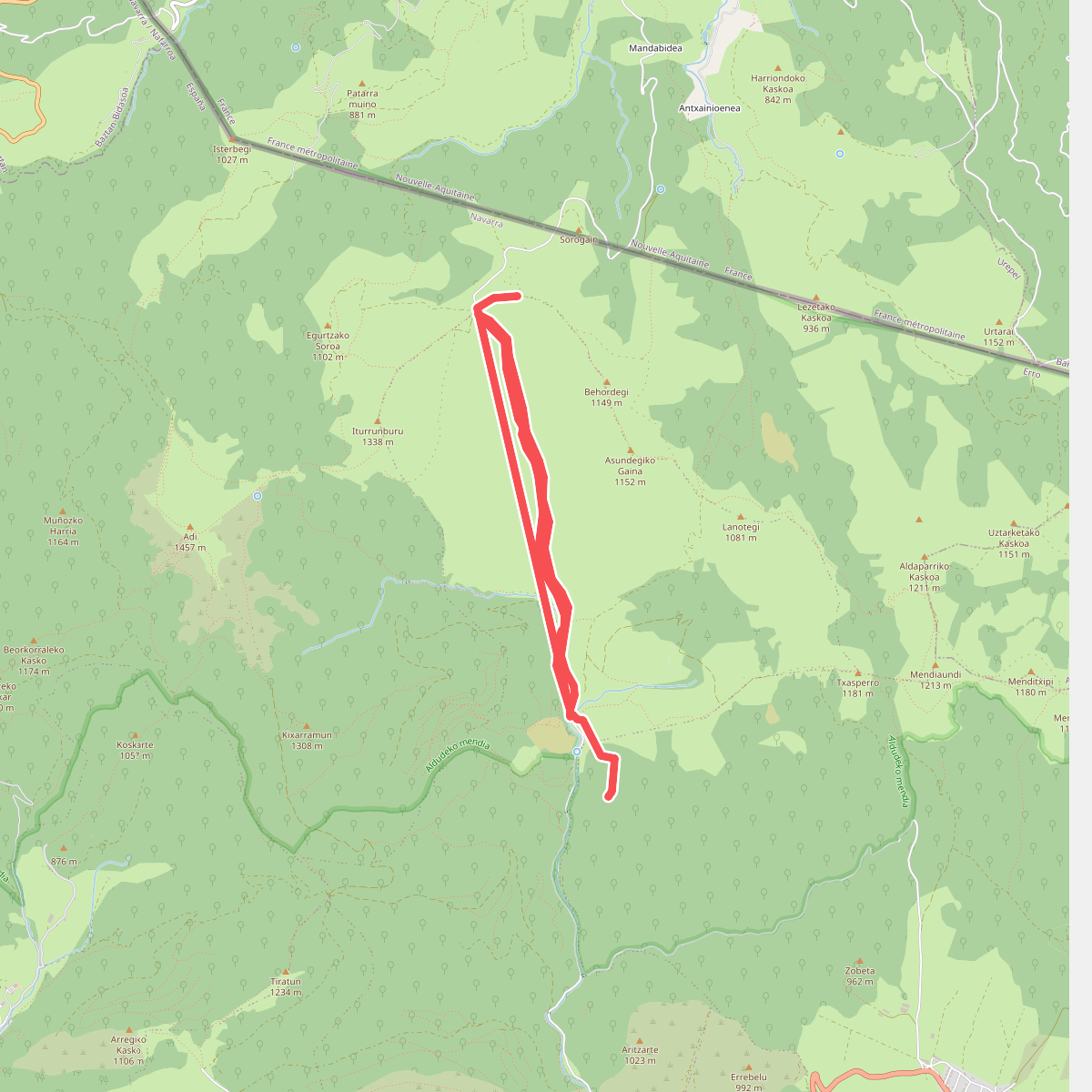

The best hiking routes in Aldudeko mendia
Discover the best walks in Aldudeko mendia. 17 routes on the map, with descriptions, photos and GPX.
About Aldudeko mendia
Aldudeko mendia offers a landscape of high, rounded ridges and steep, grassy pastures typical of the Basque Pyrenees. Unlike the rocky, jagged peaks found further east, this area is characterized by deep green valleys, extensive beech forests, and open ridge walks. The terrain is defined by its agricultural heritage, where you will constantly walk past active grazing lands for sheep, cattle, and Pottok horses, separated by old stone walls and wire fences.
Read more
About Aldudeko mendia
Aldudeko mendia offers a landscape of high, rounded ridges and steep, grassy pastures typical of the Basque Pyrenees. Unlike the rocky, jagged peaks found further east, this area is characterized by deep green valleys, extensive beech forests, and open ridge walks. The terrain is defined by its agricultural heritage, where you will constantly walk past active grazing lands for sheep, cattle, and Pottok horses, separated by old stone walls and wire fences.
Read moreAldudeko mendia offers a landscape of high, rounded ridges and steep, grassy pastures typical of the Basque Pyrenees. Unlike the rocky, jagged peaks found further east, this area is characterized by deep green valleys, extensive beech forests, and open ridge walks. The terrain is defined by its agricultural heritage, where you will constantly walk past active grazing lands for sheep, cattle, and Pottok horses, separated by old stone walls and wire fences.
Underfoot, the paths are a mix of grassy tracks along the ridges and damp, leaf-strewn soil beneath the beech canopy. The ridges are often exposed to low cloud, which can quickly obscure the trail markers, while the lower forest tracks provide more shelter. You will find that the ascents are steady but can be steep, requiring solid footwear for the muddy sections that persist under the trees.
In autumn, particularly during October, the beech forests turn a deep copper, making the woodland sections a highlight of the walk. While the main ridge trails are well-known to local hikers, the deeper forest paths remain quiet. This is a working pastoral landscape rather than a wilderness, so expect to share the space with livestock and occasional farm vehicles.
Hiking routes in Aldudeko mendia (17)
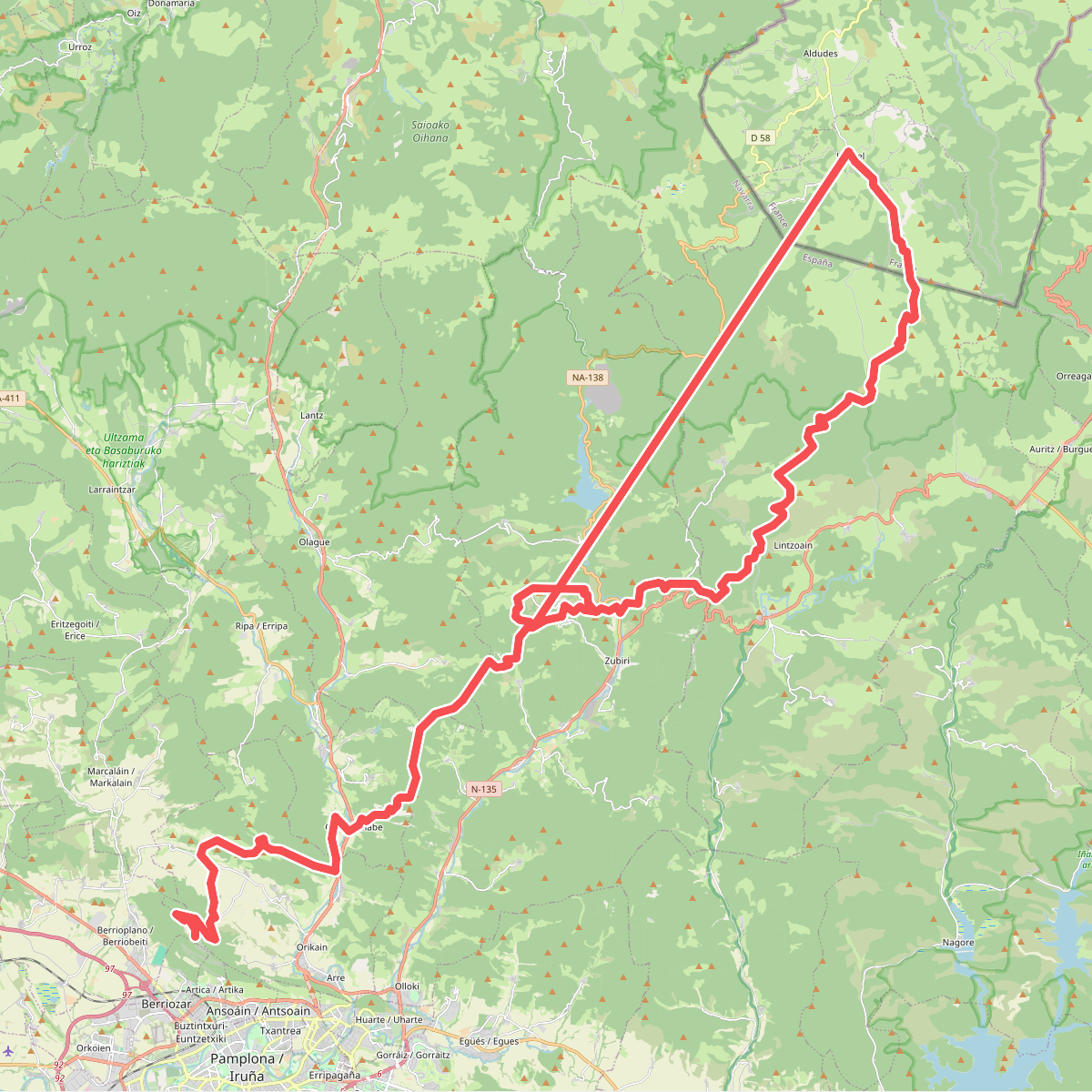
#1. 1938ko Ezkabako Ihesa
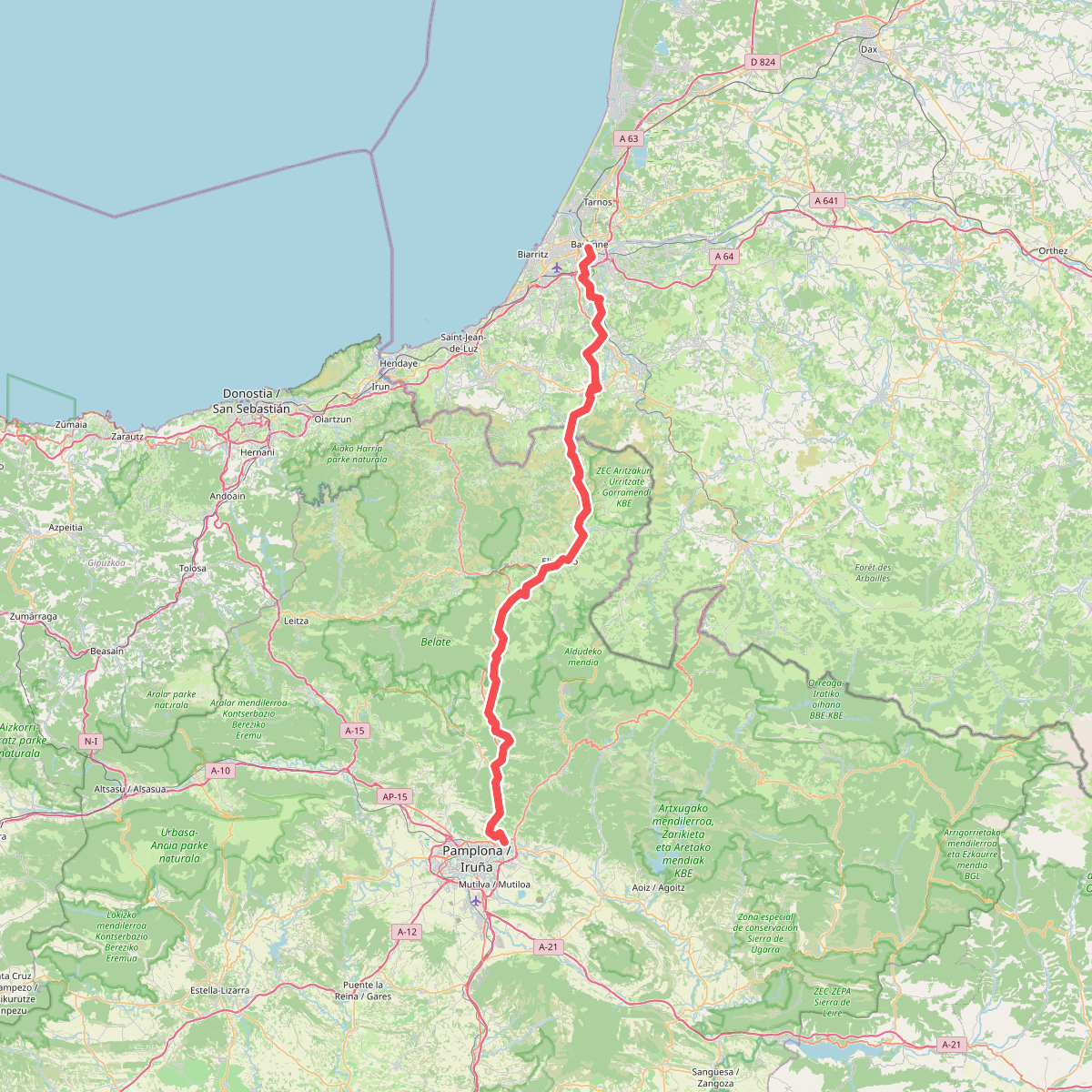
#2. Baztango Donejakue bidea
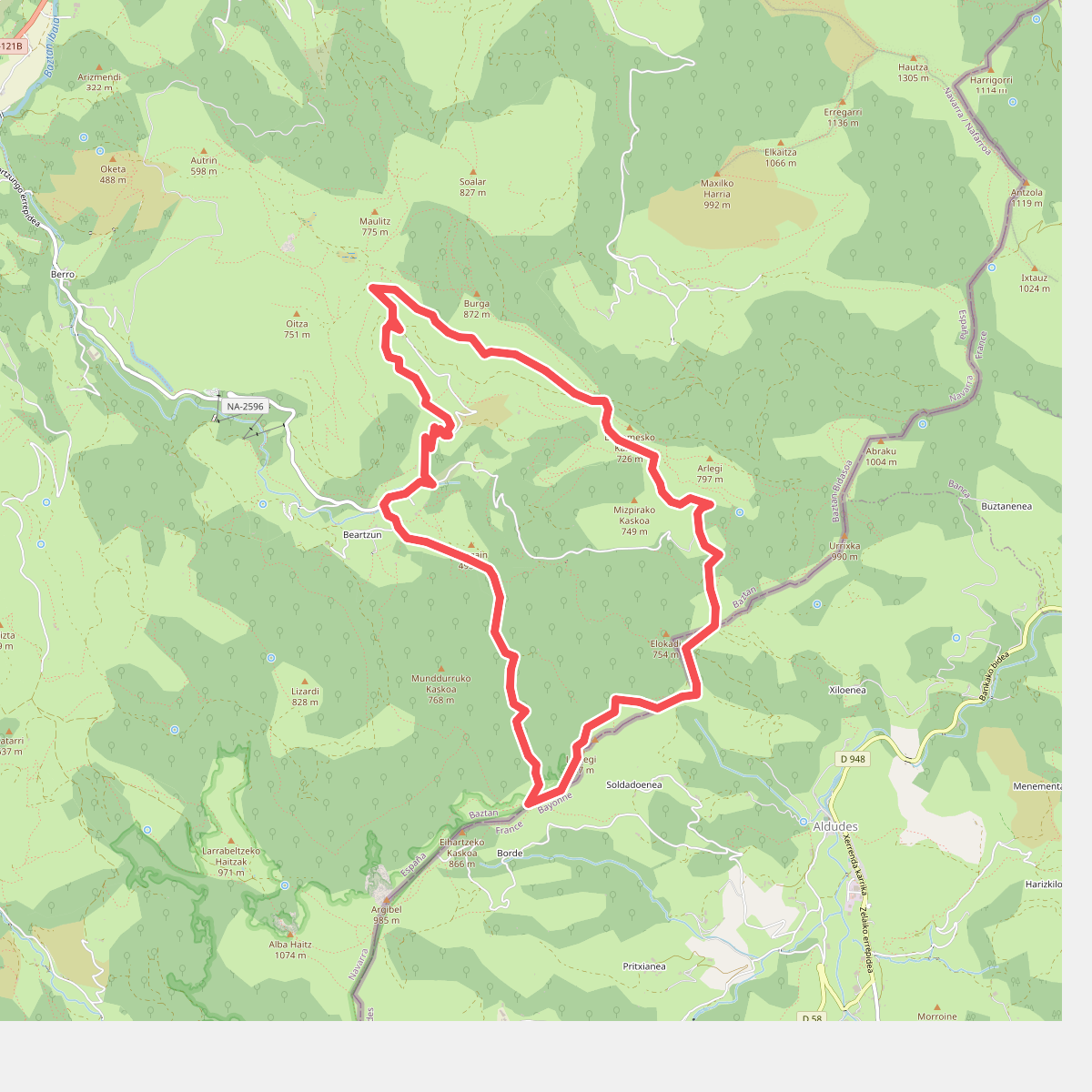
#3. Beartzun
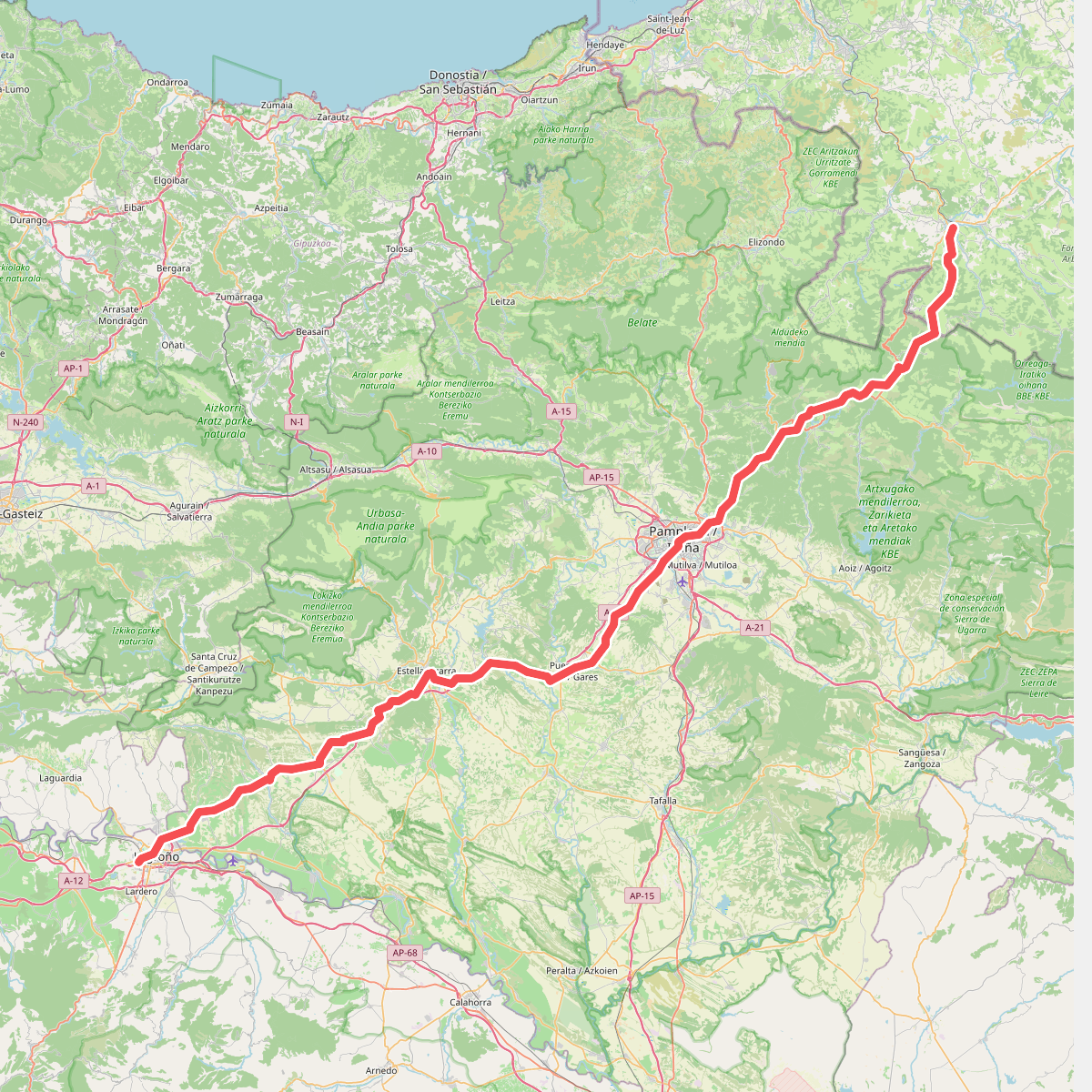
#4. Camino Francés - 01
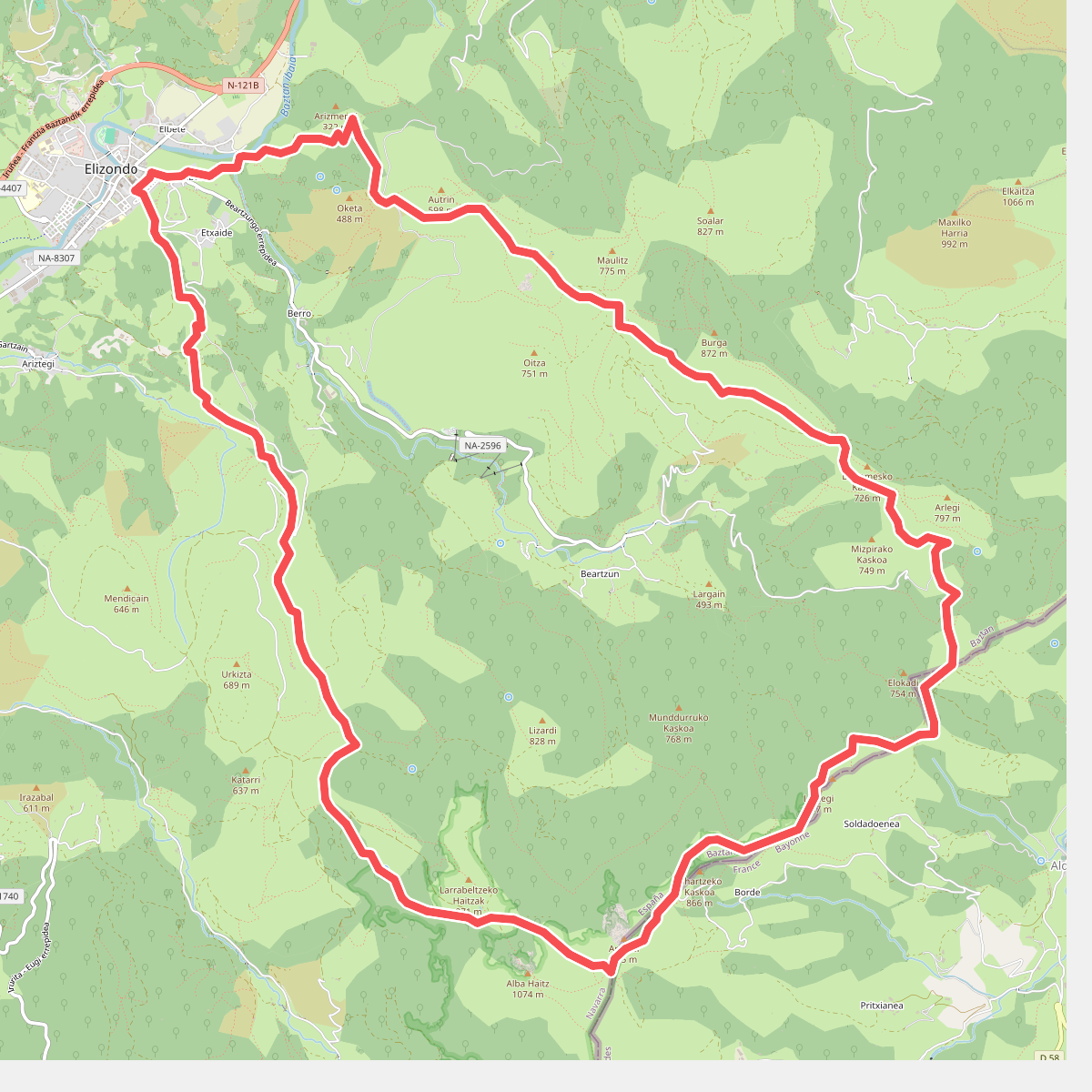
#5. Elizondo - Berderiz - Argibel - Elizondo
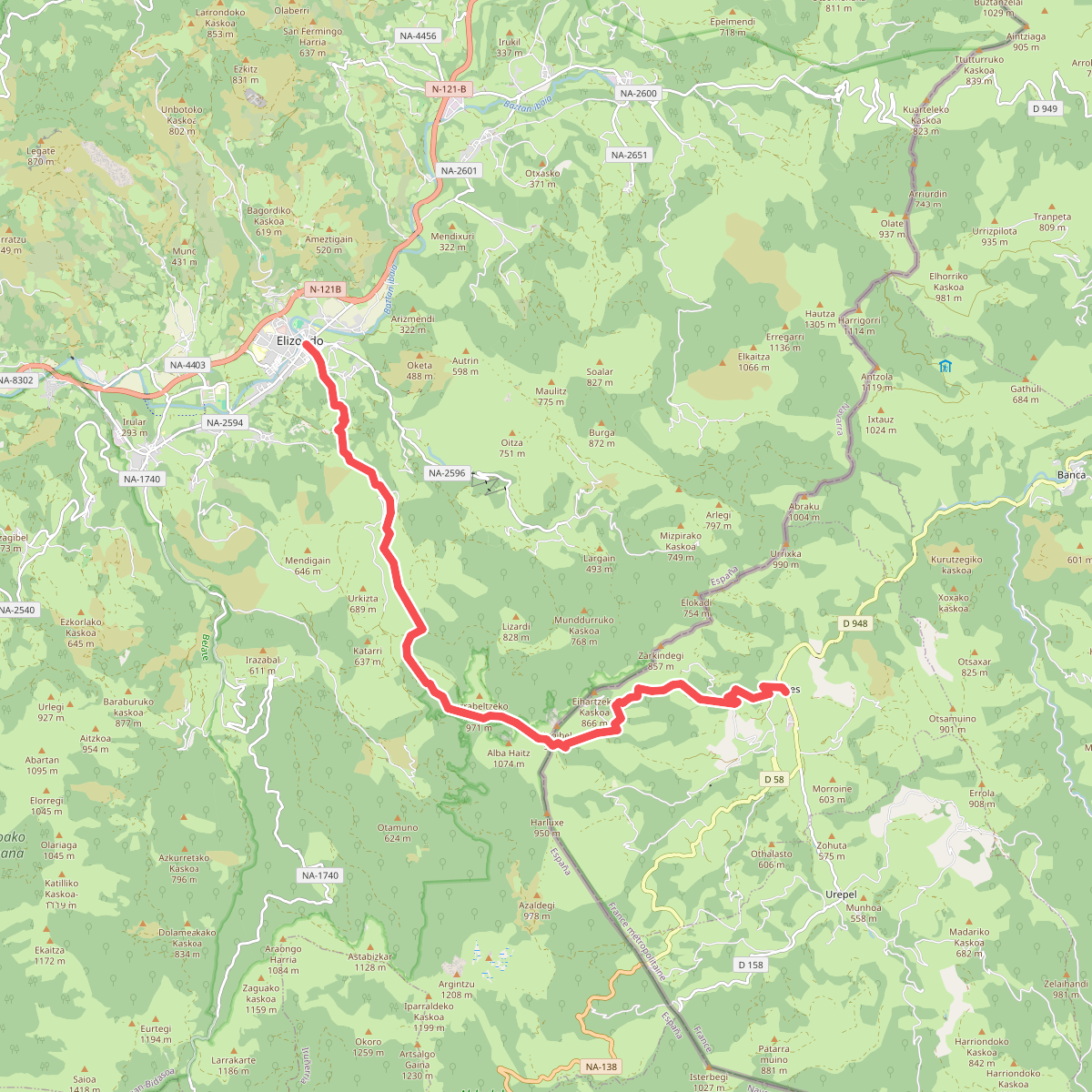
#6. Étape 03
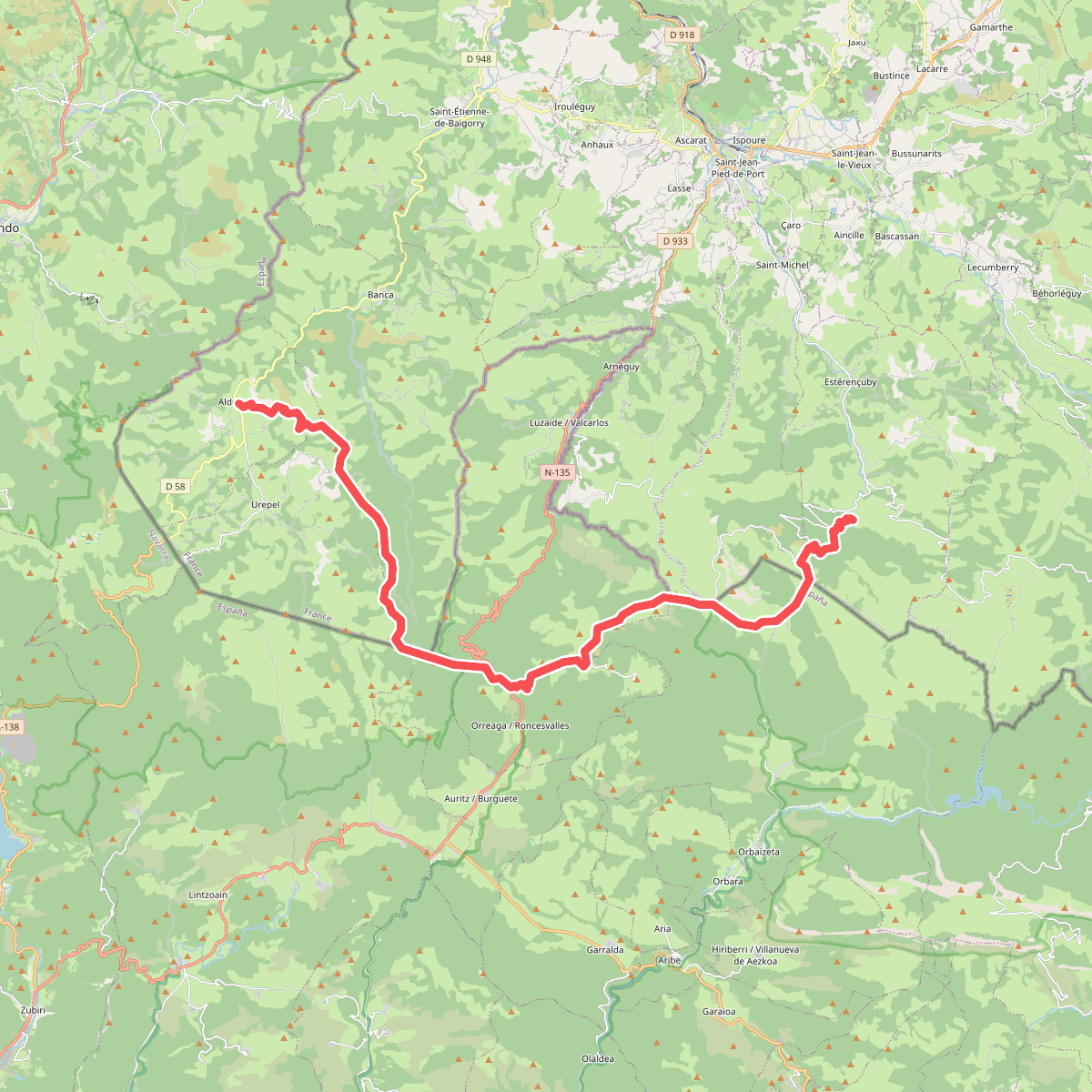
#7. Étape 04
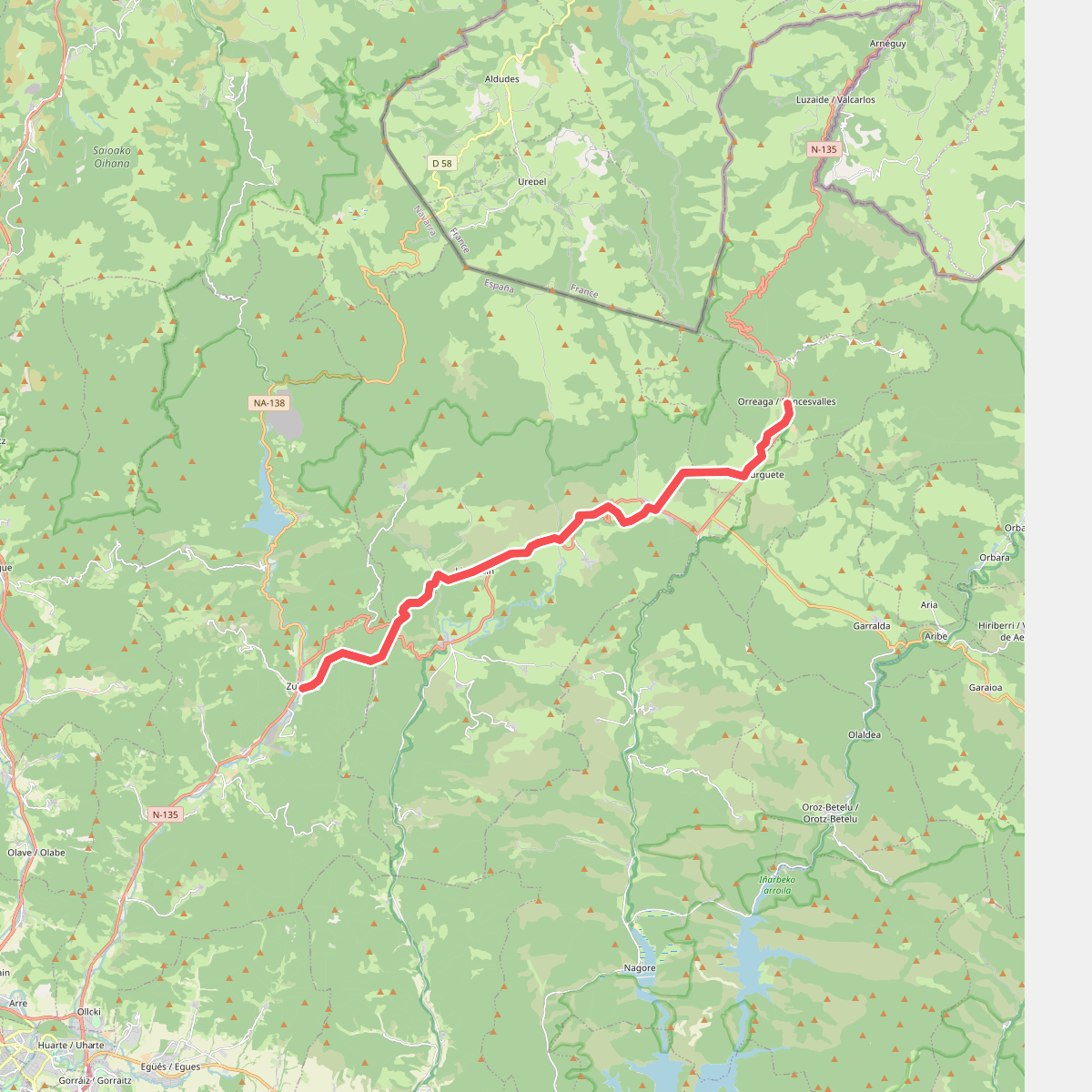
#8. European long distance path E3 - part Spain
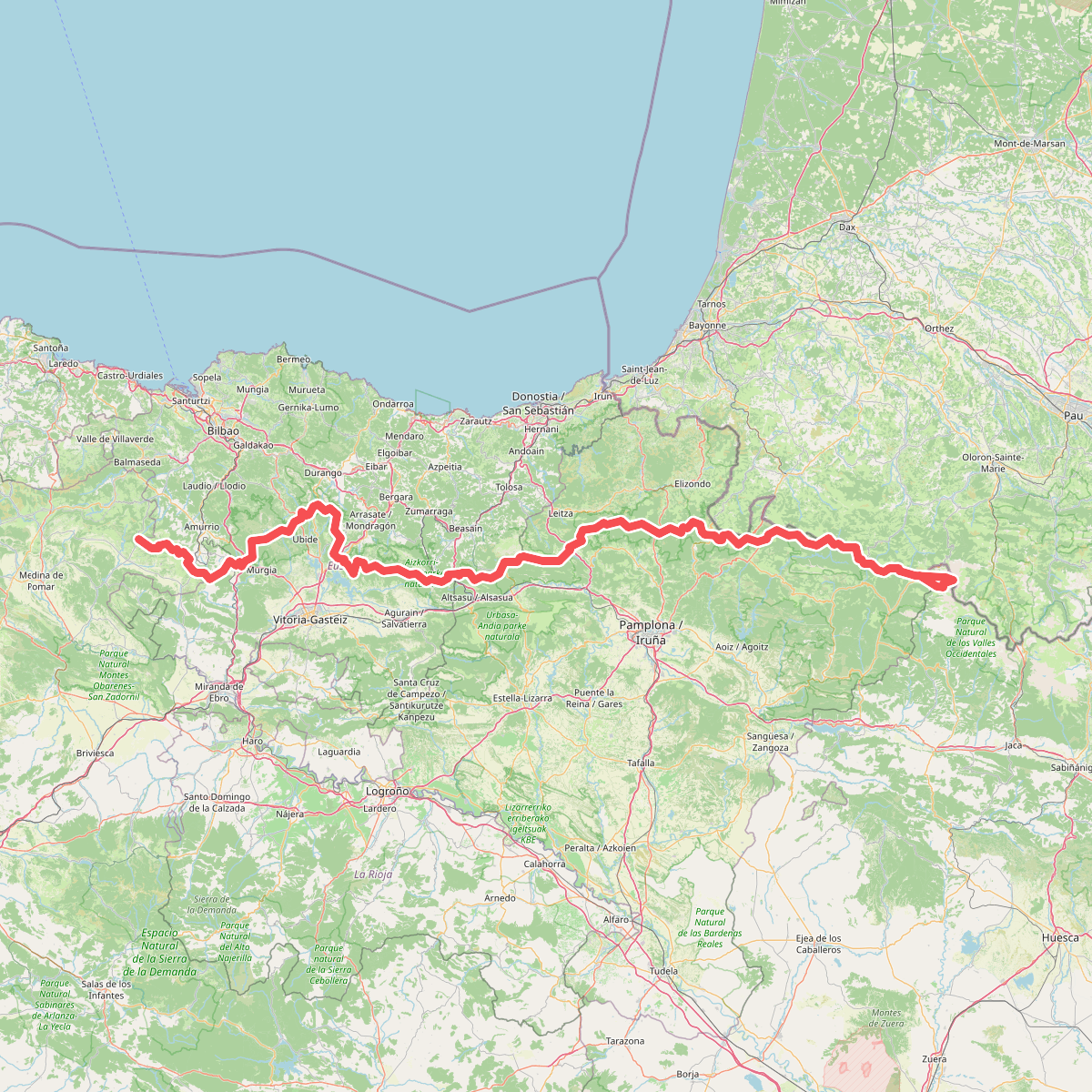
#9. Euskal Herriko ibilaldia
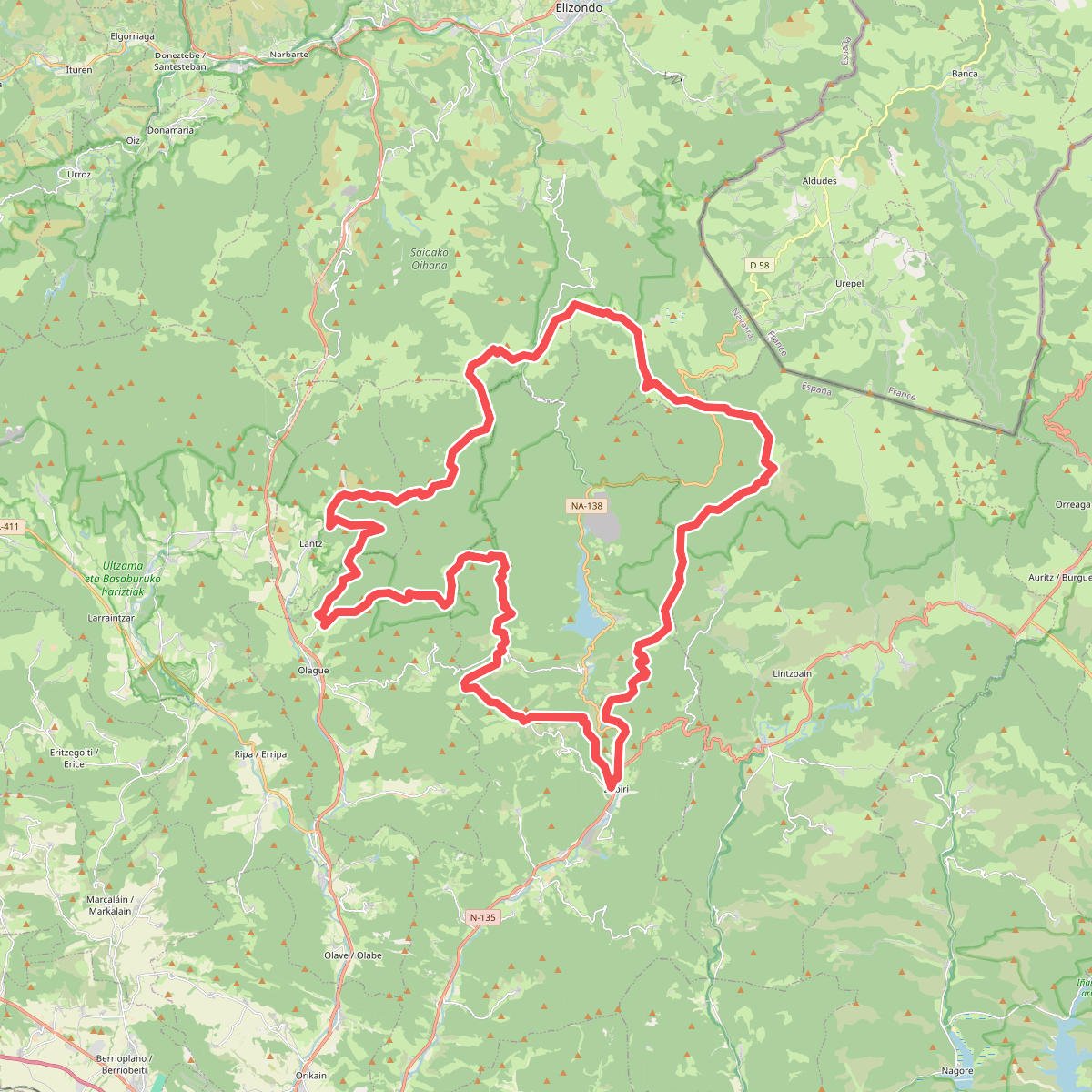
#10. Nafarroa Xtrem
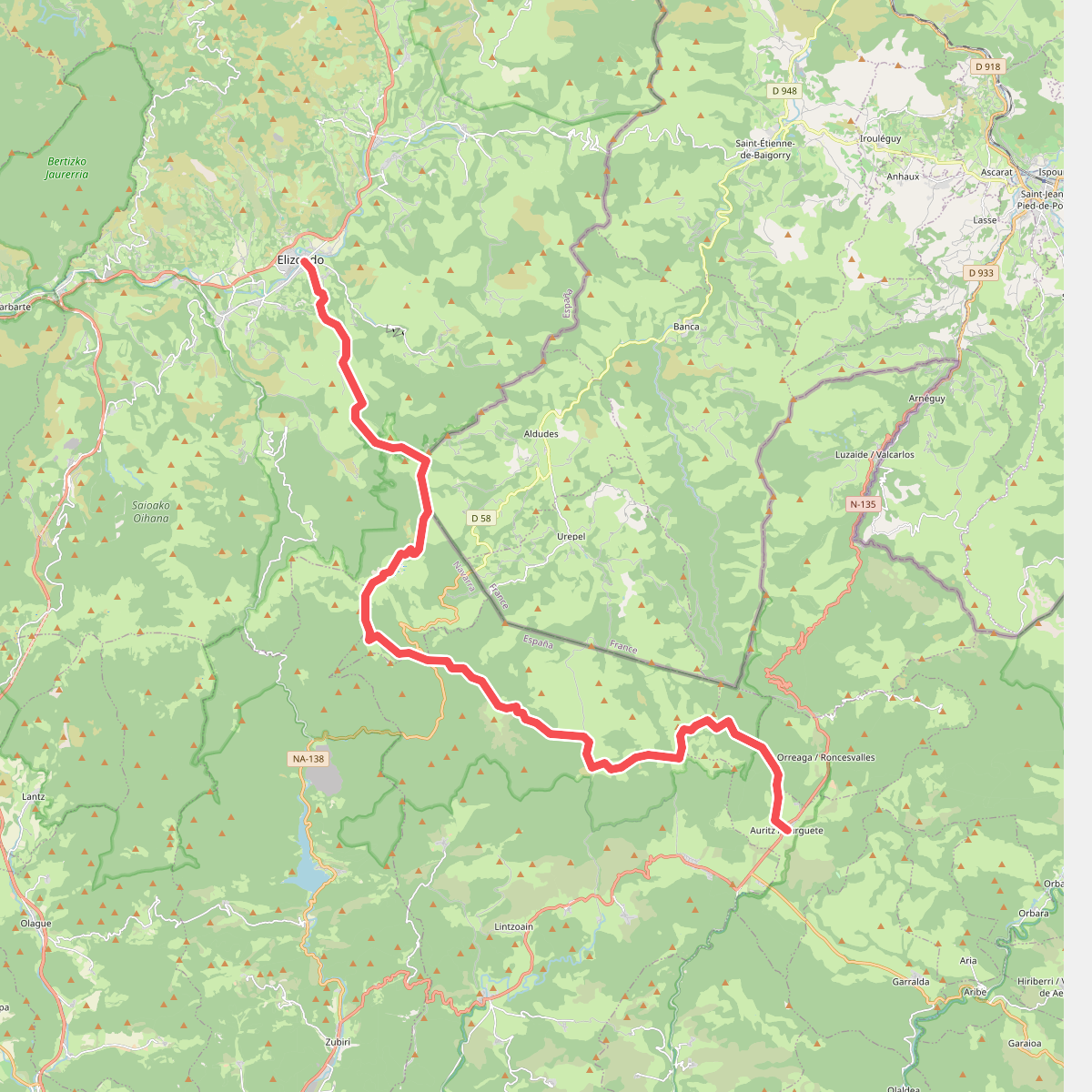
#11. Senda Pirenaica - E35