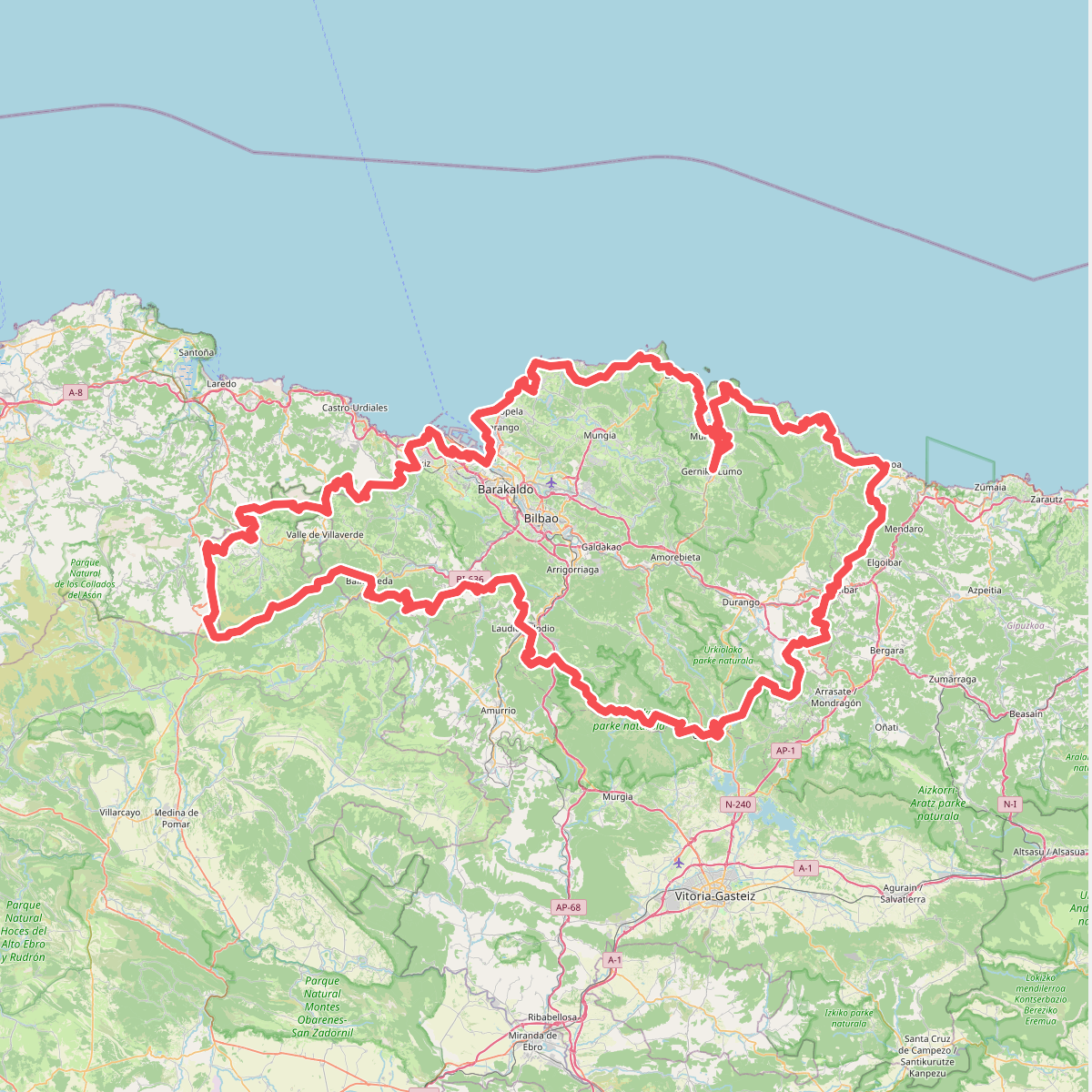

The best hiking routes in Aizkorri-Aratz parke naturala
Discover the best walks in Aizkorri-Aratz parke naturala. 51 routes on the map, with descriptions, photos and GPX.
About Aizkorri-Aratz parke naturala
Aizkorri-Aratz parke naturala is defined by its stark limestone ridges and high-altitude pastures. Unlike the softer, forested hills of the surrounding Basque countryside, this park features a massive, grey limestone barrier that rises abruptly from the valleys. Walkers will find a landscape split between these bare, exposed rock crests and the deep, sinkhole-dotted depressions of the Urbia depression, where sheep graze during the summer months from May to September.
Read more
About Aizkorri-Aratz parke naturala
Aizkorri-Aratz parke naturala is defined by its stark limestone ridges and high-altitude pastures. Unlike the softer, forested hills of the surrounding Basque countryside, this park features a massive, grey limestone barrier that rises abruptly from the valleys. Walkers will find a landscape split between these bare, exposed rock crests and the deep, sinkhole-dotted depressions of the Urbia depression, where sheep graze during the summer months from May to September.
Read moreAizkorri-Aratz parke naturala is defined by its stark limestone ridges and high-altitude pastures. Unlike the softer, forested hills of the surrounding Basque countryside, this park features a massive, grey limestone barrier that rises abruptly from the valleys. Walkers will find a landscape split between these bare, exposed rock crests and the deep, sinkhole-dotted depressions of the Urbia depression, where sheep graze during the summer months from May to September.
Underfoot, the terrain demands careful attention. The paths range from rough, sharp limestone karst that requires sturdy footwear to grassy, undulating tracks across the high meadows. In the lower valleys and forested flanks, the trails wind through dense beech woods where the ground is covered in thick leaf litter and exposed tree roots, contrasting sharply with the open, stony ground of the higher ridges.
This park is not a place of gentle, rolling heathland or sandy pine forests. It is a rugged mountain environment where the karst topography means surface water is scarce, disappearing quickly into underground cave systems. While the popular ascent routes to the highest summits can be busy on weekends, the vast limestone lapiaz fields and quieter beech forests offer a more solitary walking experience for those who stick to the lower loop trails.
Hiking routes in Aizkorri-Aratz parke naturala (51)
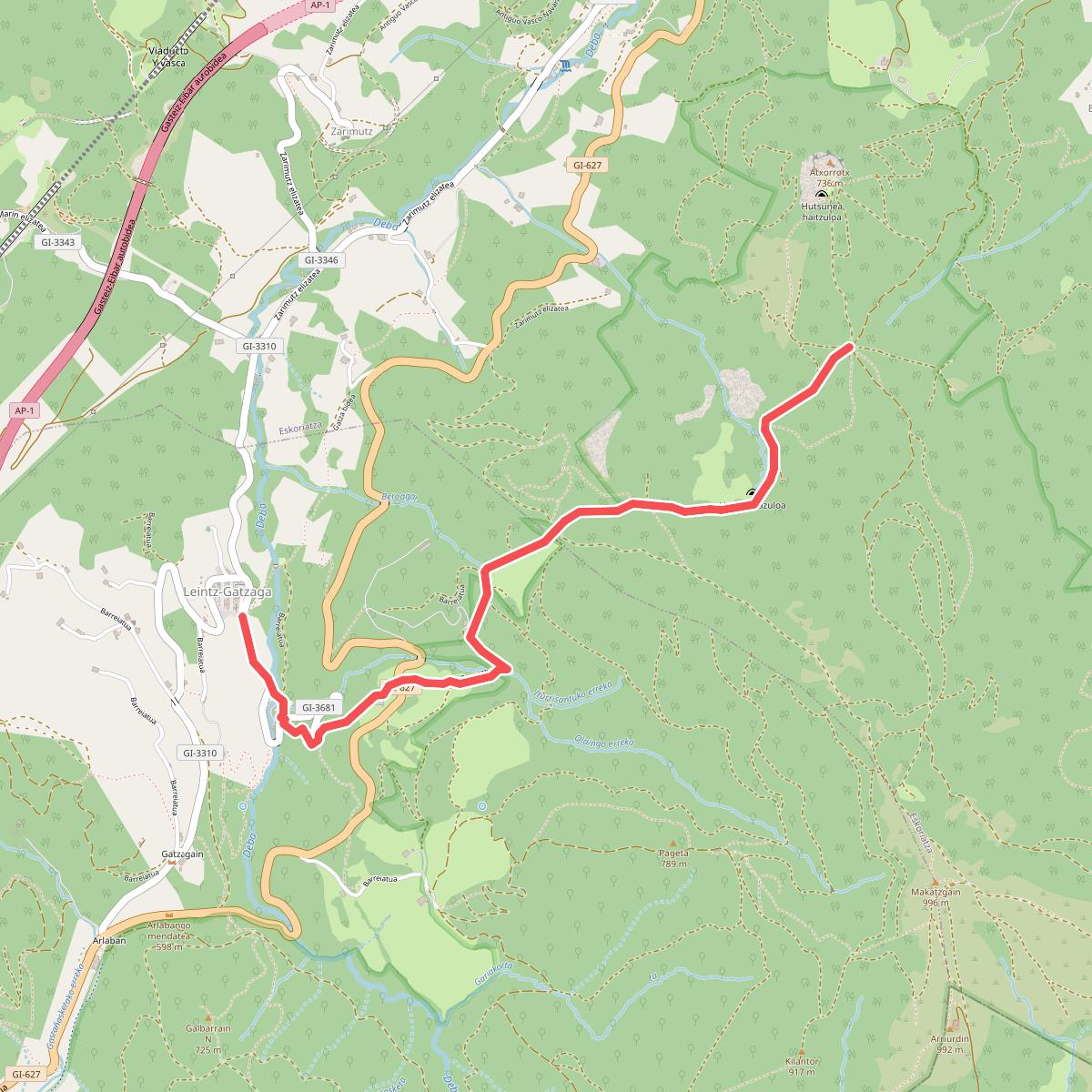
#1. Aitzorrotz inguruak (I)
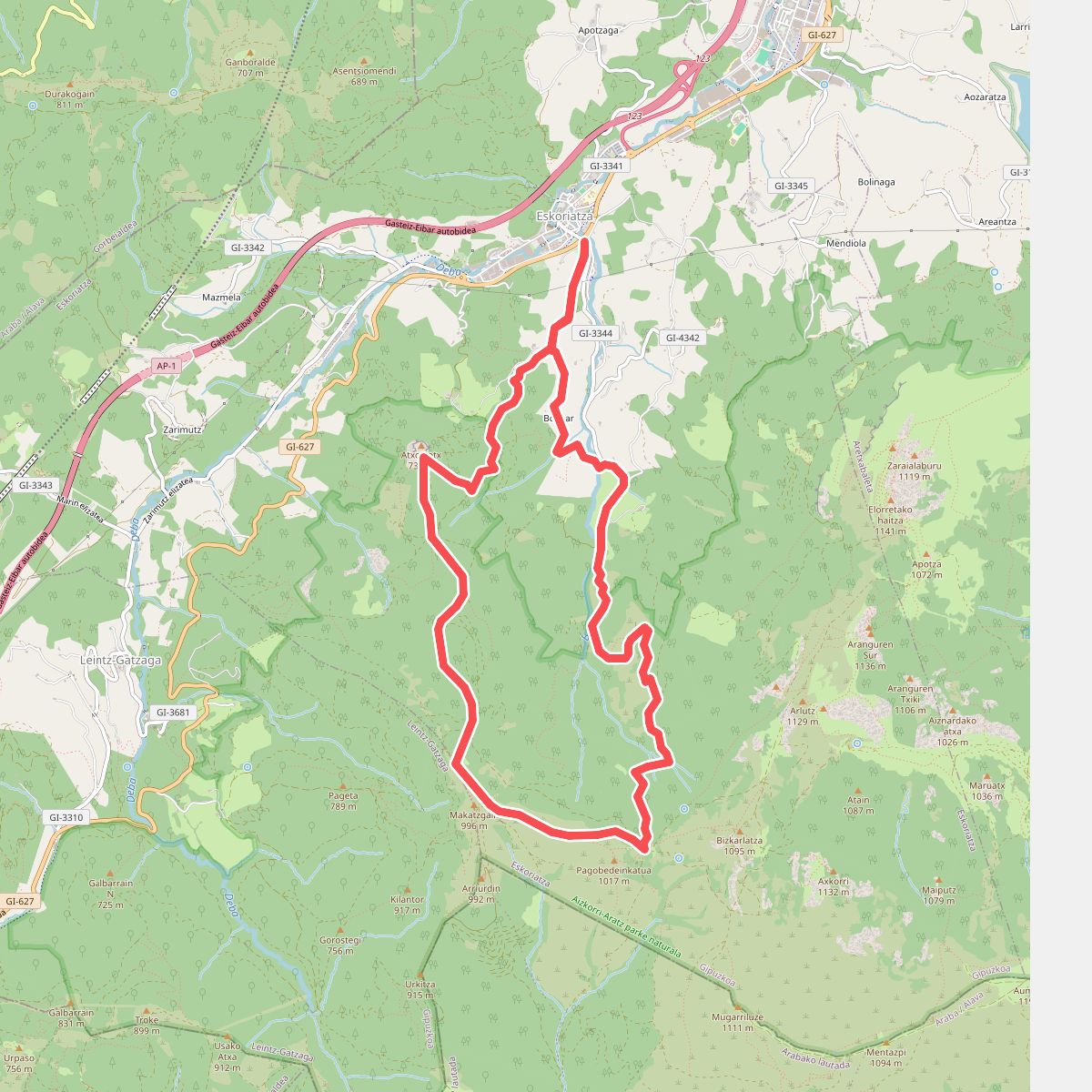
#2. Aitzorrotz inguruak (II)
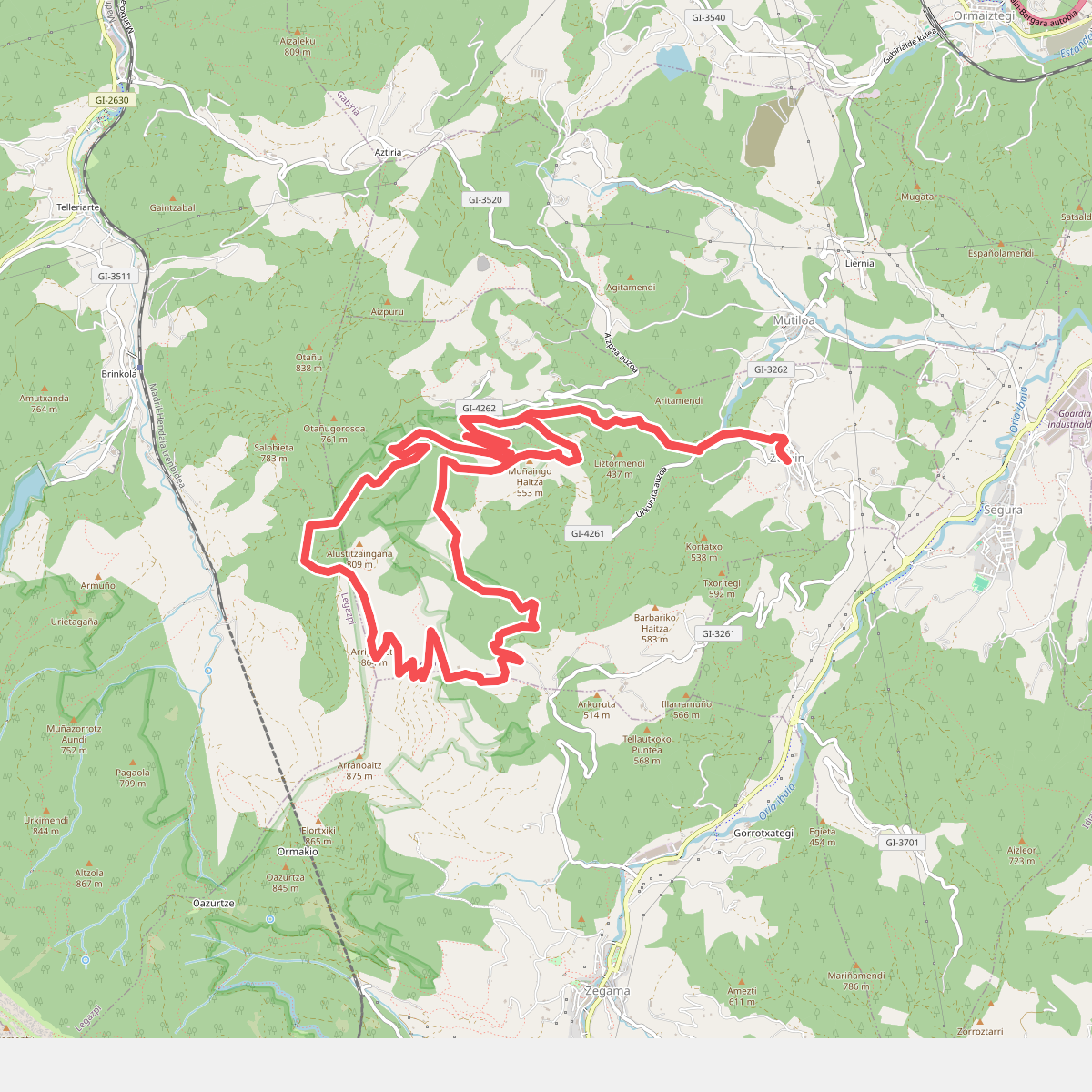
#3. Aizkorbeko burdinaren bidea
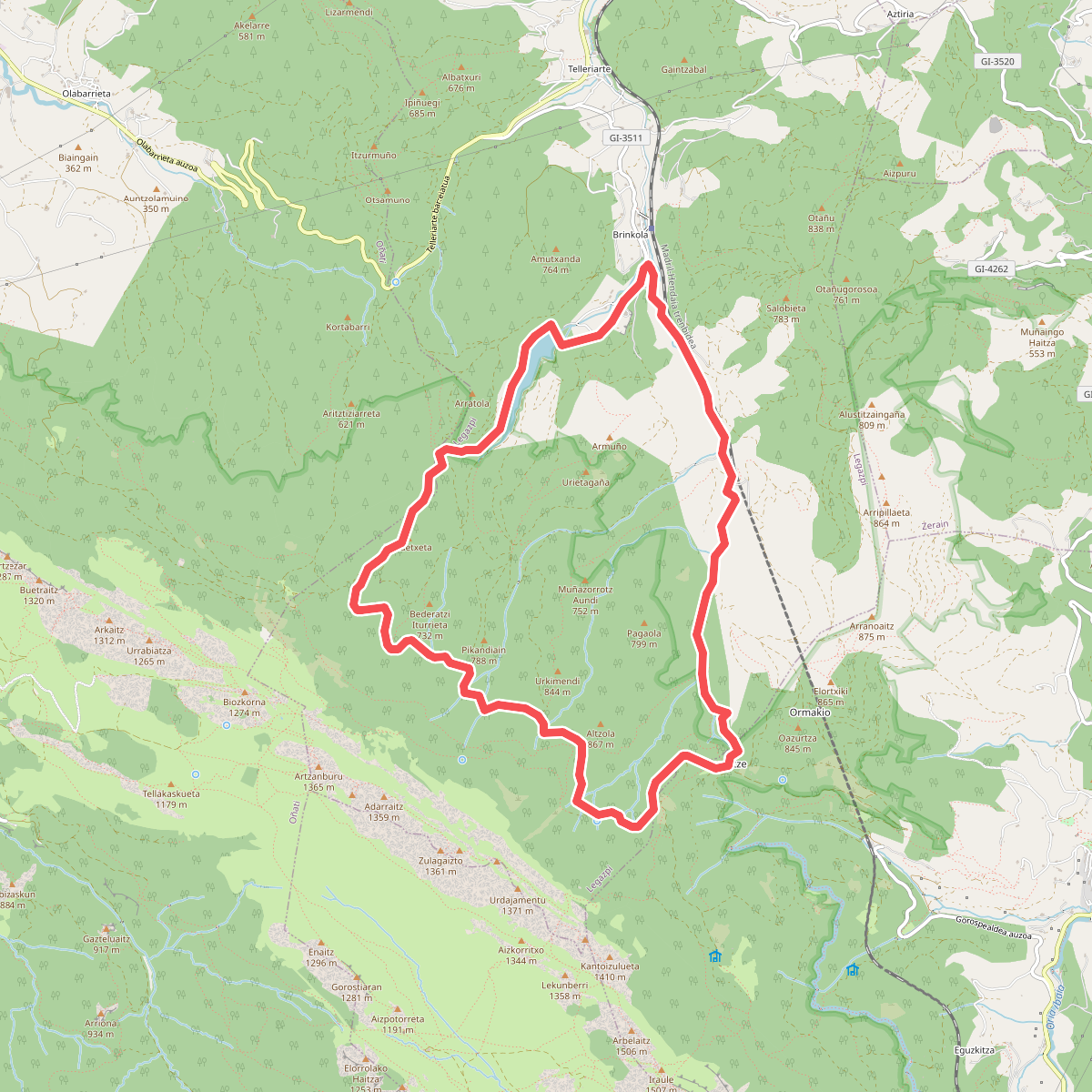
#4. Aizkorbeko urak jarraituz
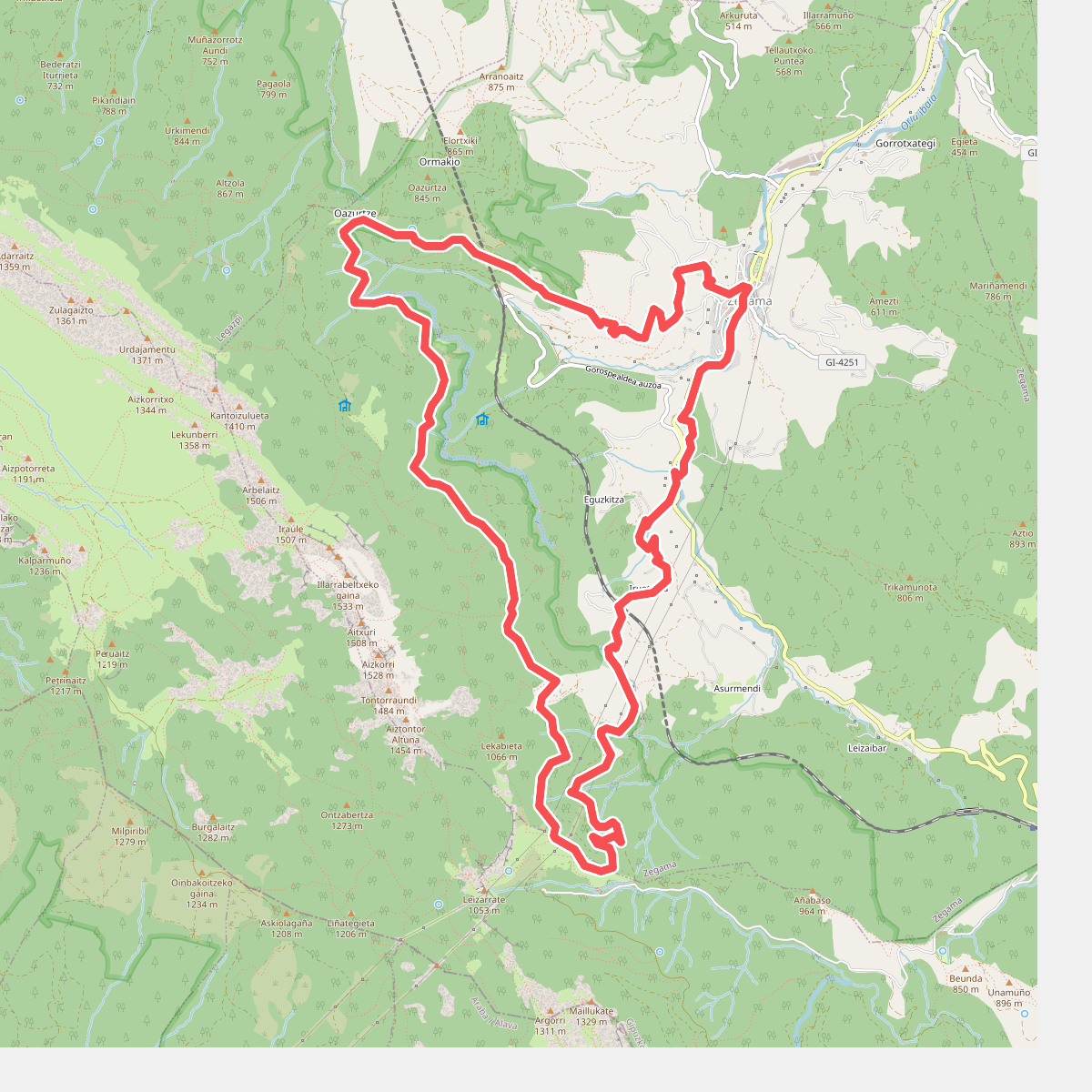
#5. Aizkorriko ataria
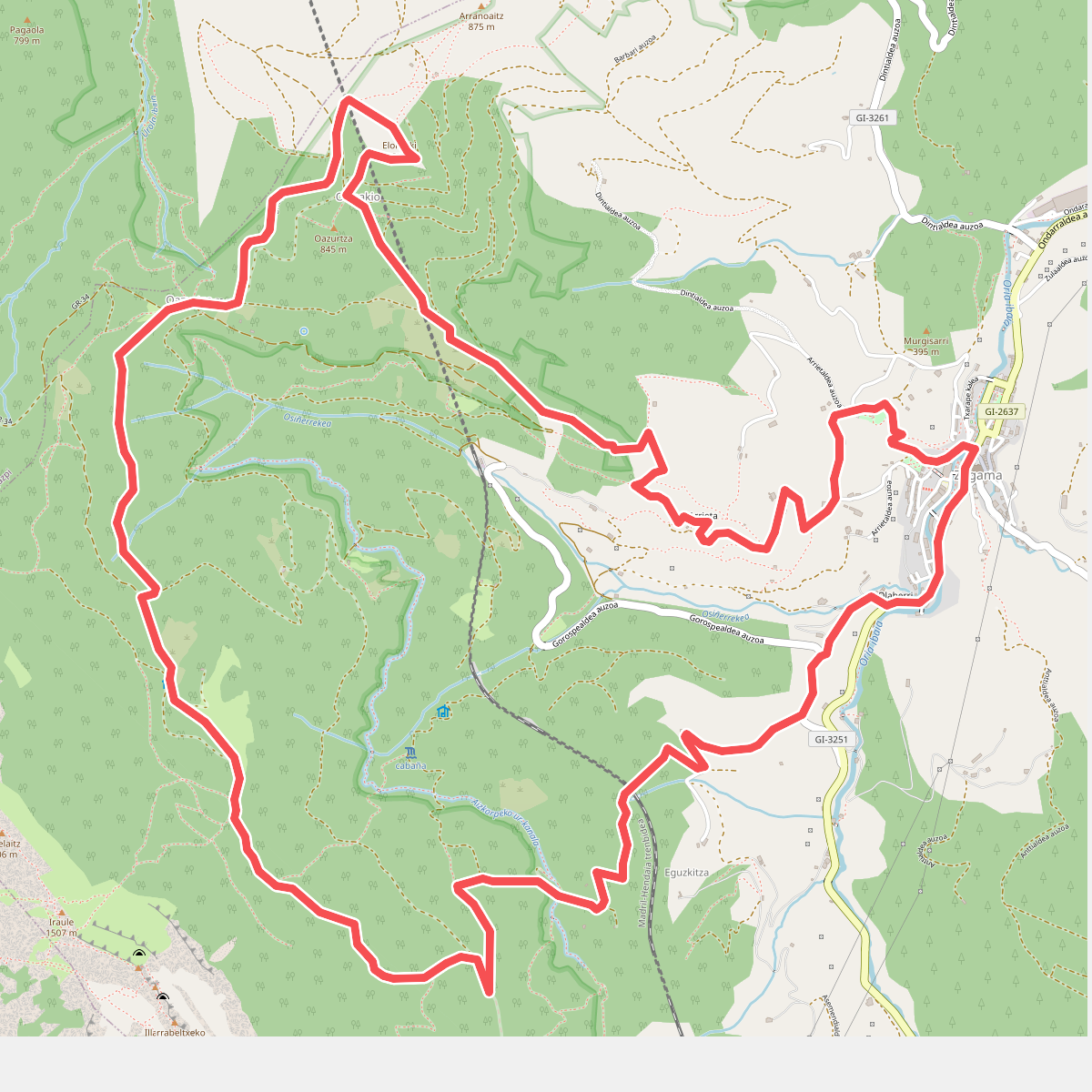
#6. Aizkorriko magala
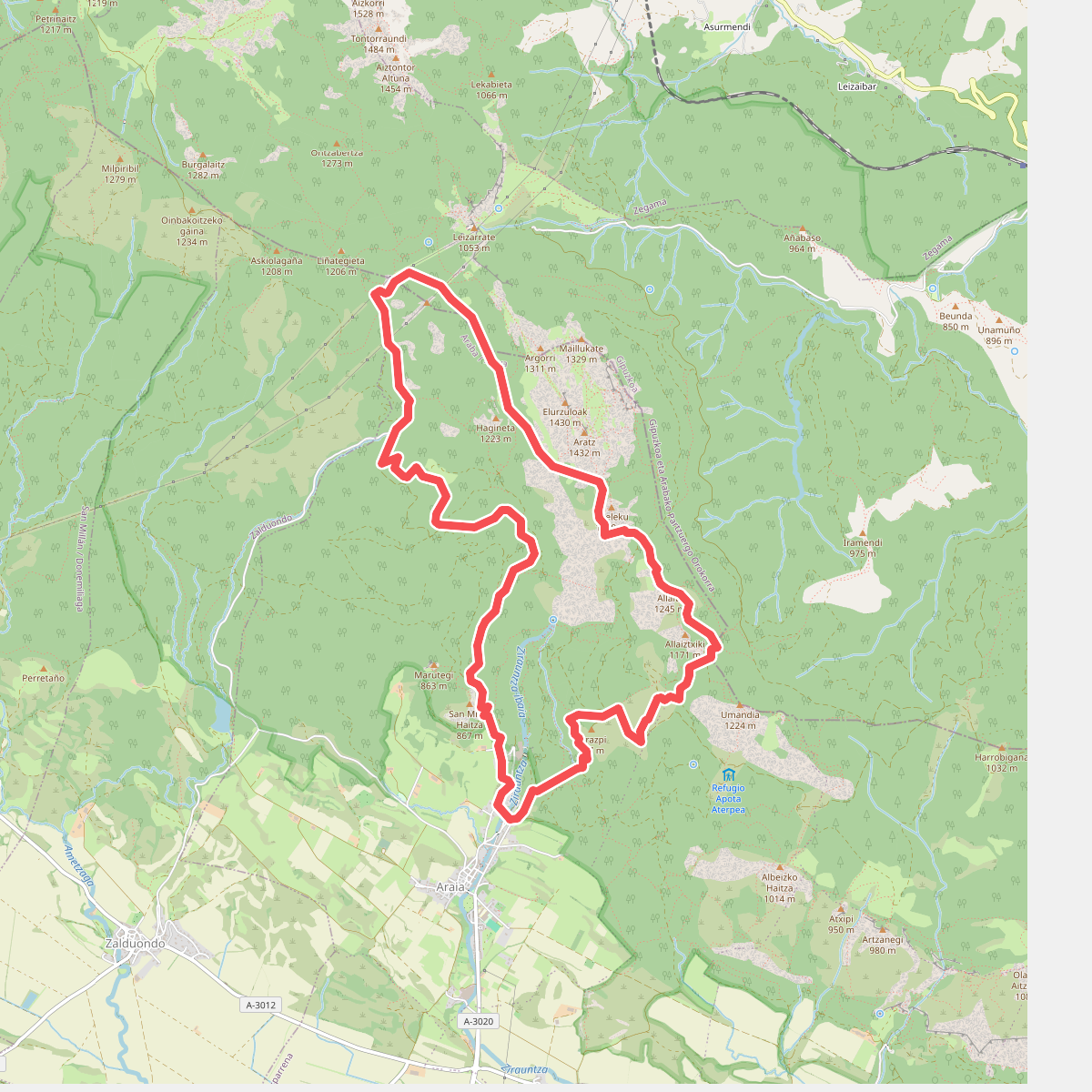
#7. Aratzen sekretuak
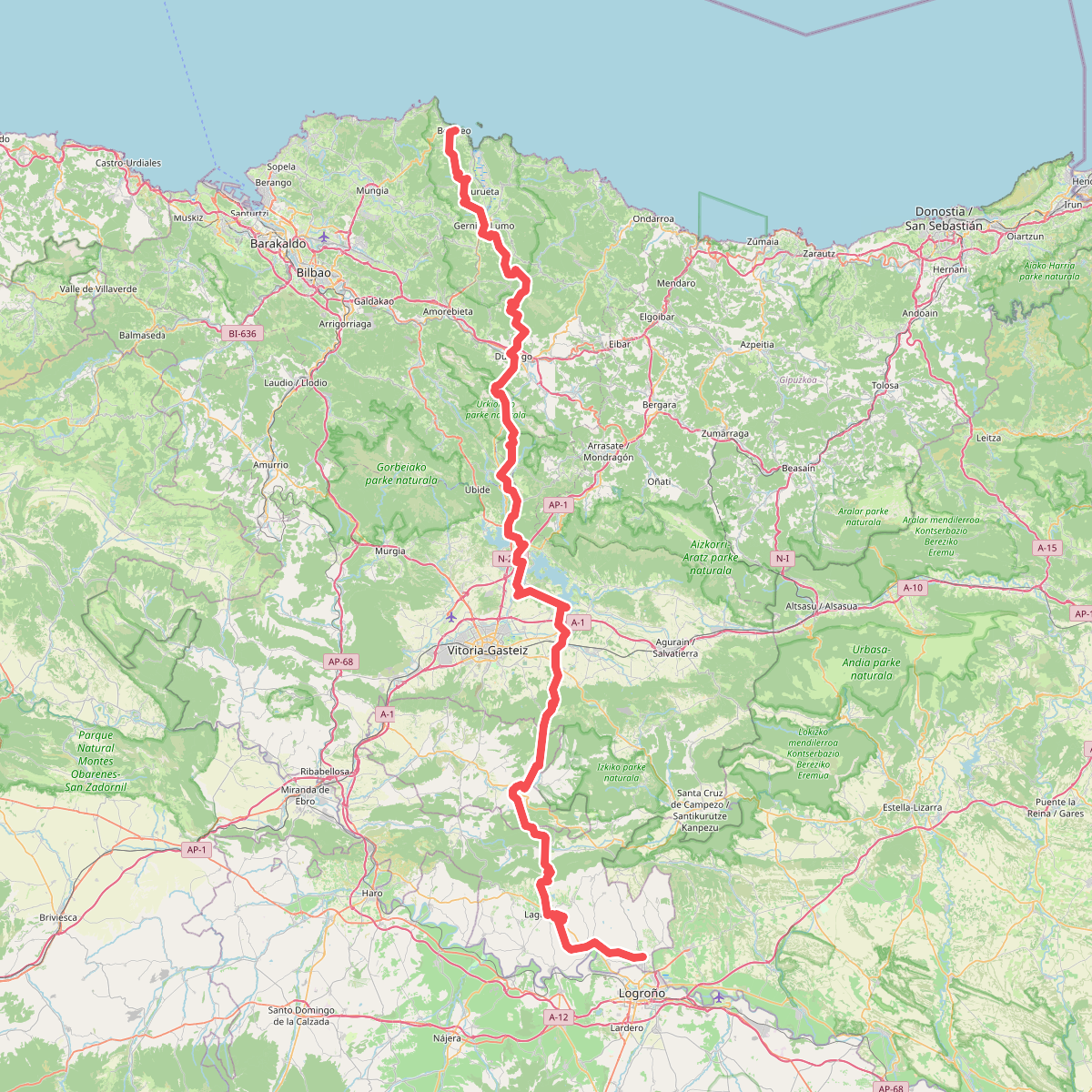
#8. Ardoaren eta arrainaren bidea
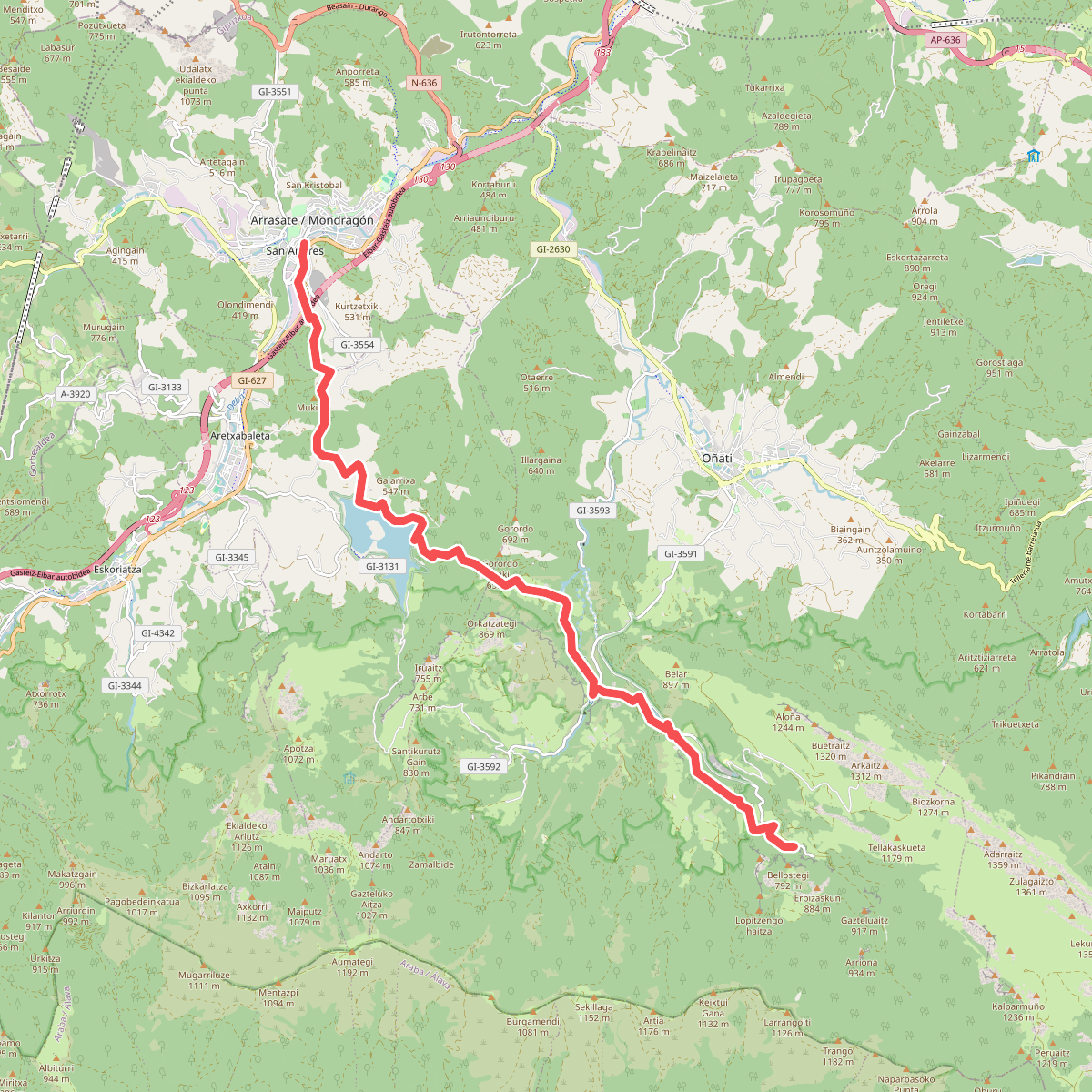
#9. Arrasate-Arantzazu erromesbidea
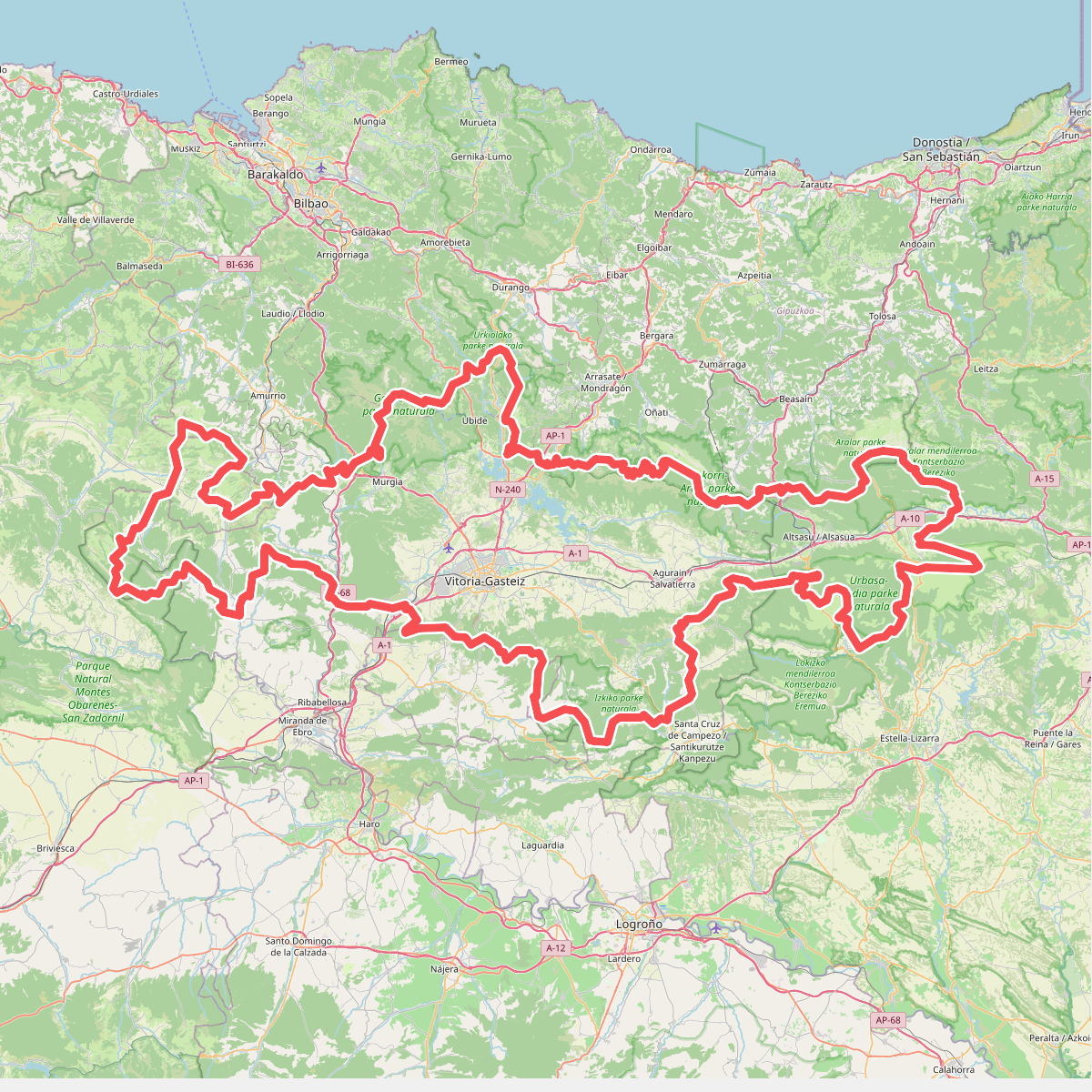
#10. Artzaintza naturbidea
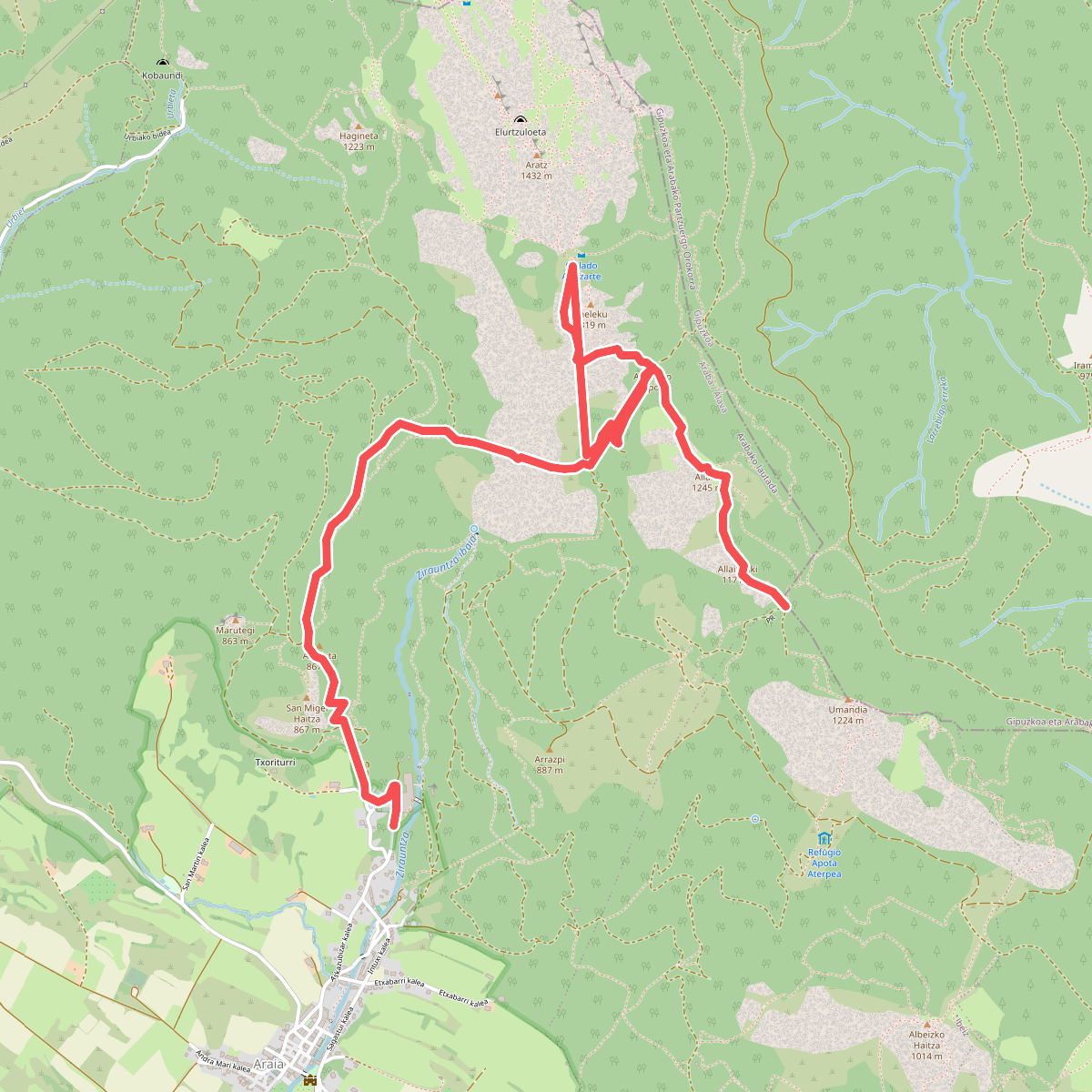
#11. Atabarrate