The best hiking routes in Heves
Discover the best walks in Heves. 4 routes on the map, with descriptions, photos and GPX.
About Heves
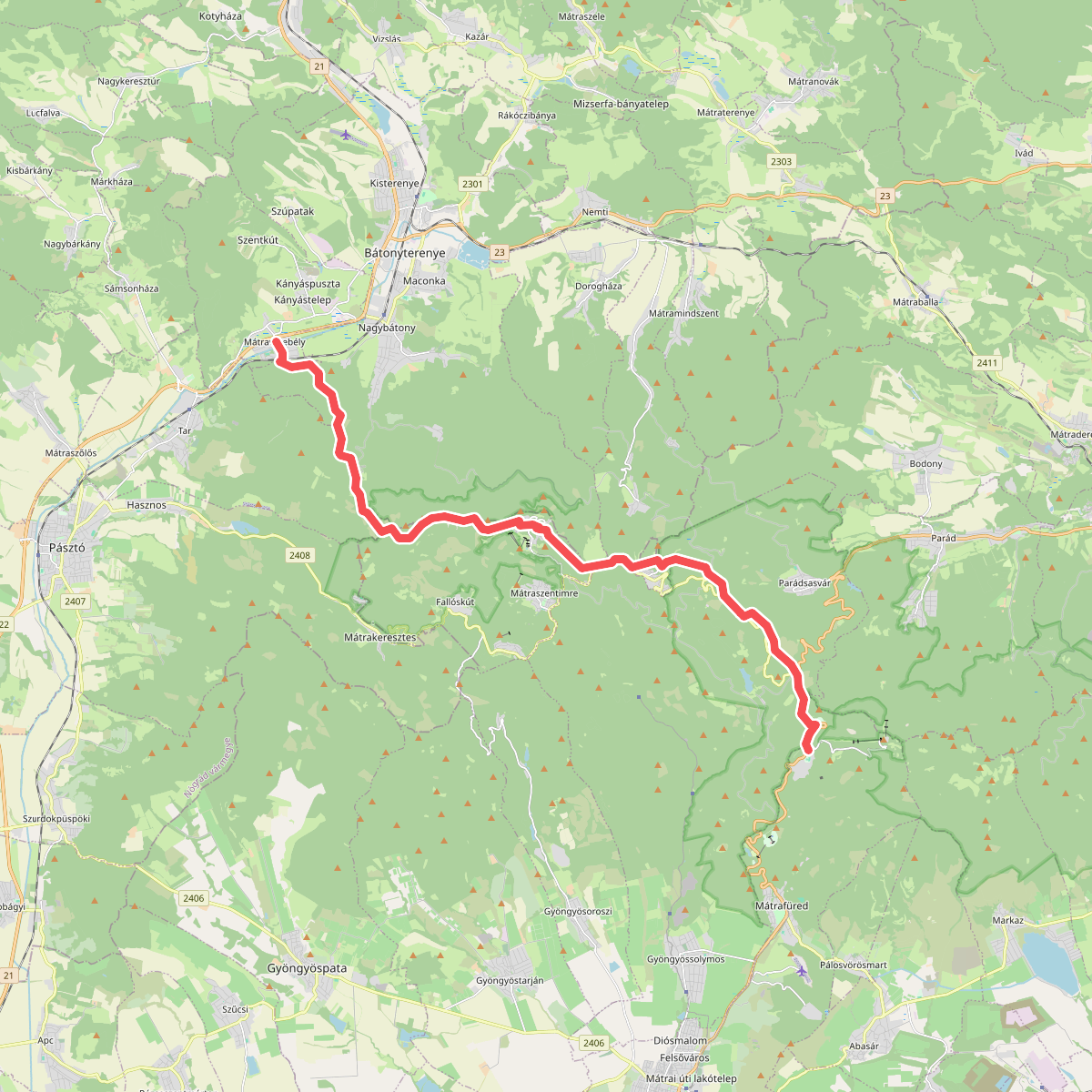
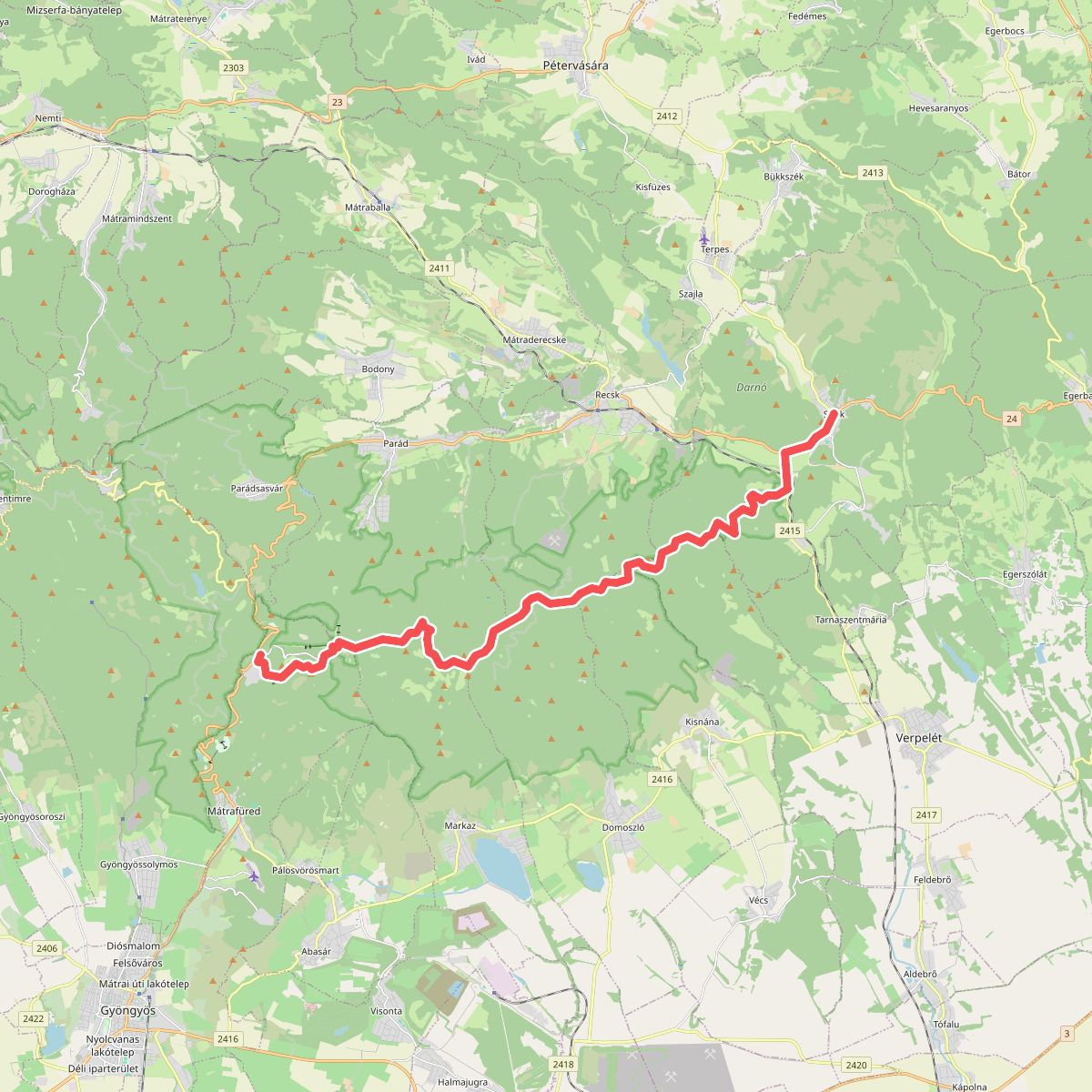
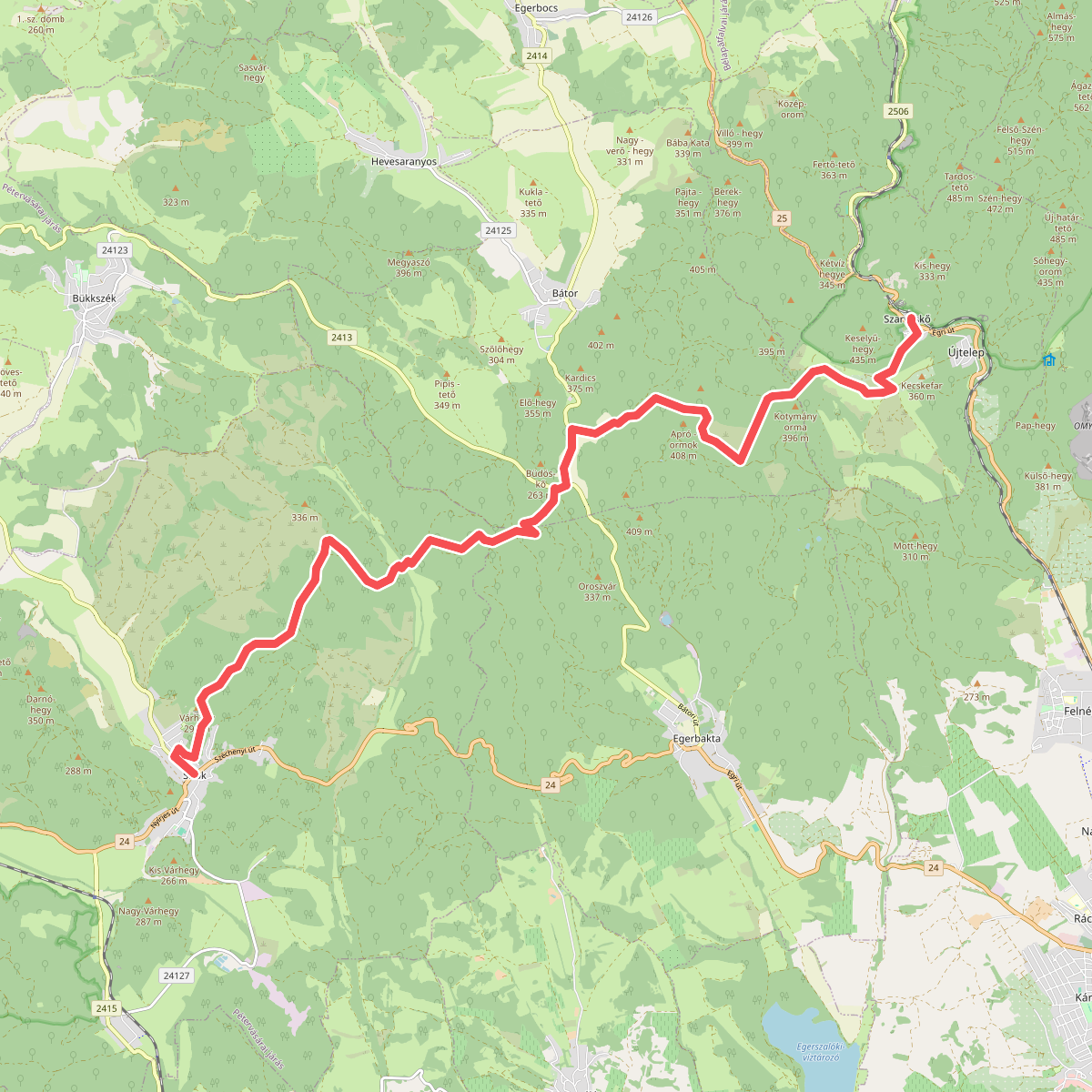
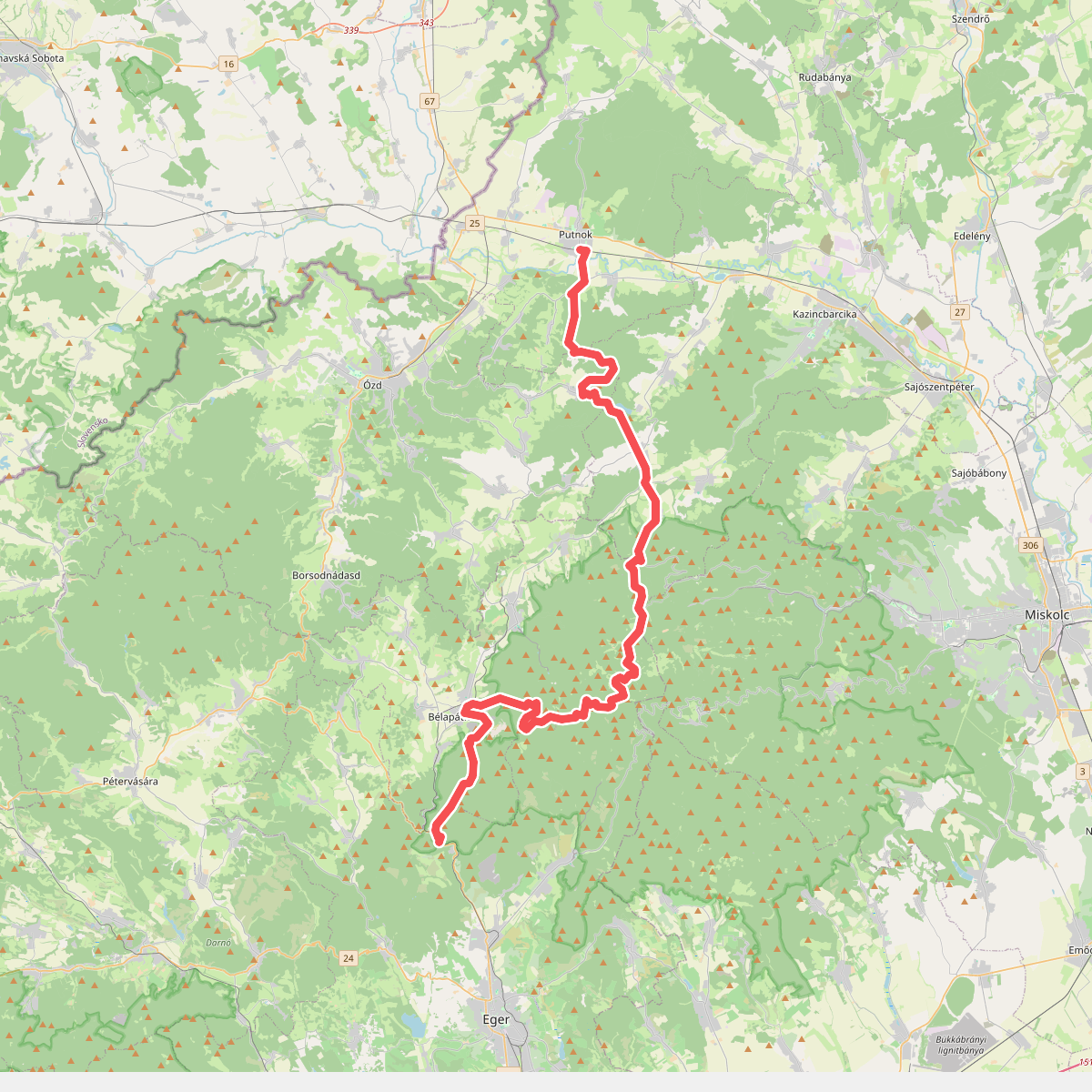
Heves presents a sharp division between flat grassland and forested volcanic peaks, meaning your choice of walk depends entirely on whether you want elevation or vast open space. In the north, the steep slopes of the Mátrai Tájvédelmi körzet and the Bükki Nemzeti Park offer dense beech forests, deep limestone ravines, and rocky outcrops. Underfoot, you will mostly encounter packed dirt paths strewn with loose volcanic stones or limestone gravel. These wooded highlands are ideal if you prefer shaded, climbing routes that lead to clear viewpoints over the northern hills.
Read more
About Heves
Heves presents a sharp division between flat grassland and forested volcanic peaks, meaning your choice of walk depends entirely on whether you want elevation or vast open space. In the north, the steep slopes of the Mátrai Tájvédelmi körzet and the Bükki Nemzeti Park offer dense beech forests, deep limestone ravines, and rocky outcrops. Underfoot, you will mostly encounter packed dirt paths strewn with loose volcanic stones or limestone gravel. These wooded highlands are ideal if you prefer shaded, climbing routes that lead to clear viewpoints over the northern hills.
Read moreHeves presents a sharp division between flat grassland and forested volcanic peaks, meaning your choice of walk depends entirely on whether you want elevation or vast open space. In the north, the steep slopes of the Mátrai Tájvédelmi körzet and the Bükki Nemzeti Park offer dense beech forests, deep limestone ravines, and rocky outcrops. Underfoot, you will mostly encounter packed dirt paths strewn with loose volcanic stones or limestone gravel. These wooded highlands are ideal if you prefer shaded, climbing routes that lead to clear viewpoints over the northern hills.
In complete contrast, the southern portion of the region flattens into the Great Hungarian Plain, where the Hortobágyi Nemzeti Park protects a vast, treeless alkali steppe. Walking here means following dusty dirt tracks and grassy paths through open pastures where traditional grey cattle graze. There are no steep climbs or deep valleys in this southern half, only a flat, horizontal landscape shaped by centuries of seasonal flooding and pastoral farming.
For those seeking quiet woodland paths, the lesser-visited corners of the Mátrai Tájvédelmi körzet provide a calmer alternative to the busier, well-known lookout points in the central Bükk. In October, the beech canopy in the Bükki Nemzeti Park turns a deep copper, making it the most distinctive time to observe the changing forest structure. Whichever direction you choose, the transition from the rocky mountain paths of the north to the dusty plains of the south is sudden and absolute.
Nature areas in Heves
Zoom or pan for more routes