
The best hiking routes in Romania
Discover the best walks in Romania. 7 routes on the map, with descriptions, photos and GPX.
About Romania
Romania offers distinct walking landscapes depending on whether you head to the western borderlands or the southwestern highlands. In the western regions of Arad and Bihor, the flat plains of the Pannonian Basin gradually rise into forested foothills. Walking here means navigating a mix of broad agricultural tracks, clay paths through oak forests, and limestone valleys. The terrain is generally rolling rather than alpine, making it suitable for those who prefer steady, moderate climbs over steep, rocky ascents. In May, these valleys are particularly green before the summer heat dries the lower grasslands.
Read more
About Romania
Romania offers distinct walking landscapes depending on whether you head to the western borderlands or the southwestern highlands. In the western regions of Arad and Bihor, the flat plains of the Pannonian Basin gradually rise into forested foothills. Walking here means navigating a mix of broad agricultural tracks, clay paths through oak forests, and limestone valleys. The terrain is generally rolling rather than alpine, making it suitable for those who prefer steady, moderate climbs over steep, rocky ascents. In May, these valleys are particularly green before the summer heat dries the lower grasslands.
Read moreRomania offers distinct walking landscapes depending on whether you head to the western borderlands or the southwestern highlands. In the western regions of Arad and Bihor, the flat plains of the Pannonian Basin gradually rise into forested foothills. Walking here means navigating a mix of broad agricultural tracks, clay paths through oak forests, and limestone valleys. The terrain is generally rolling rather than alpine, making it suitable for those who prefer steady, moderate climbs over steep, rocky ascents. In May, these valleys are particularly green before the summer heat dries the lower grasslands.
Further south, the landscape changes dramatically in Caraș-Severin and Mehedinși, where the Carpathian Mountains meet the Danube. Here, the trails are often rocky, underlain by limestone karst that creates steep gorges, sinkholes, and exposed ridges. You will walk on stony paths and occasional gravel tracks shaped by water erosion. The vegetation is denser, featuring thick beech forests that provide heavy shade. This is a more rugged, vertical landscape where route planning requires attention to steep elevation changes rather than gentle slopes.
Your choice depends on the desired difficulty and terrain. The northern sector in Bihor offers easier navigation through rural, working landscapes with scattered hamlets and wood pastures. The southern sector in Caraș-Severin appeals to those seeking deep limestone canyons and more demanding climbs. While the busier trailheads near spa towns can attract weekend visitors, the deeper forest paths in both regions remain quiet and require self-reliance, as signposting is inconsistent.
Regions in Romania
Zoom or pan for more routes
Hiking routes in Romania (7)
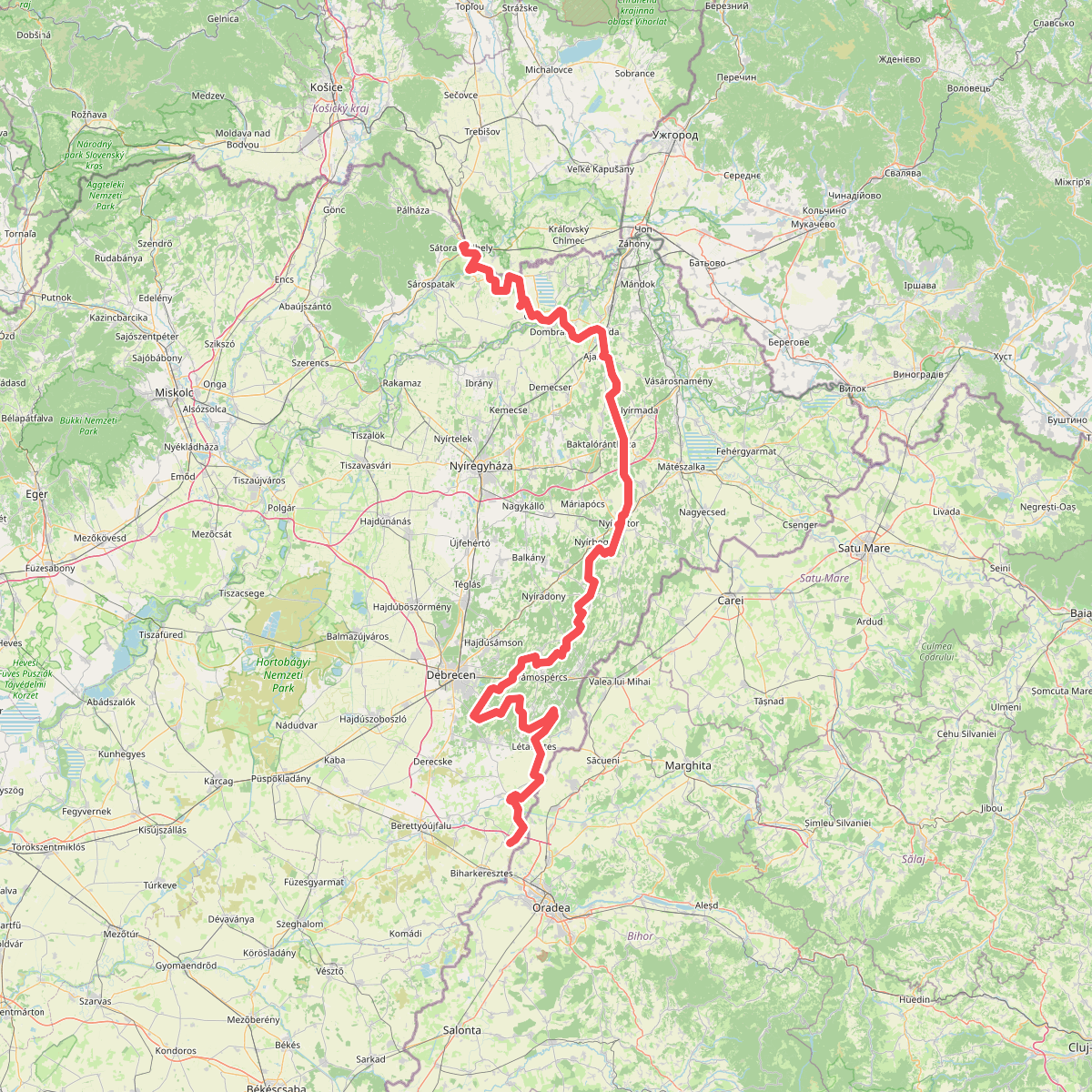
#1. E3 európai hosszútávú turistaút (Mo.-i szakasz)
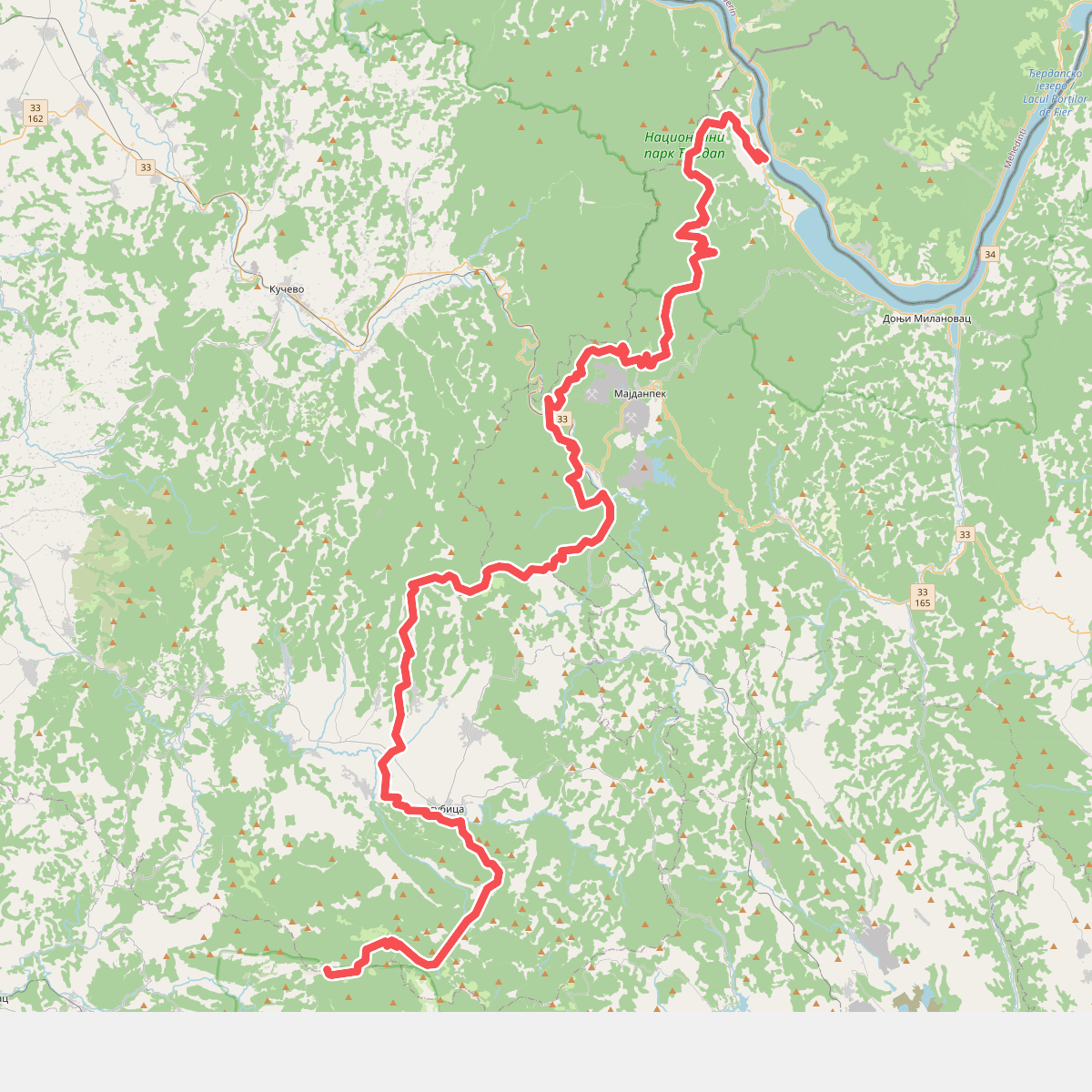
#2. E4: Beljanica vrh – Lepenski Vir
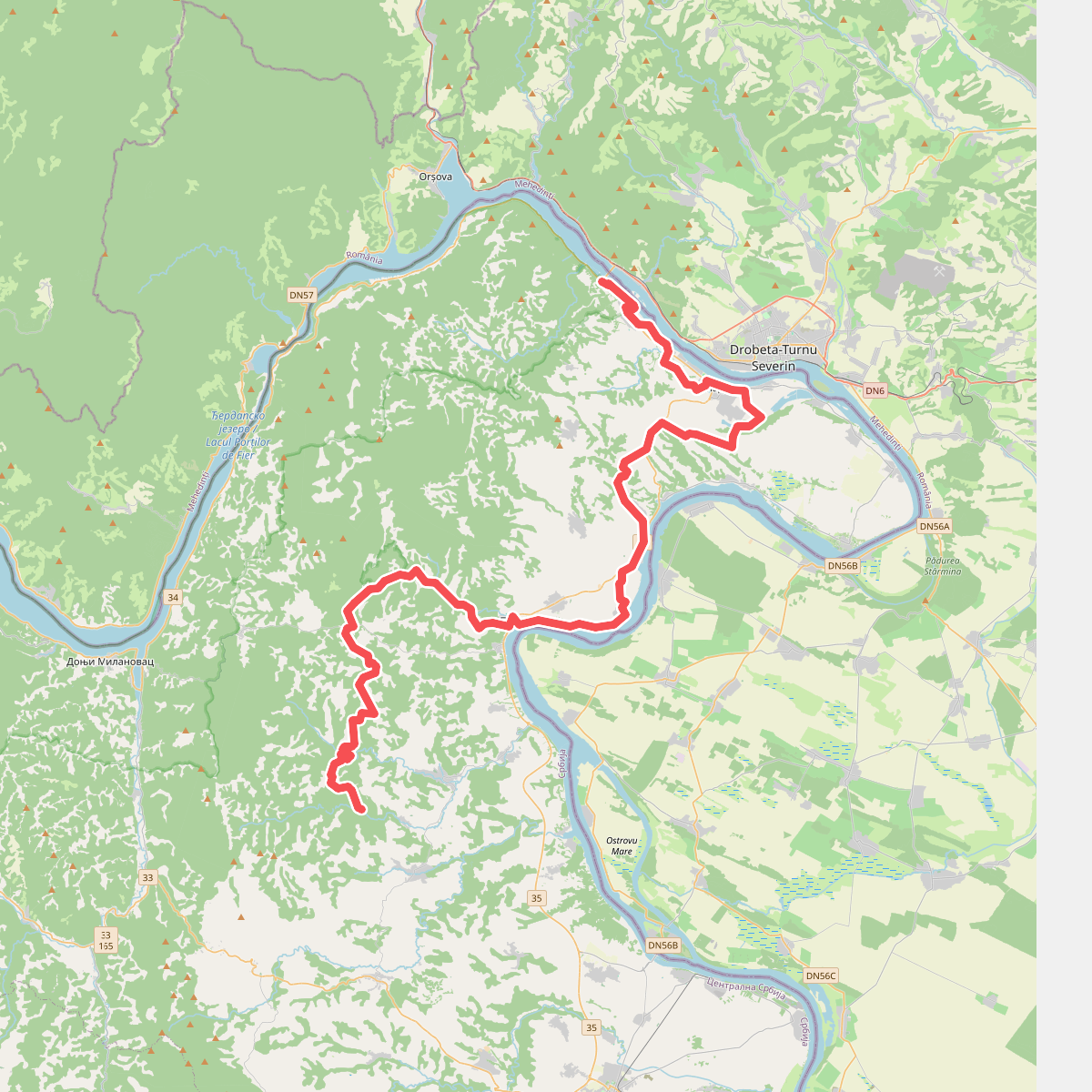
#3. E4: Derdap – Vratna
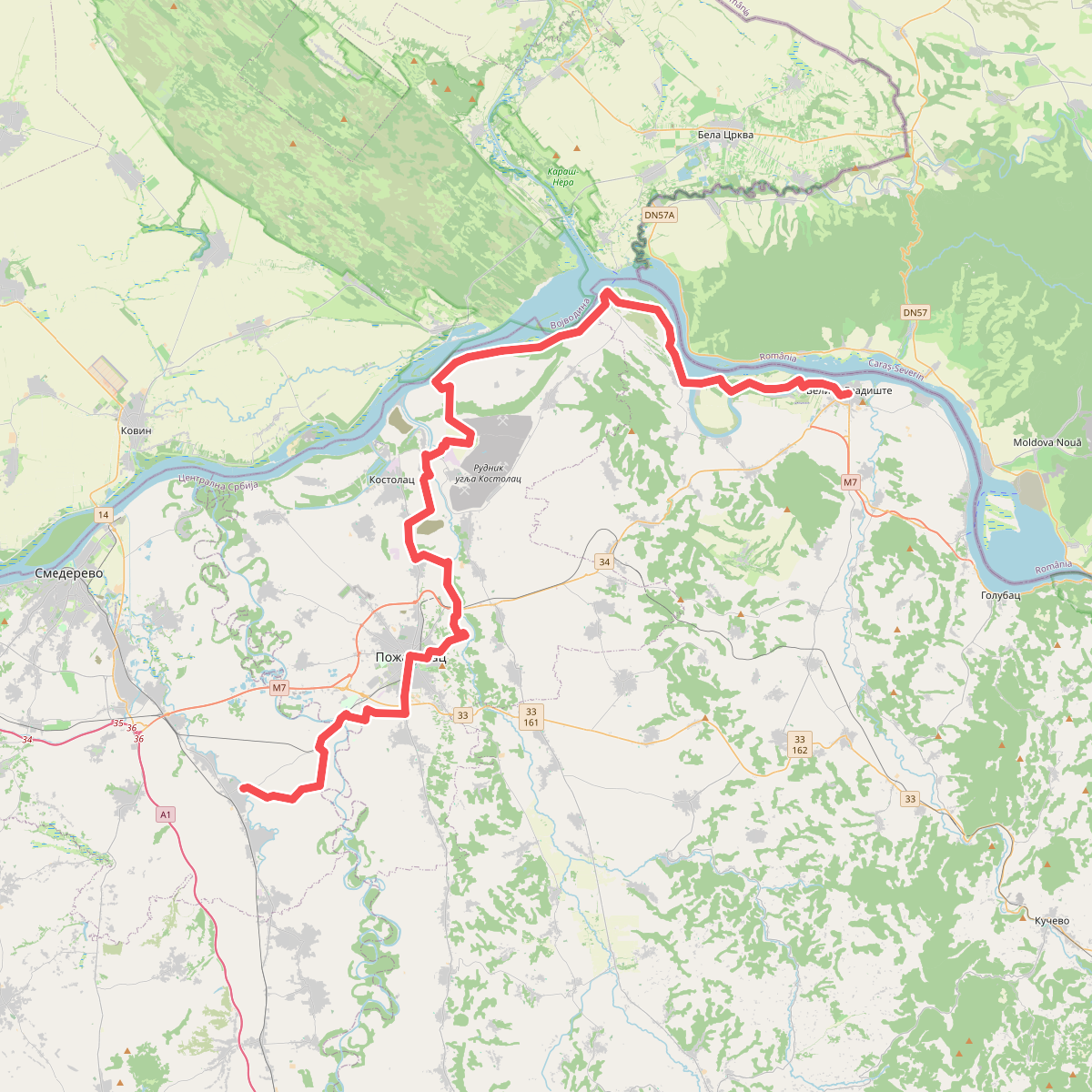
#4. E4: Osipaonica – Veliko Gradište
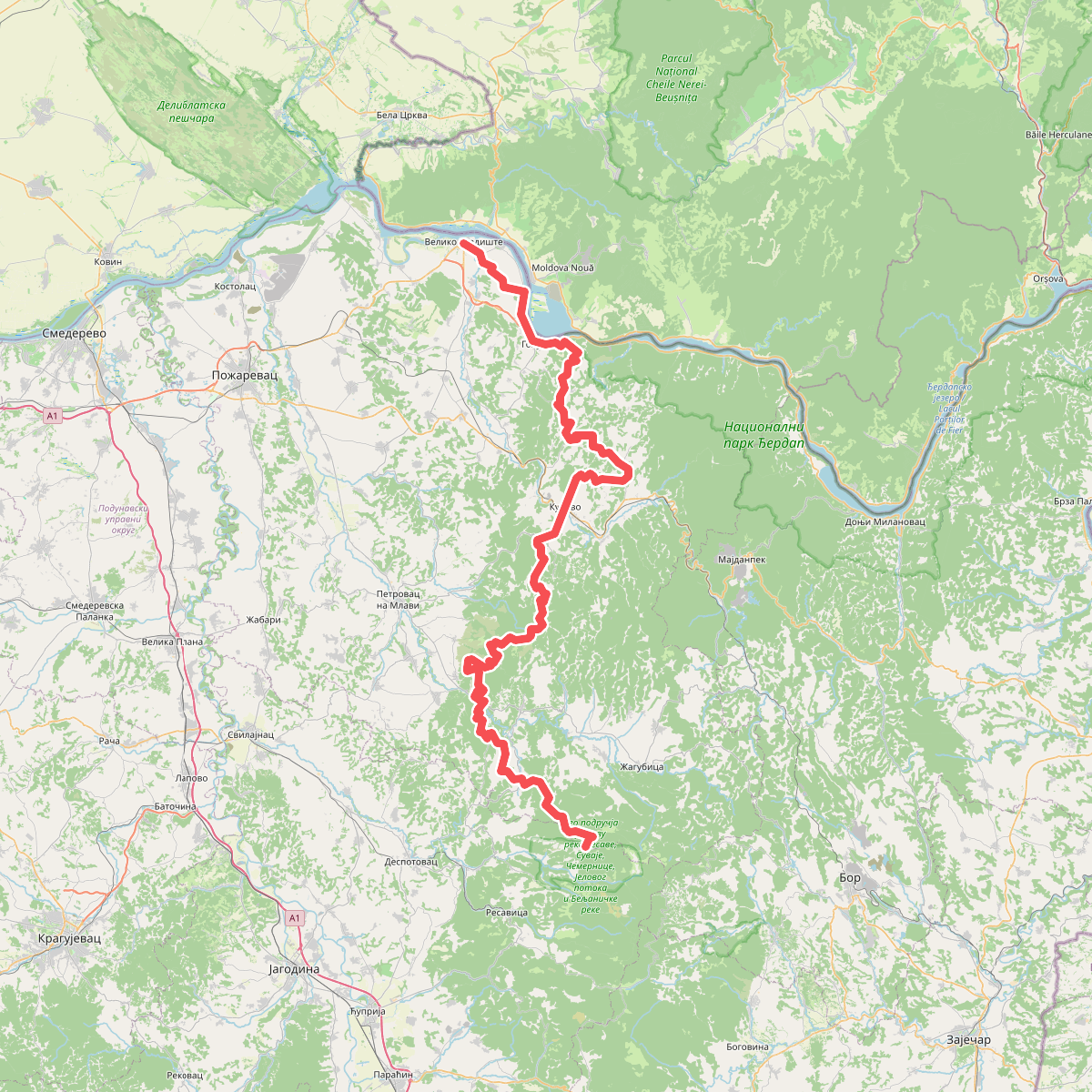
#5. E4: Veliko Gradište – Beljanica vrh
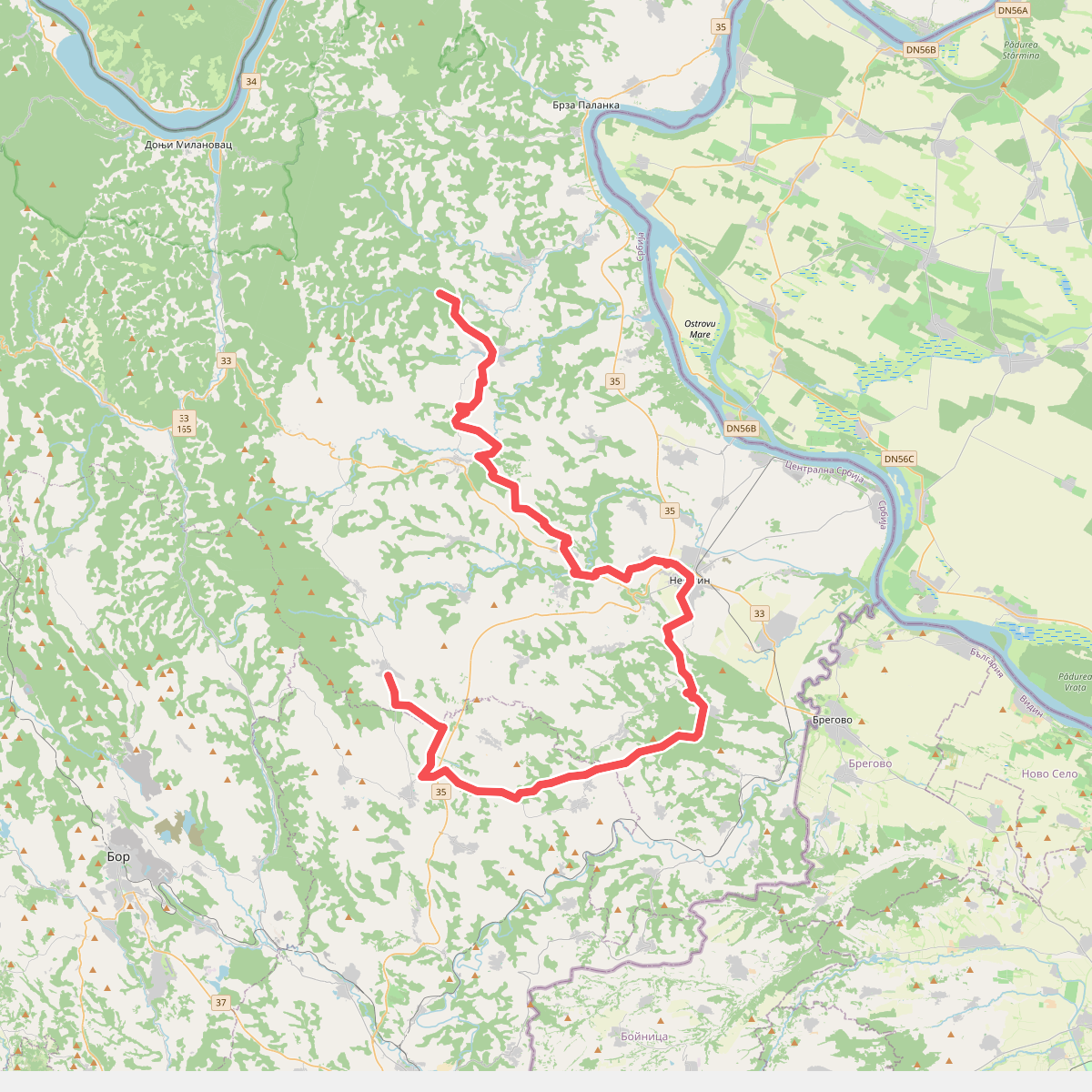
#6. E4: Vratna – Sikole