The best hiking routes in Estonia
Discover the best walks in Estonia. 64 routes on the map, with descriptions, photos and GPX.
About Estonia
Estonia is a low-lying country where walking routes are defined by glacial legacy rather than elevation. In the northern regions of Harju maakond and Lääne-Viru maakond, the landscape is shaped by the limestone cliff of the Baltic Klint. Here, paths run along rocky coastal shelves and through forests growing on thin soils, where limestone bedrock is often visible directly underfoot.
Read more
About Estonia
Estonia is a low-lying country where walking routes are defined by glacial legacy rather than elevation. In the northern regions of Harju maakond and Lääne-Viru maakond, the landscape is shaped by the limestone cliff of the Baltic Klint. Here, paths run along rocky coastal shelves and through forests growing on thin soils, where limestone bedrock is often visible directly underfoot.
Read moreEstonia is a low-lying country where walking routes are defined by glacial legacy rather than elevation. In the northern regions of Harju maakond and Lääne-Viru maakond, the landscape is shaped by the limestone cliff of the Baltic Klint. Here, paths run along rocky coastal shelves and through forests growing on thin soils, where limestone bedrock is often visible directly underfoot.
Further south and west, the terrain shifts to vast peat bogs and alluvial plains. In Pärnu maakond and Lääne maakond, walkers encounter extensive wetland systems where progress relies on wooden boardwalks to cross the deep peat layers. In contrast, the southeastern regions of Võru maakond and Põlva maakond offer gently rolling sandy hills and deep primeval valleys carved by meltwater, where the paths are cushioned by pine needles.
Choosing where to walk depends on your preference for coastal cliffs or inland wetlands. The northern coastal trails are often busier due to their proximity to the capital, while the southern lake districts and eastern borderlands near Ida-Viru maakond provide quieter forest tracks. Throughout the country, the lack of steep climbs means walking is a matter of steady pacing over flat or softly undulating ground.
Regions in Estonia
Zoom or pan for more routes
Hiking routes in Estonia (64)
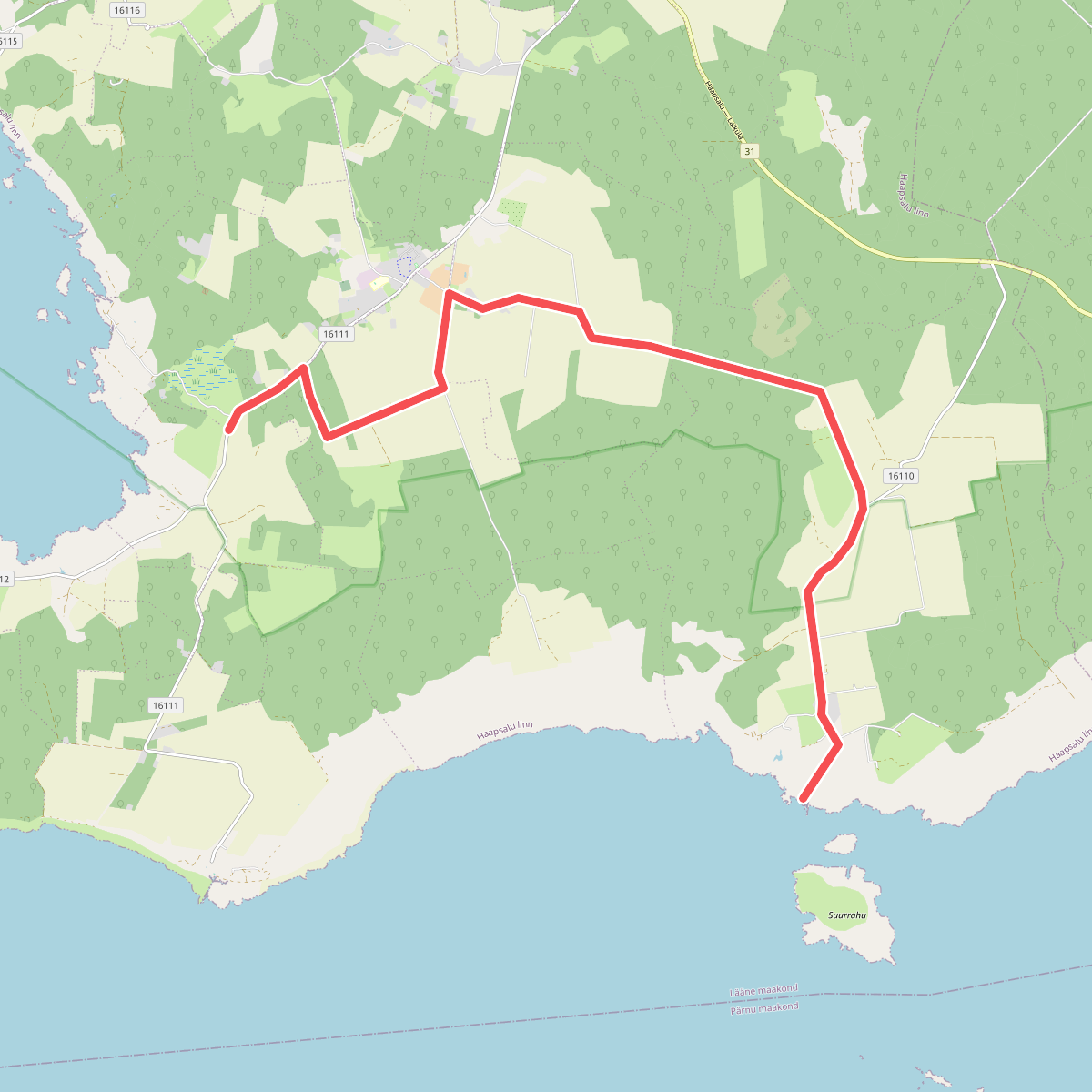
#1. d46_Euroopa matkarada E9, Eesti
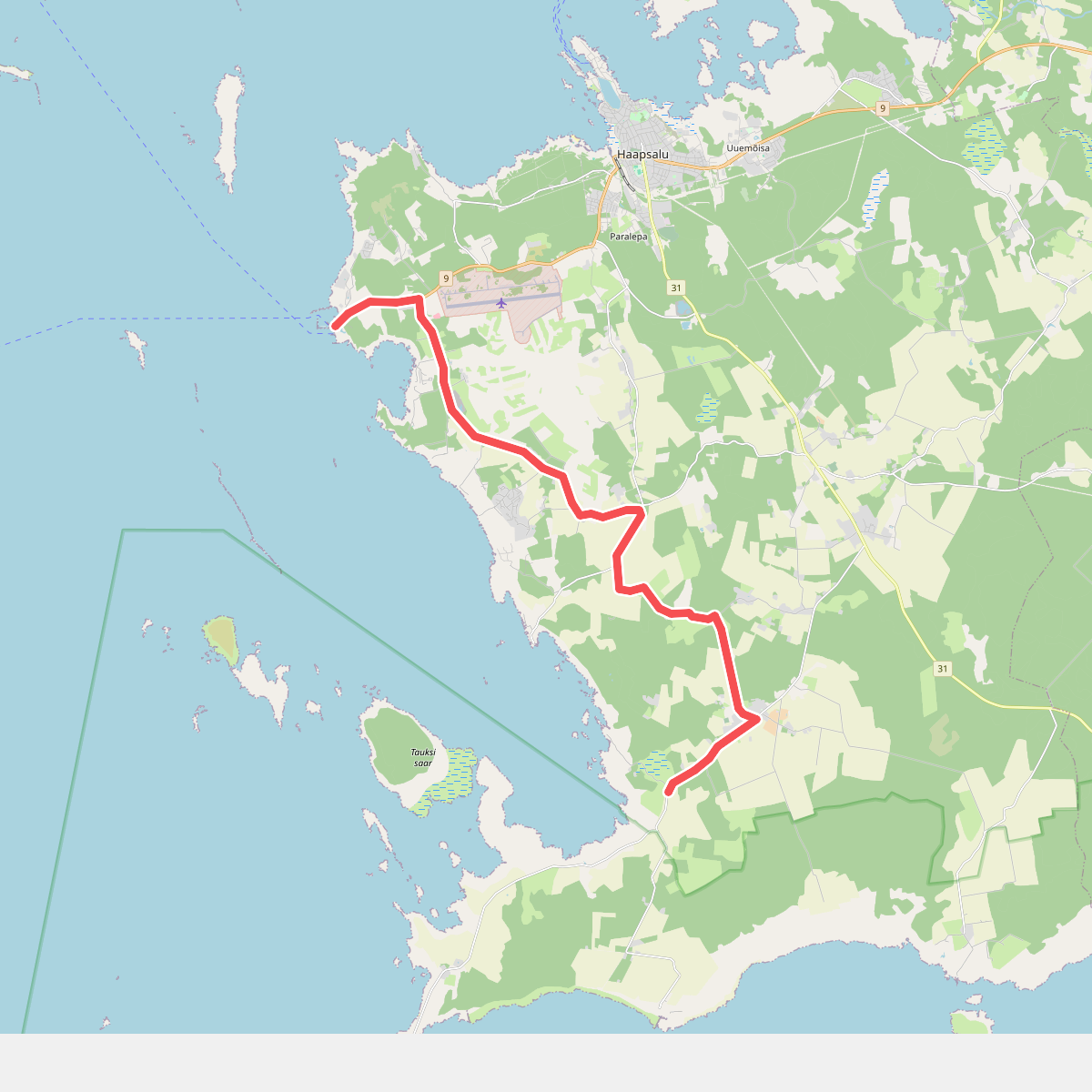
#2. d47_Euroopa matkarada E9, Eesti
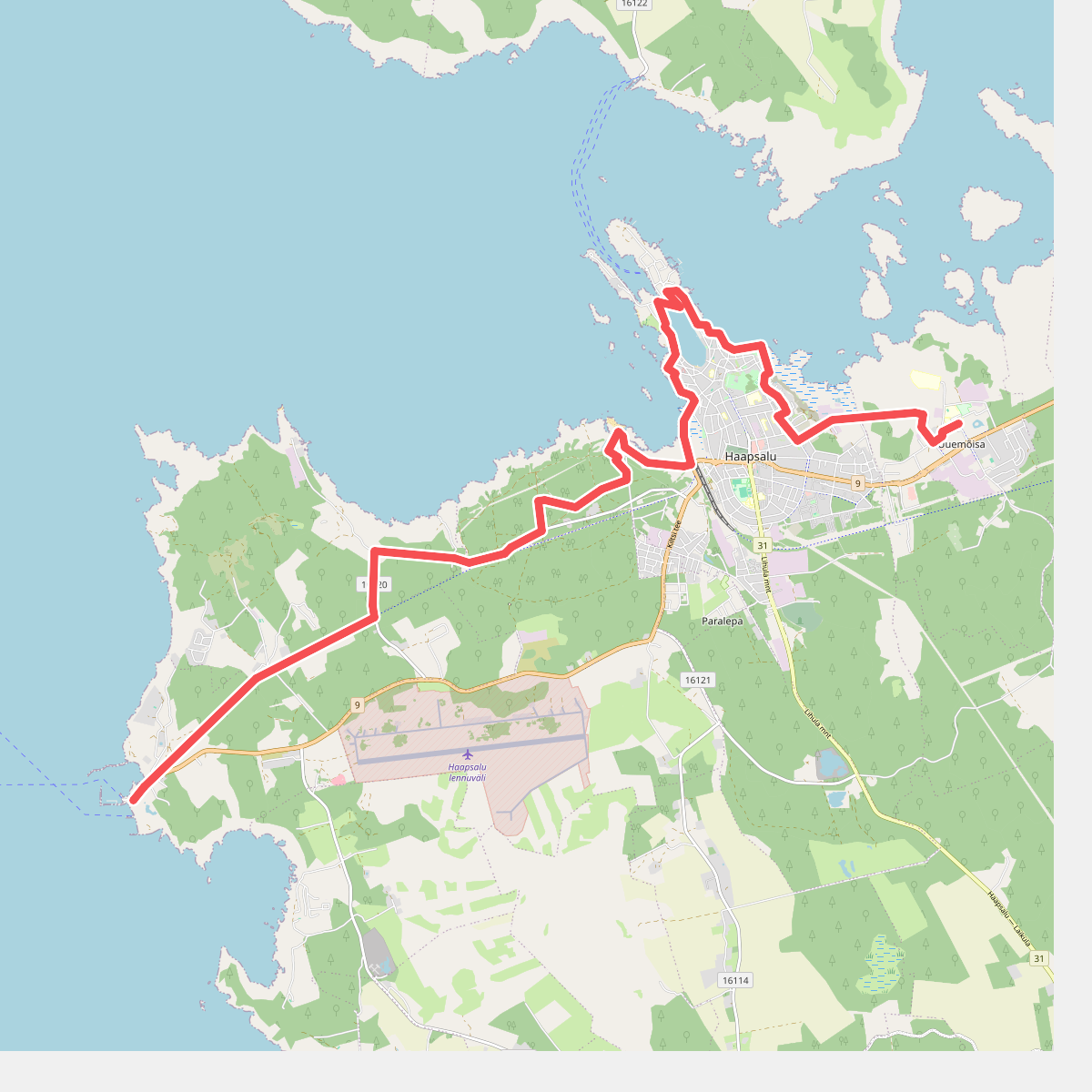
#3. d48_Euroopa matkarada E9, Eesti
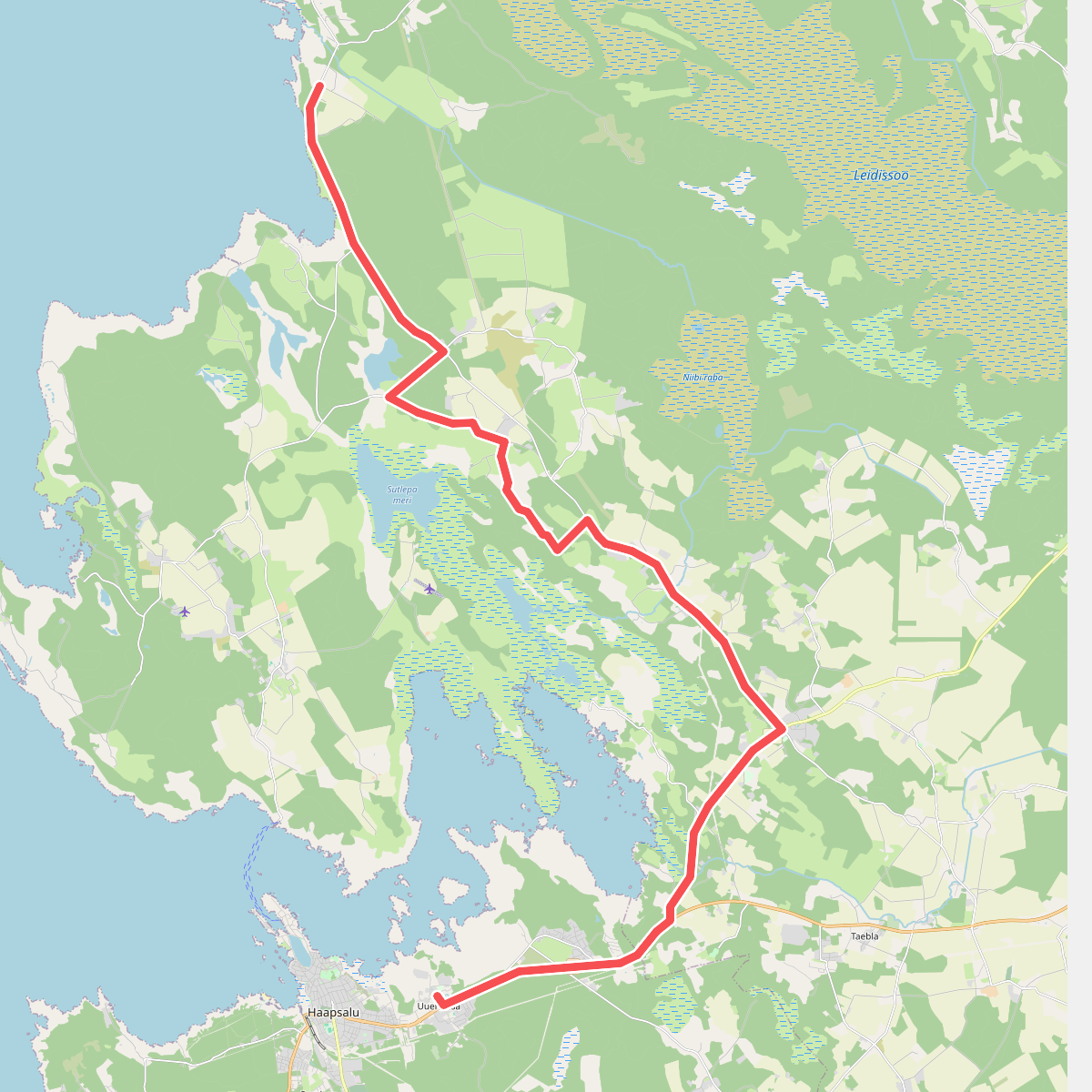
#4. d49_Euroopa matkarada E9, Eesti
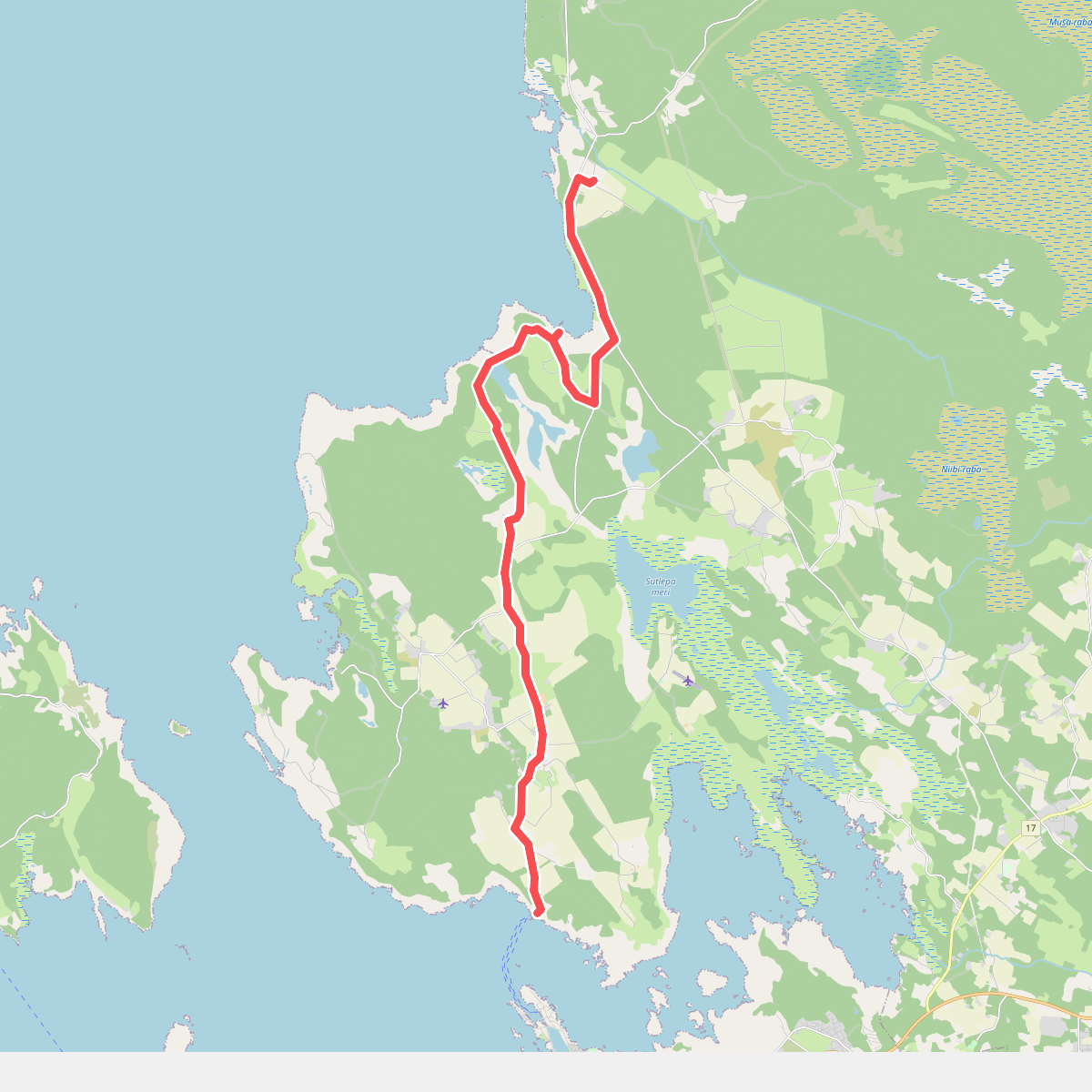
#5. d50_Euroopa matkarada E9, Eesti
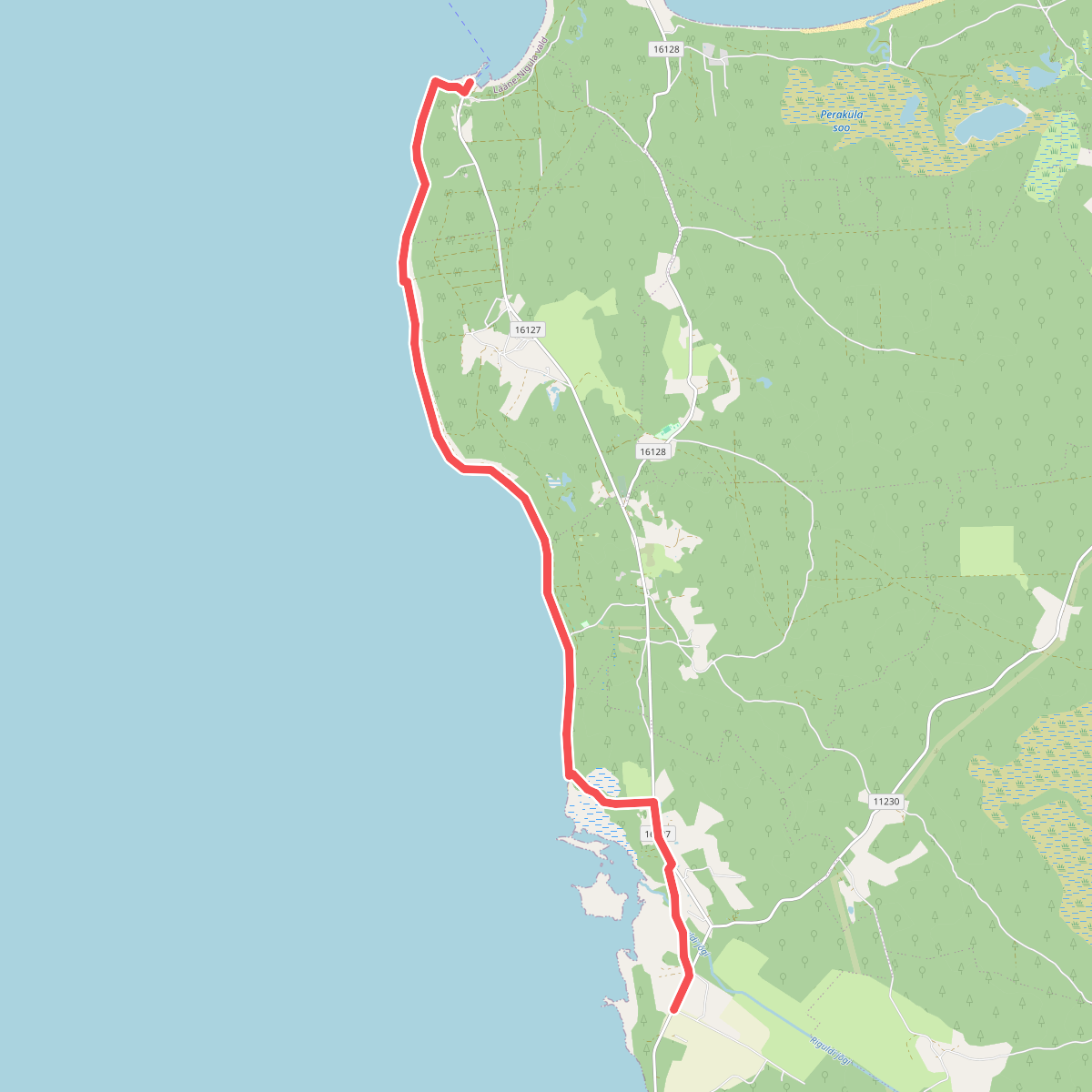
#6. d51_Euroopa matkarada E9, Eesti
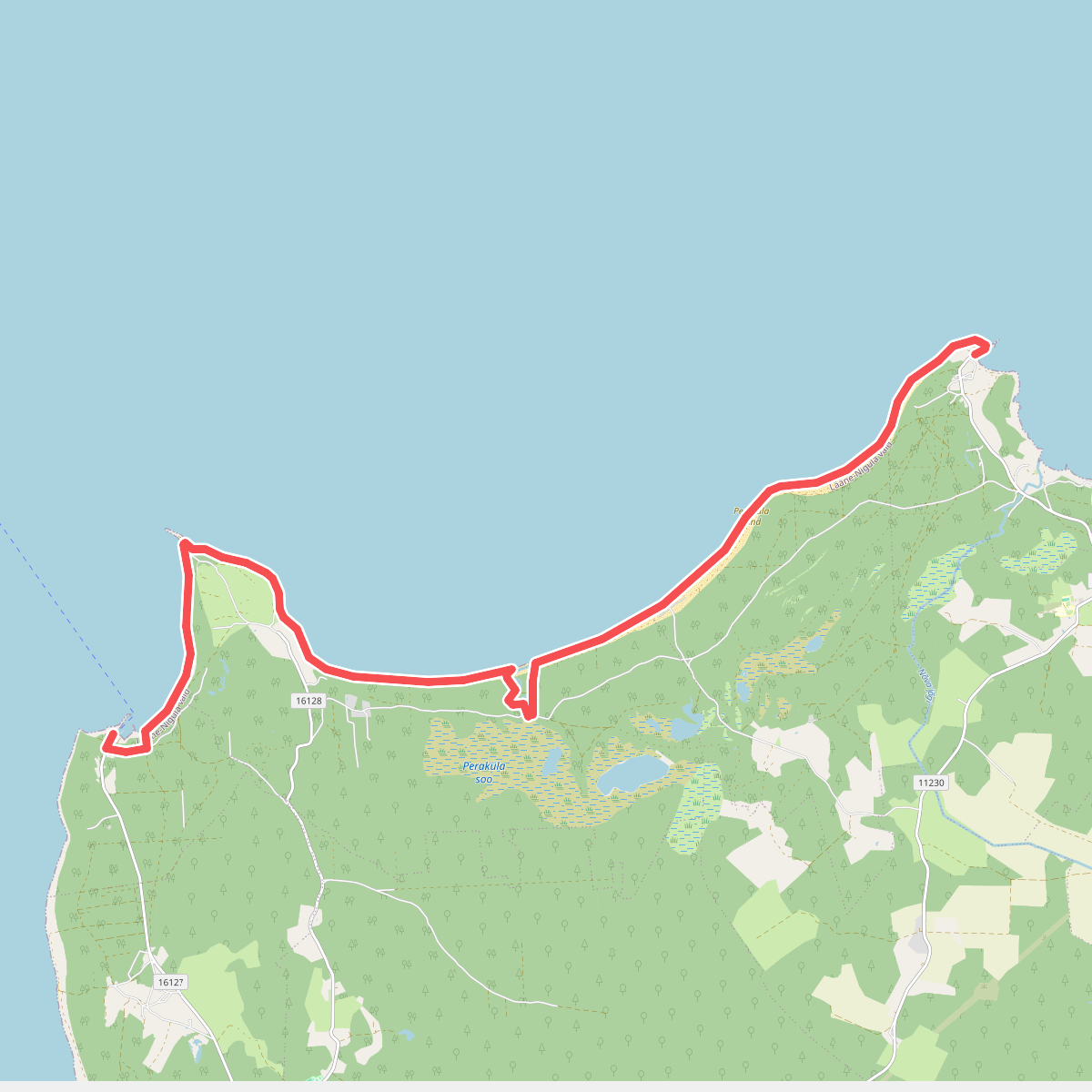
#7. d52_Euroopa matkarada E9, Eesti
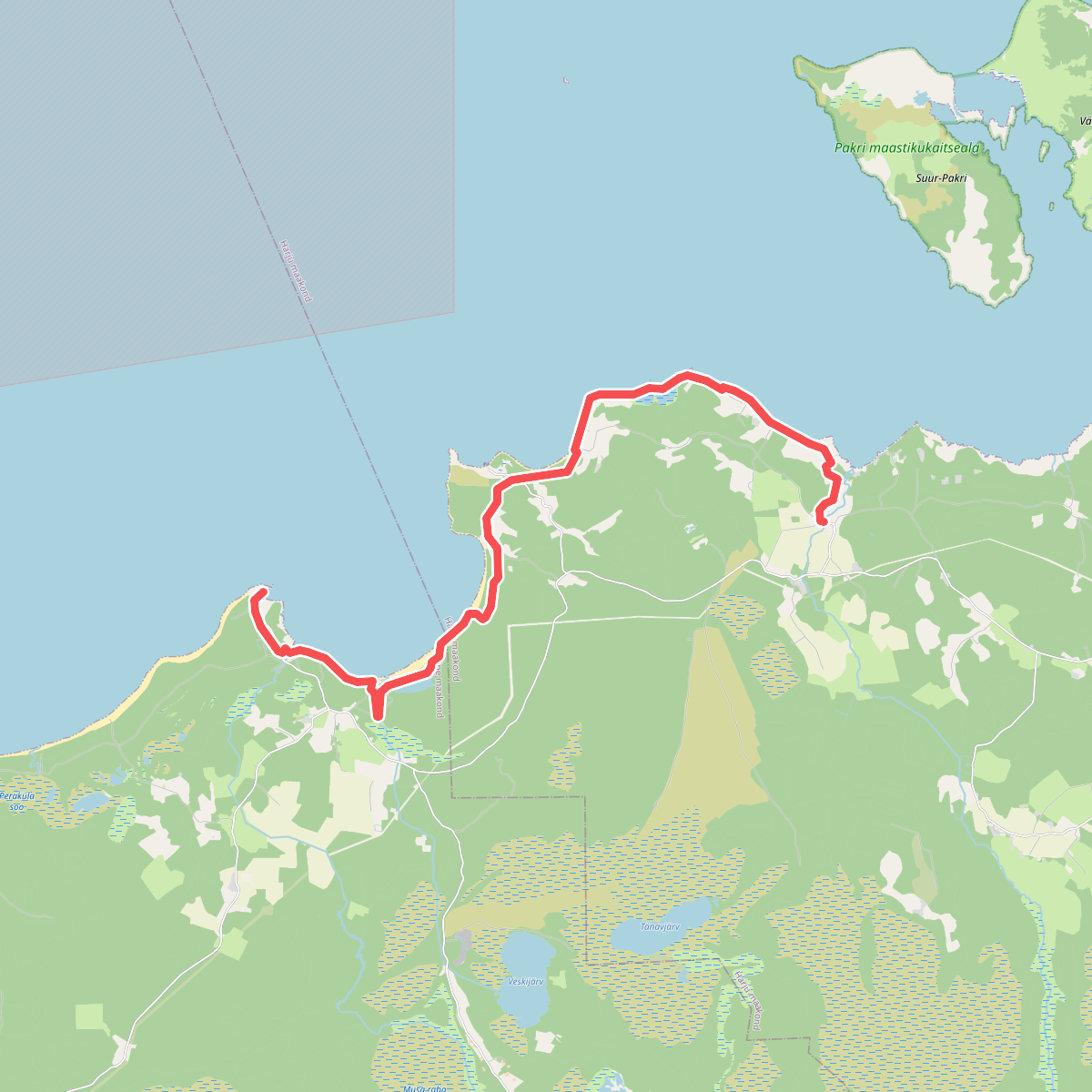
#8. d53_Euroopa matkarada E9, Eesti
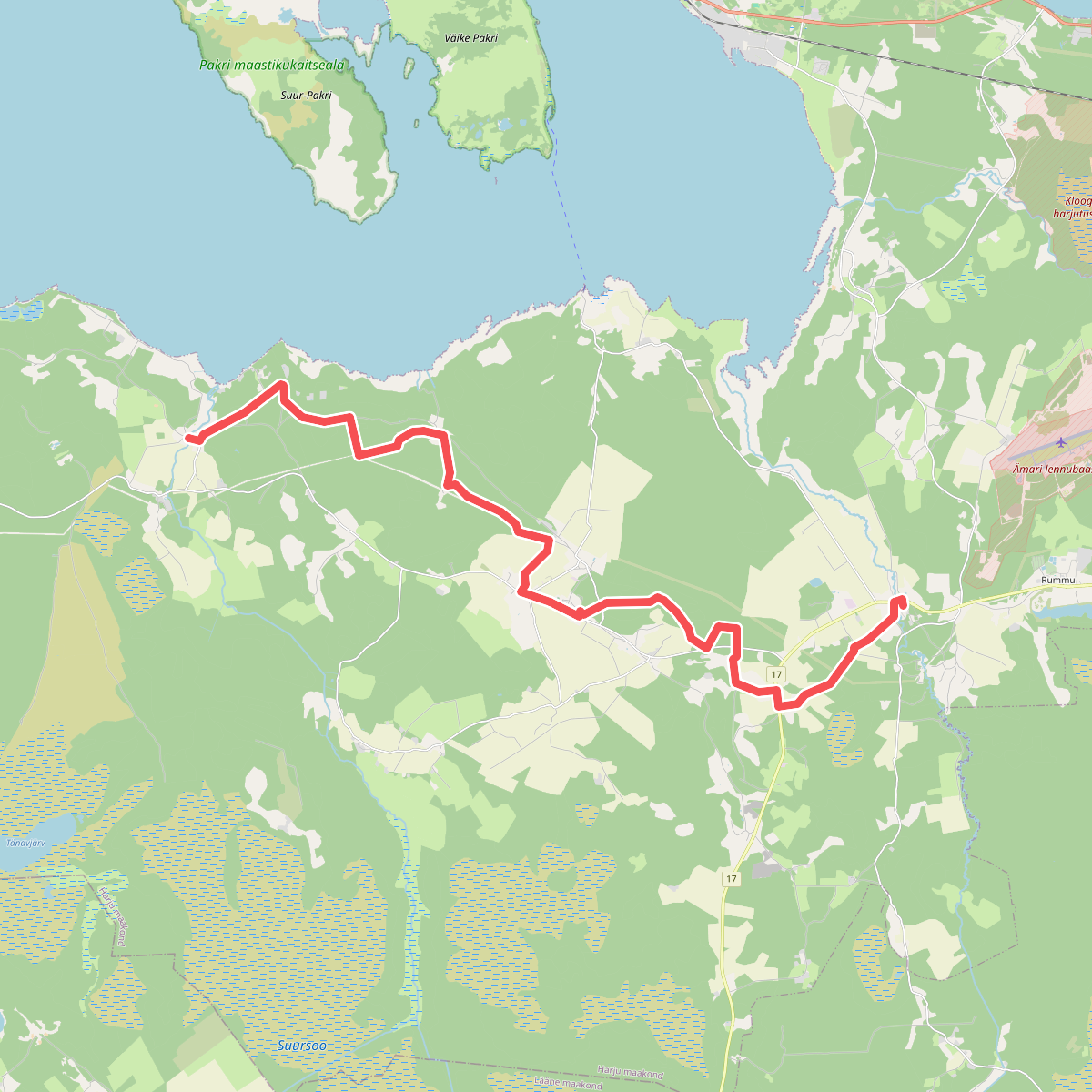
#9. d54_Euroopa matkarada E9, Eesti
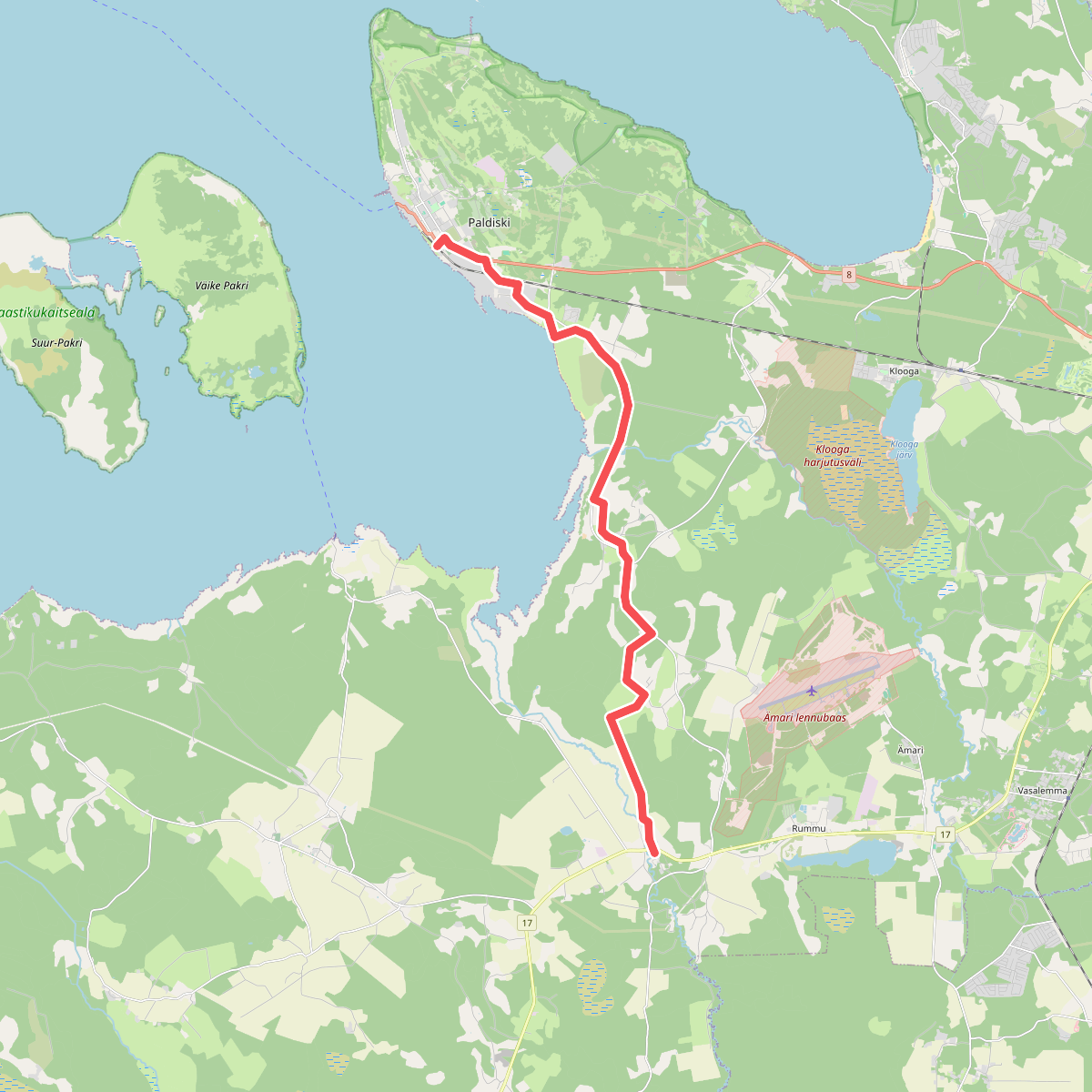
#10. d55_Euroopa matkarada E9, Eesti
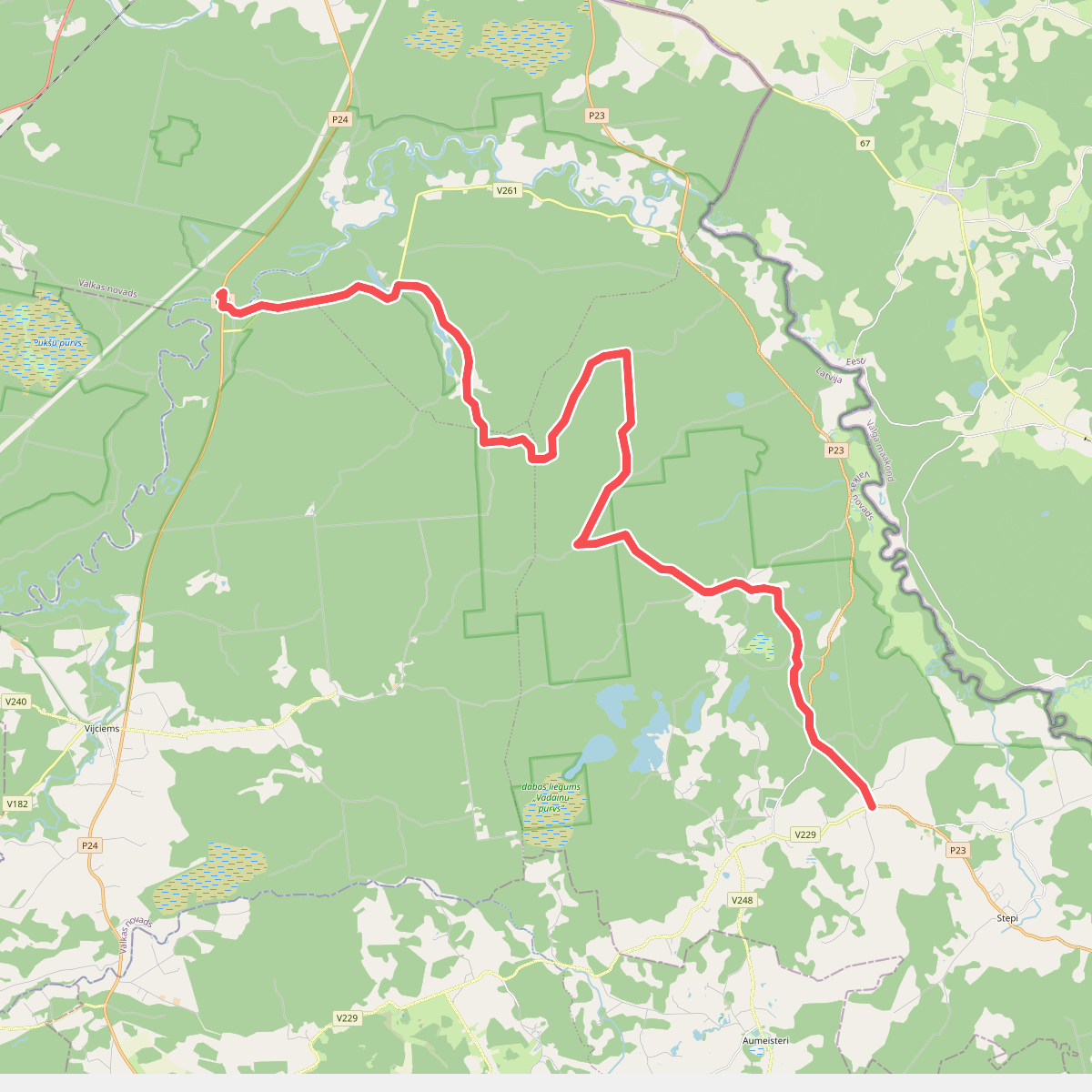
#11. E11 section 11: Spicu tilts - Zaķi