
The best hiking routes in Żywiecki Park Krajobrazowy
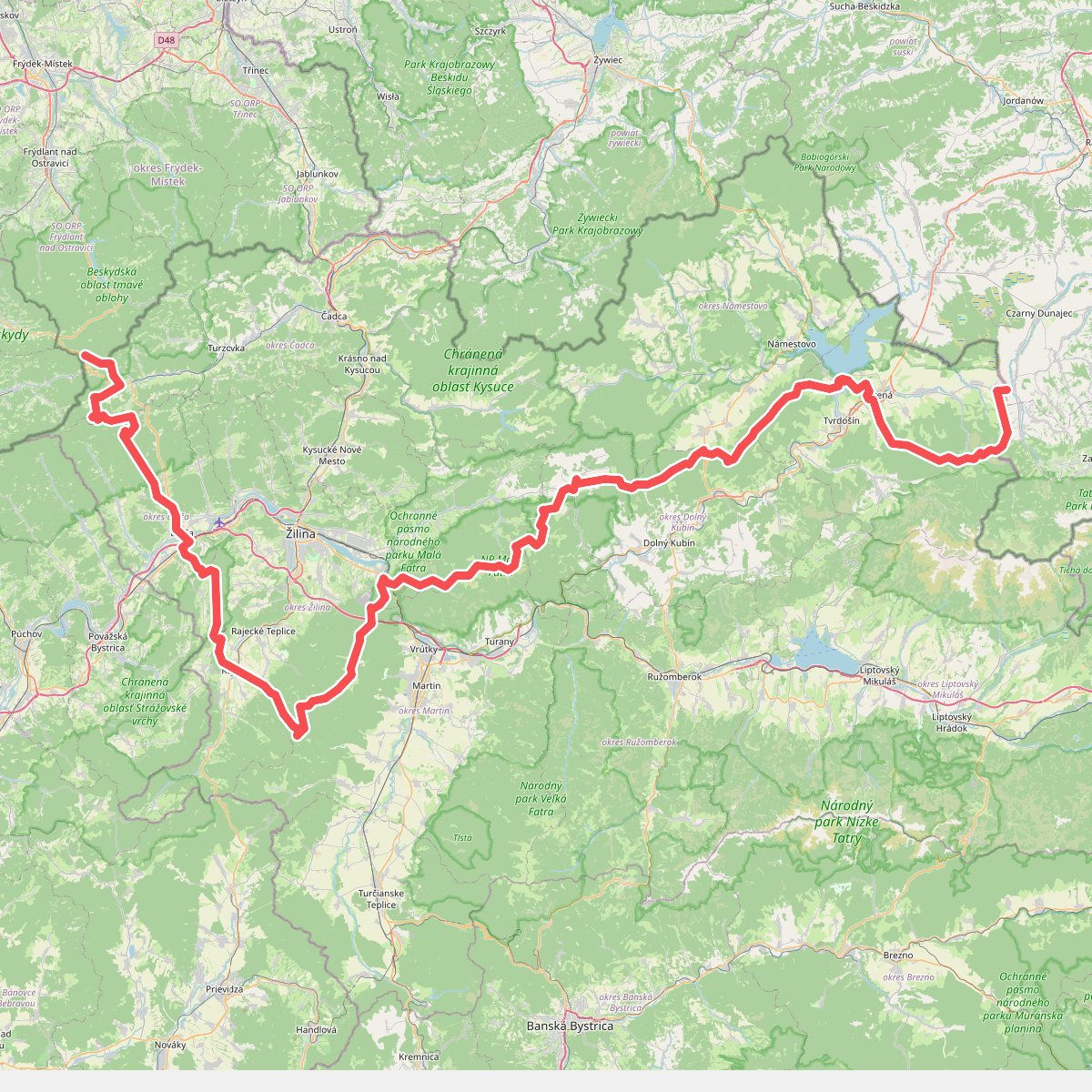
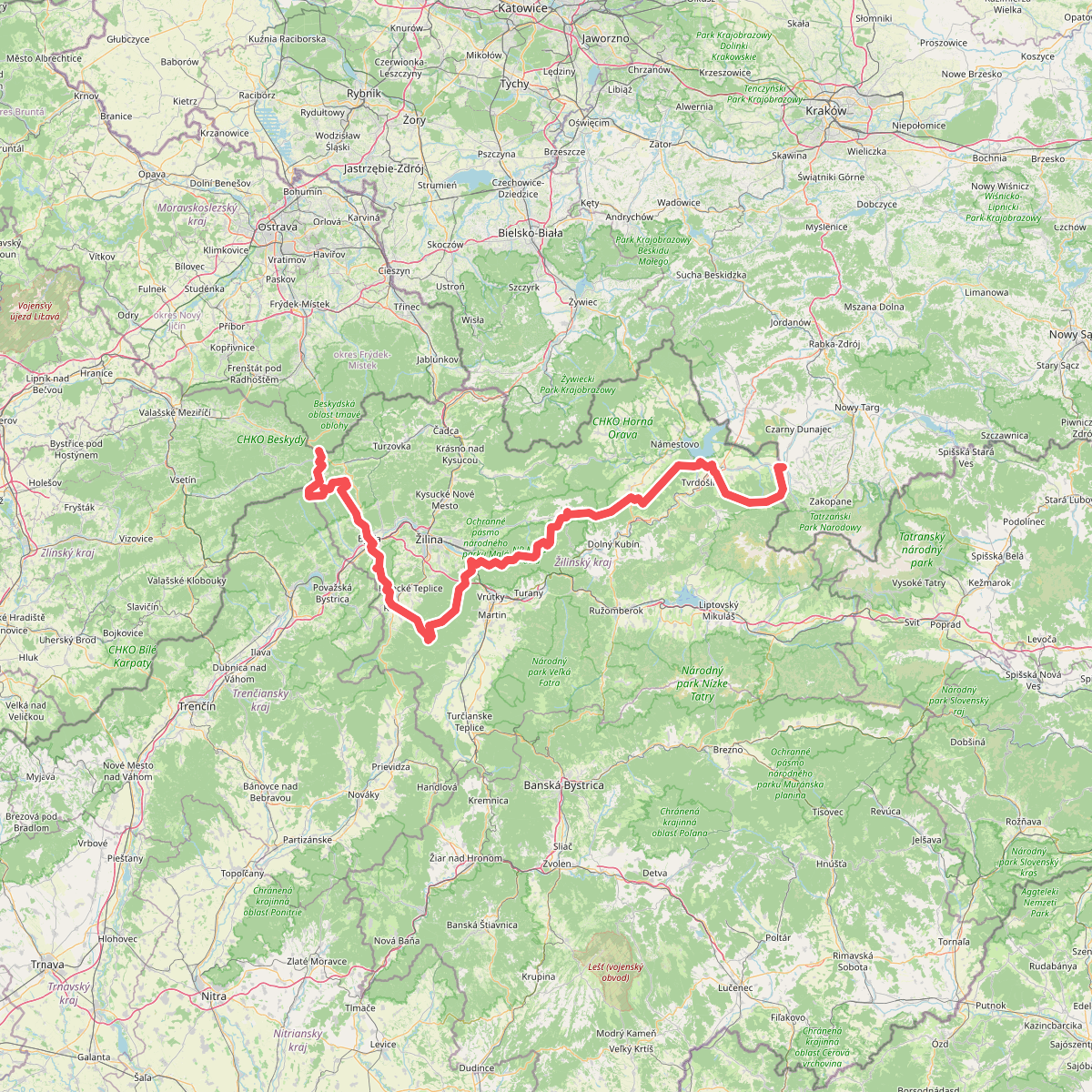
Discover the best walks in Żywiecki Park Krajobrazowy. 2 routes on the map, with descriptions, photos and GPX.
About Żywiecki Park Krajobrazowy
Żywiecki Park Krajobrazowy offers a rugged mountain landscape dominated by the high, sandstone-capped ridges of the Beskid Żywiecki. Unlike flatter Polish parks, the terrain here is defined by steep, forested slopes of spruce and beech that open up into high-altitude mountain pastures, known locally as halny. Walking here means navigating a mix of rocky, root-strewn dirt tracks and muddy clay paths that can become slippery underfoot. The elevation changes are significant, so expect sustained climbs rather than gentle, rolling strolls.
Read more
About Żywiecki Park Krajobrazowy
Żywiecki Park Krajobrazowy offers a rugged mountain landscape dominated by the high, sandstone-capped ridges of the Beskid Żywiecki. Unlike flatter Polish parks, the terrain here is defined by steep, forested slopes of spruce and beech that open up into high-altitude mountain pastures, known locally as halny. Walking here means navigating a mix of rocky, root-strewn dirt tracks and muddy clay paths that can become slippery underfoot. The elevation changes are significant, so expect sustained climbs rather than gentle, rolling strolls.
Read moreŻywiecki Park Krajobrazowy offers a rugged mountain landscape dominated by the high, sandstone-capped ridges of the Beskid Żywiecki. Unlike flatter Polish parks, the terrain here is defined by steep, forested slopes of spruce and beech that open up into high-altitude mountain pastures, known locally as halny. Walking here means navigating a mix of rocky, root-strewn dirt tracks and muddy clay paths that can become slippery underfoot. The elevation changes are significant, so expect sustained climbs rather than gentle, rolling strolls.
The landscape bears the clear marks of its geological structure and traditional pastoral history. As you ascend, the dense mixed forest gives way to open ridges where sheep grazing has shaped the vegetation for centuries. You will notice how the spruce trees become stunted near the tree line, exposed to the harsher mountain climate. The valleys below are dotted with small, traditional wooden settlements, while the higher ridges remain largely wild and dominated by blueberry shrubs and tall grasses.
Underfoot, the trails are mostly natural and unpaved, featuring exposed sandstone slabs, loose stones, and deep forest humus. There are few boardwalks or manicured gravel paths here, making sturdy footwear essential. While the main trails leading to the highest peaks can attract crowds of hikers during the peak summer months of July and August, the quieter side valleys and lower-altitude beech forests offer a much more solitary walking experience.