
The best hiking routes in ZEC Baixa Limia
Discover the best walks in ZEC Baixa Limia. 11 routes on the map, with descriptions, photos and GPX.
Managed by Xunta de Galicia
About ZEC Baixa Limia
ZEC Baixa Limia offers a rugged, granite-dominated landscape in southern Galicia, characterized by steep rocky slopes, deep river canyons, and high-altitude heathlands. Unlike the softer, greener valleys of coastal Galicia, this protected area is defined by massive, weathered stone formations and scrubby vegetation like gorse and heather. Walkers will find a stark contrast between the sheltered, wooded river valleys filled with deciduous oak and the exposed, wind-swept ridges where bare rock dominates.
Read more
About ZEC Baixa Limia
ZEC Baixa Limia offers a rugged, granite-dominated landscape in southern Galicia, characterized by steep rocky slopes, deep river canyons, and high-altitude heathlands. Unlike the softer, greener valleys of coastal Galicia, this protected area is defined by massive, weathered stone formations and scrubby vegetation like gorse and heather. Walkers will find a stark contrast between the sheltered, wooded river valleys filled with deciduous oak and the exposed, wind-swept ridges where bare rock dominates.
Read moreZEC Baixa Limia offers a rugged, granite-dominated landscape in southern Galicia, characterized by steep rocky slopes, deep river canyons, and high-altitude heathlands. Unlike the softer, greener valleys of coastal Galicia, this protected area is defined by massive, weathered stone formations and scrubby vegetation like gorse and heather. Walkers will find a stark contrast between the sheltered, wooded river valleys filled with deciduous oak and the exposed, wind-swept ridges where bare rock dominates.
Underfoot, the trails vary from rough, stony tracks and ancient paved granite paths to softer, leaf-littered ground under the oak canopies. Navigating the area requires steady footing, as the terrain is often steep and uneven, with loose stones common on the higher slopes. The landscape bears the marks of traditional pastoralism, with stone huts and drystone walls blending into the natural rocky outcrops.
In May, the high heathlands turn yellow and purple with blooming broom and heather, contrasting sharply with the grey granite. This is a demanding walking destination where the appeal lies in the raw, geological scale of the terrain rather than manicured trails or gentle parkland.
Hiking routes in ZEC Baixa Limia (11)
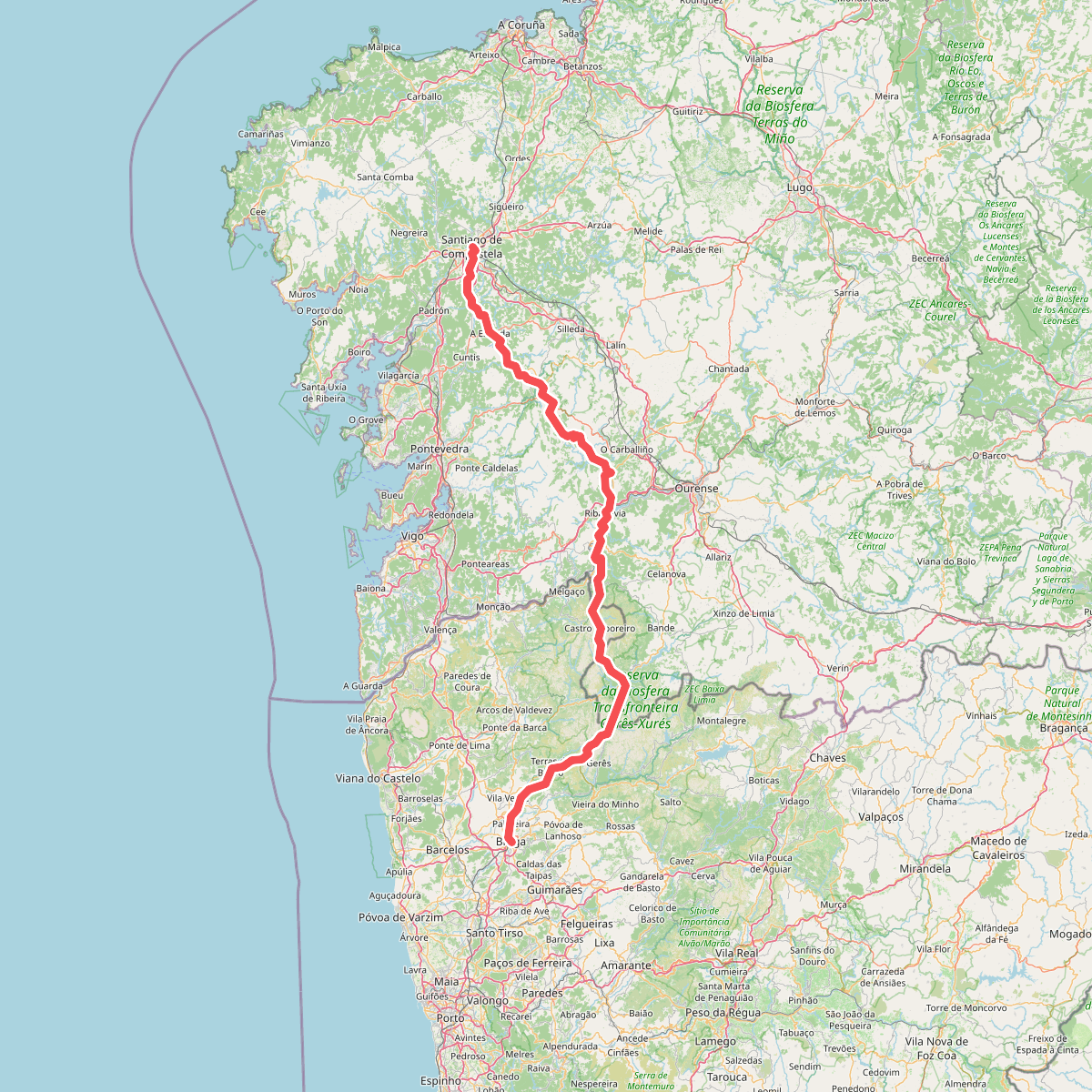
#1. Caminho da Geira e dos Arrieiros
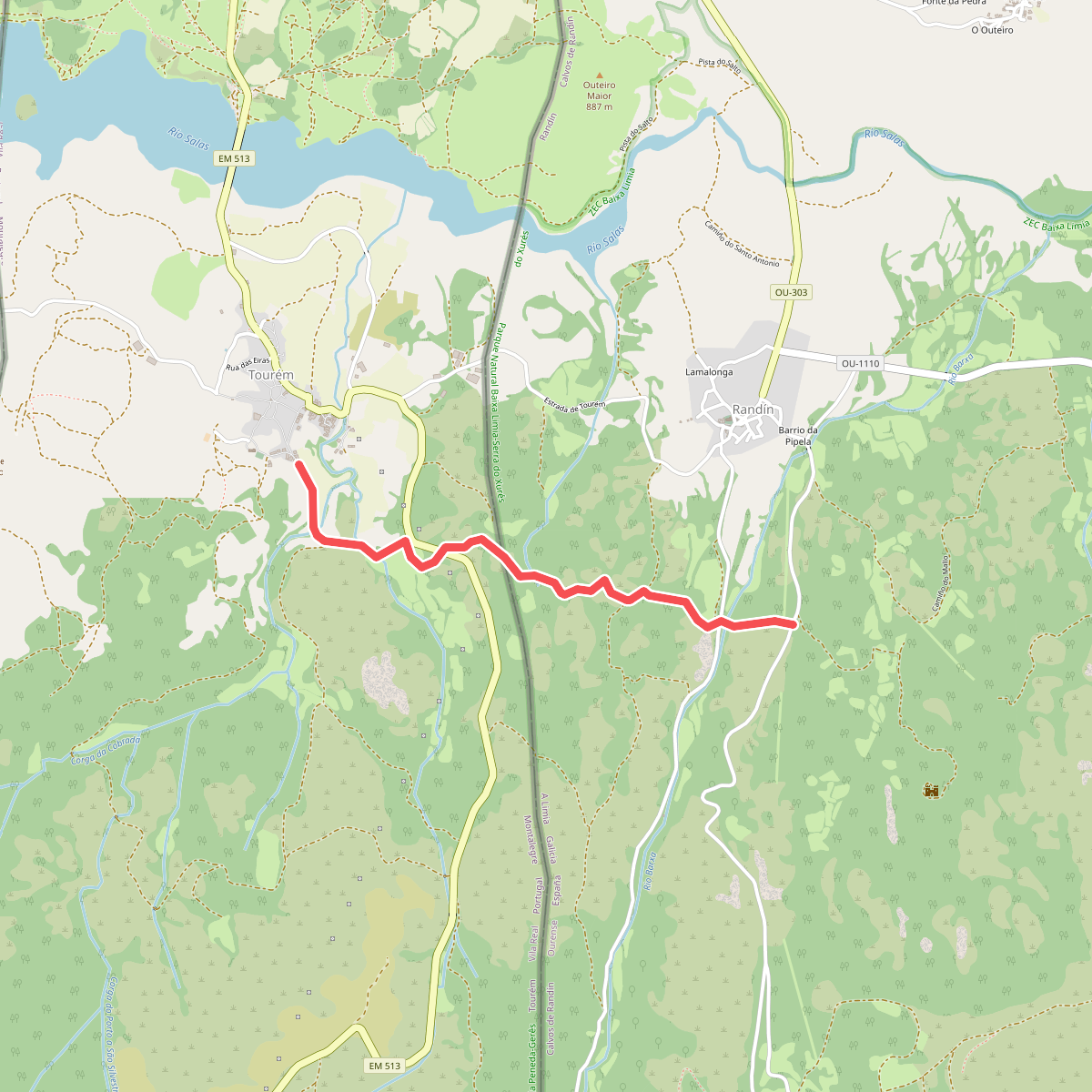
#2. Caminho privilegiado do Couto Misto
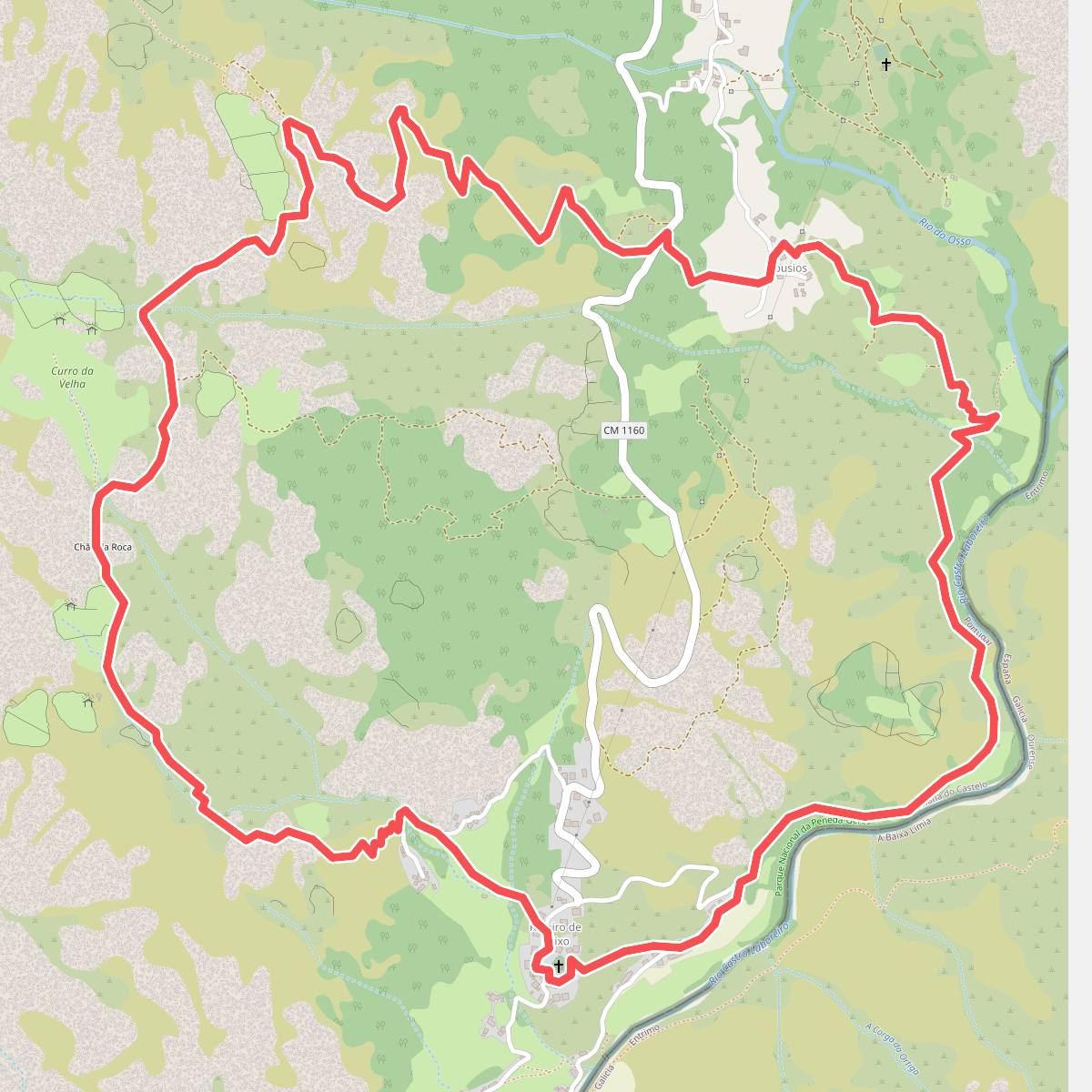
#3. Curro da Velha
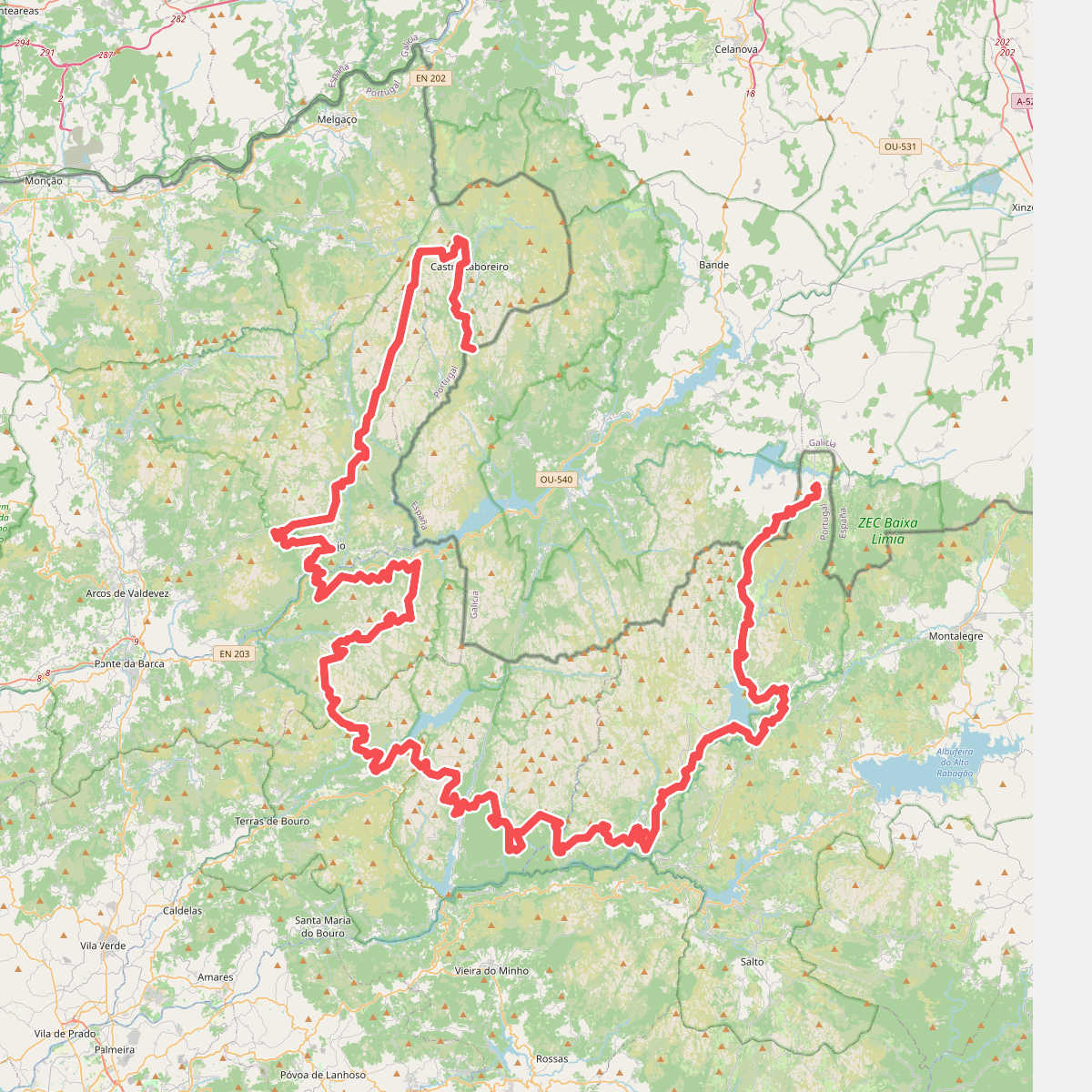
#4. Grande Rota Peneda-Gerês
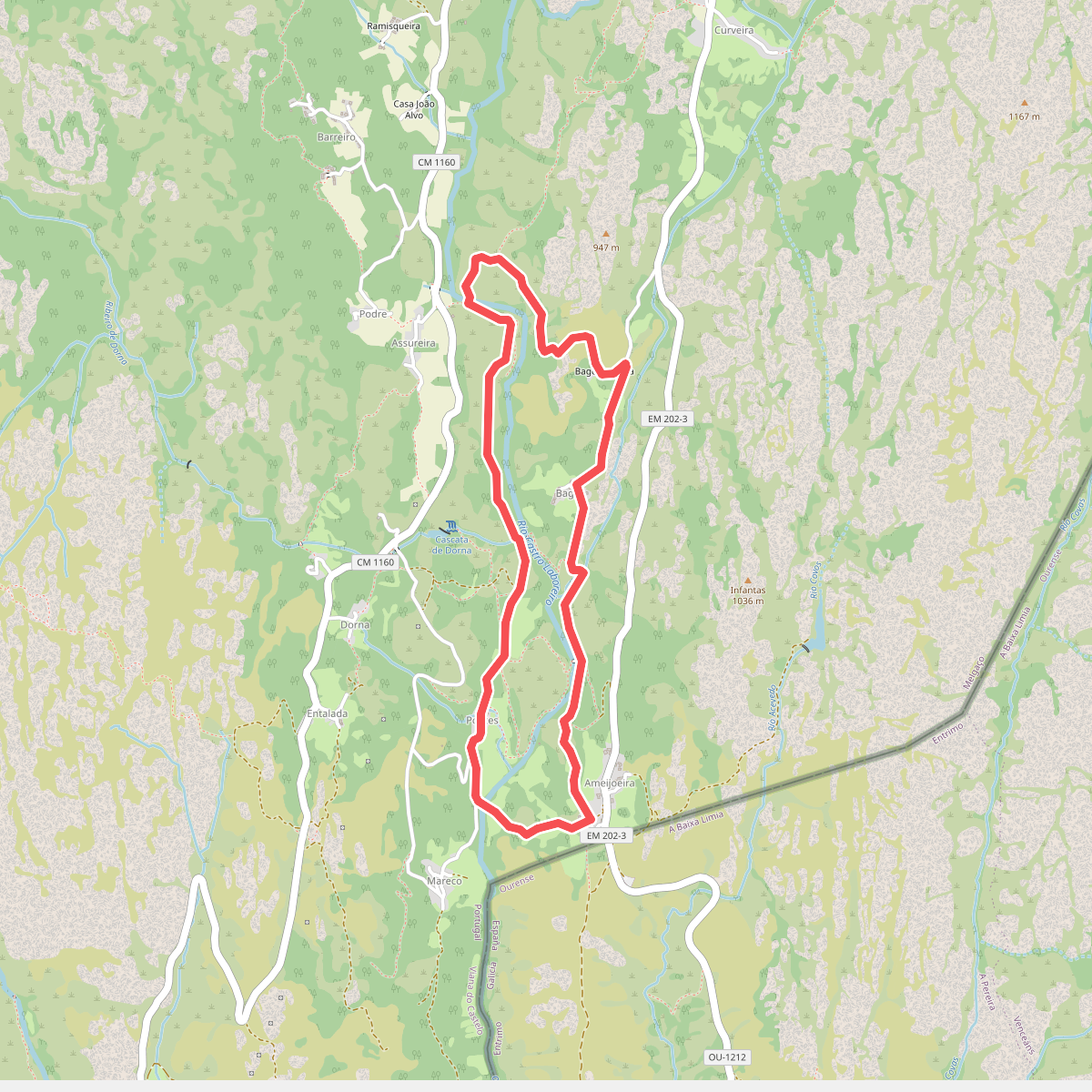
#5. Inverneiras
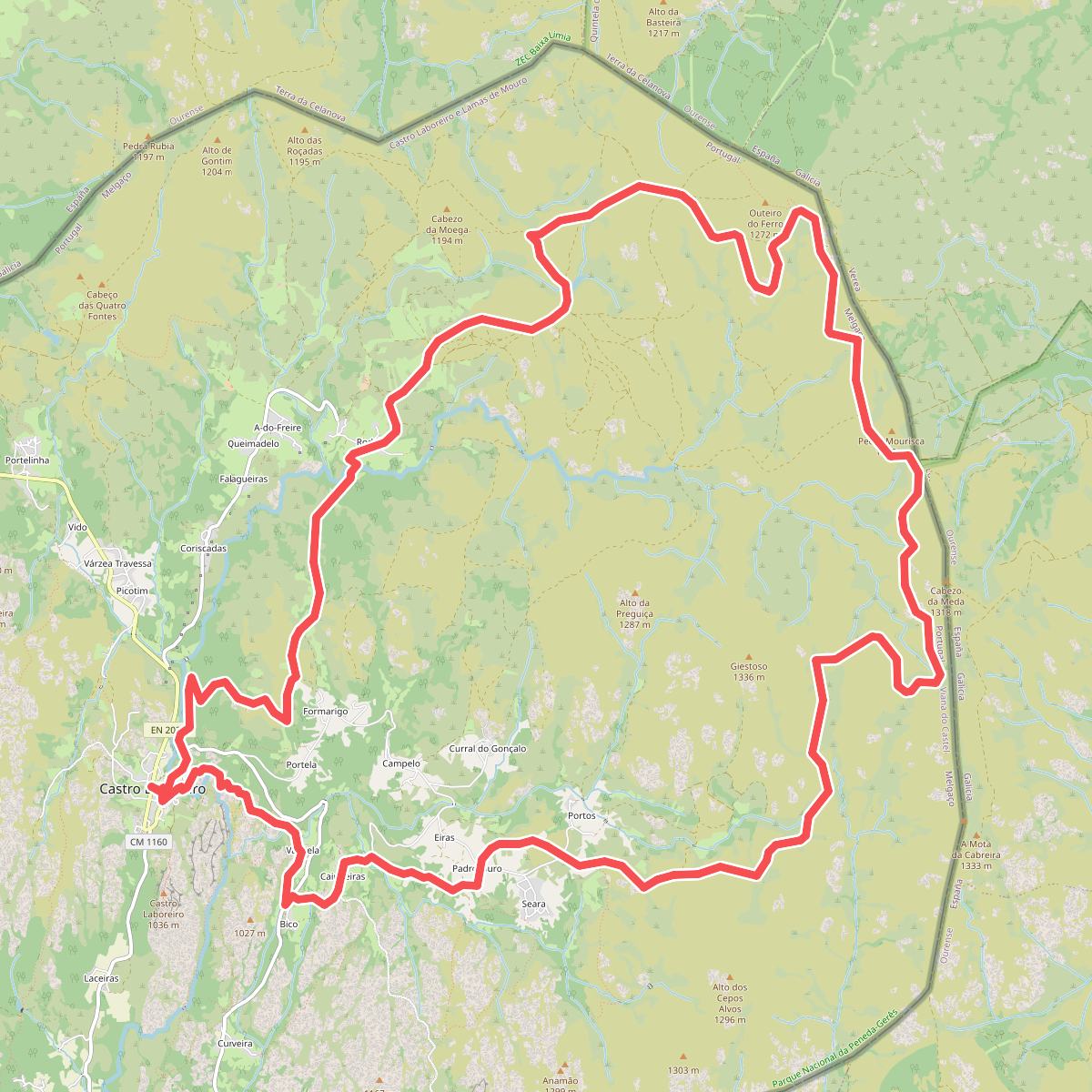
#6. Megalitismo
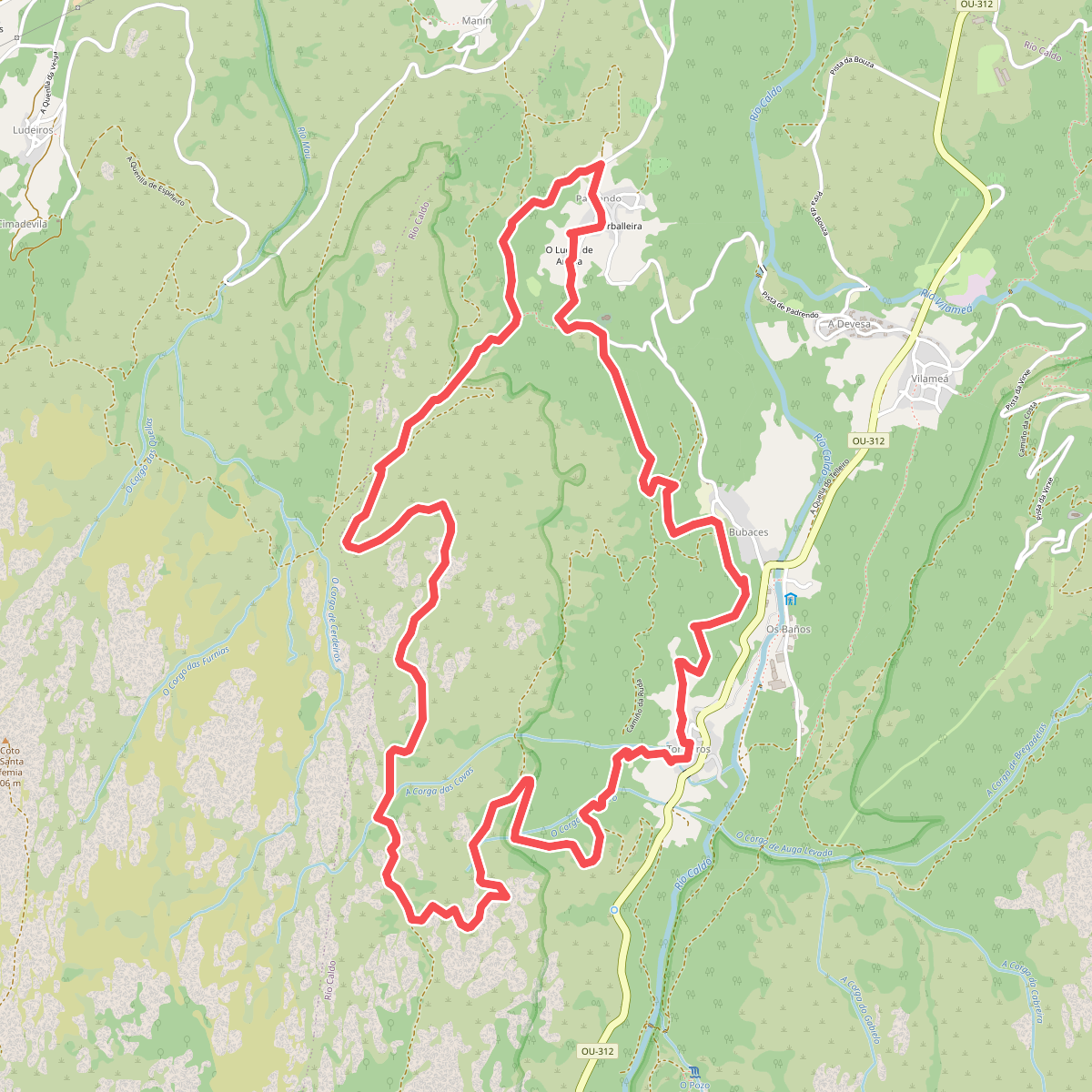
#7. PR-G 28 Ruta de Padrendo
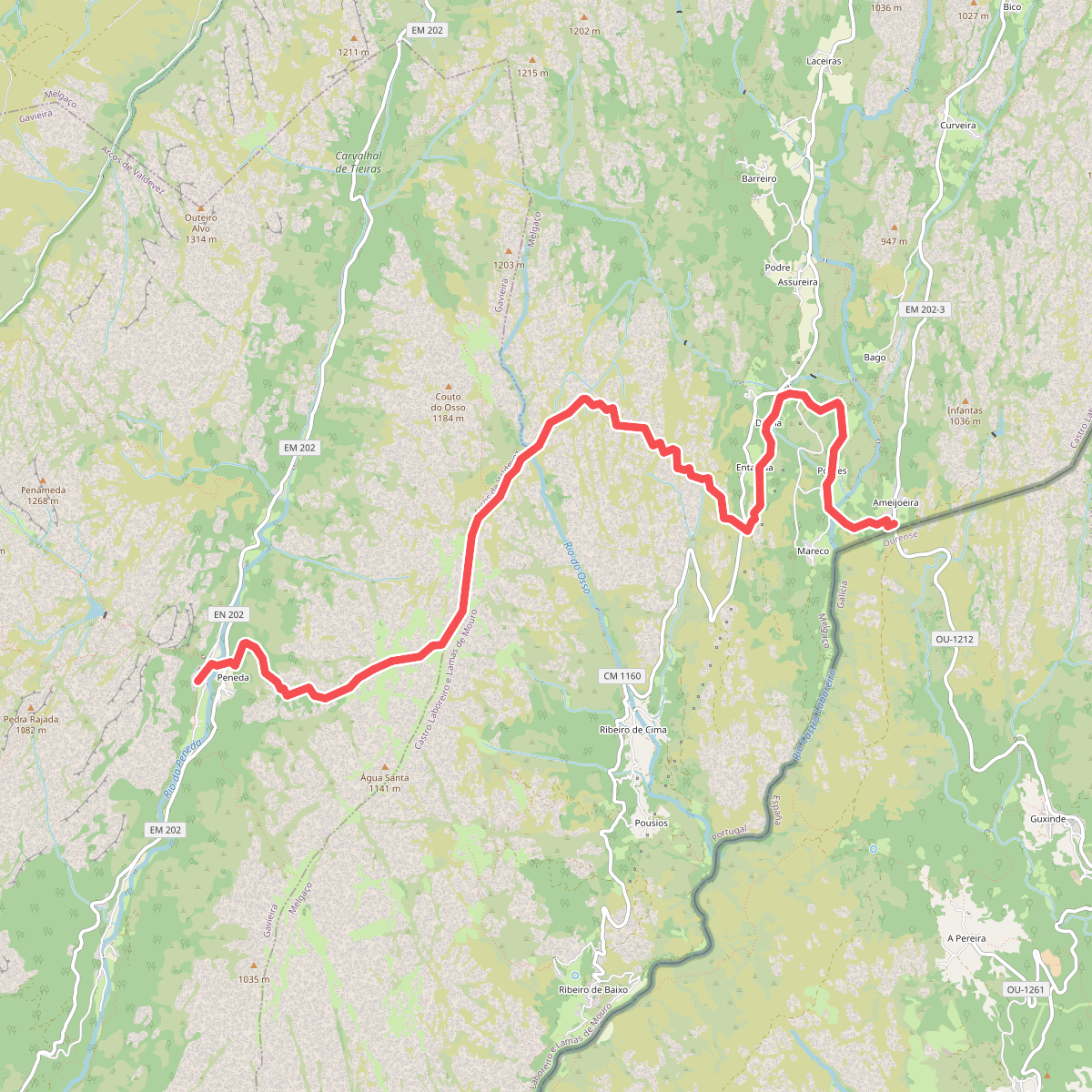
#8. Romeiros
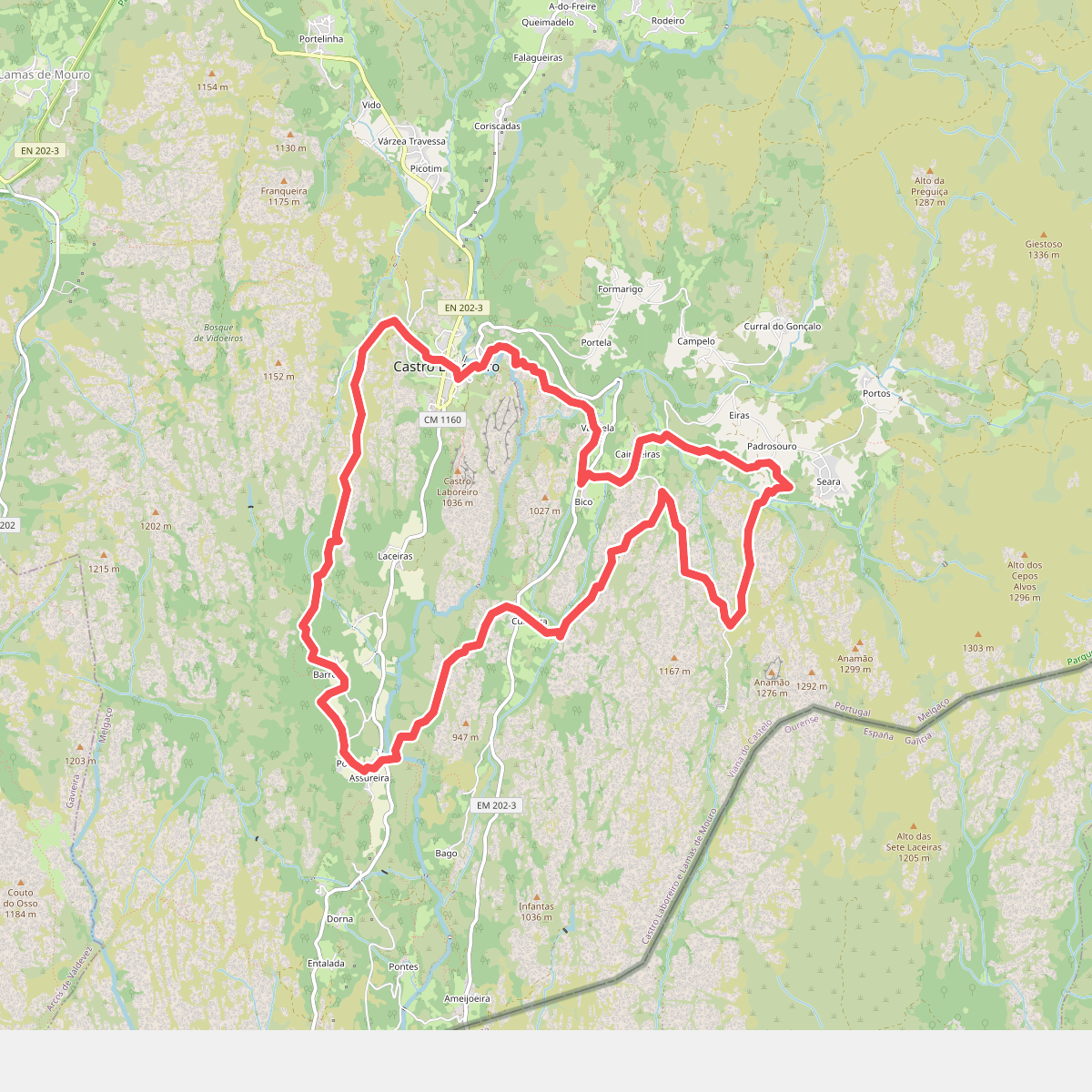
#9. Trilho Castrejo
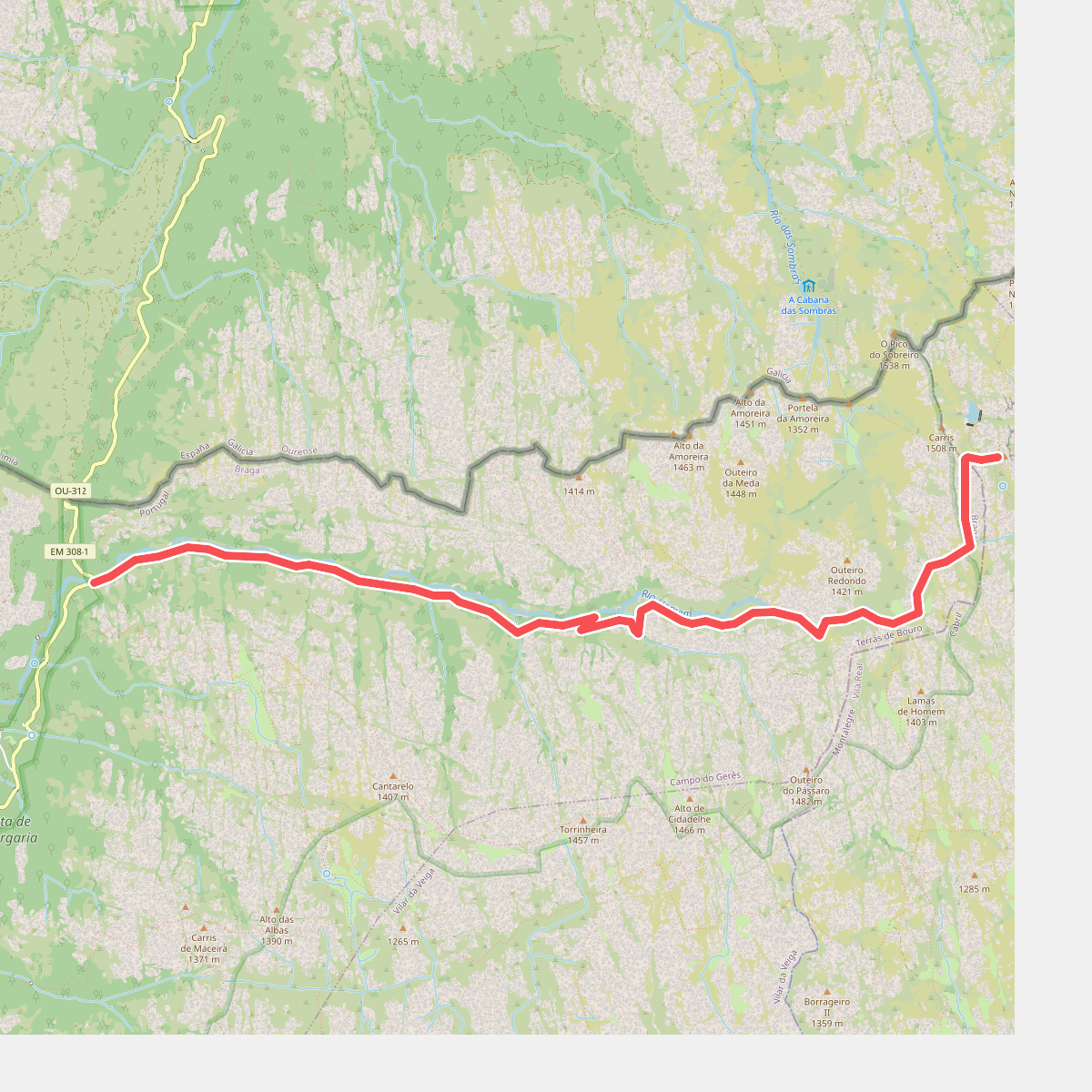
#10. Trilho das Minas dos Carris