
The best hiking routes in ZEC Arkamu-Gibillo-Arrastaria KBE
Discover the best walks in ZEC Arkamu-Gibillo-Arrastaria KBE. 11 routes on the map, with descriptions, photos and GPX.
About ZEC Arkamu-Gibillo-Arrastaria KBE
ZEC Arkamu-Gibillo-Arrastaria KBE is a limestone massif and plateau landscape in the Basque Country, defined by sharp contrasts between high karst pastures, dense beech forests, and steep cliffs. Walkers here will find a terrain shaped by water erosion, where limestone pavements, sinkholes, and dry valleys dictate the route. The area lacks the high, jagged peaks of the Pyrenees, offering instead a high-altitude plateau that drops abruptly into deep valleys like the Arrastaria amphitheatre.
Read more
About ZEC Arkamu-Gibillo-Arrastaria KBE
ZEC Arkamu-Gibillo-Arrastaria KBE is a limestone massif and plateau landscape in the Basque Country, defined by sharp contrasts between high karst pastures, dense beech forests, and steep cliffs. Walkers here will find a terrain shaped by water erosion, where limestone pavements, sinkholes, and dry valleys dictate the route. The area lacks the high, jagged peaks of the Pyrenees, offering instead a high-altitude plateau that drops abruptly into deep valleys like the Arrastaria amphitheatre.
Read moreZEC Arkamu-Gibillo-Arrastaria KBE is a limestone massif and plateau landscape in the Basque Country, defined by sharp contrasts between high karst pastures, dense beech forests, and steep cliffs. Walkers here will find a terrain shaped by water erosion, where limestone pavements, sinkholes, and dry valleys dictate the route. The area lacks the high, jagged peaks of the Pyrenees, offering instead a high-altitude plateau that drops abruptly into deep valleys like the Arrastaria amphitheatre.
Underfoot, the paths vary from stony, uneven limestone tracks on the higher ridges to soft, leaf-littered soil beneath the beech canopy of Gibillo. Navigating the open pastures of Arkamu requires attention, as the trails are often faint and sheep tracks can mislead walkers. The limestone karst remains dry underfoot because water drains quickly into the underground cave systems, though the forested sections retain moisture longer.
In late autumn, particularly in November, the beech woods turn a deep rust colour, contrasting sharply with the grey limestone outcrops. This is a working pastoral landscape where you will encounter grazing livestock and stone enclosures rather than manicured parkland. The higher ridges are often exposed, while the lower valleys provide sheltered, enclosed walking conditions.
Hiking routes in ZEC Arkamu-Gibillo-Arrastaria KBE (11)
#1. Artzaintza naturbidea
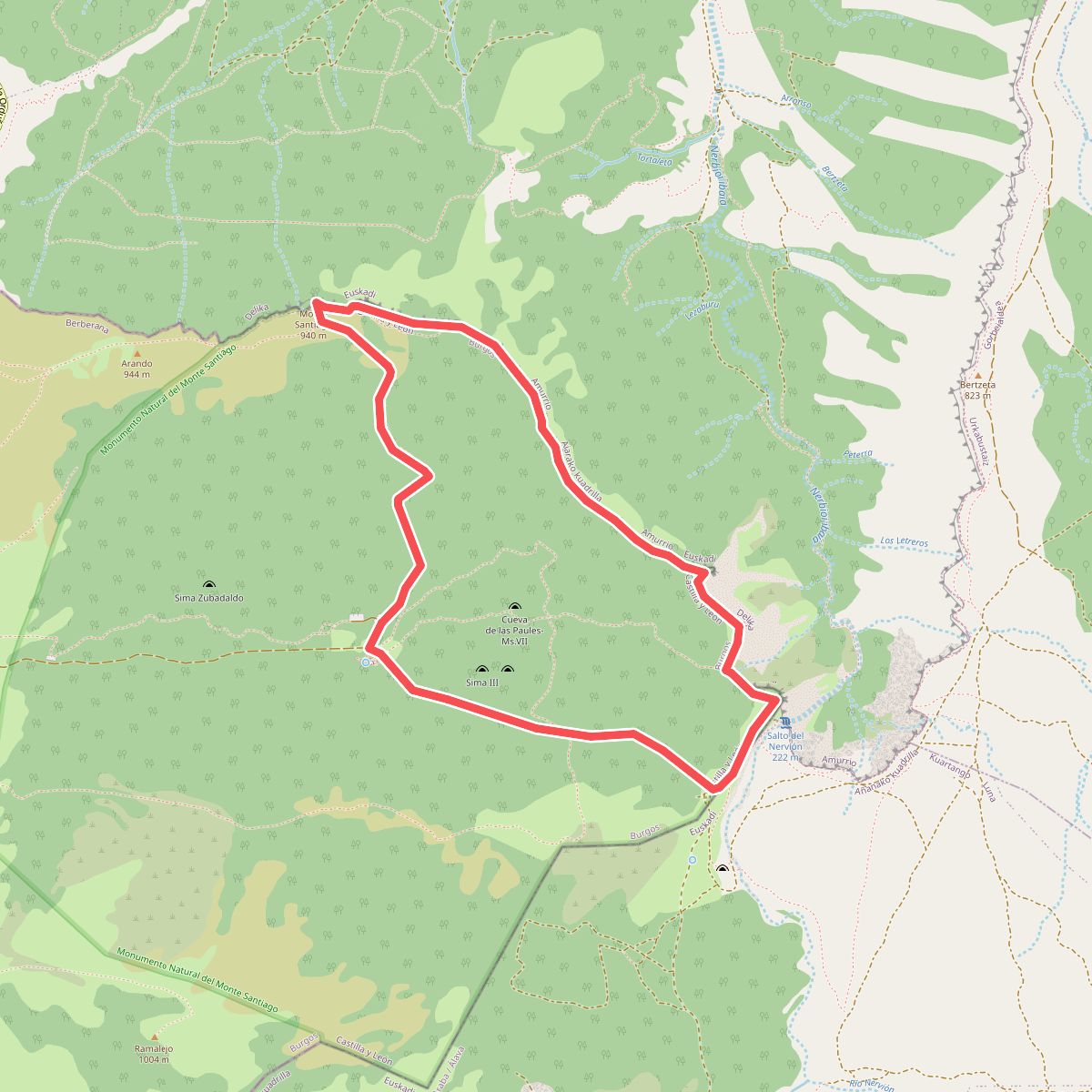
#2. Circular de los Miradores
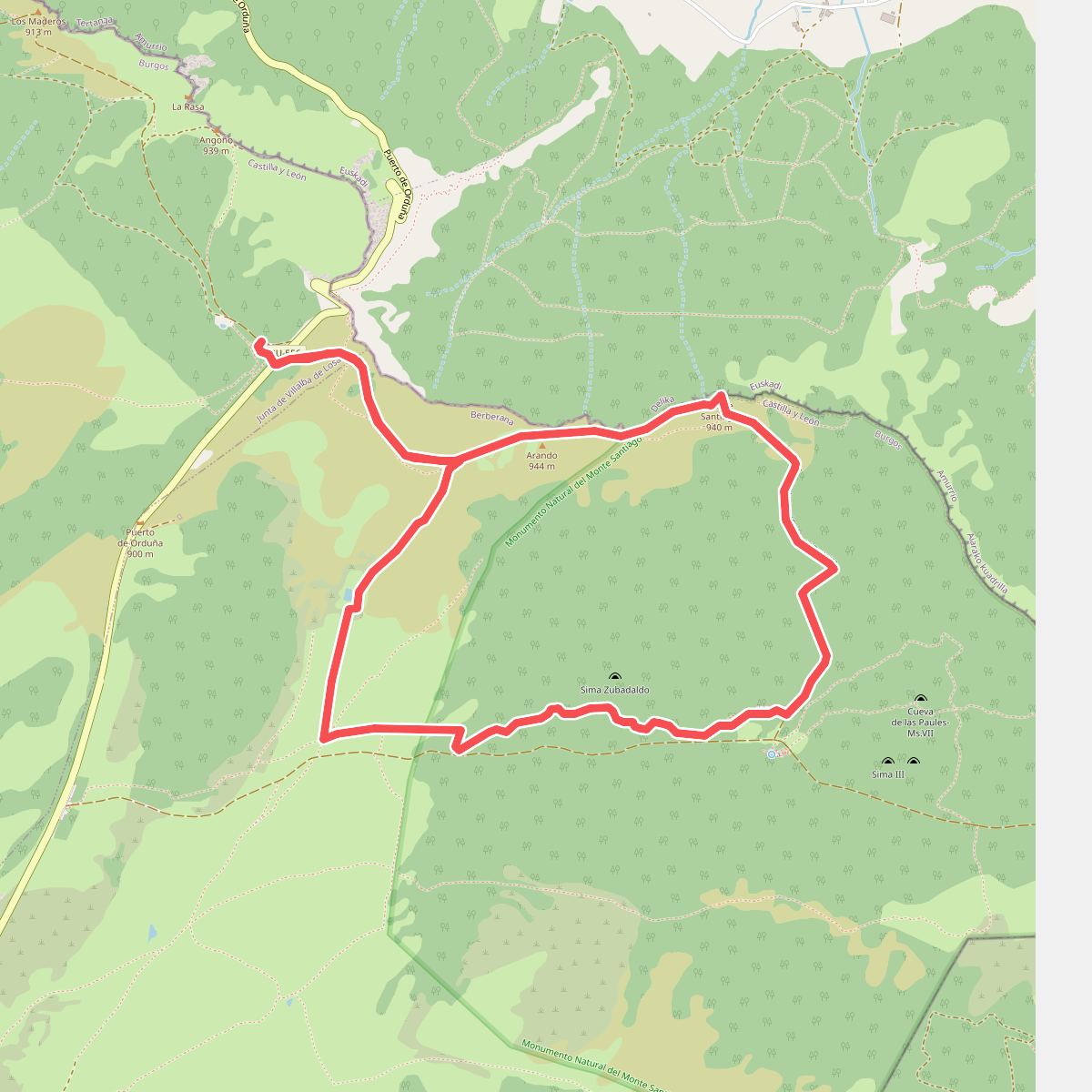
#3. Circular de los usos humanos
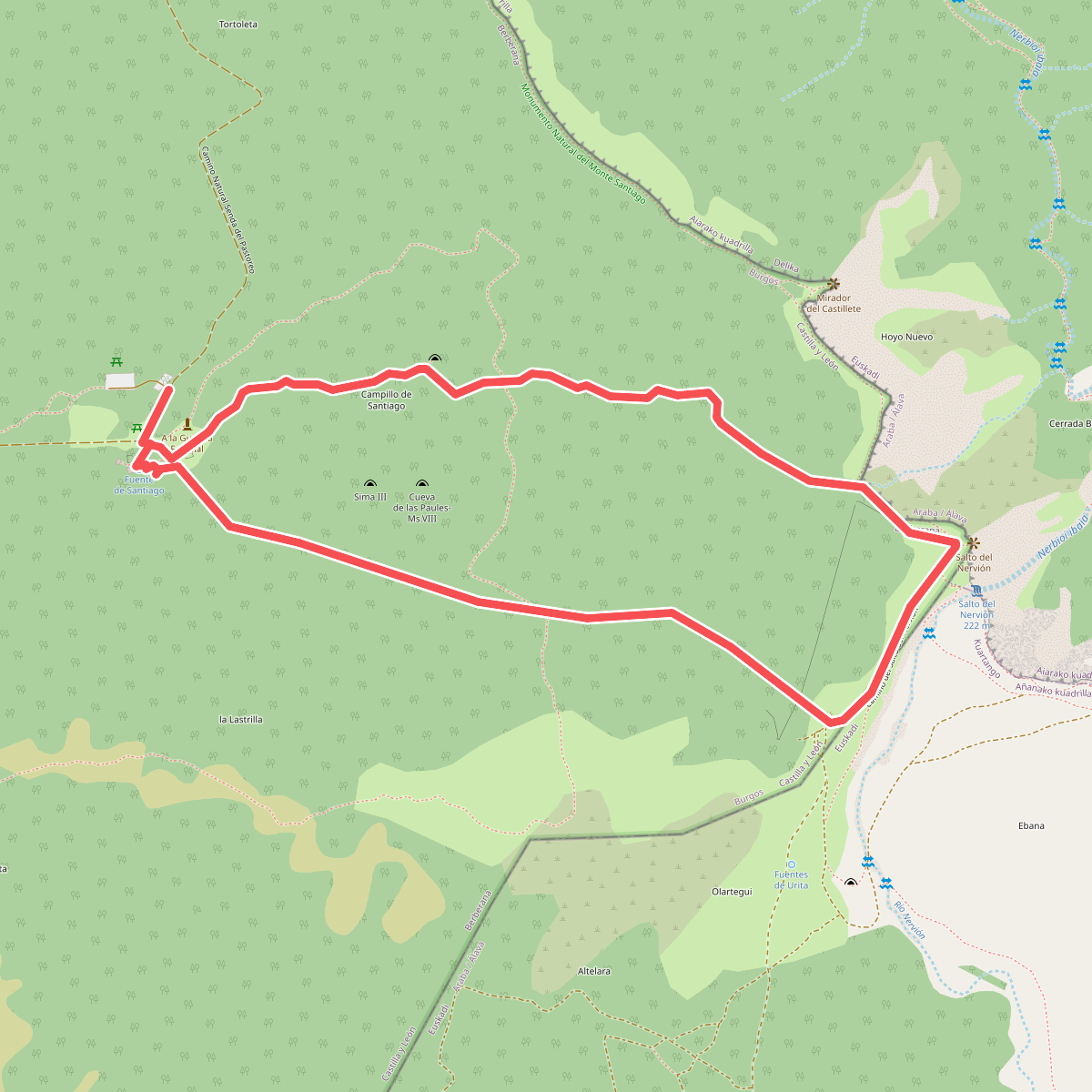
#4. Circular del Karst
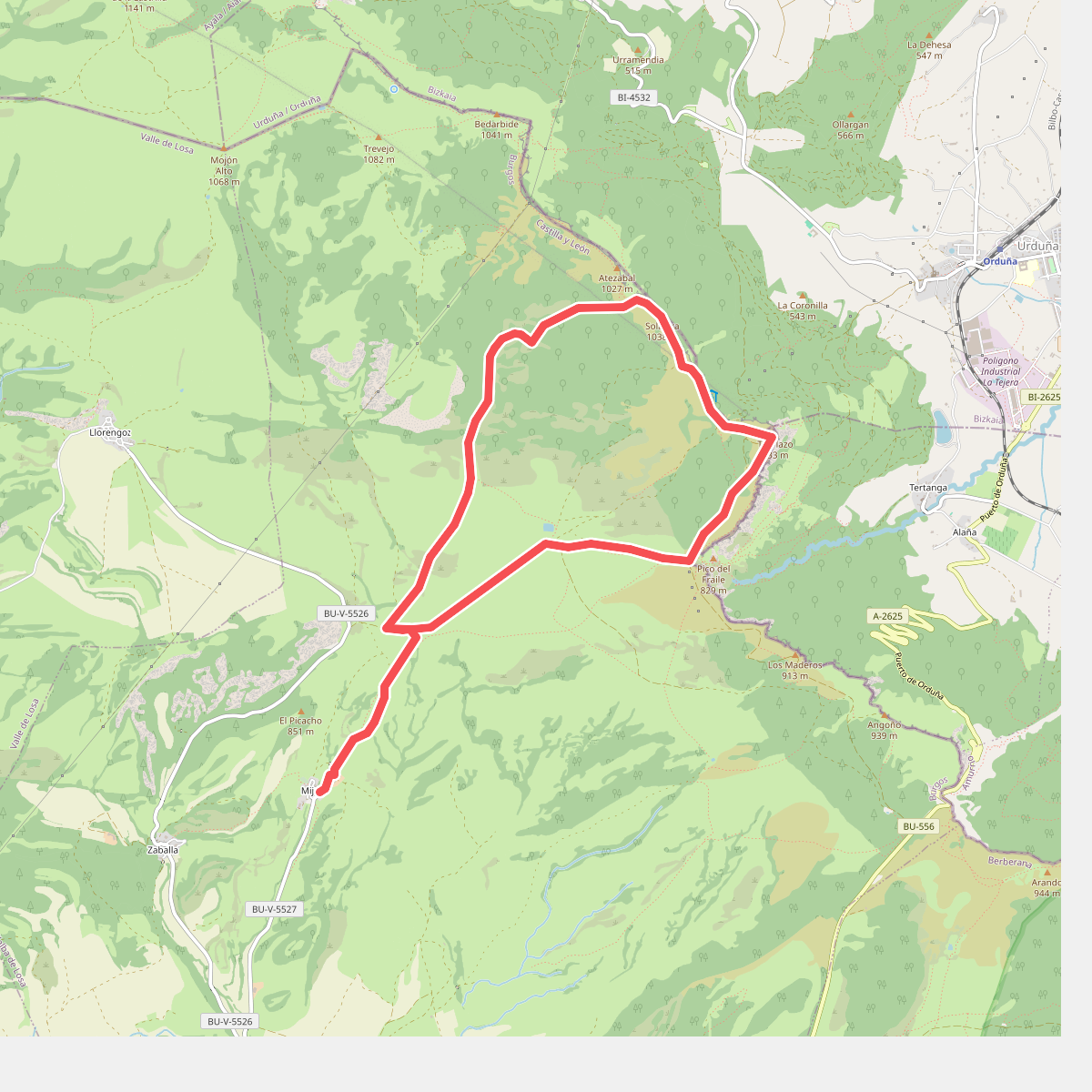
#5. Dehesa del agua
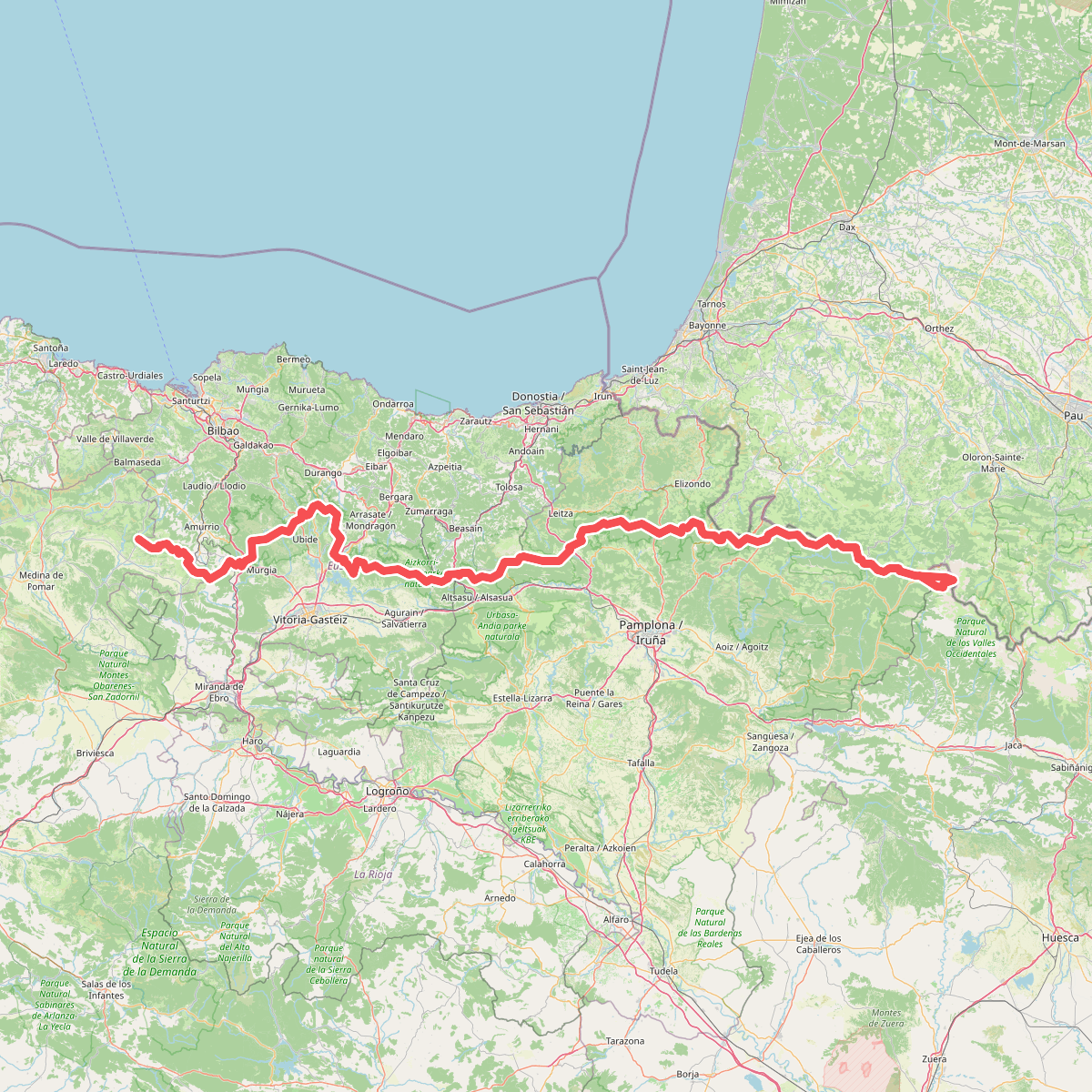
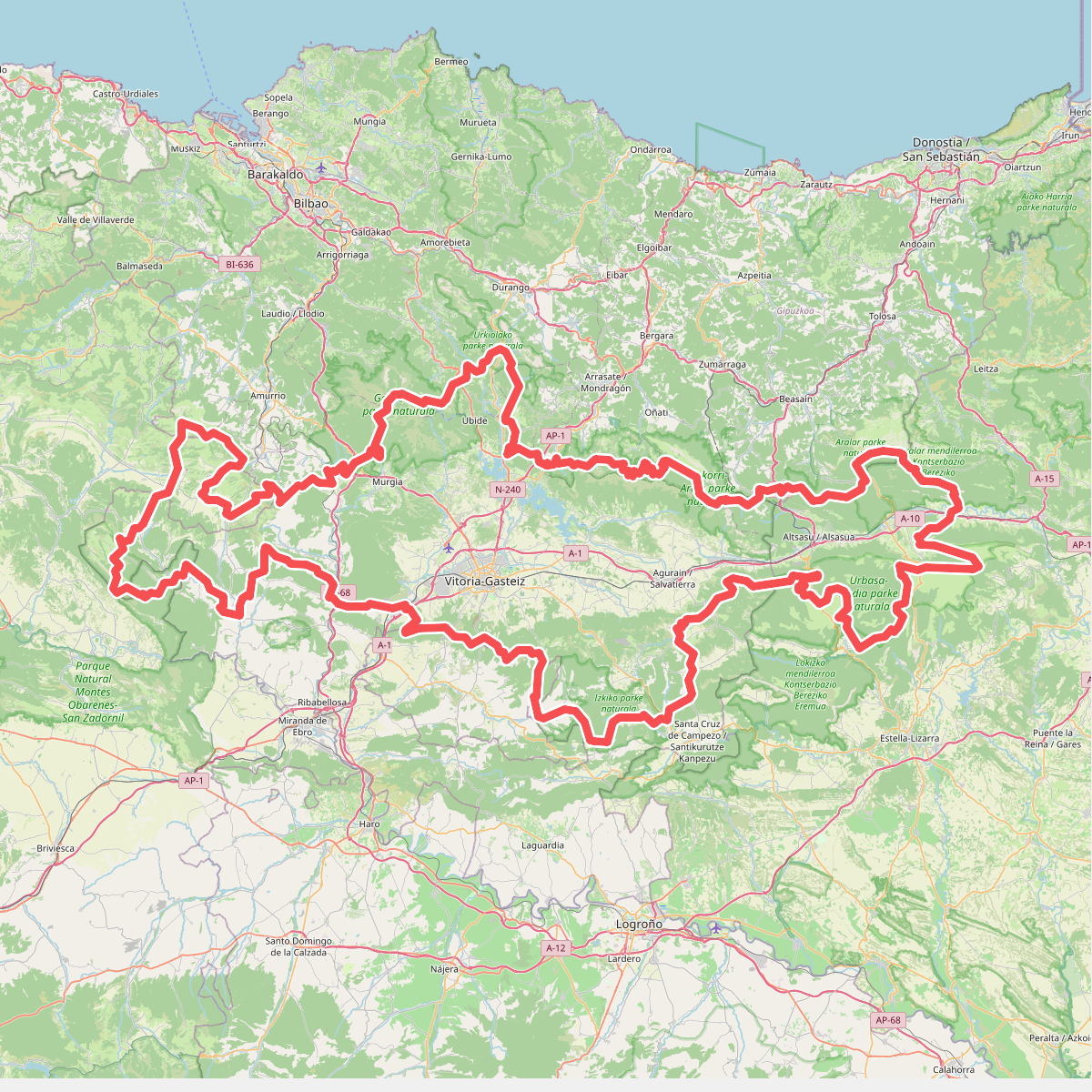
#6. Euskal Herriko ibilaldia
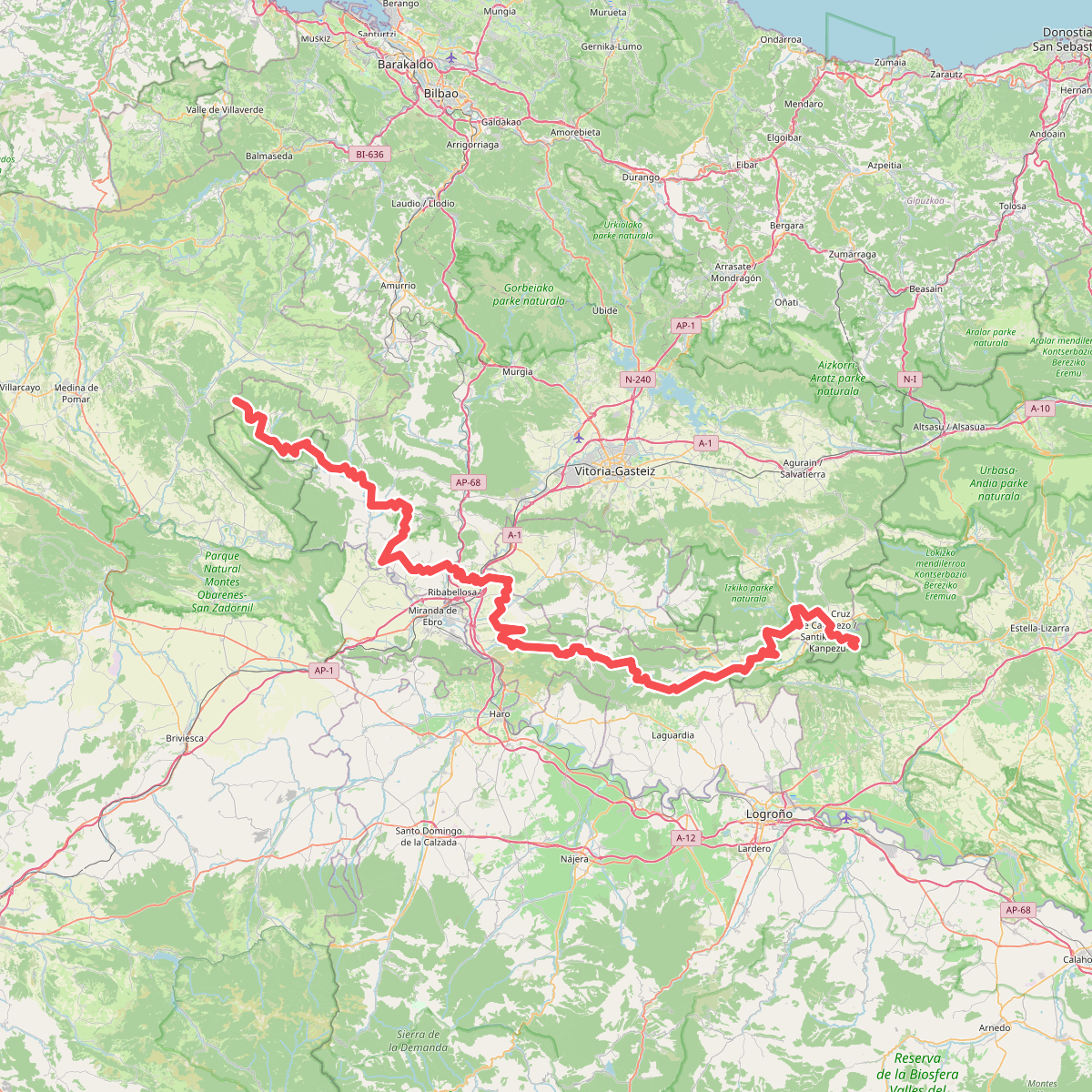
#7. Ibilbide historikoa: Araba
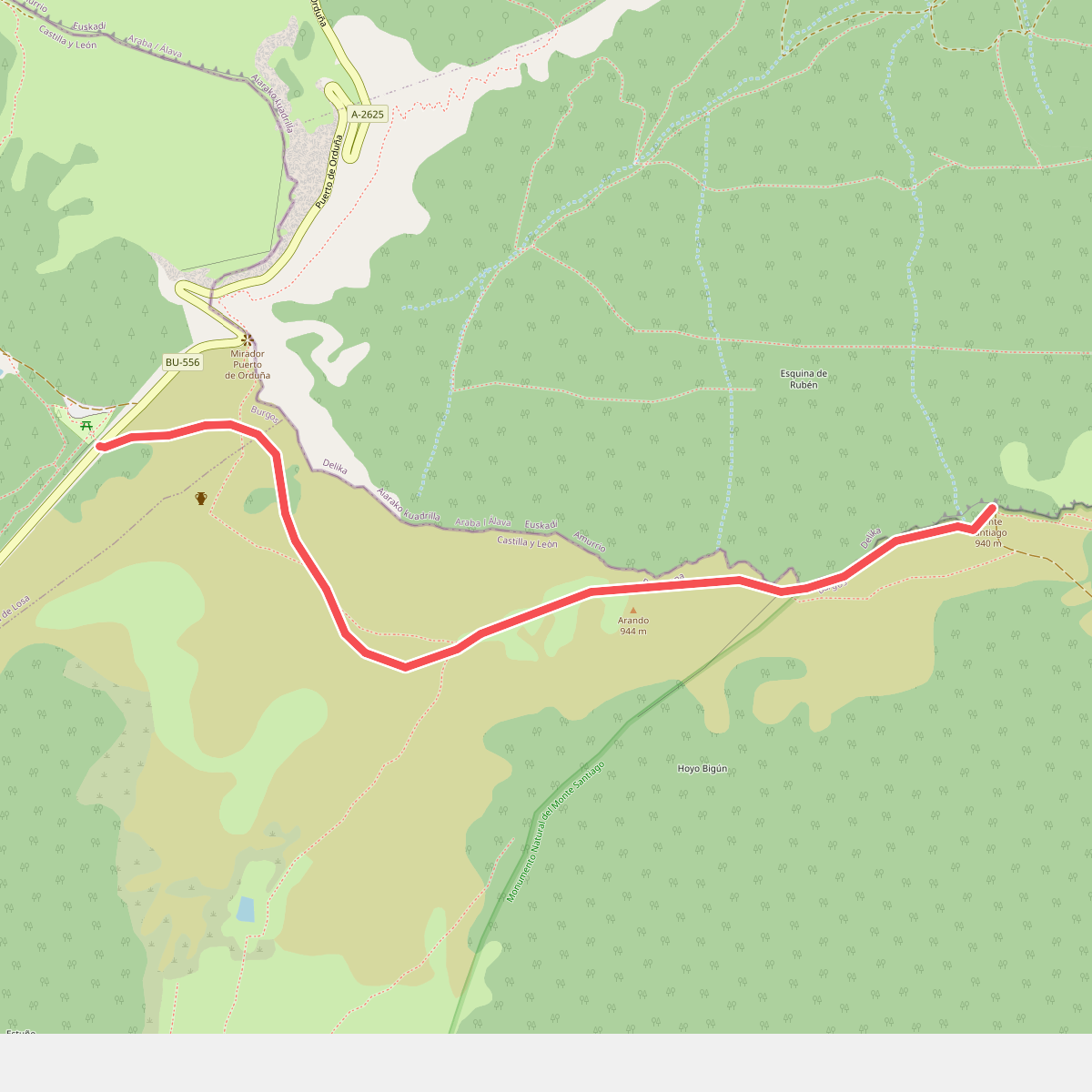
#8. Puerto de Orduña
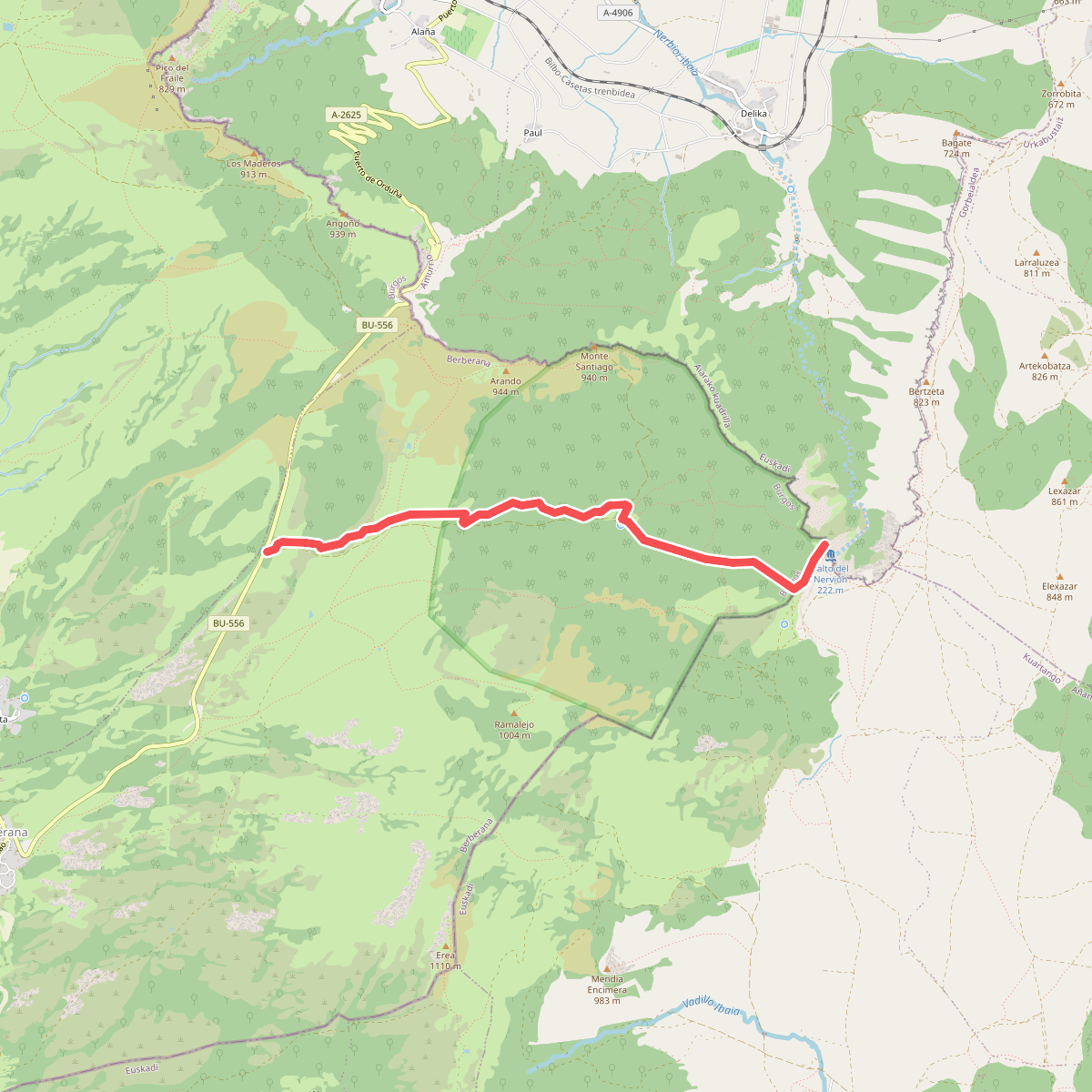
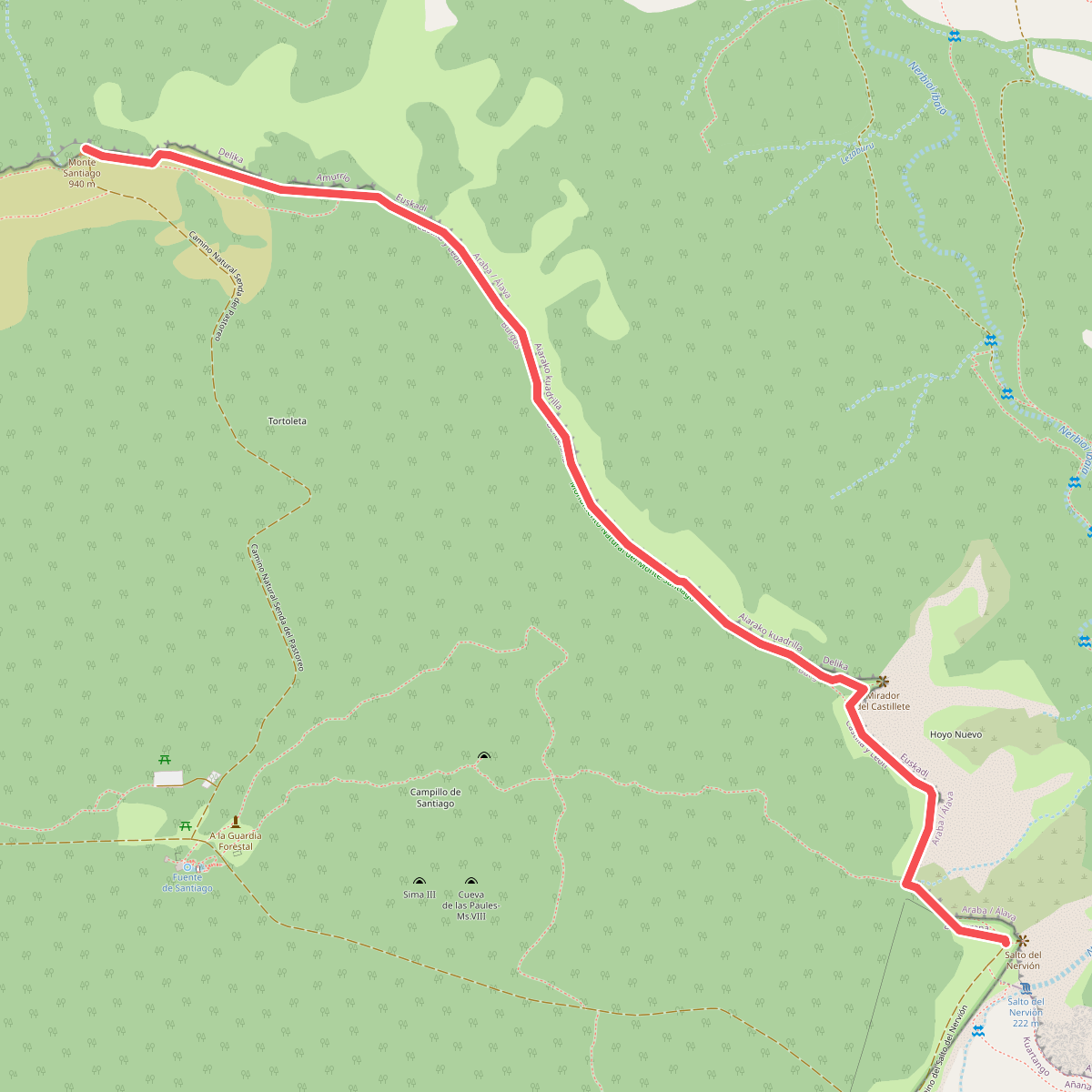
#9. Salto del Nervión
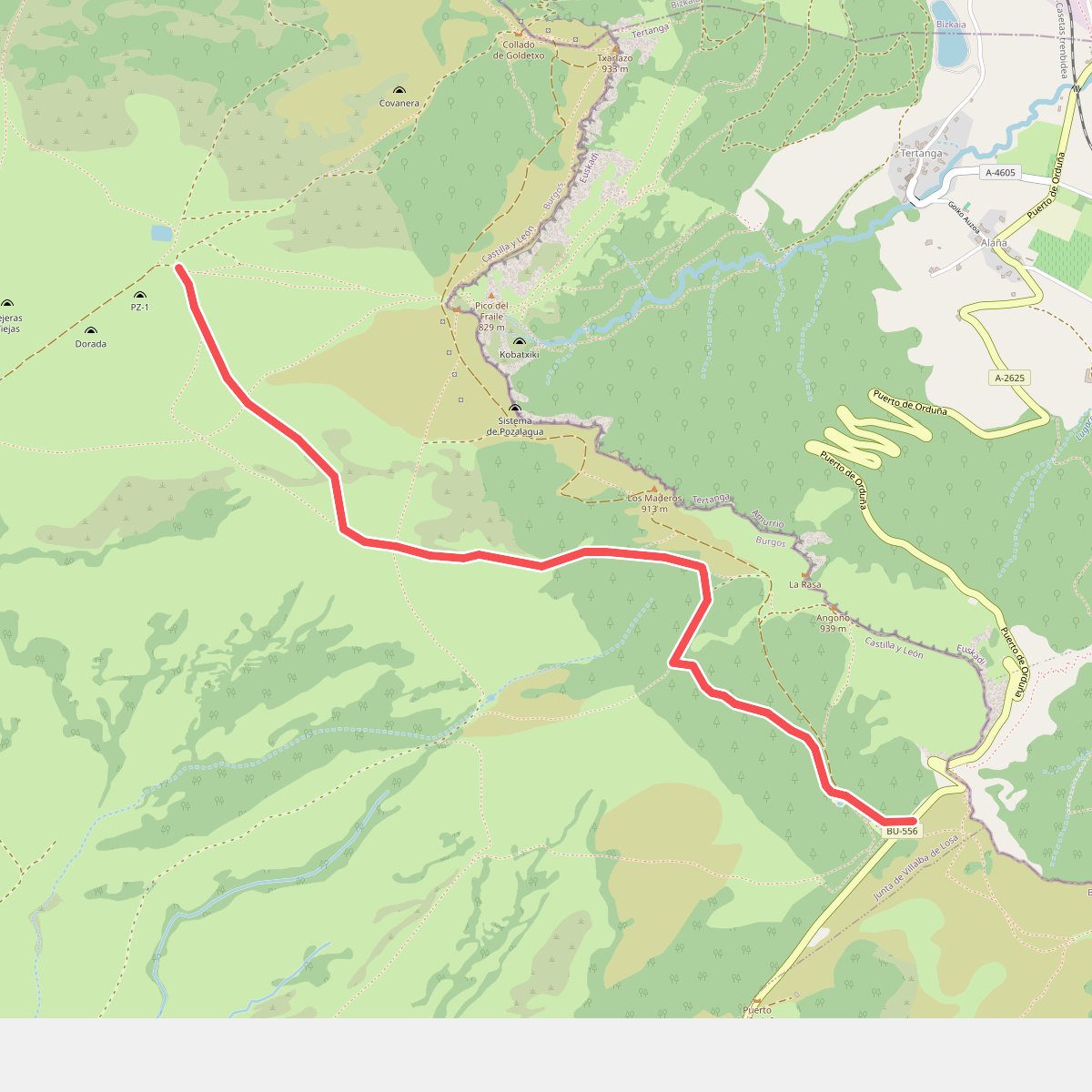
#10. Senda de Pozolagua