The best hiking routes in Varnių regioninis parkas
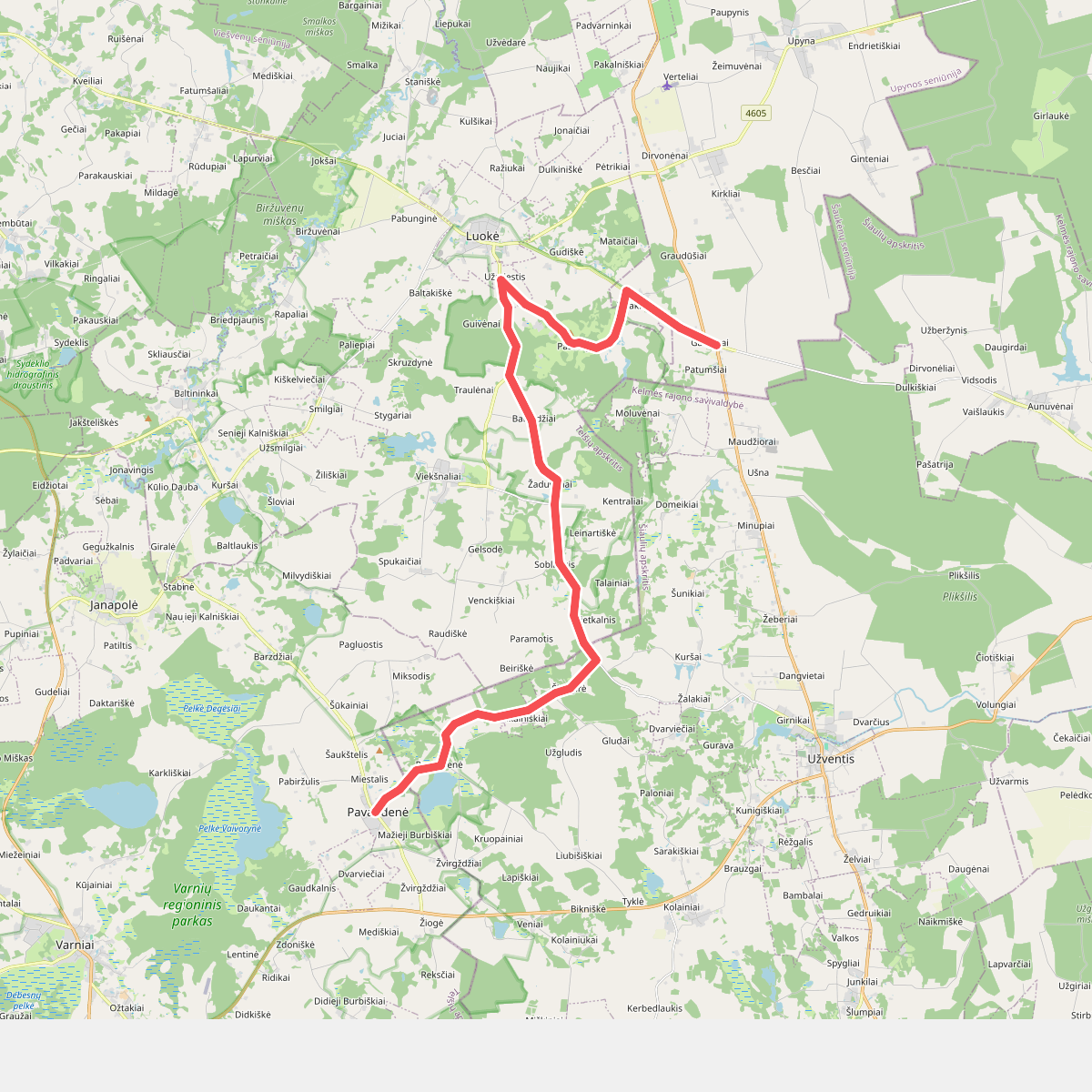
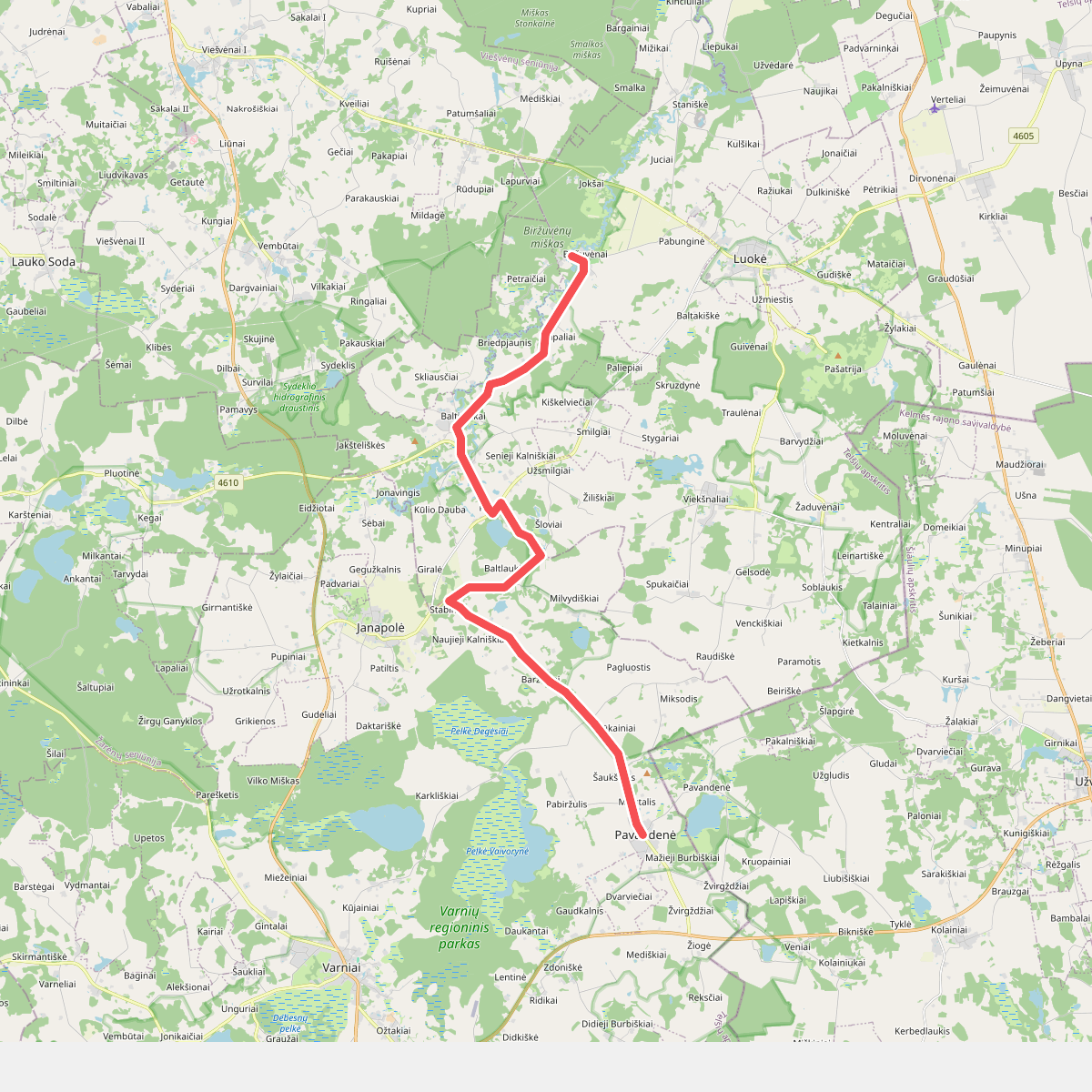
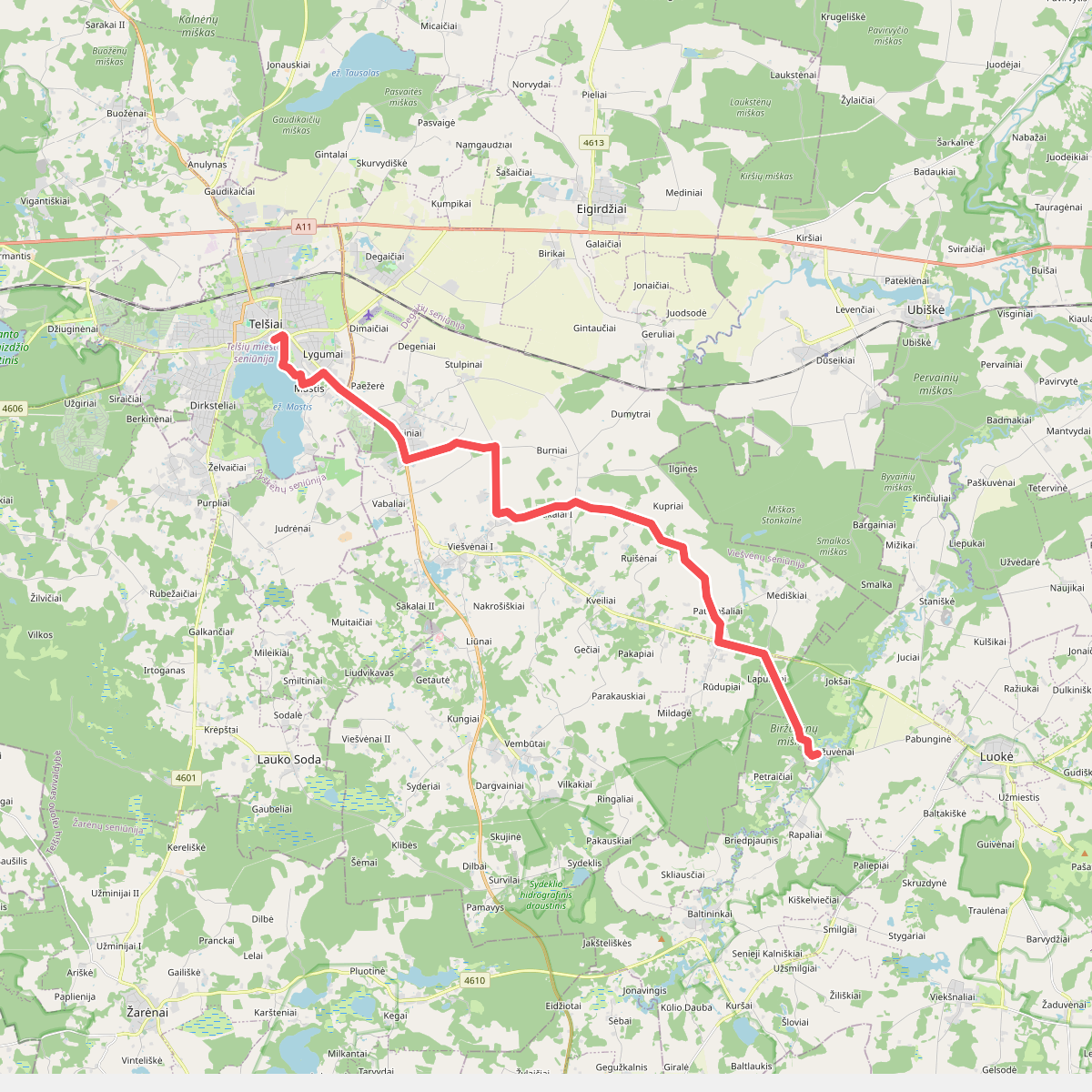
Discover the best walks in Varnių regioninis parkas. 3 routes on the map, with descriptions, photos and GPX.
About Varnių regioninis parkas
Varnių regioninis parkas covers a distinctively damp, undulating landscape shaped by the last glaciation in the Samogitian Highlands. Unlike the flat plains of central Lithuania, this area is characterized by rolling moraine hills, peat bogs, and several shallow lakes, with Lake Lũkstas being the largest. Walkers should expect a mix of terrain where wet, spongy peat soils underfoot alternate with firmer clay and gravel paths along the ridges. Several sections feature wooden boardwalks designed to carry foot traffic across the most fragile wetland habitats.
Read more
About Varnių regioninis parkas
Varnių regioninis parkas covers a distinctively damp, undulating landscape shaped by the last glaciation in the Samogitian Highlands. Unlike the flat plains of central Lithuania, this area is characterized by rolling moraine hills, peat bogs, and several shallow lakes, with Lake Lũkstas being the largest. Walkers should expect a mix of terrain where wet, spongy peat soils underfoot alternate with firmer clay and gravel paths along the ridges. Several sections feature wooden boardwalks designed to carry foot traffic across the most fragile wetland habitats.
Read moreVarnių regioninis parkas covers a distinctively damp, undulating landscape shaped by the last glaciation in the Samogitian Highlands. Unlike the flat plains of central Lithuania, this area is characterized by rolling moraine hills, peat bogs, and several shallow lakes, with Lake Lũkstas being the largest. Walkers should expect a mix of terrain where wet, spongy peat soils underfoot alternate with firmer clay and gravel paths along the ridges. Several sections feature wooden boardwalks designed to carry foot traffic across the most fragile wetland habitats.
When choosing a route, the contrast between the open, marshy lake shores and the dense spruce and deciduous forests is key. The Debesnos botanical path offers a close-up look at a lowland fen, where the vegetation consists of sedges and mosses, requiring you to stay on the designated boardwalk. In contrast, climbing the moraine hills like Šatrija provides a view over the undulating terrain, revealing how the agricultural fields cling to the higher, drier slopes while the hollows remain waterlogged and forested.
This park does not offer dramatic gorges or dry pine forests on sand dunes. Instead, the landscape is defined by its quiet, rural character and the transition from damp meadows to thick woodland. Late spring, particularly May, brings a noticeable greening of the fens and active birdlife around the lakes, making the dampness of the paths a central part of the walking experience.