
The best hiking routes in Steirisches Dachsteinplateau
Discover the best walks in Steirisches Dachsteinplateau. 6 routes on the map, with descriptions, photos and GPX.
About Steirisches Dachsteinplateau
The Steirisches Dachsteinplateau is a vast, high-altitude karst landscape that feels entirely different from the lush valleys below. Walking here means navigating a grey, rocky expanse of limestone pavement, deep sinkholes, and stunted mountain pines. There are no grassy meadows or soft forest paths; instead, the terrain is defined by bare stone, sharp ridges, and fissures carved by water over millennia. The lack of surface water is immediate, as rain quickly disappears into the porous rock, leaving a dry, desert-like alpine environment.
Read more
About Steirisches Dachsteinplateau
The Steirisches Dachsteinplateau is a vast, high-altitude karst landscape that feels entirely different from the lush valleys below. Walking here means navigating a grey, rocky expanse of limestone pavement, deep sinkholes, and stunted mountain pines. There are no grassy meadows or soft forest paths; instead, the terrain is defined by bare stone, sharp ridges, and fissures carved by water over millennia. The lack of surface water is immediate, as rain quickly disappears into the porous rock, leaving a dry, desert-like alpine environment.
Read moreThe Steirisches Dachsteinplateau is a vast, high-altitude karst landscape that feels entirely different from the lush valleys below. Walking here means navigating a grey, rocky expanse of limestone pavement, deep sinkholes, and stunted mountain pines. There are no grassy meadows or soft forest paths; instead, the terrain is defined by bare stone, sharp ridges, and fissures carved by water over millennia. The lack of surface water is immediate, as rain quickly disappears into the porous rock, leaving a dry, desert-like alpine environment.
Underfoot, the trails consist of loose scree, rugged limestone slabs, and occasional steep scrambles. Waymarking is crucial here, as the grey rock can easily blend together, especially when low cloud descends on the plateau. You will notice how the vegetation adapts to this harsh terrain, with hardy alpine flowers clinging to narrow crevices and patches of dwarf pine providing the only green contrast to the stone.
This plateau is not a place for gentle, rolling strolls or sheltered woodland walks. It is a demanding, exposed environment where progress is slower than on standard mountain paths due to the uneven, rocky surface. While the main routes near the cable car stations see regular foot traffic, venturing deeper into the plateau offers a stark, quiet karst wilderness that requires careful footwork and navigation.
Hiking routes in Steirisches Dachsteinplateau (6)
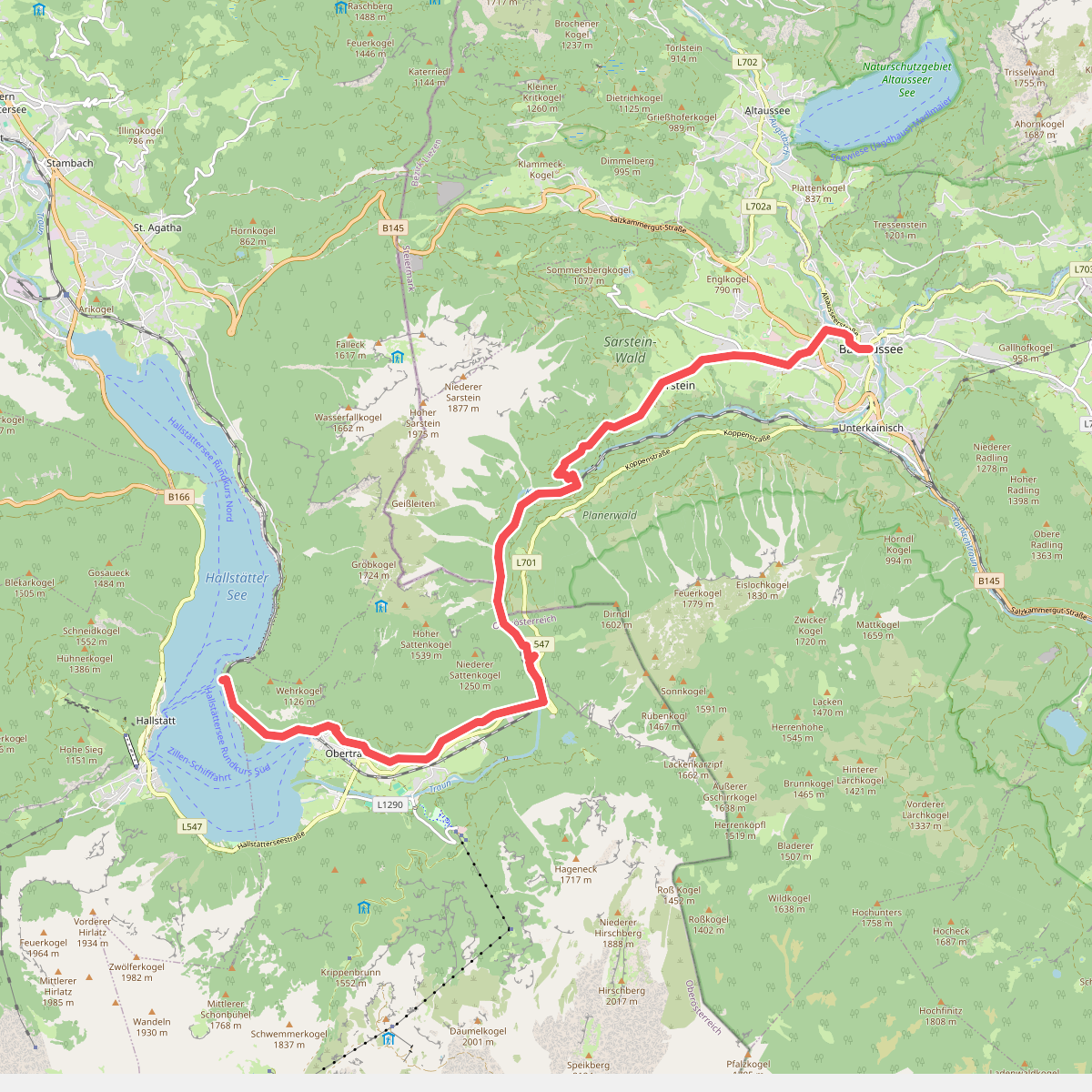
#1. Hallstatt - Bad Aussee · BergeSeen Trail etappe 13
Obertraun,Bad Aussee
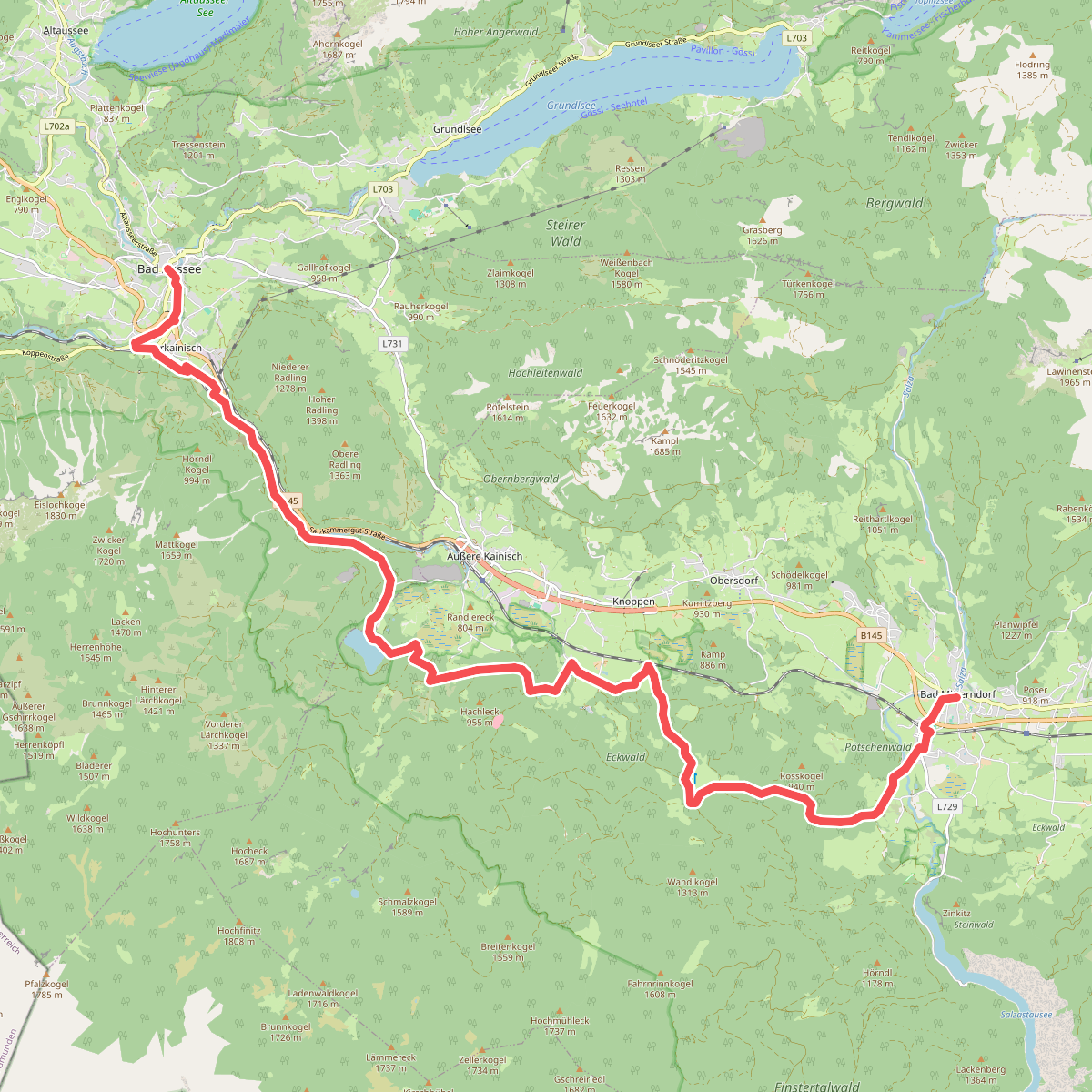
#2. Bad Aussee - Bad Mitterndorf · BergeSeen Trail etappe 14
Bad Aussee,Bad Mitterndorf
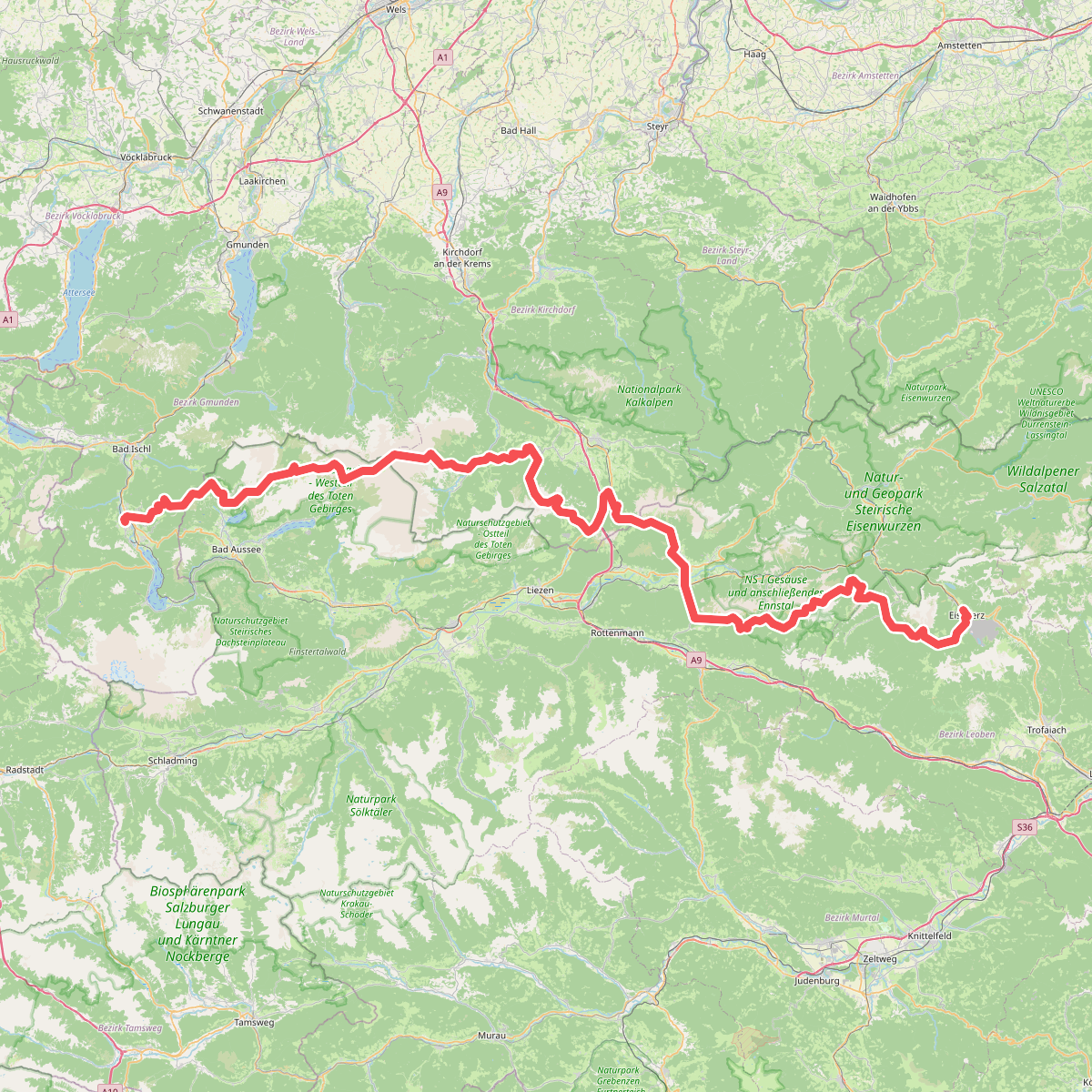
#3. Europäischer Fernwanderweg E4 alpin (Bad Goisern/Eisenerz)
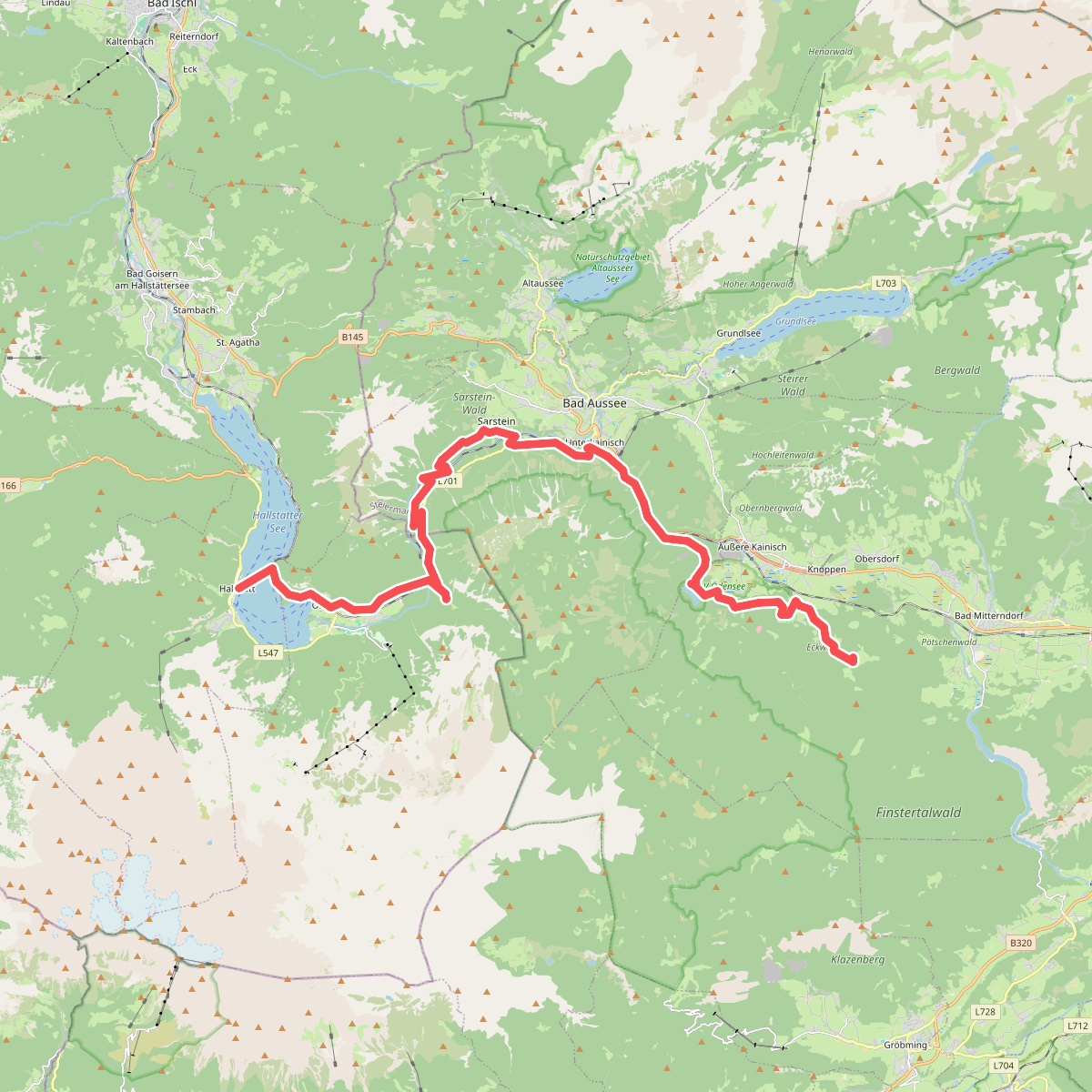
#4. Steinitzenalm - Hallstatt · Dachstein etappe 6
Bad Mitterndorf,Bad Aussee,Obertraun,Hallstatt
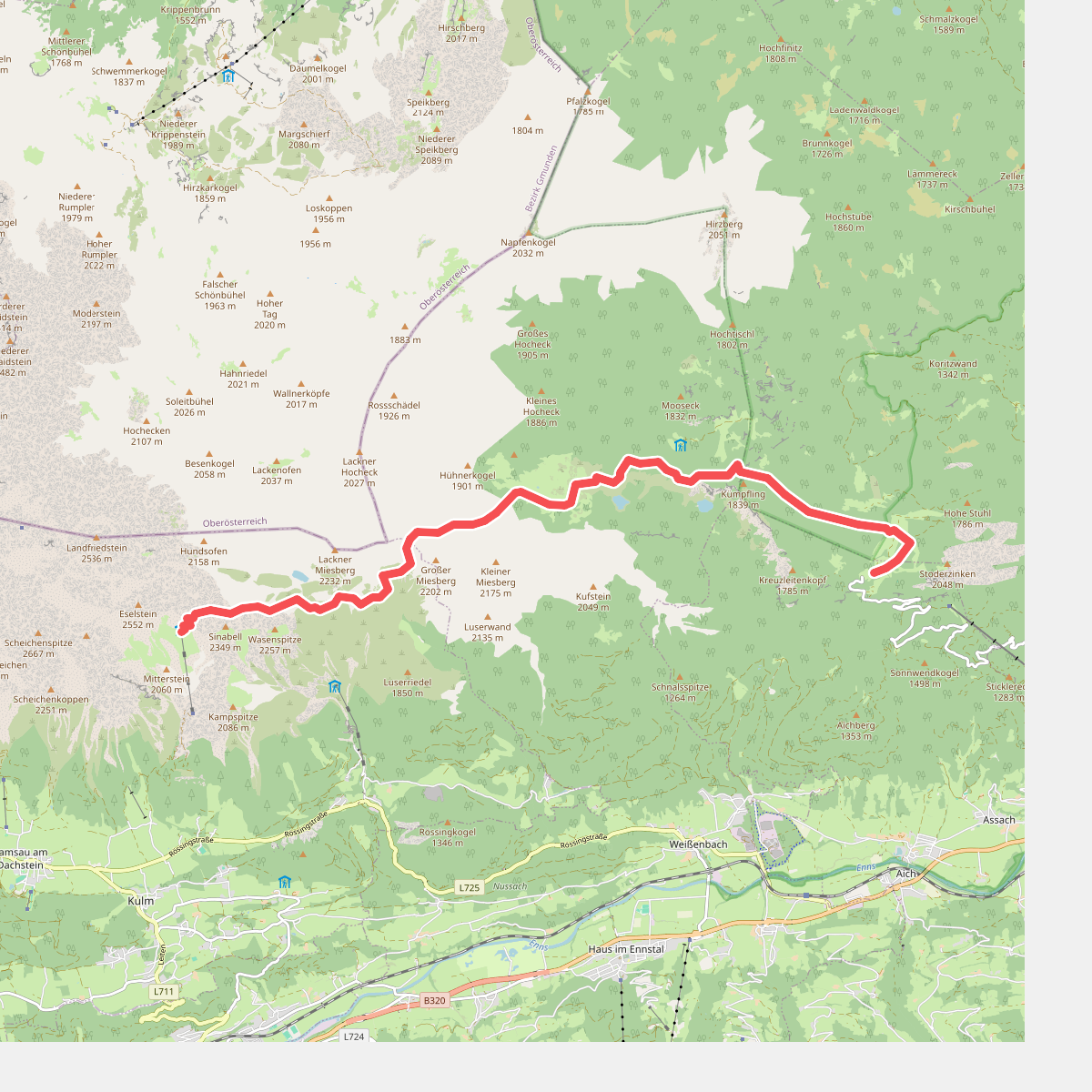
#5. Guttenberghaus - Steinerhaus · Dachstein etappe 4
Ramsau am Dachstein,Haus im Ennstal,Gröbming,Aich
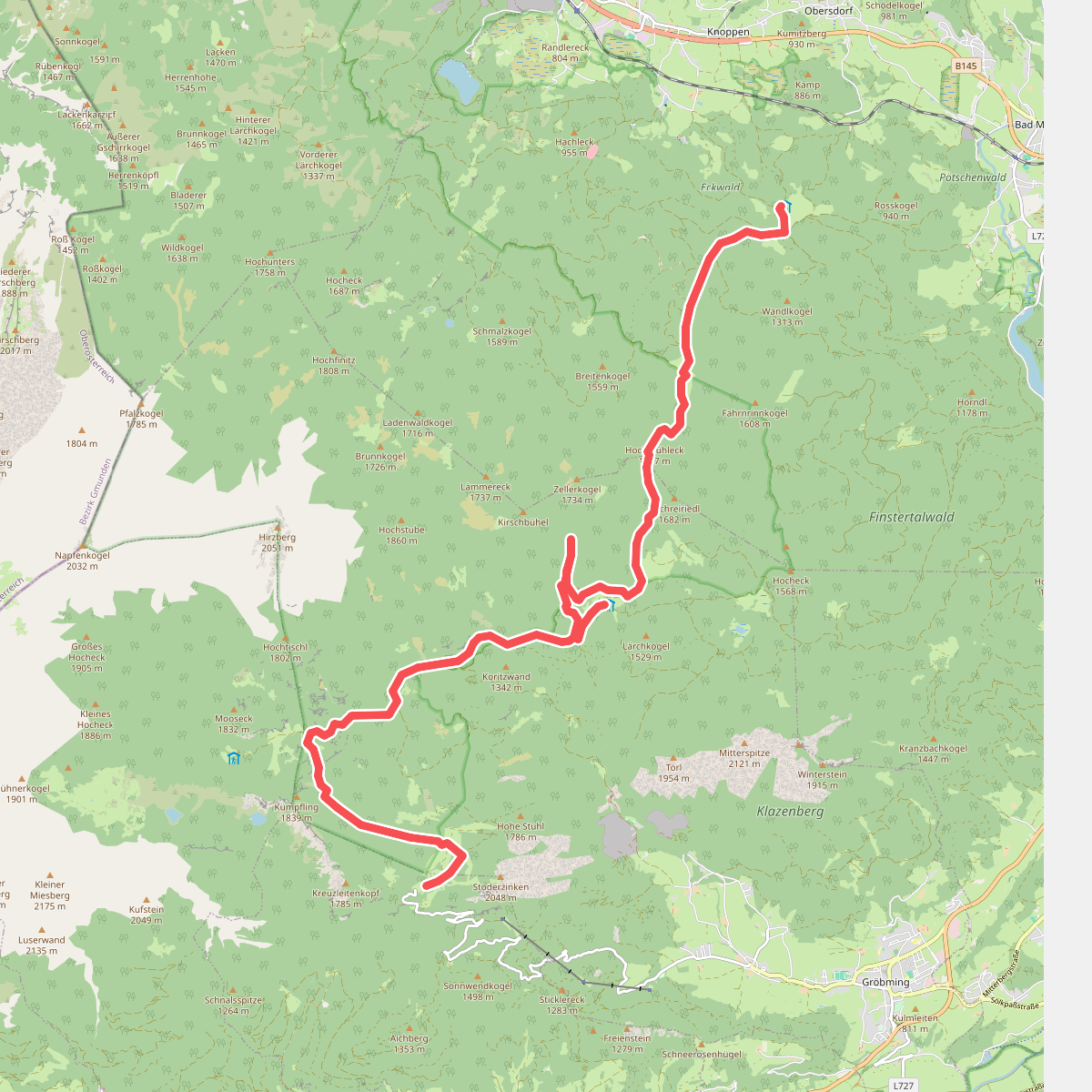
#6. Steinerhaus - Steinitzenalm · Dachstein etappe 5
Aich,Gröbming,Bad Mitterndorf